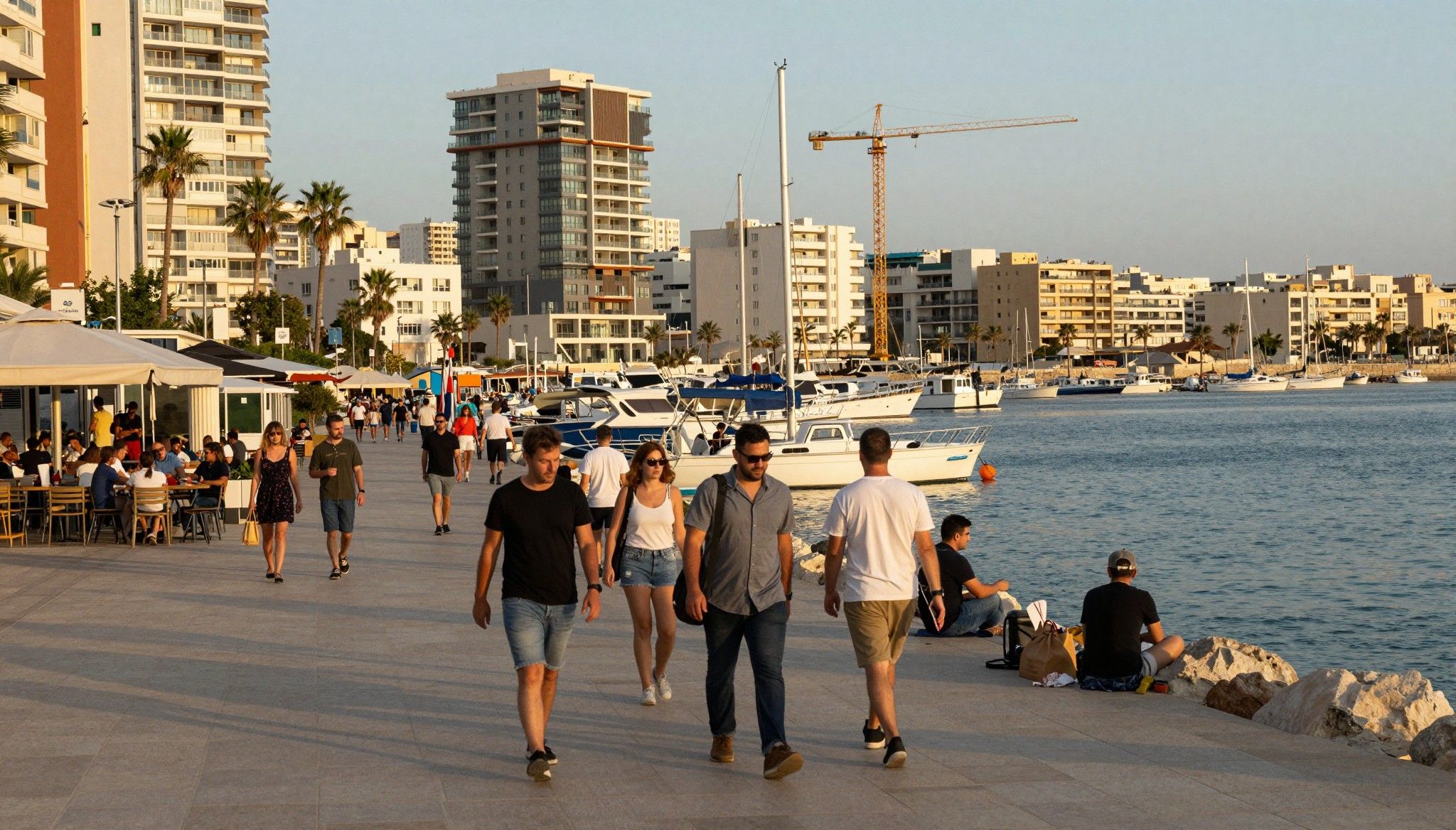
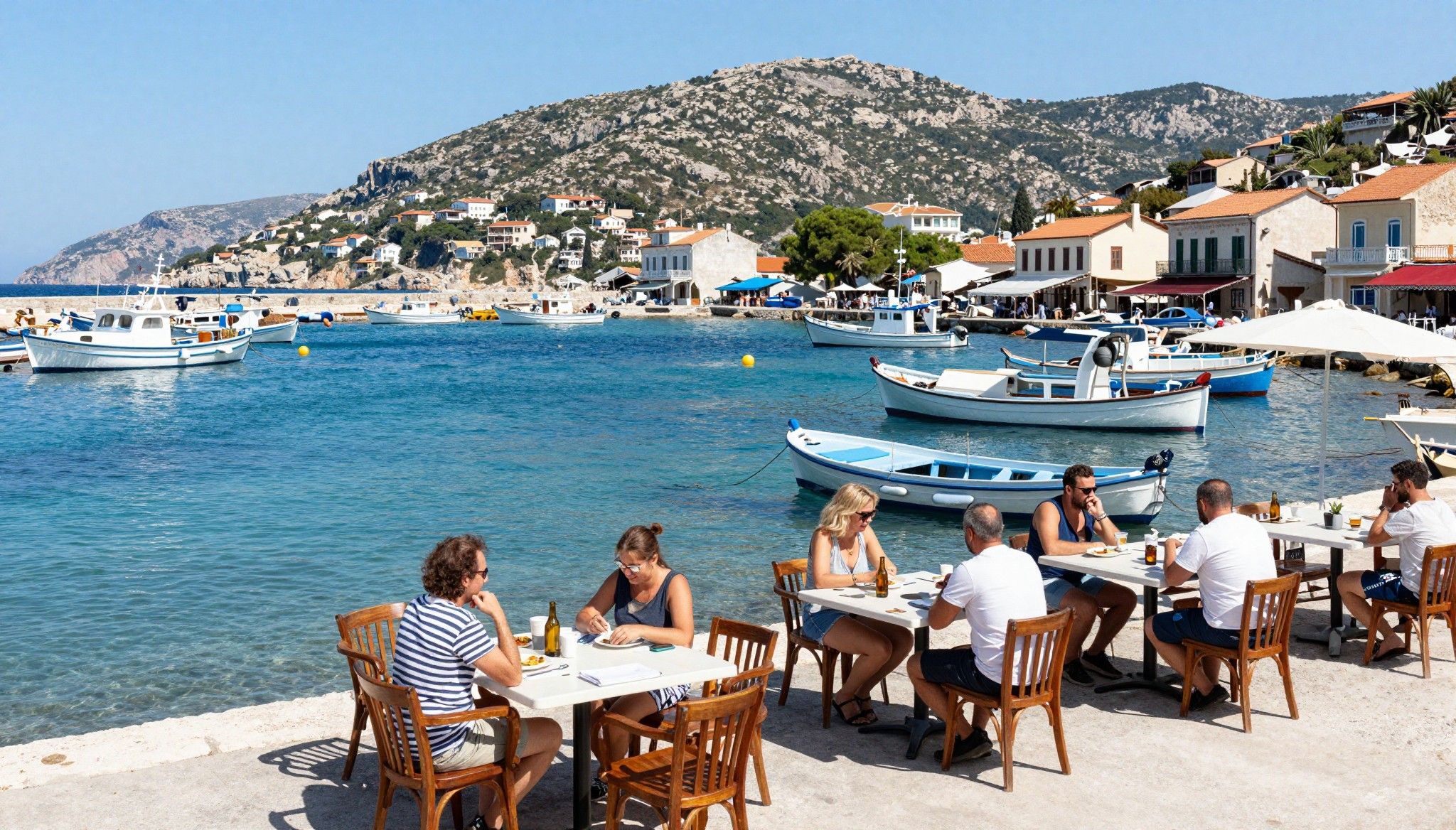
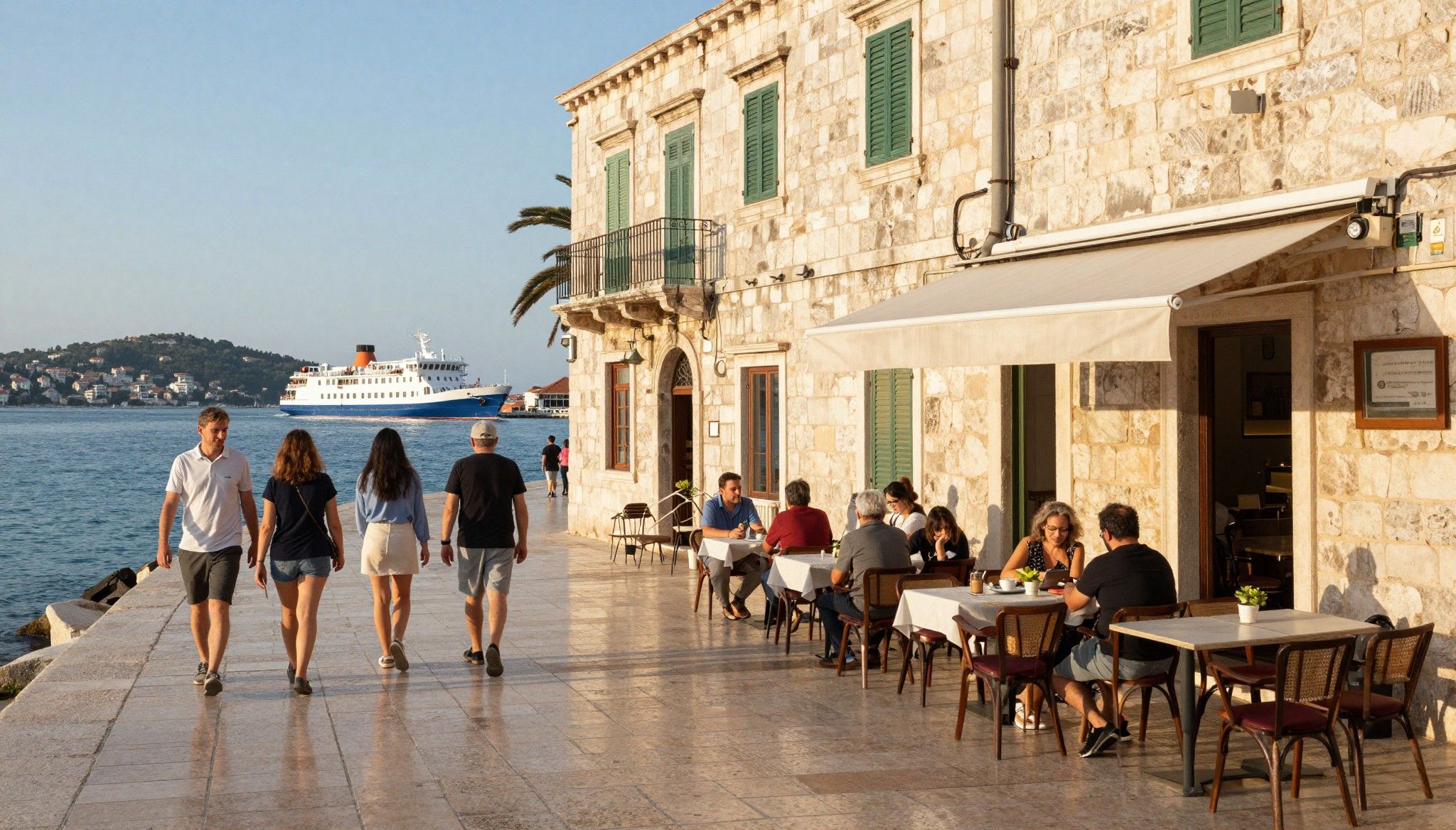
Greece: Season, Lifestyle and Market Realities
Greece blends city rhythm and island life—test neighbourhoods across seasons, weigh Golden Visa shifts, and pair lifestyle visits with technical due diligence.
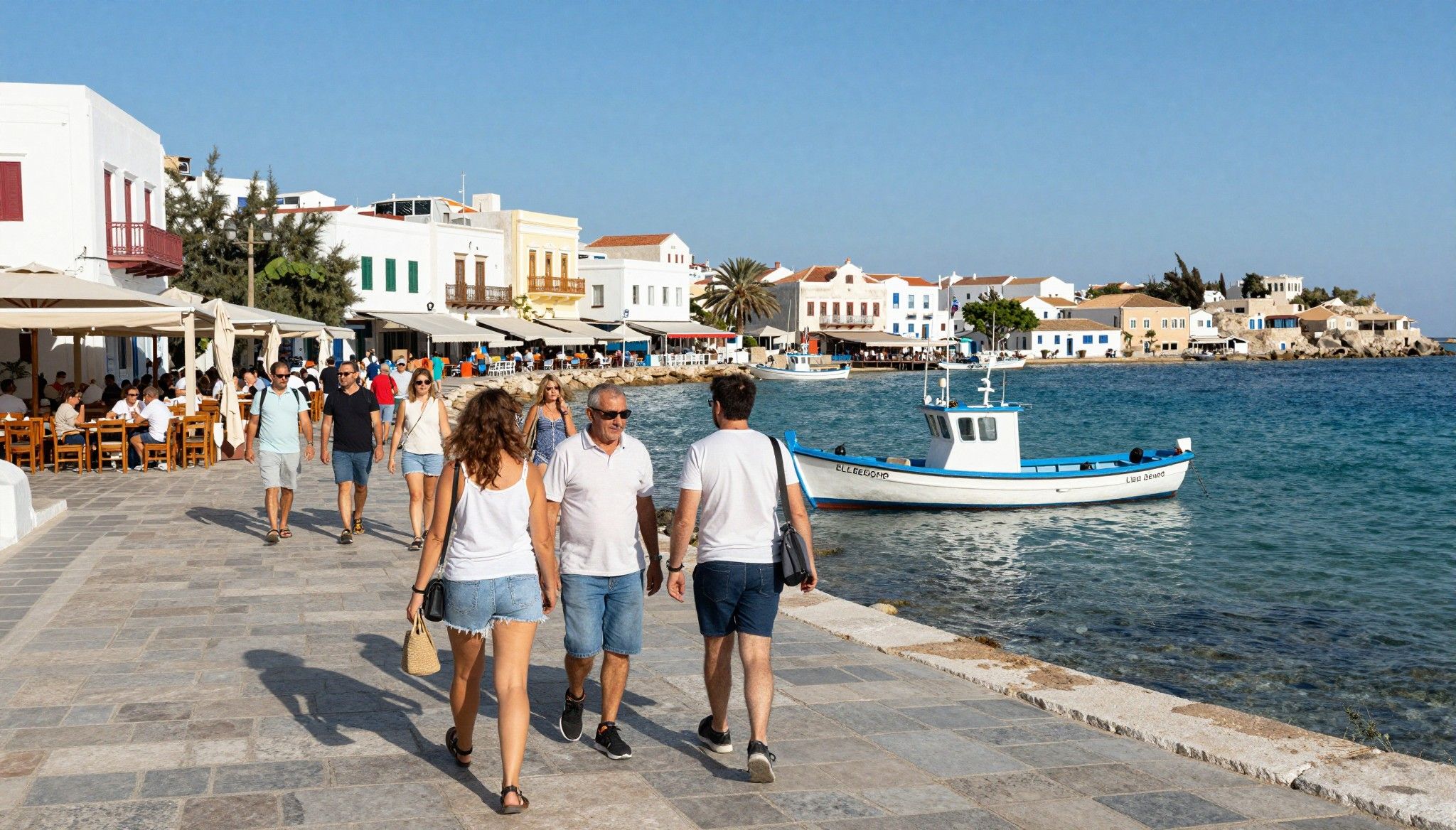
Imagine sipping an espresso at Koukaki’s square, then walking 10 minutes to a neoclassical street where a 19th‑century apartment opens onto plane trees and shutters. In Greece the day moves from market rhythm to coastal light: long lunches, islands that feel like private worlds, and neighbourhoods where a baker knows your name. For buyers who want lifestyle first—and sensible value second—Greece still offers a rare mix of lived‑in culture, seasonal variety and cities with liquid property markets. Recent market reports confirm strong but uneven price growth and policy shifts that affect where international buyers should look. (Sources cited below.)
Living the Greece life: city, coast and island rhythms
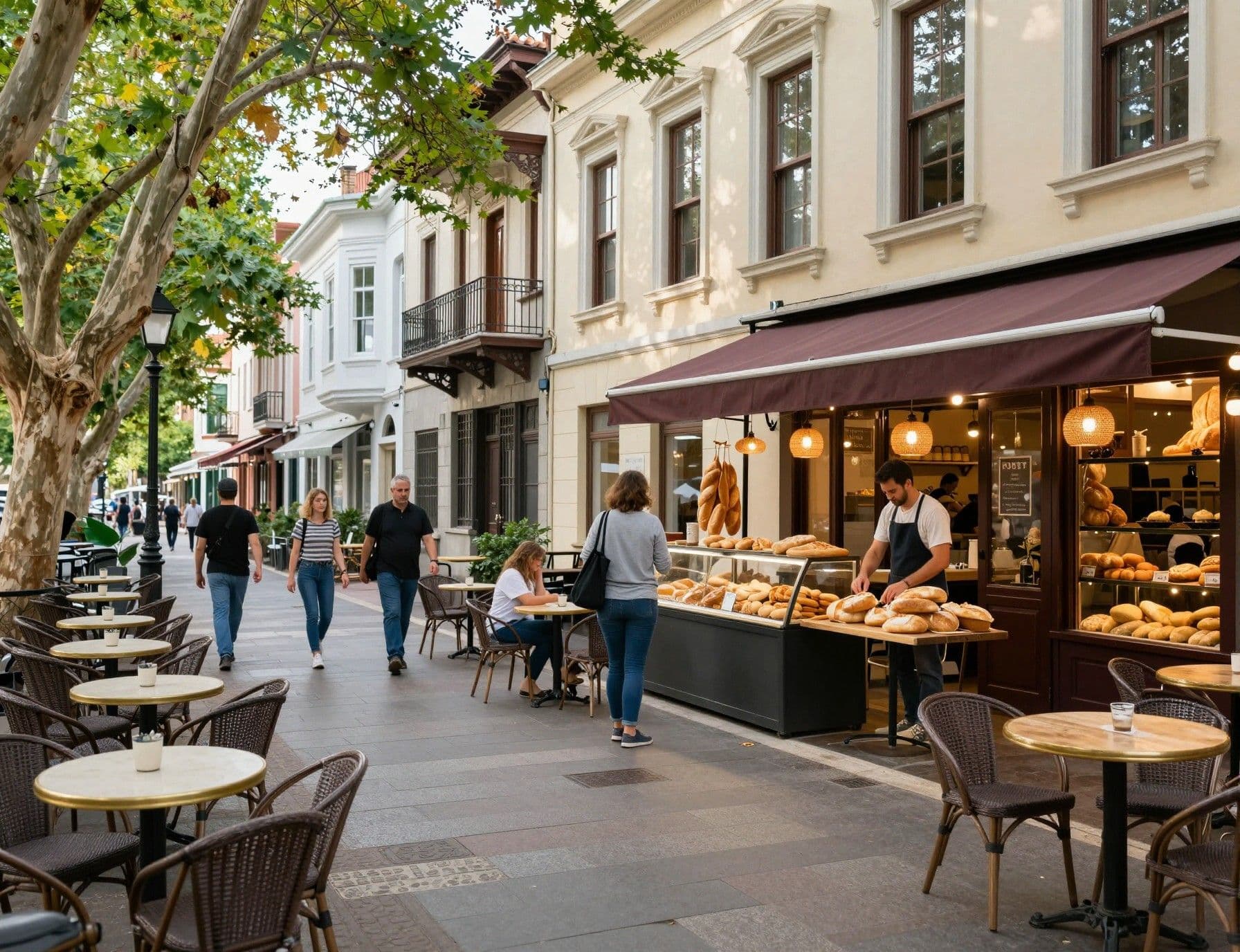
Greece is not a single lifestyle but a set of distinct tempos. Athens hums from morning cafés in Koukaki to aperitifs in Kolonaki; Thessaloniki keeps a late-night, tavern-driven social life; the islands move between lively high season and a calmer five‑month stretch where locals reclaim beaches and tavernas. Weather, festivals and food shape how you live—spring markets, midsummer sea swims, autumn chestnut festivals and quiet winters that reward well-insulated homes and efficient heating systems.
Athens neighbourhoods worth knowing
Koukaki: friendly squares, short walks to the Acropolis, and a mix of restored townhouses and modern apartments that suit full‑time residents and short‑let investors. Plaka: tourist‑dense, historic but quieter off-season—best if you want constant atmosphere. Glyfada and Voula: southern suburbs with beaches, marinas and international schools; they feel suburban‑coastal without leaving Athens’ services behind.
Island contrasts: lifestyle tradeoffs
Choose Mykonos or Santorini and you buy into peak-season energy—and higher price bands after the 2024 Golden Visa reforms concentrated demand. Opt for Naxos, Paros or Crete and you get slower seasons, larger plots, and a quieter year‑round life. Recent legal changes also reshaped residency thresholds, so island choice now directly affects both lifestyle and visa eligibility.
- Lifestyle highlights: real places and moments
- Morning espresso at Little Kook (Athens) or a seaside cafe in Panormos (Mykonos)
- Saturday farmers’ market at Varvakios (Athens) and fish markets at Thessaloniki’s harbour
- Sunset walks along Glyfada’s coast; evening rebetiko music in Psyrri
- Off-season island hikes (Naxos’ inland trails) and low-season beach ownership perks
Making the move: where lifestyle meets market reality
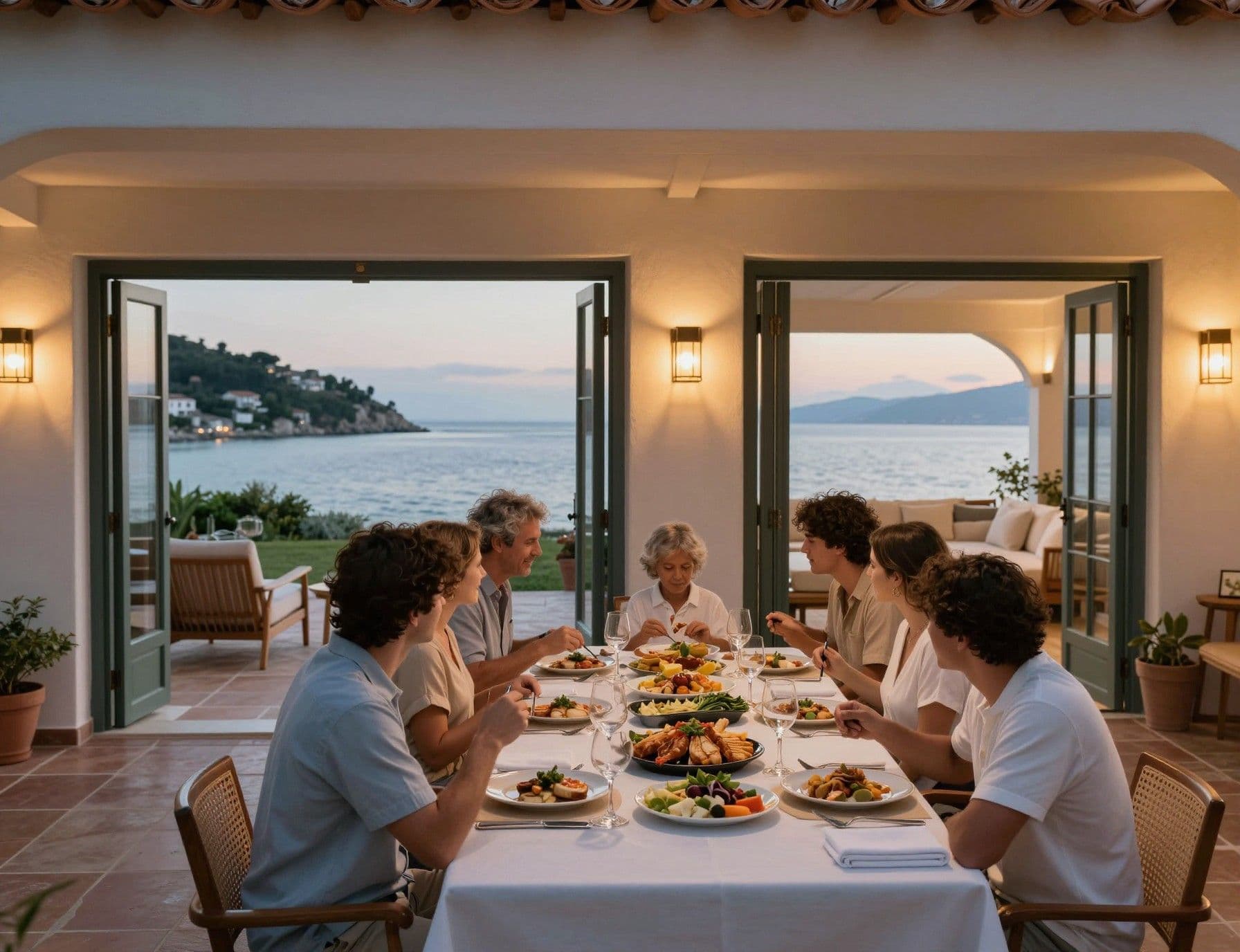
If lifestyle sells the dream, data defines where you buy. Greece recorded strong house‑price gains in recent years but with cooling signs in early 2026. Bank of Greece and local reporting show earlier double‑digit pockets—Athens and Thessaloniki led—while smaller islands and regional towns grew more moderately. That means a buyer seeking capital appreciation and year‑round life should balance central‑city liquidity with coastal or island serenity.
Property styles and how they shape daily life
Neoclassical Athens flats offer high ceilings and balconies for people‑watching, but often need upgrading for insulation and modern heating. New‑build apartments in Glyfada or seaside resorts provide better energy efficiency and private parking—important if you plan year‑round residence. On islands, stone houses and villas deliver privacy and outdoor living, yet maintenance, water supply and insulation are practical constraints you must accept.
Working with local experts who know the lifestyle
An agent who speaks your language and knows local rhythms—municipal rules, microclimate differences, and the neighbourhood baker—adds value beyond listings. Lawyers familiar with Greek conveyancing and surveyors who inspect for seismic reinforcement matter here: many buildings predate modern codes. Use agencies that present energy certificates, building plans and clear community fee histories; lifestyle fit without technical certainty is a costly mistake.
- Practical steps that blend lifestyle and market sense
- 1) Visit the area in off‑peak season to feel daily life, not the holiday spectacle.
- 2) Ask local agents for running costs: winter heating, water, communal repairs.
- 3) Commission a structural survey focused on seismic resilience for older buildings.
- 4) Check Golden Visa thresholds early: they shape demand and price bands (see legal sources).
Insider knowledge: myths, mistakes and seasonal truth
Buyers often assume islands are always better value than cities—or that summer visits reveal year‑round life. Both are myths. Islands can be more expensive per square metre, and tourist rhythm masks winter costs. Conversely, parts of Athens (e.g., Koukaki, Pangrati) offer quieter streets and community feel that surprise newcomers. Smart buyers test assumptions with multi‑season visits and data on utilities, insurance and maintenance.
Cultural integration and the social map
Greek social life is neighbourly: a weekly visit to the local kafeneio (coffee house) or taverna yields more connections than online groups. Learning basic Greek opens doors—markets, municipal offices and friendly repairs. Expat communities cluster: northern suburbs of Athens and Glyfada host families and schools, while islands attract entrepreneurially minded buyers who run seasonal hospitality.
Long-term lifestyle: durability over postcard moments
Think beyond the postcard: does the neighbourhood sustain winter services, local healthcare, and community year-round? Prime islands may hold value, but a mixed‑use Athens suburb can deliver steady rental demand and access to international schools. Buyers planning long stays should prioritise energy upgrades, storage for off‑season living, and access to regional airports or ferries that work for their travel patterns.
- Red flags locals warn about
- No energy performance certificate or unclear legal title
- Communal building reserve fund is zero (future special assessments likely)
- Water supply or access constraints on smaller islands
- Properties marketed as “sea‑view” without clear sightline verification
Conclusion: love the life, respect the details
Greece rewards buyers who prioritise lived experience over postcards. Start with neighbourhood visits in different seasons, engage agents who combine lifestyle sensitivity with technical diligence, and use legal counsel experienced in Greek conveyancing and Golden Visa rules. Do this and you’ll find homes that feel like life—sunlit breakfasts, market friendships and local rhythms—while avoiding the avoidable costs that turn romance into regret.
British investor turned advisor after buying in Costa del Sol since 2012. Specializes in cross-border compliance and data-driven investment strategies for UK buyers.