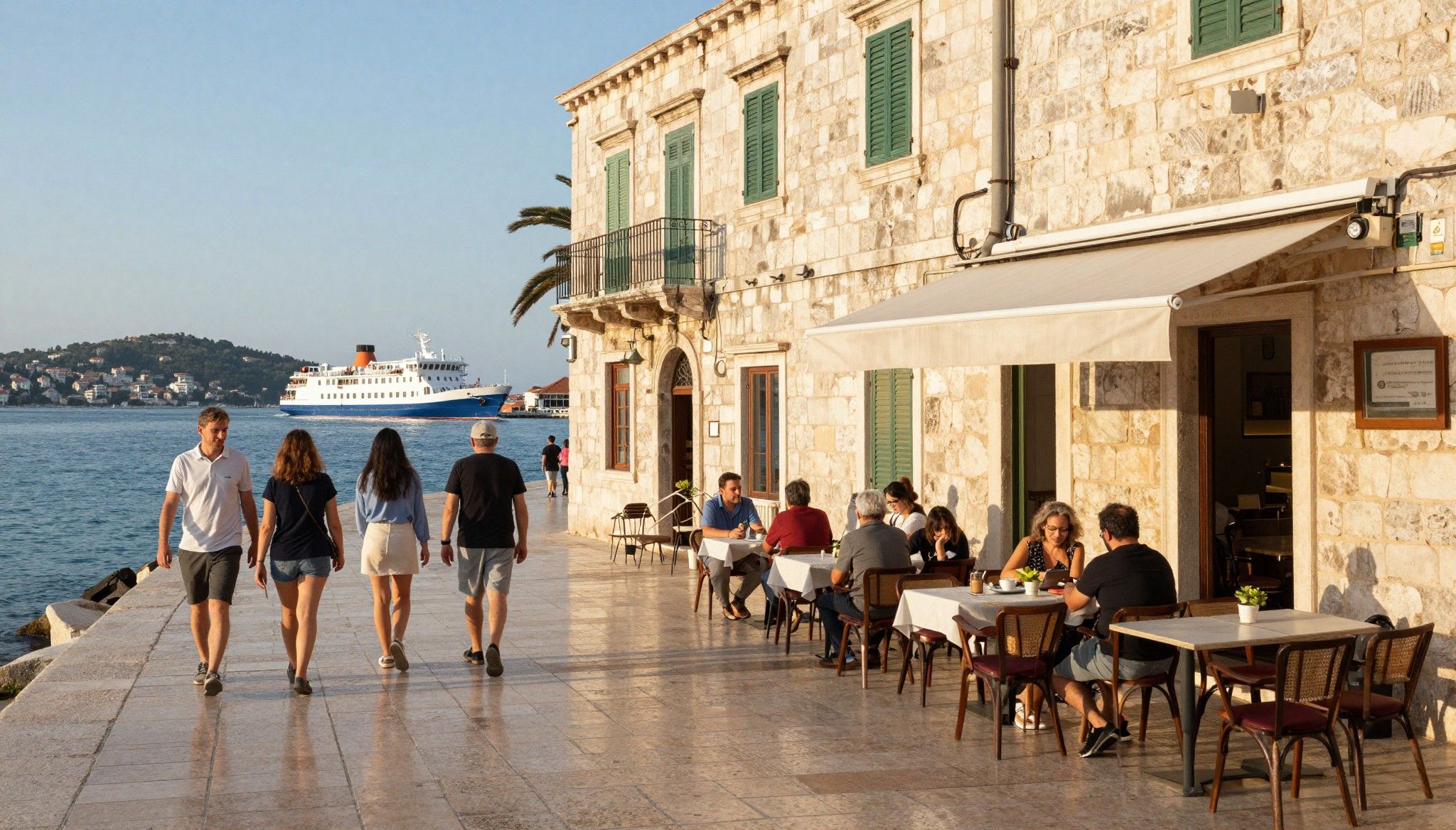
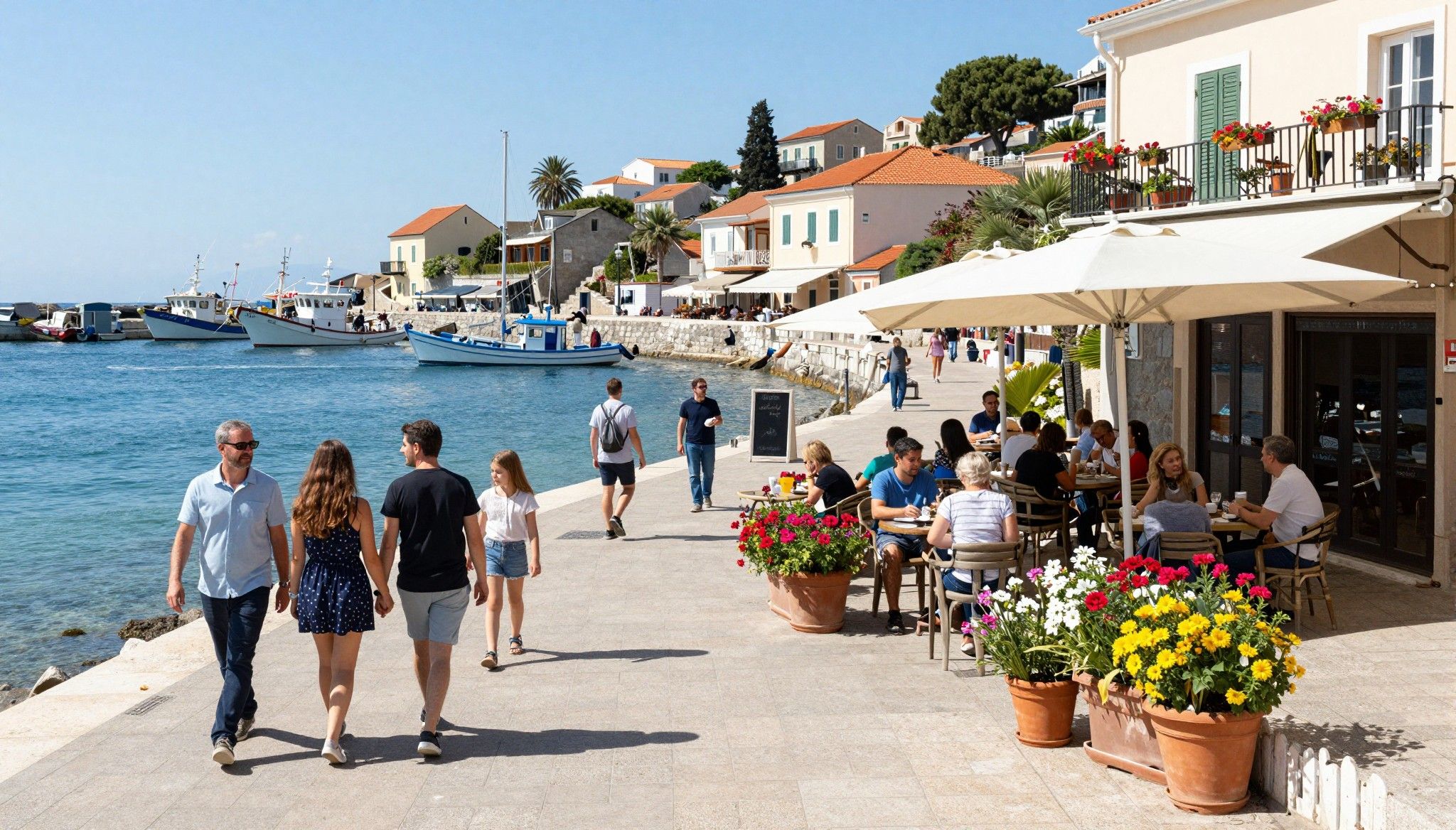
Greece: Match Neighbourhood Rhythm to Your Life
Fall for Greece’s daily rhythms—city mornings, island seasons—and buy with up‑to‑date market data, residency rules and hyperlocal insight.
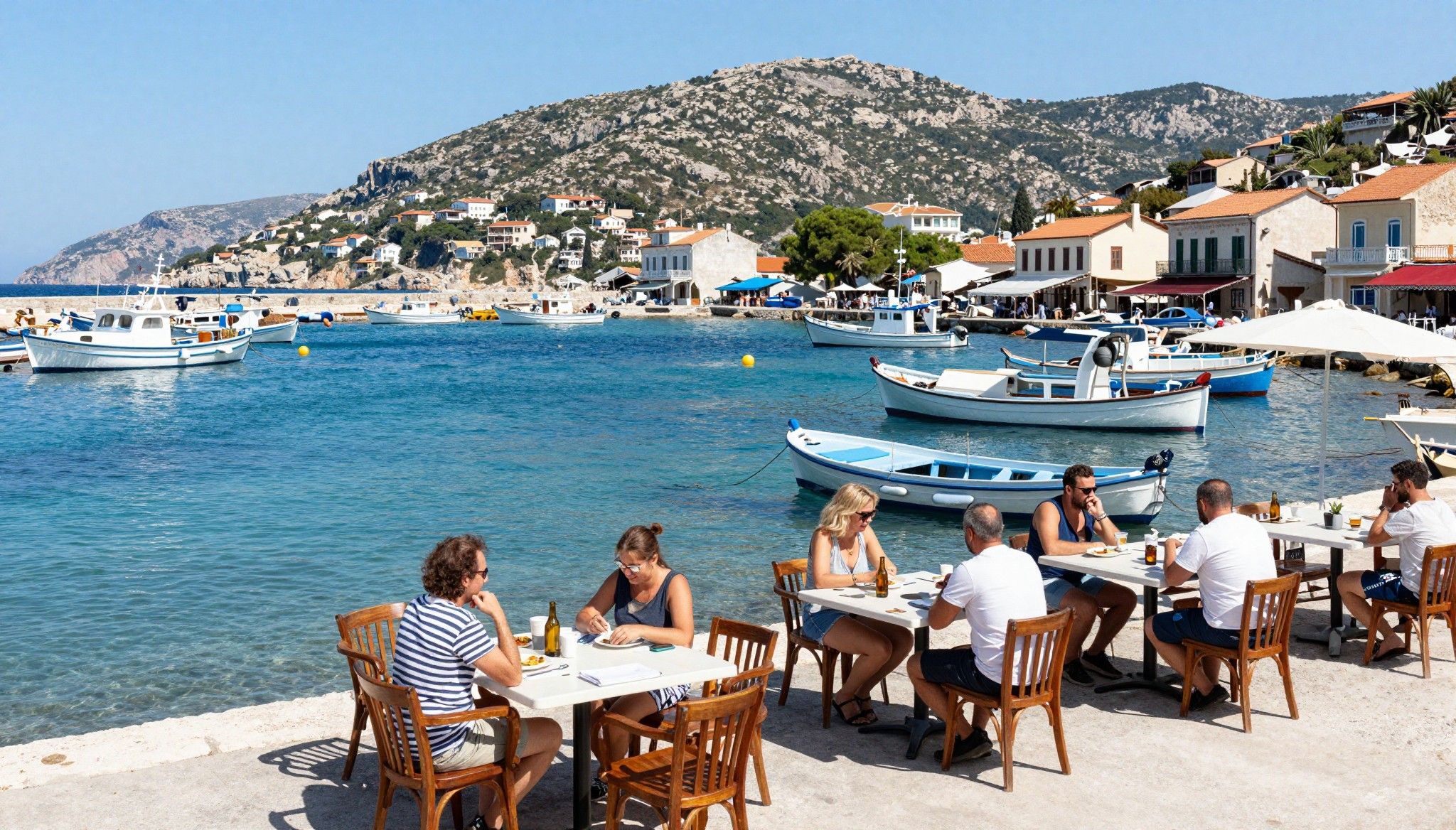
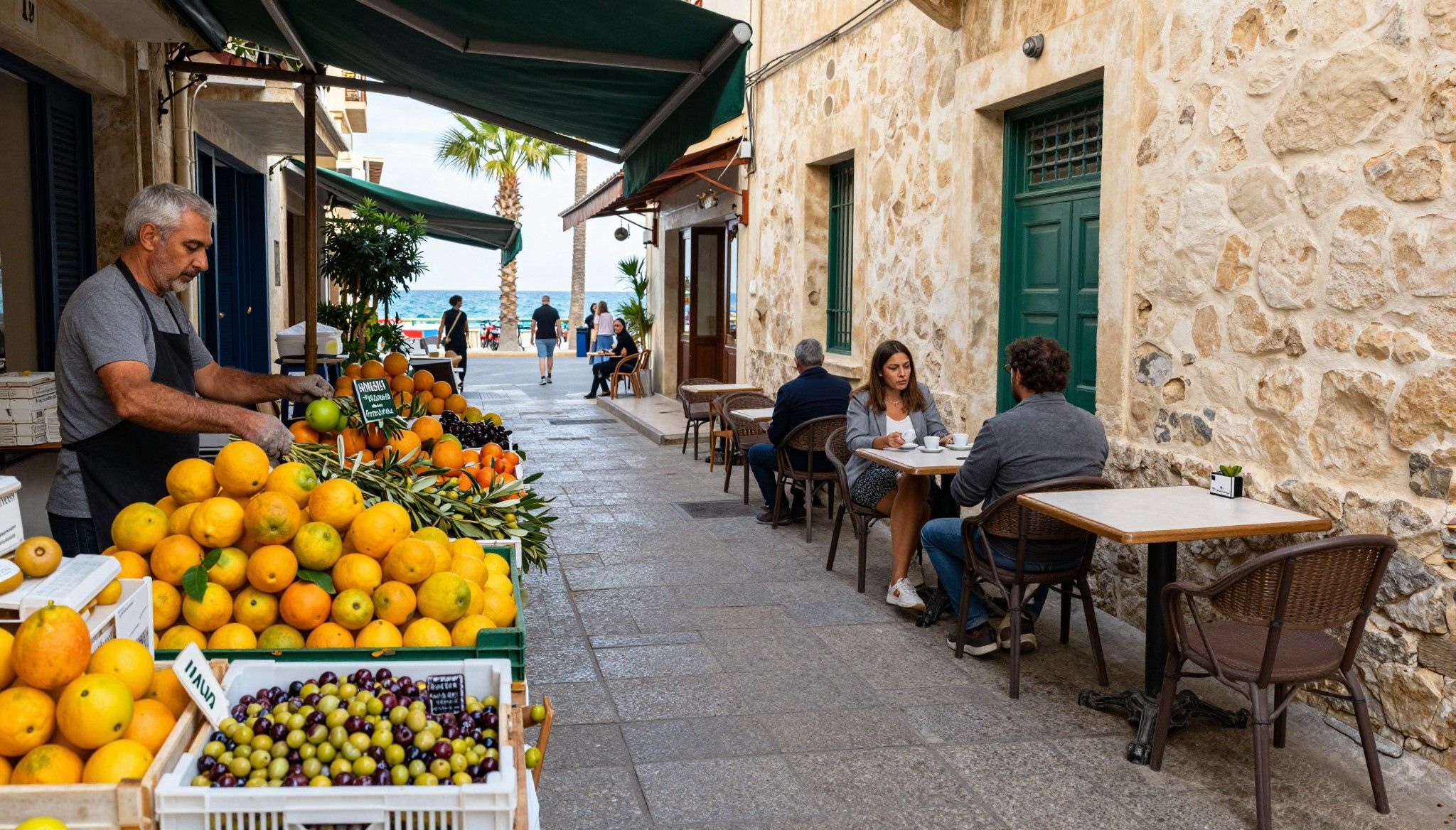
Imagine stepping out at 08:30 to buy fish at Varvakios market, then sipping an espresso on a shaded table in Koukaki while sea-salted air drifts from Piraeus. Greece is a country of layered mornings—ancient streets rubbing shoulders with a modern café culture—and that texture shapes where people choose to live. For international buyers the question is rarely whether the lifestyle is alluring; it’s how to match neighbourhood rhythm, seasonality and local rules to a long-term life plan. This piece blends sensory neighbourhood stories with market evidence so you can fall for Greece—and buy with your eyes open.
Living the Greek Life: Streets, Taverns and Sea-Air Mornings
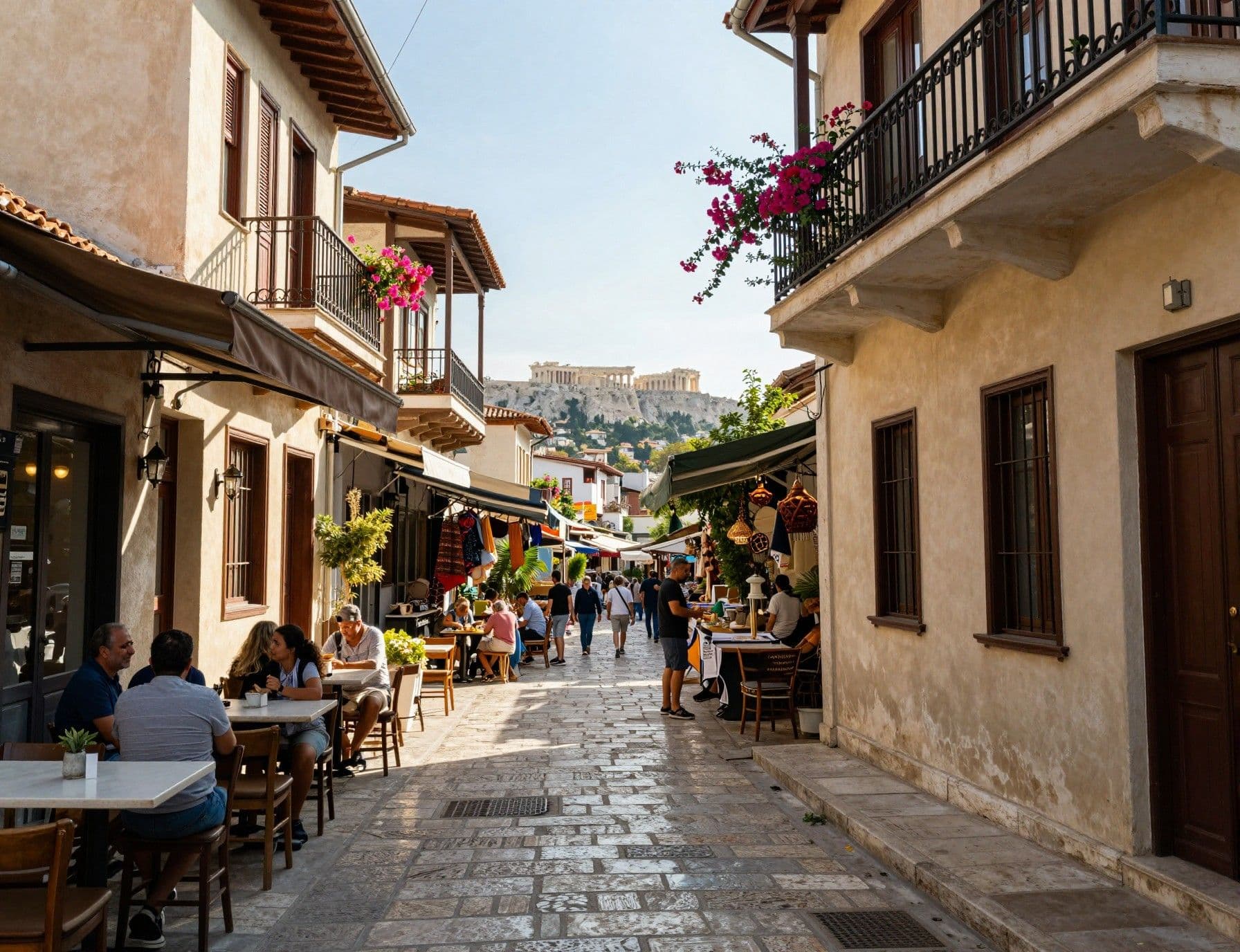
Daily life in Greece moves at a rhythm set by geography and seasons. Coastal towns wake early for fishermen’s auctions and close mid‑afternoon for siesta‑style pauses, while Athens hums with a steady, service‑hour energy punctuated by evening social life. Expect neighbours who know each other by name, open‑front bakeries, and neighbourhood squares that host informal music on summer nights. When choosing a property, pair the micro‑rhythm (street noise, morning sun, market access) with the macro (island seasonality, tourism cycles) to avoid a mismatch between fantasy and reality.
Neighbourhood Spotlight — Athens: Koukaki, Plaka, and Glyfada
Koukaki and Plaka offer walkable, heritage‑rich streets where apartments often convert easily between owner use and short‑lets, making them attractive to lifestyle buyers who prize proximity to museums and restaurants. Glyfada, on the other hand, is suburban‑coastal: broader boulevards, modern developments, and a marina scene that suits families and buyers seeking an international school corridor. Recent Bank of Greece indices show urban apartment prices rising, so in Athens the tradeoff is liquidity and lifestyle versus price momentum and tourist regulation risks.
Coastal & Island Moods — Mykonos, Santorini, Halkidiki
Islands present dramatic contrasts: Mykonos and Santorini command seasonal peaks with premium pricing and intense summer crowds, while Halkidiki’s peninsulas offer calmer family summers and longer shoulder seasons. Engel & Völkers reports show premium coastal pockets reaching high per‑square‑metre levels, so buyers who want sea‑front living must also underwrite occupancy seasonality and maintenance realities. For an authentic daily life that’s less touristic, consider smaller islands or mainland coastal towns where bakeries and year‑round communities remain intact.
- Morning and seasonal lifestyle highlights to test on a visit:
- Buy fish at Varvakios Market (Athens) and walk the short route to a neighbourhood cafe to see daily rhythms.
- Spend an afternoon in Glyfada’s marina to check traffic patterns, expat services and international schools.
- Visit a Cycladic village outside high season (April or October) to feel authentic community life, quieter beaches and practical services.
Making the Move: Practical Considerations that Respect the Lifestyle
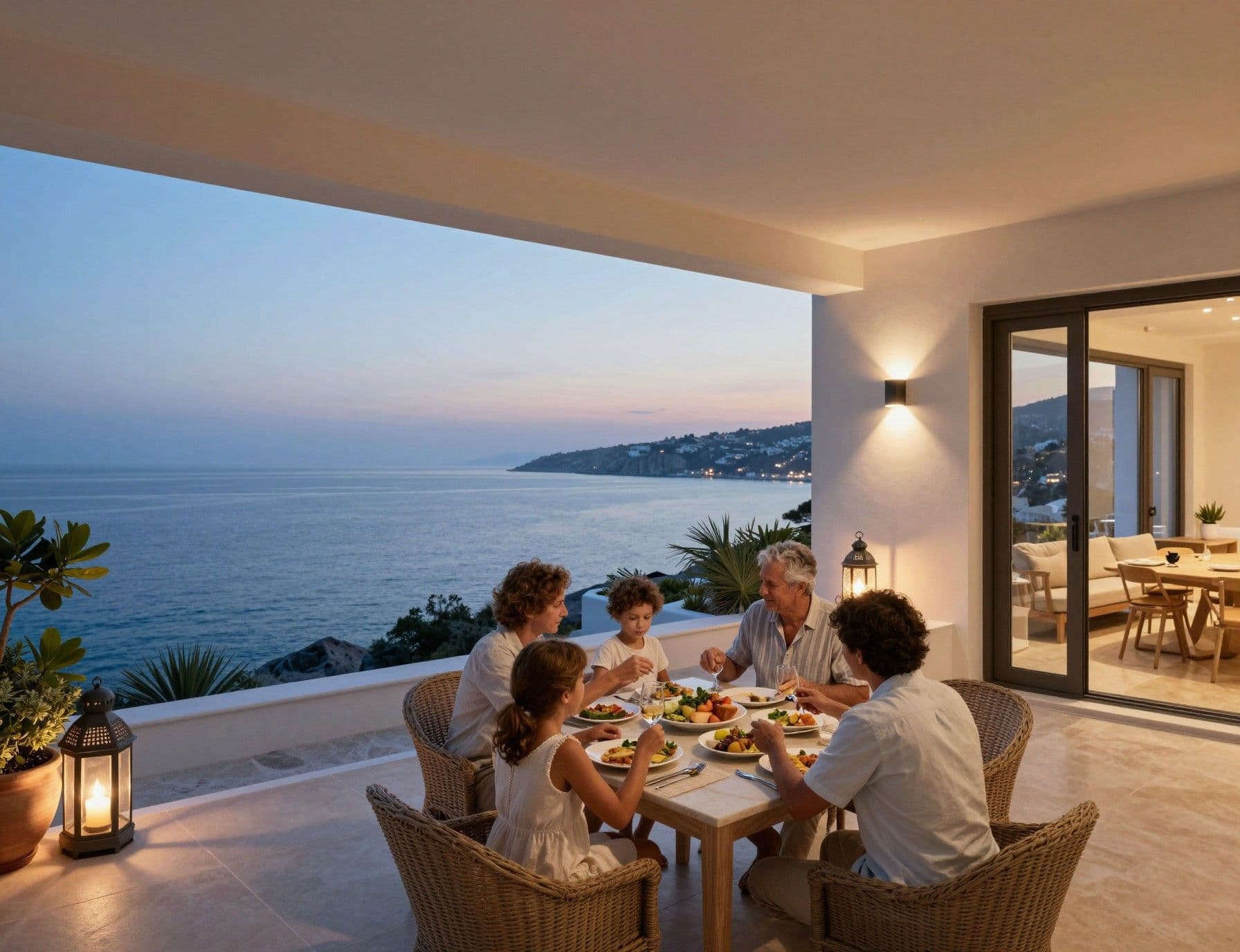
The dream of seaside mornings meets a set of legal and market facts you must account for: shifting residency rules, rising urban prices, and local planning constraints. Greece tightened Golden Visa thresholds and zone rules in recent years, so residency‑linked buying strategies require current legal advice. Use trusted local agents and lawyers who explain micro‑rules—minimum sizes, single‑property requirements for residency, and islands with special thresholds—so your lifestyle plan remains practical and legal.
Property types and how they shape daily life
Athens apartments, renovated neoclassical flats, island villas and new build developments each deliver different routines: an apartment in Kato Patisia means theatrical city mornings and short walks to cafes, while a villa in Halkidiki centres life on outdoor dining and pool maintenance. Astons highlights that international demand now concentrates on turnkey, energy‑efficient homes that reduce winter upkeep and support year‑round rental income. Match the property’s physical upkeep to the life you want: fewer stairs and modern insulation if you prefer low maintenance; private gardens and storage if you plan extended stays.
Working with local experts who know neighbourhood rhythm
An agent who understands festival calendars, seasonal rental rules and local building custom will save you months of friction. Good agencies preview neighbourhoods at different times of day, explain municipal rules on short lets, and introduce vetted lawyers and engineers who can assess building permissions and renovation feasibility. Treat agencies as lifestyle scouts: ask them for a ‘day in the life’ tour of any area—breakfast, school run, market, evening—so you can experience the cadence before committing.
- Steps to marry lifestyle wishlists with purchase process:
- Visit in two seasons (shoulder and peak) to test noise, access and supply of services.
- Commission a pre‑purchase technical survey that includes insulation, water systems and coastal corrosion risk.
- Engage a local lawyer early to confirm land title, planning permissions and Golden Visa eligibility if relevant.
Insider Knowledge: What Expats Wish They’d Known
Expat experience often layers surprise and delight: Greeks value unhurried meals and strong neighbourliness, but services can be slower than in northern Europe. ELIAMEP data shows investment residency applications surged in recent years, changing local rental dynamics and creating pockets of high demand. Many expats wish they’d scoped winter services (medical, shops, ferry frequency) before buying—seasonal accessibility matters as much as summer spectacle. Learn local social cues, and you’ll be invited into neighbourhood life faster than you expect.
Language, community and small‑town social rules
Learning basic Greek phrases opens doors: shopkeepers, the local priest, and municipal officers value the effort and will often go the extra mile. In smaller islands, newcomers who join a volunteer beach cleanup or regular taverna nights find social integration accelerates. Expect informal networks for tradespeople—ask local shopkeepers for trusted builders rather than relying solely on online reviews. This local method reduces renovation surprises and aligns your project with neighbourhood norms.
Long‑term life: resale, rentals and evolving neighbourhoods
Greece’s market is maturing: resale liquidity in Athens and selected islands has improved, but micro‑market variation is wide and resale pricing depends on building legality and tourism regulation. The Global Property Guide and other market trackers note international buyers make up a substantial share in hotspots, so if you buy in a high‑demand micro‑market, plan exit strategies that consider rental regulation changes. Aim for properties with clean title, modern systems, and flexible layouts that appeal to both seasonal renters and long‑term residents.
- Red flags to spot during viewings:
- Missing or unclear title deeds, partial unofficial expansions, or a seller who resists a technical survey.
- Properties overly dependent on summer tourism where ferry or air access reduces sharply off‑season.
- Old electrical or plumbing systems without recent certified upgrades—costly surprises in renovations.
For lifestyle buyers the purchase is as much about neighbours and daily rituals as it is about square metres. Before signing, spend an evening in the local taverna, ask about winter ferry timetables, and check municipal plans for coastal road works or hotel projects that might change your view. The right agent frames these lifestyle details as due diligence items and will get them written into offer conditions when necessary.
Conclusion: Greece rewards buyers who balance romance with realism. If you prioritise local rhythm—market mornings, café life, ferry timetables—and combine that with up‑to‑date legal advice and technical surveys, you can secure a home that feels lived‑in from day one. Start with seasonal visits, bring a checklist of lifestyle non‑negotiables, and work with agencies who show neighbourhood life, not just property specs. When done well, buying in Greece is less a transaction and more a transition into a daily life you can imagine.
Norwegian market analyst who relocated to Mallorca in 2020. Focuses on data-driven market insights and smooth relocation for international buyers.