Croatia: Live the Rhythm, Buy the Reality
Live like a local, buy with evidence: Croatia’s coastal sparkle hides seasonal risk — prioritise neighbourhood routines, closed‑price benchmarks and local legal counsel.
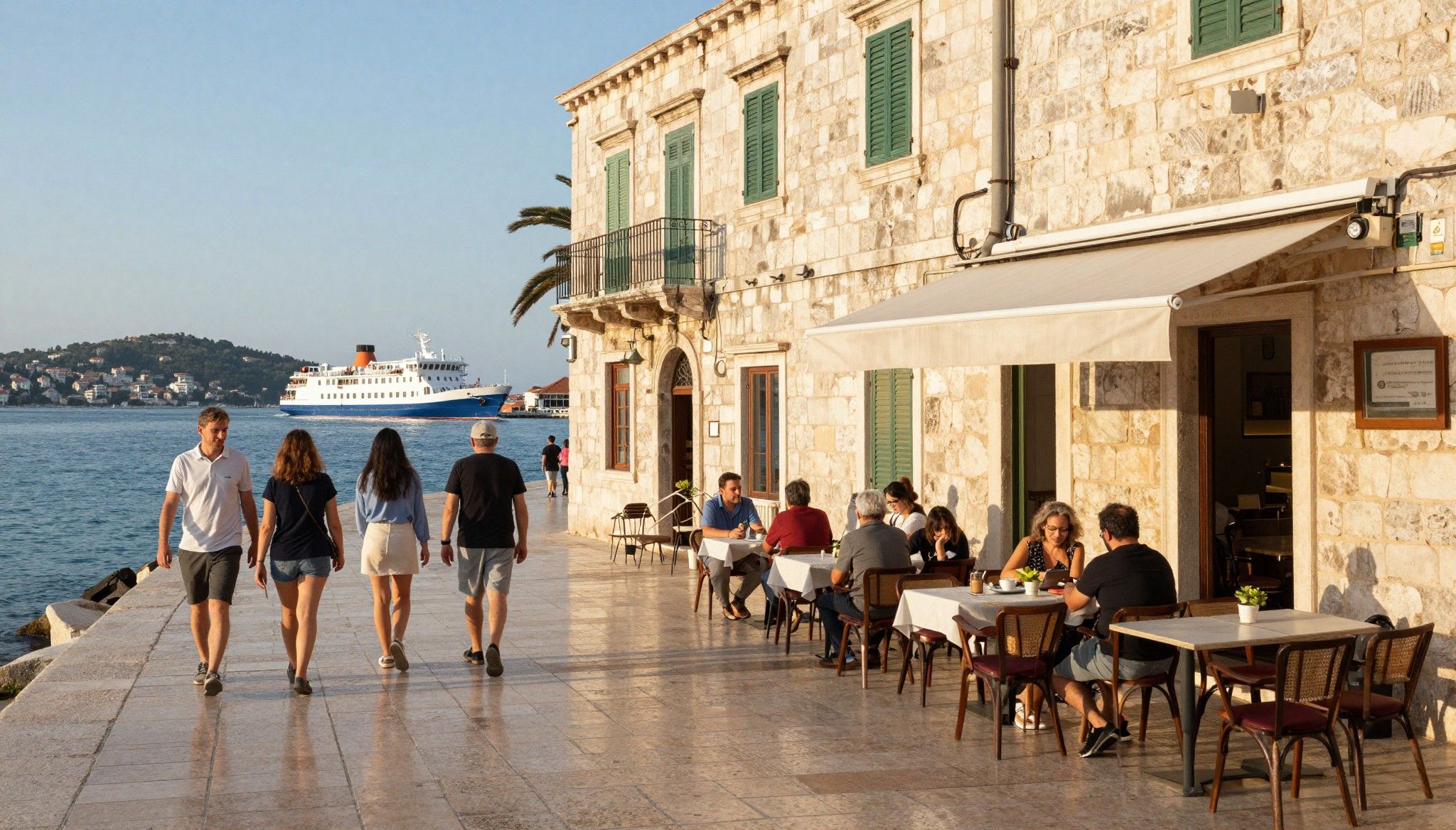
Imagine sipping an espresso on Split’s Riva, then walking five minutes to a stone laneway where a neighbour sells home‑made fig jam. That daily rhythm — public life spilling into private life — is what draws buyers to Croatia: a coast threaded with islands, compact medieval centres, and inland towns where the pace slows. But lifestyle and price move on different clocks: tourist months swell demand and prices on the Adriatic, while inland and post‑industrial towns follow a quieter, more value‑driven logic. This guide pairs those everyday scenes with the market signals you need to decide where and when to buy in Croatia.
Living the Croatia Lifestyle
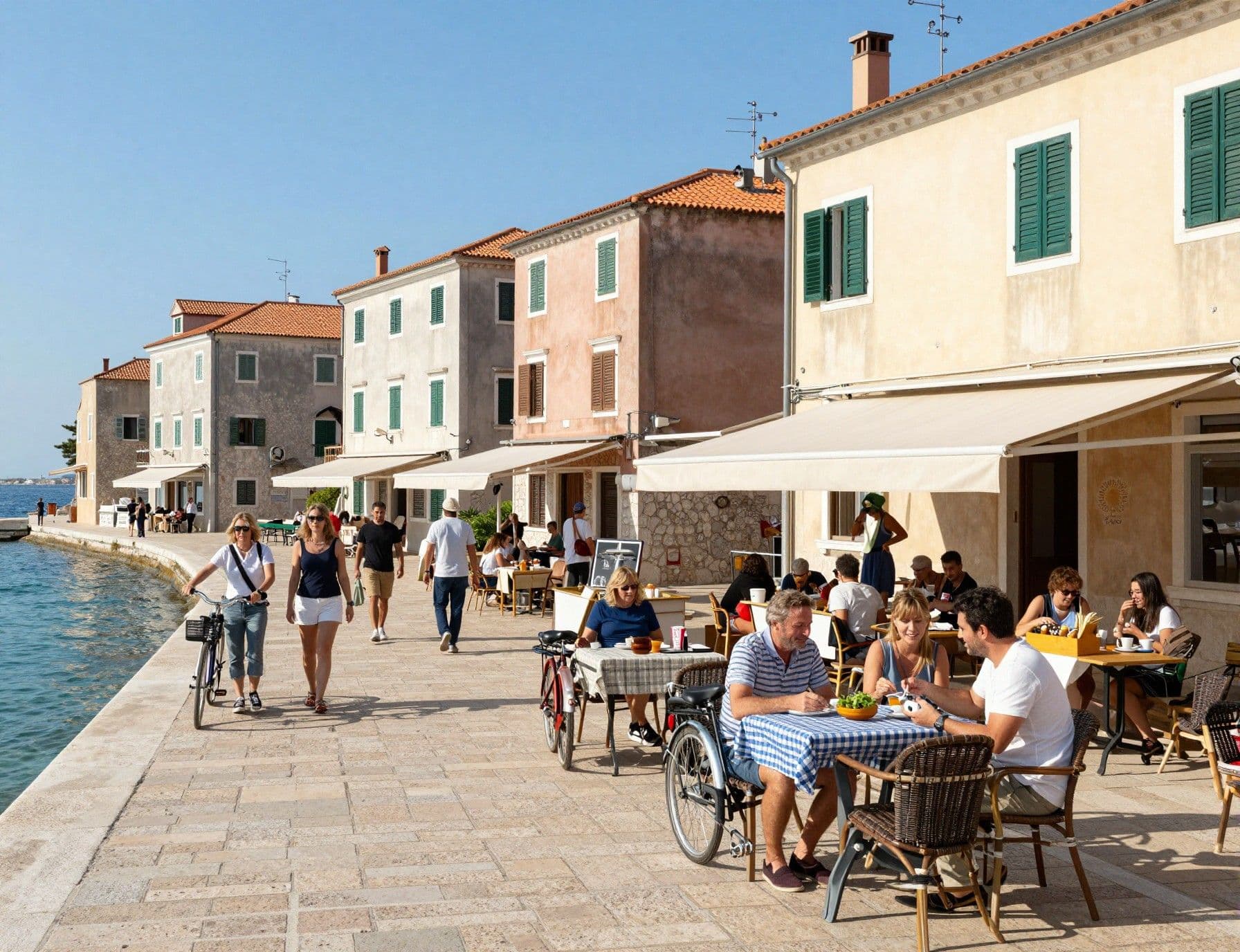
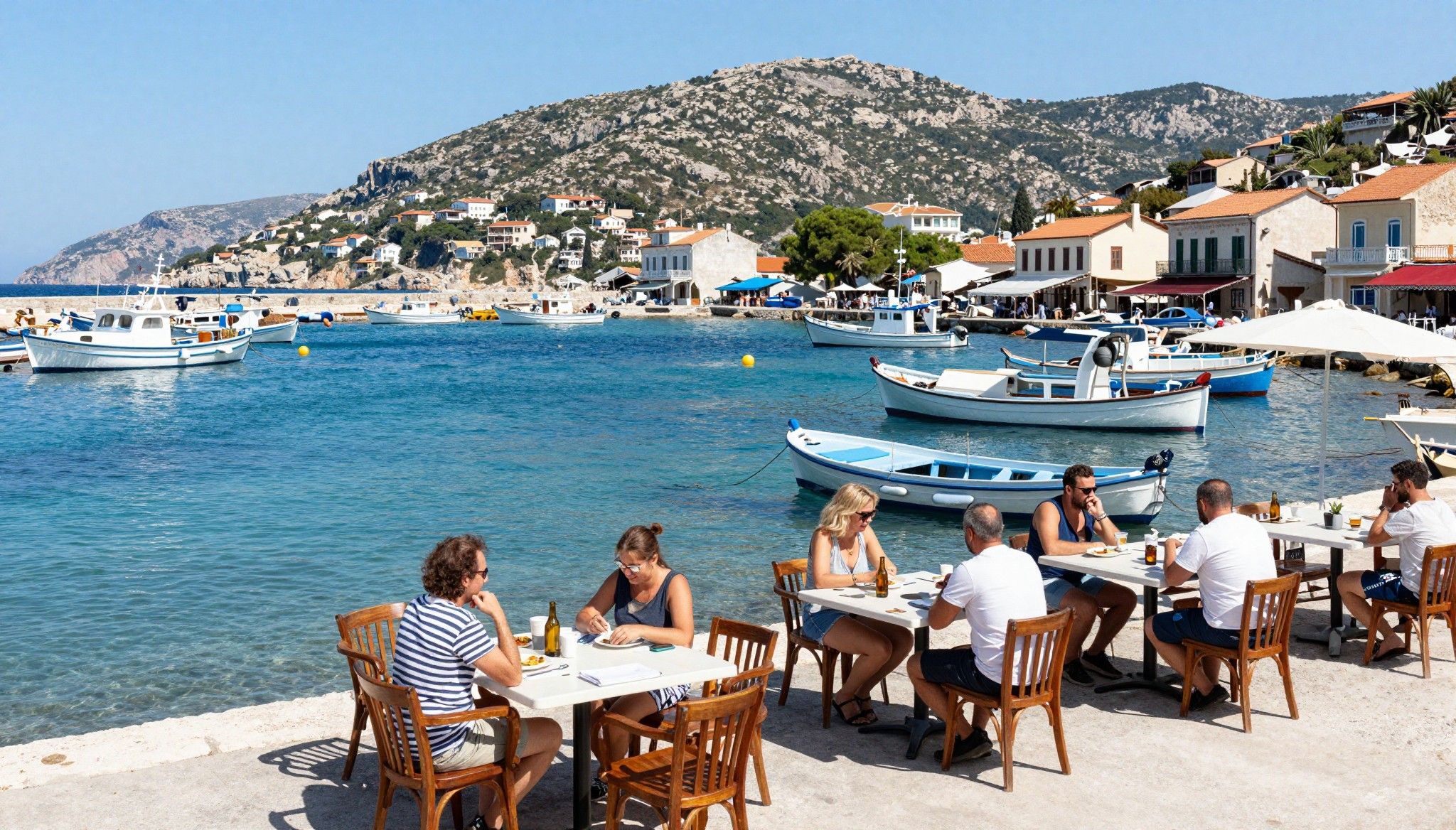
Life in Croatia is sensory and seasonal: markets at dawn, late‑night konobas (family taverns) in summer, and quiet stone streets in winter when locals reclaim the centre. Cities like Zagreb pulse year‑round with galleries, festivals and coffee culture; Dalmatian towns such as Split and Dubrovnik are vibrant in summer but offer a very different, calmer rhythm from October to April. Istria and the Kvarner coast lean into food and wine — truffles, malvasia, and small vineyards — while islands such as Hvar and Vis trade heavily on summer leisure and off‑season solitude. Understanding these rhythms is the first step in matching a property to the life you want to live.
City, Coast, Island: Where lives diverge
Zagreb feels urban and practical: tram lines, year‑round services and a larger long‑term rental market that suits professionals and families. Split offers a hybrid: living in Varoš or around Diocletian’s Palace means narrow streets, cafes and strong island‑access, while neighborhoods like Žnjan and Meje provide modern apartments and seafront promenades. Dubrovnik’s Old Town is a unique cultural asset — high maintenance, seasonal demand, and correspondingly high price per square metre. Each area answers a different lifestyle question; pick the one that matches daily routines rather than holiday fantasy.
Food, markets and the social map
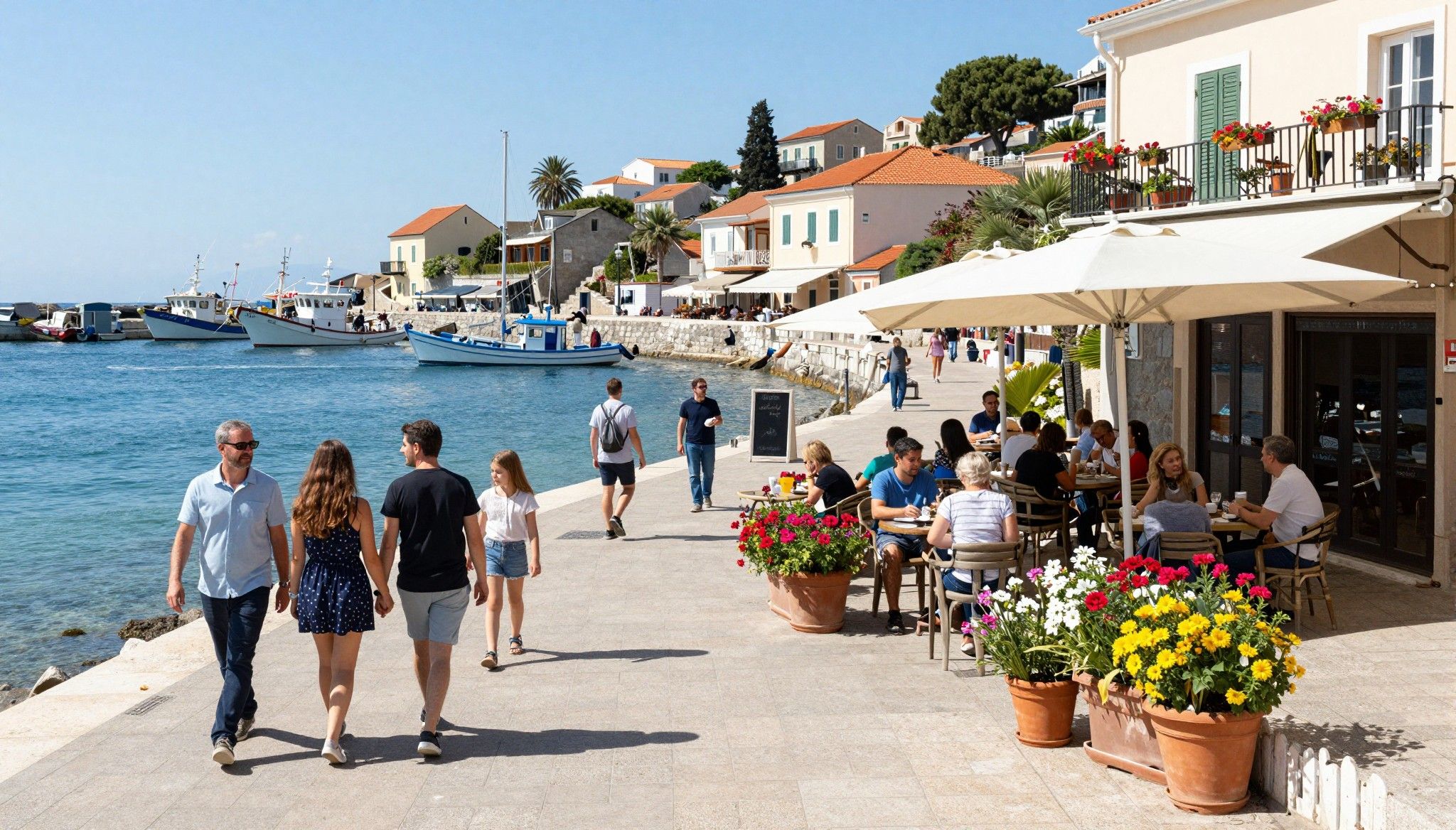
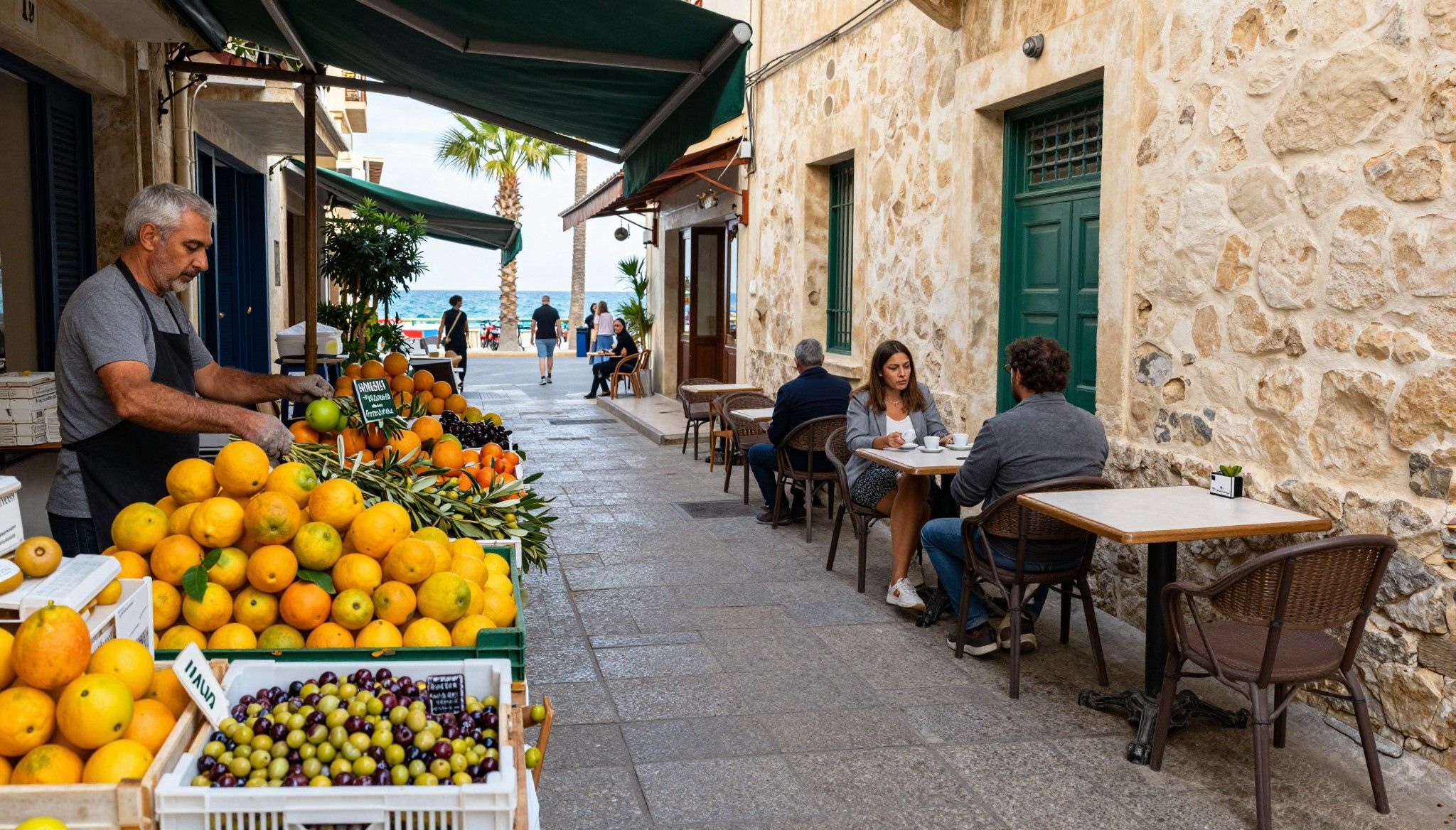
Street markets shape weekend life: Dolac market in Zagreb, the fruit stalls around Split’s Pazar, and Rovinj’s waterfront fish sellers set a social calendar. Dining choices — konobas, modern bistros, oyster bars in Ston — reveal neighbourhood character: family tables and local produce indicate deeper community ties, while tourist‑oriented promenades signal short‑term rental pressure. For buyers, proximity to local markets and year‑round shops often matters more for resale and livability than a block of sea view terraces marketed to holiday renters.
- Dolac market (Zagreb): morning produce & a social hub
- Riva promenade (Split): cafés, evening passeggiata, fast access to ferries
- Ston (Pelješac): oysters, salt pans, and quieter coastal living near Dubrovnik
- Rovinj old town (Istria): art galleries, truffle events, and a strong expat micro‑scene
Making the Move: Practical Considerations
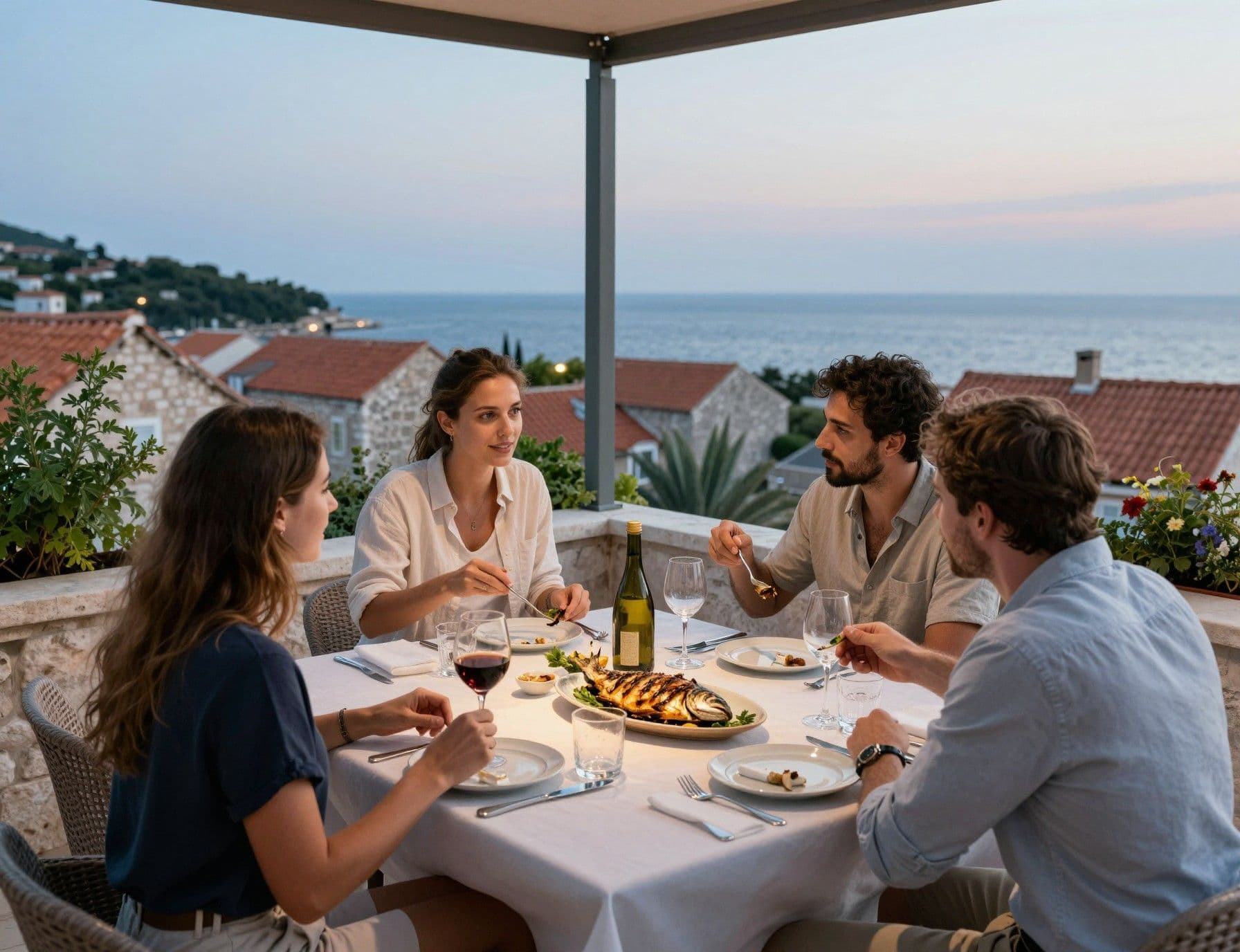
Lifestyle matters, but so do rules and market structure — and Croatia’s market is currently marked by coastal scarcity and rising prices in key hubs. Recent market snapshots from industry analysts and national data show continued price growth in 2024–2026, with Split and Dubrovnik among the most expensive coastal centres and inland markets offering more accessible entry points. You should pair a clear lifestyle brief (how you want to live) with an evidence‑based search that tracks closed transactions, not just listings.
Property styles and everyday life
Stone apartments in Old Towns require different upkeep than newbuilds on the periphery: expect higher renovation costs, stricter planning rules and a curated lifestyle in heritage centres. New developments around Split’s Žnjan or Zagreb’s eastern suburbs offer modern amenities, parking and energy efficiency that suit year‑round living and remote work. Rural stone houses with land can deliver farm‑to‑table dreams but factor in utilities, road access and seasonal isolation. Match property type to daily life — not to holiday fantasies.
Work with experts who know the rhythm
Local agencies and lawyers are essential for translating lifestyle wants into legal reality: they verify land registry entries, building permits and coastal planning restrictions that commonly surprise buyers. For non‑EU nationals, Ministry of Justice consent may be required — a procedural step that an experienced lawyer and agent can fast‑track. Agencies that specialise in both lifestyle matching and transaction diligence reduce the chance you buy a postcard view without the services that make everyday life work.
- Define the lifestyle (work, social, mobility), map three neighbourhoods that match it, commission a short due‑diligence report on each, compare closed‑price benchmarks, and negotiate with a local lawyer present at signing.
Insider Knowledge: What Expats Wish They'd Known
Expats often say the surprise isn’t the beauty, but the details: how quickly a winter market quiets, how ferry timetables shape island living, or how local festivals change rental demand. Long‑term quality of life hinges on small practicalities — winter heating on stone floors, paperwork speed, and whether your favourite café stays open off‑season. Those who integrate by joining local clubs, learning conversational Croatian, and shopping at local markets adapt faster and find better long‑term value.
Language, community and everyday access
English gets you a long way in tourist centres and with younger Croatians, but learning basic Croatian opens doors in municipal offices, local markets and neighbourhood networks. Expat meetups cluster in Split, Dubrovnik and Rovinj, while smaller towns require more active social effort. Healthcare and schools are accessible, but verify local clinic hours and international school options if you need year‑round, English‑language services.
Long‑term thinking: seasonality, rental and resale
Seasonality creates two markets: high‑season holiday demand that pushes asking prices and a quieter off‑season market where bargains and negotiation room appear. Official tourism statistics show coastal counties capturing the majority of arrivals and overnight stays, which underlines why coastal properties can be both liquid and volatile. For resale, properties that perform well year‑round — close to services, with winter access and good insulation — hold value better than purely summer‑focused units.
- Check ferry regularity (island living); verify winter road clearance (rural properties); insist on energy performance and insulation checks; confirm local tax and short‑term rental rules.
- Prefer closed‑price benchmarks (not asking prices) — use national transaction data or Colliers/industry reports when available.
- If non‑EU, confirm reciprocity and begin the Ministry consent process early; if EU, treat purchases as domestic but check coastal or protected‑zone restrictions.
- 1) Shortlist 3 neighbourhoods based on lifestyle; 2) Obtain a simple due‑diligence report for each; 3) Compare recent closed transactions (past 12 months); 4) Arrange an in‑market visit outside peak season; 5) Negotiate with a lawyer and agent present at closing.
Buying in Croatia can feel like buying into a set of habits as much as a location. The right agent will introduce you to a neighbourhood’s daily pattern — where people buy bread, when streets are empty, which cafes become social anchors — and pair that with transaction data and legal checks. Start with lifestyle clarity, demand evidence of closed prices, and prioritise neighbourhoods that match year‑round routines, not just the postcard.
Practical next steps: review government guidance on foreign purchases, commission at least one local due‑diligence report, and schedule an off‑season visit to experience the life you’ll actually live. If you want help translating lifestyle into a shortlist, work with an agency that runs closed‑price analyses, organises neighbourhood visits and coordinates lawyers — that mix protects both the dream and the investment.
British investor turned advisor after buying in Costa del Sol since 2012. Specializes in cross-border compliance and data-driven investment strategies for UK buyers.