Greece: Neighbourhood Rhythms That Shape Value
Fall in love with Greece’s neighbourhood rhythms — then buy with street‑level data, legal checks and local agents familiar with Golden Visa changes and seasonal realities.
Imagine waking to espresso steam on a narrow balcony, then walking 10 minutes to a market where fishmongers call out the morning catch. In Greece that scene changes with the corner you choose — Athens’ lived-in lanes feel different from the slow rhythms of Corfu or the dry light of Crete. For international buyers the romance is real, but so are seasonal quirks, planning rules and recent policy shifts that shape value. Here I mix lived-in vignettes with concrete market signals so you can fall for Greece — and buy with confidence.
Living the Greek Lifestyle
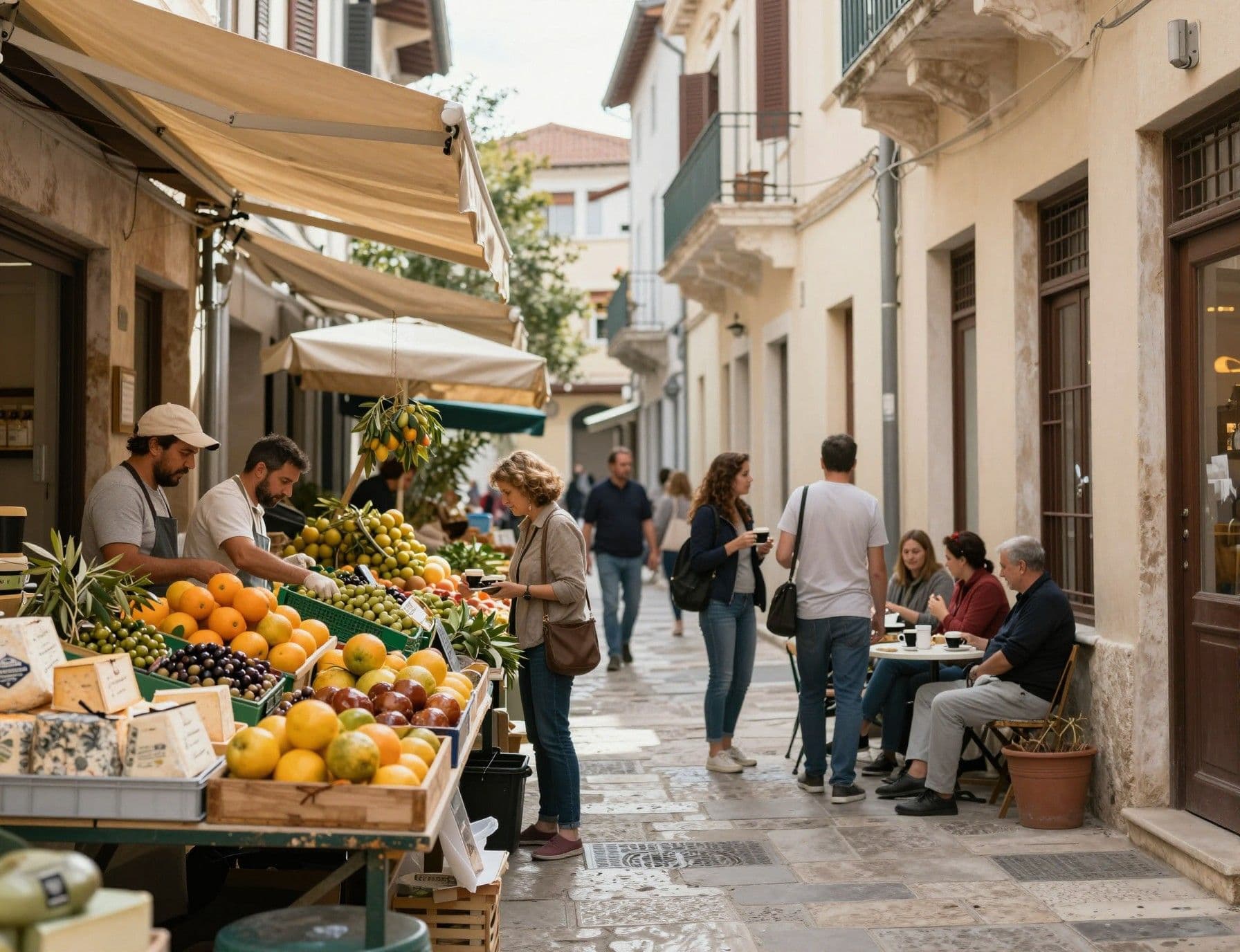
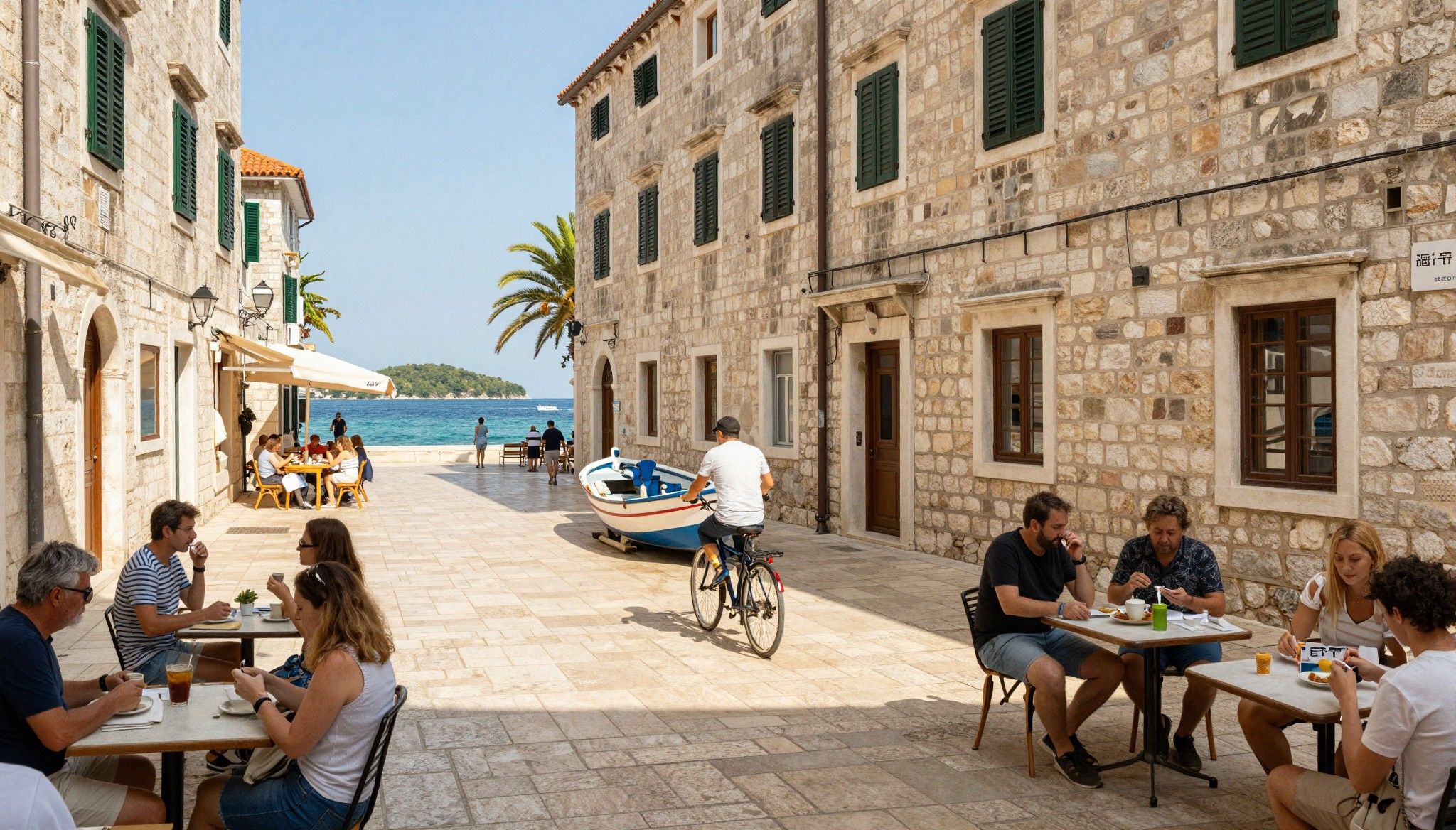
Life in Greece is sensory and seasonal: mornings belong to coffee and markets, afternoons to siesta-like pauses and seaside swims, evenings to slow dinners that can stretch for hours. In cities you’ll hear church bells against scooter traffic, while islands trade that noise for cicadas and a softer pace. How you choose — island calm, Athens’ creative quarters or the Athens Riviera — determines daily routines, transport choices and what property features actually matter.
Koukaki: A central life under the Acropolis
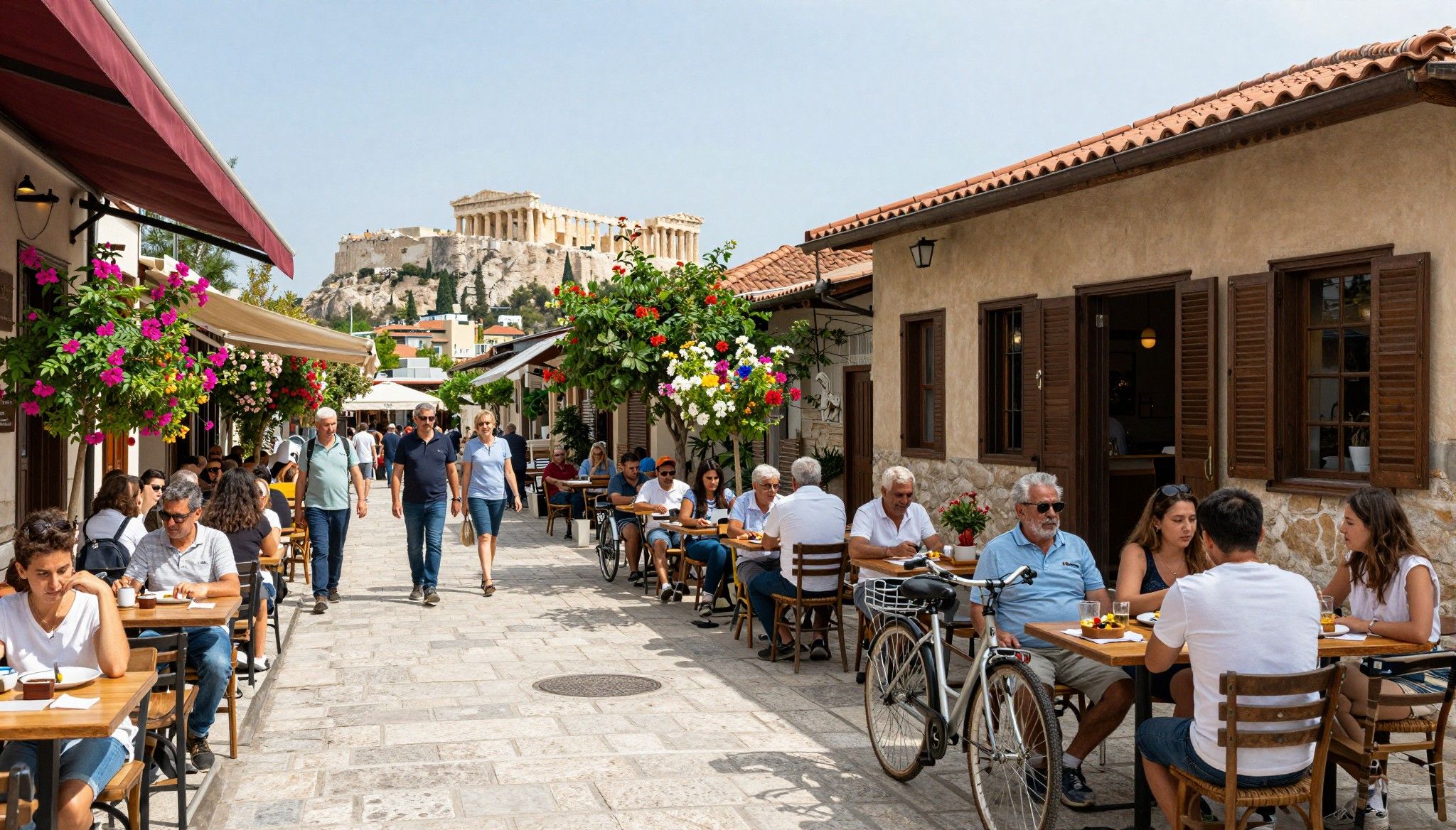
Koukaki sits on the southern slope of the Acropolis and feels lived-in the moment you step off its main streets. Cafés such as Taf and family tavernas anchor neighbourhood routines; morning markets and small greengrocers make daily life pedestrian-friendly. For buyers who want centrality without tourist fatigue, Koukaki offers apartments with high walkability, short commutes and a stable long-term rental market thanks to nearby museums and embassies.
Athens Riviera & Glyfada: sea, golf and suburb sophistication
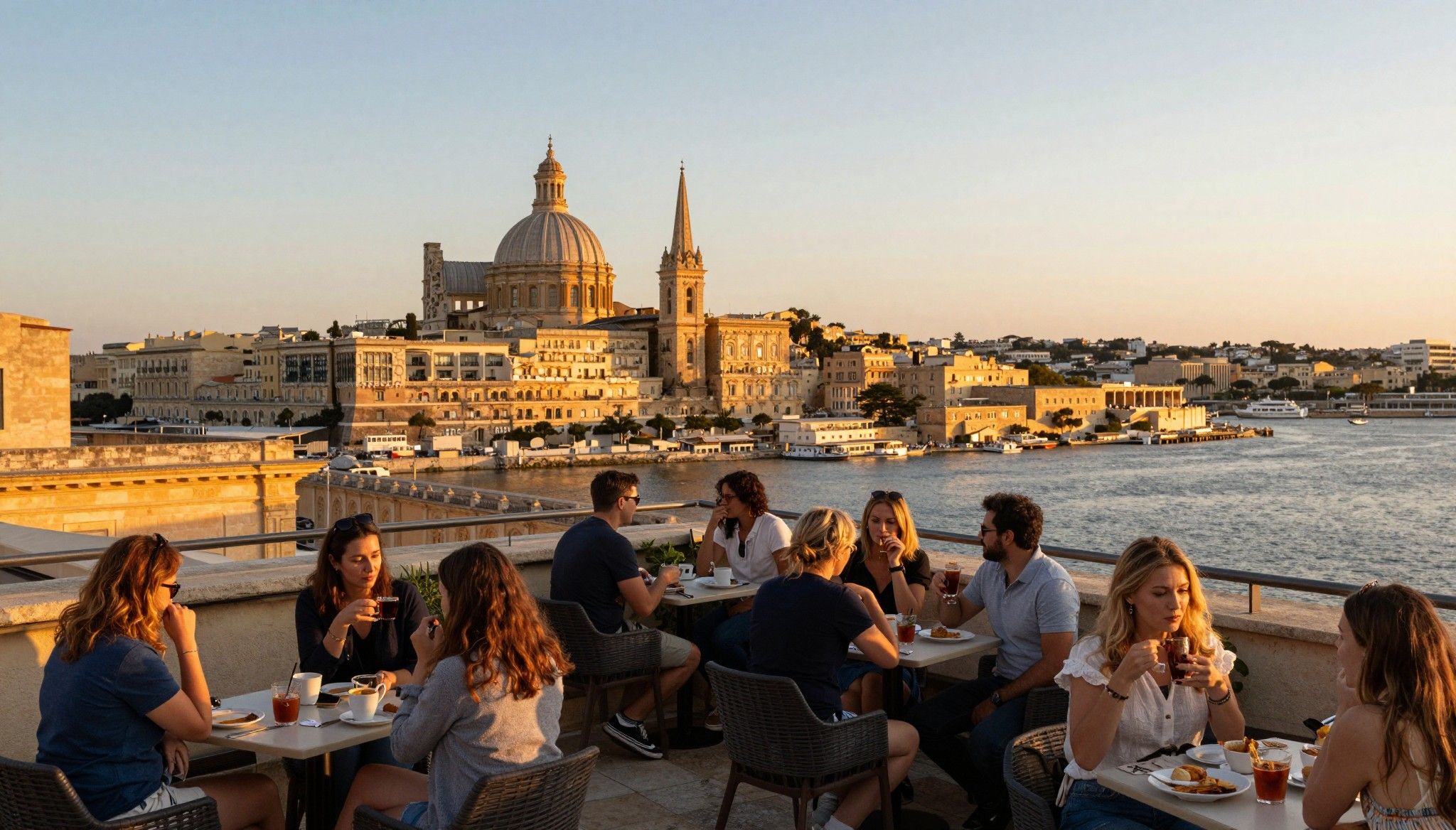
Head south to Glyfada and Vouliagmeni and the rhythm slows: mornings at bakeries, afternoons on organised beaches, evenings in coastal tavernas. Properties here often prioritise terraces, parking and air-conditioning systems to manage summer heat and tourist flows. International families and retirees prize the Riviera for schools, marinas and lifestyle amenities — but those conveniences come with different liquidity dynamics than central Athens flats.
- Lifestyle highlights
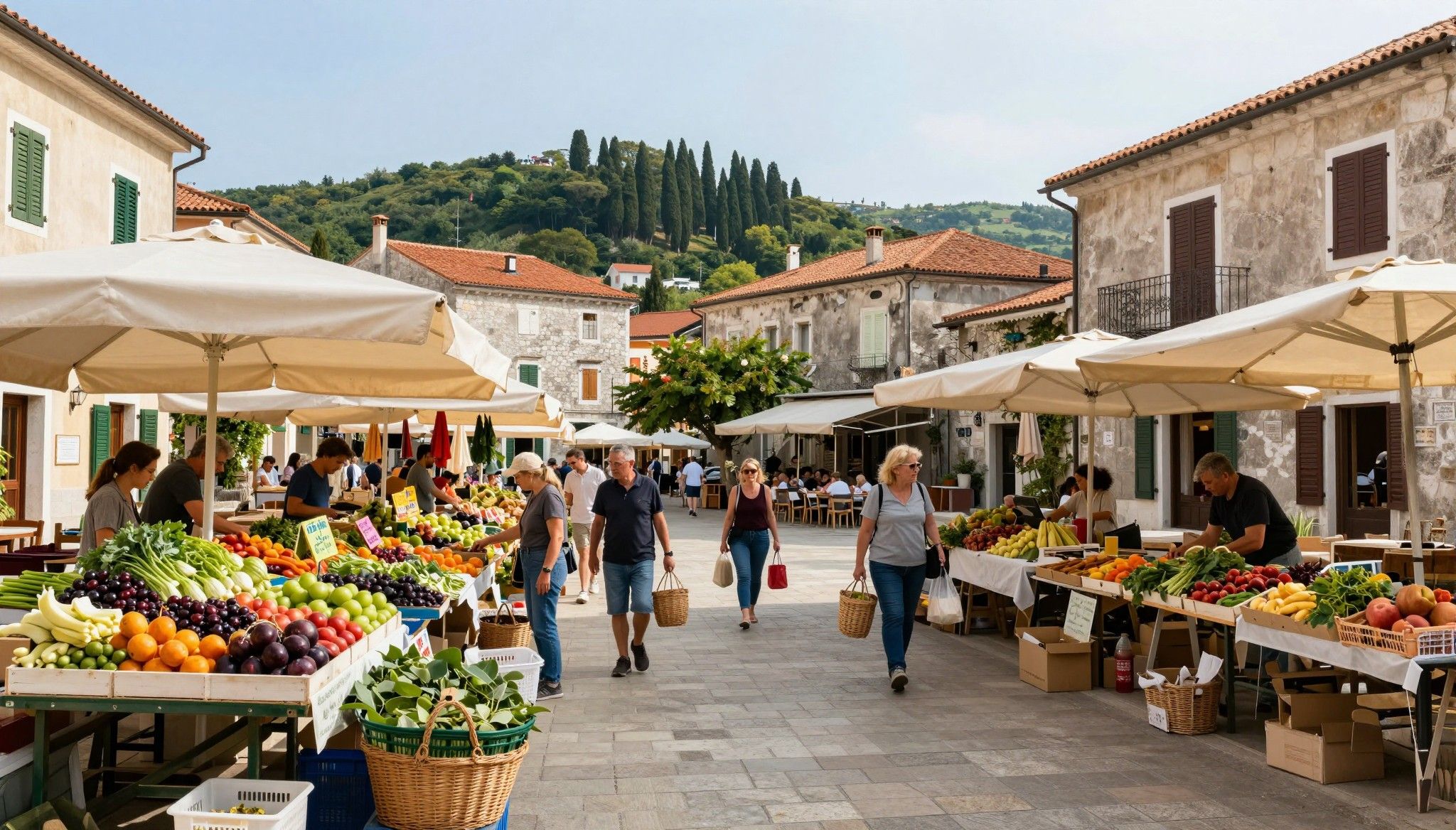
- Sundays at Varvakeios Market (Athens) and farmers’ markets in Pangrati — fresh produce, local cheeses, social ritual.
- Beach afternoons in Vouliagmeni or the calmer coves of the Peloponnese — look for properties with reliable shade and outdoor kitchens.
- Evening dining in Psiri and Koukaki — neighborhood restaurants that become social hubs and increase local desirability.
Making the Move: Practical Considerations
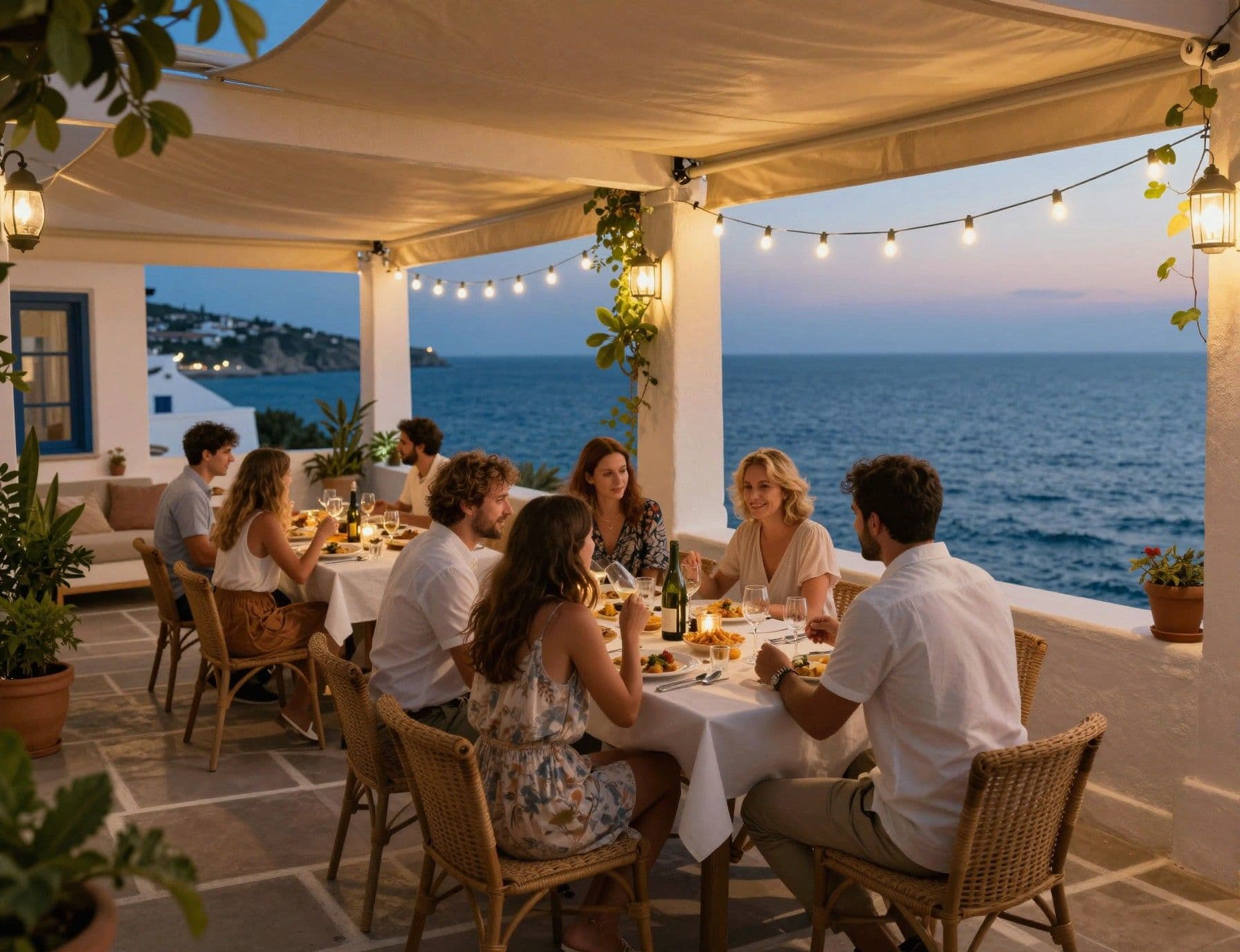
Dreams meet paperwork when you start the search. Greece’s housing market showed notable price increases through 2024–2025 in many segments, and regional differences are wide: central Athens and select island hotspots behave differently from secondary islands and inland towns. That divergence shapes return expectations and the ease of re-letting a property when you’re not using it. Work with an agent who can show price series for a specific micro‑neighbourhood, not just national averages.
Property styles and how they match lifestyle
Neo‑classical apartments in central Athens offer high ceilings, marble floors and proximity to cultural life — they suit buyers seeking urban immersion. Modern builds on the Riviera prioritise terraces and parking and work better for families or seasonal residents. On islands, look for properties designed for indoor–outdoor living and robust water systems; construction standards and insulation vary, so inspect how a home handles summer heat and winter storms.
Working with local experts who know the lifestyle
A local agency should do more than list properties — they show you morning routes, weekend markets and public-transport links that determine how you’ll live. Choose agents with recent transaction data, renovation partners, and bilingual staff who can explain municipal rules and seasonal rental restrictions. Because micro‑location matters, insist on agency-provided comparables from the last 12–24 months for the exact street or block you’re considering.
- Steps that blend lifestyle and practicality
- Visit the neighbourhood at different times (weekday morning, Saturday market, late evening) to feel daily rhythms before making an offer.
- Request 12–24 month rental and sales comparables for the exact street — not the whole suburb — to gauge true liquidity and yield potential.
- Prioritise properties with durable outdoor spaces (terraces, pergolas) and climate-adaptive features — these shape year-round livability.
Insider Knowledge: What Expats Wish They'd Known
Expats often romanticise year-round island living; the reality is seasonal population swings, variable services and occasional supply disruptions. Locals measure a neighbourhood’s worth by routine conveniences: a good baker, a reliable greengrocer, and an approachable doctor. These everyday anchors matter more than a postcard view when you live through a full year.
Language, customs and community
Learning basic Greek opens doors: shopkeepers, neighbours and local services respond differently when you try. Community life in Greek neighbourhoods leans on small rituals — regular cafe visits, plateia (square) gatherings and seasonal festivals — and participating accelerates social integration. Expect friendships to form slowly but durably; invest time in local routines rather than only tourist hotspots.
Long-term lifestyle and investment considerations
Policy shifts such as adjustments to the Golden Visa threshold in specific high-demand districts mean that compliance and timing matter. If residency through investment is a factor, verify current thresholds and eligible areas with a specialised lawyer — rules changed in 2023–2024 and continue to be refined. For many international buyers the best strategy balances lifestyle priorities (neighbourhood fit) with flexible assets that can adapt to regulatory changes.
- Red flags to watch for
- Unclear ownership or partial titles — always verify the registry entry at the local land office (Ktimatologio).
- Properties with poor water or insulation systems — ask for recent renovation invoices and check cooling/heating efficiency.
- Overreliance on short-term rental yields without accounting for seasonal lows and regulation shifts — model conservative occupancy rates.
Before you sign, prioritise three checks: a local lawyer for title and permitting, an engineer for structural and climate-readiness issues, and an agent who can provide recent street-level comparables. These three voices convert lifestyle preference into durable purchase decisions.
Greece will charm you with food, light and convivial streets. If you pair that romance with neighbourhood-level data, rigorous due diligence and local expertise, you can buy a home that delivers both everyday pleasure and prudent investment. Ready a short list of streets you love, schedule visits at different times of day, and bring local experts who know the stories behind the numbers — that’s how a dream becomes a sustainable life.
Norwegian market analyst who relocated to Mallorca in 2020. Focuses on data-driven market insights and smooth relocation for international buyers.