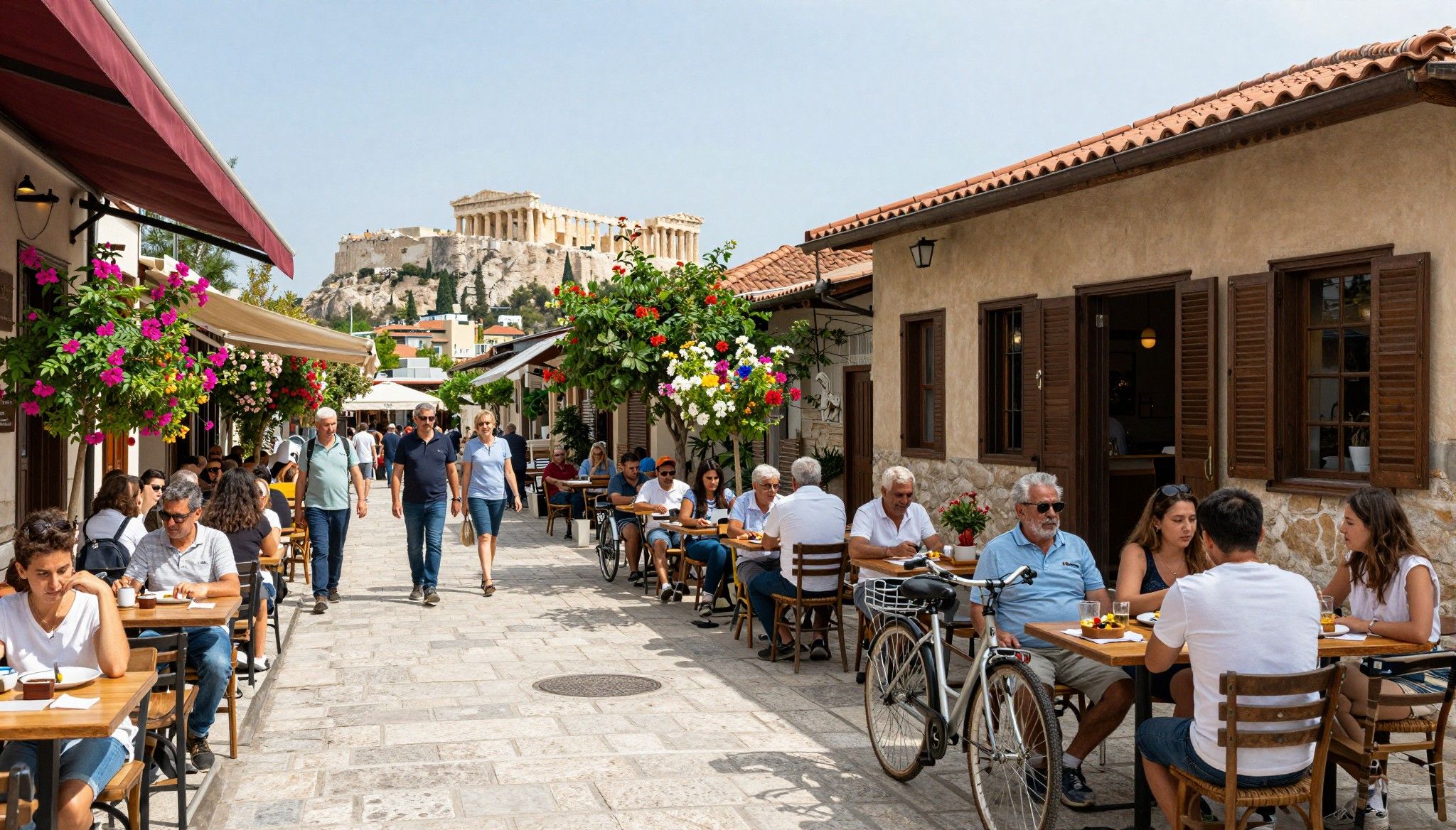
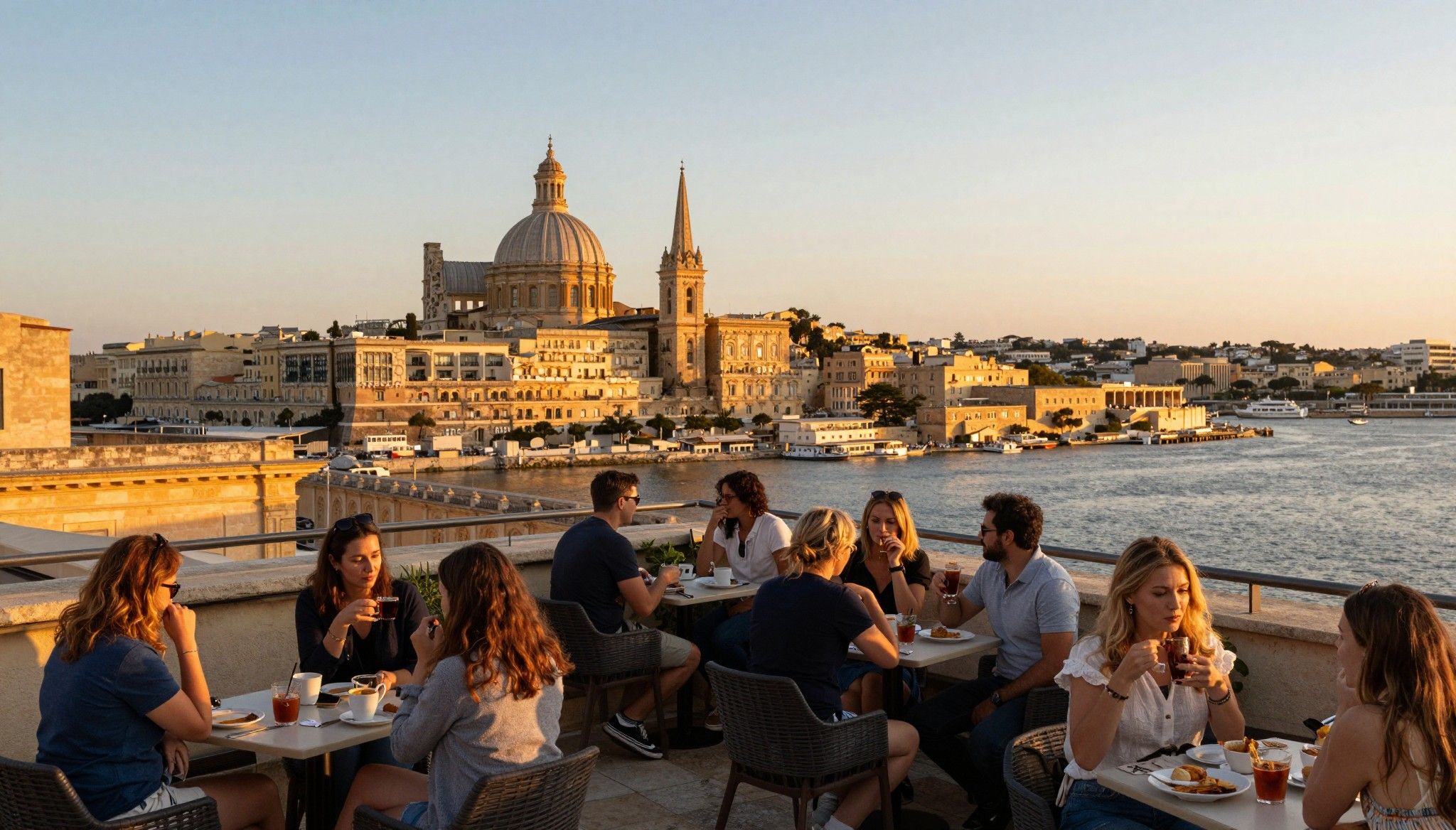
Croatia’s Seasonal Rhythm: Where Lifestyle Creates Value
Seasonal rhythms and concentrated price growth make Croatia a lifestyle bargain — visit off‑peak, follow contrarian neighbourhood signals and secure local legal expertise.
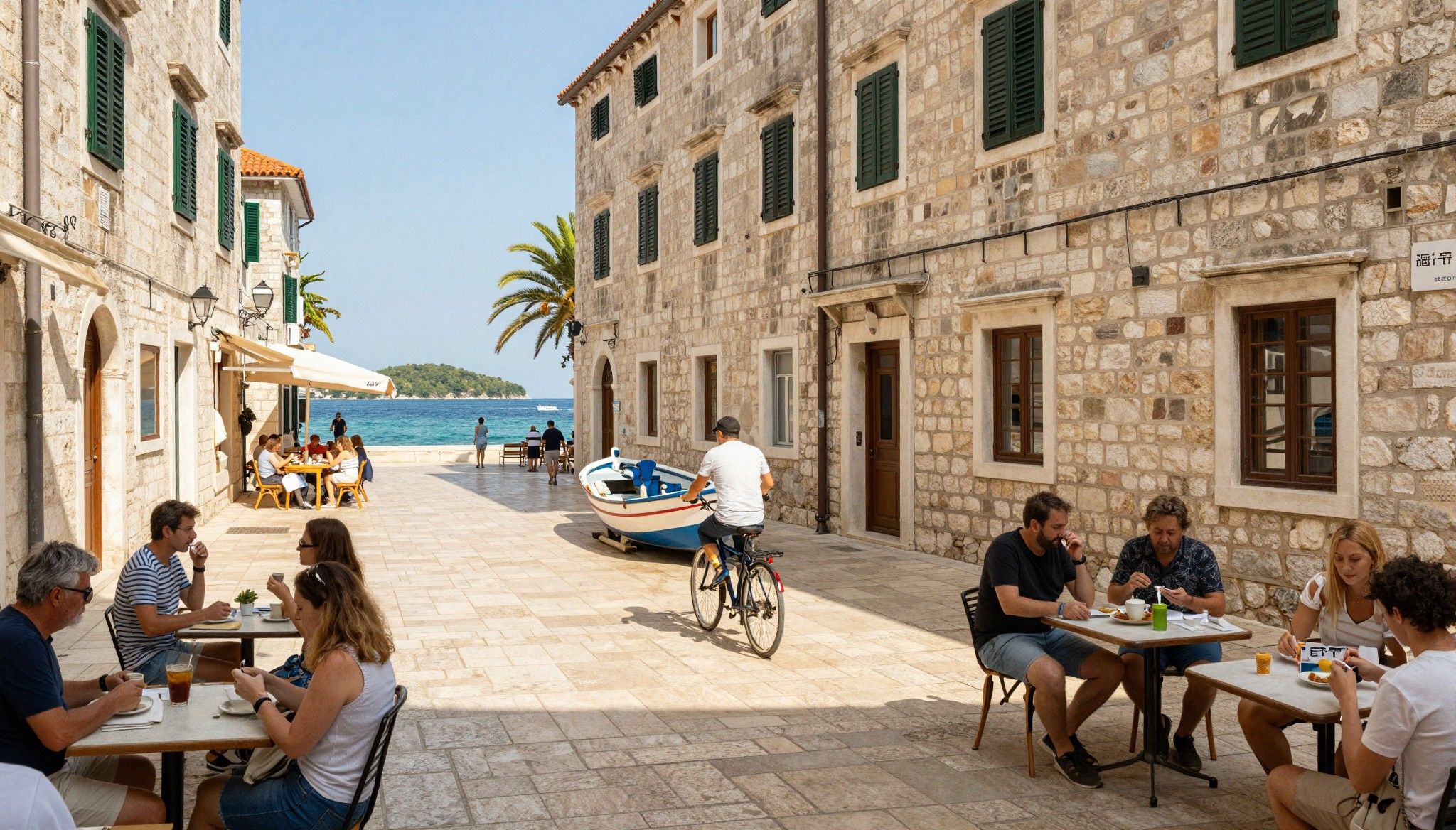
Imagine sipping espresso on a shaded terrace in Rovinj as a fisherman passes with the day’s catch, then stepping into a quiet stone street where neighbours greet each other by name. Croatia’s Adriatic towns feel lived‑in, tactile and undemanding — a place where seasons shape daily life and property choices just as clearly as shoreline or square.
Living Croatia: daily rhythms that shape where you buy
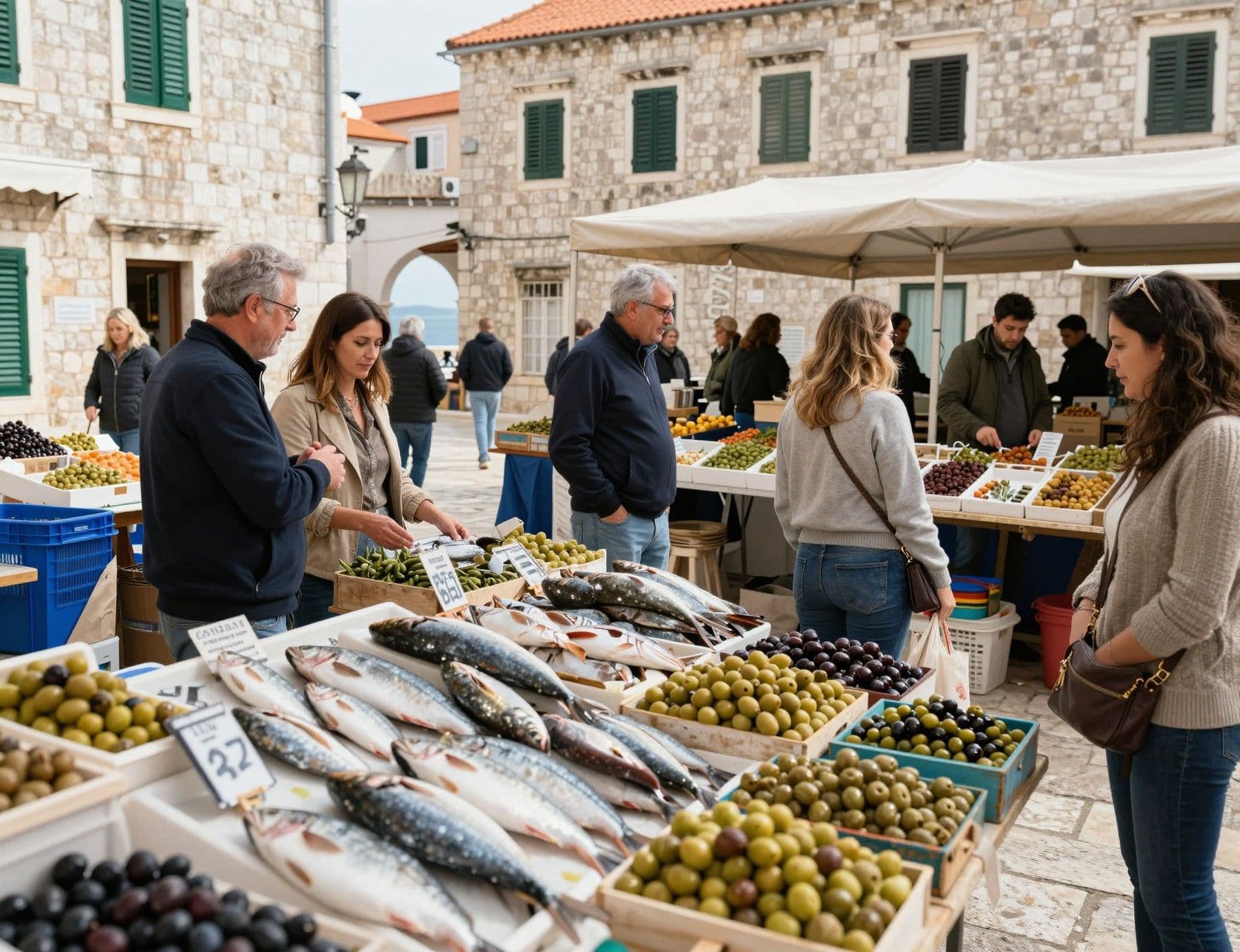
Morning markets, mid‑afternoon siestas in shaded squares and late evenings that stretch after a long dinner are not tourism theatre — they are how locals live. In Zagreb you’ll feel the city’s industrious cadence; on Hvar and Vis the pace slows to island time. These rhythms inform whether you choose a compact apartment on Split’s Riva, a renovated stone house in Korčula’s old town, or a new coastal development with winter heating and insulation.
Coastal charm vs. urban polish: where life changes
Coastal towns — Dubrovnik, Zadar, Pula — trade on history and sea access: mornings mean markets and boat trips; winters narrow to small, close communities. Zagreb, Osijek and Rijeka offer year‑round services, schools and healthcare. If you want cafés that bustle in January, choose a regional centre; if you want quiet beaches two metres from your door, choose the coast and accept seasonal lulls.
Food, festivals and neighbourhood life
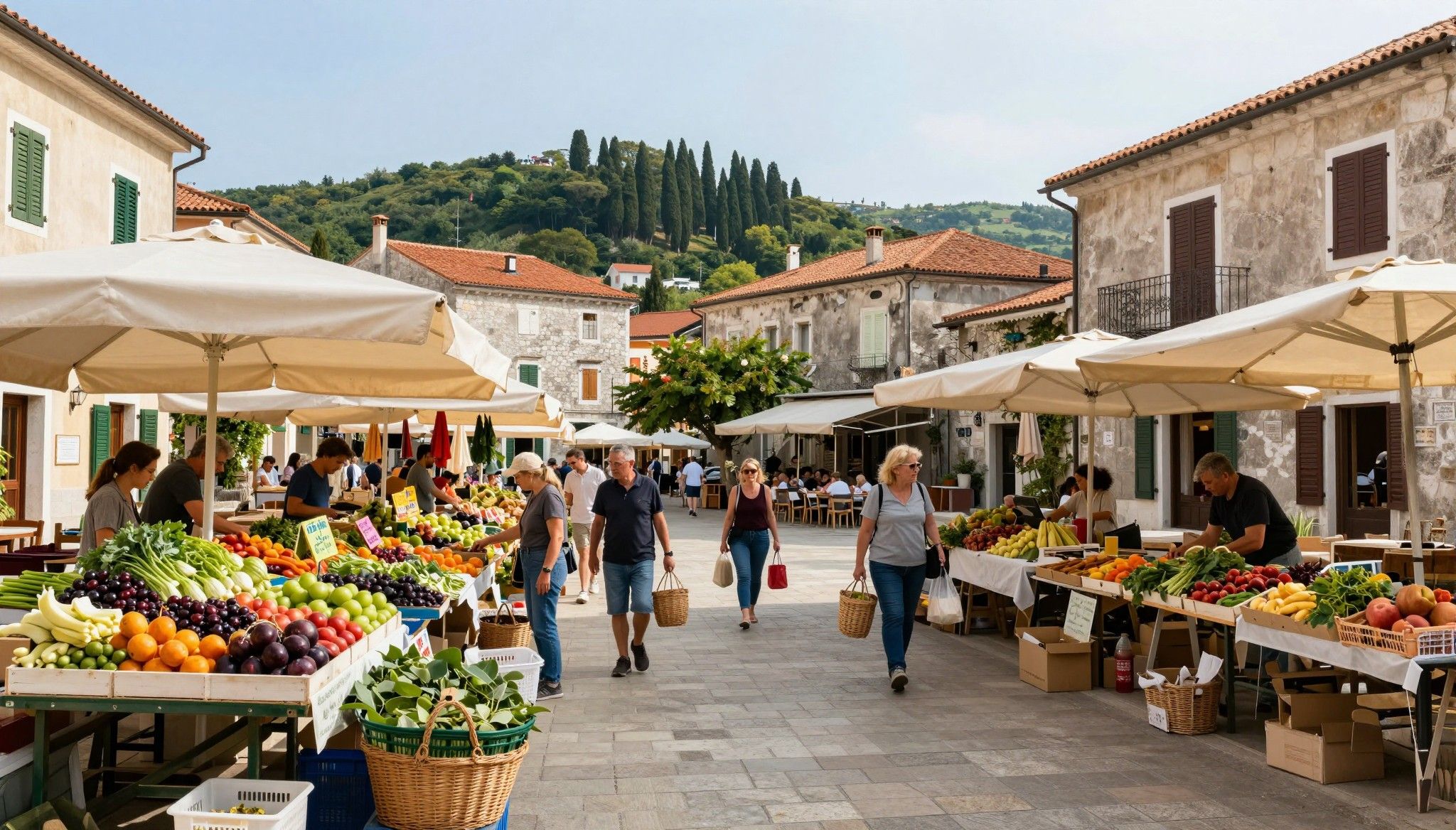
Markets are the heartbeat: Dolac in Zagreb, the fish stalls of Zadar and Pula’s open markets define how locals shop and socialise. Festivals — from Dubrovnik Summer Festival to truffle season in Istria — shape when neighbourhoods pulse. Buying near a market or festival route means easy access to local life but expect noise and tourist footfall during peak months.
- Living highlights: Dolac market (Zagreb); Riva promenade (Split); Zlatni Rat beach (Brač); Rovinj old town strolls; Istrian truffle fairs; ferry links from Zadar to islands.
Making the move: practical choices that protect the lifestyle
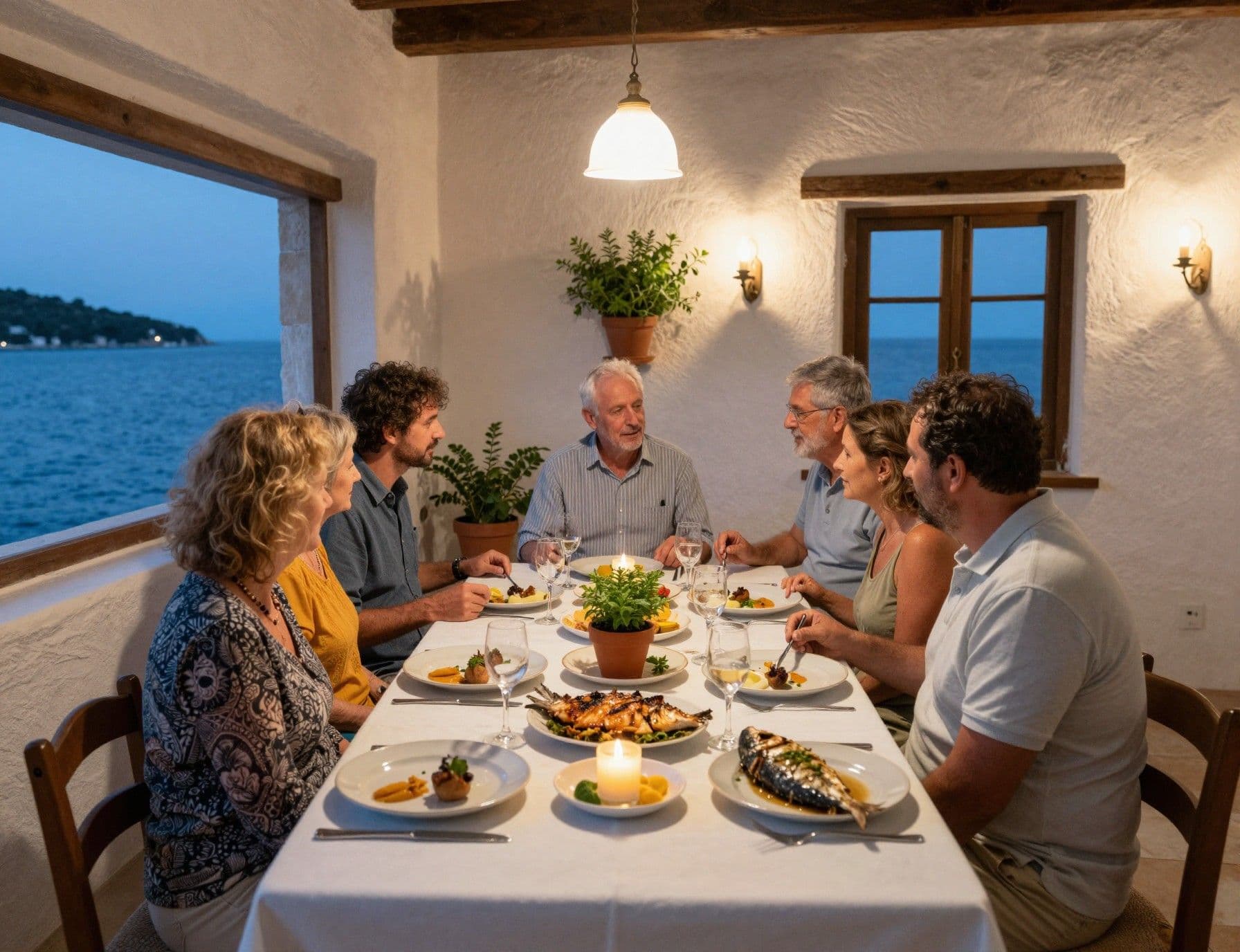
Dreams collide with paperwork fast. Croatia’s register‑centric system and regional market dynamics reward careful local advice: pick an area that matches your seasonal rhythm, and then line up a lawyer and agent who understand both the lifestyle you want and the country’s legal realities.
Property types: how architecture determines life
Stone houses with thick walls are cooler in summer but require investment for modern plumbing and insulation; new builds deliver energy efficiency and warranties but often sit on the fringe of historic centres. Choose a restoration if you want immediate character and are prepared for renovation; choose new if you want predictable running costs and modern layouts.
Work with experts who know life, not just listings
- 1) Verify eligibility: EU citizens and many EU‑EFTA nationals buy under equal conditions; non‑EU buyers may need reciprocity or ministerial consent. 2) Assign a Croatian lawyer early: land registry errors are a common source of delay. 3) Ask agents for season‑adjusted comparables — summer prices can distort true yield and long‑term value. 4) Inspect utility connections and winter readiness: heating, insulation and exposed façades matter more than summer views.
Insider knowledge: contrarian signals experienced buyers follow
Contrary to headline tourism hype, fast‑growing price indices in 2024–2025 hide a geographic truth: growth concentrated in a handful of hotspots leaves adjacent towns undervalued. Spotting the ‘next‑in‑line’ town — a port with improved ferry links or a regional hospital upgrade — creates value and keeps lifestyle intact.
Cultural cues that change property use
Locals prize permanence: long‑term tenants, family businesses and neighbourhood rituals. If you buy in a town where winter life is local‑first, expect quieter months but stronger community ties. That’s ideal for someone seeking immersion; less so for an investor who demands year‑round tourist turnover.
Long‑term practicalities: seasons, services and sustainability
- Key factors to check before you sign: local hospital and school access; ferry or road reliability in winter; ownership of adjacent land (coastal access rules); building permits for extensions; heating and insulation standards.
Here’s what expats wish they’d known: buy the neighbourhood’s off‑season rhythm before you buy the postcard. Test a neighborhood in January, not August. Speak with neighbours about noise, waste collection and local committees. Those conversations reveal long‑term livability in ways a glossy listing never will.
- Steps to de‑risk a purchase: 1) Confirm nationality eligibility and, if needed, ministerial consent. 2) Order a land registry extract and boundary survey. 3) Run a seller debt and encumbrance search with your lawyer. 4) Agree an escrow arrangement or notary‑held proceeds. 5) Budget for renovation contingency and winter running costs (estimate +10–15% in coastal winds).
Conclusion: choose rhythm over postcard
Croatia rewards buyers who prioritise everyday life: markets, neighbours, year‑round services and seasonal patterns. Use local data (DZS), government guidance and an on‑the‑ground agent to pair lifestyle with legal certainty. Start by visiting off‑peak, talk to locals, and line up a bilingual lawyer — those simple steps preserve the lifestyle you fell in love with and protect your investment.
Danish relocation specialist who has lived in Barcelona since 2016. Helps families move abroad with onboarding, schooling, and local services.