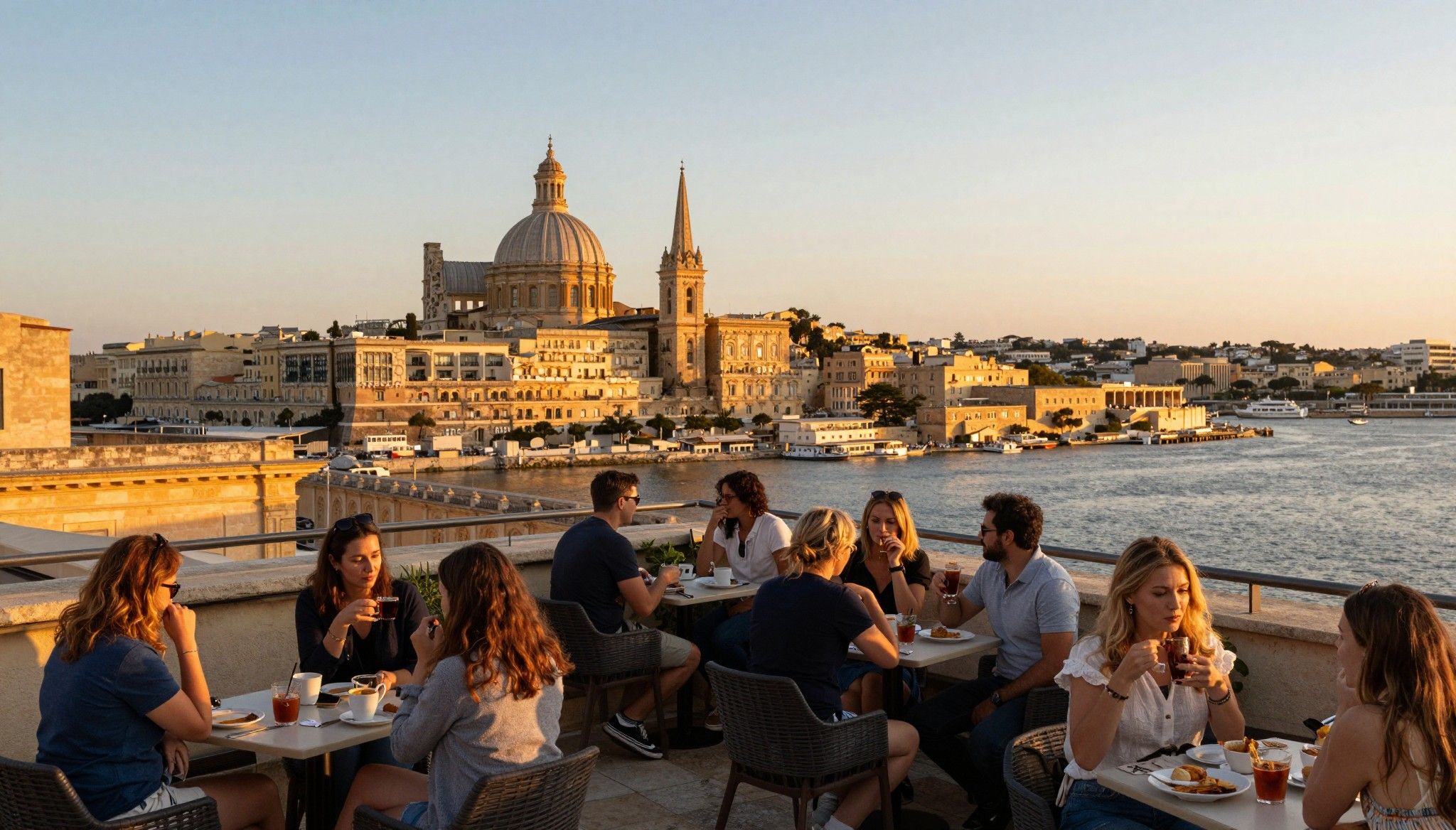
Croatia: Buy to the Rhythm, Not the Price
Why Croatia’s lifestyle cycles — not headline prices — should shape where and when international buyers buy, with data and legal steps to act wisely.
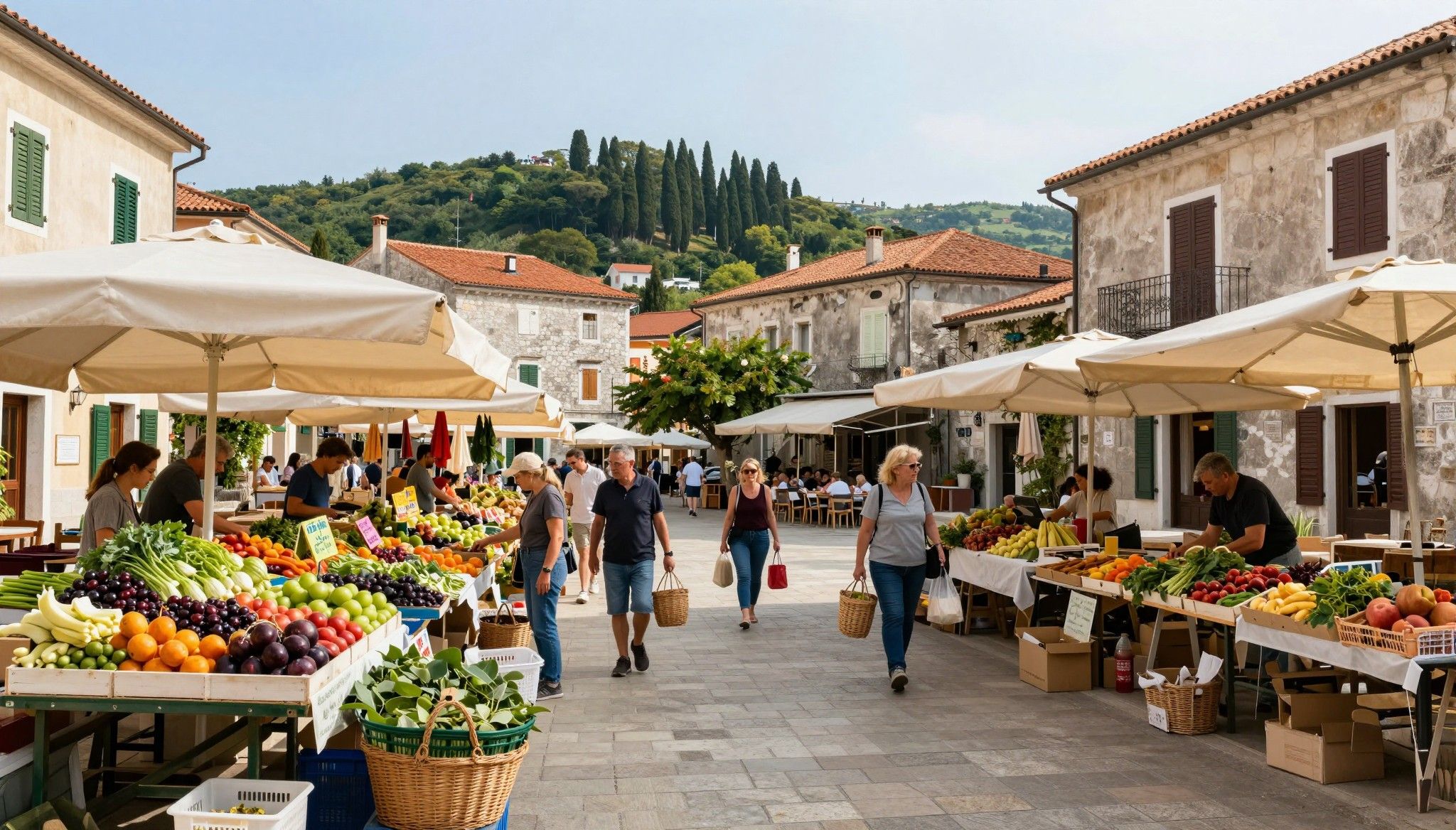
Imagine waking to espresso steam on a stone balcony in Split, buying morning fish at Hvar’s Pjaca, then walking home past terraced gardens where cicadas hum. Croatia moves at a Mediterranean rhythm — summers full of coastal social life, autumns quieting to village markets and olive harvests, and winters that let historic towns breathe. For many international buyers the fantasy is simple: Adriatic light, compact towns, and a European legal framework. But the market beneath that idyll has pulses — seasonal demand, rapid price changes in hotspots, and legal quirks that shape where and when a smart buyer should act.
Living the Croatia Lifestyle
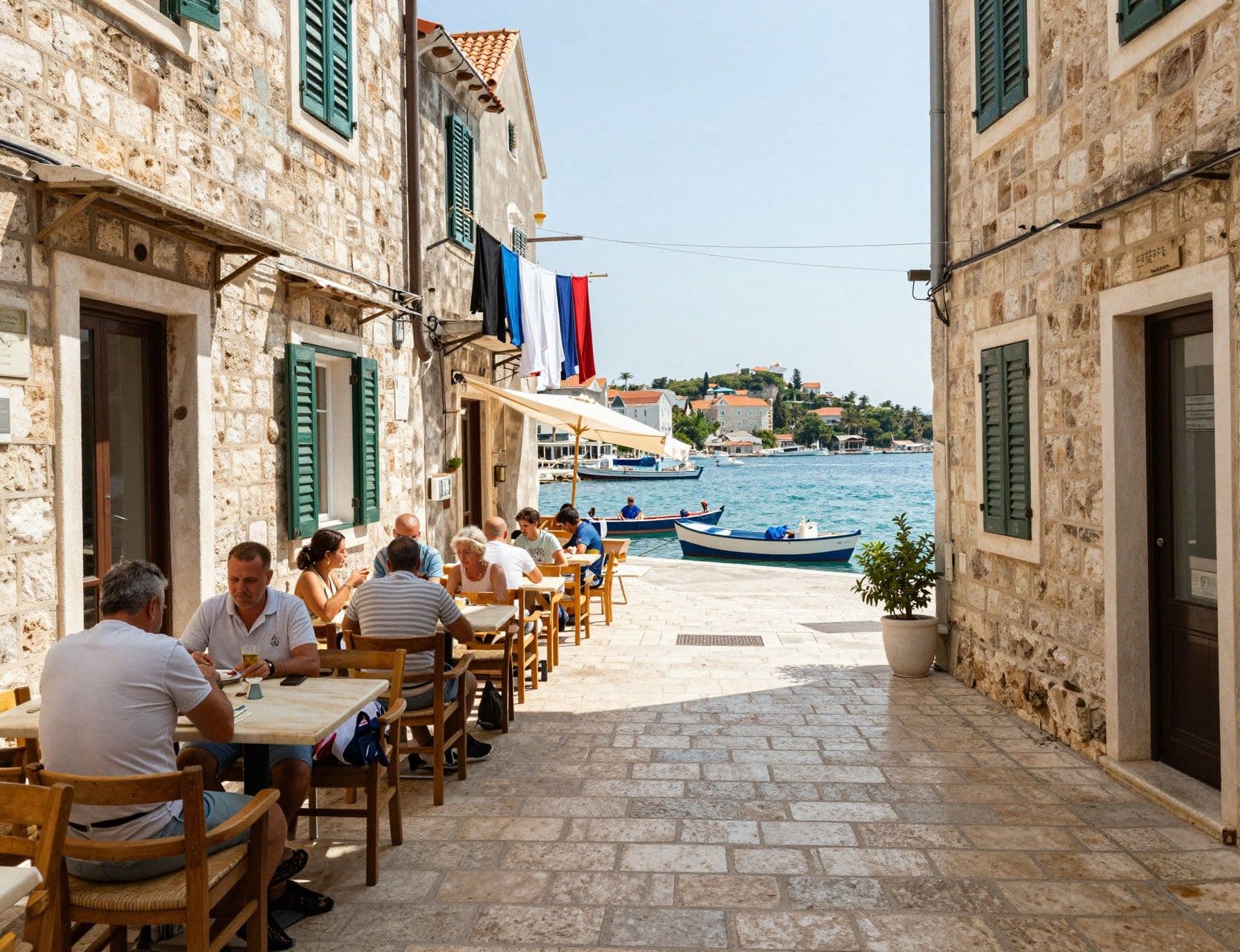
Croatia’s daily life blends seaside rituals with a strong sense of place. In Dubrovnik the old town’s limestone streets fill with morning joggers and afternoon tourists, while in Istria small hill towns host slow markets and wine tastings. Zagreb hums with cafés and creative scenes through cool months, offering a different tempo for year‑round residents. These contrasts matter: your ideal property will depend less on a headline price per square metre than on whether you want a lively summer calendar or a quieter, all‑season community.
Seaside rhythms: Dalmatian towns and islands
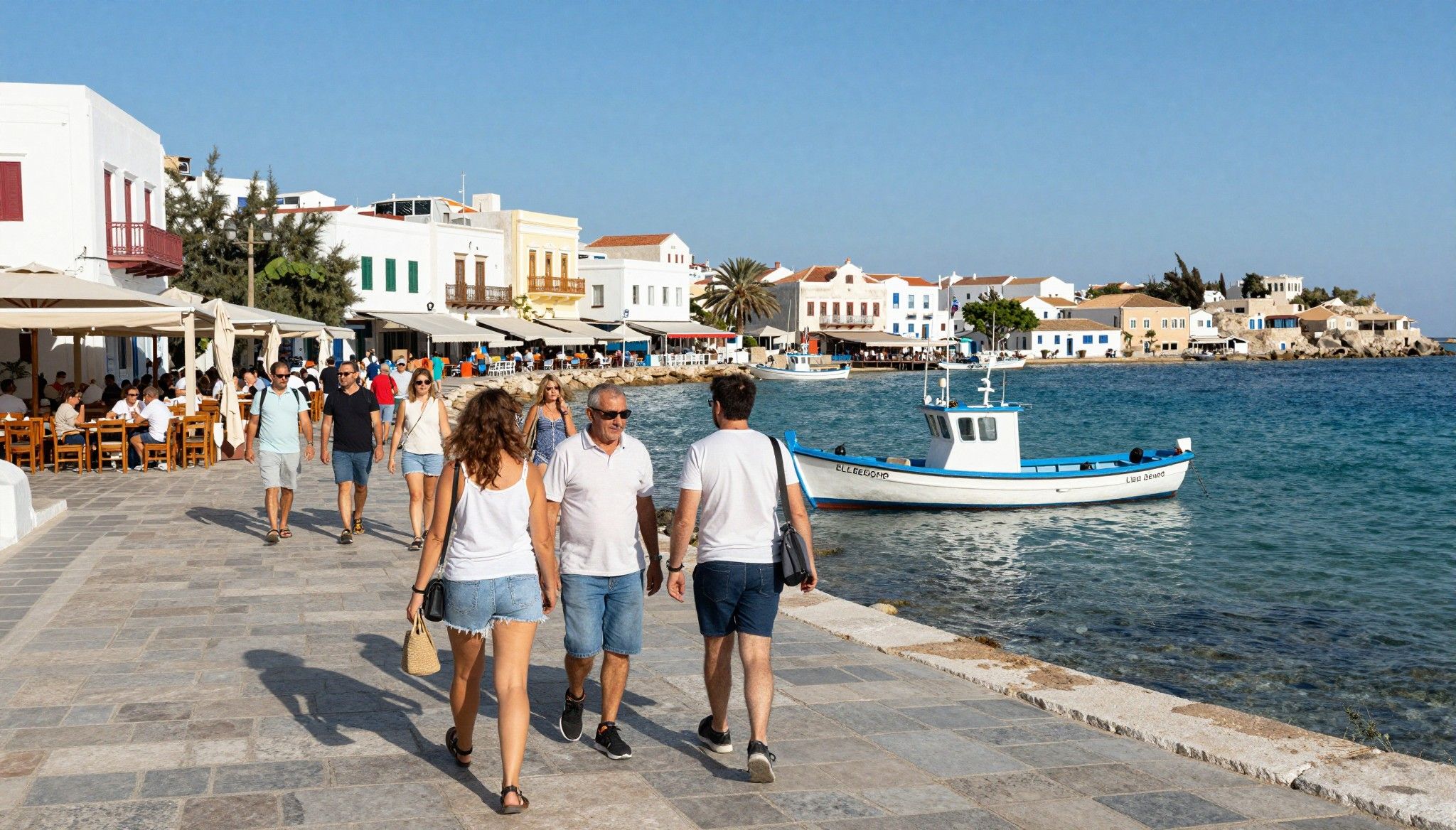
On islands like Hvar and Brač, days are measured by tide, ferry timetables and terrace dinners. Locals buy bread early, spend afternoons in coves, and congregate at evening konobas (family tavernas). Properties here often trade on proximity to a harbour, year‑round water access and sheltered terraces — factors that matter more to lifestyle than the raw square‑metre price.
Urban life: Zagreb and Split neighborhoods
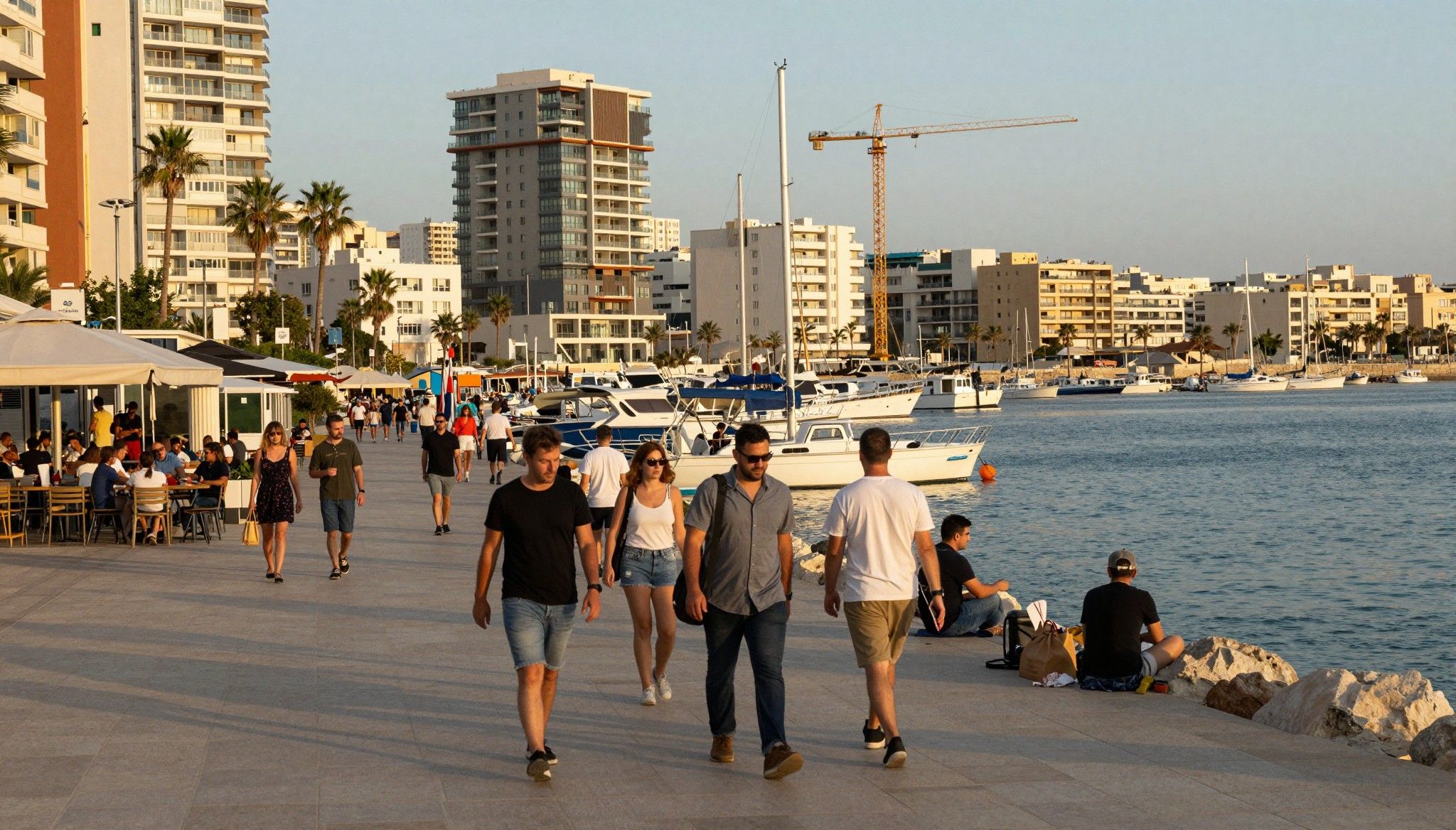
Zagreb’s Gornji Grad (Upper Town) offers cobbled streets, weekend markets at Dolac and a café culture ideal for year‑round living; Split’s Varoš and Meje combine historic charm with quick access to the Riva waterfront. For buyers wanting community and conveniences, these neighbourhoods show how daily routines — where you shop, where children go to school, how you commute — should steer property choice as much as headline returns.
Making the Move: Practical Considerations
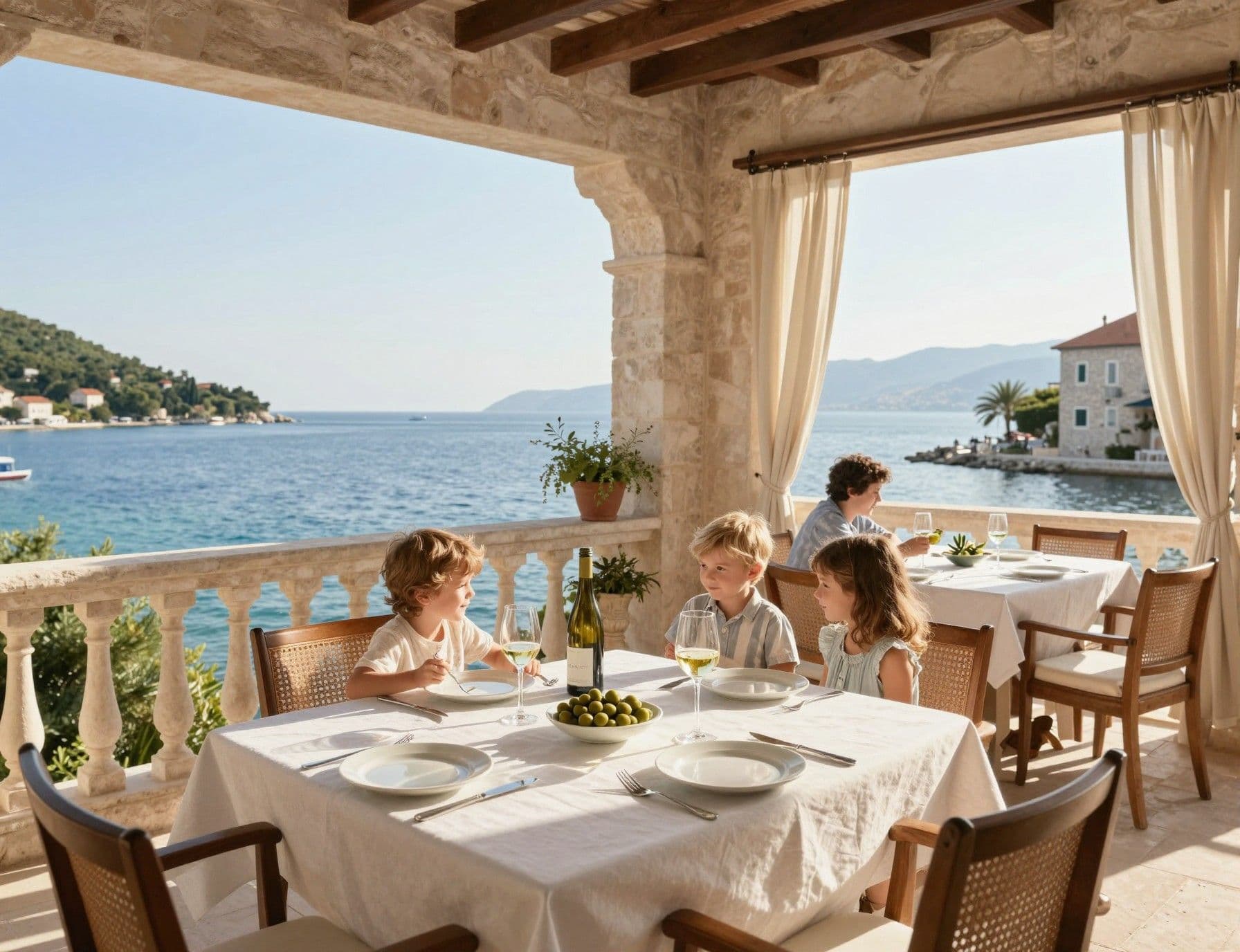
Turning affection into an acquisition requires translating lifestyle needs into legal and market realities. Croatia separates EU/EEA buyers from other nationals through the reciprocity principle; EU citizens buy under the same terms as locals, while non‑EU buyers usually need ministry approval or use Croatian corporate structures. At the same time, national statistics show house prices rising strongly in recent years, particularly along the coast — data that should temper hurried summer viewings and guide offer strategy.
Property styles and daily life
Stone townhouses, seaside apartments, and new‑build complexes all promise different lifestyles. A restored Dalmatian stone house gives character and outdoor terraces but often needs structural and insulation work; modern developments offer amenities like parking, elevators and energy efficiency but may sit outside town centres. Match the property type to how you want to spend weekdays and weekends — does your ideal day include market runs and alleyway coffee, or poolside afternoons and gated privacy?
- How local experts help (6 steps)
1. Translate lifestyle into search criteria (neighbourhood rhythm, not only price). 2. Verify reciprocity and any ministry approvals for non‑EU buyers. 3. Check land registry and building permits before signing. 4. Model seasonality of rental or running costs if you plan to let. 5. Negotiate timelines that respect ferry seasons and construction calendars. 6. Arrange local property management for off‑season care.
Insider Knowledge: What Expats Wish They’d Known
Experienced expats repeat two unexpected truths: seasonality moves markets more than national averages, and the registration step is decisive — whoever records ownership first in the land register holds legal title. That means timing, a trusted lawyer and a notary‑ready contract can be as valuable as a lower price. Recent market reports show above‑average growth in coastal hotspots, which creates urgency but also opportunity in under‑discovered inland towns.
Cultural integration and neighbourhood life
Learning a few phrases, joining local clubs and shopping at farmers’ markets are the fastest ways to feel at home. Neighbourhoods that support community — a corner konoba, weekly market, a church square or a football pitch — become daily anchors. Remember that high tourist seasons can transform a quiet village into a busy festival scene; choose according to whether you want that seasonal intensity or an all‑year calm.
Long‑term lifestyle and market scenarios
Two plausible scenarios matter for buyers: continued coastal premiuming, where supply constraints push prices up, and regional balancing, driven by government tourism strategies to spread visitors year‑round. If you want capital appreciation, prioritize limited‑supply coastal towns and quality restorations; if you want sustainable everyday life, consider inland Istria, continental Zagreb suburbs or smaller islands with year‑round services.
- Lifestyle‑first checklist before making an offer
• Confirm transport links (ferry schedules, seasonal flights) that suit your calendar. • Visit a neighbourhood in both high and low season to check noise and service levels. • Get a local energy and renovation estimate for older stone properties. • Understand the land registry timing and have legal representation ready. • Compare projected running costs for holiday letting versus full‑time living.
Conclusion: Croatia is a place you feel before you buy. Let the taste of street food, the cadence of market days and the intimacy of town squares guide where you look; then let data, local legal expertise and season‑aware timing protect how you buy. Start with a short research trip in shoulder season, bring a lawyer familiar with reciprocity and registration, and choose agents who can read neighbourhood rhythm as well as price charts. That blend of lifestyle love and rigorous process is what turns a Croatian dream into a durable home.
Dutch investment strategist with a Portugal-Spain portfolio. Expert in cross-border financing, rights, and streamlined due diligence for international buyers.