France: Match Neighbourhood Rhythm to Market Data
France’s market has stabilised since 2024; pair sensory neighbourhood choices with Notaires‑INSEE data to find resilient value across cities and coasts.

Imagine waking on a crisp Thursday morning, buying warm croissants from Rue Cler in Paris, then driving two hours to a windswept Breton cove for lunch — that rhythm of short journeys, seasonal markets and neighbourhood routines is what living in France often feels like. But beneath that sensual day‑to‑day lies a market where regional differences, post‑pandemic corrections and shifting mortgage conditions quietly reshape where smart international buyers find value. Recent market analysis shows stabilising prices after the 2023–24 correction, and pockets of renewed demand in regional cities and coastal towns. (Sources cited below.)
Living the France lifestyle — sensory, seasonal, specific
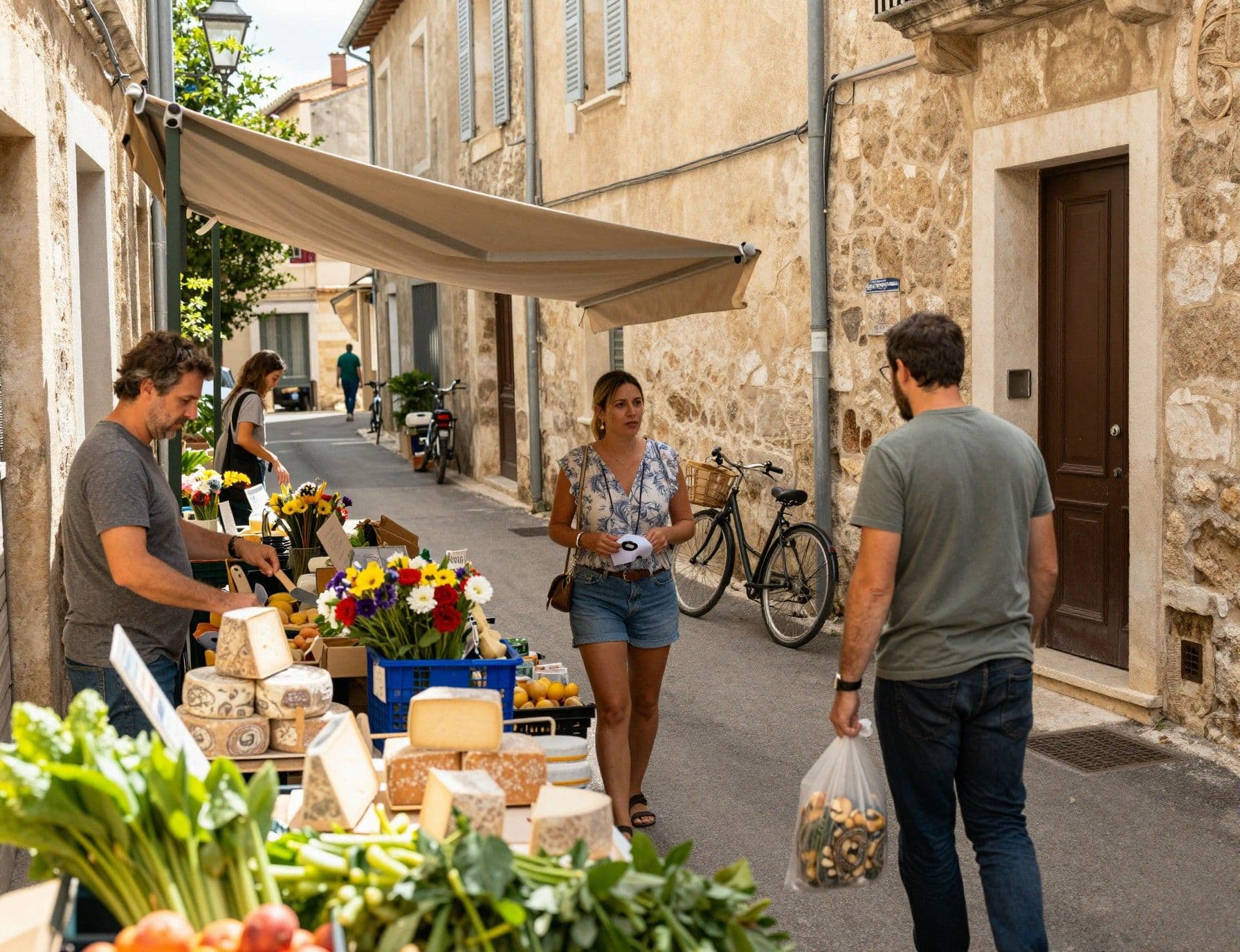
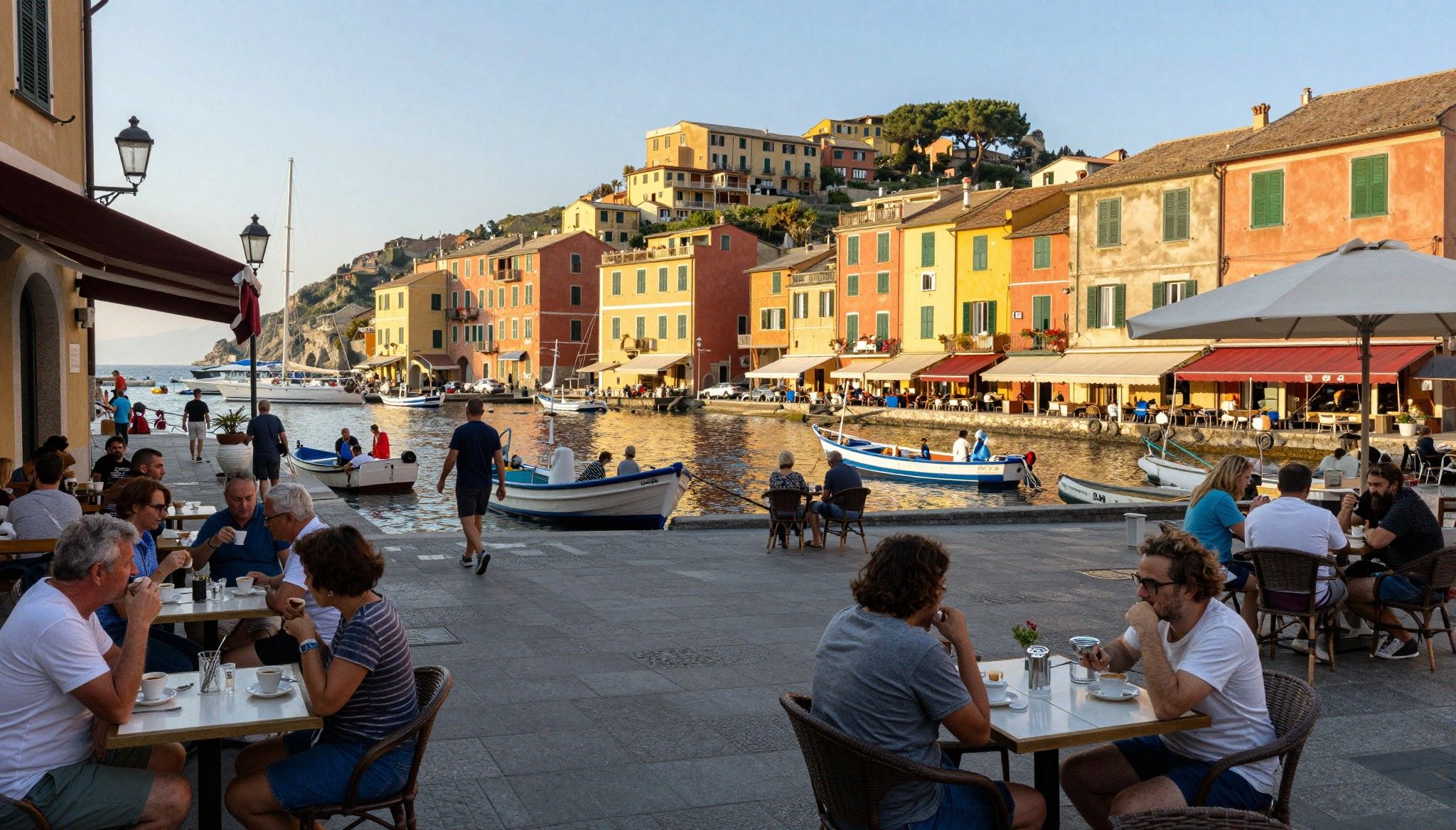
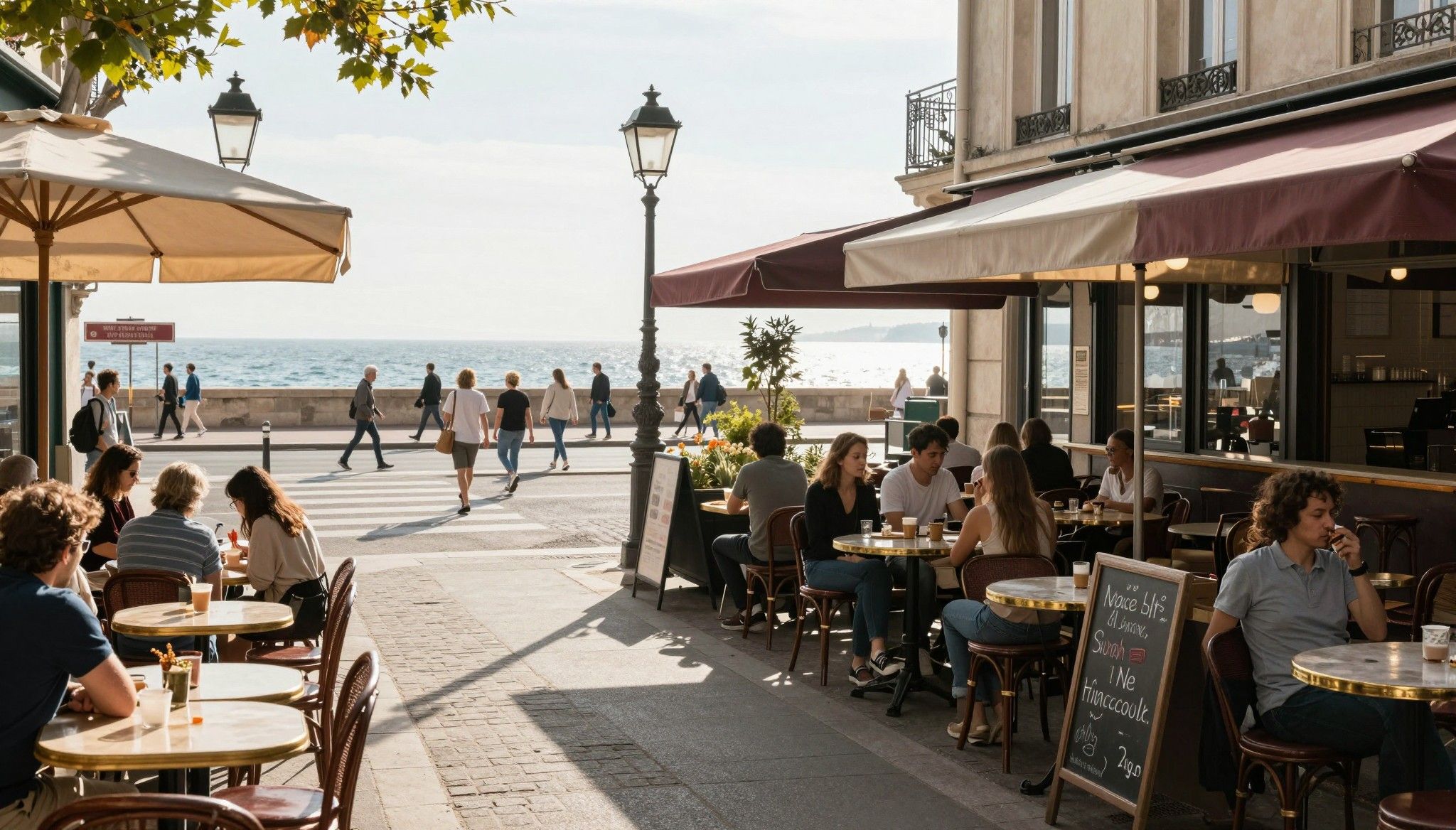
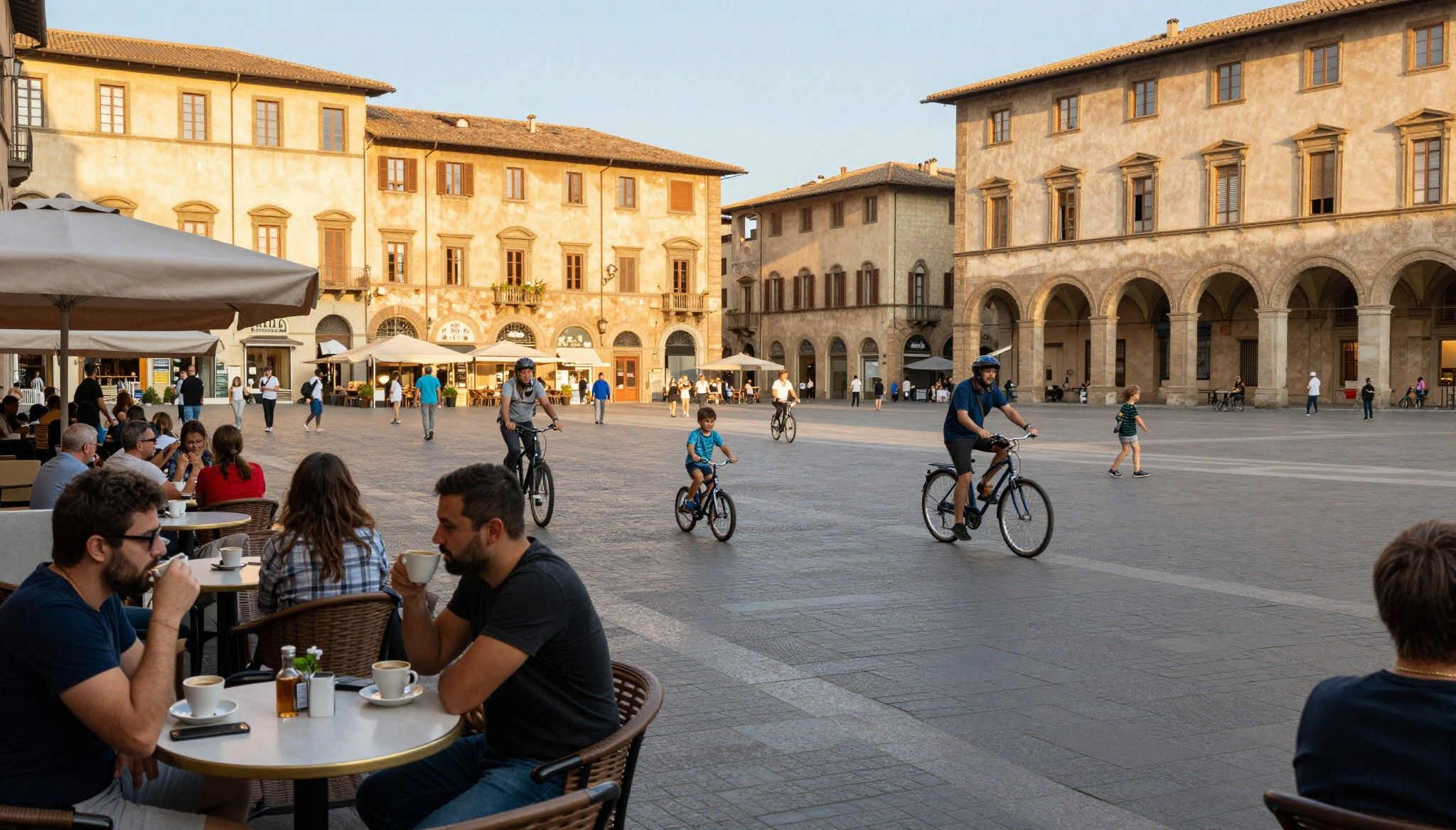
France is not one mood but many: early‑morning markets in Lyon, hushed stone lanes in the Dordogne, late aperitifs on Nice terraces, and newly vibrant cafés in Rennes. Each place has a daily rhythm — weekday boulangeries, Saturday marchés, and long summer evenings — and those rhythms should shape the property you choose. If you want year‑round life, neighbourhoods with bakeries, pharmacies and lively shops matter more than headline square‑metre prices.
Paris, Provence, Brittany — what each neighbourhood offers
In Paris, arrondissements still trade at a premium but have softened from 2021 peaks; the city remains the cultural engine with high liquidity for apartments. Provence towns (Aix‑en‑Provence, Arles) sell lifestyle — olive markets, Provençal cafés and sunlit terraces — while Brittany and parts of western France combine lower price entry points with strong local demand. Notaires de France’s 2025 review notes regional divergences: some mid‑sized cities are now outperforming as buyers search for space and year‑round communities. ([notaires.fr](https://www.notaires.fr/en/node/38238?utm_source=openai))
Food, rituals and weekend life — the real drivers of neighbourhood value
Picture a Saturday morning market in Bordeaux or a weekday lunch at La Rotonde in Nice: these rituals create durability. INSEE’s recent indices show small national contractions in 2025 followed by stabilisation, which means lifestyle‑led locations with everyday amenities are holding value better than speculative hotspots. For buyers, that implies prioritising neighbourhoods with established routines rather than chasing short‑term price momentum. ([insee.fr](https://www.insee.fr/en/statistiques/8643227?utm_source=openai))
- Lifestyle highlights to look for (street‑level signals)
- A daily boulangerie within 200 m — sign of a living neighbourhood
- A weekly marché or covered market — year‑round community anchor
- Close weekday transport links (RER, TER) if you plan hybrid work
- Local primary school catchment with good reviews — resale and rental appeal
Making the move: translate lifestyle into smart property choices
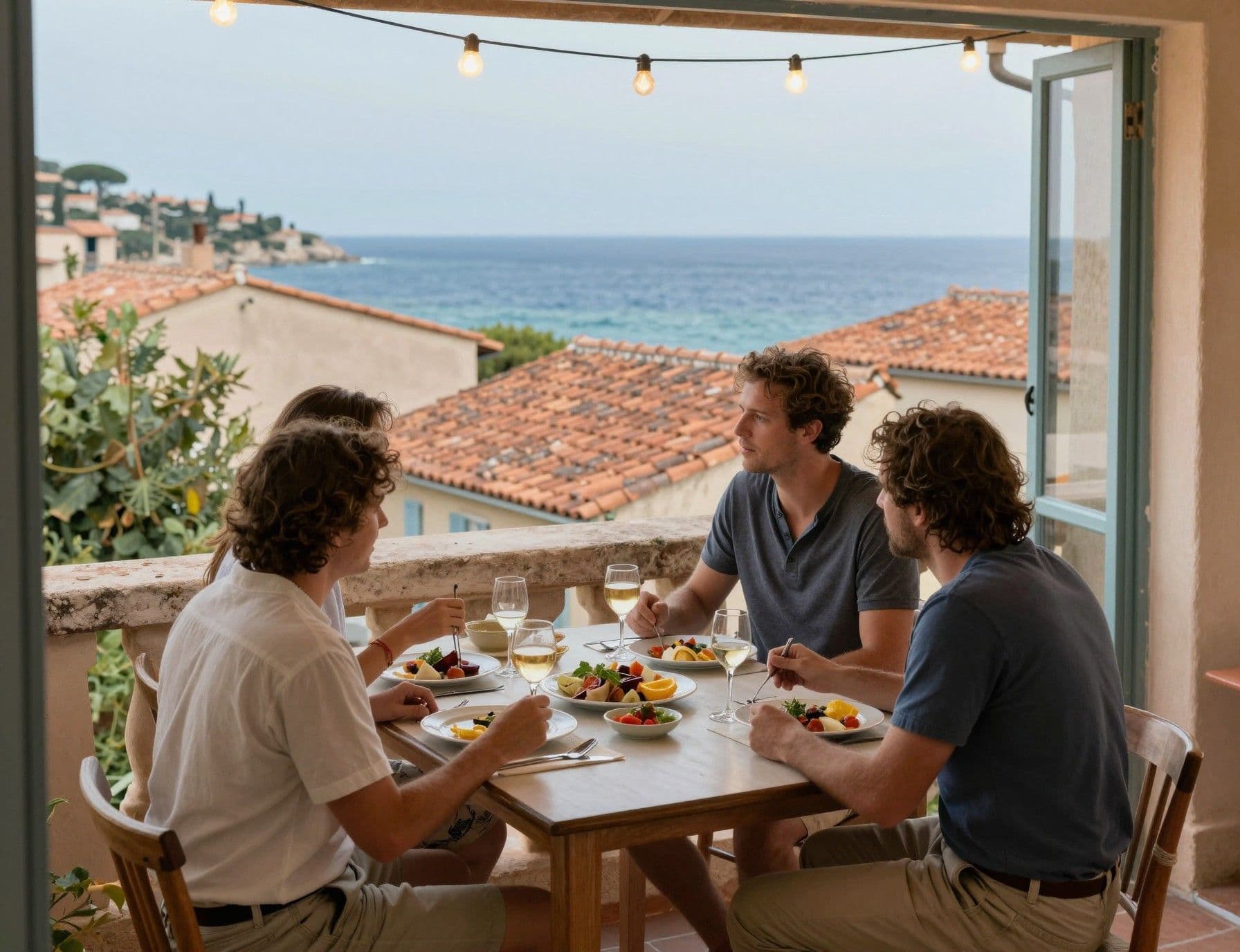
Dreams meet paperwork: the house on a hill is romantic, but you’ll live daily somewhere else. Start from how you want to spend weekdays and weekends — markets, coast, culture — then test properties against those routines. The market has stabilised in 2025–26 but remains patchy, so aligning lifestyle needs with market signals helps reduce risk while maximising enjoyment. ([notaires.fr](https://www.notaires.fr/en/node/38238?utm_source=openai))
Property styles and how they shape life
Stone village houses give large gardens and slow summers; city Haussmann flats offer compact, walkable life with easy services; new‑build coastal apartments bring maintenance‑free living and pools but often higher copropriété charges. Choose type by the life you want: morning market runs suit a flat in Lyon’s Croix‑Rousse, while weekend vegetable gardens suit a house near the Loire Valley.
Work with local experts who match lifestyle to legal reality
A local notaire and an agency experienced with international buyers will translate lifestyle priorities into precise searches, flagging copropriété rules, renovation constraints and seasonal rentals. Use agents who can show comparable neighbourhood sales and explain running costs — Savills research recommends tempering expectations for headline growth and focusing on affordability and long‑term returns. ([pdf.savills.com](https://pdf.savills.com/documents/Mainstream-Forecasts-Summary.pdf?utm_source=openai))
- Steps to test a lifestyle fit (1–5)
- Visit the neighbourhood at different times (weekday morning, market day, evening).
- Talk to shopkeepers and neighbours to learn noise, services and community life.
- Ask agents for three recent comparable sales and the local rental demand profile.
- Factor in seasonality: coastal towns swell in summer; inland markets stay steadier year‑round.
Insider knowledge: expat truths, seasonal surprises and red flags
Expat buyers often underestimate seasonality and overpay for view‑led coastal plots that require expensive maintenance. Data shows medium cities and western coastal towns are seeing meaningful price moves in 2025–26, while neighbourhood disparities inside cities like Marseille or Lyon can be extreme. Read micro‑price maps before committing and avoid single‑data‑point decisions. ([lemonde.fr](https://www.lemonde.fr/en/money-investments/article/2026/03/10/large-french-cities-see-prices-rise-again-as-house-prices-surge_6751268_102.html?utm_source=openai))
Cultural nuances that matter when buying
French sellers expect a formal process: clear offers, certified ID, and a notaire every step of the way. Learning basic French courtesies accelerates trust; join local clubs, marchés or a Mairie event to integrate faster. For rentals, local rules on short‑stay letting vary by municipality — ask the mairie before banking on summer income.
Common red flags (what expats missed)
- Unclear copropriété minutes — may hide upcoming special assessments
- Promises of flexible short‑let income without municipal permits
- Overlooking winter access and heating costs in rural homes
- Ignoring renovation constraints in listed or protected zones
France’s national indices and notarial analyses should be your compass for risk‑adjusted moves: INSEE shows modest quarterly variation and regional divergence, while notaires provide transaction‑level detail that reveals where demand is resilient. Use both sources to validate agency claims and to set realistic offers. ([insee.fr](https://www.insee.fr/en/statistiques/8643227?utm_source=openai))
A buyer’s quick checklist before making an offer
- Confirm recent comparable sales in the same micro‑neighbourhood (not the broader city).
- Request copropriété minutes, utility bills and structural reports where applicable.
- Check local short‑let rules with the mairie if you plan holiday rentals.
- Get a ballpark estimate for annual running costs (energy, chauffage, copro) before calculating yield.
Conclusion: France rewards buyers who pair sensory knowledge with data. Choose neighbourhoods where you can imagine a Monday and a Saturday — then verify the numbers. Work with agencies and notaires who can translate markets (INSEE, Notaires) into precise, neighbourhood‑level advice. If you start with a lived‑in picture of life here, the legal and financial steps become a means to that life, not obstacles to it.
Dutch investment strategist with a Portugal-Spain portfolio. Expert in cross-border financing, rights, and streamlined due diligence for international buyers.