Malta: Buy the Street, Not the Postcard
Malta’s concentrated island lifestyle sells fast—prioritise street-level fit, recent RPPI data and local advisers to match daily life with investment reality.
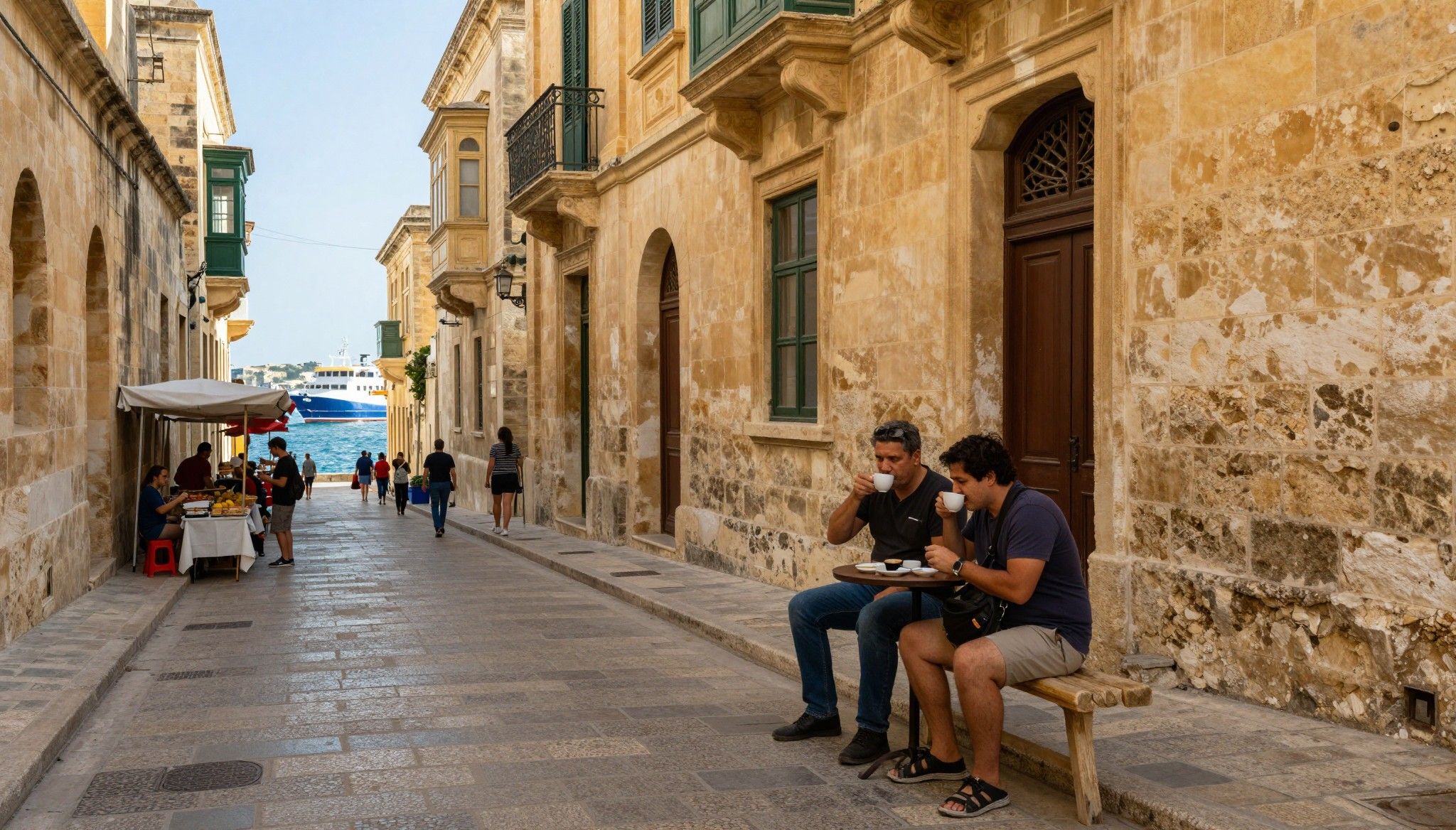
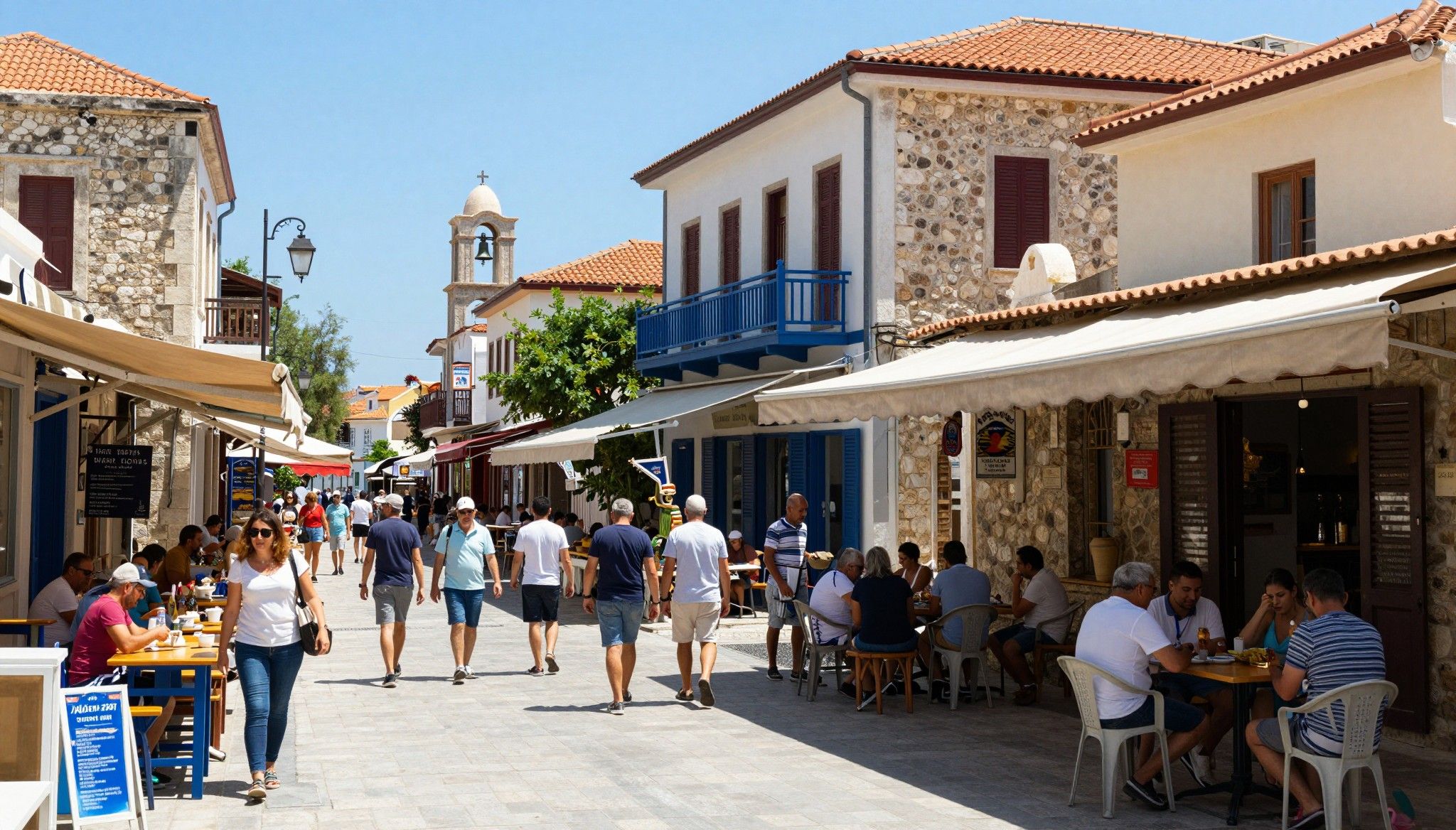
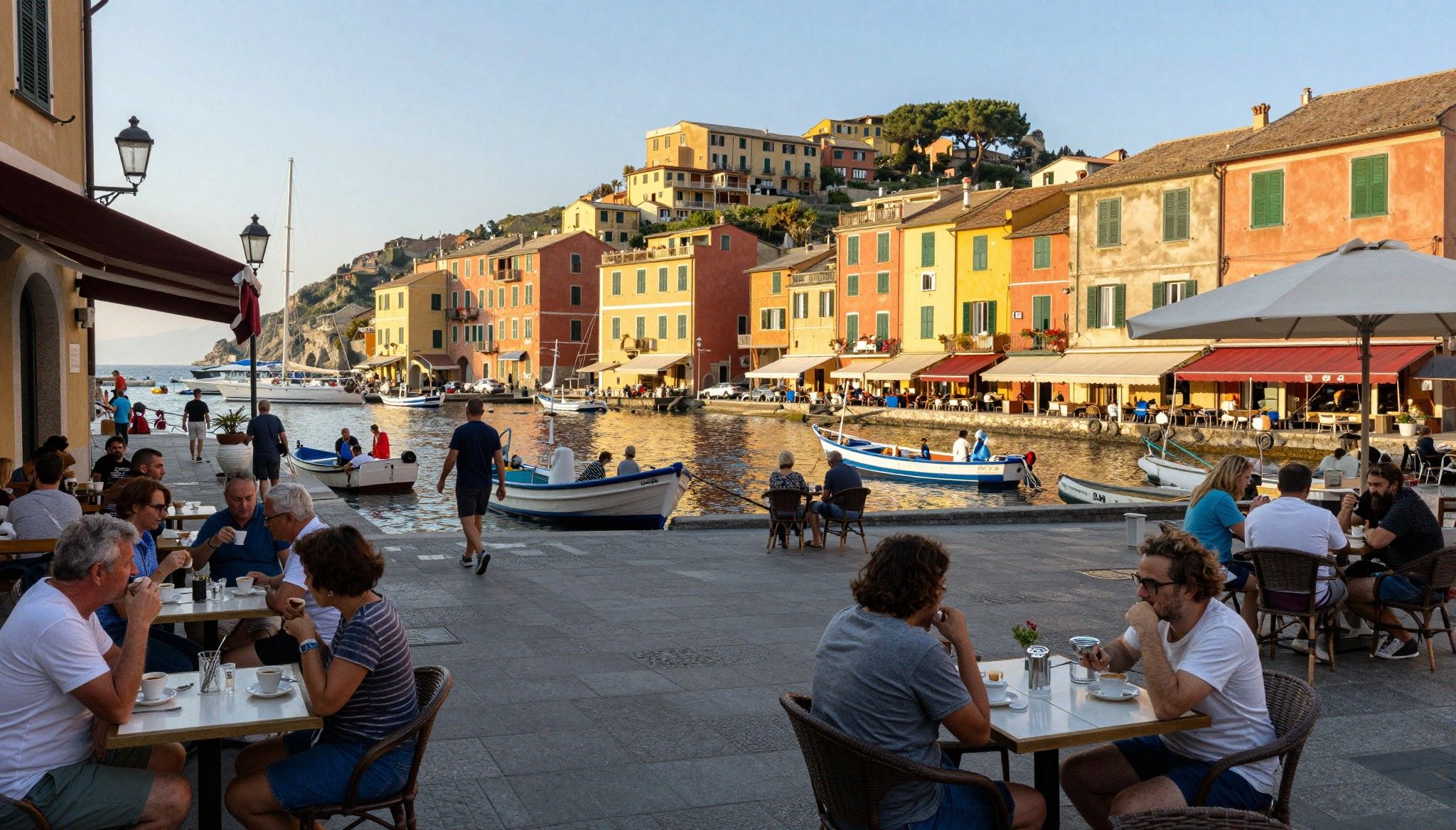
Imagine an espresso at 08:30 on Valletta’s Merchants Street, the limestone warming under your palm while a ferry horn signals the harbour’s slow rhythm. Malta is compact—so your weekend can include an early market in Marsaxlokk, an afternoon swim at Golden Bay, and an evening aperitivo in Sliema. For international buyers that intensity is the appeal: concentrated lifestyle choices, English widely spoken, and neighbourhood characters that flip between quiet domestic life and lively tourist pulse. But the island’s small size also drives competition for the right street, floor or garden; choosing where to live quickly becomes the most important part of the purchase.
Living the Malta life: concentrated, textured, social
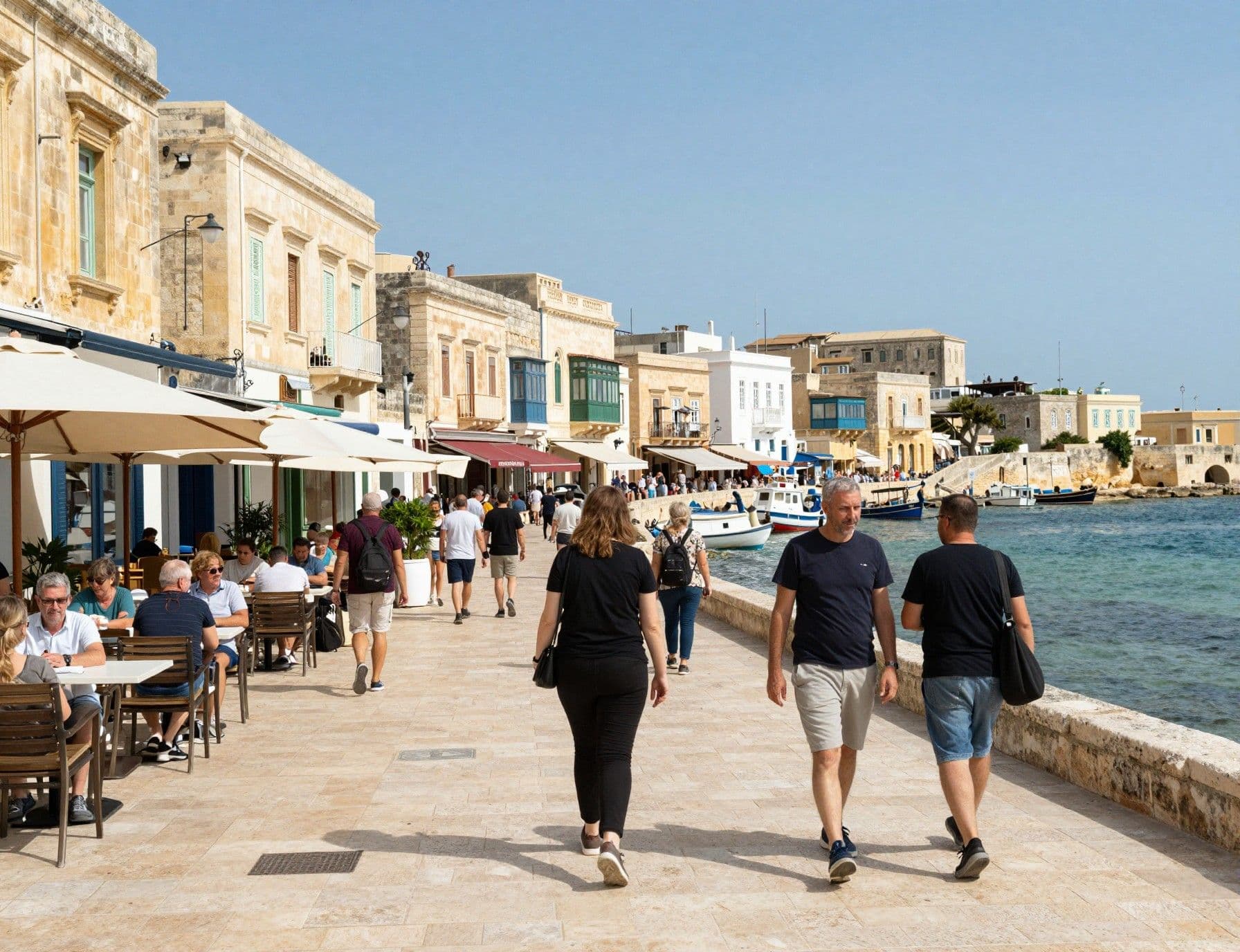
Malta’s daily rhythm is tactile: bakery scents at dawn, café tables full by mid-morning, and neighbourhood festas that redraw the map once a year. Valletta and Sliema serve different social needs—Valletta gives you lanes, palazzos and museums within walking distance; Sliema and St Julian’s give promenades, modern apartments and nightlife. Outside the east-coast corridor, Mellieħa and Marsaskala trade proximity to beaches and calmer community life for longer commutes. This is a place where the street you choose decides whether you spend Saturdays at farmers’ markets or on organised boat trips.
Valletta and the Three Cities: history as a daily backdrop
Picture narrow streets, limestone façades and neighbours who know your rhythm—Valletta is for those who want culture on the doorstep. Homes here often mean restored townhouses or compact maisonettes with internal courtyards; outdoor space is scarce and prized. Expect tourism pressure at peak season, but also premium cafés, theatres and proximity to embassy and professional networks that make daily life easy for internationals. If you prize walkability and civic life, Valletta’s trade-off is smaller interiors and higher per-square-metre prices.
Sliema & St Julian’s: promenade living and modern convenience
Walk the Sliema seafront at sunset and you’ll see why buyers prize this strip: sea views, contemporary blocks, cafés and convenient ferry links to Valletta. St Julian’s and Paceville supply nightlife and new-build apartments popular with investors and remote workers. These areas offer larger modern units than the old cities, plus easier parking and international service options—useful if you plan frequent travel or short-term rentals. But the livelier streets also mean variable noise and seasonal fluctuations in demand.
Making the move: how lifestyle choices shape practical decisions
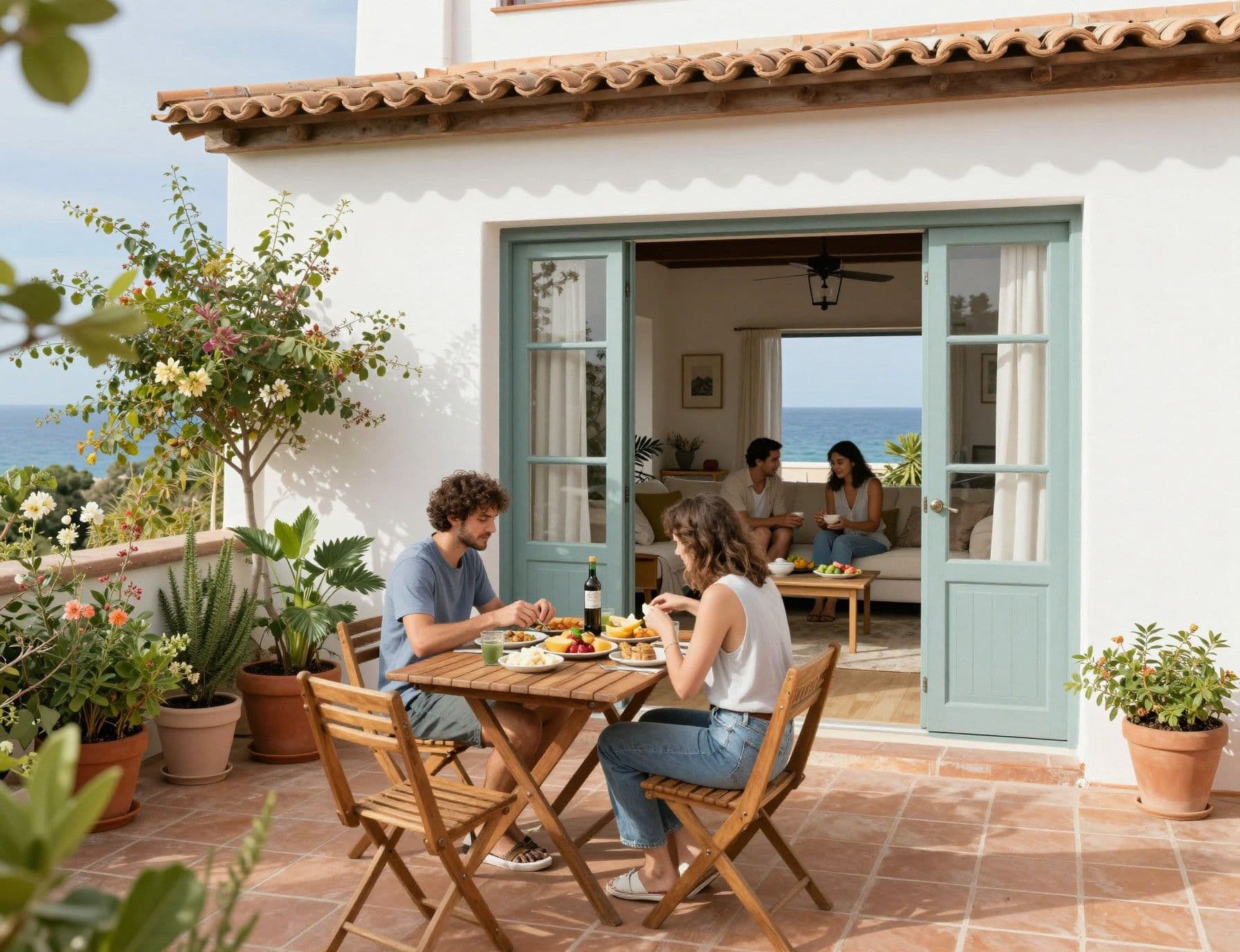
The dream of small‑island life meets market realities: Malta’s property indices have shown steady price growth—NSO reports a 6–7% year‑on‑year rise in early 2026—so timing and place matter. Apartments dominate listings and transactions, while house-type homes are rarer and command premiums in northern localities. For buyers this means: prioritise your non-negotiables (sea view, terrace, short walk to cafés) before square metres, because supply is uneven and prices reflect locality quickly. Work with data: ask for recent RPPI or transaction reports for the exact locality you’re considering rather than island-wide averages.
Property styles and how you’ll live in them
Most buyers encounter apartments, maisonettes and the occasional townhouse; villas are limited and command high prices. Apartments deliver lock-and-leave convenience and better rental liquidity, while maisonettes and townhouses offer private outdoor space—important if you plan to host friends or garden. Older properties often need sensitive renovation: expect regulated façade rules in historic zones and plan for insulation and humidity control in basements. Choose a property type that matches how you want to spend mornings, afternoons and weekends rather than one that simply looks like a bargain.
Working with local experts who know the life as well as the law
Agencies that talk lifestyle will find you streets that match your weekend habits; solicitors who understand local conveyancing save time during title searches and contracts. Ask potential agents about recent comparable sales on the street (not the locality), and request a practical list: typical monthly running costs, average council (local) rates, and common renovation timelines. A quality local advisor will balance lifestyle fit with market evidence, show you micro-data like recent RPPI movement for apartments in that ward, and explain seasonal rental patterns if you plan lets.
Insider knowledge: what expats wish they’d known
Expat voices often start dreamy and end practical: yes, the luzzu boats and markets are magical, but the small‑island logistics—garages, bins, delivery windows—become daily life’s scaffolding. Language isn’t a blocker: English is official, but learning Maltese opens doors to local landlords and community invitations. Seasonality affects lifestyle more than prices: summer festivals and tourist crowds change parking, restaurant availability and noise levels, whereas price movement is steady across the year. Smart buyers temper romance with operational planning: storage, periodic maintenance, and a local property manager if you travel frequently.
Cultural integration, weekends and the social map
Weekends revolve around food and the sea: markets in Marsaxlokk, family barbecues in Għajn Tuffieħa, and Sunday lunches that stretch into late afternoon. Join local classes or volunteers to meet neighbours—church festas and village band clubs are surprisingly social hubs. If you want quieter community life, aim for the south or northern seaside towns; if you want constant international contact, Sliema and St Julian’s are better. Integrating early—shopping at the same market stall, frequenting a corner café—makes practical processes like finding tradespeople and storage far easier.
Longer-term lifestyle realities and value considerations
Over five to ten years, Malta’s constrained land supply and steady demand suggest continued price resilience, but policy and financing shifts can quickly alter yields. If rental income matters, expect stronger demand in Sliema/St Julian’s and Valletta for short-term and medium-term lets, but prepare for regulatory scrutiny and management overhead. Consider energy upgrades and insulation now—these both reduce running costs and appeal to future buyers in a market increasingly sensitive to sustainability. Think of your purchase as both a lifestyle decision and an asset that benefits from modest, well-targeted improvements.
Lifestyle‑meets‑practical checklist before you sign
Walk the street at different times of day to check noise, sun and neighbour routines.
Ask for three comparable recent deeds on the same street (not just the locality) to confirm price bands.
Plan for seasonality: test local services in July and January (parking, deliveries, cleaning).
Budget for humidity and insulation works, especially in older stone properties.
Step-by-step local buying shortlist
1. Shortlist 3 streets that match your weekend habits and visit them across days.
2. Request RPPI or transaction extracts from your agent and cross-check with NSO figures.
3. Instruct a local solicitor for title checks and ask about past façade/renovation restrictions.
4. Arrange a short‑term rental nearby before committing to confirm daily life fits your expectations.
Conclusion: Malta is catalytic—small choices accelerate impact. If you crave dense cultural life, maritime weekends and a neighbourhood you’ll know by name, the island delivers. Pair lifestyle imagination with street-level data: request NSO RPPI extracts, ask for comparable deeds, and choose agents who can translate market movement into daily-life outcomes. Start by visiting the exact street you dream about during both high and low season; if the morning bakery routine and evening promenade feel right, the property will probably fit the life you want.
Dutch investment strategist with a Portugal-Spain portfolio. Expert in cross-border financing, rights, and streamlined due diligence for international buyers.