Cyprus: Match Neighbourhood Rhythm to Price Reality
Cyprus blends sunlit Mediterranean living with shifting price dynamics; match neighbourhood rhythm to recent price indices and choose product type to protect lifestyle and value.
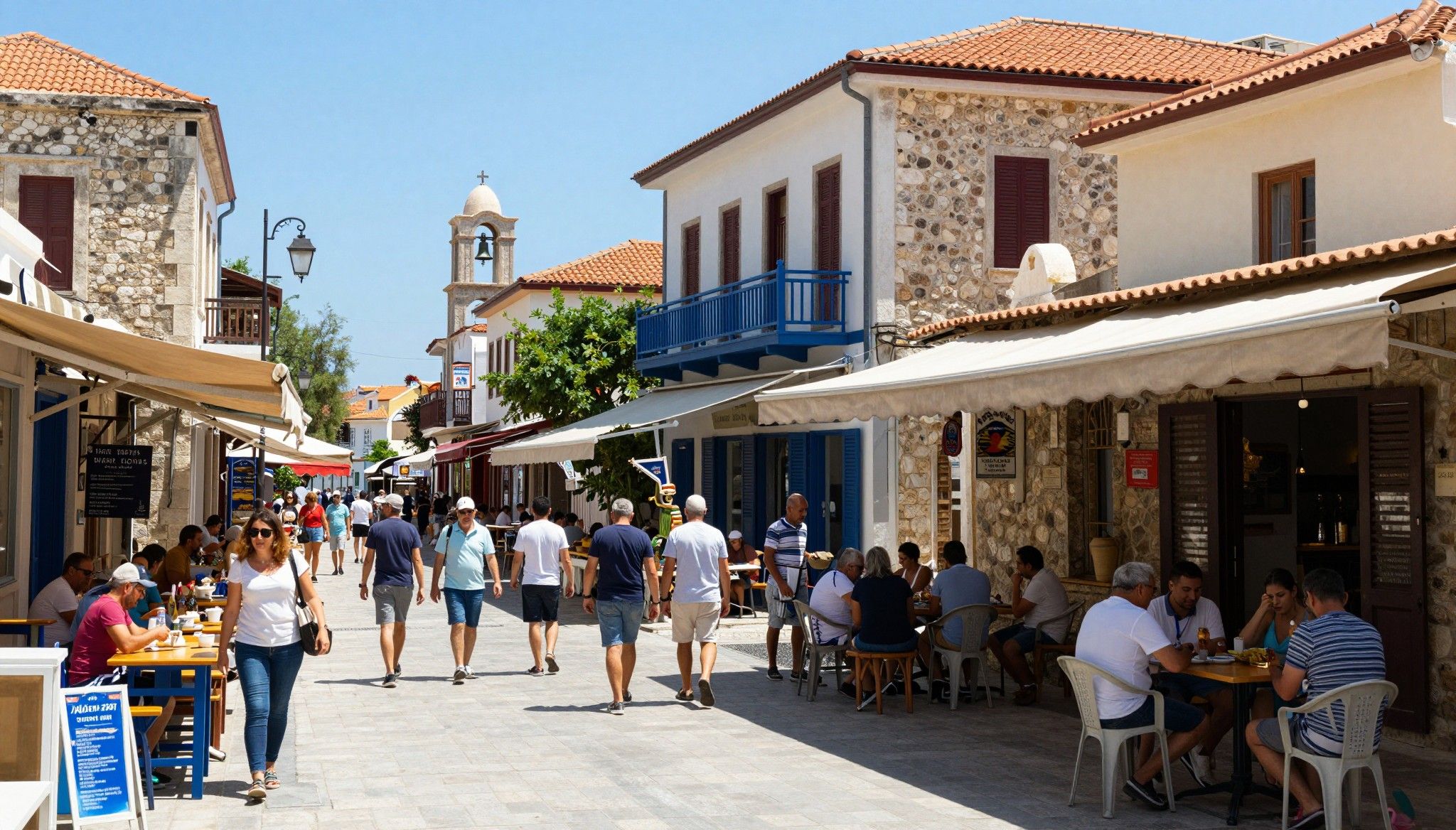
Imagine stepping out of a café on Limassol’s Molos promenade at 08:30, the sea breeze carrying the scent of fresh halloumi and espresso. Streets hum with families, remote workers on terraces and developers measuring parcels for compact apartment blocks — that mix of relaxed island life and fast-moving property change is Cyprus today. For buyers, the choice is emotional — sun, food, community — and technical: price momentum, regional pockets of demand and the rapid rise of apartment supply.
Living the Cyprus lifestyle
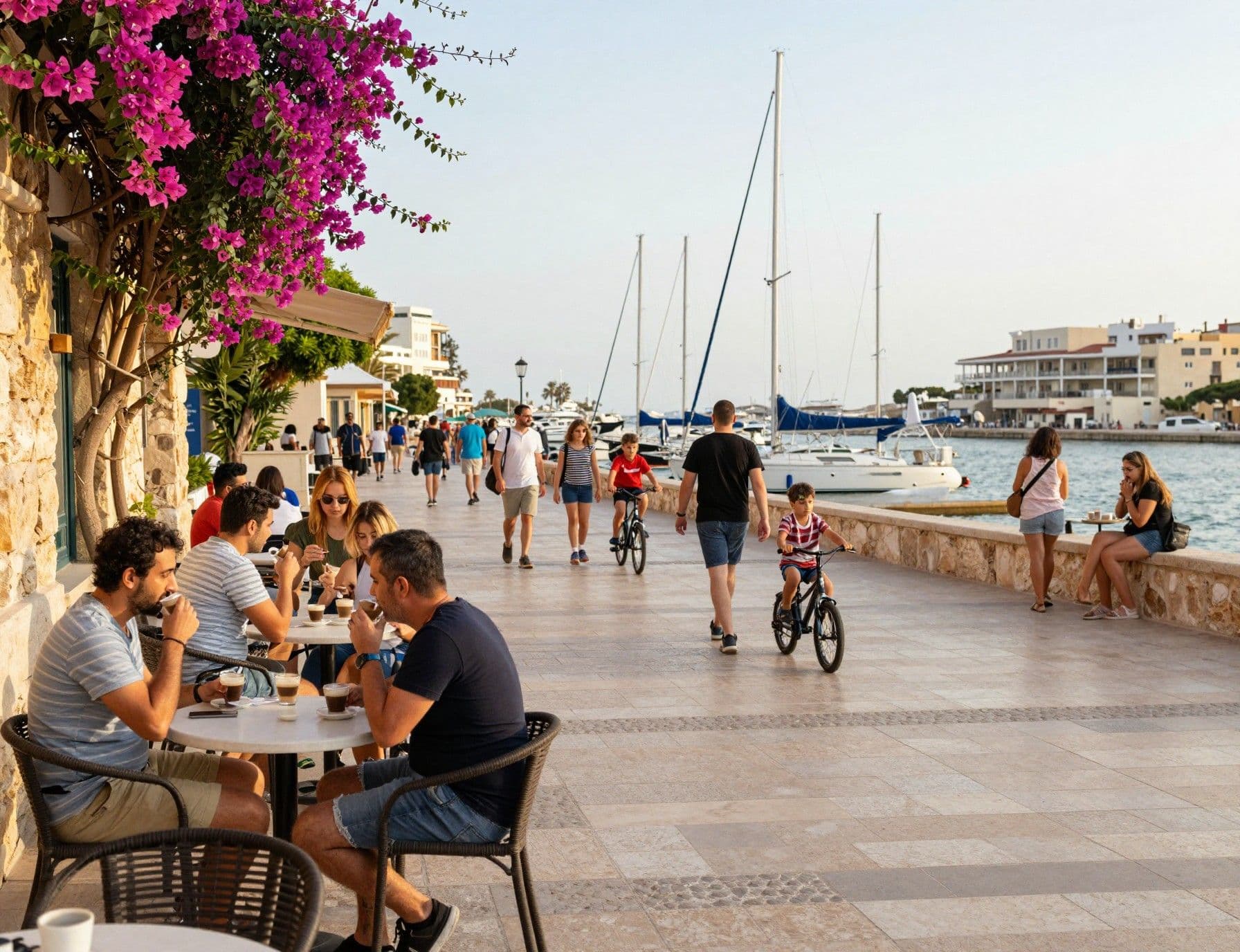
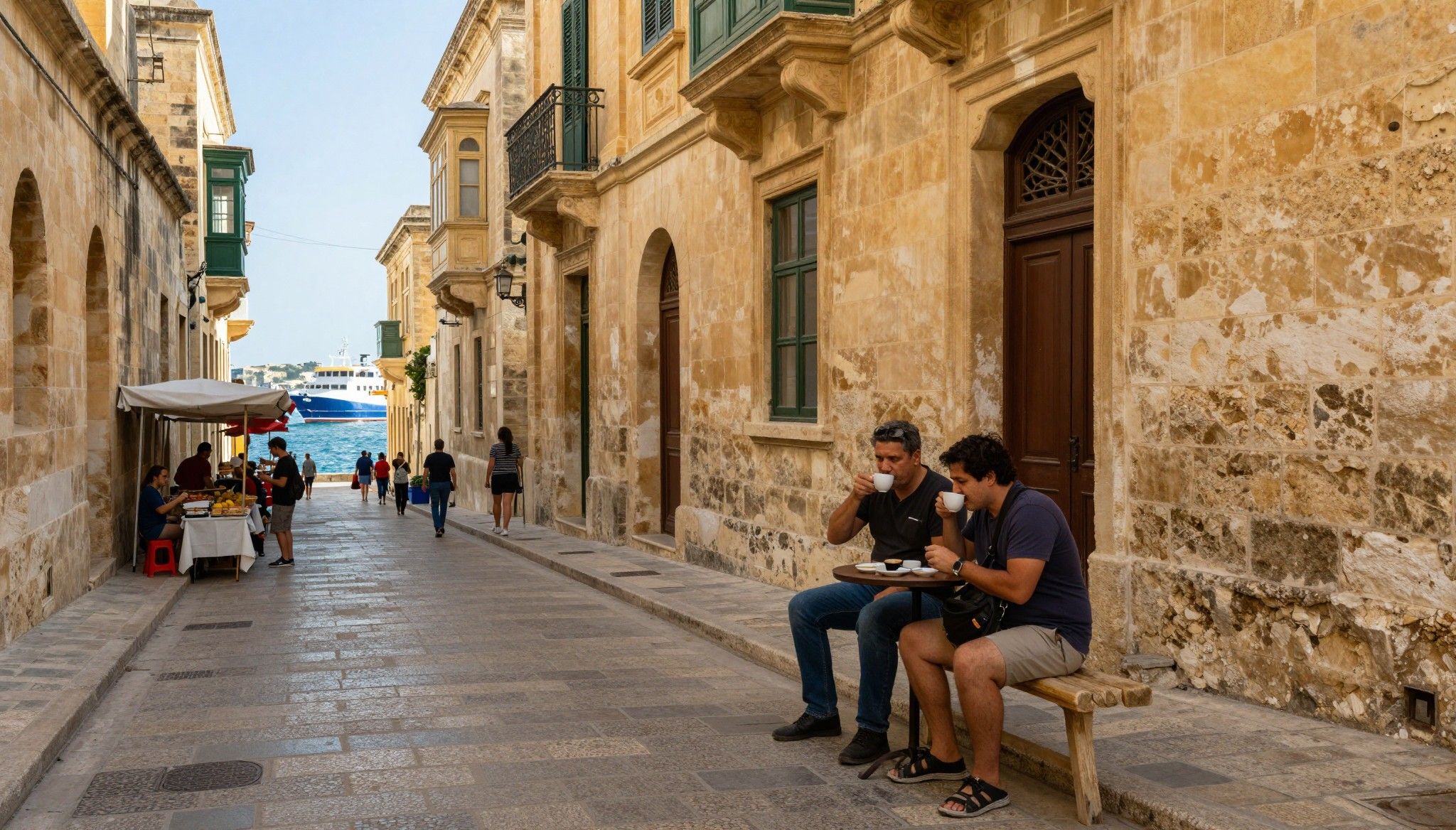
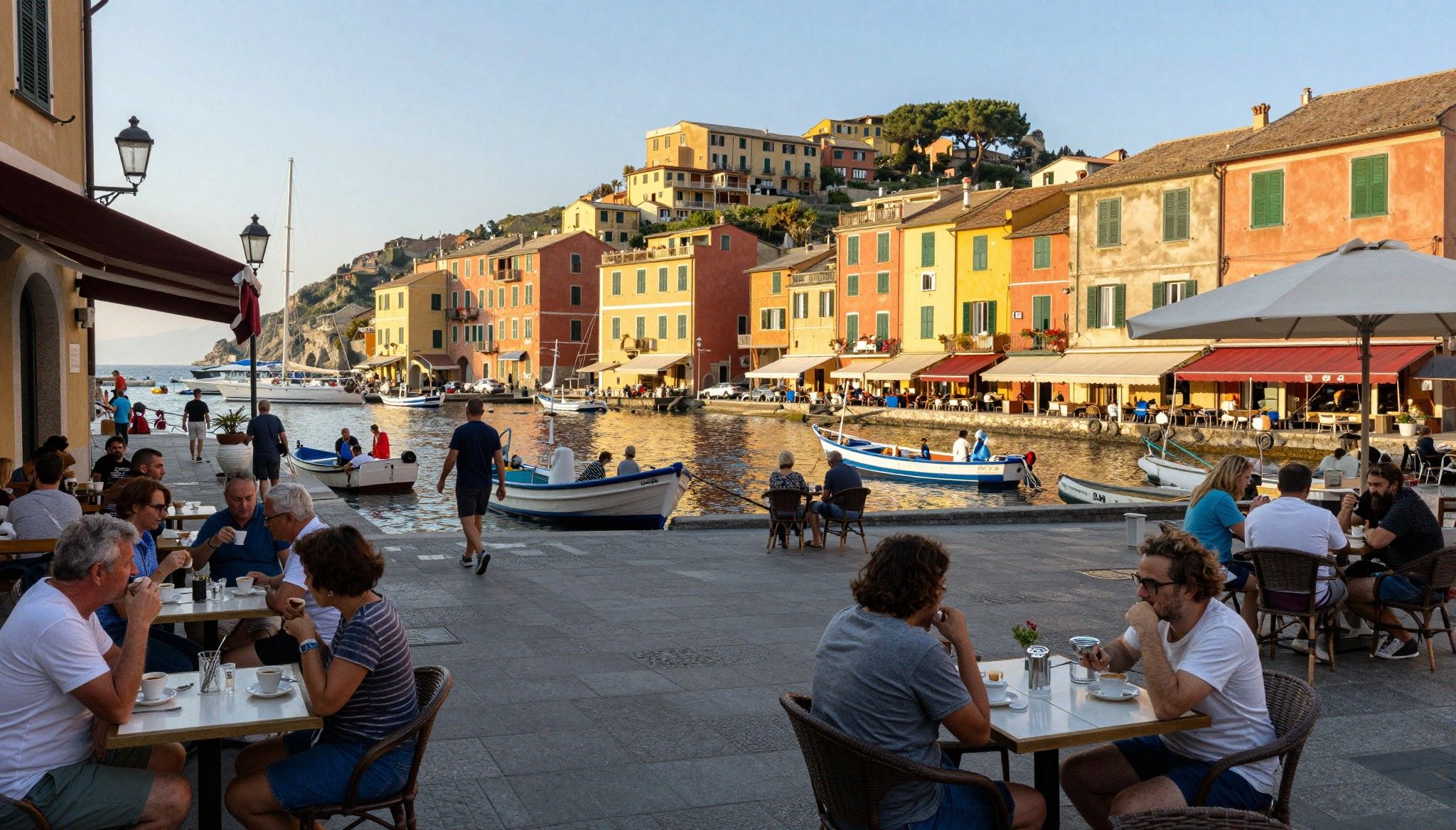
Cyprus feels Mediterranean — bright light, late dinners, neighbourhood coffee rituals — yet each coast and mountain village reads differently. Nicosia’s narrow lanes and municipal markets have a quieter, weekday rhythm; Limassol’s marina and beaches pulse with international business and leisure; Paphos trades on history and resort life; Larnaca mixes working town practicality with expanding waterfront regeneration. These atmospheres shape what people buy: city apartments for convenience, coastal terraces for sociability, and village houses for slow‑paced authenticity.
Limassol & the marina: cosmopolitan convenience
Picture weekday mornings walking from Germasogeia to Old Port: bougainvillea-draped façades, specialty coffee shops with laptops open, and new-build blocks whose balconies face the sea. Limassol attracts professionals, families and second‑home owners wanting walkable beaches, international schools and short flights to European hubs. Expect higher asking prices per square metre here, but also consistent rental demand driven by corporate leases and holiday lets.
Paphos & villages: history, calm and seasonal demand
Paphos’s old town, coral-coloured stone streets and archaeological sites create a quieter, identity-rich backdrop. Villages like Tala and Peyia offer hilltop views and a slower calendar of festivals, making them attractive to retirees and buyers seeking authenticity. Apartment development has surged here too; if you want sea access without Limassol’s price tag, Paphos can be the tradeoff — calmer everyday life with strong, seasonal tourism income.
- Lifestyle highlights
- Morning espresso on Molos or Larnaca’s Finikoudes promenade
- Weekend visits to Paphos Archaeological Park and local tavernas in Tala
- Sea-based weekends from Ayia Napa boating to Limassol diving
Making the move: practical considerations
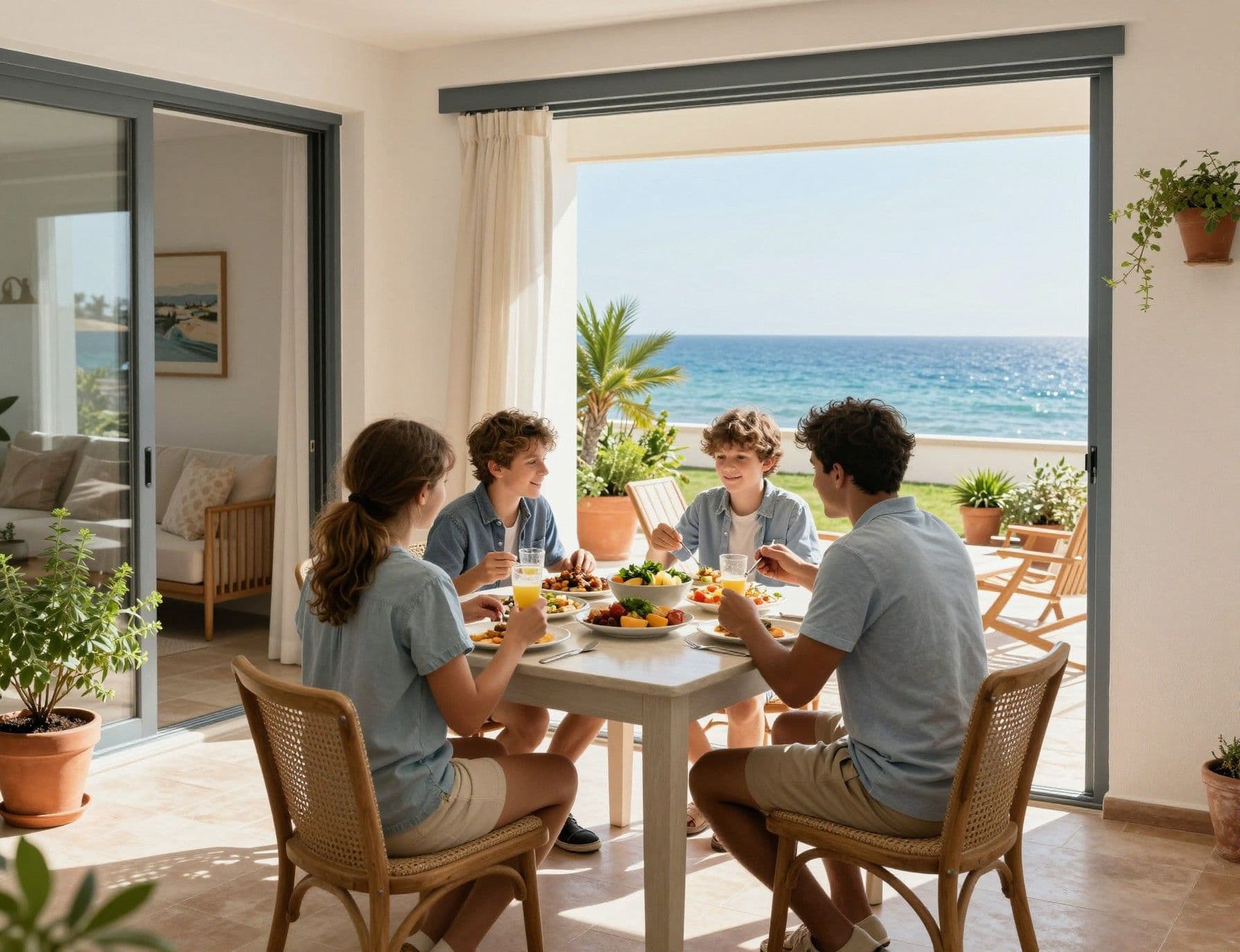
The dream of Cyprus is shaped by real numbers. National indices show modest, regionally uneven price increases and a shifting product mix: apartments account for a growing share of transactions, while houses remain scarcer. For buyers this means two practical rules: match product type to intended use (holiday rental versus permanent move) and be precise about micro‑location — a marina view can command a premium that erodes yield but buys lifestyle.
Property types — what fits how you want to live
New‑build apartments: efficient, low‑maintenance, good for rental income but often smaller outdoor space. Traditional village houses: more land, character and renovation needs. Terraced coastal homes: best for daily sea access and al fresco life but come with exposure to tourism cycles. Choosing between these affects renovation budgets, running costs and the neighbourhood you wake up to.
Local experts who actually know neighbourhood rhythm
Work with agents who can show recent comparable sales, explain local tax and residency incentives and introduce you to valuers and contractors. A good local agent will tell you when a project’s price is stage-driven (marketing premium) versus location-driven (stable demand). This expertise preserves lifestyle goals while protecting value.
- Steps to align lifestyle and market data
- List your daily non-negotiables (beachwalk, school commute, market access) and map them to neighborhoods.
- Request recent sale prices (last 12 months) for three nearby comparables rather than relying on asking prices.
- Ask an independent valuer and check the Central Bank RPPI trends to see directionality for houses vs apartments.
- Factor in seasonality: rental cashflow and viewing conditions differ markedly between high and off‑season.
Insider knowledge: what expats wish they’d known
Real buyers tell two recurring stories: they fell for a picture-perfect property without checking daily realities, or they under‑estimated how quickly neighbourhood dynamics can change when new developments arrive. Local culture — long meals, strong family ties, and the rhythm of festivals — informs where you’ll feel at home. Practically, expect occasional bureaucracy and plan for practicalities like water supply for hilltop houses and insulation for winter months in higher altitudes.
Language, community and everyday integration
English is widely spoken in business, real estate and hospitality, which eases the first months. To build deeper community ties, learn basic Greek phrases, join local events (panigiri festivals) and spend evenings in neighbourhood tavernas. These cultural investments often determine whether a house becomes a home.
Long-term lifestyle and market sustainability
Watch the pipeline: new apartment completions are changing supply dynamics, especially near coastal hotspots. A property that trades on exclusive shoreline access can lose relative value if a cluster of mid‑rise developments appears nearby. For long-term lifestyle returns, prioritise micro-location (street, orientation, proximity to services) over headline coastal claims.
- Red flags to spot on viewings
- Unclear title or missing cadastral maps — ask for Department of Lands and Surveys documentation
- Overly high asking prices compared to recent closed sales in the same building
- Developments with vague completion dates or no independent valuer certificates
Cyprus’s market is maturing: institutional reporting, clearer indices and rising professional services mean better data for buyers. Use official indices from the Central Bank and CYSTAT to check direction, and combine those with local transaction records and agent-supplied comparables to build a realistic offer strategy.
Conclusion — fall in love, buy with eyes open: Cyprus offers a lifestyle many imagine — sun, sociability and compact European living — but the smart buyer balances that romance with micro-location analysis, up-to-date index checks and trusted local advisors. Start with a shortlist of neighbourhood rhythms, verify recent closed sales, and prioritise a local agent who understands both lifestyle fit and price drivers.
Norwegian market analyst who relocated to Mallorca in 2020. Focuses on data-driven market insights and smooth relocation for international buyers.