Why Malta’s 'Island Premium' Misleads Buyers
Malta offers compact Mediterranean living; NSO data shows steady price growth. Buy the street and lifestyle—terrace size, local rhythm and agent expertise matter more than headline views.
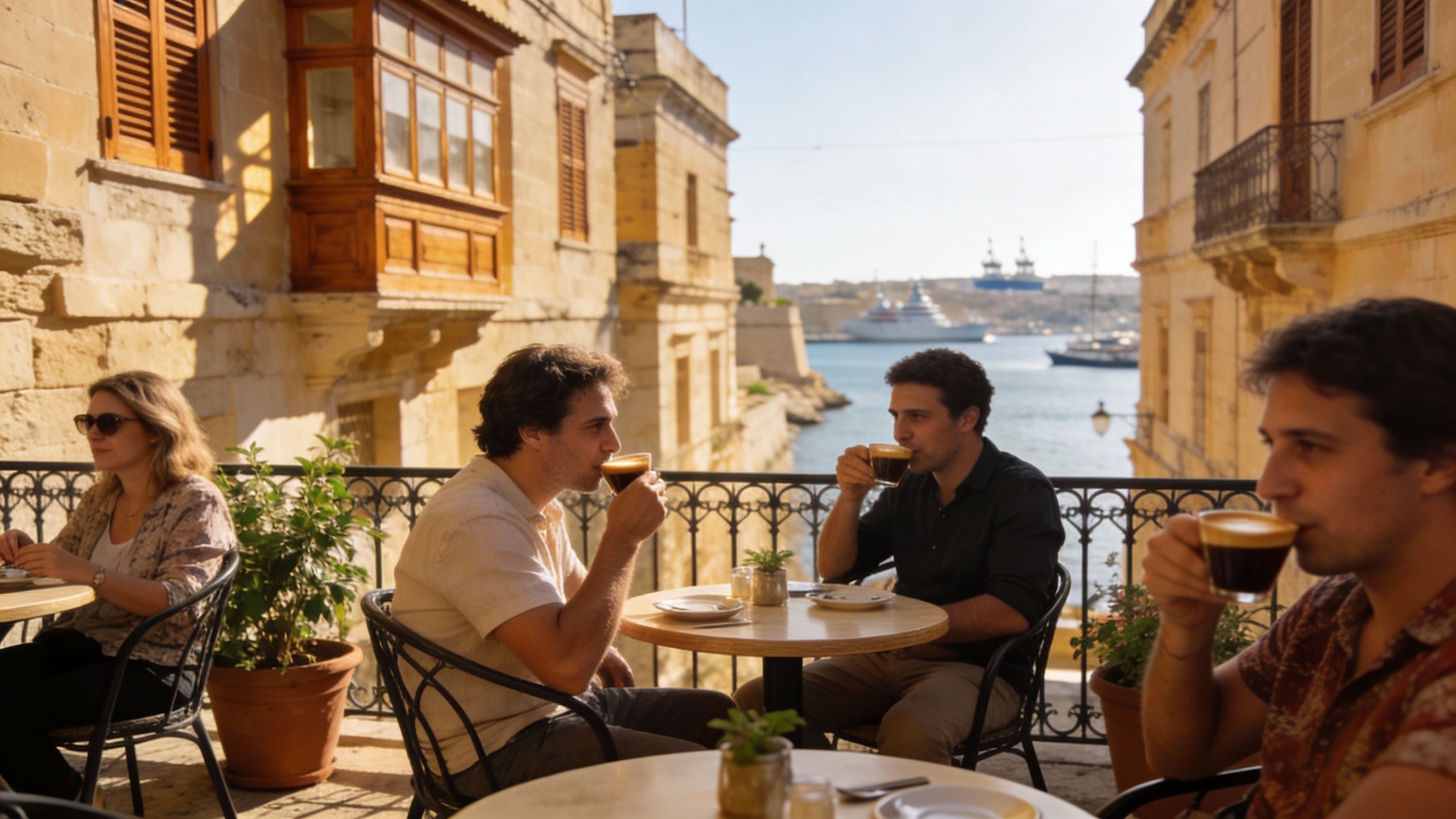
Imagine sipping espresso at a table on Merchant’s Street in Valletta as a fishing boat slips past the Grand Harbour—then walking 15 minutes to a rooftop terrace for sunset. Malta compresses Mediterranean life into walkable neighbourhoods, limestone architecture, and a daily rhythm that mixes market mornings, late dinners, and pockets of unexpected quiet. That compactness is the charm international buyers chase; it’s also what changes how you should think about value and where smart purchases hide.
Living the Malta life
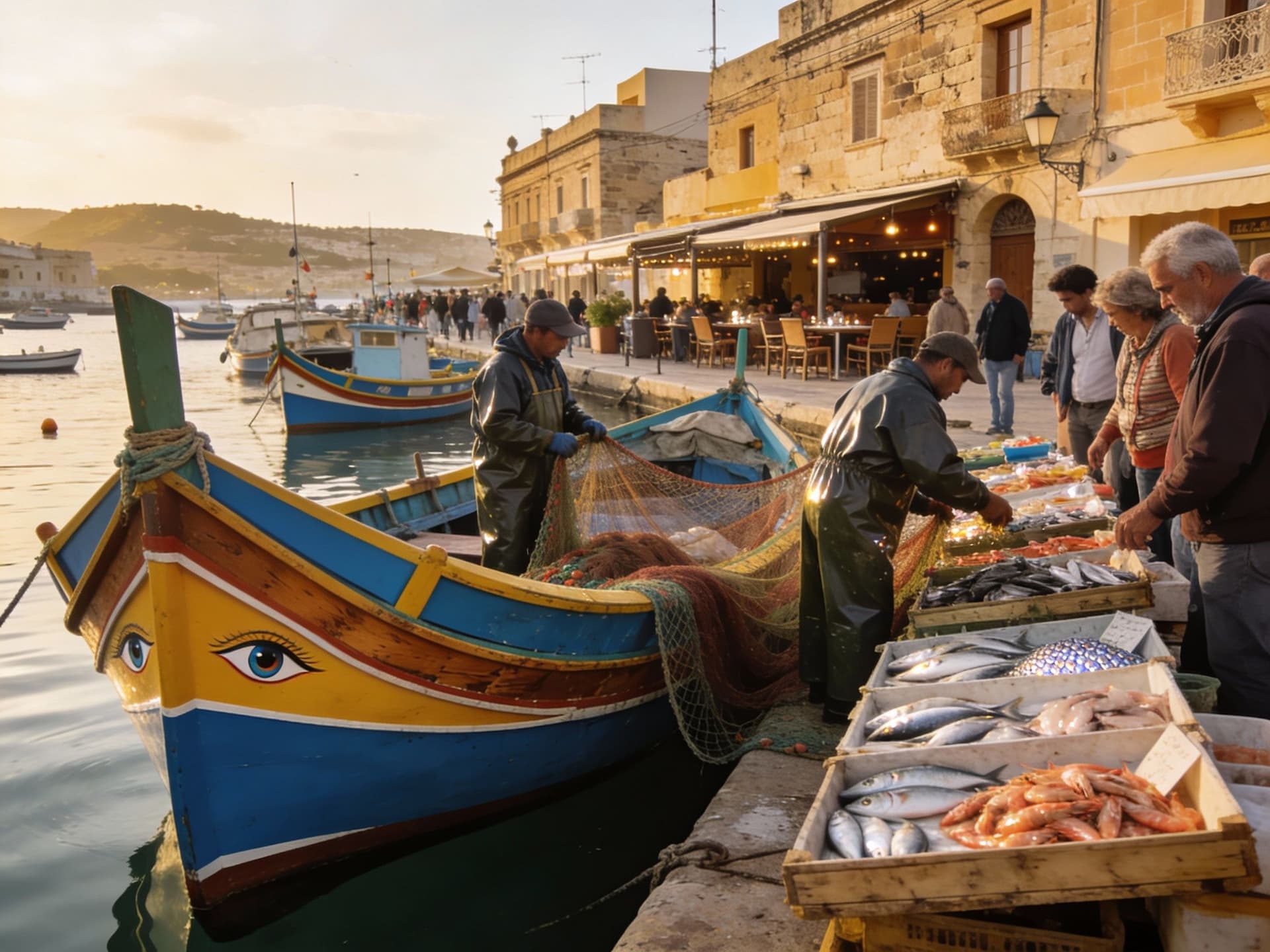
Malta is small—just 316 km²—so lifestyle trade-offs feel immediate. Morning routines vary by neighbourhood: espresso and pastizzi on Sliema’s waterfront, a slow market browse in Marsaxlokk, or a weekday run around the bastions of Valletta. Summers pulse with beaches and boat traffic; winters are mild and social calendars instead move indoors to neighbourhood bars, live music and film festivals. English is an official language, which flattens friction for many internationals and makes day‑to‑day living straightforward.
Neighborhoods that feel different every hour
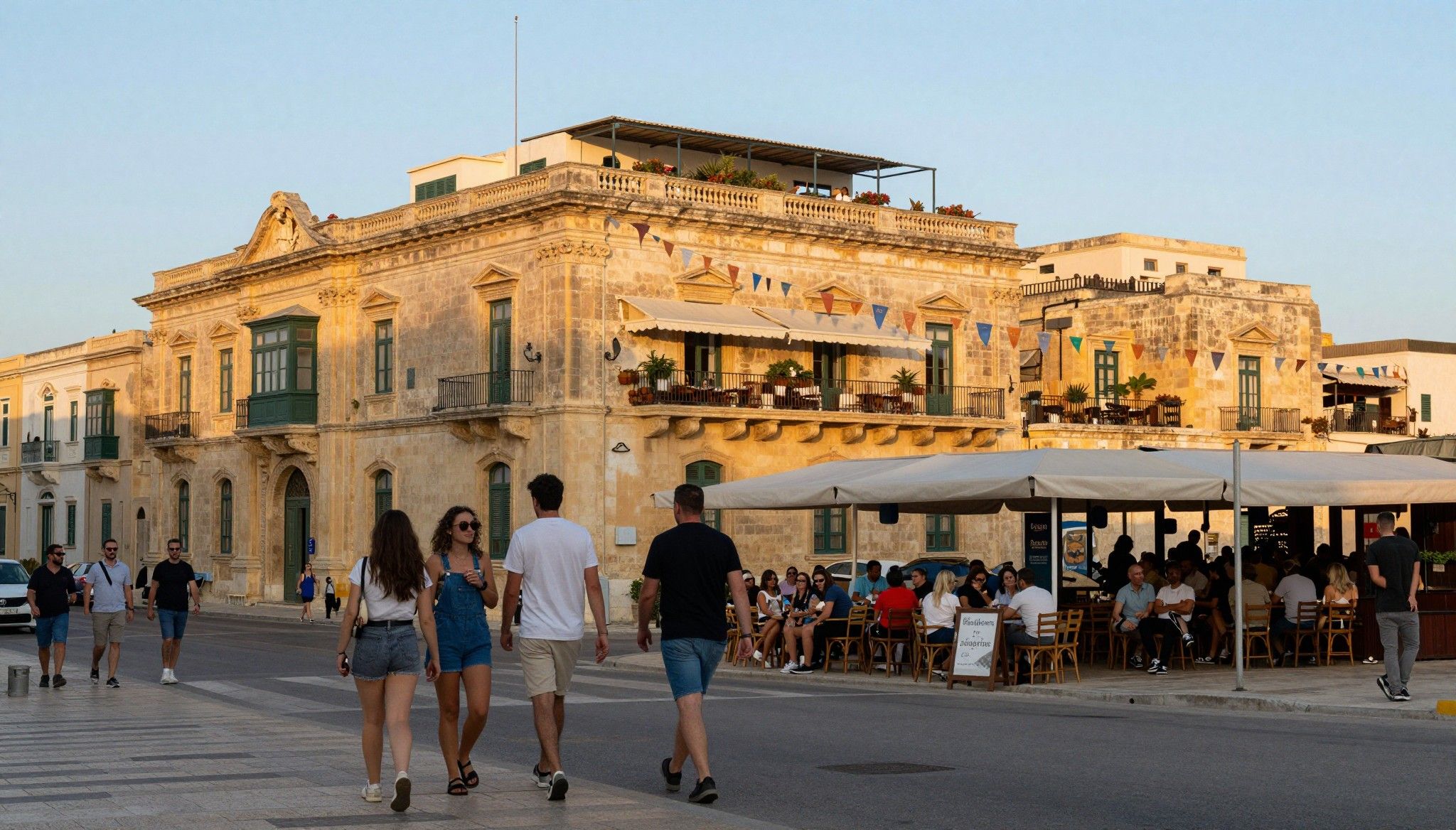
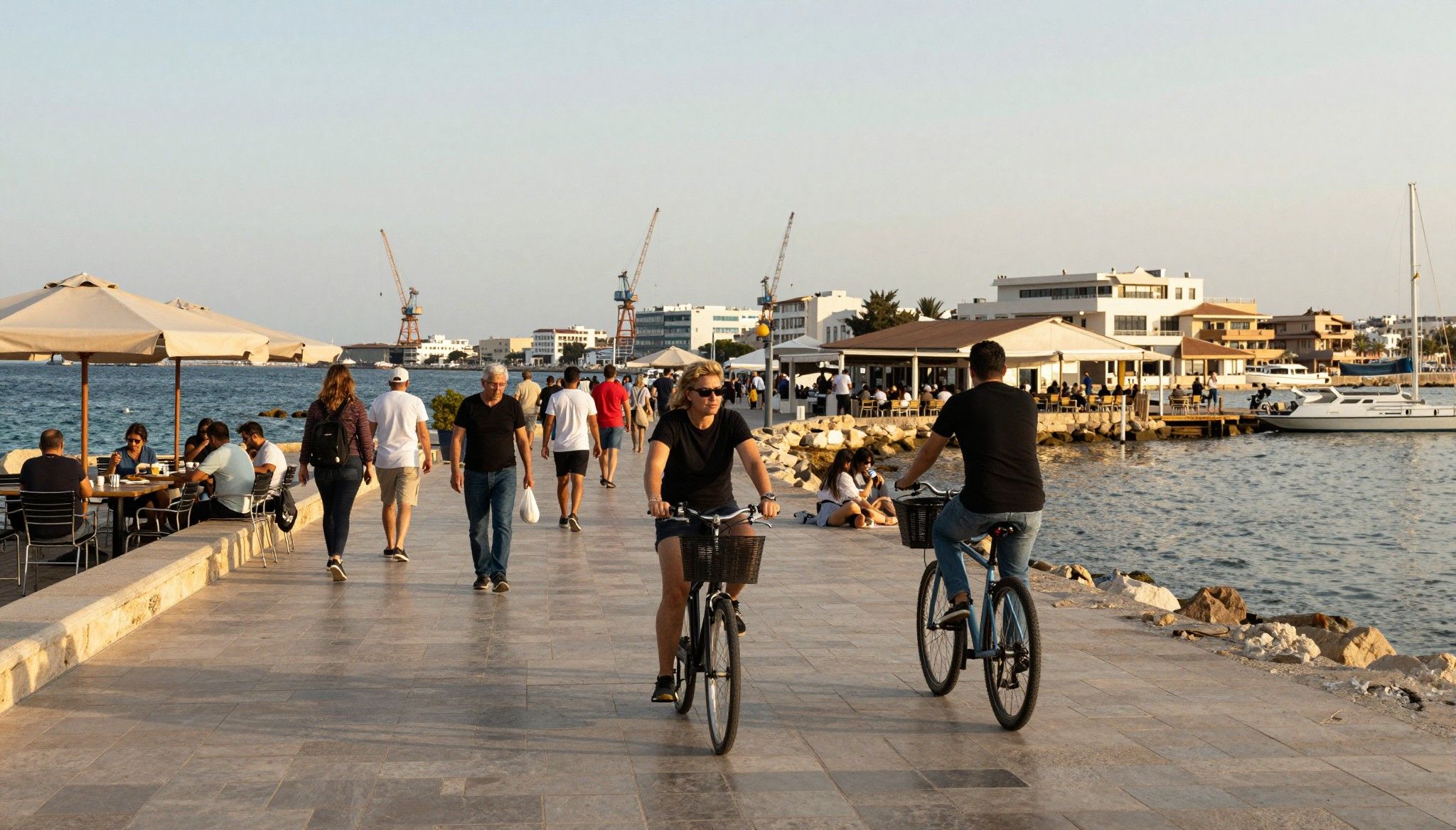
Valletta is theatrical—stone streets, museums and late-night theatre—yet compact flats dominate. Sliema and St Julian’s act as social and retail hubs: think promenades, cafés, and nightlife in Torretta and Spinola Bay. For quieter coastal living, consider Marsaskala and Mellieħa, where family terraces, small beaches and local bakeries set a slower pace. Each area offers distinct daily patterns; choosing a block often changes your social life more than choosing the island.
Food, markets and weekend rituals
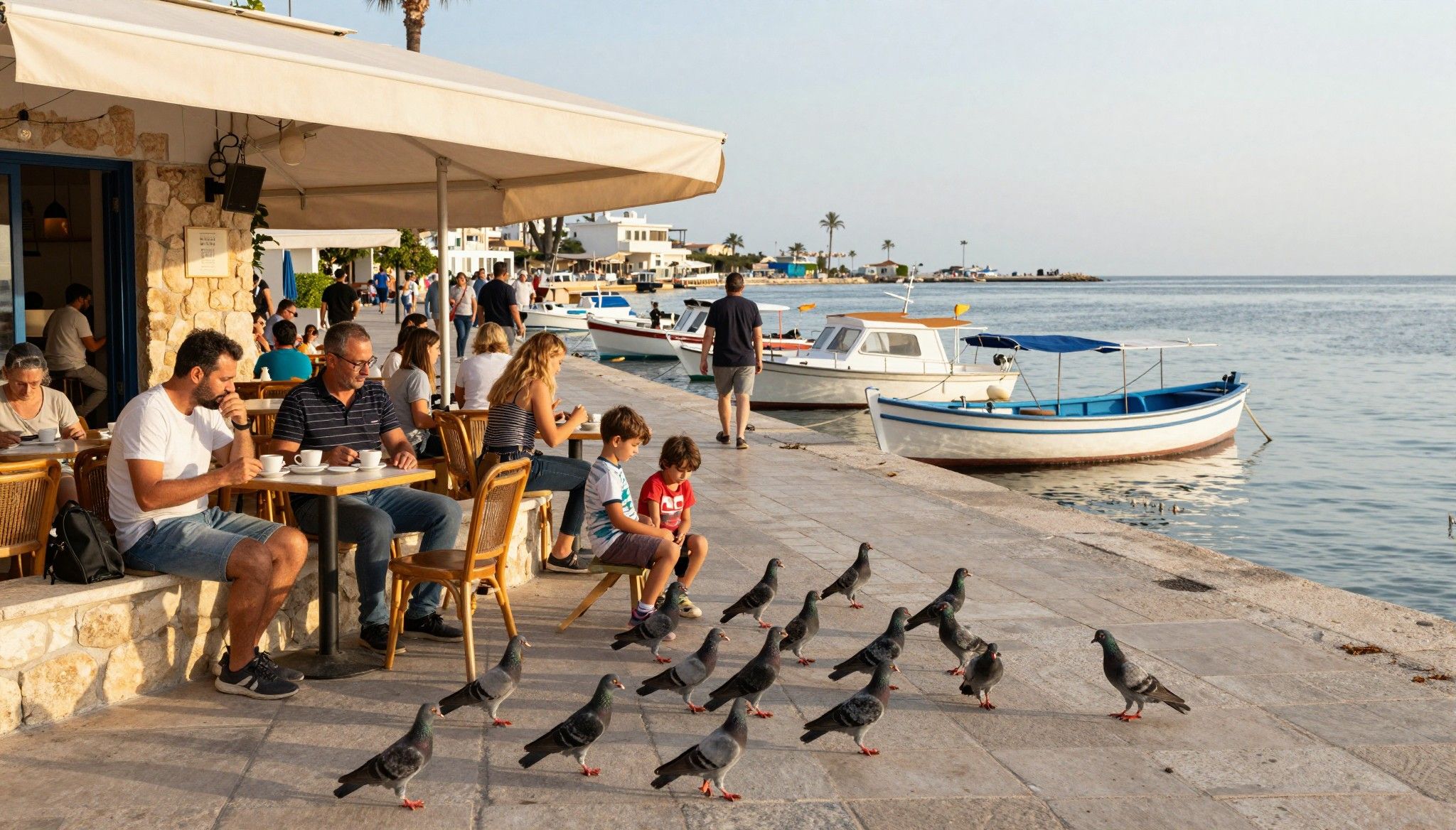
Weekends begin with fishing-harbour breakfasts in Marsaxlokk or a stroll through the Ħal Qormi market. Dishes to know: bigilla, Lampuki pie (seasonal, autumn), ftira sandwiches and rabbit stew at family-run restaurants. Café culture centers around light-filled pastry shops and waterfront esplanades; expect conversations in English, Maltese and Italian. Seasonal festivals—village festa nights in summer and the Valletta International Baroque Festival in winter—reshape local energy and rental demand.
- Lifestyle highlights: Valletta theatre nights; Spinola Bay cafés; Marsaxlokk Sunday fish market; Mellieħa sandy beaches and family terraces; St Julian’s waterfront walk and restaurants; quiet village festas and band marches in summer.
Making the move: lifestyle meets property reality
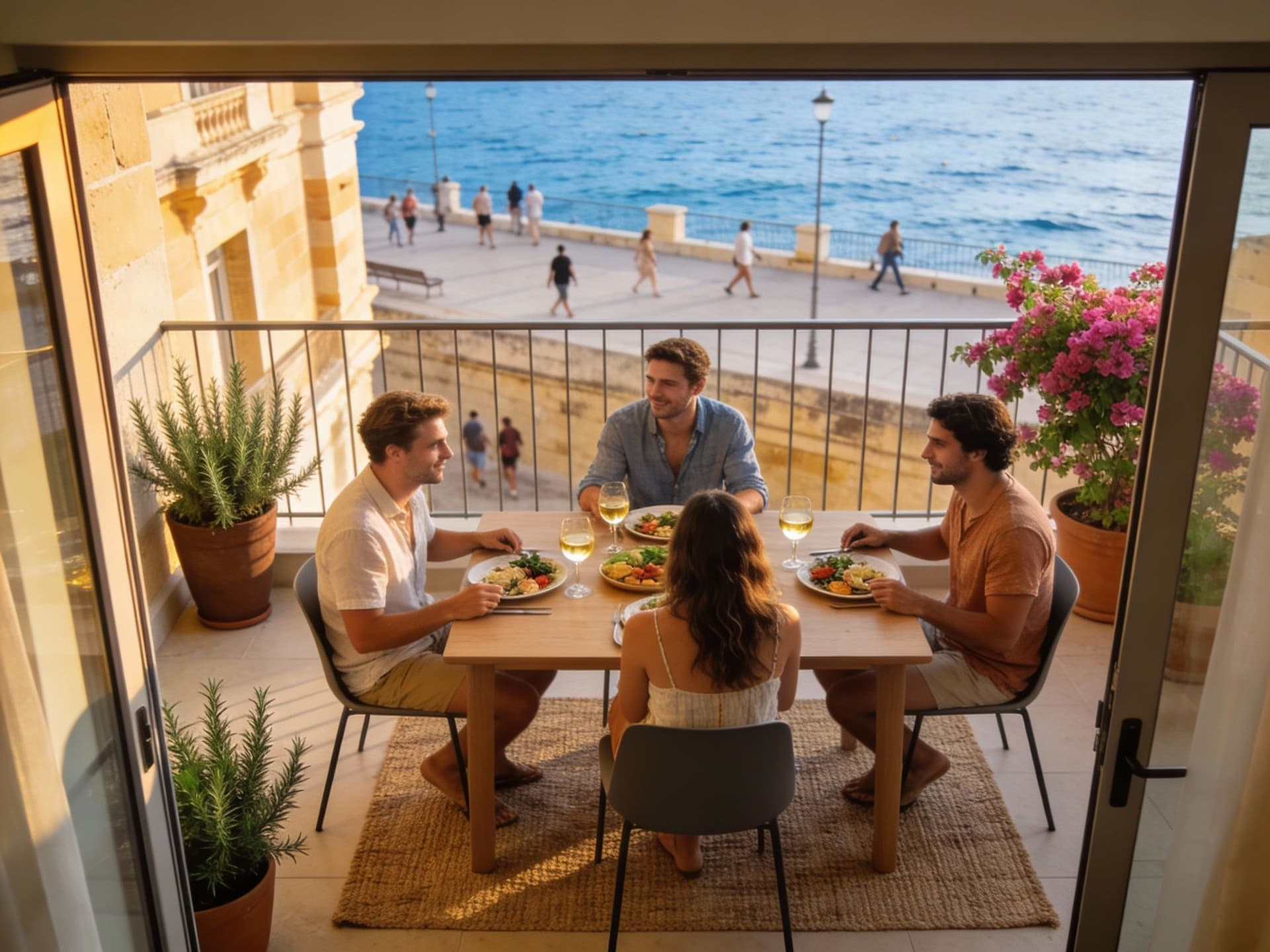
The lifestyle is immediate; the market is persistent. Official data from Malta’s National Statistics Office shows sustained residential price growth—around a 5%+ annual lift recently—driven by limited land, demand for apartments and maisonettes, and steady tourism-linked rentals. That means your choice of street, layout and outdoor space has outsized impact on resale and rental prospects.
Property styles and how you’ll live in them
Traditional Maltese properties—limestone townhouses with internal courtyards—offer character and private outdoor space but often require renovation. Modern apartments near Sliema and St Julian’s trade period charm for amenities: elevators, garages and terraces. Maisonettes (split-level flats with street access) can be the best compromise for families wanting an indoor/outdoor feel without a full house’s upkeep.
Work with local experts who know the rhythm
- Steps to balance lifestyle and market risk: 1. Tour sample mornings and evenings on the exact street—noise and foot traffic change value. 2. Ask agents for multi‑year rental records, not just seasonal snapshots. 3. Prioritise outdoor private space (terrace/courtyard) for year-round living. 4. Check municipal development plans that affect views and light in the next 3–5 years. 5. Use a local notary and independent surveyor before contracts are signed.
Insider knowledge and things expats wish they’d known
A few surprises await internationals: Malta’s attraction as a gateway to the EU has changed since the European Court of Justice challenged citizenship-for-investment programs, shifting the motives of some high-end buyers and affecting luxury demand. Expat communities remain strong, but integration relies on local networks—sports clubs, language cafés and volunteer groups—rather than formal introduction services.
Cultural cues that change where you feel at home
Maltese social life is neighbourhood-based: you’ll join the local bar or church festa committee more quickly than befriend neighbours by living in a soulless high-rise. English and Italian help, but learning basic Maltese phrases is an appreciated gesture. Many buyers say the unspoken rule is: invest in a small public gesture (flowers for the concierge, attend a festa) and your social life accelerates.
Conclusion: fall for the life, buy the block. Malta rewards buyers who prioritise street-level experience—sunlight on a terrace, a favourite café route, a reliable local agent—over headline metrics. Start with on‑the-ground visits at different times, verify trends with NSO data and an independent surveyor, and partner with agents who show you the daily life, not only glossy photos. That way you buy into both a Mediterranean life and an investment that reflects it.
British investor turned advisor after buying in Costa del Sol since 2012. Specializes in cross-border compliance and data-driven investment strategies for UK buyers.