Why Buying New‑Builds in Croatia Off‑Season Wins
Off‑season living in Croatia reveals where new‑builds retain lifestyle value; combine market data with neighbourhood tests to buy timing and pipeline advantage.
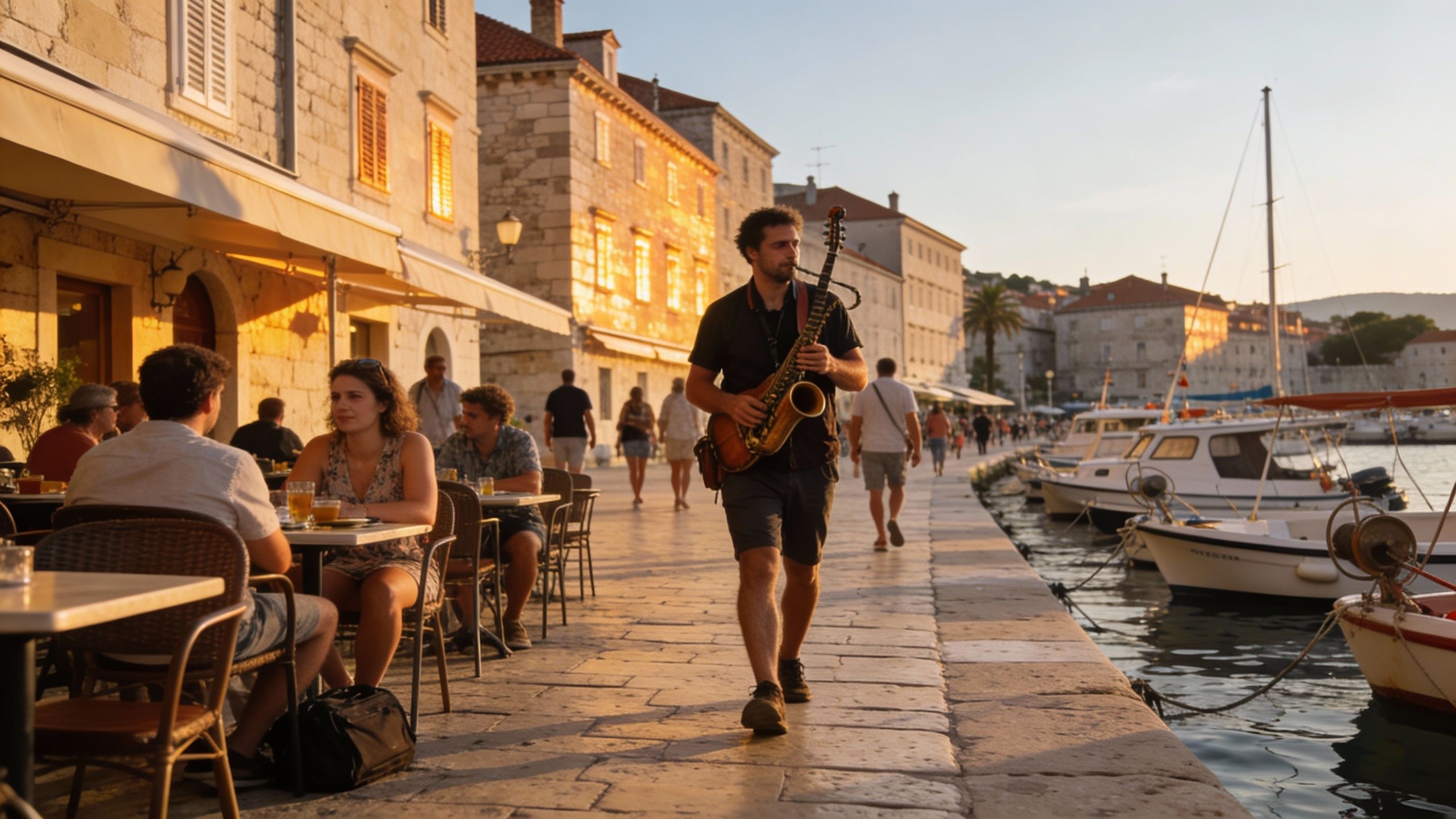
Imagine an early‑Autumn promenade along Split’s Riva: bakers arranging warm sfogliatelle, fishermen mending nets, and terraces filling with locals while tourists thin out. That softness—the quieter cafés, available parking, and neighbours who actually know your name—is one of Croatia’s best-kept lifestyle advantages for buyers who look beyond the summer postcard. But beneath that charm sits a fast-moving market: coastal asking prices and new‑build pipelines have accelerated in recent years, shifting where and when buying makes sense. This guide blends the sensory life of Croatia with data and timed strategies so you can buy a new development while protecting lifestyle and value.
Living the Croatia life — mornings, markets, and neighbourhoods
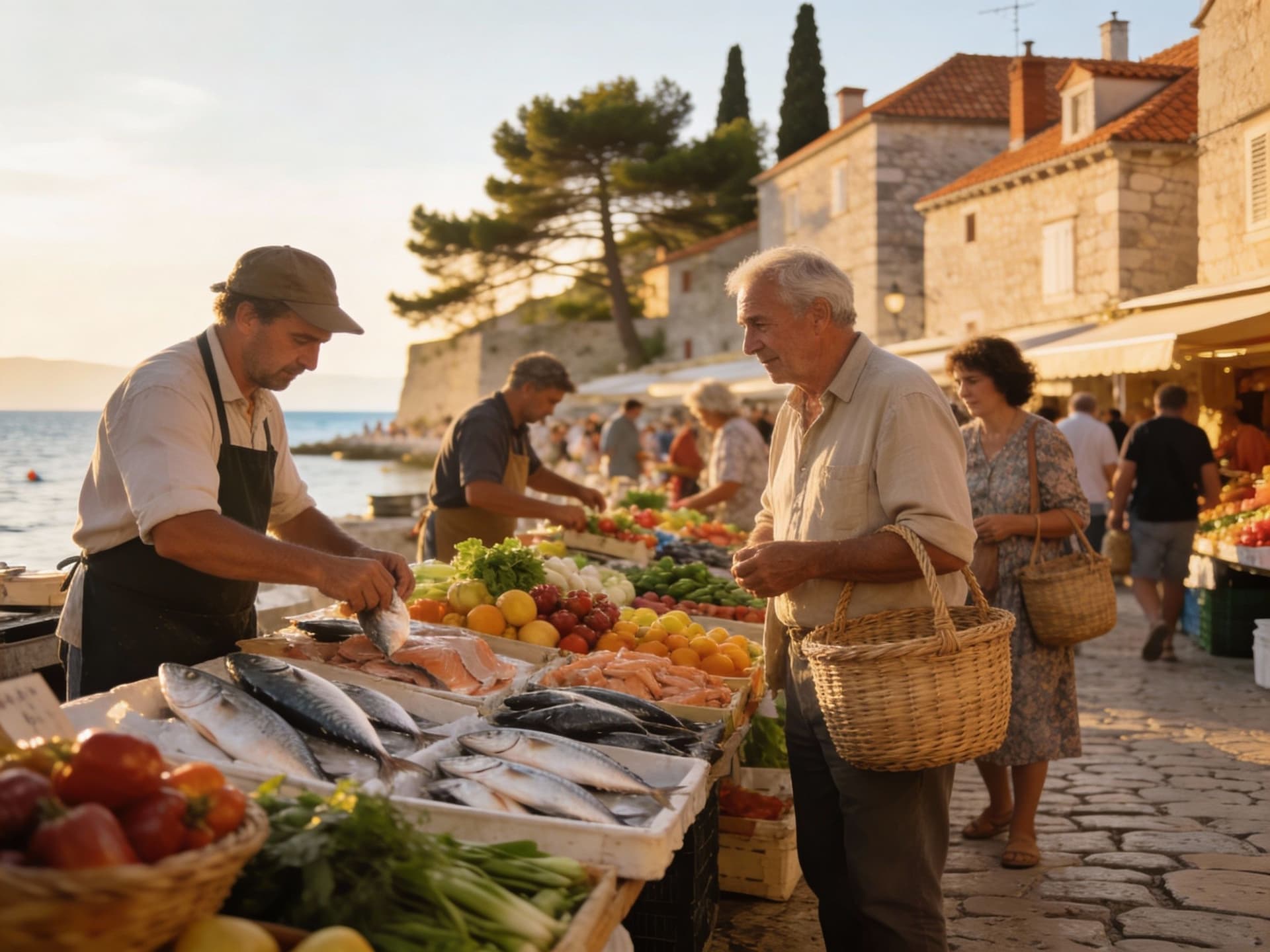
Croatia feels like two countries in one: inland towns with chestnut‑lined squares and affordable daily rhythms, and an Adriatic coast where stone alleys, pine‑lined beaches and late‑night konobas set the tempo. Days begin with espressos at neighbourhood cafés—Zagreb’s Tkalčićeva hums with office crowds, while Rovinj’s Porto Vecchio is a place to linger over fish soup and watch boats come and go. Seasonality matters here; September and October are when the coast reclaims a local pace and buyers can test the reality behind glossy listings. For international buyers imagining life here, the important question is less “sea view or no sea view” and more “which season will shape your daily life?”
Spotlight: Split’s Veli Varoš and Šperun — lived, not staged
Walk Veli Varoš at dawn and you’ll meet joggers, an old woman buying bread, and painters opening studios—it’s a neighbourhood that trades spectacle for daily life. Properties here are a mix of restored stone houses and sensitive infill new builds that respect scale; the result is intimate streets and terraces used year‑round. For buyers who want genuine community, these pockets often outperform high‑gloss harbourfronts because they deliver weekday life, not just weekend tourism. Practically speaking, that translates to steadier long‑term rental demand and less seasonally volatile occupancy if you plan to let when you’re not in Croatia.
Food, markets and the sensory map of neighbourhood value
Morning markets—Dolac in Zagreb, Pazar in Split, and the fish market at Zadar—are where neighbourhood character shows itself and where practical buying choices become obvious. A short walk to a market means you can rely on fresh produce, seasonality in your cooking and the informal social life that makes a place feel homey. New developments that place you within a 5–10 minute walk of market stalls or a baker tend to retain lifestyle value even if headline price growth slows. When touring new builds, mentally map the route to daily conveniences; they tell you more about future happiness than a rooftop pool does.
- Lifestyle highlights to check in person
- Morning market access: Dolac (Zagreb), Split fish market, Rovinj market
- Everyday cafés and bakeries on local streets (e.g., Tkalčićeva, Split’s Varoš lanes)
- Walkable access to beaches or waterfront promenades—ideal for late afternoons off‑season
- Community hubs: parish centres, local schools, and small galleries that run year‑round events
Making the move: timing, new builds and the pipeline
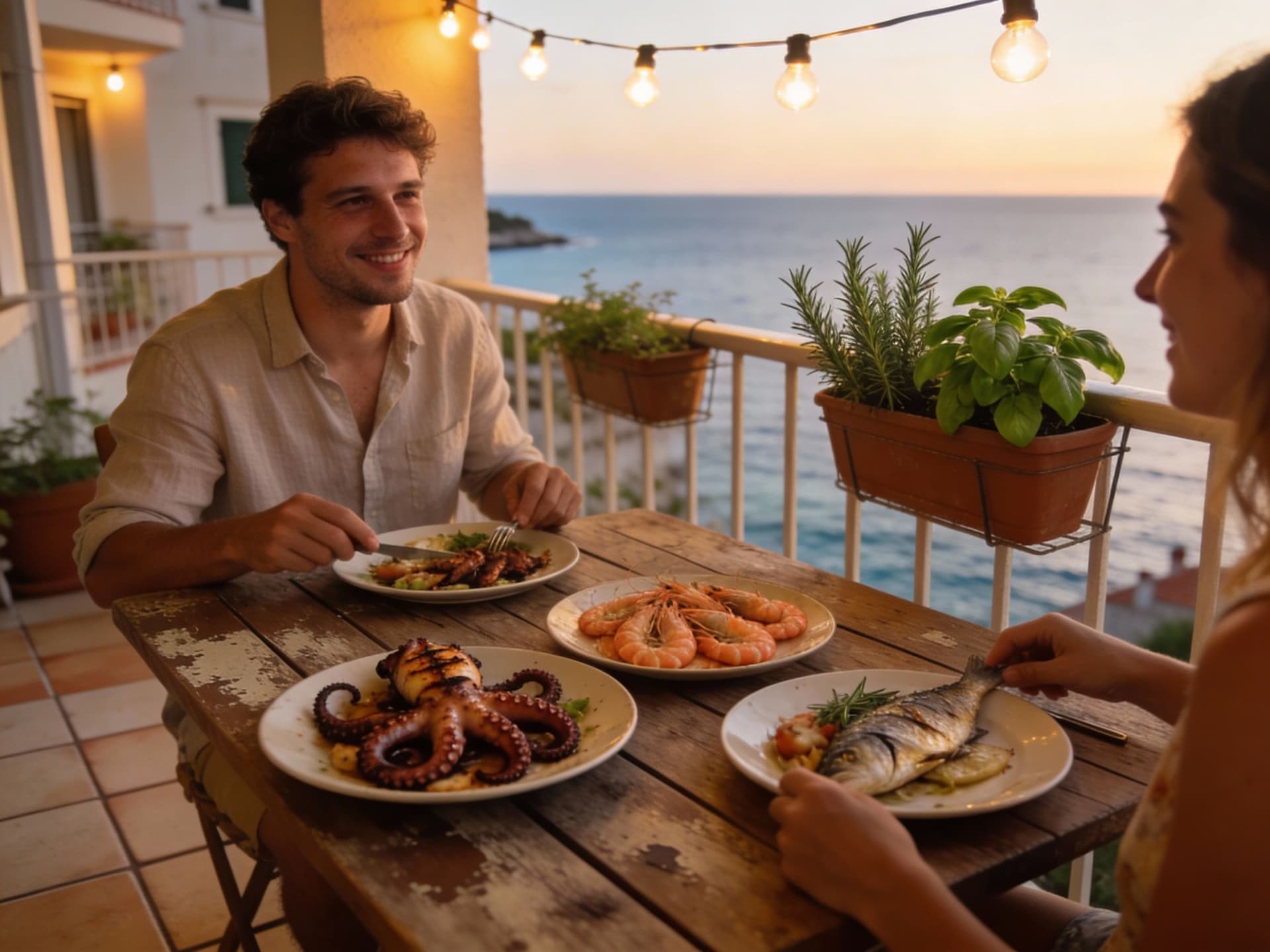
If you love Croatia’s rhythm, the next step is practical: when to buy a new development and how pipeline dynamics shape price and delivery risk. National statistics and recent market reports show that housing prices rose sharply through 2023–2024, with coastal counties leading growth—a sign of strong demand but also supply constraints. New apartment prices and developer listings jumped in 2024–2025, which means developers are active but competition for the best plots keeps margins tight and construction timelines pressured. Knowing the pipeline—what’s permitted, what’s under construction, and what remains speculative—lets you choose projects that match both lifestyle and risk appetite.
Property styles and what they mean for living (and resale)
Croatia’s new builds fall into three practical groups: compact urban apartments in Zagreb and Split for year‑round life, seaside low‑rise developments in Istria and Dalmatia geared to holiday/live‑work use, and villa projects on islands and peninsulas aimed at long‑stay buyers. Urban apartments trade on proximity—schools, work, transit—while coastal units sell on micro‑location and seasonality. For resale resilience, prioritise layouts with flexible living (open plan + extra bedroom) and reliable contractors with local track records rather than headline architects alone.
Work with local experts who match lifestyle to pipeline realities
Good local agencies translate lifestyle checklists into technical due diligence: permit status, completion dates, developer balance sheets, and licence history. Ask agents for three documents: building permit photocopy, developer company registry extract, and a recent progress photo from the site. Agencies that guide you to neighbourhoods used year‑round—where cafés and markets are open in winter—help you avoid properties that look great in August but are skeletal in November. Treat an agency as your lifestyle translator: they should know which new builds will feel lived in after the first winter.
- Practical step‑by‑step when evaluating a new development
- Visit off‑season (Sept–Nov or Mar–May) to test daily life and infrastructure
- Request permit and developer financial documents; verify with municipal offices
- Compare developer timelines to market sentiment—long delays can erase expected gains
- Factor in realistic occupancy seasonality when modelling rental or personal use
Insider knowledge: cultural quirks, red flags and what expats wish they knew
Expats often tell a simple story: they fell in love with coastal life, bought in high season, then discovered winter silence, regulatory quirks and local renovation rhythms. Croatia leads regional price growth in recent years—Eurostat and local reporters flagged double‑digit rises along the Adriatic—so a red flag is buying solely on tourist‑season chemistry without verifying year‑round demand. Another cultural twist: family networks matter; unfinished rooftop additions are often a sign of generational housing strategies, not abandoned projects. Learn these signals and you’ll avoid emotional overbids on homes that deliver less in the long run.
Cultural integration and the practicalities of daily life
Croatians prize neighbourliness and local ritual—summer promenades, church feast days, and market mornings—so integrate by being present off‑season and learning a few phrases. Language matters less for administrative steps if you hire bilingual legal counsel, but it matters hugely for social life: small talk at the market opens doors that amenities and contracts never will. For families, check proximity to schools (international and local), healthcare centres and reliable transport; for remote workers, test mobile and fixed broadband in the exact unit you plan to buy.
Long‑term lifestyle: what to expect five years after you move
Expect a rhythm shift: initial honeymoon months of discovery give way to routines—market shopping, local associations, and seasonal hosting. If you bought in a thoughtfully chosen neighbourhood, you’ll benefit from steadier community ties and more predictable occupancy or rental returns. If you bought into headline coastal hype without checking pipeline and permits, you might encounter longer waits, higher running costs, or an asset that is highly seasonal. The safest path blends lifestyle priorities (walkable life, market access) with developer and permit certainty.
Conclusion: live the life, check the paperwork, and time your entry
Picture yourself sipping late‑afternoon coffee in an empty autumn square—that’s the lifestyle Croatia offers when you buy smart. Use off‑season visits to test everyday life, demand developer transparency on permits and finance, and prioritise neighbourhoods with year‑round rhythms over summer spectacle. If you blend sensory checks with data‑driven due diligence, Croatia’s new‑build pipeline can deliver both a life you love and an investment you understand. When you’re ready, local agencies that live these neighbourhoods can turn that lifestyle vision into a practical acquisition plan.
Swedish strategist who relocated to Marbella in 2018. Specializes in legal navigation and tax planning for Scandinavian buyers.