How Greece’s residency zones and taxes reshape where you buy
How recent residency and tax changes (ENFIA, VAT, Golden Visa zones) alter where buying in Greece makes lifestyle sense — and the practical steps buyers must take.

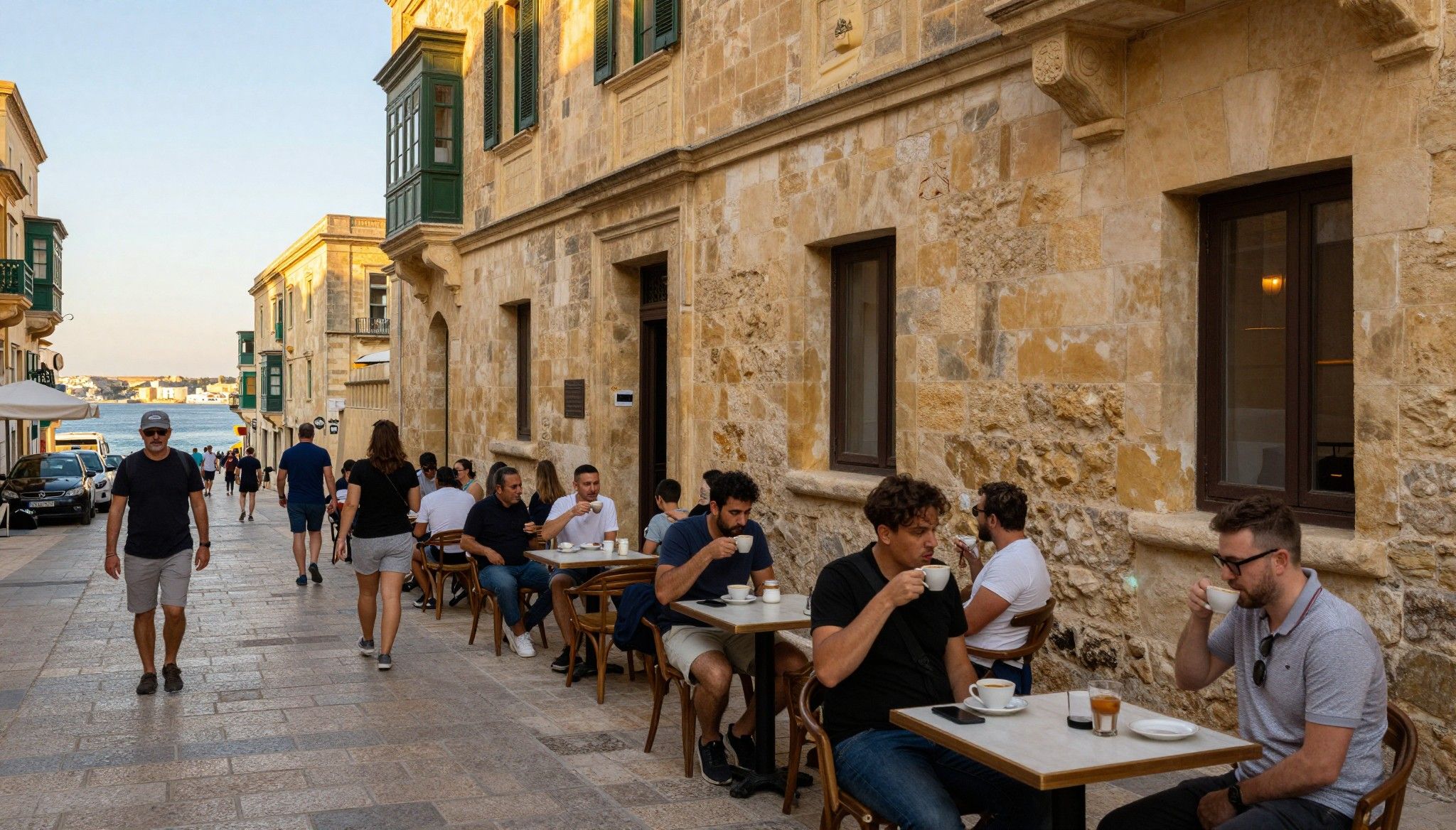
Imagine stepping out at dawn onto Agias Irinis Square in Athens, espresso in hand, the city still soft with light. Neighbourhood cats weave between tables, a baker rolls out koulouri, and an old apartment block across the street waits for new life. This is the Greece most buyers fall for — sunlit terraces, neighbourly cafes and islands that rearrange time. But behind that irresistible daily scene are rules and tax shifts that quietly decide where you can live, whether you qualify for residency, and how much your dream will cost.
Living the Greece lifestyle

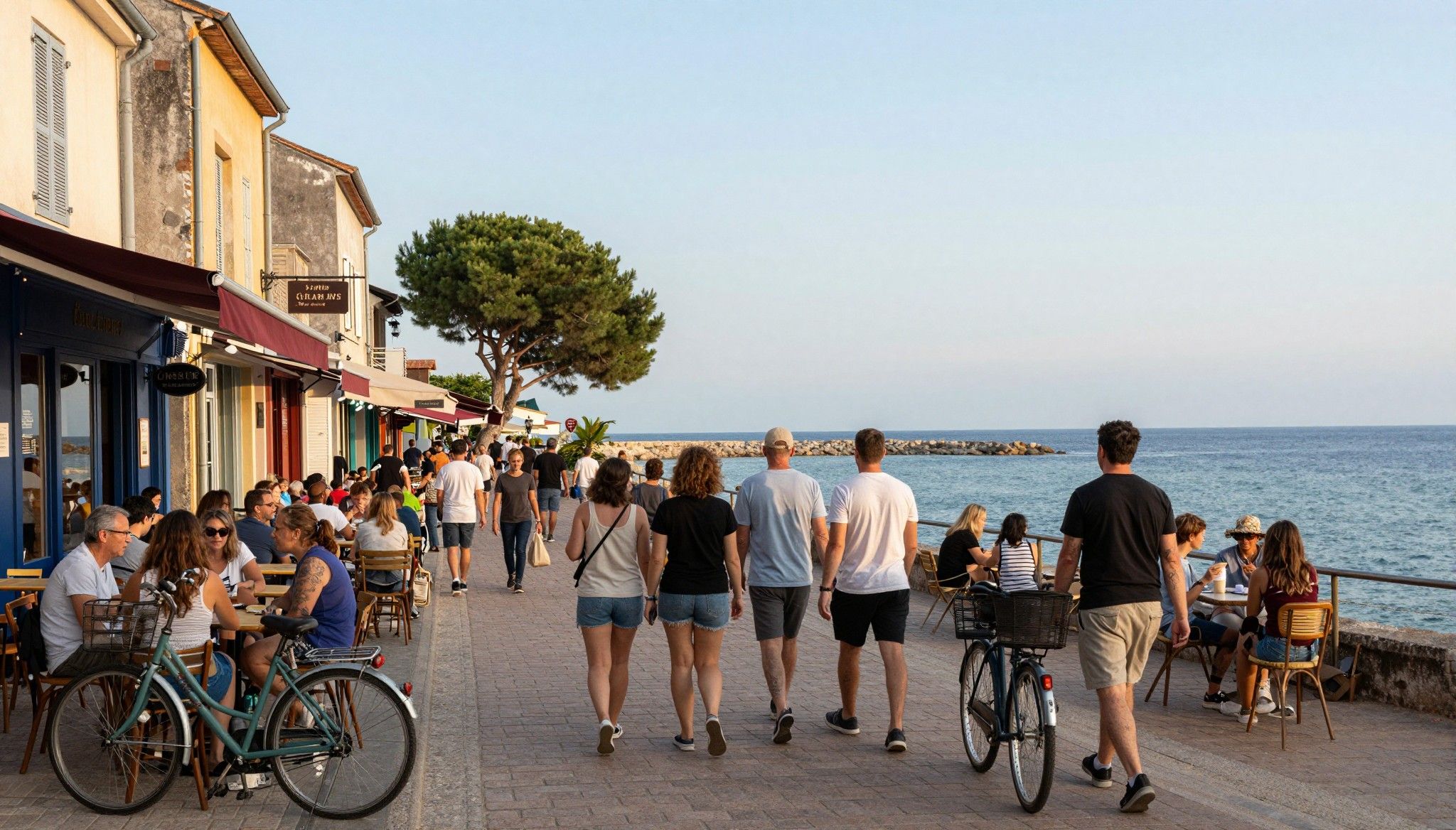
Greece moves at two paces: the slow coastal rhythm — think Mykonos’ quieter mornings off‑season or a Crete taverna buzzing at dusk — and the brisk, layered tempo of Athens where history and coffee culture collide. Streets like Kolonaki’s Voukourestiou mix designer shops and neighbourhood bakeries; in Plaka you’ll hear church bells over a sea of tourists and locals alike. For buyers that matters: lifestyle is tied to micro-neighbourhoods, not whole islands or cities.
Athens: city-life with island access
Picture living in Koukaki or Pangrati: morning markets, short metro rides to the Acropolis, and weekend escapes to nearby Saronic islands. These neighbourhoods give you urban conveniences and an easy ferry or short flight to islands — a balance many expats prize. But Attica is also where regulatory changes hit hardest: residency‑by‑investment thresholds were raised for Attica and other in‑demand zones, reshaping buyers’ calculus.
Island life: seasonal truth and hidden seasons
Islands differ wildly. Mykonos and Santorini pulse with summer income and premium prices; Naxos and Syros feel more anchored year‑round. Owning on an island means balancing summer rental income with quieter winters, diesel generator quirks in remote villages, and higher maintenance logistics. For lifestyle buyers, that tradeoff is part romance, part spreadsheet.
- Lifestyle highlights you’ll actually use
- Morning coffee at Little Kook (Athens) and a late stroll on Athens’ Dionysiou Areopagitou street
- Weekly market run at Varvakios (Athens Central Market) or Chania Agora (Crete)
- Sunday fish lunch on Paralia Platanias (Crete) or the small bay taverna on Serifos
Making the move: practical considerations

Falling in love with a street is step one; understanding the tax and residency map is step two. Greece combines low purchase transfer tax on existing property with an annual ownership tax (ENFIA) and a residency‑by‑investment system that now uses zones and higher thresholds. These elements can nudge you from an island or an Athenian quarter into a different price band overnight.
Property types and how they shape everyday life
A restored neoclassical in Plaka gives you character and centrality but higher renovation rules and heritage oversight. A new-build in Glyfada or along the Athens Riviera offers modern insulation, lifts and pools — but could fall into a higher residency valuation zone. Think beyond square metres: heating, insulation and sea-spray resistance affect maintenance and utility costs more than bragging rights.
Working with local experts who map lifestyle to regulation
Good agencies and lawyers do two practical things: translate lifestyle into search filters (which streets meet your daily rhythm) and translate local law into purchase strategy (how to qualify for residency zones, timing paperwork, tax planning). They’ll also warn you of hidden costs — think insurance requirements that affect ENFIA reductions or VAT rules for new builds.
- Steps that blend lifestyle and legal sense
- Shortlist neighbourhoods by daily life (markets, cafés, transport), then verify their residency‑by‑investment zone and typical prices.
- Ask your lawyer to confirm whether a property is subject to VAT (new build) or transfer tax (existing stock) and get a pre‑contract tax estimate.
- Check ENFIA projections for the property and whether short‑term rental plans will change your tax profile.
- If residency matters, prioritise properties in zones that meet your target threshold and secure deposit deadlines that preserve older, lower thresholds when available.
Insider knowledge: what expats wish they'd known
Expats often tell the same stories: they underestimated the paperwork rhythm (local registries move slowly), they overrated rental income in high season islands, and they missed how changes to residency thresholds reclassify desirable streets. The Golden Visa rule changes in 2024–25 are the clearest example — a property once enough for residency can suddenly sit in a higher tier. That’s why timing and locally grounded advice matter.
Cultural integration and everyday rhythm
Language is a gateway. Learning basic Greek opens markets and doors: a local builder understands your restoration plans sooner, a kafeneio owner explains the best neighborhoods for calm evenings. Community life — church festivals, local economies, and market days — defines how you’ll actually use the property more than the size of the terrace.
Long-term lifestyle and regulatory watchpoints
Look ahead to two shifts that shape long‑term ownership: ENFIA tweaks and residency policy zoning. ENFIA remains the predictable annual charge but recent law updates (effective 2025) introduced conditional reductions tied to insurance coverage and value bands; residency thresholds have been rationalised into €250k/€400k/€800k tiers for different zones. Both influence operating costs and market demand over time.
- Red flags and practical checks before you sign
- Unclear land registry entries or missing permits (ask for a 1381/2014 report via your lawyer)
- Properties advertised under the old residency prices — verify deposit dates and completion deadlines in writing
- Promises of 'high summer rental yields' without local occupancy figures — request past season occupancy data
- Assuming VAT applies (or not) without documentary proof — VAT changes your buying cost materially on new builds
Conclusion: buy the life, but balance it with rules
Greece rewards lifestyle-first buyers — neighbourhood cafes, sea breezes and slow Saturdays — but the tax and residency framework shapes where those lives are affordable and legal. Start with places that match your daily routine; then ask a lawyer and an agency to map tax, VAT, ENFIA and residency zones to that wish list. A well‑timed deposit, a correct VAT check and a neighbourhood that fits your rhythm will get you from espresso fantasy to keys in hand.
Norwegian market analyst who relocated to Mallorca in 2020. Focuses on data-driven market insights and smooth relocation for international buyers.