Malta: Buy the Neighbourhood Rhythm, Not the Headline
Malta’s compact island life rewards buyers who prioritise neighbourhood rhythm over headline prices—official RPPI data show central locations command premiums, but hidden value exists off the seafront.
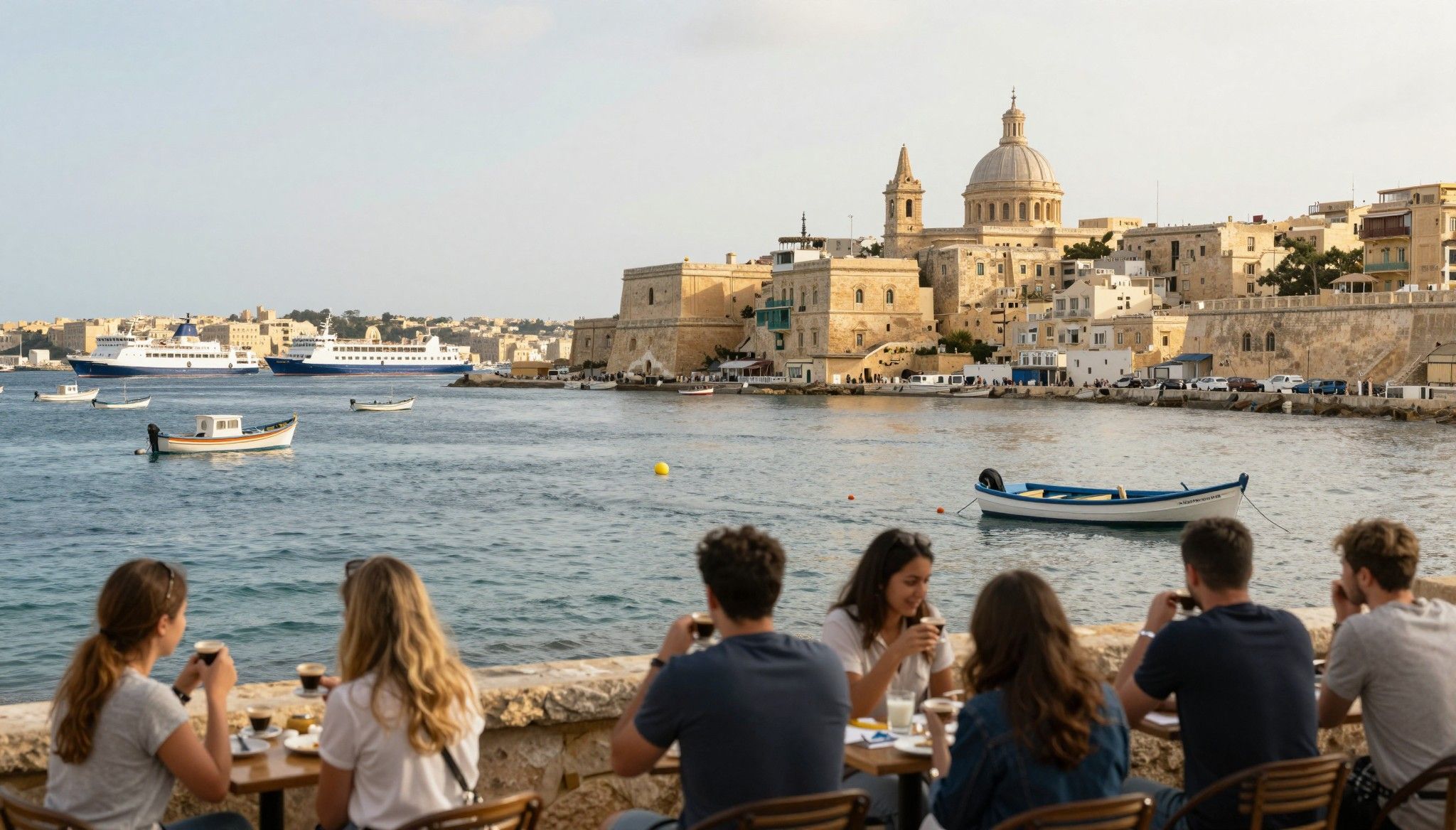
Imagine stepping out at dawn to pick up warm ftira from a Valletta bakery, then walking along a harbor where limestone houses lean toward each other like old friends. In Malta you live within a compact geography: centuries of layered history, a café culture that stretches from Sliema to Mdina, and neighborhoods that change tone every few streets. That intimacy is the magic—small distances, dense community—but it also shapes property markets in ways many international buyers underestimate.
Living Malta: compact days, coastal rituals
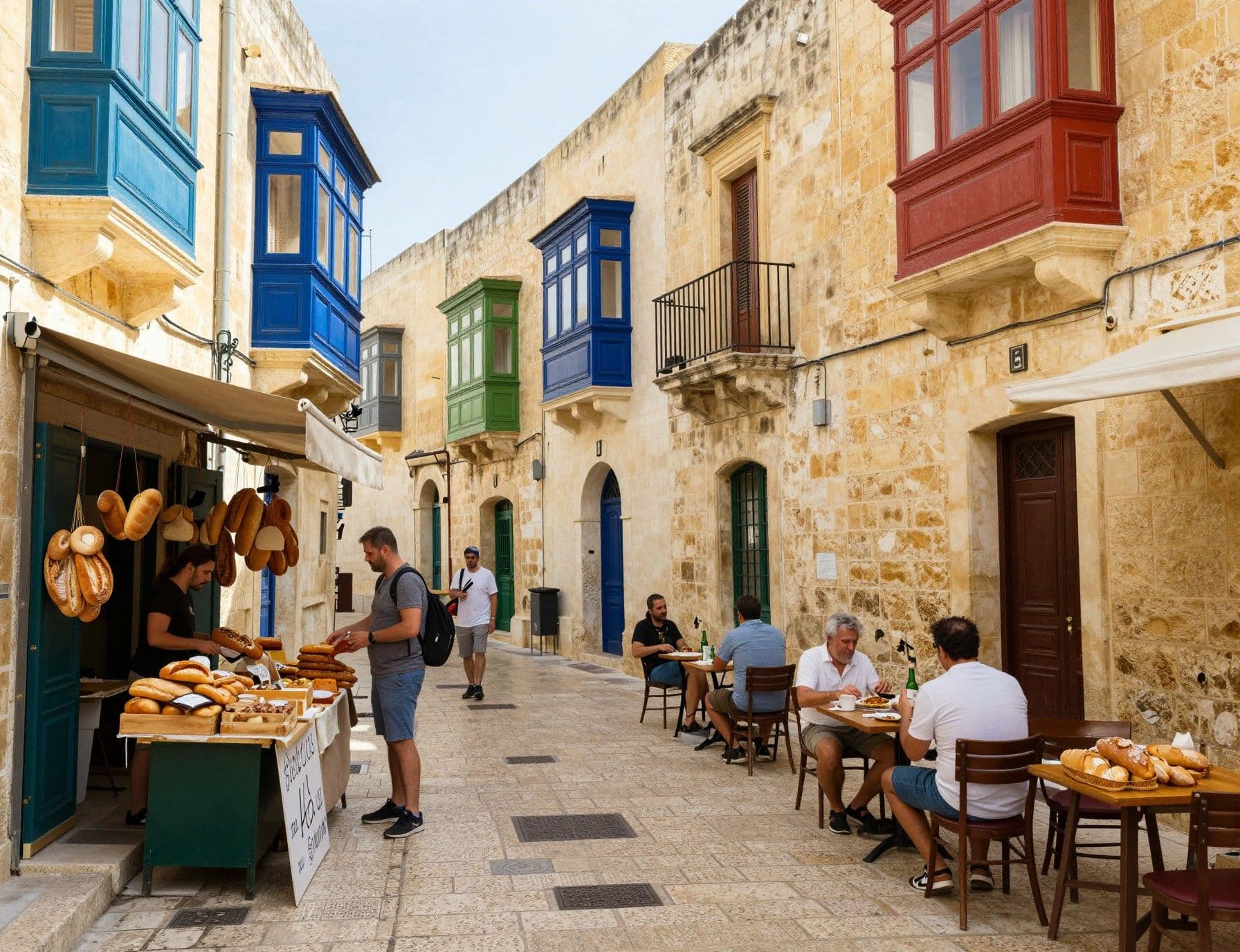
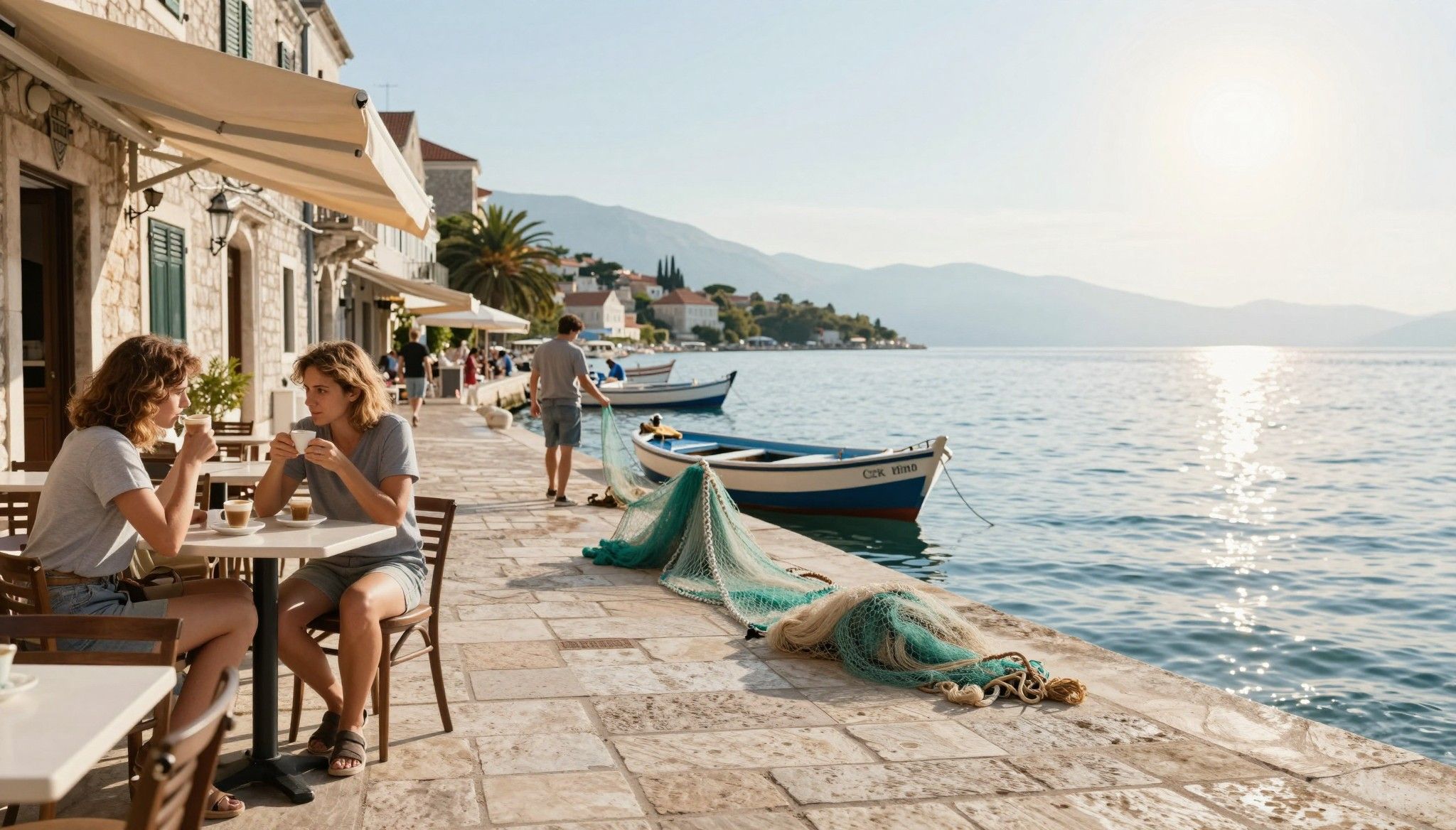
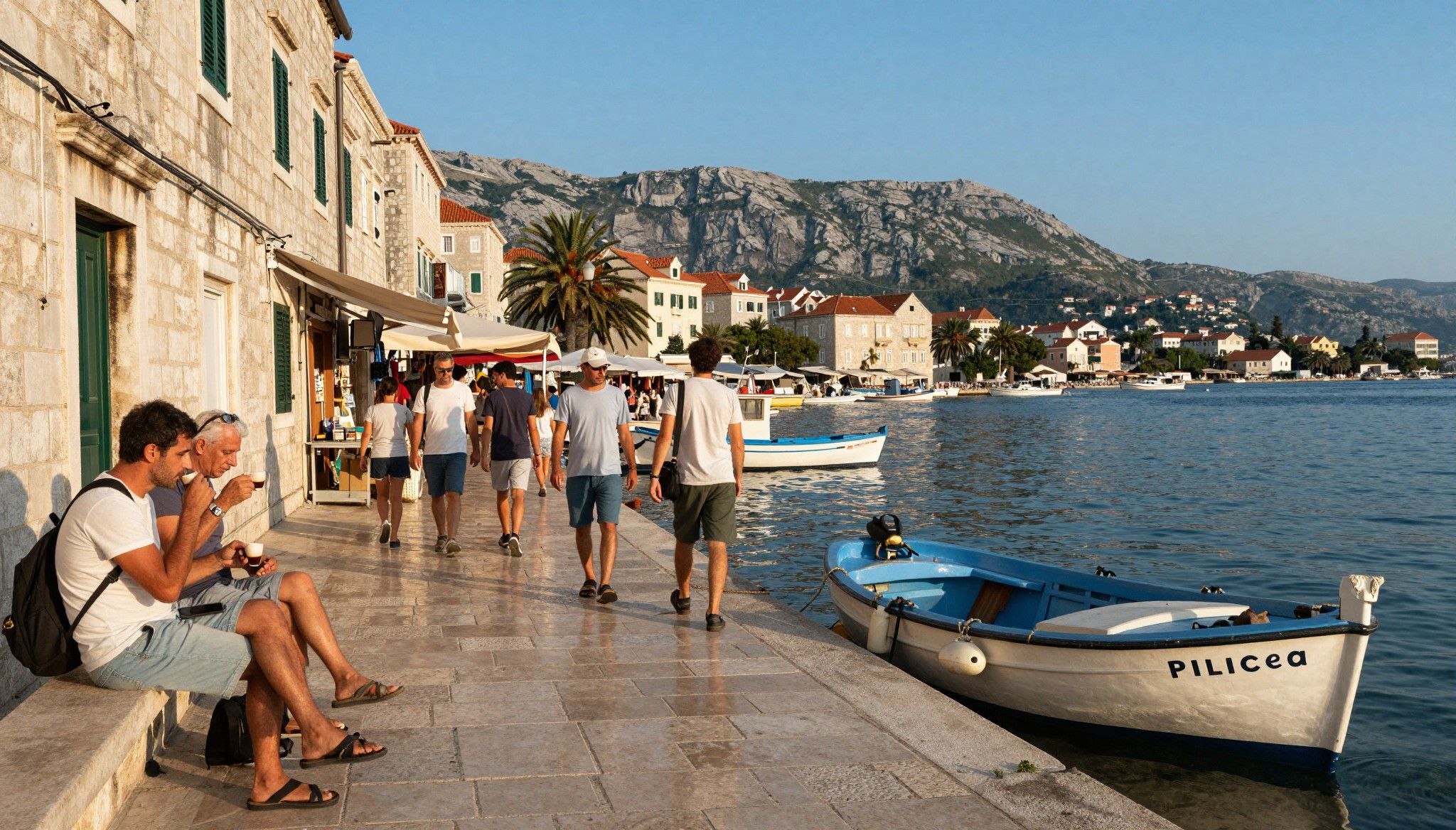
Daily life in Malta moves between narrow streets and sea. Morning espresso in Sliema or Gżira, lunch by the luzzu boats in Marsaxlokk, an evening passeggiata along the Valletta bastions—these rituals are practical too: short commutes, walkable errands and a rhythm that rewards proximity. For buyers, that means location choices carry outsized lifestyle impact; a 10‑minute walk here can translate to a different social life, transport pattern and resale appeal.
Neighborhood spotlight: Valletta, Sliema, St Julian’s
Valletta is dense and ceremonial—stone palazzos, tiny internal courtyards and a neighborhood life that revolves around narrow lanes. Sliema and Gżira lean more contemporary: seafront promenades, cafés and expat flats with easy ferry access to the capital. St Julian’s (including Spinola Bay and Portomaso) is the social hub: lively dinner options, a marina and apartments that appeal to renters and weekenders alike. Recent official data show continued price growth across Malta’s RPPI, highlighting how central locations command premiums.
Food, markets and weekend life
Weekends in Malta often begin at market stalls: fresh fish in Marsaxlokk, seasonal produce at local markets and aperitifs overlooking small bays. The island’s culinary identity is Mediterranean but specific—rabbit stews, gbejniet (cheeselets) and ftira baked in stone ovens. These food scenes matter for buyers: they shape where you want a kitchen that opens to a terrace, or a flat a short stroll from the waterfront trattoria you’ll visit every Sunday.
- Lifestyle highlights: daily and seasonal pleasures
- Morning espresso on Spinola Bay; ferry commute to Valletta for work
- Sunday fish market in Marsaxlokk and cliff‑top swims at St Peter’s Pool
- Notte Bianca and village festas that animate neighborhoods in summer
Making the move: lifestyle-led practicalities
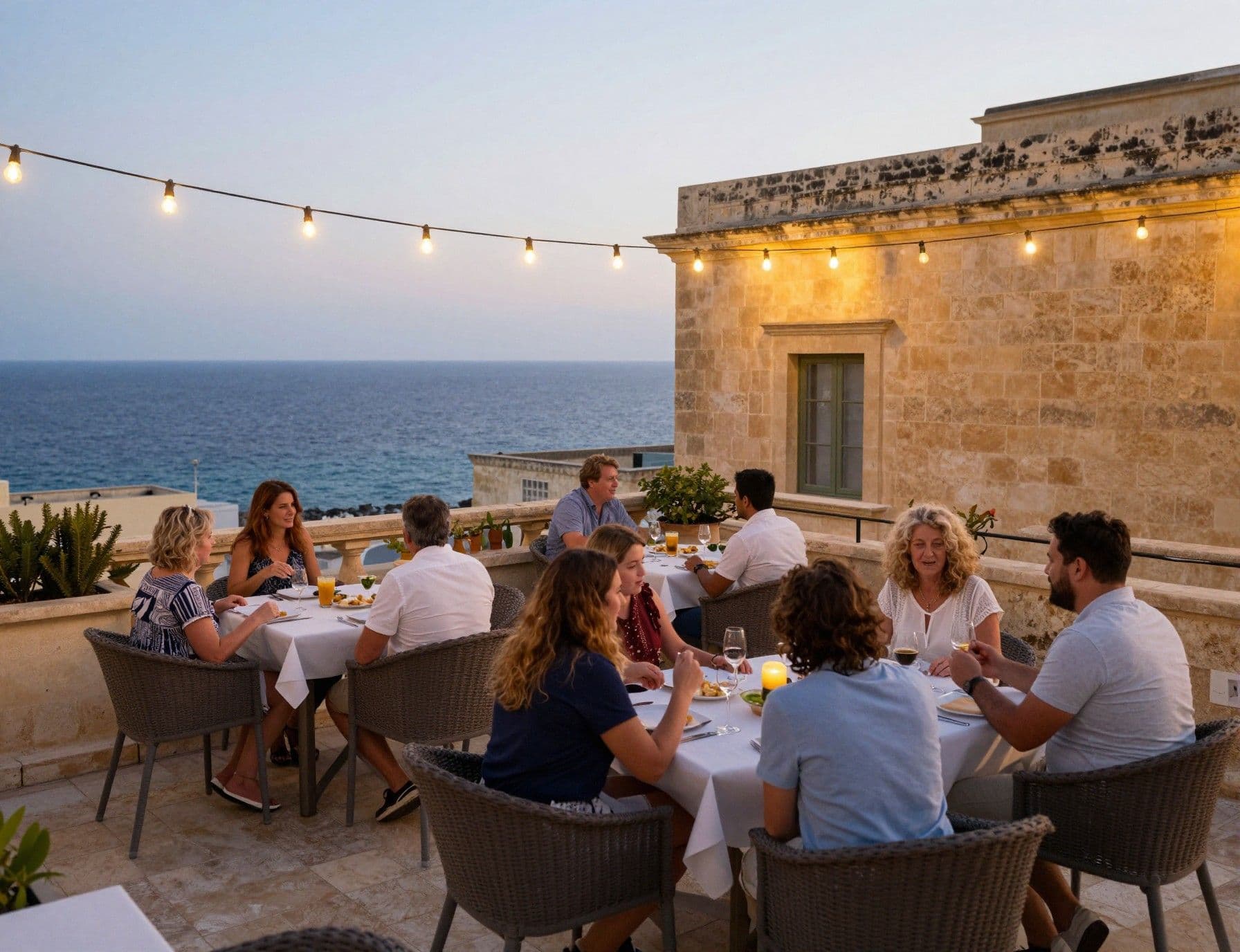
Your lifestyle wish list—sea view, terrace for dinners, short walk to cafés—must be weighed against market realities. Official data show Malta’s RPPI has been rising in recent quarters, driven by limited land supply and demand for central locations. That means decisions about exact streets and building types influence both how you live and how your asset performs over time.
Property types and how they feel to live in
Maisonettes and townhouses deliver private entrances, rooftop terraces and a built‑in connection to street life—perfect if you imagine morning bakery runs and evening passeggiatas. Modern seafront apartments give sunlight and views but can mean higher service charges and parking tradeoffs. New developments often prioritise amenities like gyms and secure parking; older stone buildings reward careful restoration with character and cooler interiors during summer.
Work with agencies who know the rhythm
Choose local agents who speak English and Maltese, read the micro‑differences between streets and can match your daily rhythm to a property. Experienced agencies will flag things you won’t spot: load‑bearing quirks of limestone homes, practicalities of rooftop terraces, and realistic rental demand if you plan to let. They also help navigate residency rules tied to investment and the documentation local authorities expect.
- Steps that blend lifestyle and logistics
- Define daily non‑negotiables (walk time to café, parking, sea access).
- Ask agents for walk‑time maps and daytime/evening visits across seasons.
- Inspect for heat, ventilation and limestone maintenance—these affect comfort and running costs.
Insider knowledge: myths, tradeoffs and expat truths
Two myths deserve debunking. Myth one: 'Malta is uniformly expensive.' In truth, central Valletta and seafront Sliema sit at the top, but pockets—older inland towns or parts of the south—offer more affordable choices if you prioritise space over immediate waterfront life. Myth two: 'You must buy a new build.' Many buyers find restored traditional homes offer the most authentic daily experience and long‑term capital appeal if renovated thoughtfully.
Cultural integration and small‑island social life
English is an official language and most services cater to internationals, yet community belonging comes from local rituals: street festas, market mornings and neighbourly chats in the stairwell. Make time for those—joining a local club or volunteering at village events accelerates acceptance. Practical tip: expect bureaucracy to be personable but paper‑heavy; keep originals and translations handy.
Long‑term considerations: liquidity, resale and seasonality
Malta’s compact market means liquidity varies by location: central, coastal apartments in Sliema and St Julian’s usually find buyers faster than remote village homes. Official reports point to demand outpacing supply, so realistic pricing and local marketing are crucial when you sell. Seasonality affects rental yields—summer demand is strong, but long‑term tenants and corporate lets sustain income across the year.
- Expat pitfalls and red flags to watch
- Ignoring maintenance of limestone façades (costly repairs later).
- Overpaying for ‘sea view’ that becomes blocked by new development.
- Assuming year‑round demand for short‑let rentals without permits or management.
Conclusion: Malta rewards buyers who pair a clear lifestyle brief with local knowledge. Start with streets and rhythms, not just price per square metre—choose agents who map daily life into market intelligence. If you want mornings in a Valletta bakery and evenings on a quiet terrace, an agent who knows those exact streets will be worth their weight in ftira.
Dutch investment strategist with a Portugal-Spain portfolio. Expert in cross-border financing, rights, and streamlined due diligence for international buyers.