Croatia: How Coastal Demand and Regional Gaps Drive Prices
Coastal demand and regional divergence define Croatia’s 2025–26 price story: dream locations cost more, but inland and peripheral pockets offer pragmatic alternatives.
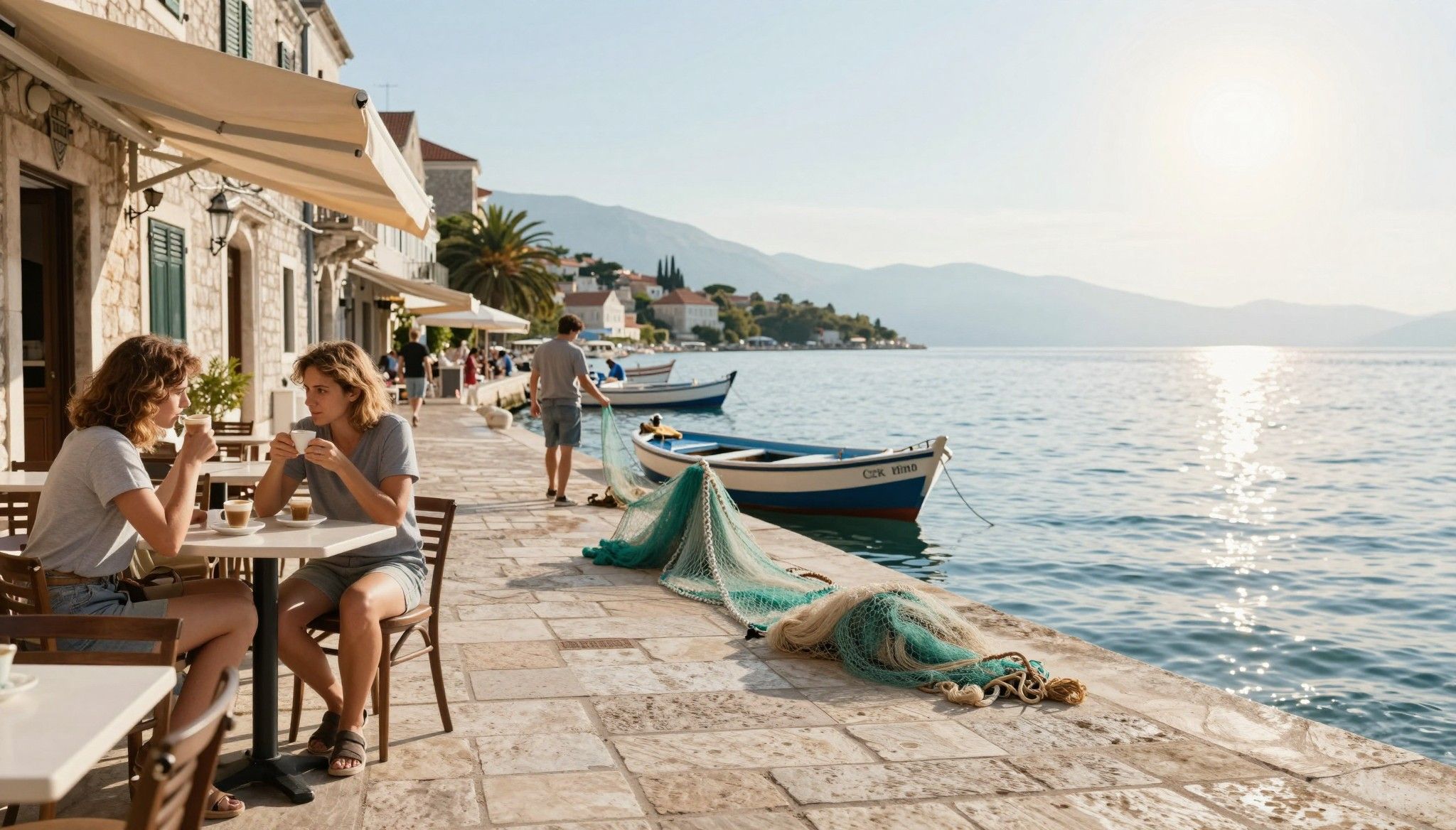
Imagine waking to the sea-breeze down Marmontova in Split or the herbal steam rising from the open markets of Zagreb. Croatia is both Adriatic ritual and quiet inland pace — a place where café corners, weekend boat trips and family-run konobas shape daily life. Yet the property market here is not only postcard views; it’s a layered, regional story of rapid coastal demand, quieter inland opportunity, and supply pressures that push prices in unexpected directions.
Living the Croatia lifestyle
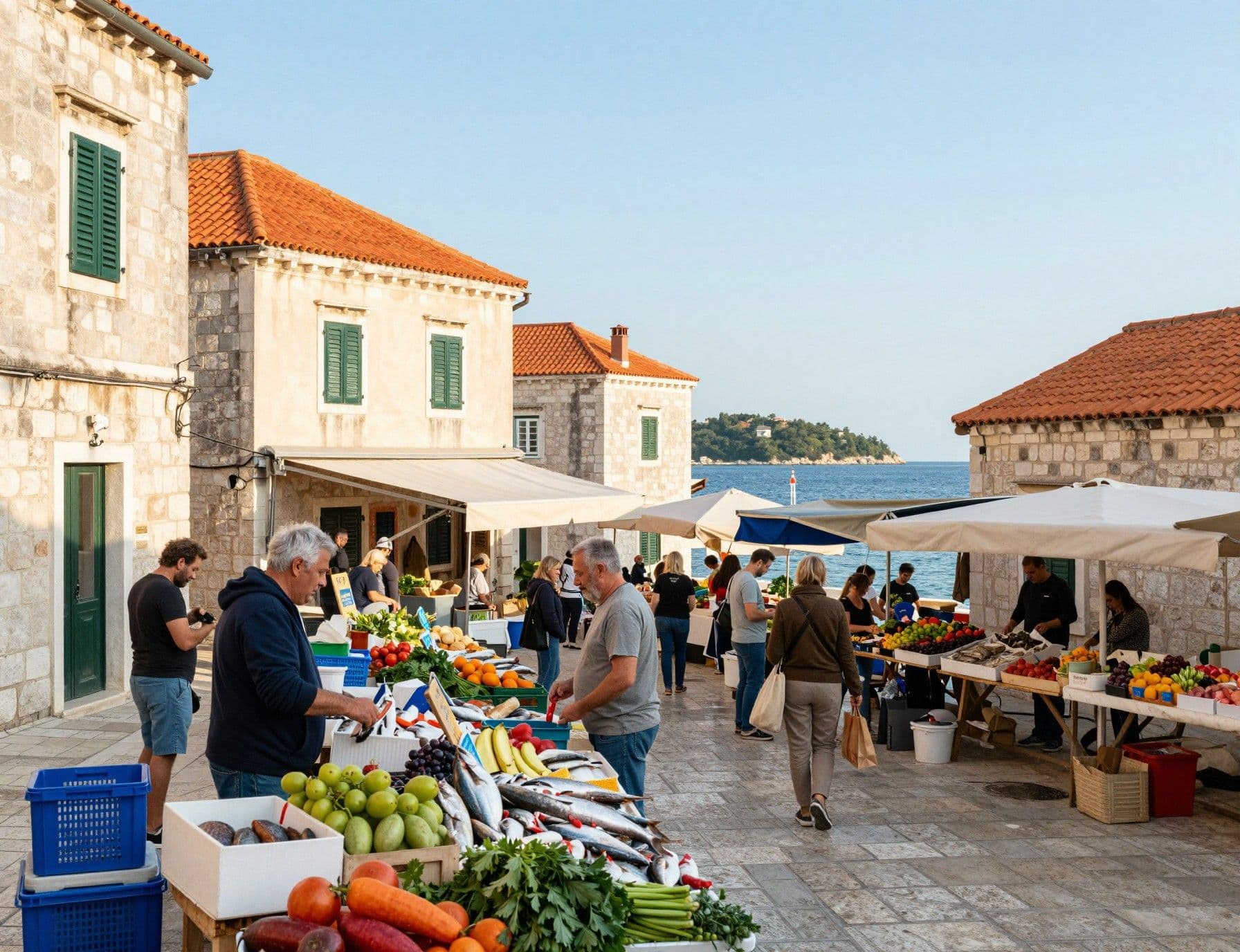
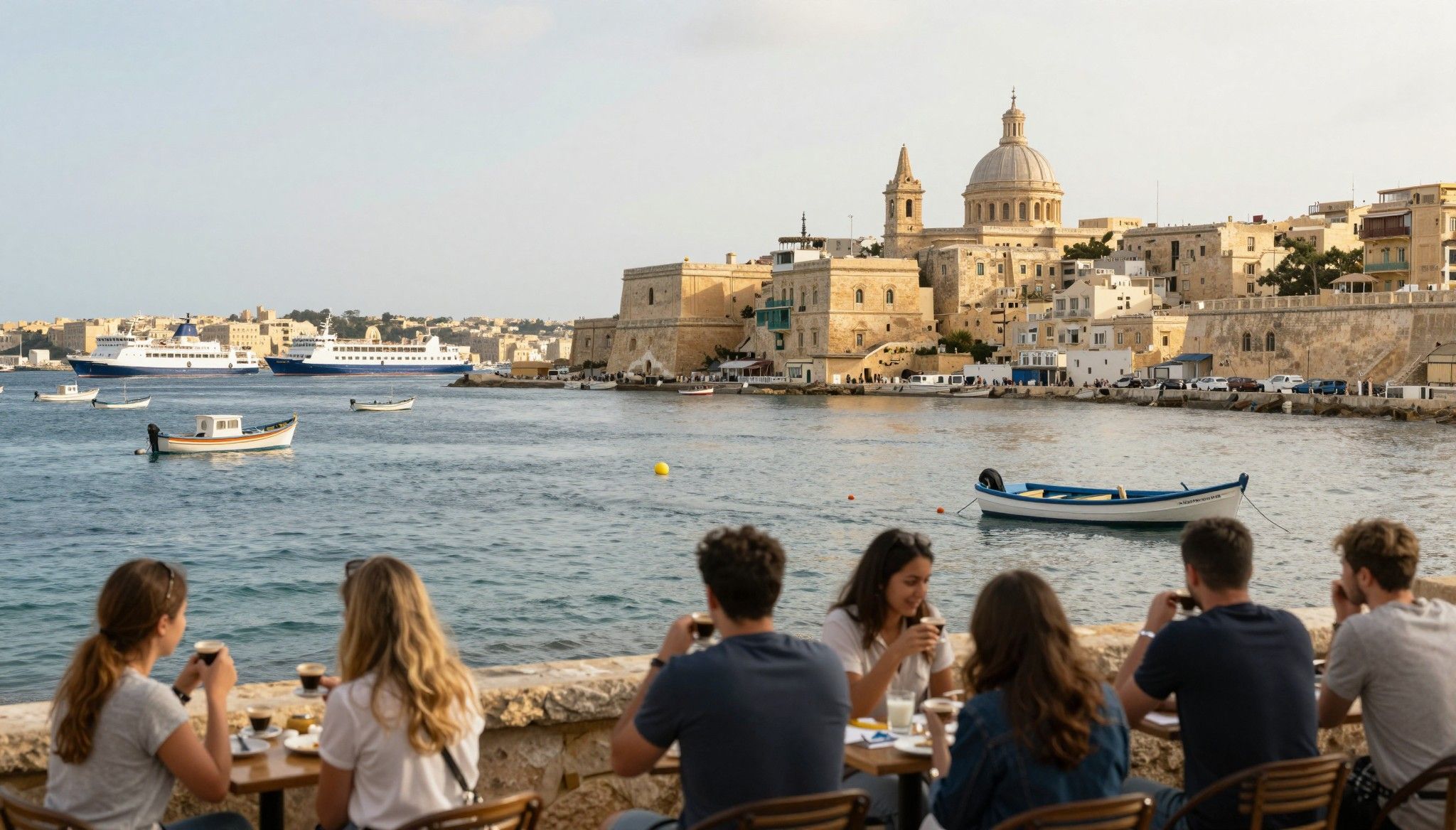
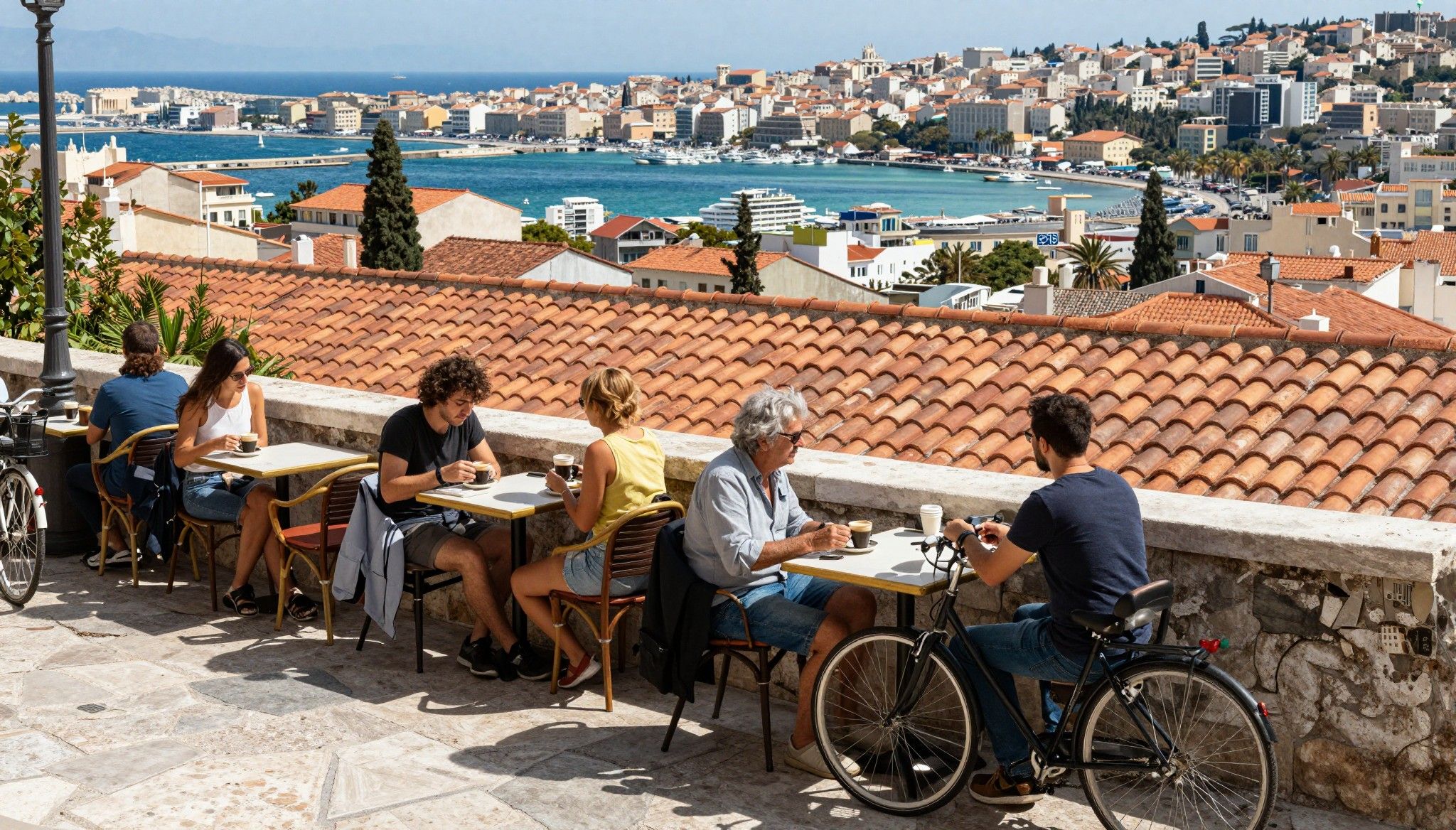
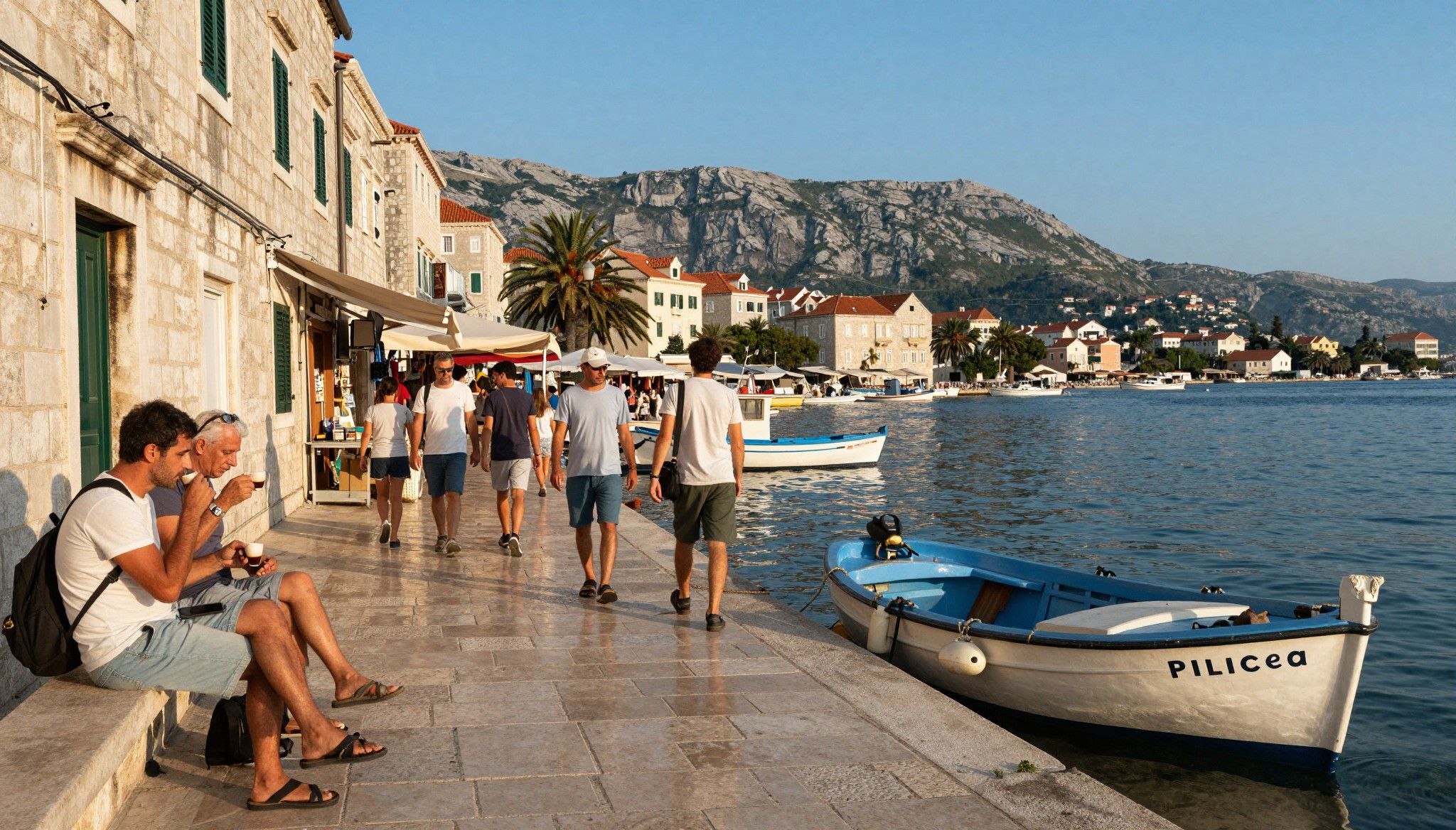
Croatia feels small in the gestures that matter: morning espresso at neighborhood bars, promenades along rivieras, and markets overflowing with figs, pršut and fresh fish. Summers tighten the pulse of coastal towns from Dubrovnik to Zadar, while winters reveal quieter rhythms in Istria and continental Croatia where locals reclaim streets and season-long bargains appear.
Coastline character: Split, Dubrovnik, Istria
Split’s Diocletian‑era spine, pebble beaches and Žnjan’s new promenades attract buyers who want a lived-in city by the sea. Dubrovnik sells history and tightening regulation; expect premium pricing and tourist-season volatility. Istria (Rovinj, Poreč) mixes Italianate charm with year‑round expat communities and higher per‑m² averages — coastal life here often means balancing tourist returns with neighborhood calm.
Urban & inland rhythm: Zagreb, Slavonia, central Croatia
Zagreb offers a metropolitan cadence: leafy streets (Maksimir, Šalata), weekend markets at Dolac, and an expanding satellite market in outer districts such as Sesvete. Inland counties—Slavonia and Lika—are quieter and far more affordable; here you’ll find larger plots and lower prices but slower transaction markets and thinner rental demand.
- Lifestyle highlights
- Espresso and burek mornings in Zagreb; late sea swims then grilled fish in Split.
- Weekend markets: Dolac (Zagreb), Pazar (Split) and Rovinj’s coastal stalls.
- Boat-first summers: island hopping from Hvar or Brač as a local pastime.
Making the move: market realities that shape lifestyle
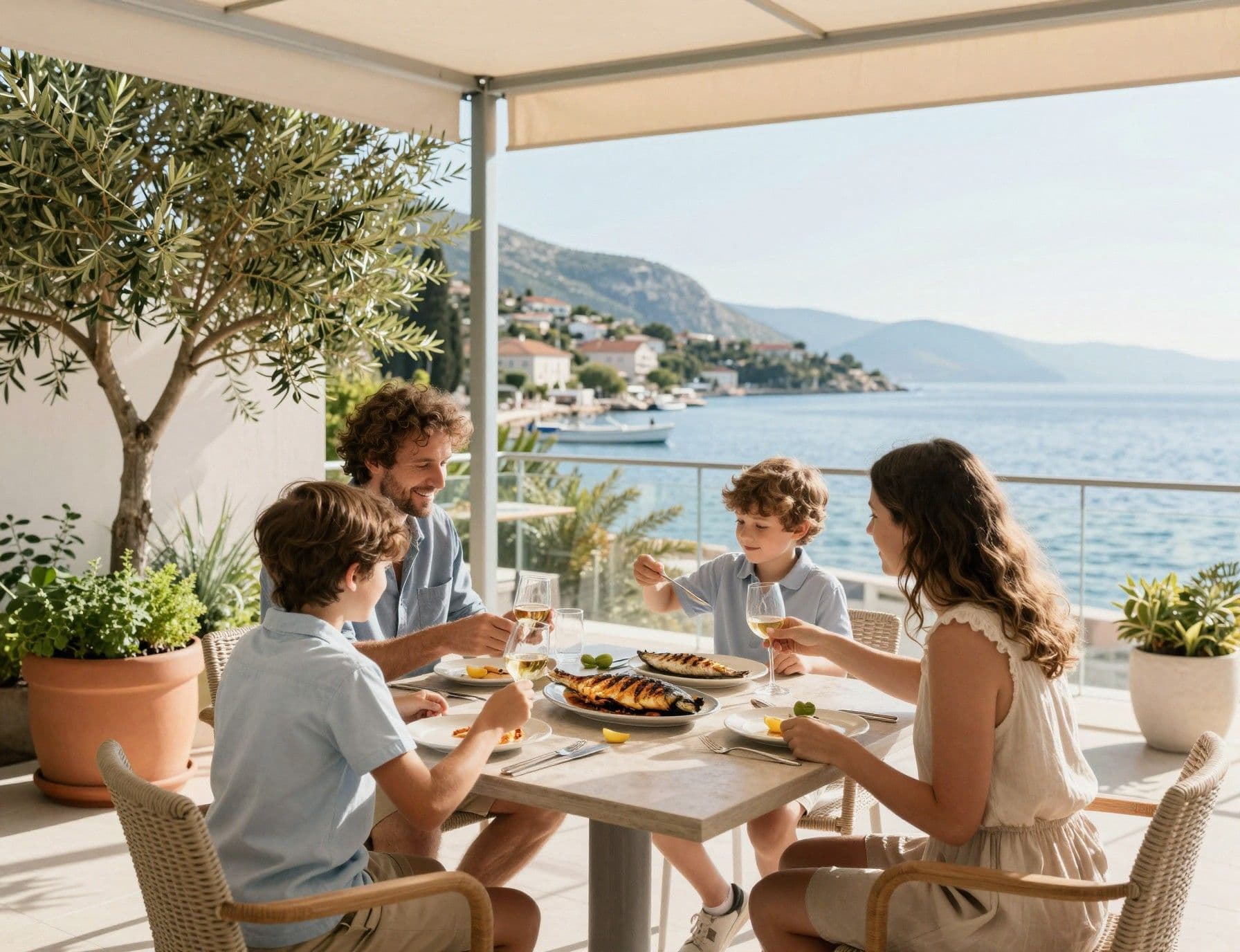
The dream of a terrace over the Adriatic meets measurable market forces: coastal counties and major urban centres recorded the strongest price growth recently, while national indices show double‑digit rises in recent years. That means lifestyle choices directly affect affordability — the same sea-view terrace command a premium in Split that you won’t see inland.
Property styles and what they mean day-to-day
Stone townhouses in Dalmatia require maintenance but offer authentic courtyard living; modern coastal apartments prioritise low‑maintenance finishes and rental appeal; inland family homes trade sea views for land and privacy. Choose by rhythm: do you want a lock‑and‑leave bolthole for summer rental, or a full‑time neighbourhood with year‑round services?
Work with local experts who know the rhythm
A Croatian agent who spends weekends in the towns they sell will spot seasonal pitfalls: properties that look great in August but suffer off‑season access or hidden maintenance (sea‑salt corrosion, septic systems). Expect agents to advise on rental licence history, local supply pipelines and neighbourhood seasonality.
- Steps to align lifestyle and market reality
- 1) Map your rhythm: list annual activities (island weekends, market days) and prioritise locations that support them.
- 2) Compare coastal micro‑markets: use recent asking and index data to see where seasonal premiums matter.
- 3) Inspect for lived‑in costs: sea exposure, roof age, heating and insulation for winter living.
Insider knowledge: what expats wish they’d known
Ask any expat: the coastal price boom is real and recent data confirms it. DZS reports large year‑on‑year increases, and portal analyses show coastal asking prices far above national averages. The surprise for many is regional divergence — close proximity to a ferry terminal or protected bay can be worth thousands of euros per square metre.
Cultural integration and daily practicalities
Croatians value neighbourhood continuity: small talk at bakeries, reciprocal favours and late family lunches. Language helps — even basic Croatian opens doors — but many services in coastal towns run bilingually in high season. Plan for slower administrative timelines than you might expect and bring patience to local processes.
Longer term: developers cite rising land and labour costs as drivers of ongoing price growth, so new‑build supply may moderate but remain pricier. That matters if you dream of a turnkey coastal apartment versus renovating a local stone house — the latter can be cheaper purchase‑wise but needs a budget and local contractors.
- Red flags to avoid
- Properties marketed as “sea‑view” where views are seasonal or blocked by permitted development.
- Short‑term rental potential based on summer demand only — check year‑round occupancy.
- Unclear ownership of access lanes, quays or communal walls — confirm titles and servitudes.
Conclusion: fall for the life, back it with data. Croatia offers a rare blend of coastal ritual and quiet inland alternatives; to make that life sustainable, pair sensory research — markets, cafés, boat trips — with hard data from DZS, reputable portals and local agents. Start by listing lifestyle priorities, check recent house‑price indices for your target area, and brief a local lawyer and surveyor before you bid.
Danish relocation specialist who has lived in Barcelona since 2016. Helps families move abroad with onboarding, schooling, and local services.