Greece: Where Romance Meets Market Reality
Greece blends island leisure and urban pulse; buyers who test winter life, check evolving residency and rental rules, and pair lifestyle goals with local experts find the best value.
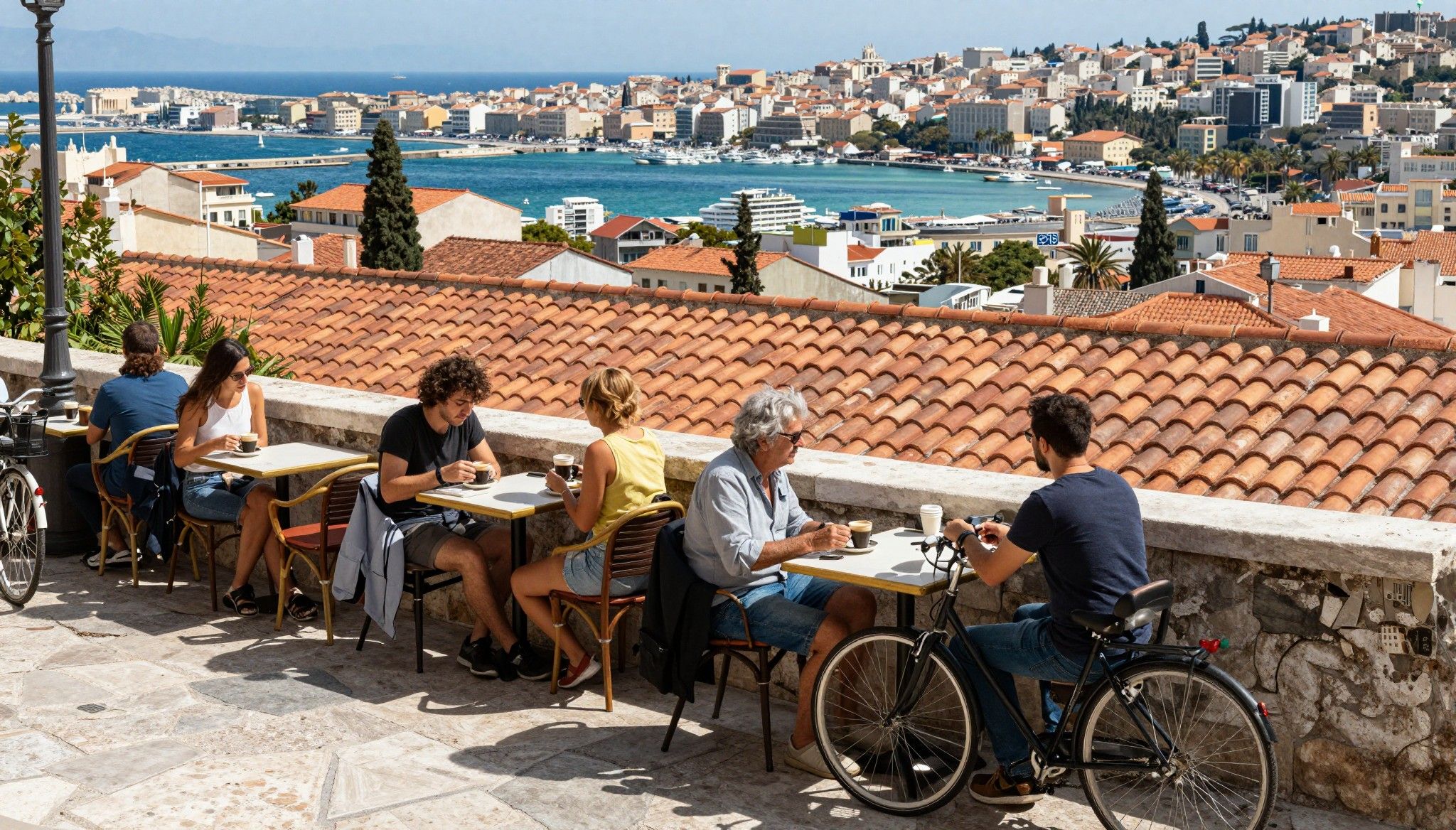
Imagine waking to the perfume of citrus and sea air, buying warm koulouri from a kiosk on an early Athens street, then driving two hours to an island where taverna lights blink like constellations. Greece feels lived-in: narrow streets full of voices, olive groves that slope to pebble bays, and neighbourhood cafés that re-set your clock to 'late afternoon.' For international buyers dreaming of life on the water or a lively city rhythm, Greece offers both island quiet and metropolitan momentum — but the market today is not the sleepy, bargain-friendly place many remember.
Living the Greece lifestyle
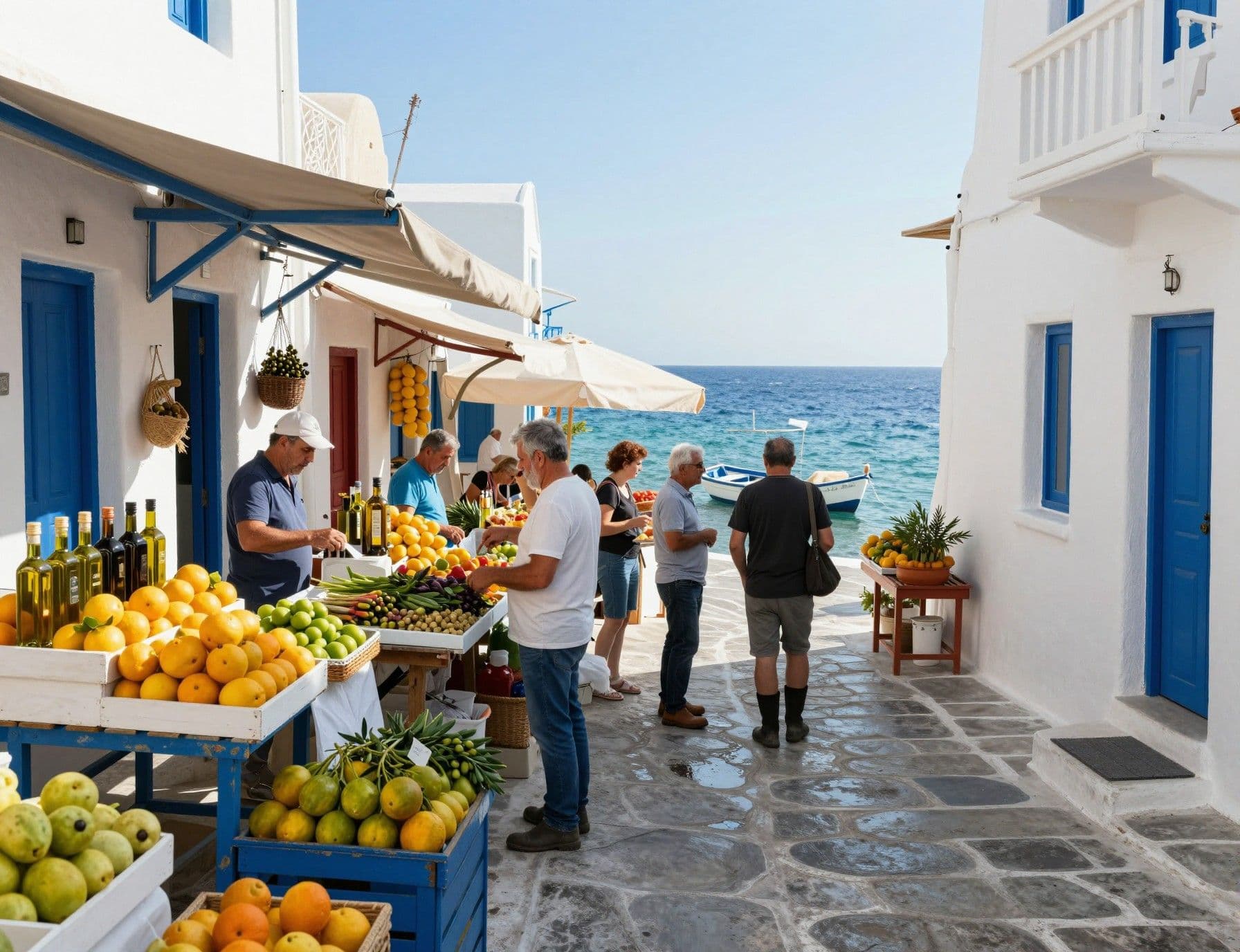
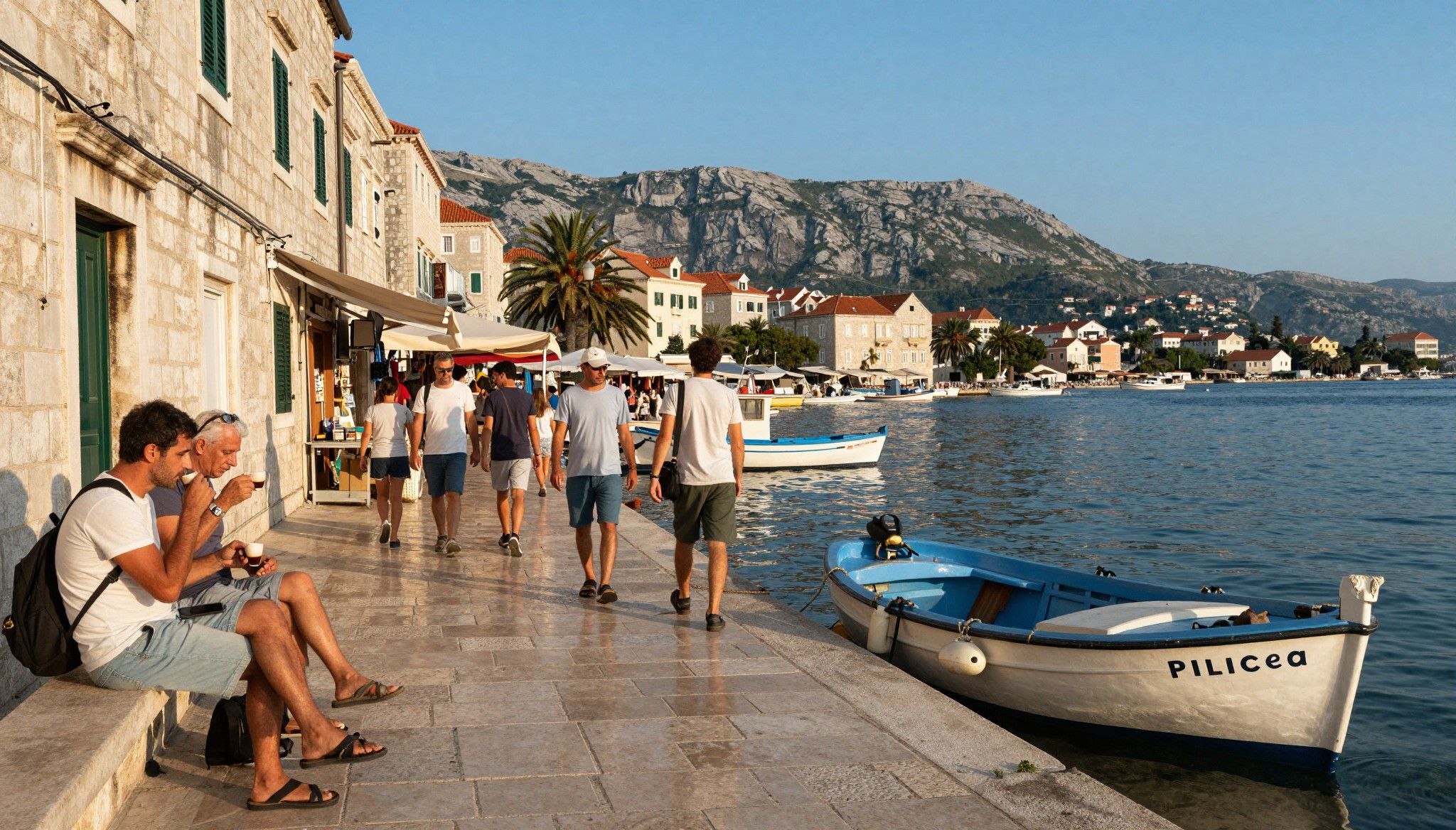
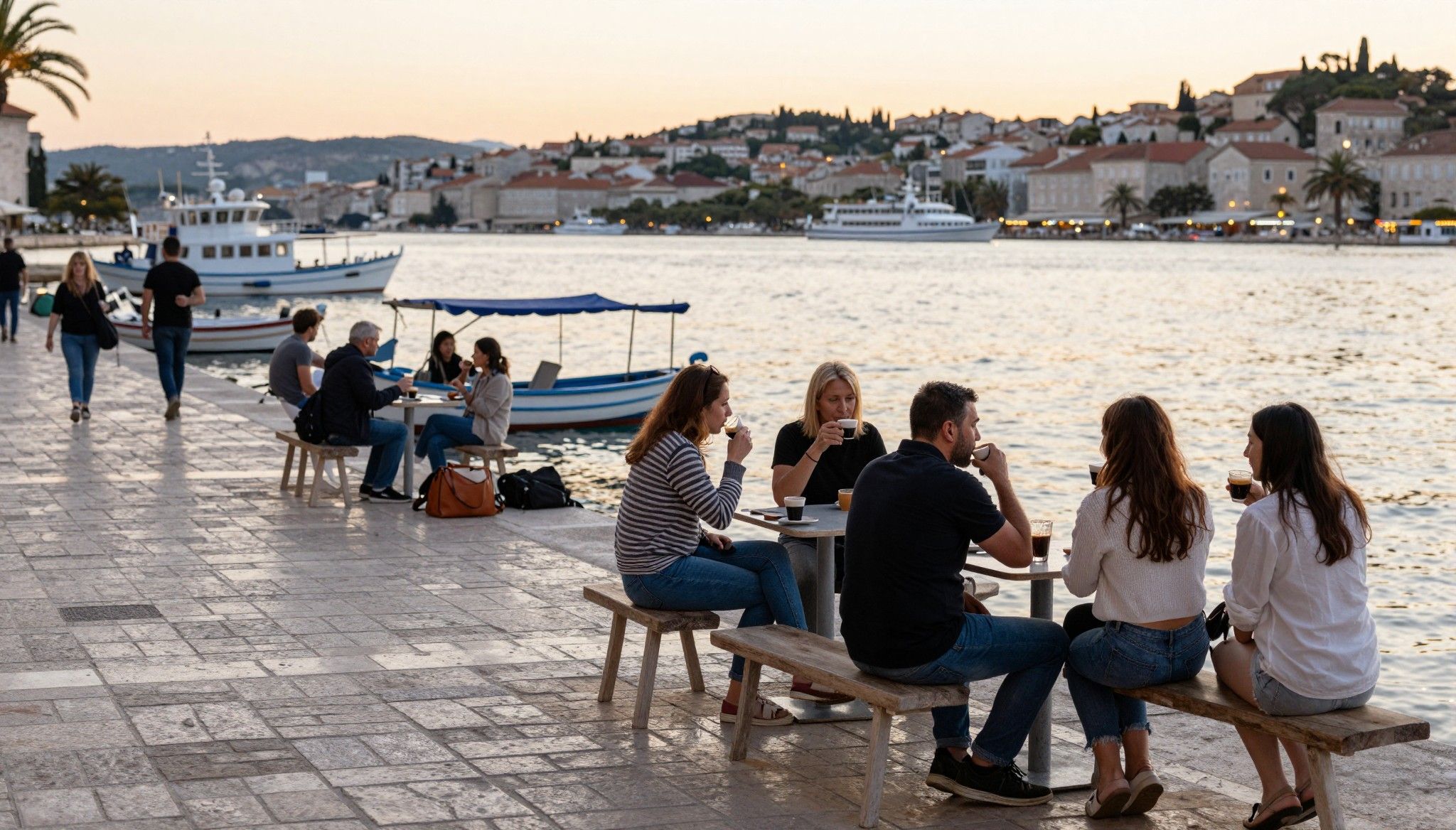
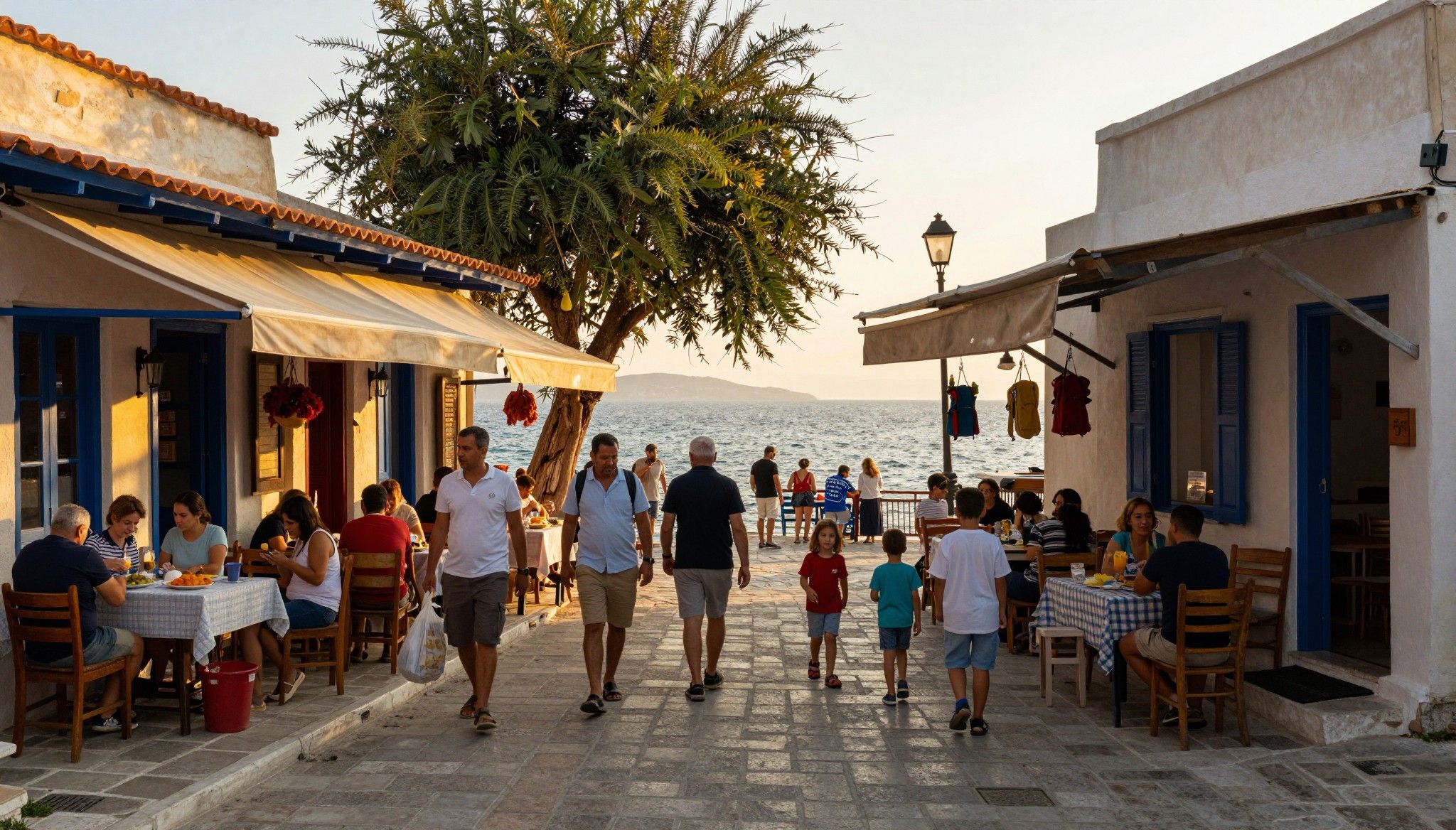
Life in Greece moves between two tempos: the close‑knit daily rhythm of neighbourhoods and the seasonal swell of tourism. In Athens, mornings are about espresso and newsstands, afternoons about siestas or museum visits, and evenings alive with dining on shaded patios. On islands from Naxos to Paros, days are arranged around the sea—swim, market, late lunch—while places such as Chania or Nafplio offer a blend of history and year‑round community. Those differing rhythms shape not only how you’ll live but what property makes sense: a compact apartment for city life, a stone house that cools by design, or a new-build with insulation and shutters built for hot summers.
Athens neighbourhoods: rhythm and character
Athens’ neighborhoods each wear a different pace. Kolonaki and Kifisia draw design‑minded buyers who prize cafés, galleries and refined pedestrian streets; Psyri and Koukaki pulse with restaurateurs and short‑stay demand; Glyfada and Voula on the Athens Riviera give access to beaches and marina life. Recent data show urban house prices rising—demand is concentrated in well‑connected districts, so expect tighter stock and faster price movement where lifestyle meets transport and services.
Island life: variety beyond the postcard
Not all islands are equal in seasonality or community. Mykonos and Santorini are peak‑tourism engines — high yields in summer, thin off‑season life — while islands like Naxos, Tinos and Syros blend local economies with sustainable tourist flows. If you want year‑round daily life (a baker, a fishmonger, a children’s park) prioritise larger islands or coastal Peloponnese towns rather than tiny isles that sleep outside high season.
- Lifestyle highlights: neighbourhoods, food and rituals
- Espresso culture: sit-down coffee in Athens or take-away frappé during summer
- Sunday market ritual: open‑air markets in Chania, Monastiraki flea market in Athens
- Harbour-side taverna life: seaside dinners in Nafplio, Parga or the Cyclades
- Olive‑oil and citrus landscapes: weekend drives through Peloponnese lanes
Making the move: practical considerations
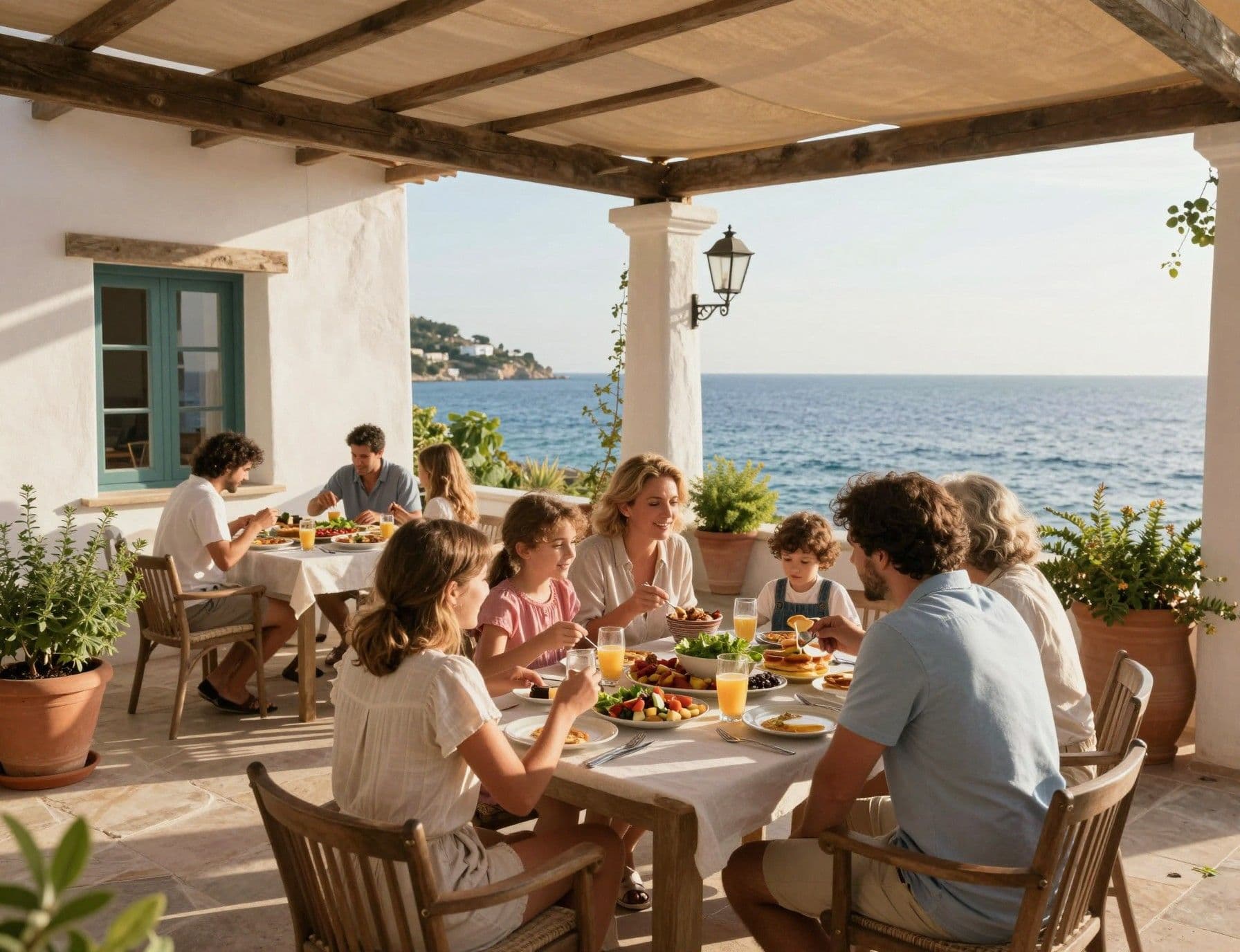
Your lifestyle vision must be paired with local realities: shifting residency rules, short‑term rental regulation, and a market where prices have been rising. Since March 2024 policy changes altered investment residency thresholds and recent debates tightened short‑term rental registration in central Athens, buyers should treat residency incentives as one input — not the sole reason to buy. Work with advisers to model running costs, seasonal cashflow and legal compliance before committing.
Property types and living tradeoffs
Stone village houses keep interiors cool and reward low‑energy living, but often need modern plumbing and insulation upgrades. New builds deliver warranties, thermal performance and private parking — attractive for full‑time living and remote work. Apartments in historic cores offer immediate access to cafes and culture but check ventilation and natural light (legal changes now restrict certain basement conversions for rentals). Decide whether you prioritise authenticity, convenience, or turnkey comfort; this determines both renovation budgets and expected lifestyle.
Working with local experts who know the life
An agent who understands where locals shop, which streets flood in winter, and where community life centers will save you months of trial and error. Choose teams with on‑the‑ground networks: a notary who moves quickly, architects familiar with permitted restorations, and property managers who understand seasonal tenancy. Ask prospective agencies for three recent client introductions and walk‑throughs of properties they closed in the last 12 months—this reveals market access and negotiation capability.
- Steps to align lifestyle and purchase
- List your daily routine priorities (shops, schools, commute) and map these to neighbourhoods
- Budget for renovation and climate upgrades (insulation, shutters, AC) if buying older stock
- Verify short‑term rental rules locally — licences, banned property types, and registration freezes
- Secure a pre‑qualified local mortgage or clear cross‑border transfer plan before making offers
Insider knowledge: what expats really wish they'd known
Expats often romanticise island life until they meet the winter calendar, bureaucracy and delivery gaps. The recurring theme: lifestyle is abundant, but convenience can be localised. Many newcomers wish they'd tested a winter month in the area before buying — that reveals road conditions, heating needs, and how lively the community remains. Equally, those who value social life find richer returns by buying in towns where year‑round communities and services exist.
Cultural practicalities that change neighbourhood choice
Language matters but isn't a blocker: basic Greek opens doors, yet many municipal services and younger professionals in tourism and tech speak English. Social customs — long lunches, late nights, and communal festivals — influence noise expectations and property layouts (terraces, courtyards, shaded balconies). For families, proximity to international schools in Athens or Thessaloniki will often outweigh romantic island remoteness.
Short‑term rental regulation is a shifting piece of the puzzle. Recent law discussions tightened registration and eliminated some accommodation types (such as windowless basements) from permitted tourist use; enforcement varies by municipality. If you plan to let for income, budget for licensing, seasonality and compliance — and be conservative in yield projections.
- Expat tips: lived lessons
- Spend at least one off‑season week in neighbourhoods you like to test services and atmosphere
- Hire a local project manager for renovations — permits and suppliers are regionally specific
- Factor in generator or upgraded heating for remote properties in winter
Conclusion: Greece rewards buyers who pair romance with realism. Picture yourself buying a stone house where you can grow lemons, or an Athens apartment close to theatre and good bread — both can deliver lifestyle and value if chosen with local knowledge. Start with neighbourhood reconnaissance, ask agencies for recent transaction references, and build a two‑year living test plan before full commitment. When lifestyle and due diligence align, Greece becomes not just a destination but a life you recognise each morning.
Swedish strategist who relocated to Marbella in 2018. Specializes in legal navigation and tax planning for Scandinavian buyers.