Off‑Market Malta: Quiet Streets Outperform Harbour Hype
Malta’s headline prices hide value in quieter streets. Off‑market buys inland from harbours often offer better lifestyle balance and long‑term returns.
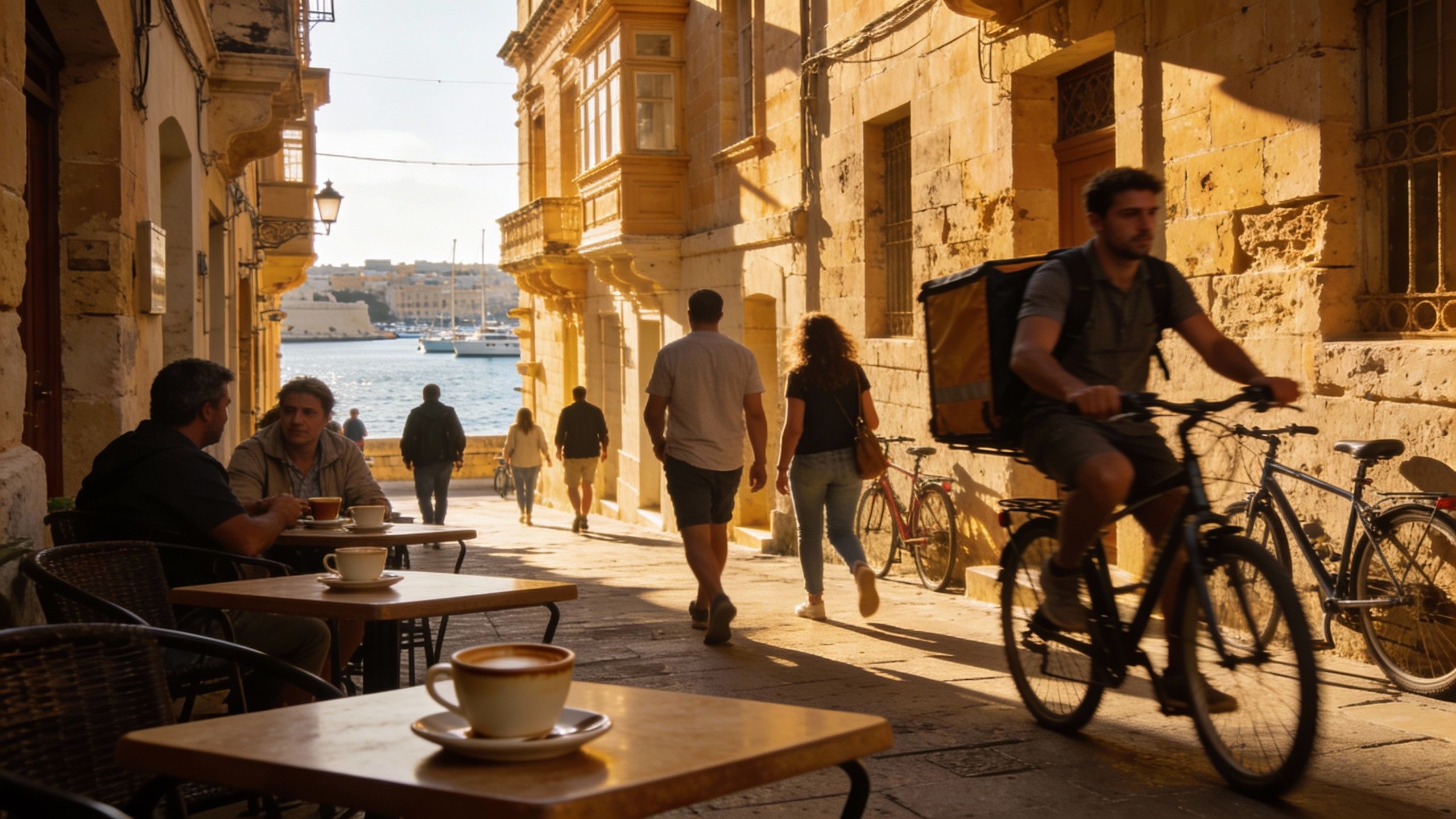
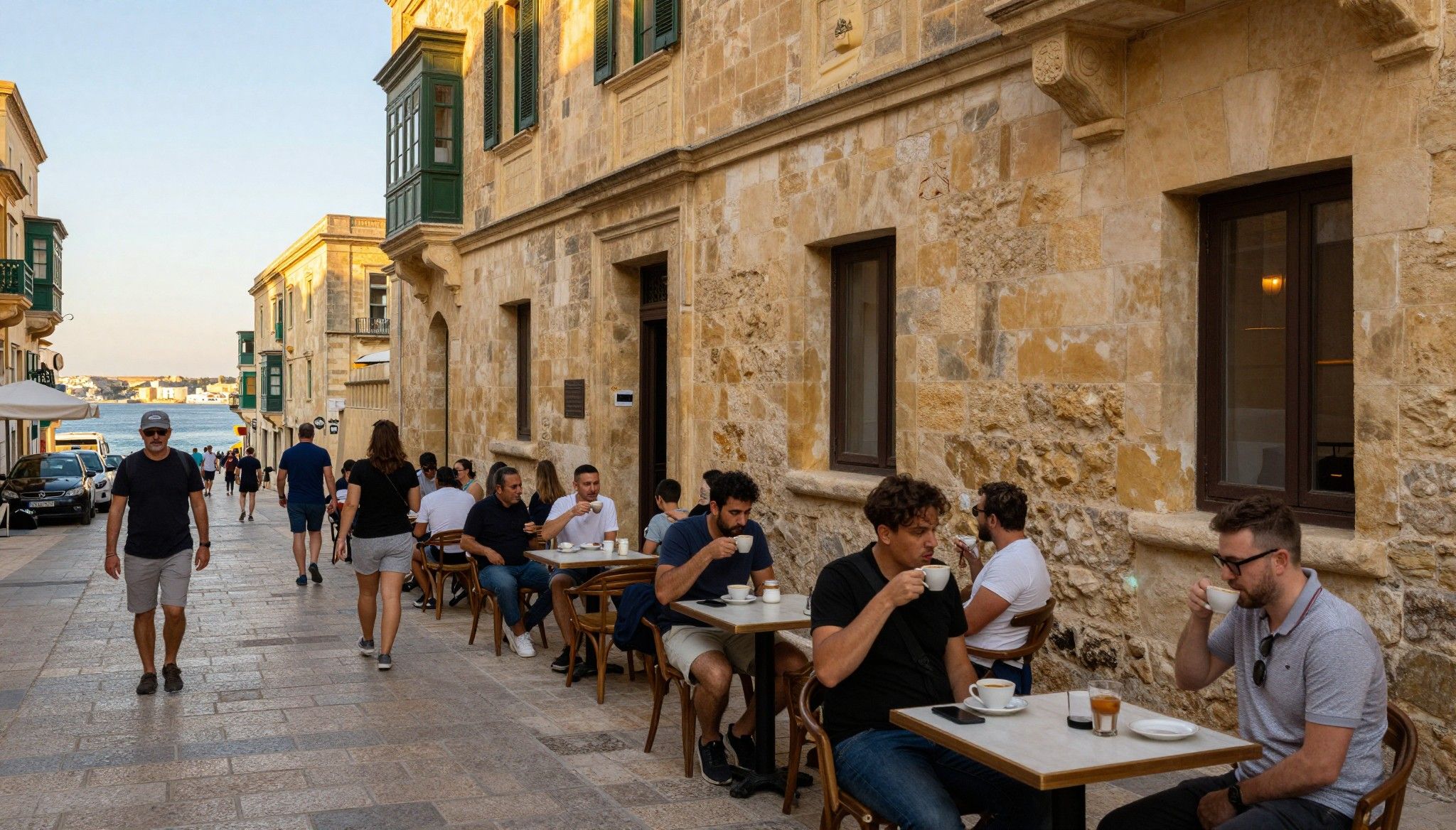
Imagine sipping espresso on a narrow Valletta terrace at 08:00 as delivery boats pass below, then swapping the crowds for a quiet lane in Gżira by lunchtime. Malta compresses a Mediterranean life into a few square kilometres — historic streets, buzzy waterfront cafés, and neighbourhoods where off‑market deals still surface through local relationships. For internationally minded buyers the island’s headline prices can feel intimidating, but the real opportunities often live away from the harbourfronts and glossy listings. This piece looks at why off‑market streets and quieter pockets can outperform harbour hype—and how to find them, with up‑to‑date market signals and local practices to guide your move.
Living Malta: compressed, social, and street‑level
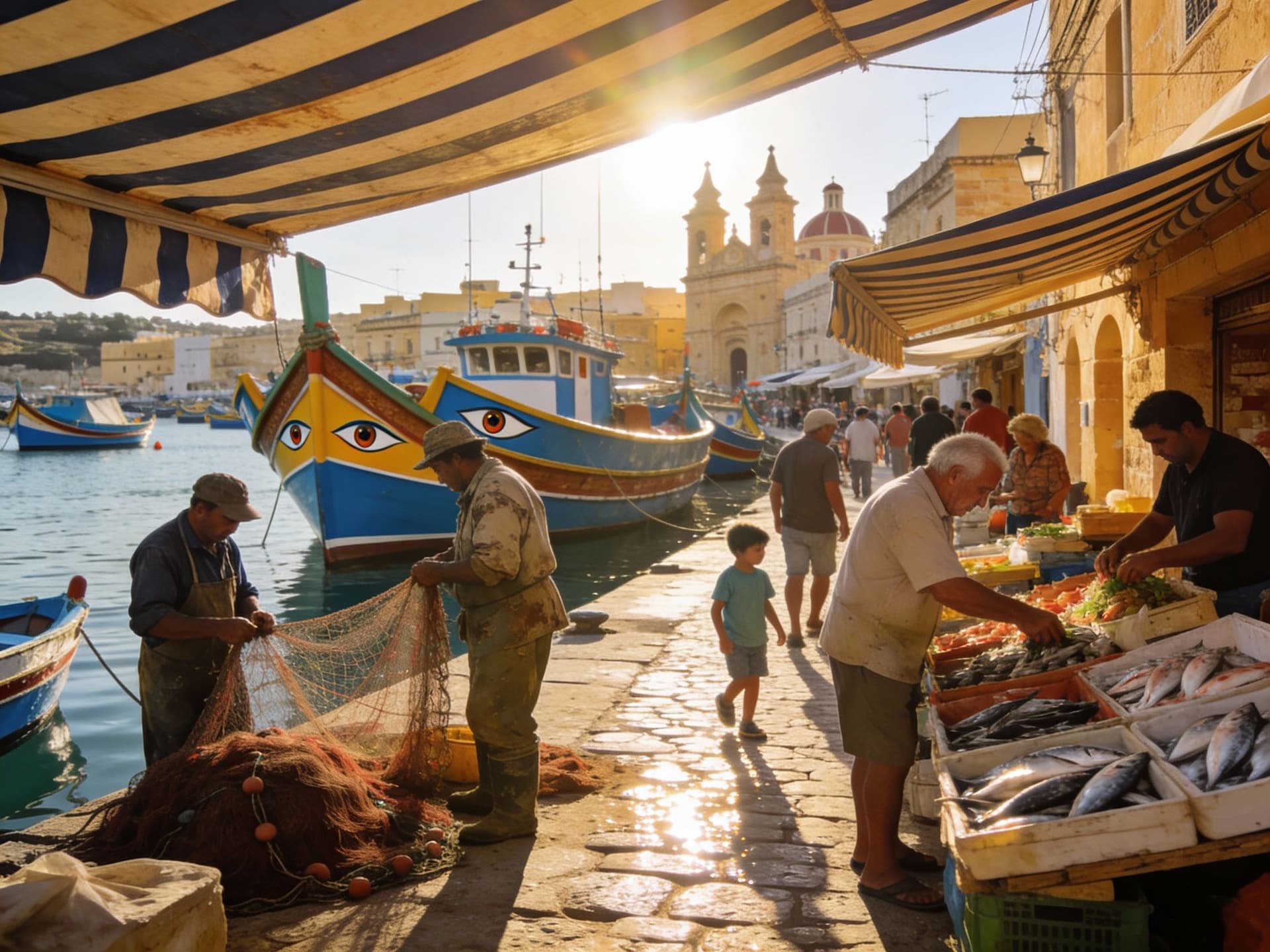
Living in Malta feels like living inside a town that happens to be an island: morning markets in Marsaxlokk, espresso queues in Sliema, and late‑night paseos in St Julian’s. Streets are short; services, cafés and groceries are often a five‑minute walk away. While the National Statistics Office records steady house‑price growth (RPPI up ~5% year‑on‑year in 2024), those headline metrics mask big differences between a harbour terrace and a parallel backstreet a few minutes inland. That gap is where off‑market buying—local contacts, whispered opportunities, and patient negotiation—creates value.
Neighborhood spotlight: Valletta, Sliema, and the quieter in‑between
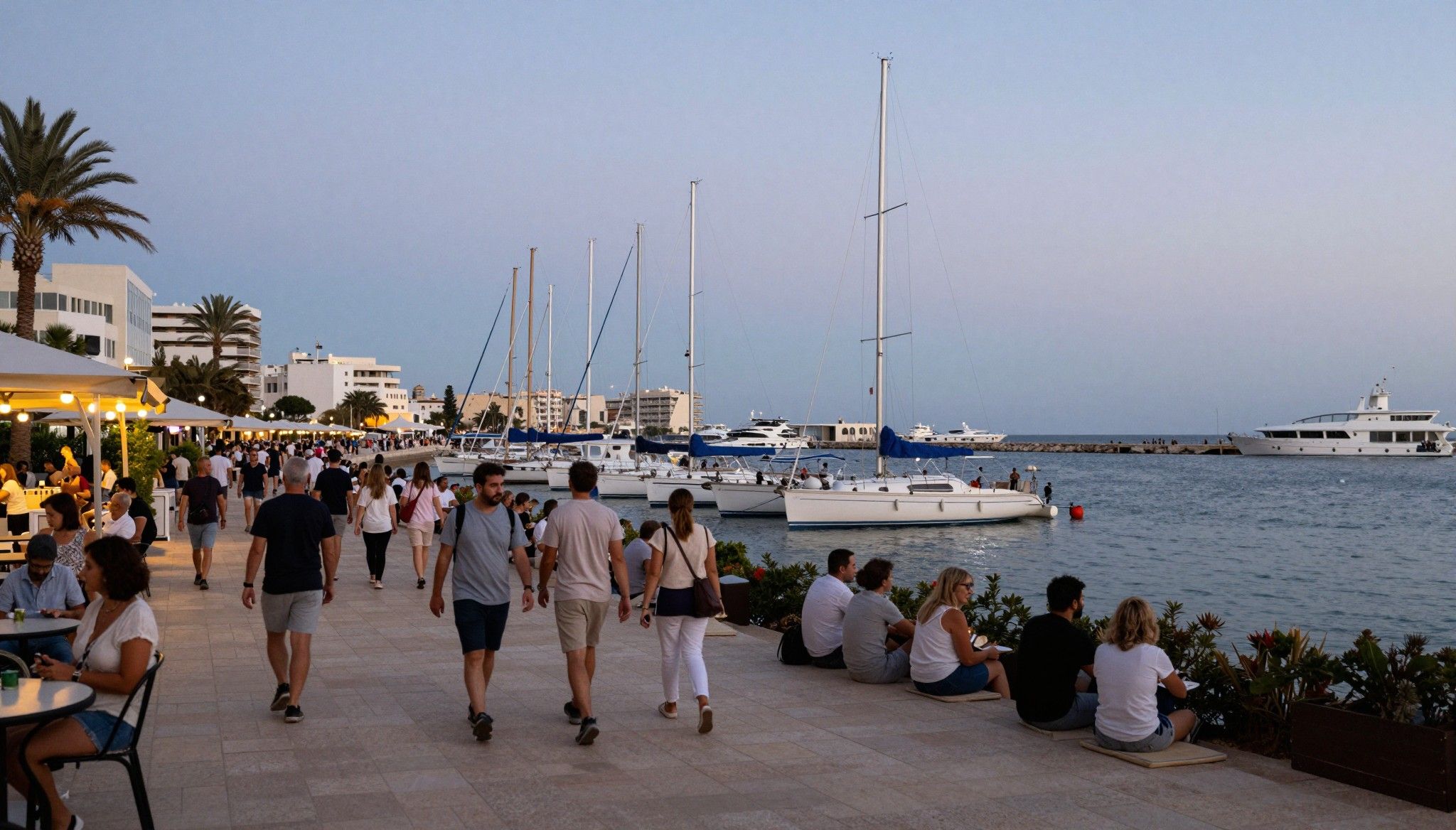
Valletta and Sliema headline lifestyle glossy shots for good reason: waterfront promenades, restaurants, and short‑term rental demand. Yet a two‑minute walk inland changes the rhythm—small squares, family laundries, and quieter terraces where local owners value continuity over tourist income. The RPPI and market reports show apartments dominate island value growth, but the premium for direct harbour frontage is sometimes more about perception than long‑term yield. If you prefer a lived‑in neighbourhood with lower churn, that inland street may offer better balance between lifestyle and liquidity.
Food, markets and weekend life: what gives Malta its charm
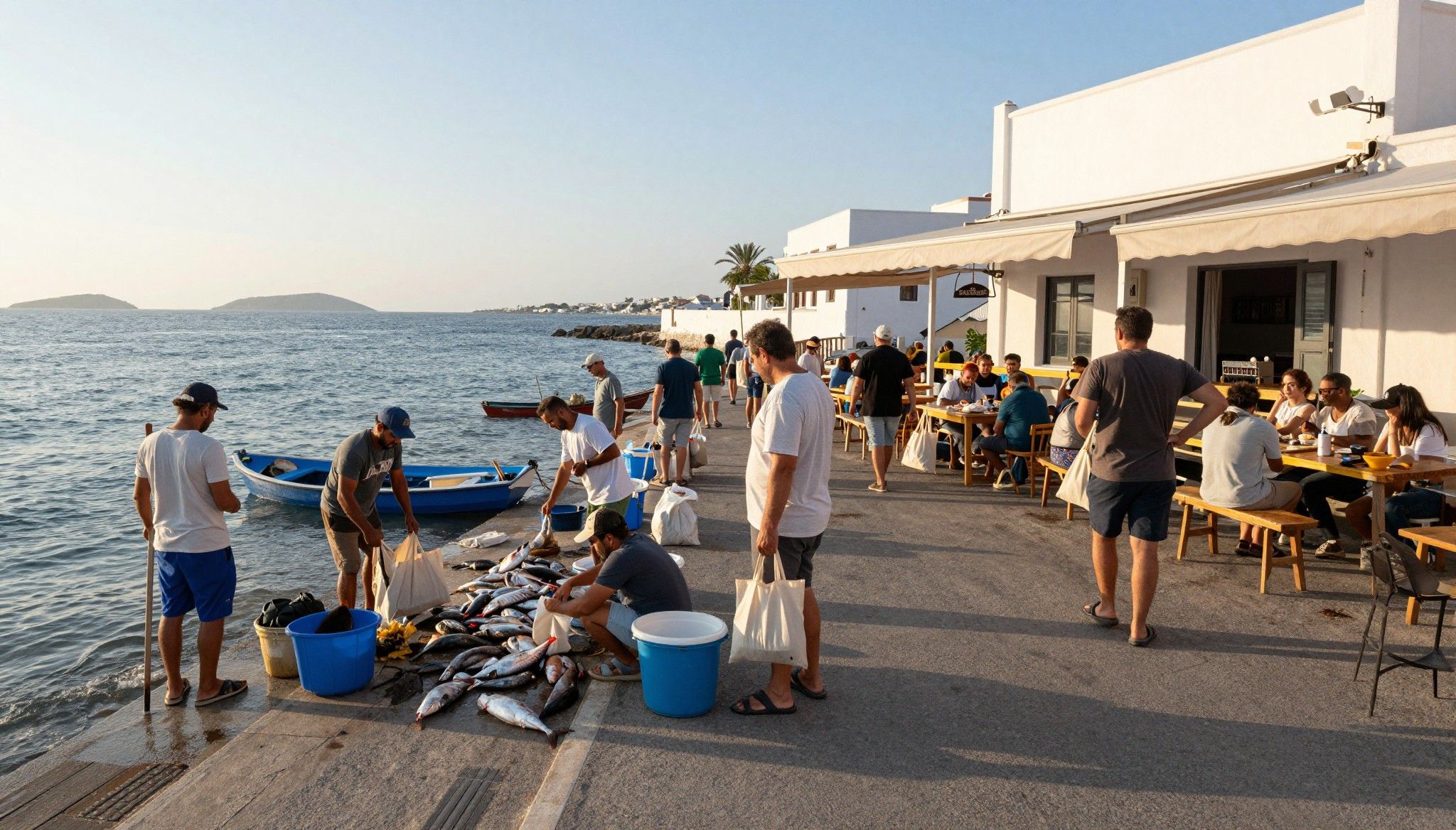
Weekends follow a clear pattern: fishermen’s markets at Marsaxlokk, family lunches in Birżebbuġa, and sunset aperitifs in Mellieħa Bay when the weather allows. Food culture is local and maritime—lampuka (fish) and rabbit stews, neighbourhood bakeries, and small delis that double as social hubs. Those micro‑experiences shape where long‑term residents choose to buy; proximity to a good bakery or a weekday fishmonger matters more than a sea view for daily life. When comparing areas, weigh daily rituals as heavily as headline attractions.
- Lifestyle highlights to scout on foot
- A morning espresso on Triq il‑Kbira (Valletta) and a walk through Strait Street to feel the city’s pulse
- Sunset swims at St George’s Bay, followed by casual seafood in local fish houses in St Julian’s
- Browsing the Marsaxlokk market on Sunday for fresh produce and small‑town atmosphere
Making the move: practical steps that respect the lifestyle
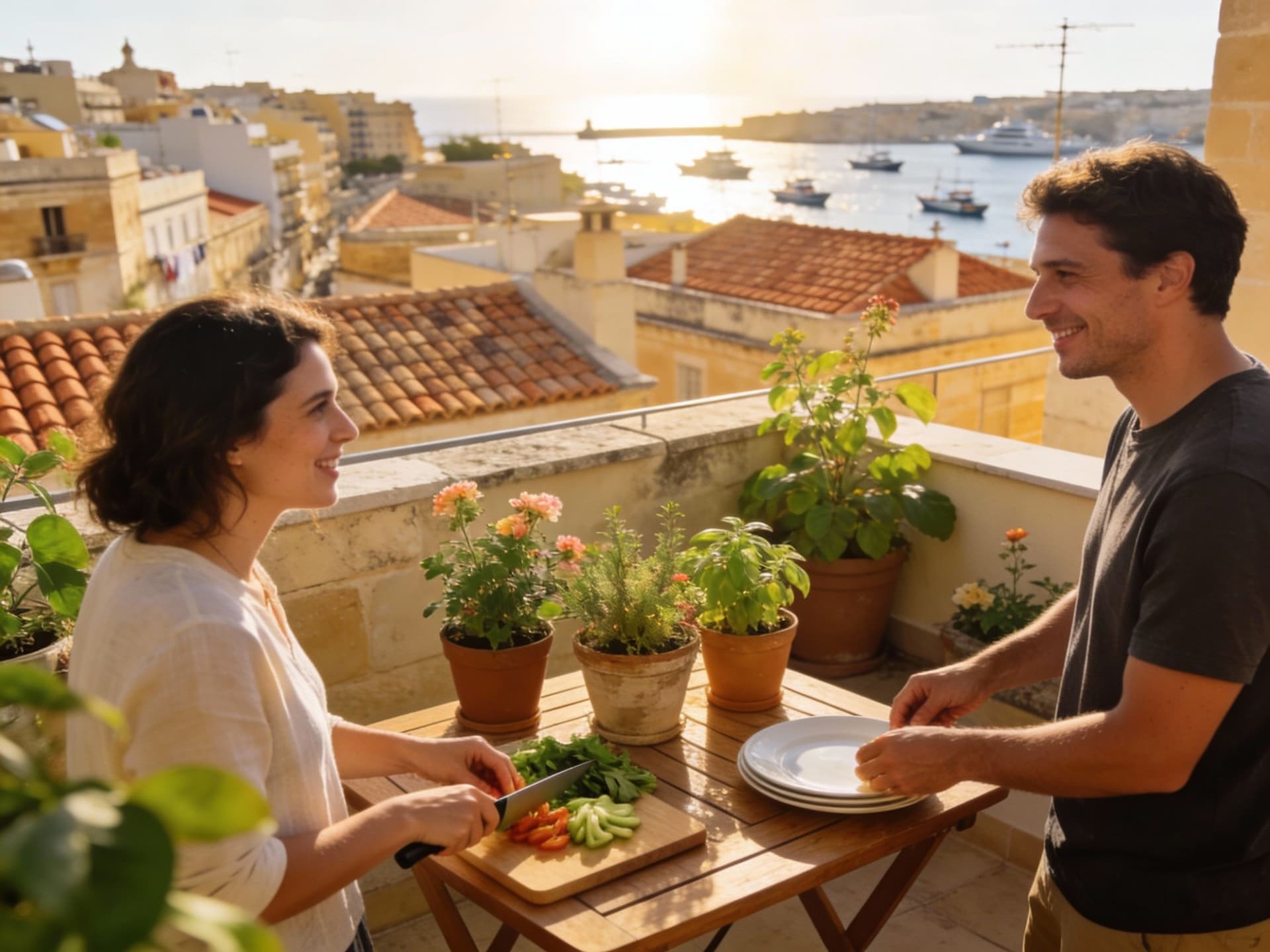
Translating the lifestyle you love into the right property requires local knowledge and timing. On aggregate, Malta’s RPPI showed continued growth through 2024–2025, so negotiating off‑market or with patient timing reduces competition and premium pressure. A local agent who walks the streets, knows family‑run sellers, and understands municipal planning changes (which affect supply and values) is more valuable here than a generic listing portal. Below are the concrete property types and the trade‑offs they bring to daily life.
Property styles: maisonettes, apartments and terraced houses
Maisonettes and apartment blocks are common and often deliver easy lock‑up‑and‑leave living for part‑time residents. Terraced houses and traditional townhouses offer light, private courtyards and more room for family life, but they can require renovation and planning permission for extensions. If you prize outdoor morning life, a small courtyard or rooftop terrace matters more than linear square metres; if you want rental income, proximity to St Julian’s or Sliema remains attractive. Match the property type to how you’ll actually live—weekday routine matters more than weekend showpieces.
Work with agents who trade in local knowledge, not just listings
Agencies that cultivate local networks—lawyers, notaries, long‑standing estate managers—unlock off‑market possibilities and flag planning or community dynamics early. Ask agents for examples of recent off‑market transactions and for introductions to sellers’ neighbours; those conversations reveal whether a property is community‑anchored or primed for short‑term rental churn. Also check an agent’s knowledge of changing residency and citizenship rules: recent EU scrutiny of investment‑for‑citizenship schemes has shifted demand patterns and buyer profiles on the island.
- Step‑by‑step for landing an off‑market gem in Malta
- Register trusted local advisers: lawyer, notary and a neighbourhood agent who speaks Maltese and English
- Spend unhurried time walking target streets on different days to sense turnover, noise and community life
- Target properties one block inland from prime waterfront areas—lower premium, similar access to services
- Negotiate patiently: off‑market sellers often prefer discreet, direct offers over public auctions
Insider knowledge: expat realities and cultural cues
Expats tell a common story: the first year you move, you map cafés, doctors and a favourite fruit stall; the second year you notice municipal licence changes and neighbour turnover that affect rental demand. Malta’s compact market means social relationships matter in ways bigger markets often dilute. The island’s recent long‑term rise in property value is tied to limited land supply and concentrated development—so cultural fluency and local patience are practical assets when buying.
Language, community and daily integration
English is an official language, which flattens many integration hurdles for international buyers, while Maltese remains the social glue in neighbourhood relations. Attend a festa or a local market to meet neighbours; these social rituals often precede property trust and introductions to sellers. Small courtesies—a chat at the bakery, asking about delivery times—open doors in ways legal paperwork cannot.
Long‑term considerations: sustainability of lifestyle and value
Beyond lifestyle, watch structural shifts: changes to citizenship or residency programs, planning policy and tourism flows can alter demand quickly. The recent EU rulings on citizenship‑by‑investment programmes have already changed buyer profiles and may reduce speculative inflows over time, which could temper the premium on trophy harbourfront properties. Buying in quieter streets lets you focus on sustainable daily life while remaining flexible to market shifts.
- Red flags to watch for on any Maltese street
- Unclear title history or multiple successive short‑term lets without proper licences
- Proposed planning applications nearby that could change light or views
- Disproportionate premium for 'harbour view' when similar inland properties offer equal rental demand
Conclusion paragraph with key takeaways and next steps: Walk the streets, value daily rituals, and prioritise off‑market channels if you want value that supports a true Maltese life. Use NSO RPPI trends to understand macro momentum, but make decisions on micro‑location, community, and genuine lifestyle fit. If you’d like, a local agent who specialises in off‑market listings can introduce you to discreet opportunities that match the life you imagine—quiet lanes, corner cafés, and a rooftop terrace where your mornings begin.
Dutch investment strategist with a Portugal-Spain portfolio. Expert in cross-border financing, rights, and streamlined due diligence for international buyers.