Athens Over Islands — A Contrarian Take on Greek Property
A contrarian look at Greece: why Athens and year‑round towns often offer more lifestyle value and steadier price dynamics than headline islands.
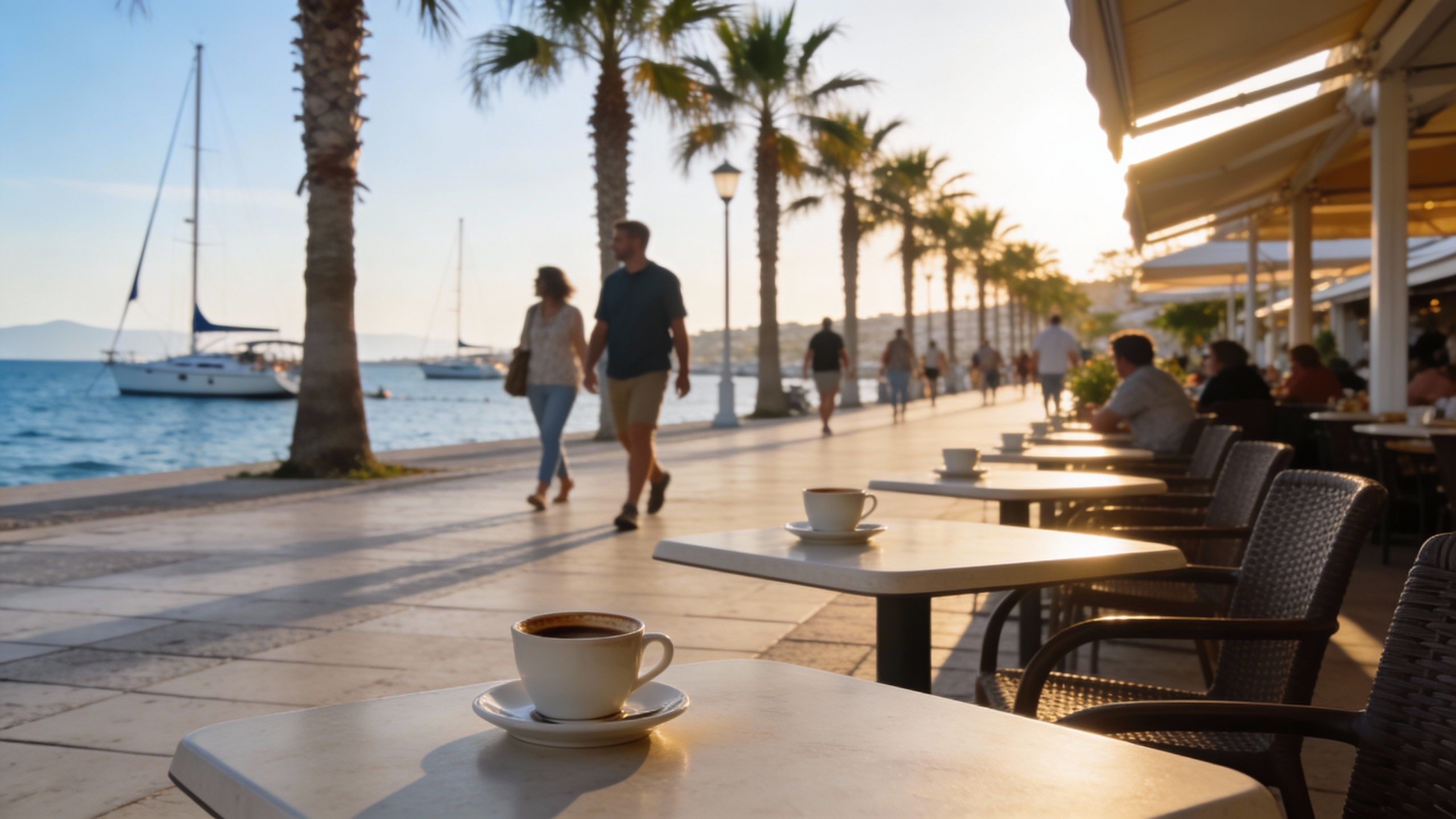
Imagine waking up to the smell of strong espresso, stepping out onto a small balcony that looks over a plane‑tree lined street, then driving 20 minutes to a windswept beach where locals fish at dusk. That daily rhythm — city mornings, island afternoons, community dinners — is the real Greece, not the postcard. For many international buyers, the surprise is how much lifestyle variety fits inside one country: classical Athens neighbourhoods, sailor‑town marinas and quiet mainland villages are all within reach. This piece pairs that lived‑in picture with up‑to‑date market signals so you can love the place and buy with confidence.
Living the Greece life — a city, an island and everything between
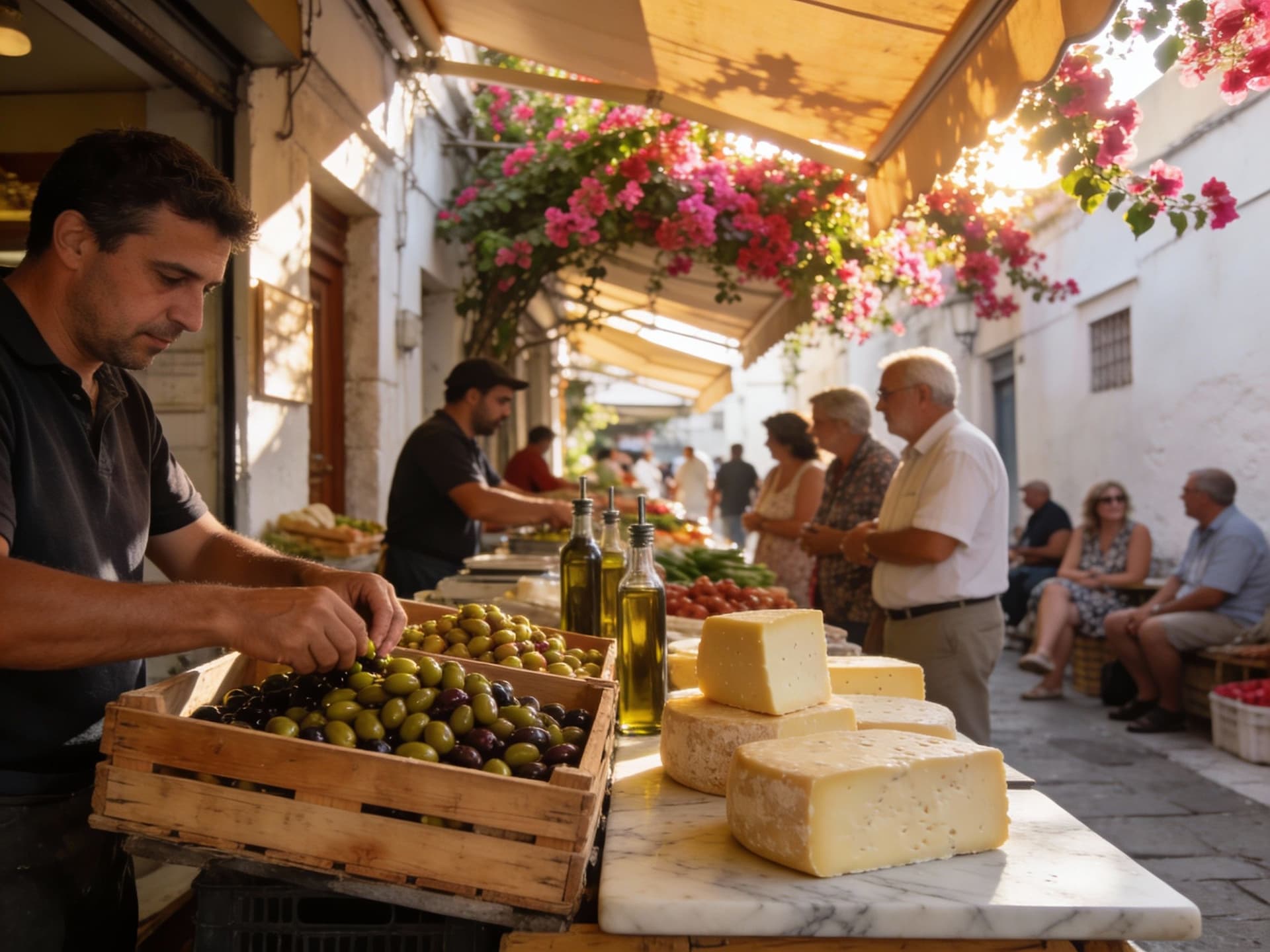
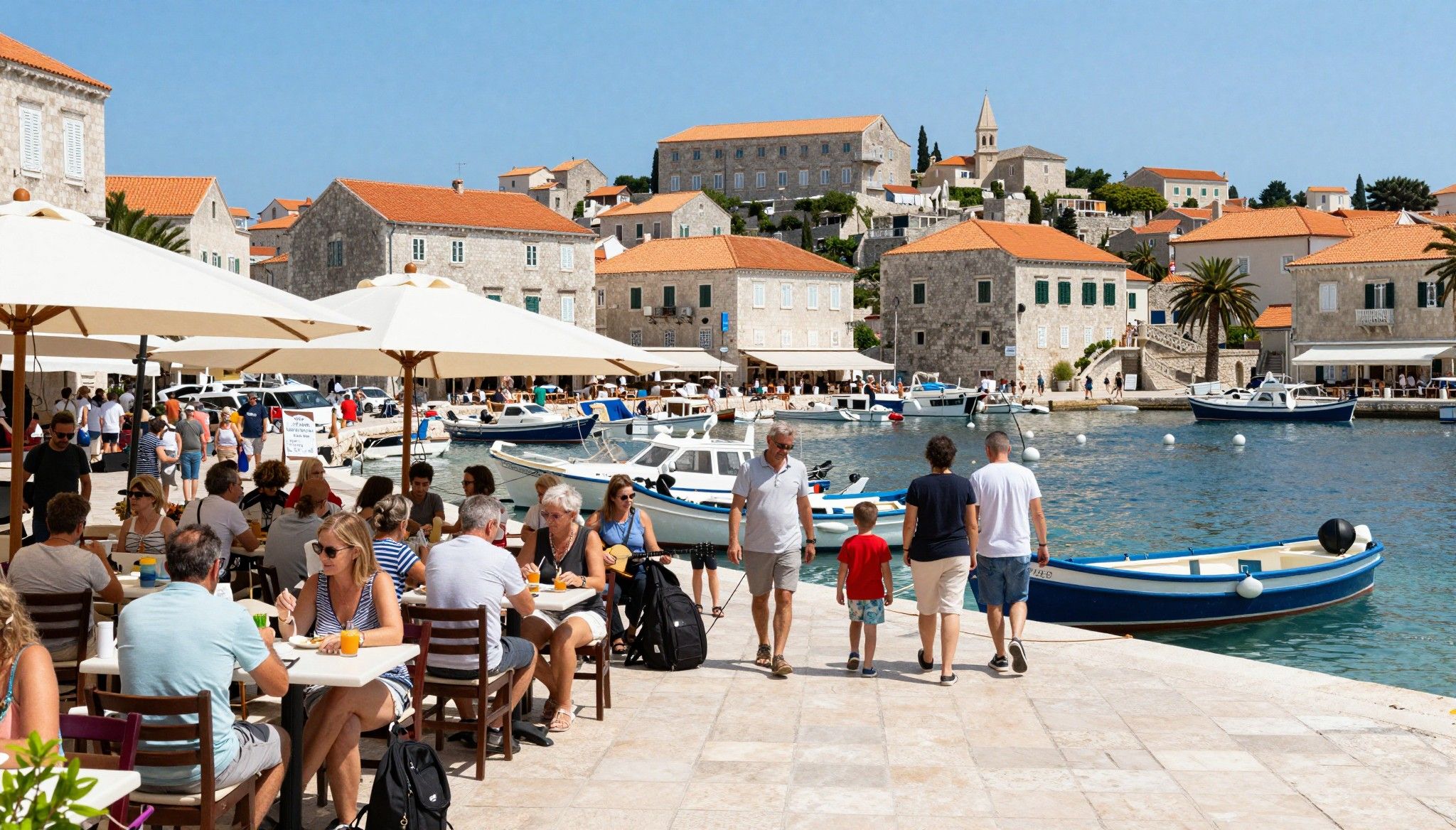
Start in Athens and picture Koukaki making coffee crowds under bougainvillea, Plaka’s narrow lanes full of painters, and Glyfada’s low‑rise seafront promenades where families cycle after work. Move an hour out and you’ll find the Peloponnese towns with stone tavernas, or head to Chania in Crete for daily fish markets and Venetian harbour evenings. Each place has distinct acoustics — church bells in the morning in a mountain village, a faint DJ beat in the Marina at midnight — and those sounds map directly to what you’ll want from a property: proximity to nightlife, schools, or the sea.
Athens: neighbourhoods that feel like small European towns
Koukaki, Pangrati and Kifisia each offer a different Athens tempo: Koukaki is intimate and walkable, Pangrati hums with cafés and parks, and Kifisia feels leafy and suburban with boutique shopping. Choosing an Athens street means choosing a daily scene — local bakeries for breakfast or waterfront dinners in Glyfada — and that decision will shape what property type makes sense: compact renovated flats near the action, or 3‑bed apartments with parking in quieter suburbs. For buyers who crave both city life and quick sea access, Glyfada or Voula marry Athenian convenience with coastal living.
Islands and smaller towns: lifestyle comes with trade‑offs
Mykonos and Santorini carry international cachet and correspondingly high prices and seasonal peaks in activity; contrast that with Naxos or Paros where community life stays year‑round and prices are more moderate. Islands deliver a slower calendar: markets open late, services concentrate in summer, and deliveries or renovations can take longer. That rhythm is part of the appeal — long beach afternoons, tavernas where owners remember your order — but it also changes what to expect from property management and rental opportunities.
- Lifestyle highlights to try before you buy
- Stroll the Sunday market on Athinas Street, Athens, and taste the cheese stalls; sip late afternoon frappe at Café Avissinia near Monastiraki.
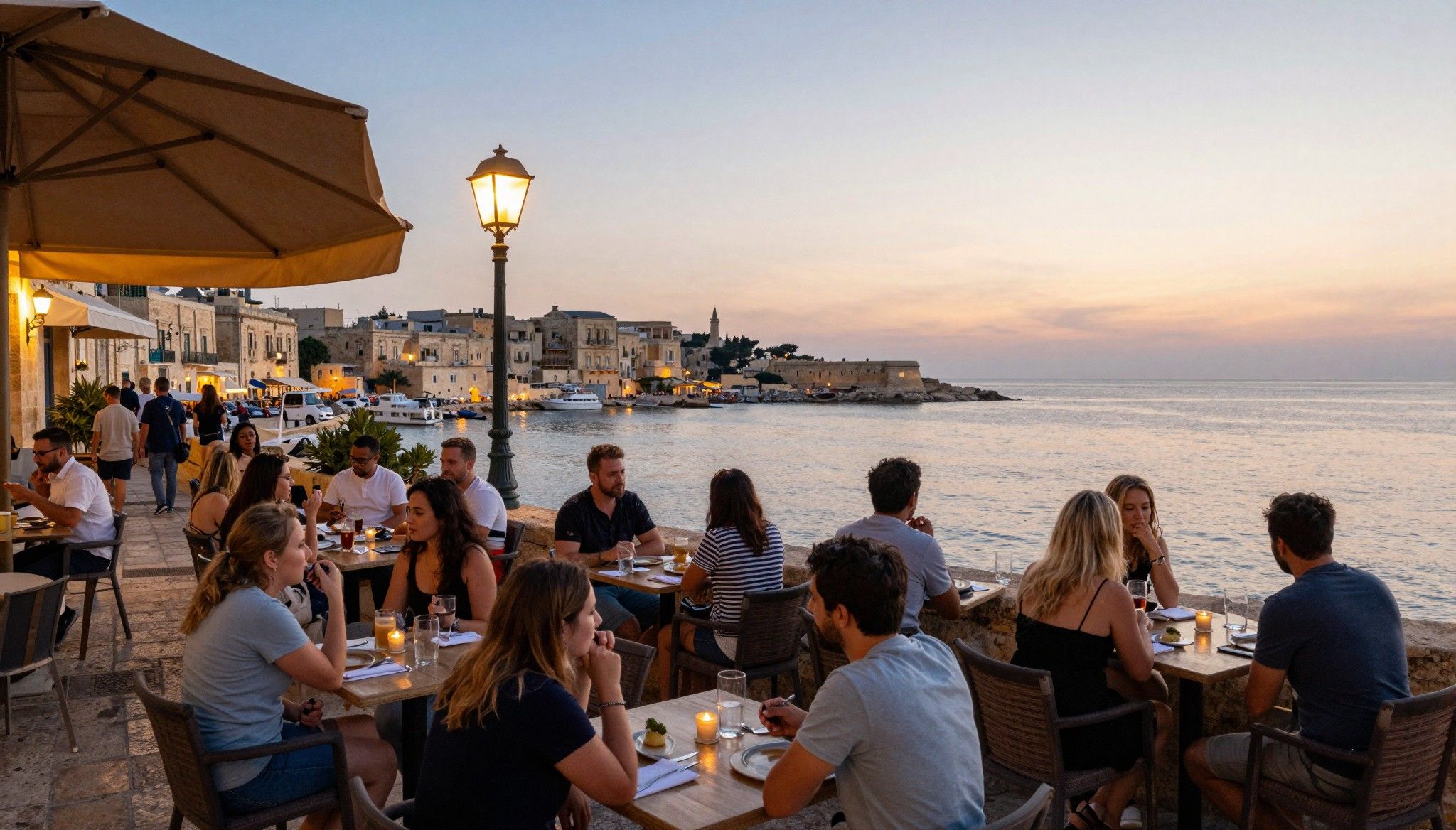
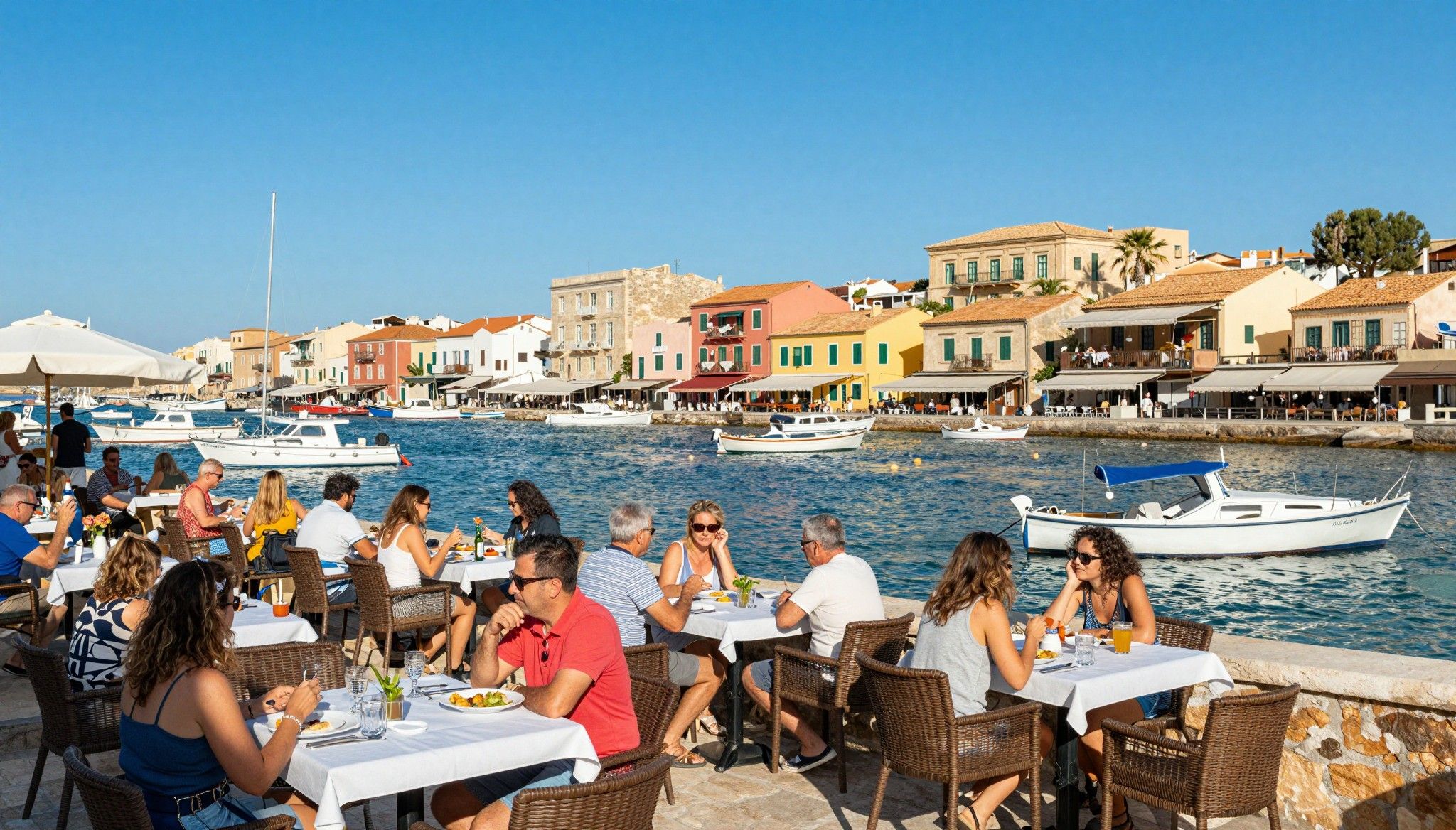
- Catch the sunset from Chania’s harbour and then walk to Tamam for Cretan‑style mezze.
- Take the 30‑minute ferry from Paros to Antiparos for a quieter beach day and notice how island life slows schedules.
- Spend an evening in Glyfada along Poseidonos Avenue, watching families and late diners stroll the seafront.
Making the move: practical considerations that preserve the lifestyle
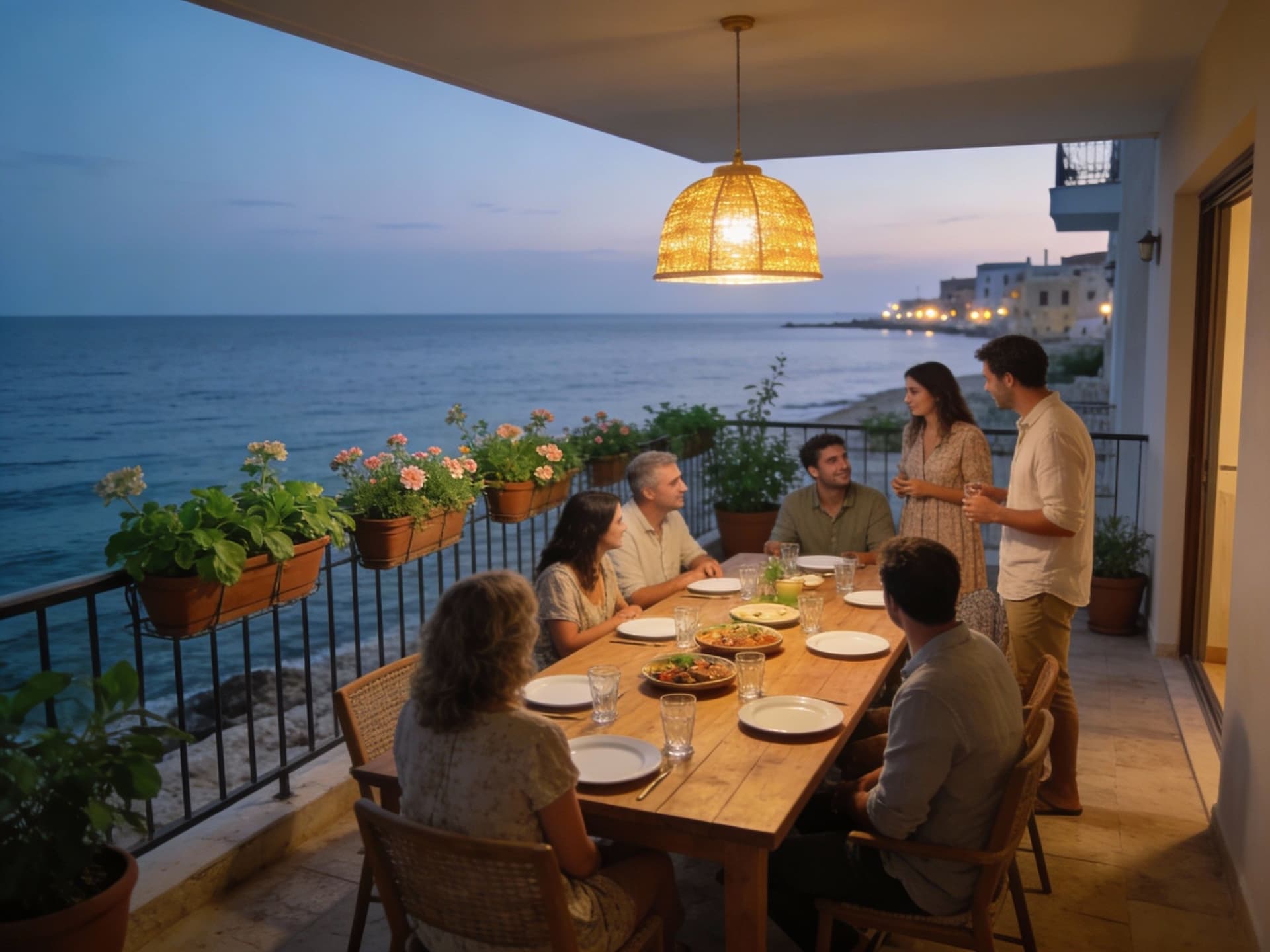
Love of place must meet market reality. Nationwide price growth cooled through 2024 but remains positive; buyers should plan timing and budget around regional dynamics rather than a single national headline. In practice that means translating lifestyle priorities — proximity to a beach, a good market, or nightlife — into realistic per‑square‑metre budgets and contingency for local costs like renovation timelines and seasonal maintenance.
Property styles — match form to daily life
A restored neoclassical apartment in Plaka gives you terraces and history but typically requires ongoing upkeep, while a modern apartment in Athens’ suburbs brings insulation, parking and easier year‑round services. On islands, look for properties with independent water and reliable access roads; mainland properties often offer larger plots for gardens and vegetable beds. Decide whether you want a home to host year‑round life or a seasonal bolthole — that choice should shape whether you prioritise new‑build efficiency or heritage charm.
Working with local experts who know both life and law
A local agent does more than list properties: they read neighbourhood rhythms, advise on timing (for example, how quickly a renovation can be permitted on an island) and spot cultural red flags in local contracts. Expect good agents to bring a notary, an English‑speaking lawyer and a civil engineer when needed, plus contacts for trusted local property managers. Discuss how short‑term rental regulation or incentives might affect rental yields and community relations — these rules can change fast and vary by municipality.
- Steps to align lifestyle with purchase (practical + lived reality)
- Spend at least three separate visits across seasons to test daily life, services and noise levels.
- Ask for a local running‑costs sheet (utilities, communal fees, seasonal heating/cooling) before making an offer.
- Have a bilingual lawyer review contracts and verify land/building permits; on islands confirm access and water rights.
- Factor in 10–15% of purchase price for medium‑term renovations and 3–5% annual running costs if renting out seasonally.
Insider knowledge — the unspoken rules and expat realities
Expats often assume islands are always the smartest investment; the insider counter is that mainland towns and Athens suburbs combine steady demand with faster access to services and lower seasonal volatility. Recent indices show price growth moderating nationally but remain positive — the right neighbourhood can still outpace the headline. Understanding local community calendars — when markets shut for Orthodox Easter or August holidays — will shape everything from rental calendars to renovation timetables.
Cultural cues that change where you buy
Greek social life is local: tavernas, kafeneia (old‑style cafés) and neighbourhood associations are where reputations are made. Sellers often understate recurring communal charges or the pace of municipal permit approvals; asking a neighbour three doors down about water pressure or bin collection will teach you more than a glossy brochure. Learn a few phrases in Greek; agents and craftsmen appreciate the effort and it speeds problem solving.
Long‑term lifestyle view — where life improves with time
Over five years, buyers frequently tell us their priorities shift: what they wanted initially (a tourist‑busy seafront) gives way to a quieter street with year‑round neighbours and better services. Look for signs of gradual improvement — refurbished sidewalks, new café openings, or municipal investment — which indicate sustainable community growth. If you plan to live permanently, weigh schools, healthcare and connectivity over short‑term rental potential; those are the anchors of daily life.
- Red flags locals mention (and how to test them)
- Repeated contractor cancellations — ask for project references and visit a completed job.
- Unclear ownership chains — request a full title search and prior sale documents from a notary.
- Properties listed for short‑term rental but with no year‑round services — check water, waste collection and health centre distances.
Conclusion: Greece gives you a palette of lives — choose the stroke that becomes your daily routine. Fall in love with the cafe, the market, the harbour, but let local data guide the purchase. Talk to an agent who lives the neighbourhood, bring a bilingual lawyer, test the place across seasons and budget for the small, inevitable frictions of moving abroad. When lifestyle and due diligence align, Greece stops being an escape and starts being home.
Danish relocation specialist who has lived in Barcelona since 2016. Helps families move abroad with onboarding, schooling, and local services.