Greece: Lifestyle First, Market Sense Second
Greece’s lifestyle pull remains strong, but 2024–25 policy and price shifts mean smart buyers pair sensory neighbourhood scouting with neighbourhood-level legal and market checks.
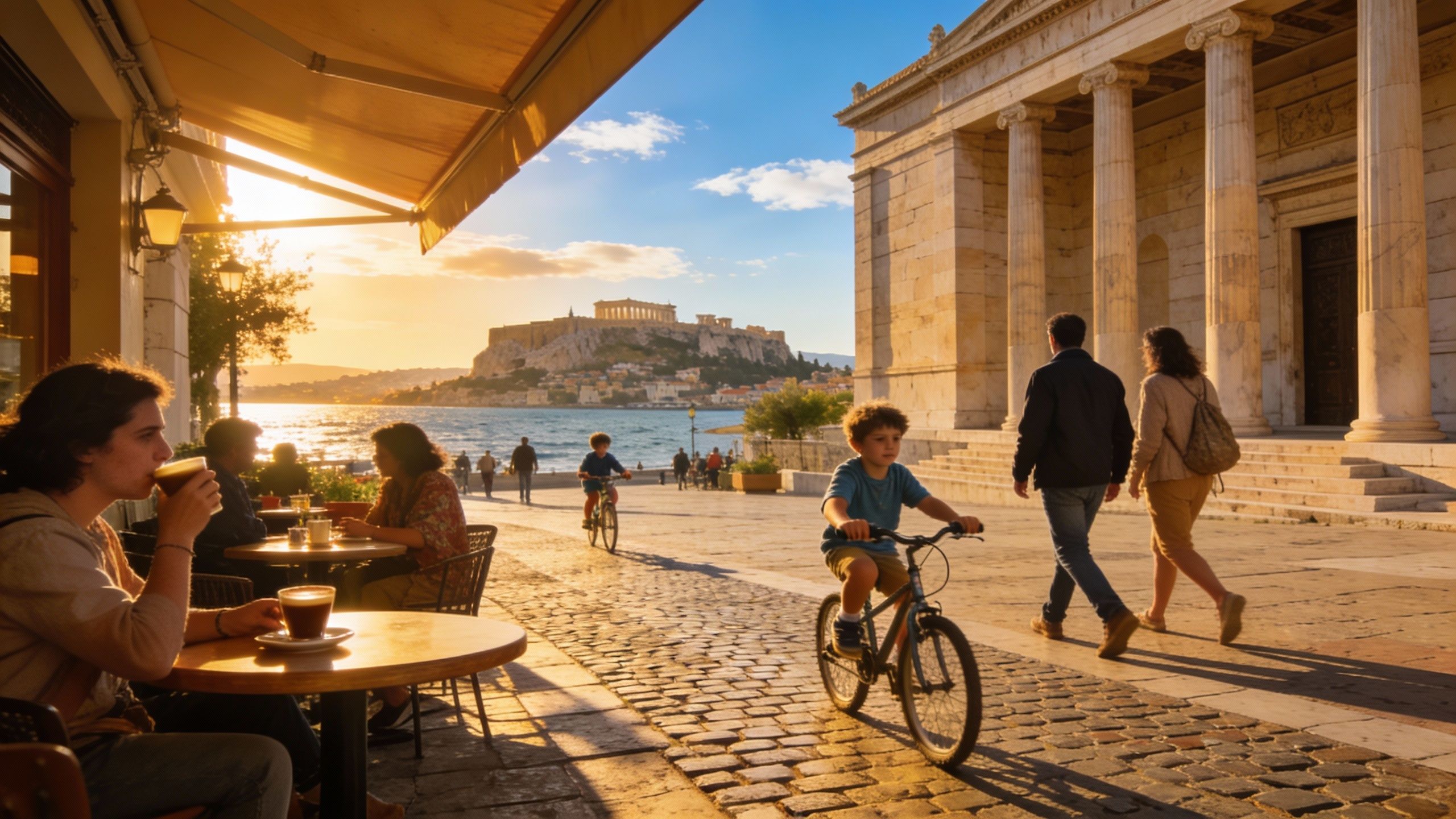
Imagine waking to the click of espresso cups on a sunlit table in Koukaki, walking past a fishmonger in Piraeus, and spending afternoons on a pebble beach in Agios Nikolaos. Greece moves at a generous pace — bright mornings, slow lunches, neon-lit tavernas after midnight — and that rhythm shapes what buyers want from a home here.
Living the Greece lifestyle
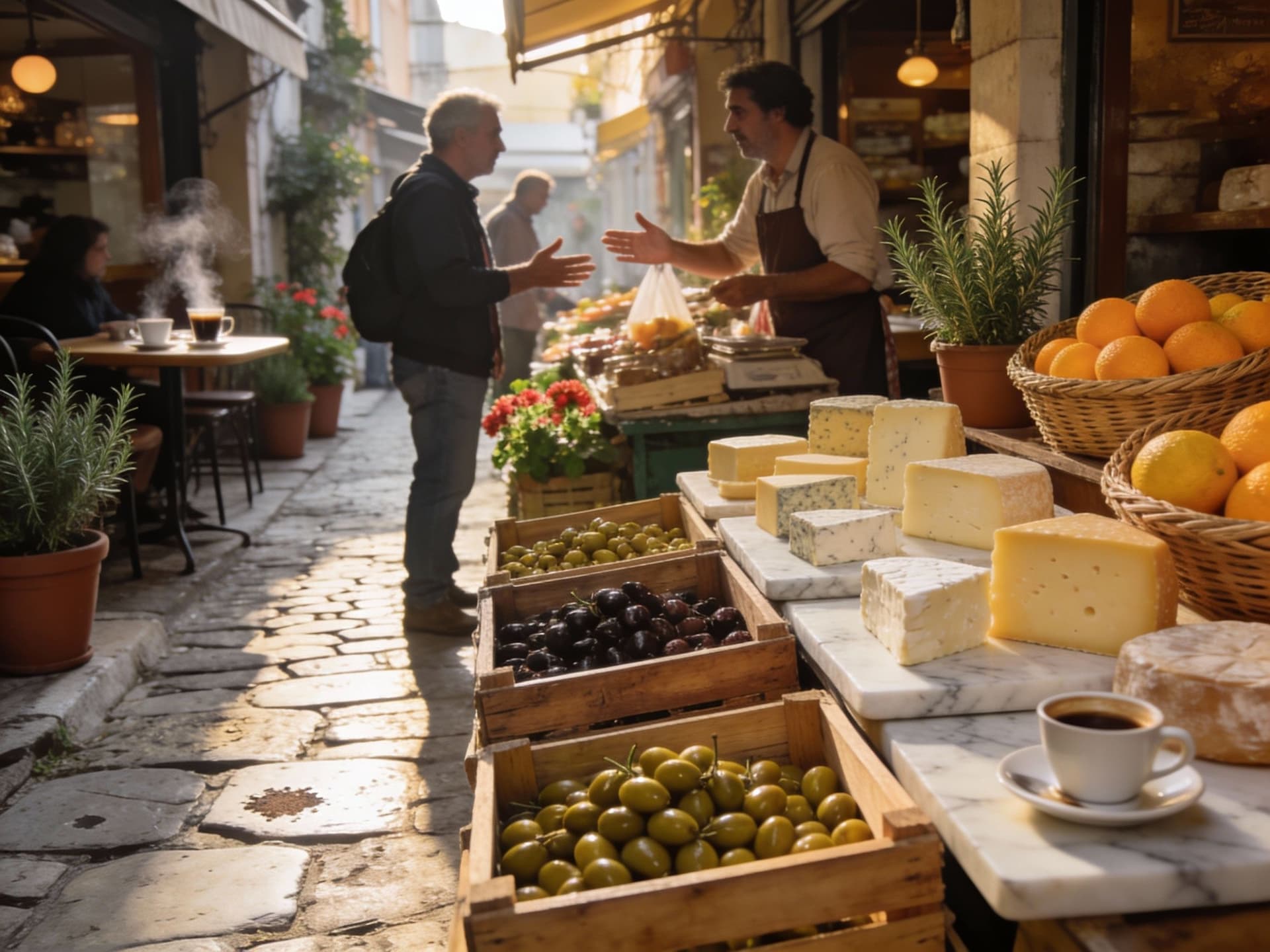
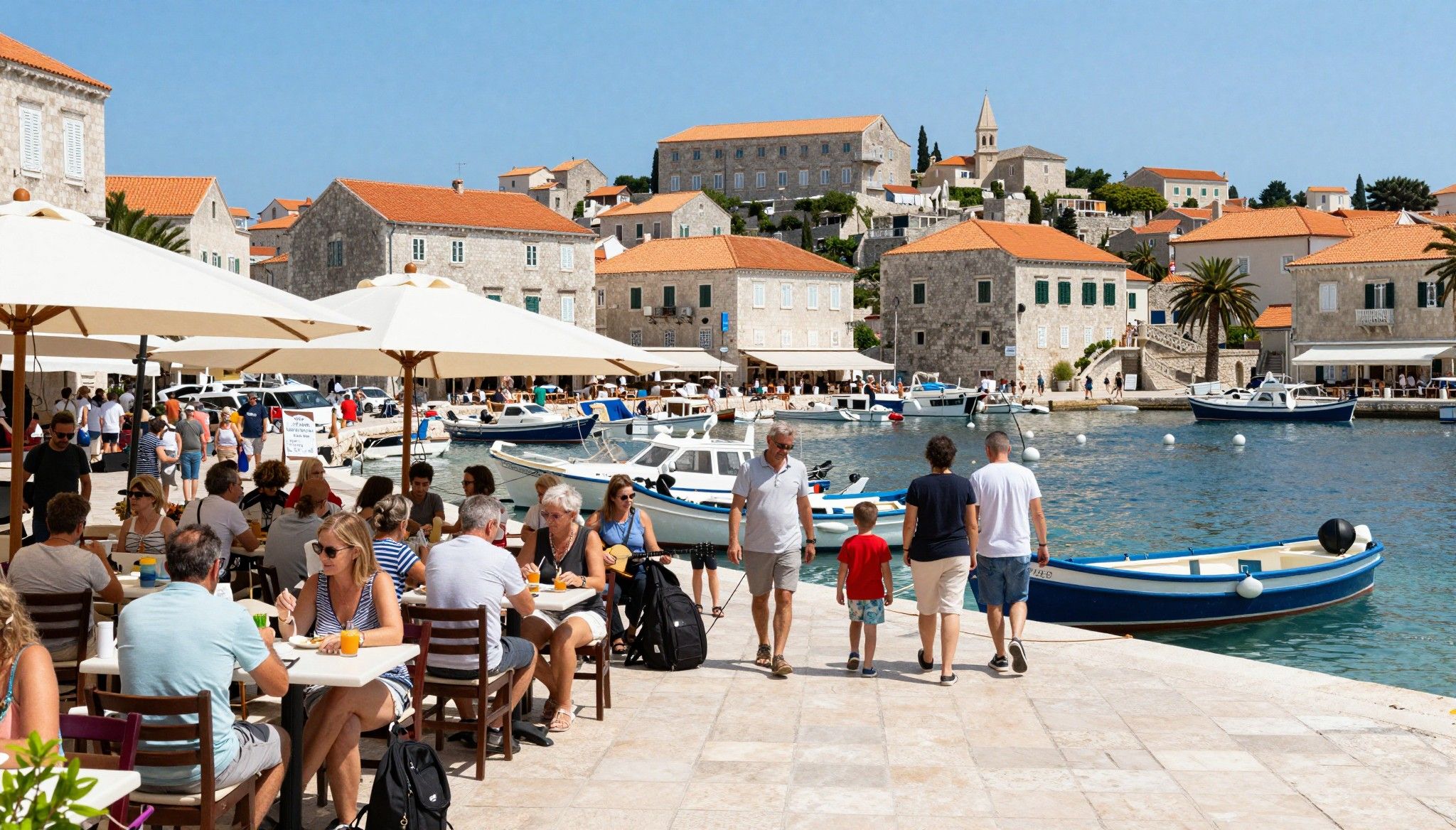
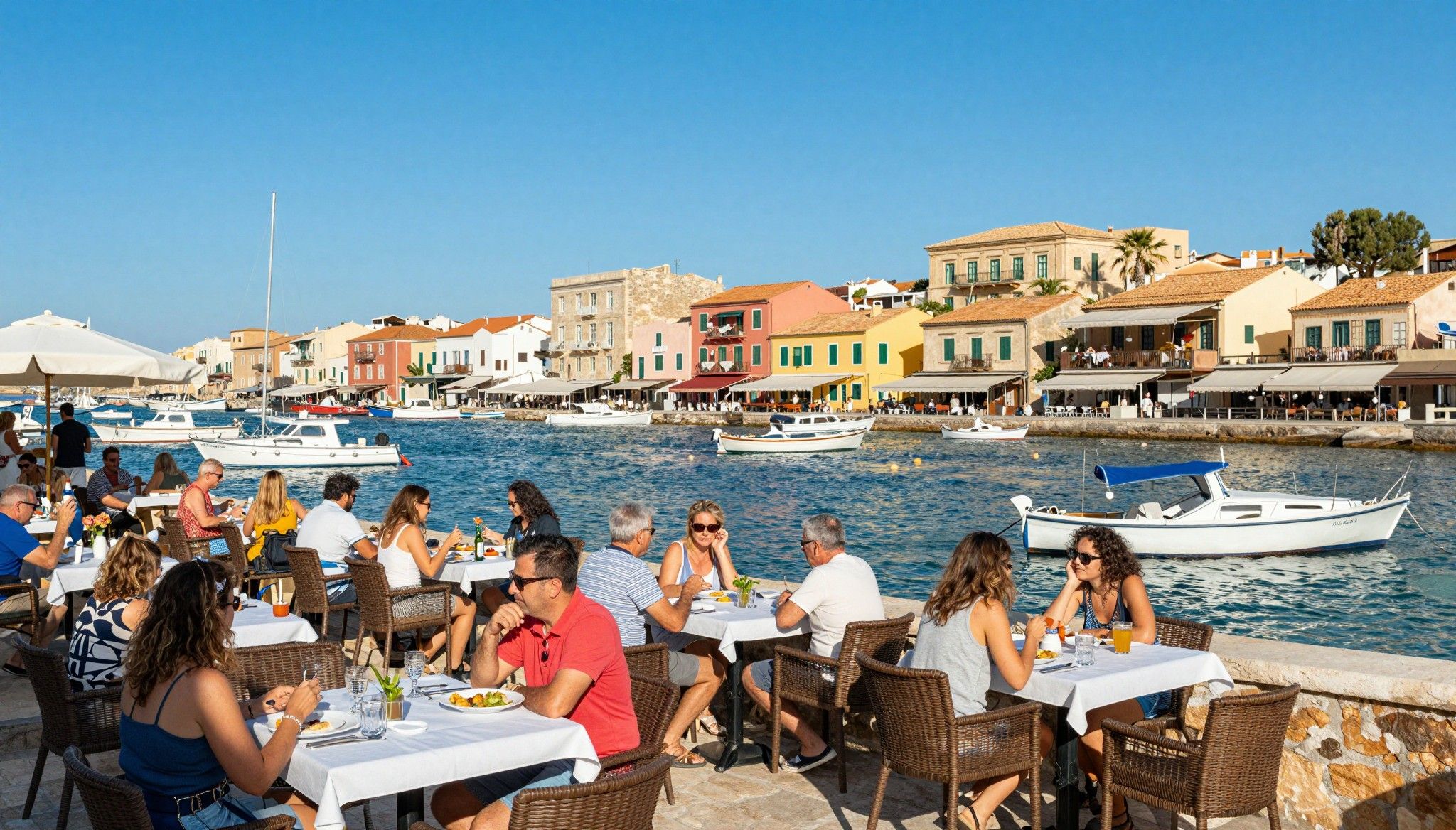
Daily life in Greece is textured: narrow lanes open into sun-warmed squares, neighbourhood kafeneia fill with older locals playing backgammon, and coastal promenades host families and runners at dusk. In Athens you’ll hear scooters weave through Plaka laneways; on the islands, mornings begin with fishermen unloading the catch. Those rhythms tell you where to buy — a restful courtyard flat suits the island summers, while a compact apartment near metro lines suits year-round urban life.
Athens neighbourhoods: city layers that feel like towns
Kolonaki offers an elegant, walkable life of galleries and cafés; Koukaki trades tourist footfall for local markets and a genuine evening scene; Piraeus and Neo Faliro feel maritime — mornings smell of salt and diesel, evenings of grilled octopus. If you want late-night buzz and instant services, central Athens edges ahead. If you want community and slower afternoons, Koukaki or Pangrati give you block-level familiarity.
Islands and coastal towns: seasonal pulse and surprises
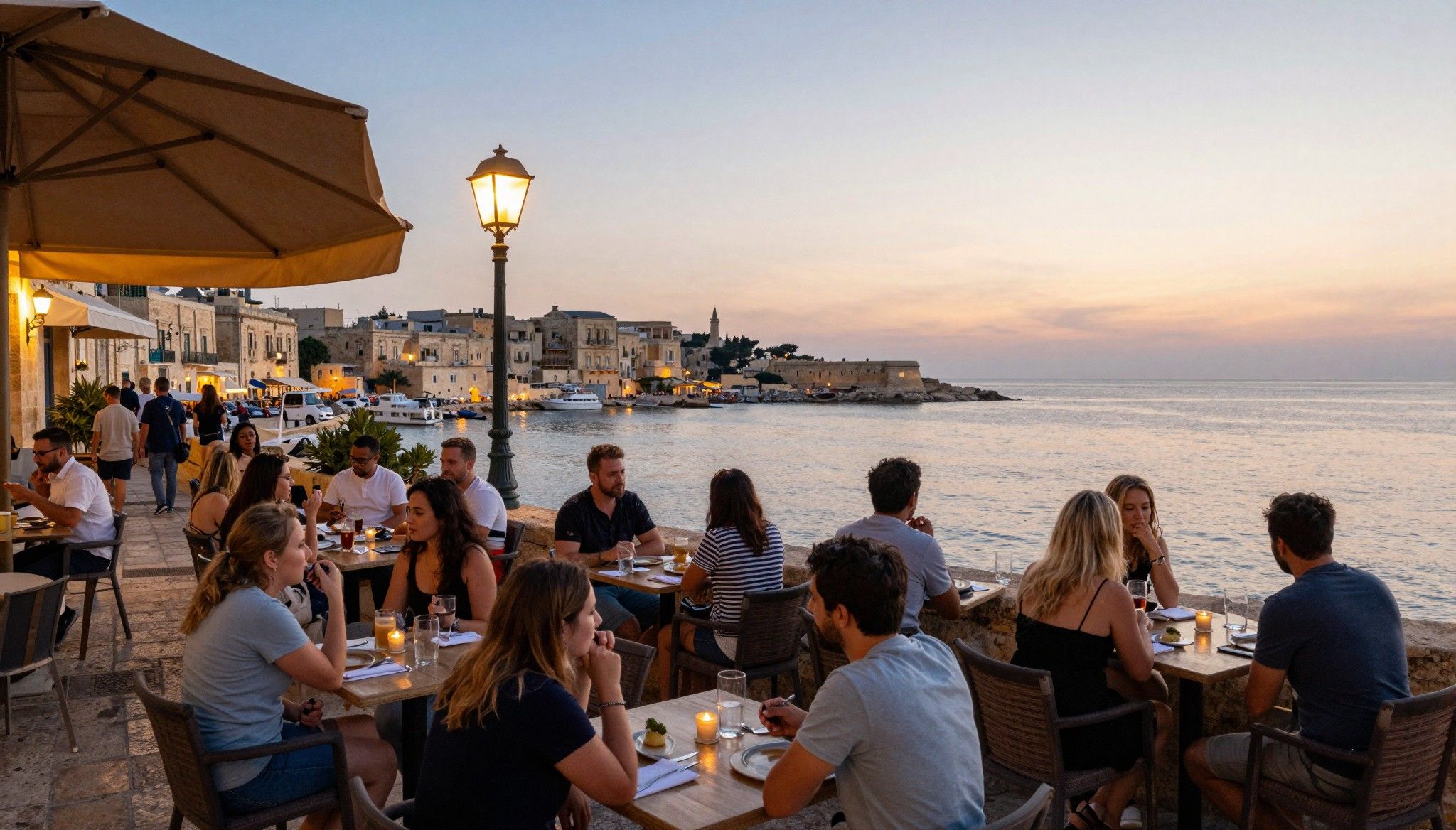
Island life is theatrical: Santorini’s caldera crowds, Mykonos’s nightlife, and smaller islands’ slow-return rhythm. But beware the summer illusion — some places feel empty out of season. New short-term rental regulations and moratoria in parts of Athens and popular islands are changing availability and neighbourhood character, so lifestyle now links tightly to local policy.
- Lifestyle highlights to sample before you buy: morning espresso at Kafeneio Tzitzikas in Plaka; Sunday market at Varvakios Agora; evening meze on the Kalamaki promenade in Chania; a sunset walk on Lycabettus Hill; a day trip to the peninsula beach of Vouliagmeni.
Making the move: practical considerations that protect the life you want

Prices rose across Greece through 2024–2025, led by Athens and Thessaloniki, driven by demand and constrained supply. That means thoughtful timing and neighbourhood choice matter more than headline averages: a sea-view on a tiny island commands a premium, but community access and services determine long-term satisfaction and rental potential.
Property styles and how they shape daily life
Stone village houses give you courtyards and thick walls that stay cool in summer; modern Athenean flats prioritise outdoor terraces and insulation for winter heating; renovated neoclassical apartments deliver high ceilings and proximity to cultural life but may have higher maintenance needs. Match the property’s daily rhythm (quiet mornings, active nights, year-round occupancy) to how you imagine living here.
Working with local experts who know the lifestyle
- 1. Choose an agency with in-market experience — ask for neighbourhood case studies and recent transaction records. 2. Insist on a local lawyer who will check titles, building permits and any short-term rental restrictions. 3. Commission an energy and structural inspection to gauge renovation costs and season suitability. 4. Ask your agent for comparable neighbourhood rents and seasonal occupancy if you plan to rent. 5. Confirm municipal services (waste collection, water, internet) — these vary widely outside major cities.
Insider knowledge: expat truths and the small prints that change everything
Expats often arrive charmed and leave puzzled by municipal bureaucracy, seasonal isolation on small islands, or the gap between advertised and usable terraces. Policy shifts — for example the 2024–2025 changes to Greece’s Golden Visa thresholds and stricter short-term rental rules — have re-priced parts of the market and affected which neighbourhoods remain viable investments.
Cultural integration: small rituals that matter
Learn a few phrases, attend the neighbourhood panigyri (local festival), and try the morning kafeneio routine. Greeks value trust and directness; relationships with neighbours, owners’ associations and the local notaio (notary) ease many transactions. That social capital often outperforms slick paperwork when renovating or resolving disputes.
Long-term lifestyle and market sustainability
Construction volumes have lagged demand in recent years, and planning/regulatory headwinds mean supply may remain tight. For buyers this suggests two strategies: buy where lifestyle matches your timeline (live-first, rent-later) or target undervalued inland and secondary-island pockets where community services are improving and purchase prices remain moderate.
- Red flags to watch for before you commit: unresolved title issues or missing permits; properties marketed as holiday-only that face new STR restrictions; water or waste-service limits on remote islands; unusually low prices without recent inspection reports; and lack of comparable sales in the micro-neighbourhood.
If you’re dreaming of a Greek life, picture this: morning markets, long lunches under bougainvillea, and an evening walk on a moonlit quay. To make that real, marry the lifestyle you crave with neighbourhood-level research, local legal counsel, and an agent who can show you how the small details — water pressure, building permits, transport links — shape daily life. Start with two visits in different seasons, ask for firm comparables, and request written evidence of municipal permissions before you sign.
Norwegian market analyst who relocated to Mallorca in 2020. Focuses on data-driven market insights and smooth relocation for international buyers.