Why Buying in Malta's Peak Season Costs You More
Why visiting Malta in summer can mislead buyers: seasonality inflates asking prices—inspect off‑season, use deed‑level comps, and prioritise year‑round neighbourhoods for lasting value.
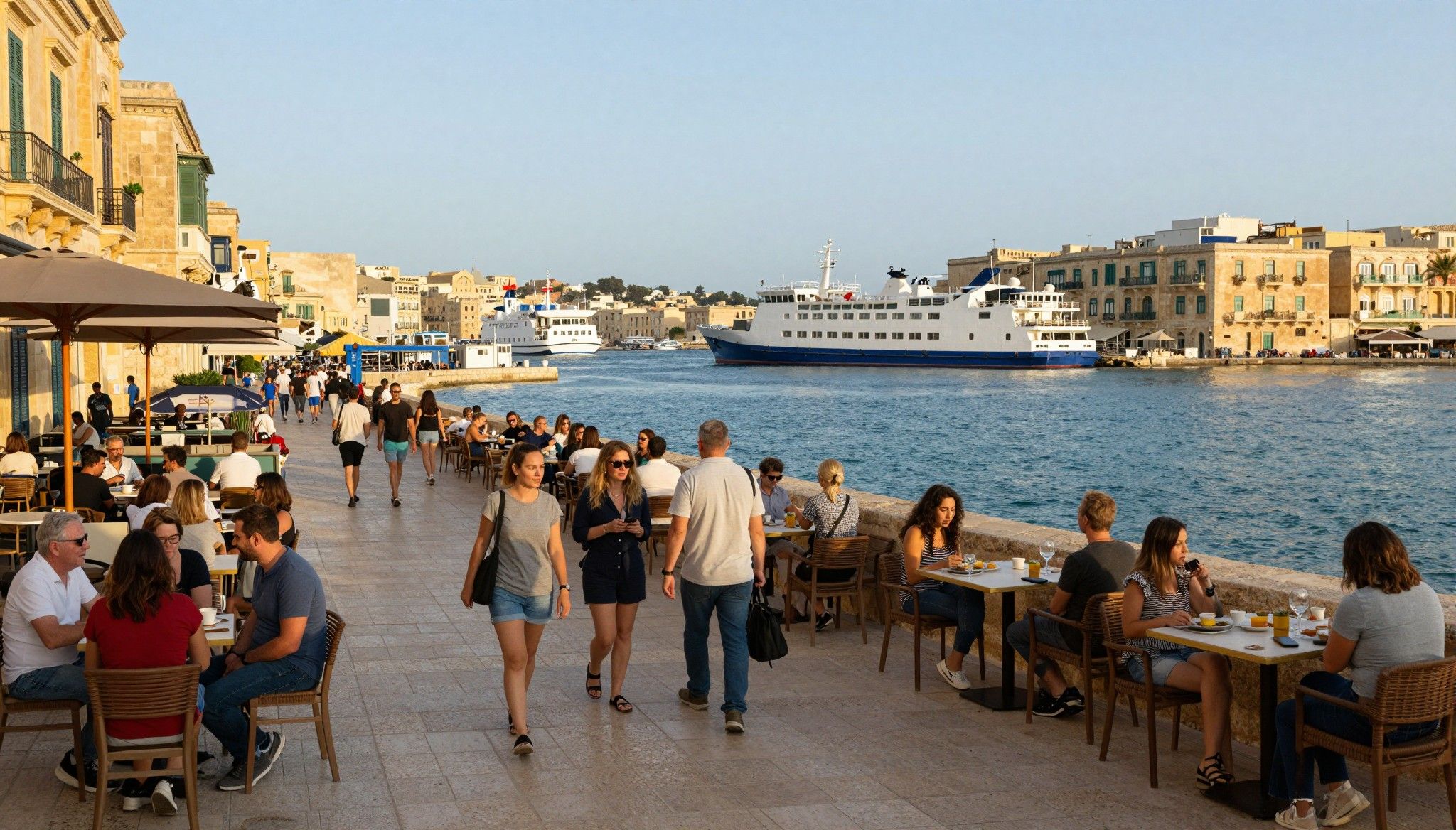
Imagine waking up to narrow limestone alleys that lead to a breakfast café spilling espresso onto warm cobbles, then crossing to a wind-swept coastal promenade for an afternoon swim. Malta feels intimate: compact towns, layered history, and an easy English-language rhythm that smooths daily life for internationals. But the island’s market is small, fast-moving and seasonal — and that rhythm changes prices more dramatically than buyers expect. This article argues a contrarian point: searching in Malta’s tourist peak will often cost you — and we’ll show where the value really is.
Living the Malta life: compact, Mediterranean, lived-in
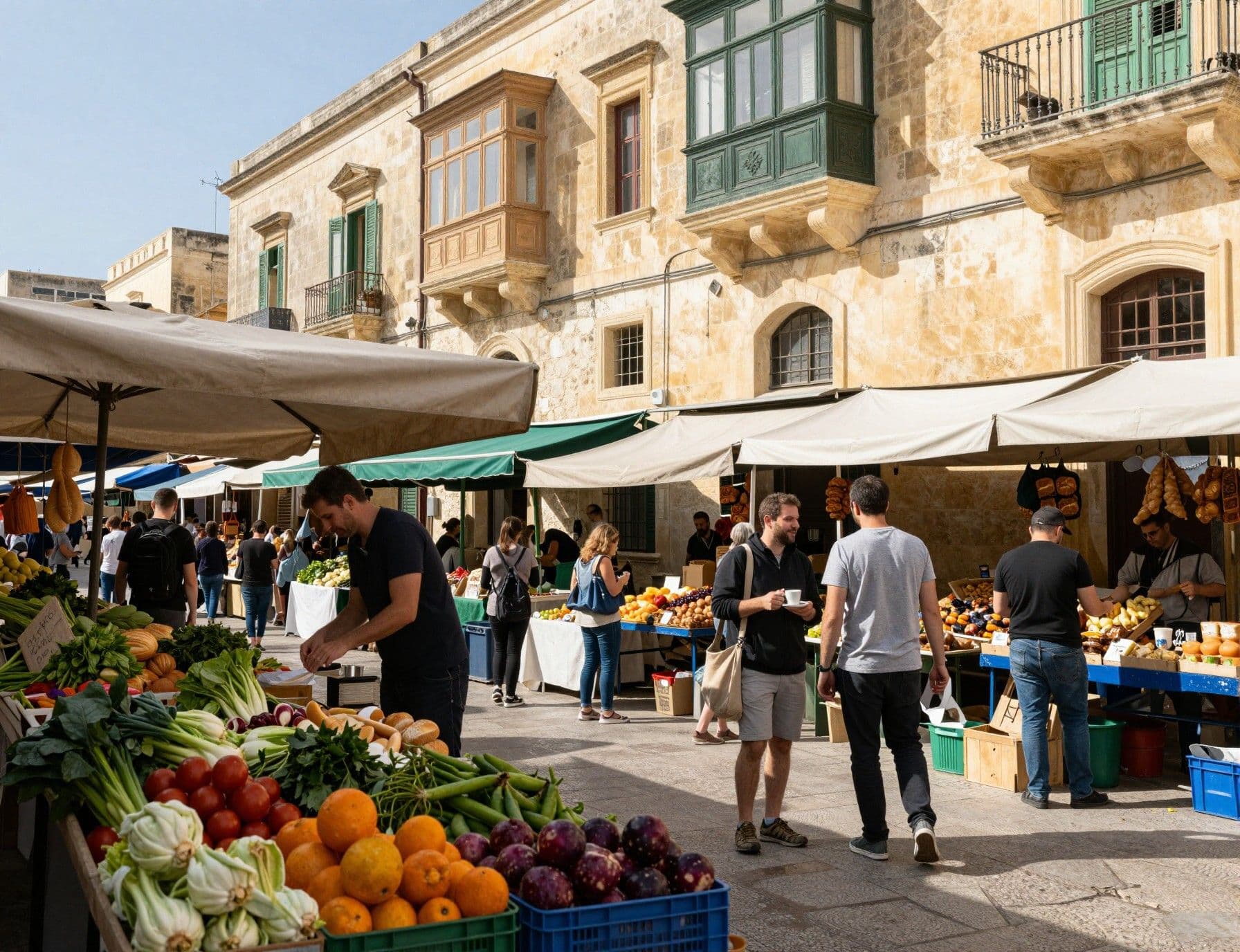
Malta’s daily life blends city and shore. In Valletta you’ll weave between 16th‑century squares and modern bars; in Sliema and St Julian’s the seafront cafés and ferry crossings set a brisk social tempo; Gozo trades busy months for a slower island cadence. The compact geography means errands, friends and leisure are often a short walk away — a major quality-of-life draw for buyers tired of car-dependent living. For property searchers, that density also concentrates demand into a few neighbourhoods, amplifying seasonal price swings.
Valletta & Marsamxett: history with café life
Picture morning markets on Merchants Street, enclosed wooden balconies, and evening passeggiata along Fort St. Elmo. Valletta’s apartments are compact, high-ceilinged and rich with period detail — fantastic for lifestyle but often expensive per square metre because supply is finite. Buyers who prize culture and walkability pay a premium; the trick is to look just off the postcard streets where value and lifestyle align. Recent official indices show steady price growth, especially for apartments in central districts, reinforcing the premium attached to heritage areas.
Sliema, St Julian’s & the promenade life
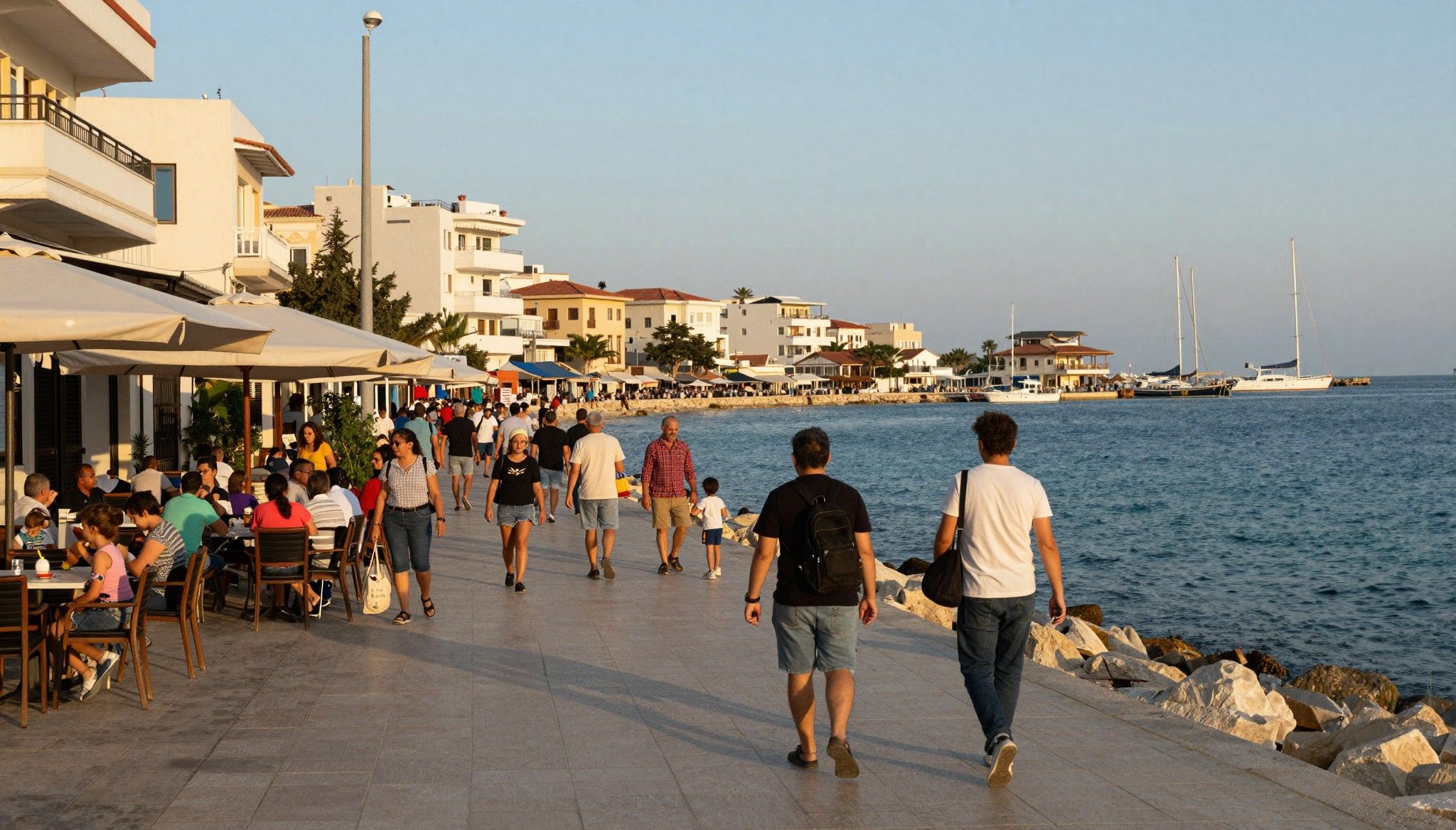
Sliema and St Julian’s feel like Malta’s contemporary living rooms — waterfront promenades, rooftop bars and international restaurants. These zones attract short‑let demand and expatriate renters, which lifts advertised rents and advertised prices in summer. If you want a lively social calendar and easy access to amenities, these are the places to prioritise — but expect seasonal competition and higher asking prices. PwC and local market surveys underline how transacted volumes and advertised prices spike with tourist flows and corporate relocations.
- Lifestyle highlights: neighbourhoods, food and hidden gems
- Valletta: cafés on Merchants Street, the Upper Barrakka Gardens view, small restored townhouses
- Sliema promenade: morning swims, ferry to Valletta, terraces with sea views
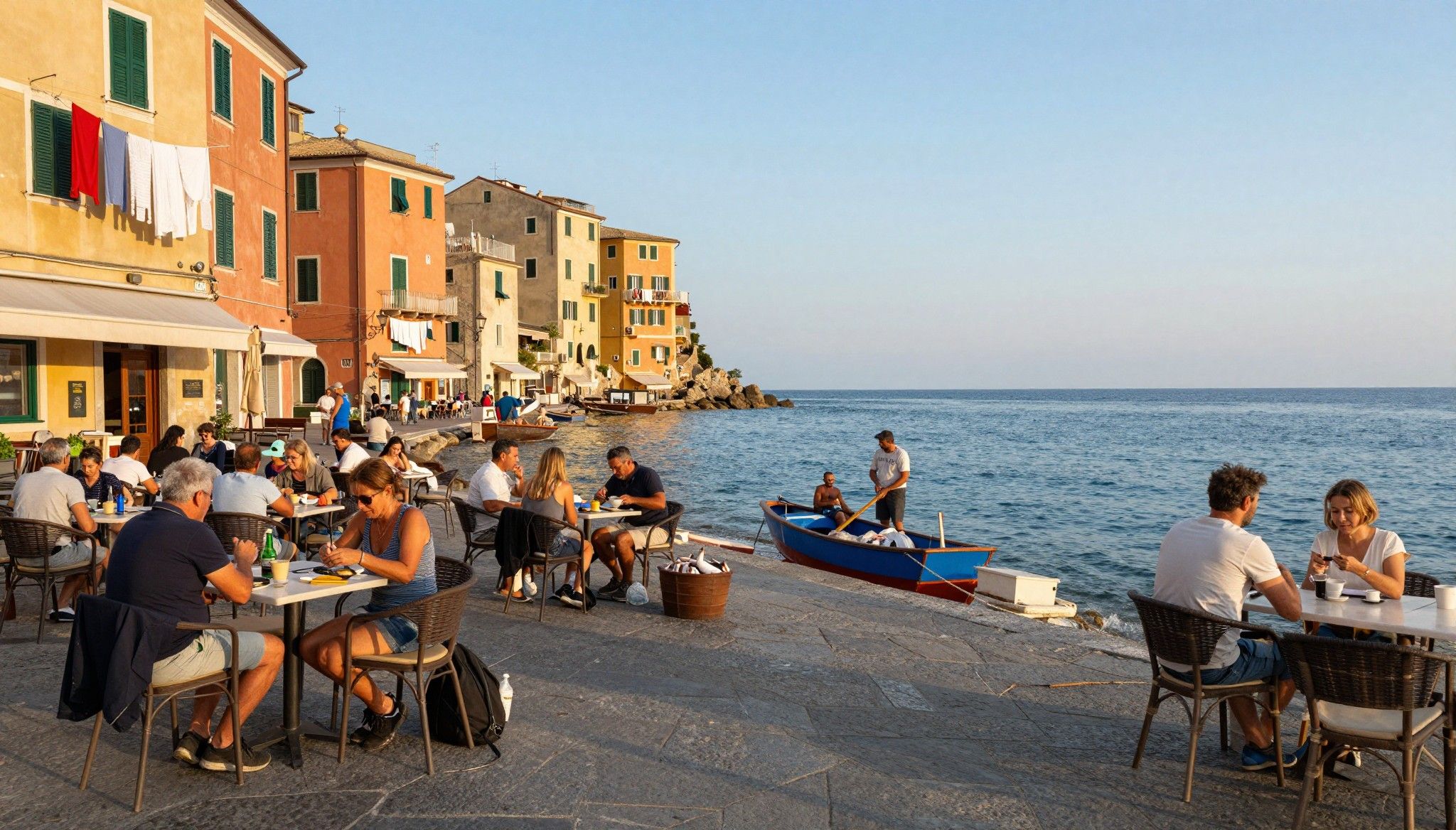
- Marsaxlokk: fish market Sundays, faded fishermen’s houses, calm harbour life
- Mellieħa & Golden Bay: sand beaches and quieter family-oriented suburbs
- Gozo (Victoria, Xlendi): pastoral pace, traditional townhouses and slower seasons
Why hunting in peak season costs more — and where to look instead

Common wisdom says visit in summer to feel the place. The downside: peak season amplifies scarcity and emotion — sellers list at optimistic prices, agents lean on FOMO, and short‑let competition distorts comparable pricing. Malta’s small market is sensitive to tourism cycles and corporate flows, so the summer spotlight frequently misrepresents fair long‑term value. IMF and national reports show price growth concentrated in recent years and seasonal pressure on rents; that’s the mechanism behind higher summer asking prices.
Contrarian timing: why autumn and winter inspections win
Visit after the tourist rush and you’ll see the island’s real rhythm: neighbourhoods empty of short‑let guests, more motivated sellers, and clearer market comps. The Central Bank’s analysis highlights how price growth eased at points in 2025 as construction rose and seasonality moderated. Autumn showings let you compare year‑round living — noise, transport, daylight — and negotiate without the rush of peak demand. Practically, that translates to better leverage in offers and access to off‑market opportunities marketed to local agents outside high season.
- How to plan an off‑season Malta house‑hunt (step by step)
- Schedule viewings in October–March to compare lived reality, not summer theatre.
- Ask agents for 12‑month rental histories and previous‑year occupancy data to separate seasonal spikes from base rent.
- Request multiple comps across low and high season; insist on final deed prices, not advertised asks.
- Hire a local surveyor and meet property managers — they reveal recurring problems that summer tours hide.
Making the move: property types, agencies and the small‑market play
Malta’s stock is dominated by apartments, maisonettes and terraced houses; villas and large plots are rarer and clustered in specific bays. That shape matters because a compact apartment often delivers the lifestyle buyers want — walkability and light-filled terraces — but also requires careful checking for factors like common‑area maintenance, insulation and sea‑air corrosion. Agencies who know the island can match micro‑neighbourhood rhythm (market vs. lifestyle) and point you to properties that perform year‑round rather than ‘performing’ only in July and August.
Property styles and how they shape daily life
Maisonettes and converted period apartments reward buyers who love character: high ceilings, Maltese balconies, narrow internal plans. Newer developments offer rooftop terraces, structured parking and energy improvements — helpful if you value indoor‑outdoor living without daily maintenance. Choose by lifestyle: if you want a balcony café life, prioritise central—if peace and garden space matter, look to Mellieħa or Gozo where plot sizes are larger and summer crowds thin.
Working with local experts who understand seasonality
In Malta’s concentrated market, an agent who tracks year‑round transaction data and short‑let dynamics becomes a lifestyle translator, not just a salesperson. Expect them to provide deed-based comparables, rental histories across seasons and introductions to local surveyors and property managers. Good local agencies will also flag municipal planning changes and conservation rules — essential when buying in heritage zones where renovation rules are strict and can affect usable space.
- Practical priorities to blend lifestyle and value
- Request 12‑month occupancy and rent data for rental or hybrid-use purchases.
- Check deed-level sold prices rather than relying on advertised listings.
- Factor maintenance of limestone façades and sea‑air impacts into your budget.
- Confirm renovation permissions for heritage façades before bidding.
Insider knowledge: what expats wish they'd known
Expats arriving with a summer honeymoon impression often learn the hard way about noise, short‑let churn and seasonal service fluctuations. Many wish they’d explored public transport timetables outside high season, checked winter daylight in narrow streets, and met neighbours beyond the tourist-run cafés. Cultural cues matter too: English is widely used, which eases bureaucracy, but local networks still unlock the best deals and tradespeople. Those who integrate slowly — a winter visit, neighbourhood dinners, local market runs — build the social capital that makes Malta feel like home.
Cultural integration and daily practicalities
Maltese and English are both official languages; English’s prevalence simplifies schooling, legal procedures and service interactions for internationals. Still, local friendships and trusted recommendations are often formed through community hubs: parish fêtes, football clubs, and the neighbourhood festa calendar. Respect for local rhythm — late dinners, lively festas, and close‑knit neighbourhood life — helps newcomers turn neighbours into friends rather than strangers.
Long‑term lifestyle and investment considerations
If you plan to hold property as a home or hybrid rental, prioritise neighbourhoods with year‑round amenities and stable local demand rather than purely tourist hotspots. Construction activity has increased transparency via registries and planning data, which moderates future price shocks but also adds short‑term competition. Consider energy upgrades and maintenance budgets as part of total cost of ownership — items that often surprise buyers focused only on purchase price.
- Checklist before you make an offer
- Confirm final deed sale prices for at least three comparables within the last 12 months.
- Obtain a structural and services survey that accounts for sea‑air corrosion and sump/pump needs.
- Check local council rules for façade, balcony and rooftop alterations in heritage areas.
- Ask your agent for a full year’s utility, service charge and historical maintenance records.
Conclusion: Fall for Malta — but plan like a local
Malta delivers a compact Mediterranean life that’s easy to love: coastal walks, layered history and an English‑friendly daily rhythm. To turn that romance into a sustainable home or investment, choose timing and neighbourhoods that reflect year‑round life rather than the summer highlight reel. Work with local advisors who supply deed‑level data, seasonal rental histories and renovation permissions; do an off‑season visit and you’ll see both the lifestyle and the value. When you blend local knowledge with a lifestyle-first wish list, Malta stops being a postcard and becomes the place you actually live.
Swedish strategist who relocated to Marbella in 2018. Specializes in legal navigation and tax planning for Scandinavian buyers.