France's 'Too Expensive' Myth: Where Value Hides
Data and local life: why France’s "expensive" label hides neighbourhoods and timing that offer real value—paired with tax steps every international buyer should take.
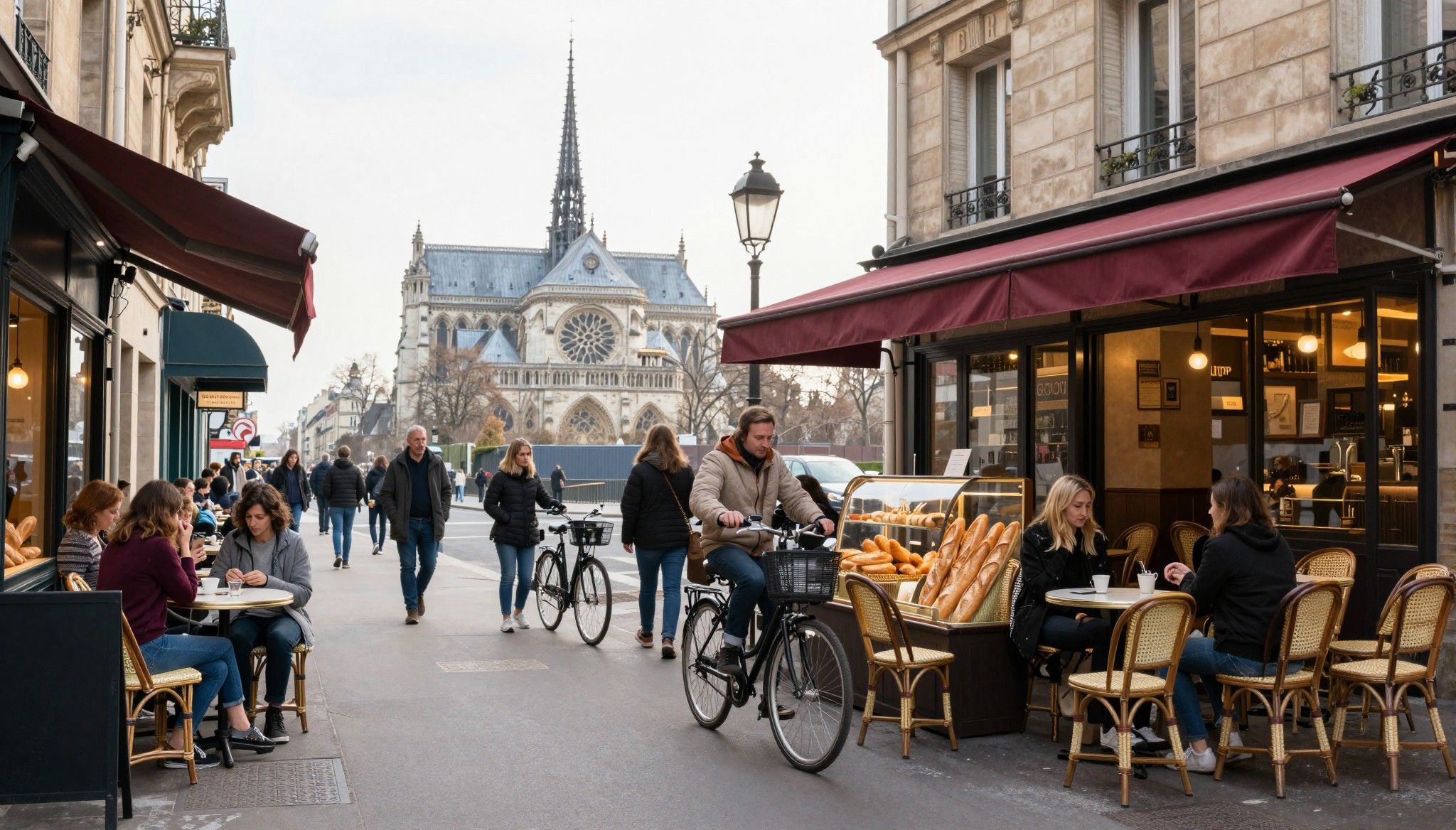
Imagine sipping a café crème on Rue Cler, cycling past a Saturday market in Aix-en-Provence, then catching an evening ferry to Île de Ré — and discovering that life in France can cost less than you expect. Popular headlines call France "expensive," but a closer look at neighbourhood rhythms and tax rules reveals pockets of affordability and smart timing opportunities. This guide pairs the lived experience of French neighbourhoods with practical tax and regulation signals that matter to buyers from abroad.
Living the French life: textured places, not postcards
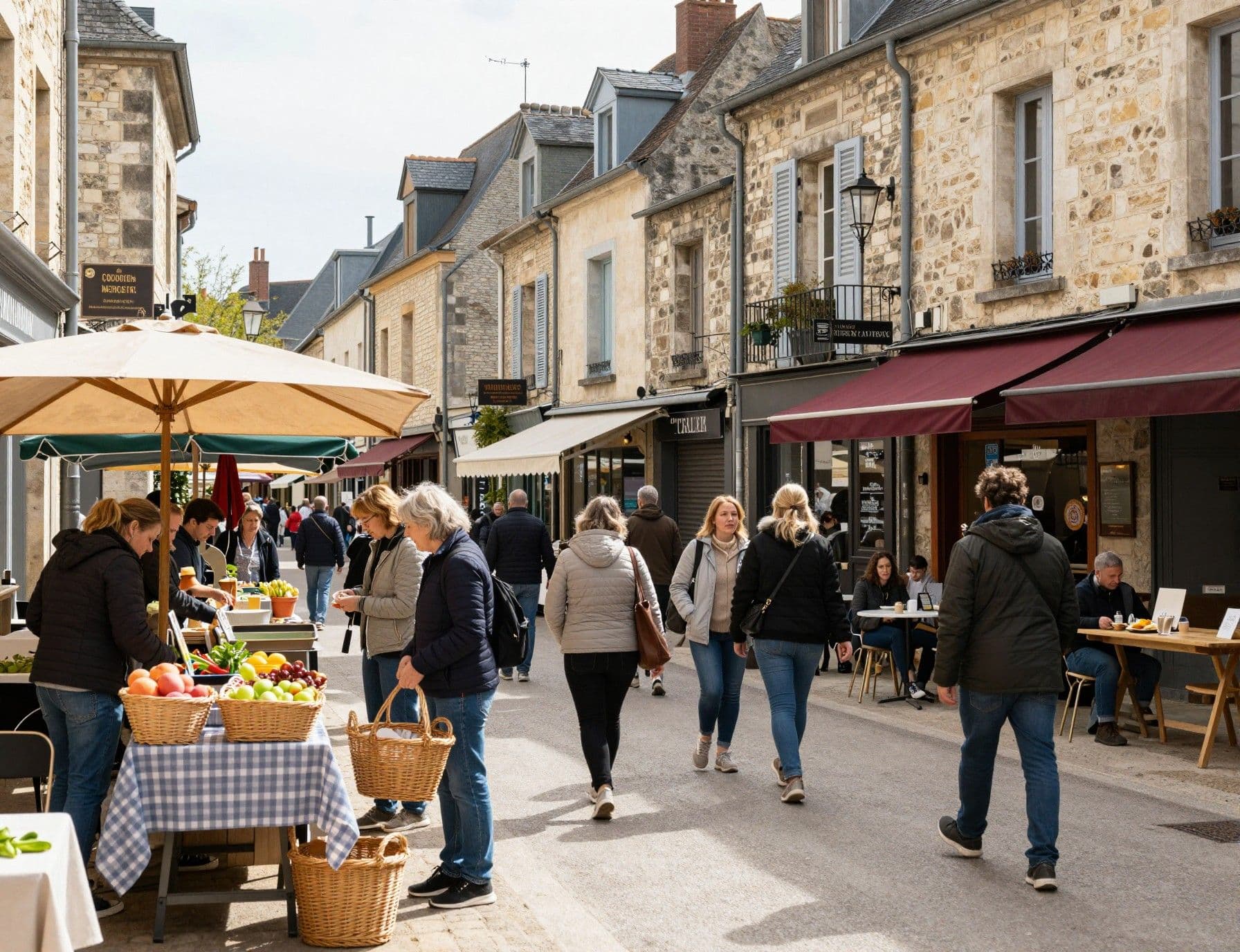
France is a mosaic: Parisian arrondissements thrum with short walks and boulangeries, while Brittany villages keep old-school markets and lower per-square-metre prices. Recent notary data shows price recovery concentrated in major cities and coastal hubs, while many medium towns and western coastal areas remain comparatively affordable. That split is important: choosing lifestyle often means choosing which market rhythm you want to live with, and which tax/regulatory trade-offs you can manage. ([notaires.fr](https://www.notaires.fr/fr/tendances-du-marche-immobilier-en-france?utm_source=openai))
Neighbourhood spotlight: Paris 11th vs. Nantes Île de Nantes
The 11th arrondissement in Paris offers late-night bars, narrow streets and quick transport links — great for urbanites who trade large interiors for a phenomenal social life. By contrast, Nantes’ Île de Nantes blends riverside promenades, modern apartments and a quieter pace with prices often well below similar-sized homes in Paris. Both deliver French rhythm — cafés, markets and municipal services — but their tax and ownership profiles differ: municipal taxes and rental demand are stronger in larger cities, affecting running costs and yield.
Food, markets and seasons: how local life shapes property choices
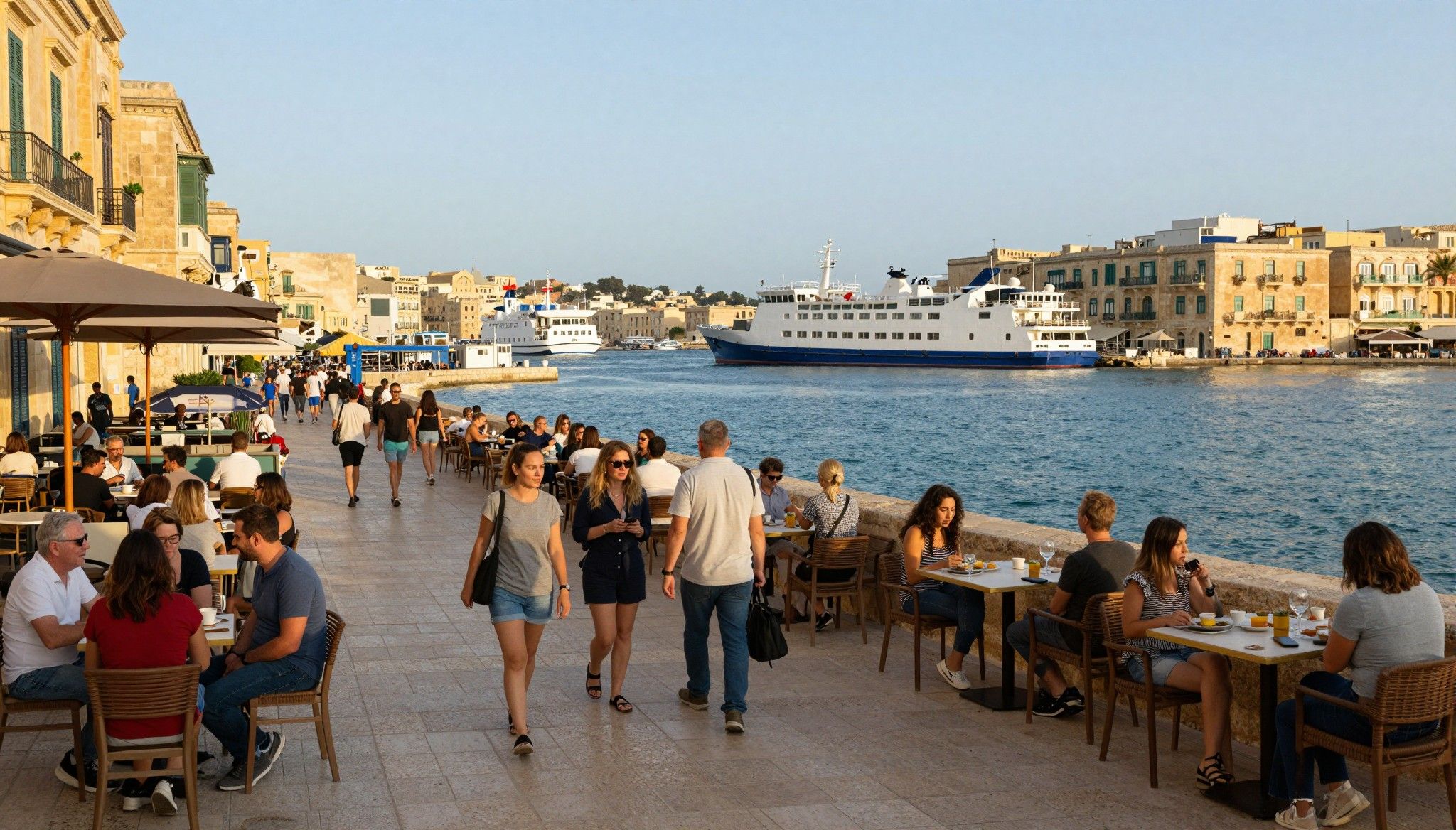
Weekend markets (marchés) are a social artery in most towns: the morning bustle on Cours Mirabeau in Aix or the fishermen’s stalls in Boulogne-sur-Mer change how you use a kitchen, a terrace or storage. Seasonal life matters too: winter in the Massif Central is quiet and cheaper; summer on the Côte d'Azur is lively — with short-term rental demand and pricing spikes to match. Buyers who prioritise market days, local restaurants and seasonal festivals should match property type to the rhythm they want to live.
- Streets and scenes to know: Rue Cler (Paris), Cours Mirabeau (Aix‑en‑Provence), La Corniche (Biarritz), Place du Parlement (Bordeaux), Marché des Lices (Rennes).
Making the move: practical rules that shape lifestyle choices
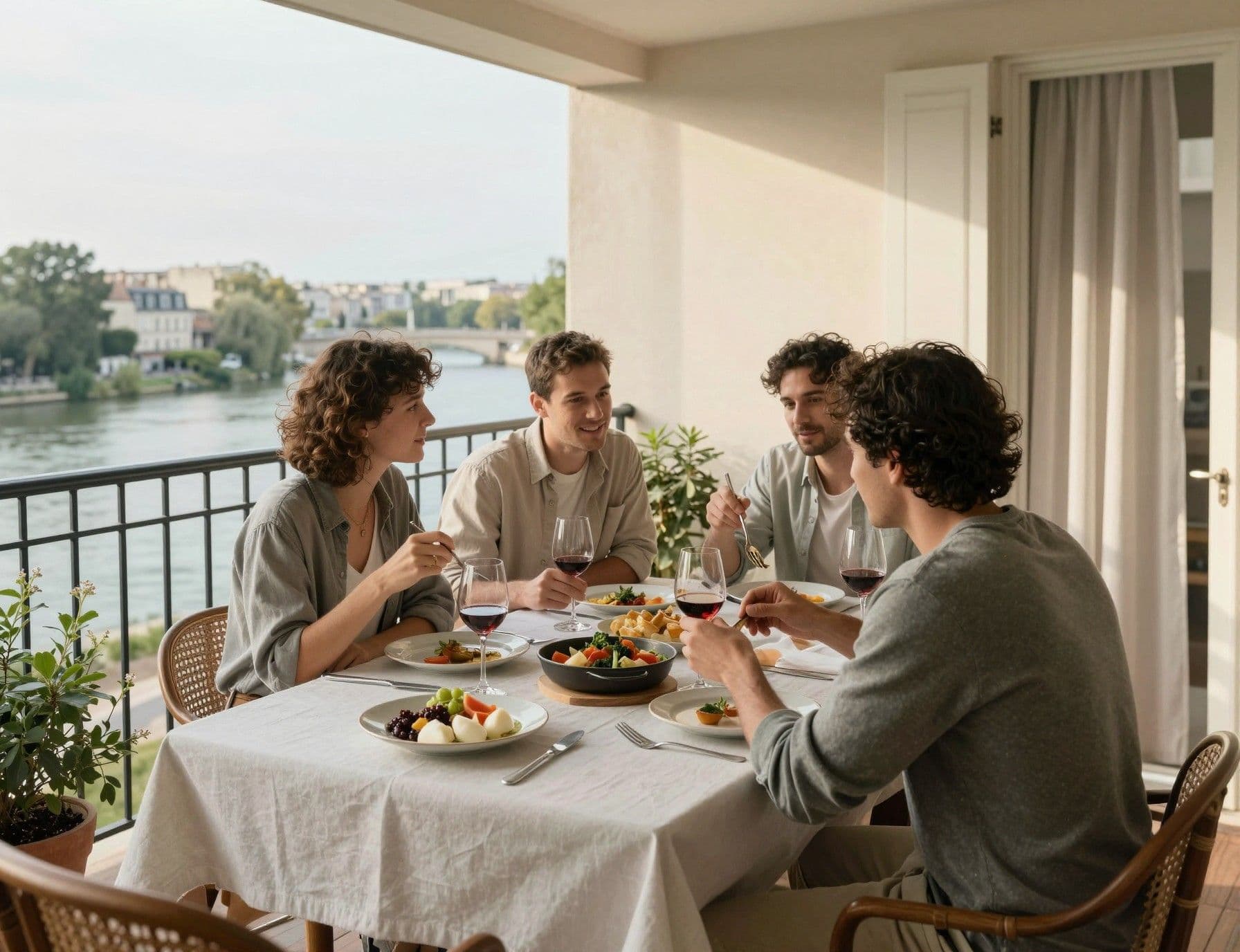
The romance of French life meets paperwork: non-resident tax status, local taxes and visa rules change monthly budgets and how you use a property. France’s tax authorities require owners to pay local property taxes regardless of residency, and rental income is taxable in France for non-residents. Understanding those rules early helps you weigh whether to buy in a tourist‑season hotspot or a settled provincial town. ([impots.gouv.fr](https://www.impots.gouv.fr/non-residents-france?utm_source=openai))
Property types and how they serve life in France
Stone village houses, Haussmannian flats, new-build apartments and seaside villas each come with different maintenance, tax and permitting realities. Old stone houses often carry higher renovation costs and stricter planning rules, while new-build units can offer predictable charges and warranties. If your goal is seasonal rental income, short‑term demand and local regulations must be checked for the commune; if your goal is quiet life, factor in heating, insulation and winter accessibility. ([notaires.fr](https://www.notaires.fr/en/housing-tax-system/buying-and-selling-special-cases/purchase-france-non-residents?utm_source=openai))
Working with local experts who keep the lifestyle promise
- 1) Hire a French notaire early to confirm legal title and inheritance rules; 2) Use an agent familiar with expat expectations and local market seasonality; 3) Speak with an accountant who understands non‑resident tax returns; 4) Visit the local tax office (service des impôts) to clarify local tax calendars and exemptions.
Insider knowledge: what expats wish they'd known sooner
Expats often underestimate local tax timing and the rhythm of French bureaucracy: council tax notices (taxe foncière) arrive on a different schedule across départements, and exemptions apply in limited cases. Long‑stay visas are not automatic with property purchase — residency, access to healthcare and tax residence follow separate rules. A pragmatic local advisor saves weeks of confusion and prevents surprises that dent the joy of living in France. ([france-visas.gouv.fr](https://www.france-visas.gouv.fr/en/visa-de-long-sejour?utm_source=openai))
Cultural rhythms and integration: small things that matter
Learning basic French unlocks markets, tradespeople and the corner café; weekdays slow earlier than many expect and municipal services often close for lunch. Neighbourhood committees (conseils de quartier) and local fêtes can determine renovation permissions and communal harmony. Embrace the rhythm — attend the marché, introduce yourself to the mairie, and plan renovations with the calendar of local festivals in mind.
Long-term lifestyle realities and property stewardship
- Takeaways for sustainable life in France: 1) Budget for winter heating and insulation; 2) Factor in commune-level property taxes (taxe foncière) and occasional municipal levies; 3) If renting, understand furnished vs unfurnished regimes and their tax treatments; 4) Plan for succession and inheritance rules which can affect cross-border estates.
France gives you neighbourhoods you will miss when you leave — and taxes you will need to prepare for. Start with a lifestyle list (markets, transport, schools) and then map tax and legal needs to that list: non‑resident filings, property taxes, inheritance implications and visa timing. Work with a notaire, an accountant and a local agent who understand both the lived French rhythm and the regulatory scaffolding that sustains it. When lifestyle and compliance align, the dream of living in France becomes practical and repeatable.
Danish relocation specialist who has lived in Barcelona since 2016. Helps families move abroad with onboarding, schooling, and local services.