Cyprus: The Life You Want, The Tax Plan You Need
A lifestyle‑first look at Cyprus that pairs seaside mornings and mountain festivals with VAT, non‑dom perks and residency realities—practical steps for confident purchases.
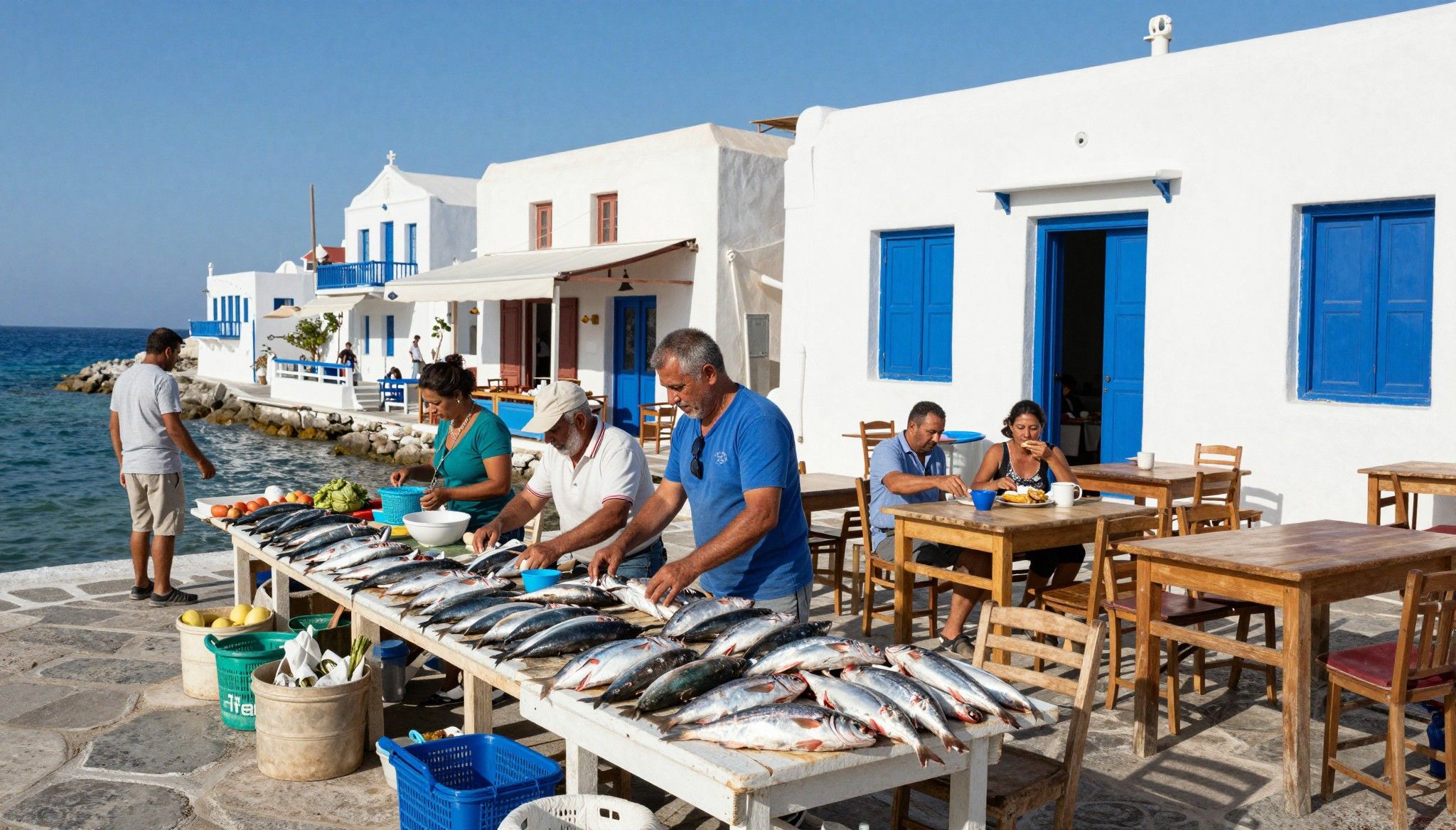
Imagine walking the red‑tiled lanes of Larnaca at dawn: a café owner sets out wicker baskets of halloumi, fishermen mend nets on the quay and the air smells faintly of sea and thyme. For many international buyers that sensory scene is the dream; for smart buyers it’s the starting point for a strategy that pairs lifestyle with tax and legal clarity. Cyprus offers year‑round light, approachable coastal towns and compact historic centres — but beneath the postcard there are VAT traps, non‑dom rules and residency thresholds that materially change the price of living here.
Living the Cyprus Life
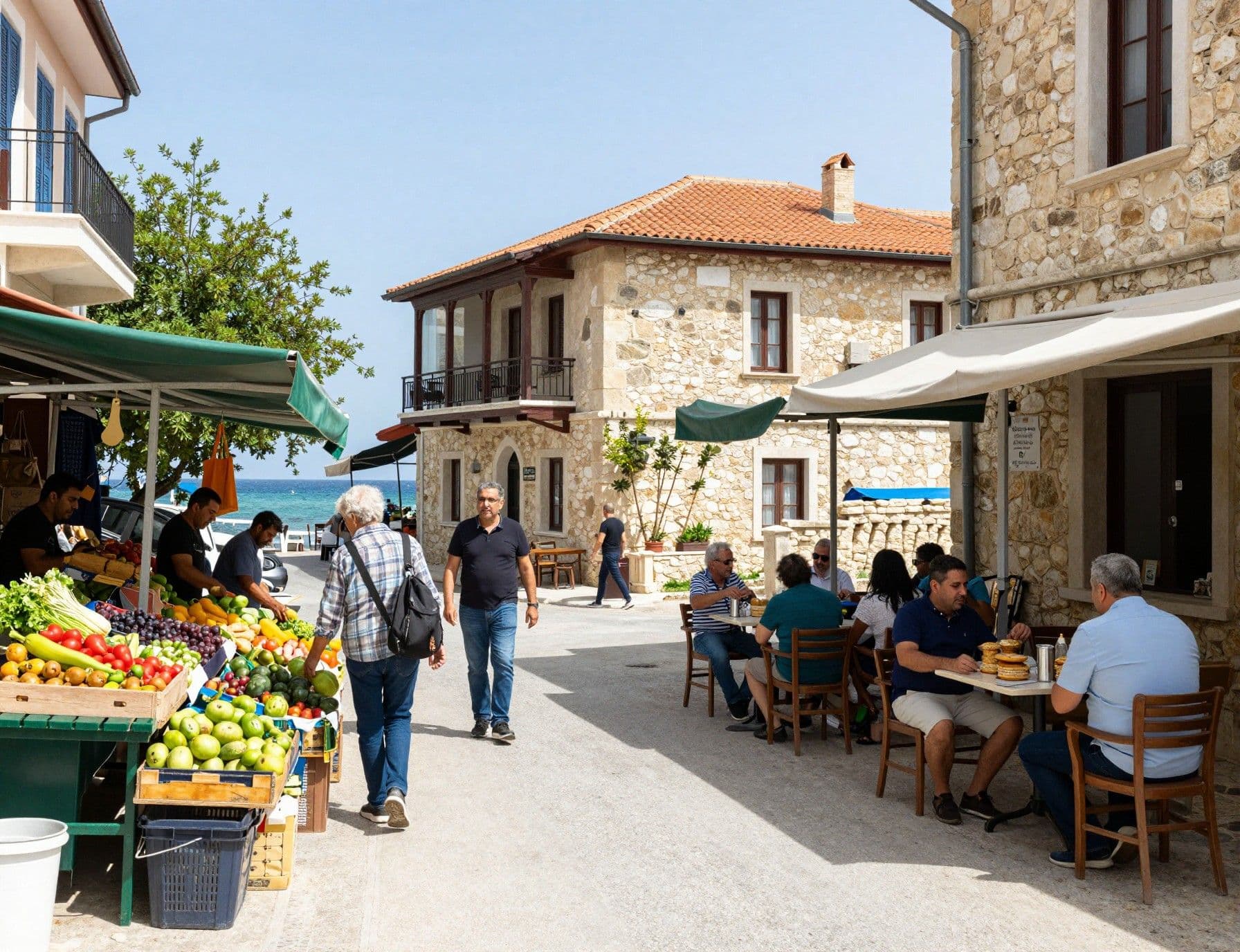
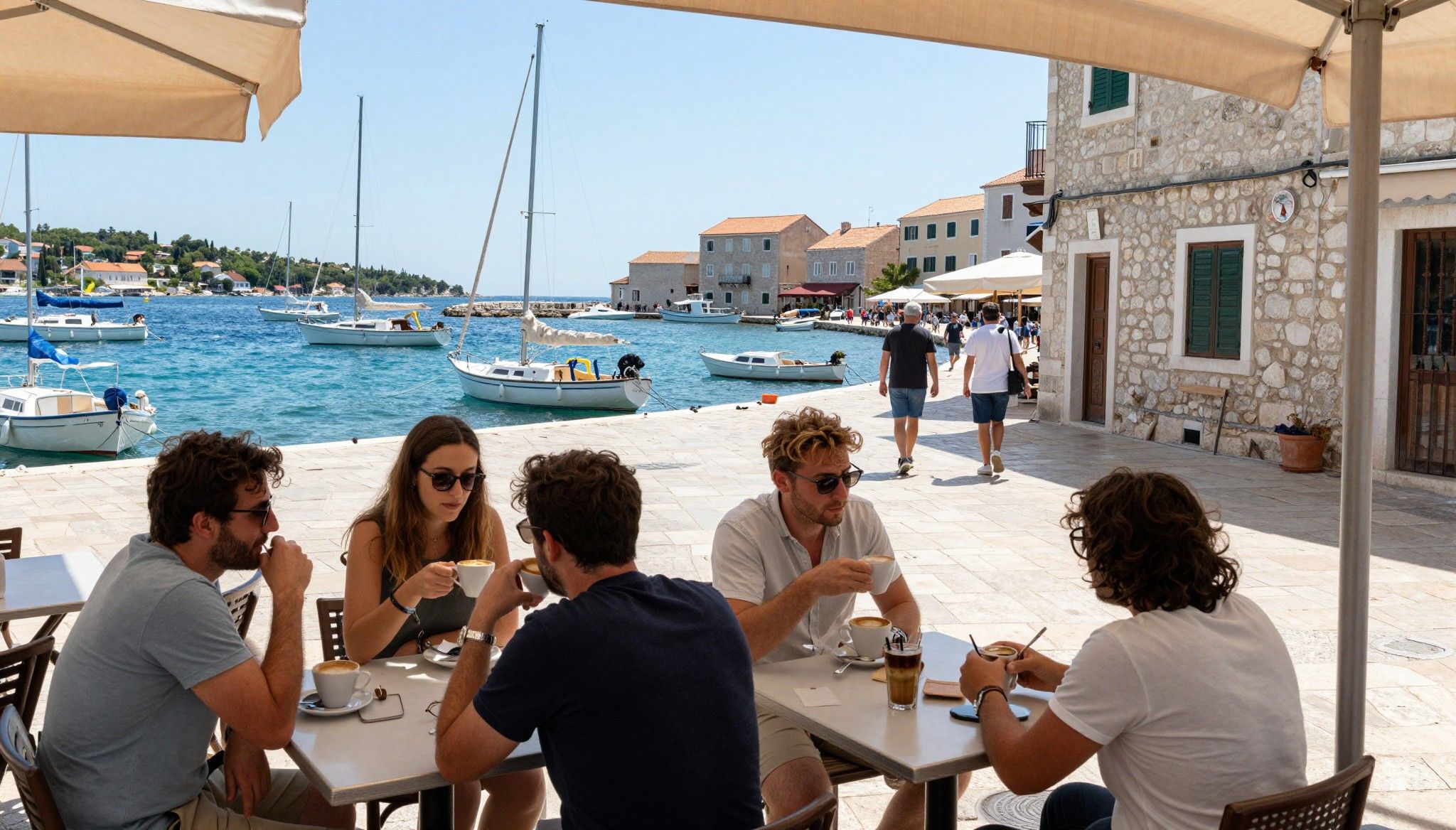
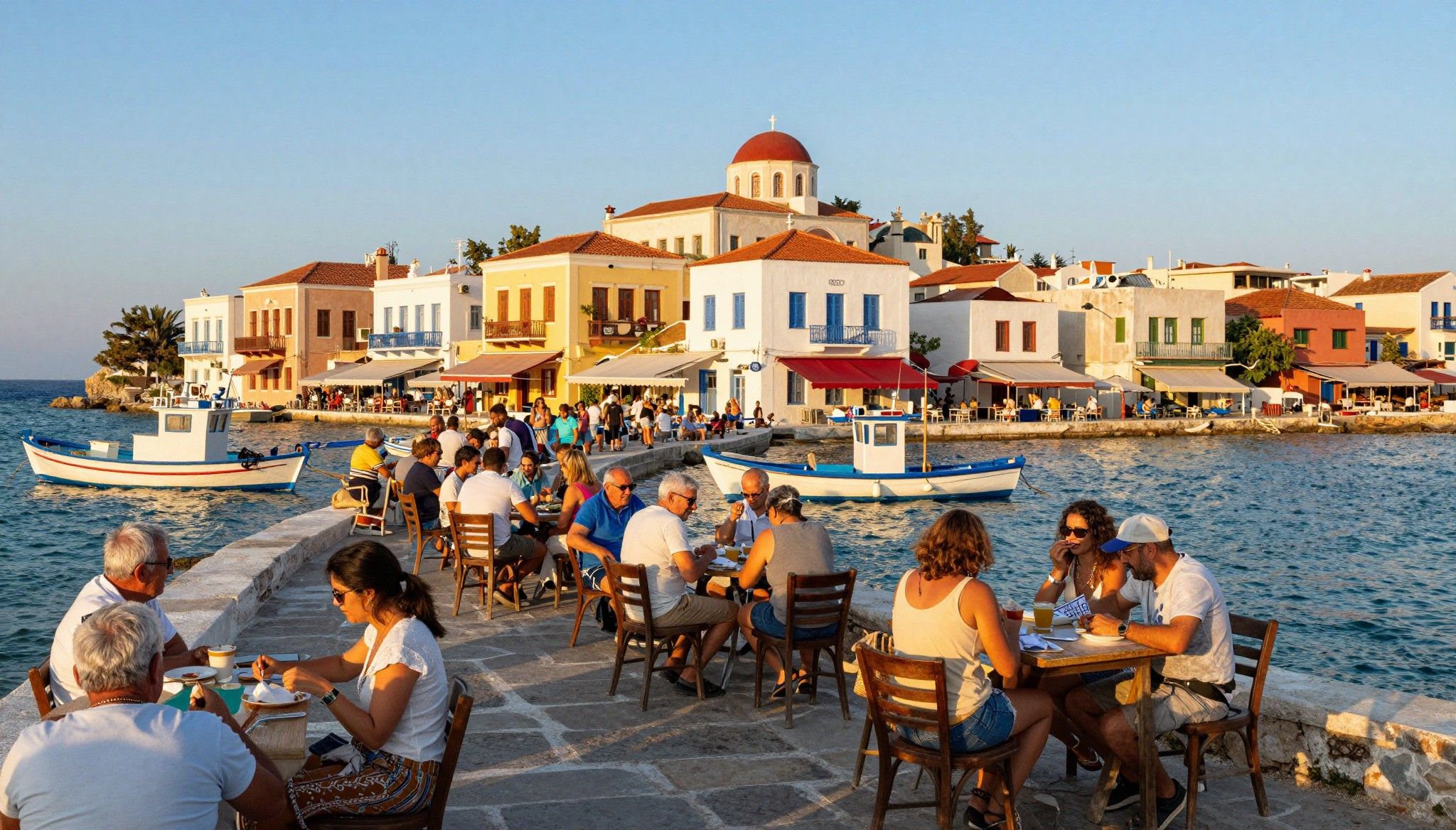
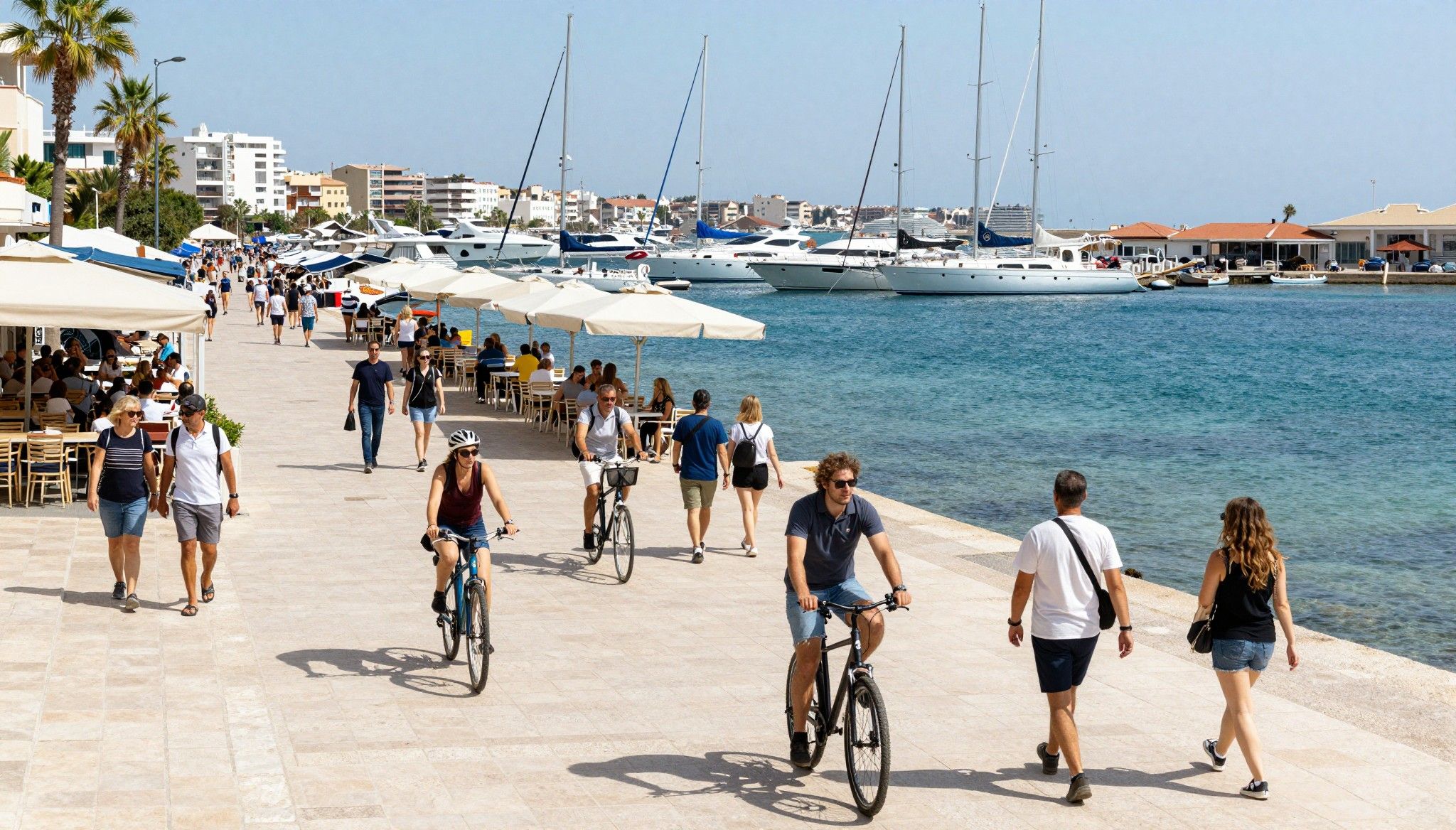
Cyprus feels both Mediterranean and distinct: slow lunches stretch into shaded siestas, mountain villages fill with the smell of wood smoke in winter, while coastal promenades hum with cyclists and families in summer. English is widely used, local markets pulse with seasonal produce in places like Paphos' Kouklia area, and neighbourhood rhythms vary sharply from Limassol’s busy marinas to the quieter bays near Protaras. When you picture life here, think morning espresso at a copper‑top counter, afternoons at a taverna, and weekends exploring villages where traditional stone houses sit alongside contemporary developments.
Neighbourhood spotlight: Limassol marina to old town
Limassol’s marina is for people who want compact luxury and an active social life — think waterfront walks, restaurants and a steady market for short‑term rentals. Contrast that with the old town, where narrow streets, coffee shops and municipal markets create daily community. Choosing between them is a lifestyle decision: marina flats command higher per‑square‑metre prices but offer rental demand; old‑town apartments trade value for authenticity and quieter streets.
Food, festivals and the rhythm of seasons
Food anchors life on the island: from the fish tavernas of Latchi to mountain‑side meze in Troodos, local produce shapes neighbourhood culture. Spring and autumn are when villages feel most alive — harvest festivals, carob and wine fairs and olive‑pressing events create opportunities to meet neighbours and feel embedded quickly. For buyers, seasonality also affects viewing: summer shows the busiest, most tourist‑facing version of a place; late spring or autumn reveals the lived reality.
- Lifestyle highlights: walkable harbours, weekly markets, mountain hikes, seaside tavernas, neighbourhood cafés, community festivals
Making the Move: Practical Considerations

Your emotional reasons for buying — sun, community, food — must sit beside a clear map of fees and residency implications. Recent guides from local law firms and big‑four tax notes show three recurring decision levers: whether the property is a new build (VAT matters), whether you intend to live here full‑time (residency and non‑dom status matter), and whether you’ll rent short‑term (licensing and tax reporting matter). A mismatch between the lifestyle vision and the tax reality is the common source of regret among international buyers.
Property types & what they mean for costs
New builds can carry VAT at either a reduced rate (commonly 5% on the first 200 m² for qualifying primary residences) or the standard 19% — and recent legal clarifications (2025–2026) have tightened definitions of what counts as “new”. For resales VAT is typically not payable but transfer fees apply. Practically: a beautiful new seafront flat might cost less headline price but attract 19% VAT if it breaches area or value caps; an older townhouse may avoid VAT but incur transfer fees and stamp duty.
Working with local experts who know both life and law
- 1. Hire a bilingual real estate lawyer early to check title deeds, encumbrances and whether a sale is structured to trigger VAT or transfer fees. 2. Ask your agent for recent comparable sales that specify VAT versus transfer‑fee treatment — that difference can change costs by tens of thousands of euros. 3. Use a tax advisor to confirm whether you qualify as non‑dom (tax advantages), and how rental income and capital gains would be treated under your residency plans. 4. When considering residency, verify minimum investment thresholds and timelines (fast‑track PR routes require defined investment levels and documentation).
Insider Knowledge: What Expats Wish They’d Known
Here are the real moments newcomers mention: the surprise of VAT on a supposedly 'discounted' developer price, the long wait for title deeds on older properties, and the social ease of making local friends through neighbourhood cafés and church or village events. Expats also say the best way to test a neighbourhood is to rent for a season — you learn where shops close, where taxis are reliable and how noisy the summer actually gets.
Cultural integration and daily life
Cypriots value hospitality and long lunches; learning a few Greek phrases opens doors and shows respect. Local council life matters: small municipal levies, water and waste charges, and community maintenance can vary between villages and municipalities. For families, international schools cluster around Nicosia and Limassol; for remote workers, fibre rollout is improving in towns but verify broadband speeds before committing.
Long‑term lifestyle and sustainability
Think five years ahead: will you keep the property as a second home, rent it, or aim for residency? Cyprus’ non‑dom regime offers exemptions for certain foreign income streams and can reduce long‑term carry costs for inward movers. However, legislative tweaks (seen in 2024–2026 VAT clarifications) show rules evolve — structure deals with flexibility and an eye to how policy changes could affect effective ownership costs.
- Red flags to watch for: developers who won’t confirm VAT treatment in writing; properties with unresolved title‑deed delays; promises of guaranteed rental returns without documented contracts; sales advertised in the occupied northern areas without verified legal title.
- 1. Inspect the exact contract price and ask whether VAT is included. 2. Request recent title‑deed issuance dates and a lawyer’s search report. 3. Get written confirmation on any residency or PR promises linked to a purchase. 4. Factor in transfer fees, stamp duty and likely renovations before making an offer.
Cyprus is the kind of place that rewards curiosity: step off the beaten path and you’ll find mountain‑side wineries, centuries‑old monasteries and neighbourhoods where café culture still dictates the day. For an international buyer, the best purchases combine a believable lifestyle picture with a clear, documented tax and legal plan. Start with a season of living there, bring credible local advisors (lawyer, tax specialist, and a culturally attuned agent) and structure offers that protect you if regulations shift.
If you want to move from dreaming to owning, next steps are practical: shortlist two neighbourhoods, arrange a 10‑day live‑in visit outside high summer, instruct a lawyer to review any pre‑contract, and ask your agent to provide past sales with VAT status. Small choices made early — which property type, which municipality, whether to apply for non‑dom status — shape both your daily life and the true cost of ownership.
British investor turned advisor after buying in Costa del Sol since 2012. Specializes in cross-border compliance and data-driven investment strategies for UK buyers.