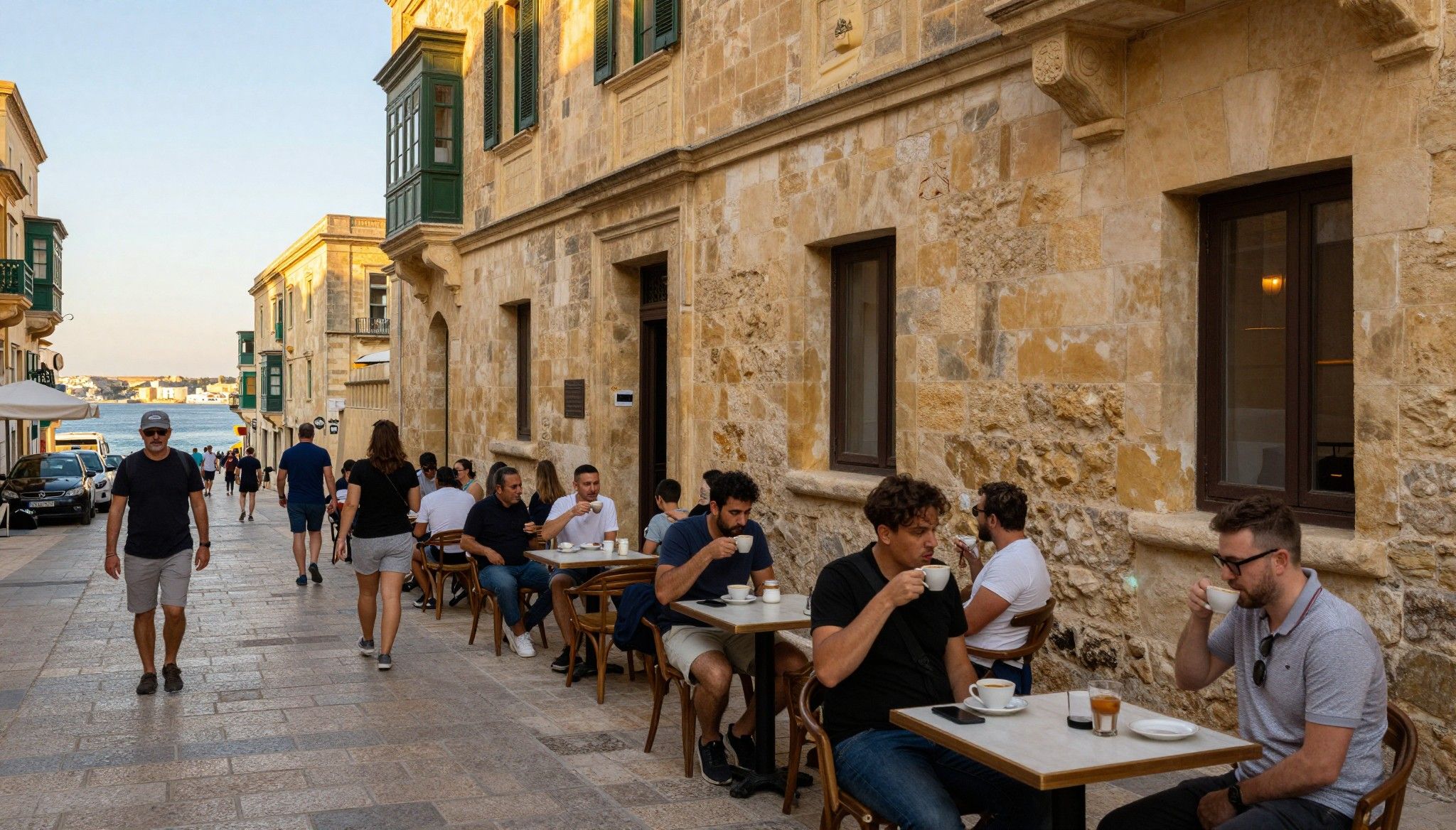
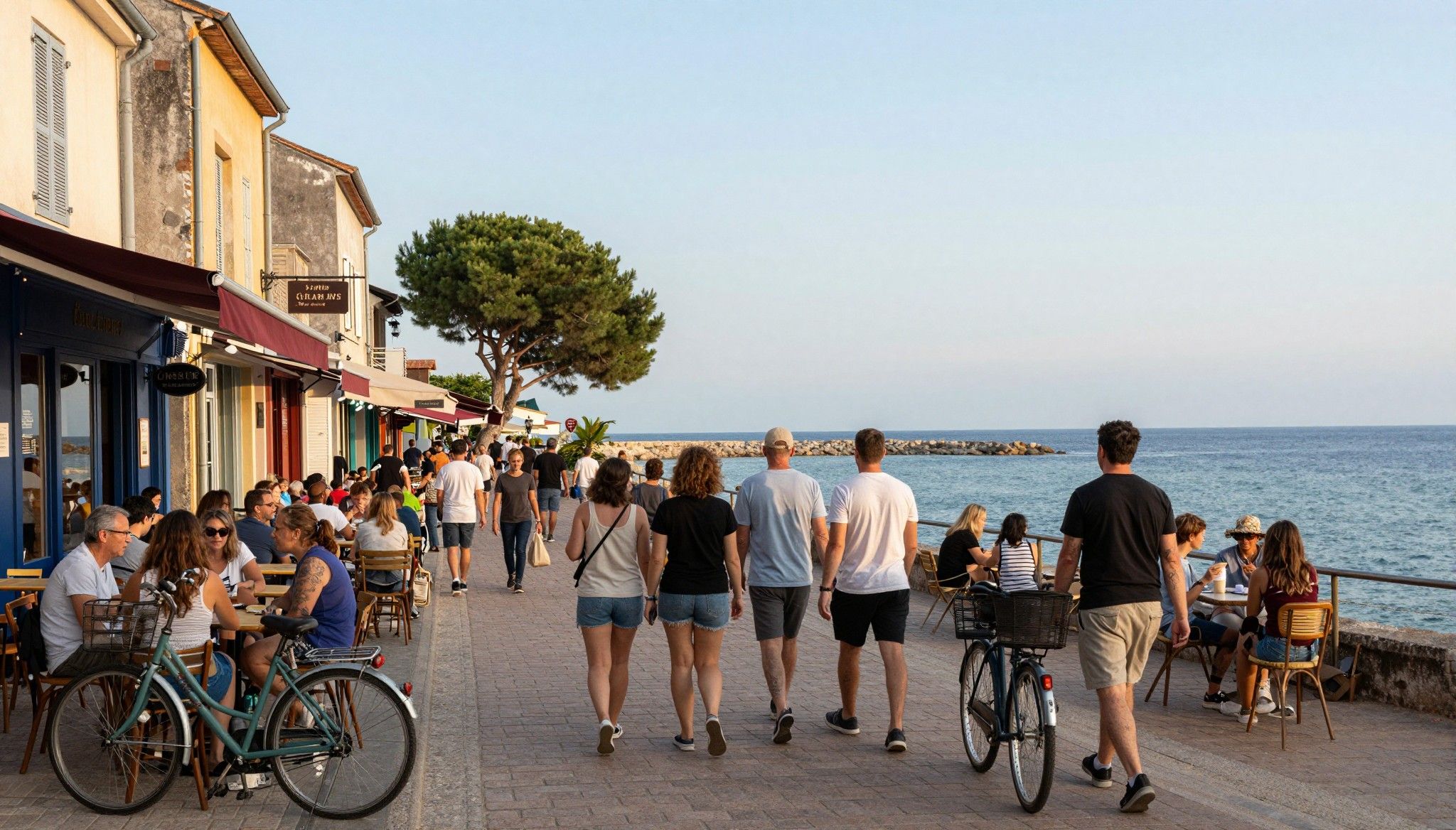
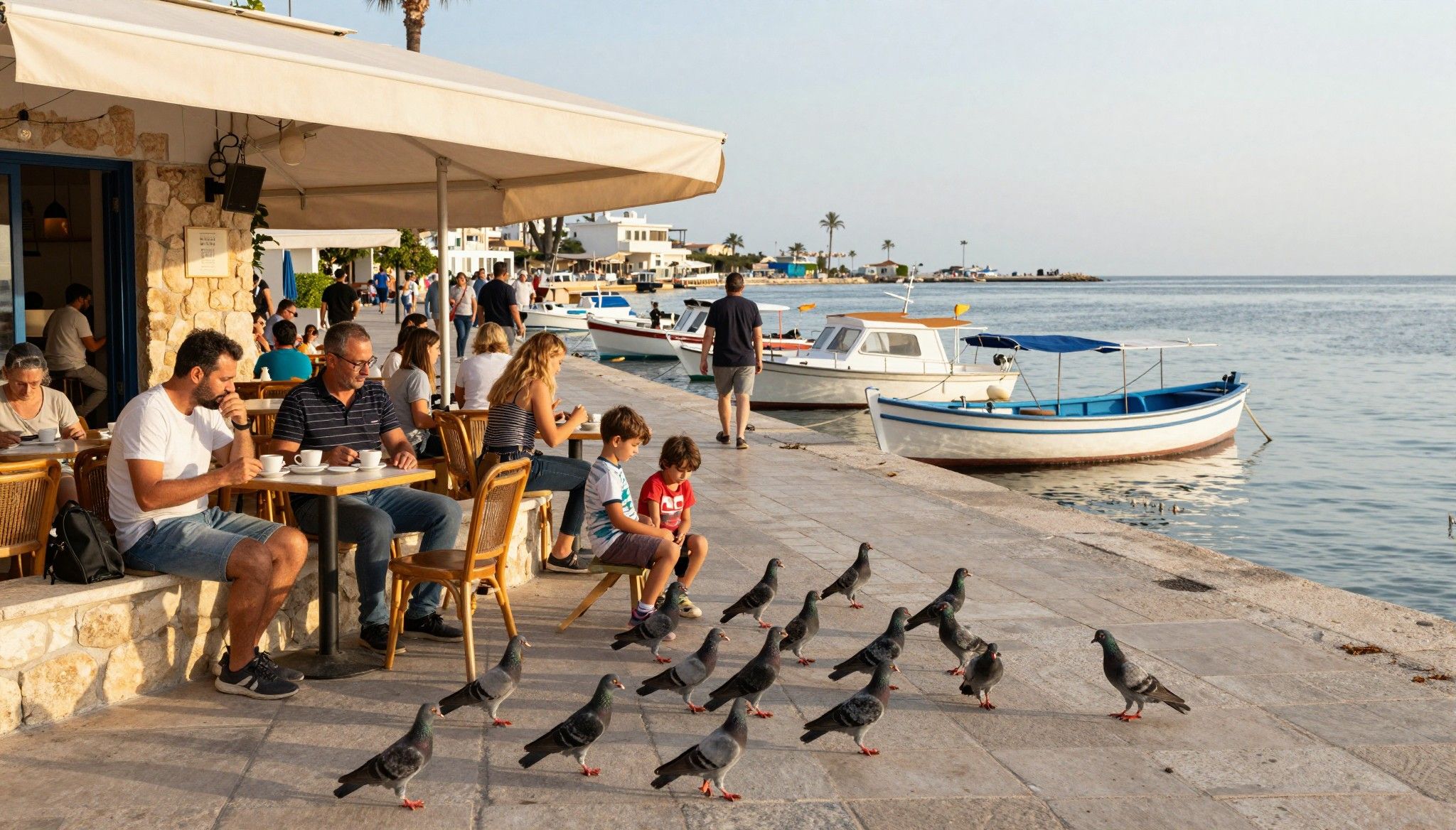
France: Coastal rhythms, lifestyle trade-offs and market signals
Why French coastal and city life matters for buyers: pair market recovery data with neighbourhood rhythms to choose properties that deliver lifestyle and liquidity.
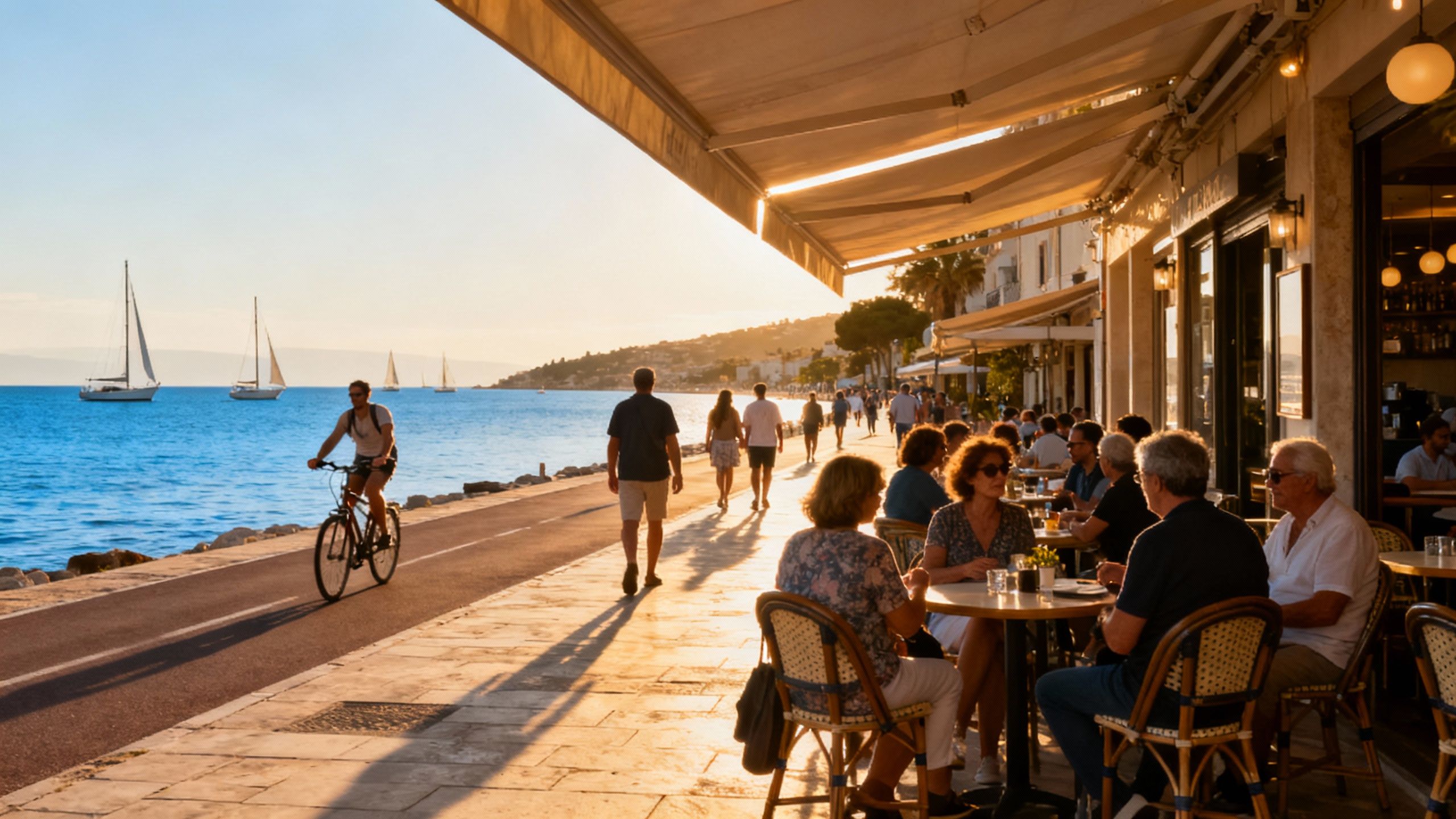
Imagine stepping out at 09:00 on a cool spring morning in Marseille’s Le Panier: boulangeries wheeling out trays of warm fougasse, fishermen unlacing nets at the Vieux‑Port, and an artistic studio opening its shutters on Rue de la République. In France that daily rhythm — market stalls, street cafés, and late‑afternoon promenades — is the reason buyers fall in love before they sign. But romance meets reality: national data show prices and transaction patterns vary sharply region to region, and coastal life on the Riviera or the Atlantic comes with distinct seasonal rhythms and liquidity profiles that affect resale and rental prospects. This piece pairs the lived experience of French coastal and urban life with concrete, research‑backed guidance so you can picture the lifestyle and act with confidence.
Living the French life: mornings at market, evenings on the water
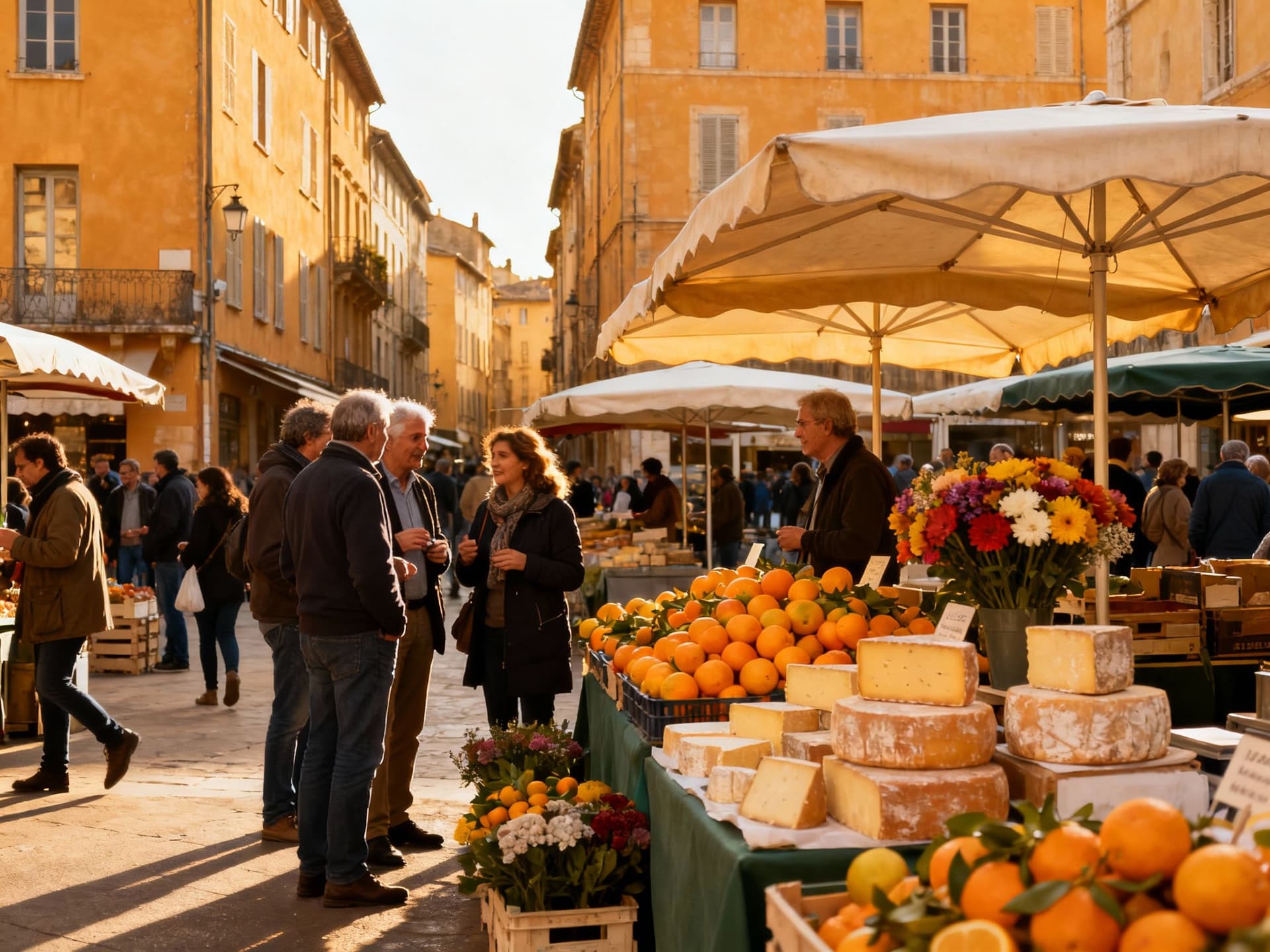
Living in France is sensory: the citrus tang at a Mediterranean marché, the clink of espresso cups on a narrow Parisian terrace, and the hush of pines on a Provençal evening. These rhythms shape what buyers value — outdoor space in the south, airy living rooms with shutters in the west, proximity to trains near major cities. Recent reporting and market notes confirm a gradual market recovery in early 2025, meaning lifestyle demand is translating back into activity in places buyers covet. That said, how quickly you can buy or rent out a property depends on local seasonality and buyer profiles, not just national headlines.
Signature neighbourhoods that define everyday life
Each French neighbourhood carries a clear personality. In Nice, Promenade‑side mornings draw joggers and café regulars while Cimiez’s gardens whisper history; in Bordeaux the Chartrons district hums with antique shops and wine bars, and in Lyon’s Croix‑Rousse you’ll find breakfast markets and artisanal bakers. When you choose a district, you’re buying into a tempo — market days, school runs, bus timetables, and where neighbours meet for apéritif. Those micro‑rhythms tell you whether a property suits daily life or weekend escape.
Food, festivals and the social calendar
Weekends in France are organized around food and culture: Saturday marchés, Sunday family lunches, summer fêtes and truffle season in the south. These events drive short‑term rental demand in certain coastal towns and can double footfall for local cafés and boutiques. For buyers who plan to let occasionally, aligning property choice with festival calendars and tourist peaks can materially improve income in high‑demand micro‑zones. Conversely, in quieter villages the same rhythms promise a calmer, year‑round quality of life.
- Lifestyle highlights to scout on first visits:
- Visit the morning market (e.g., Nice’s Cours Saleya or Toulouse’s Victor Hugo) to measure daily life.
- Walk a commute route at 08:30 and 18:30 to sense noise, transport and neighbour patterns.
- Dine where locals go — a weekday bistro reveals sustained demand better than a tourist restaurant.
Making the move: practical considerations that preserve the lifestyle
Dreams meet paperwork and market reality. National indices show second‑hand prices rose +1.0% in Q1 2025 after a period of stability, but regional divergence is strong — coastal and certain city markets lead while others lag. That means timing, financing and local demand matter more than the idea of 'France is expensive' as a single statement. Match your lifestyle priorities (markets, beaches, cafés) to cities where those features also support liquidity and resale.
Property types and how they fit daily life
A seafront apartment gives instant access to beach life and short‑term letting windows but often sacrifices storage and year‑round calm. A town house in a market town offers space for a garden and vegetable beds but can mean longer drives to international airports. New builds bring energy‑efficiency and lower maintenance, while older stone properties come with character — and sometimes higher renovation bills. Match the property’s physical features to how you want to use it across seasons, not just in summer.
Working with local experts who understand life as well as law
- How local advisors protect lifestyle value:
- 1. Find an agent who shows you weekday and weekend life — not just glossy photos.
- 2. Ask a local property manager about seasonal occupancy and maintenance costs for coastal homes.
- 3. Commission a neighbourhood noise and sunlight study to see how the house lives across seasons.
Insider knowledge: what expats wish they'd known
From fellow expats: small details change the everyday. Shops close after lunch in many towns, winter heating bills matter more than summer terraces, and municipal parking rules can make or break access in old villages. Buyers often underestimate these frictions during short visits. Local knowledge — the baker who opens at 07:00, the ferry timetable in low season, the mairie’s renovation permit process — makes life smooth and protects value.
Cultural integration and daily social life
Language opens doors. Even basic French at a market or mairie goes a long way, and joining a local association (sports club, wine society, language exchange) accelerates acceptance. Expat enclaves exist, but the best lifestyle fit often comes from mixing with locals at markets, volunteering at village fêtes, and embracing local rhythms. That social capital also helps when you need a contractor, a doctor’s appointment or rental referrals.
Longer‑term lifestyle and market sustainability
Think five to ten years ahead. Coastal towns that rely on summer tourism can be cash positive in peak months but show thinner off‑season liquidity. Cities with diversified economies (Lyon, Toulouse, Bordeaux) may offer steadier capital appreciation and year‑round rental demand. Use local transaction data and speak to notaires and agents about historical seasonality to avoid buying at a peak that’s driven purely by festival calendars or a transient luxury pipeline.
- Red flags to watch for before you commit:
- Significant seasonal vacancy (check occupancy rates with local managers).
- Municipal restrictions on short‑term rentals that reduce income potential.
- Properties with under‑insulated attics or single‑glazed windows in cold zones (expect high heating costs).
Conclusion: France is a palette of daily pleasures and clear trade‑offs. Fall asleep to church bells in a hill town or wake to gulls on the Riviera — both are valid visions. Use neighbourhood scouting, local advisors and recent market data to convert romance into a resilient purchase. If you want a next step, ask an agent for a lifestyle visit (weekday and weekend), a rental‑income sensitivity analysis, and local tax references so your dream life is supported by measurable reality.
Norwegian market analyst who relocated to Mallorca in 2020. Focuses on data-driven market insights and smooth relocation for international buyers.