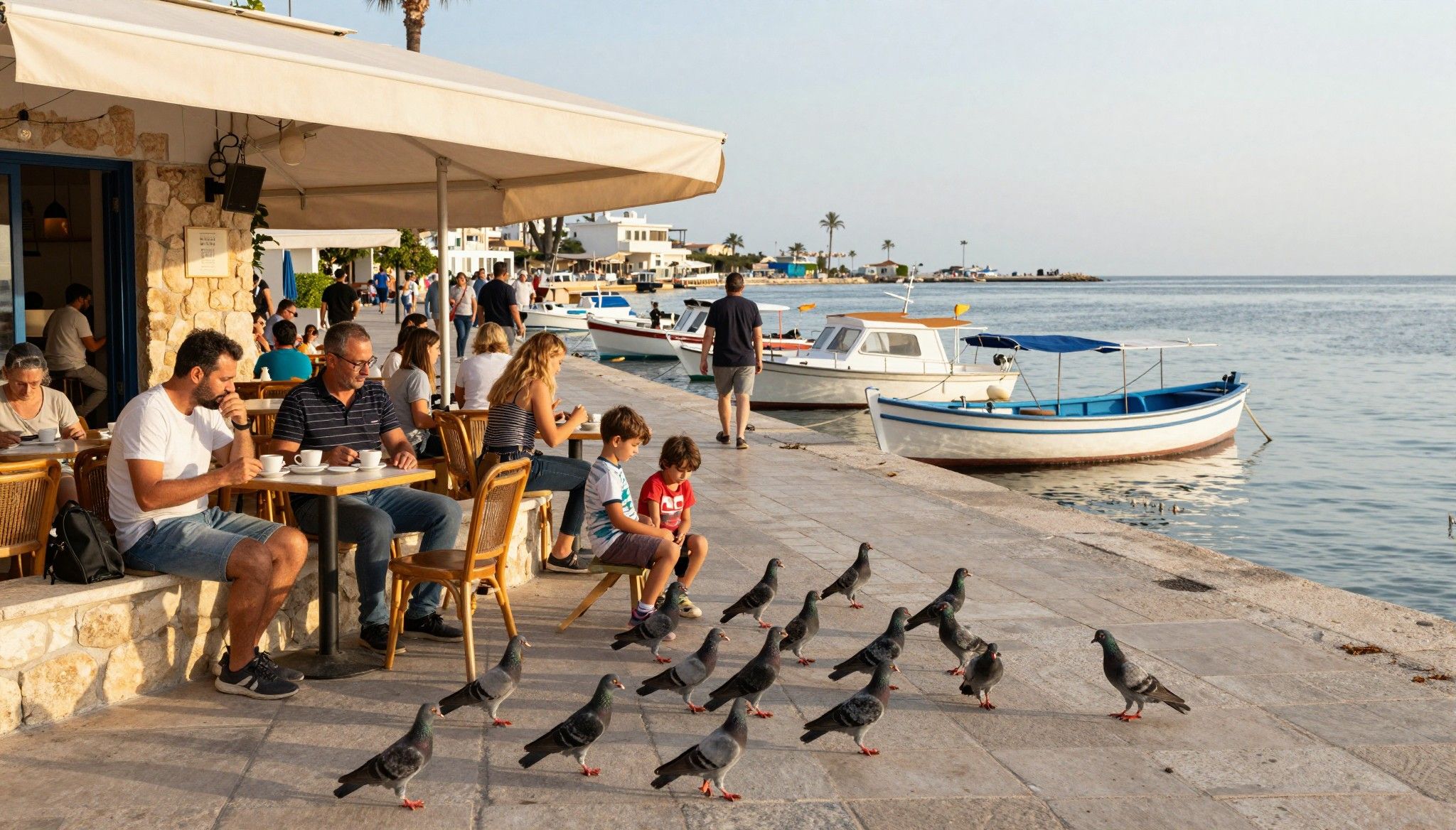
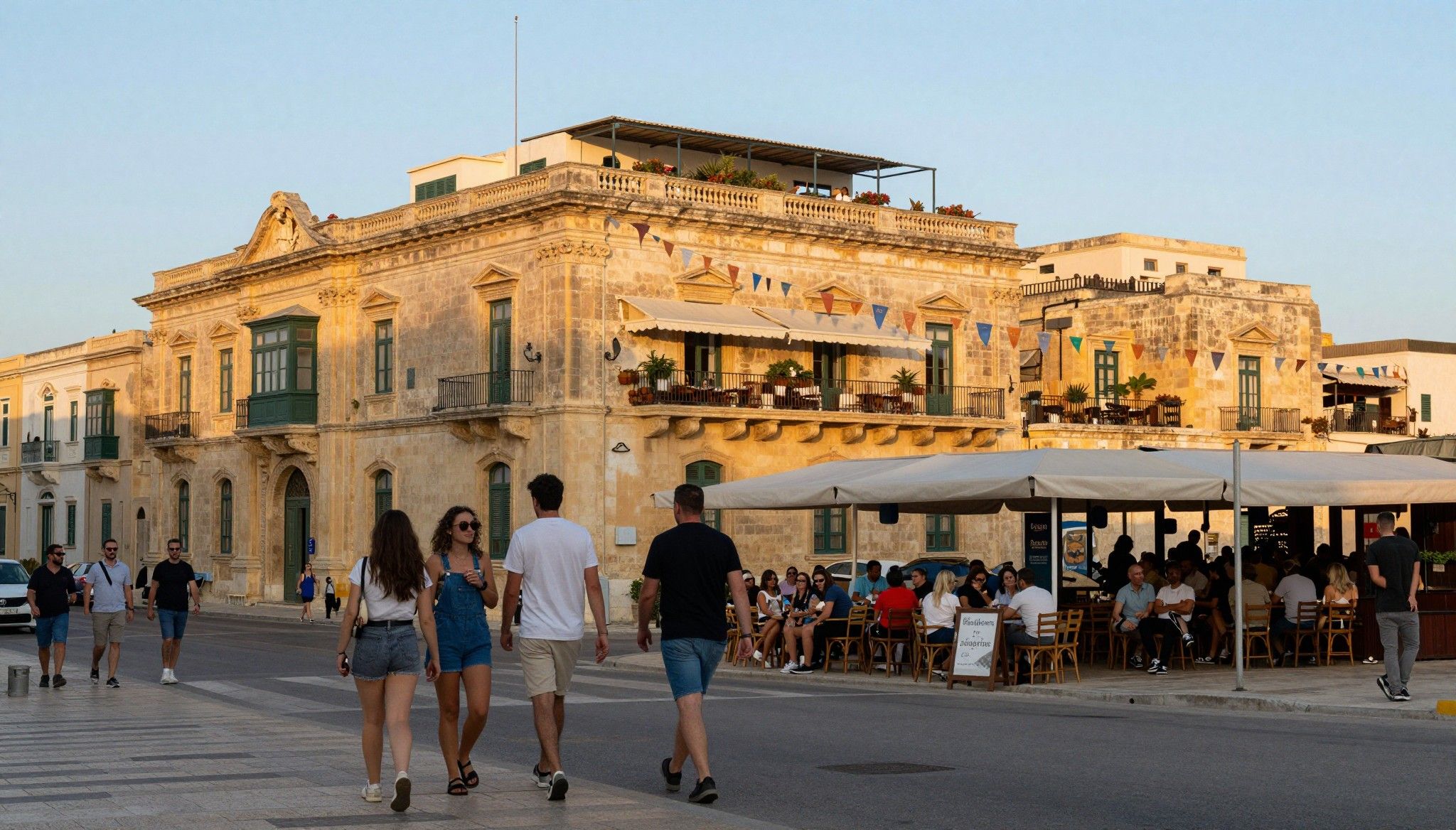
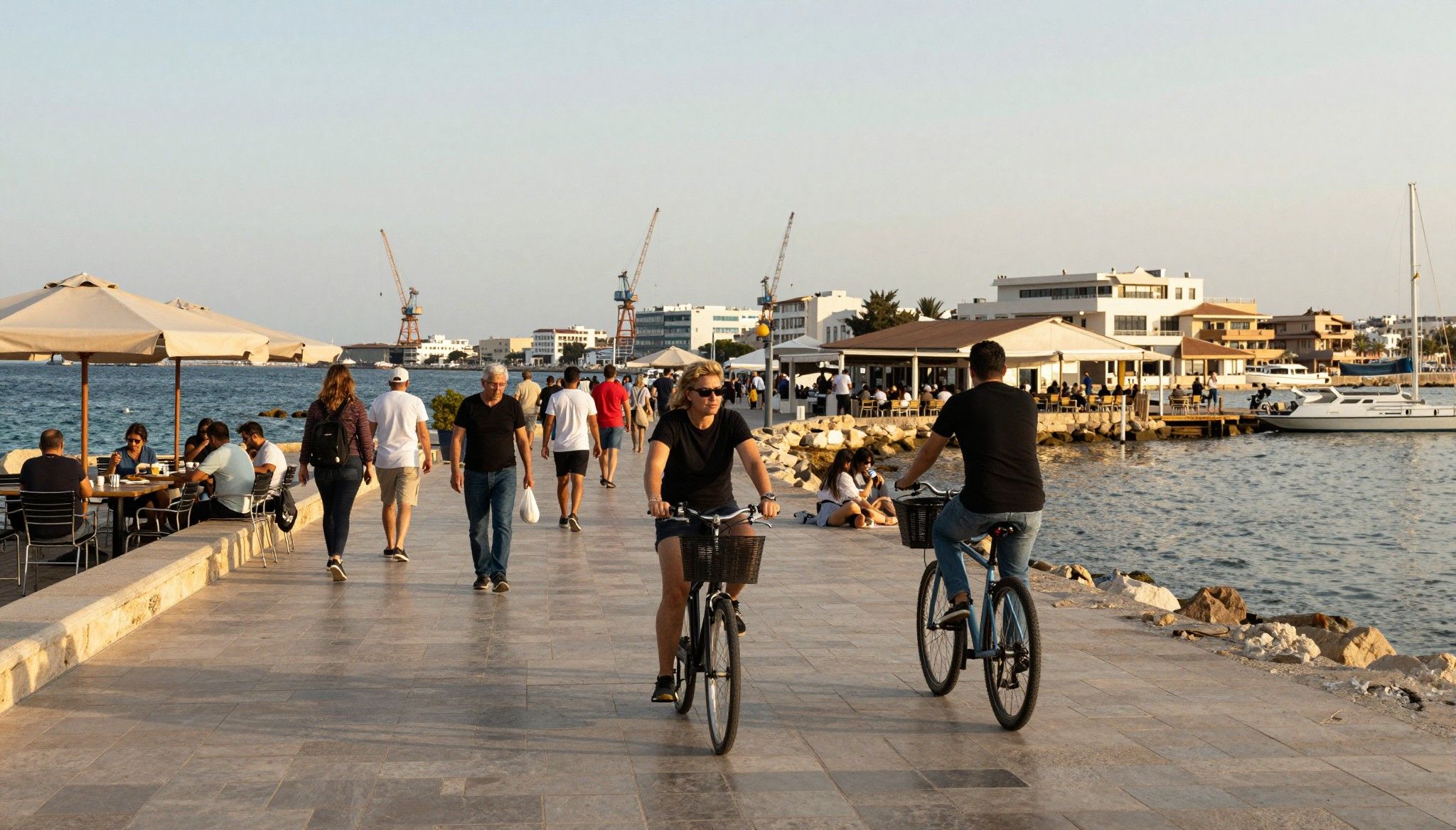
Greece: Match Neighbourhood Rhythm to Property Choice
Live like a local in Greece: match the specific neighbourhood rhythm to property type, season and legal realities for a lifestyle‑led, data‑backed purchase.
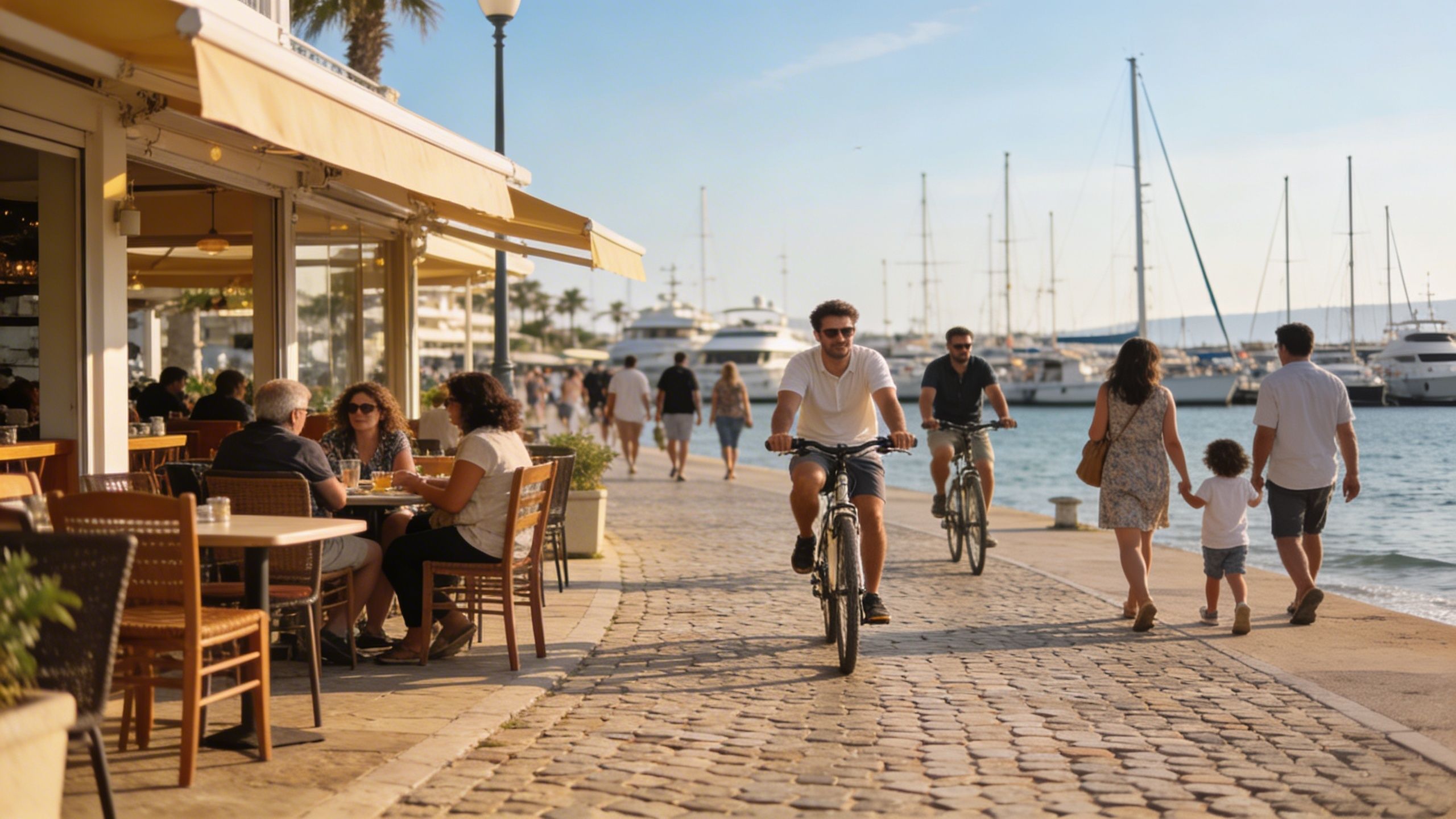
Imagine waking to the smell of freshly baked koulouri, then walking three blocks to a sunlit kafeneio where neighbours argue gently about football and next week’s festival. That scene—equal parts small‑city intimacy and Mediterranean ease—is what many buyers mean when they say they want to "live in Greece." But lifestyle here splits across islands, Athens neighbourhoods and northern cities; the life you fall in love with should shape the property you buy.
Living the Greece lifestyle: rhythm, streets and seasons
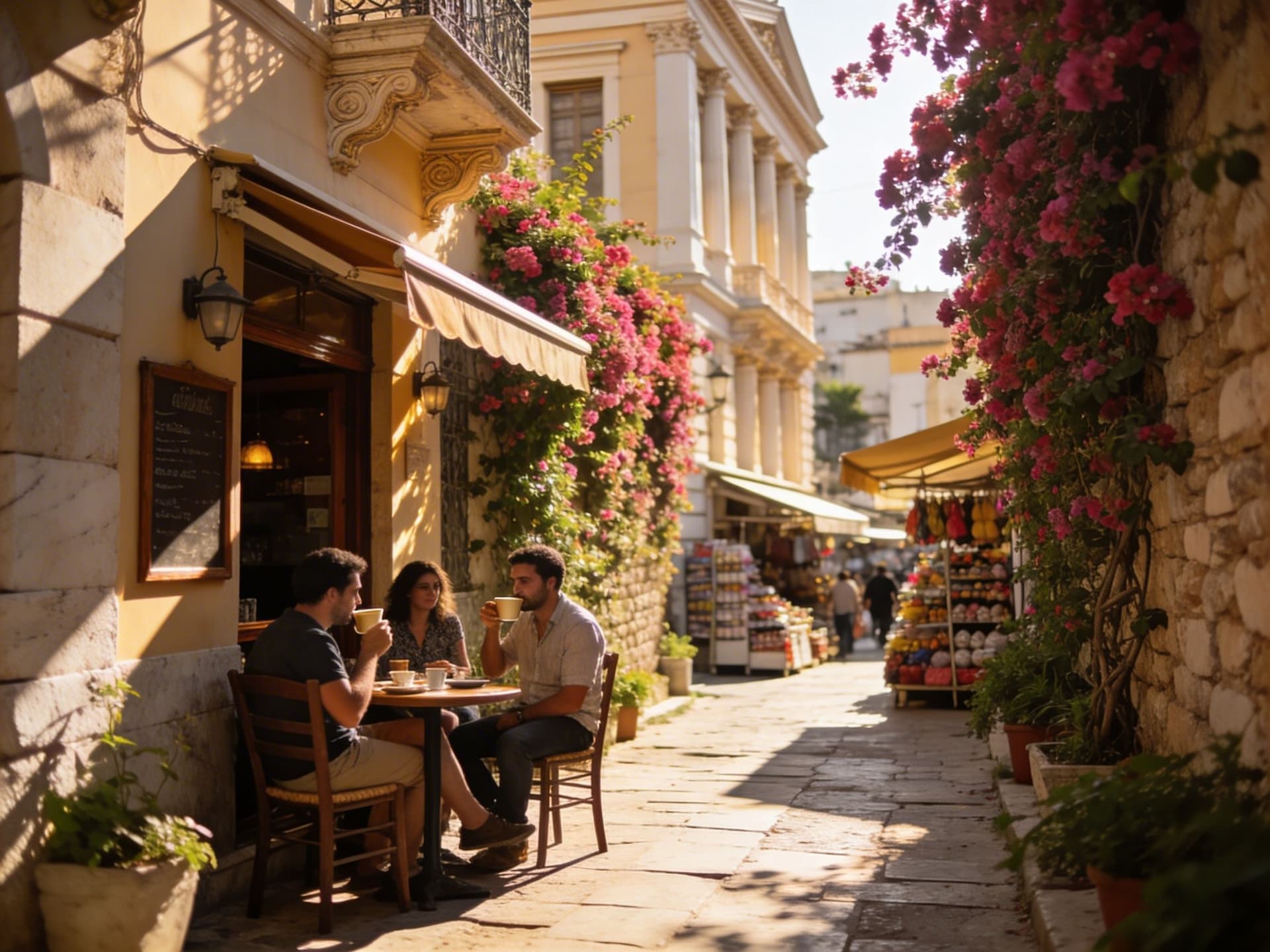
Greece’s daily rhythm is governed by light, food and community. In Athens you’ll hear scooters and see markets open before 08:00; on islands like Paros or Crete, mornings mean fishing boats and late afternoon promenades. Price growth has been meaningful in recent years, supported by tourism and constrained supply, so lifestyle choices (island calm versus urban pulse) also determine pricing dynamics and resale liquidity.
Athens: neighbourhoods that read like chapters
Koukaki and Pangrati feel lived‑in: narrow lanes, corner cafes, and renovated neoclassical facades. Kolonaki trades on prestige—boutiques, galleries and a calm, tree‑lined rhythm—while Glyfada offers a seafront lifestyle with cafes, marinas and modern developments. Each neighbourhood has a distinct tempo that affects both daily life and practical factors: access to transit, short‑term rental demand and renovation complexity.
Islands and coast: a mosaic of markets
Santorini and Mykonos remain aspirational and fast‑moving—high prices, strong seasonal rental yields and intense competition for renovated villas. Lesser‑known islands (Naxos, Syros, parts of Crete) give more space for the same money and growing year‑round communities. Buyers who prioritise lifestyle often trade liquidity for tranquillity; understanding local seasonality is essential to match expectations with reality.
- Mornings at Athens’ Varvakios Market; evening strolls on Glyfada’s marina; coffee on Koukaki’s Drakou Street; windsurfing at Paros’ Pounda beach; Sunday fish on Chania’s harbour; hidden taverna in Limeni (Mani).
Making the move: lifestyle-led practical choices
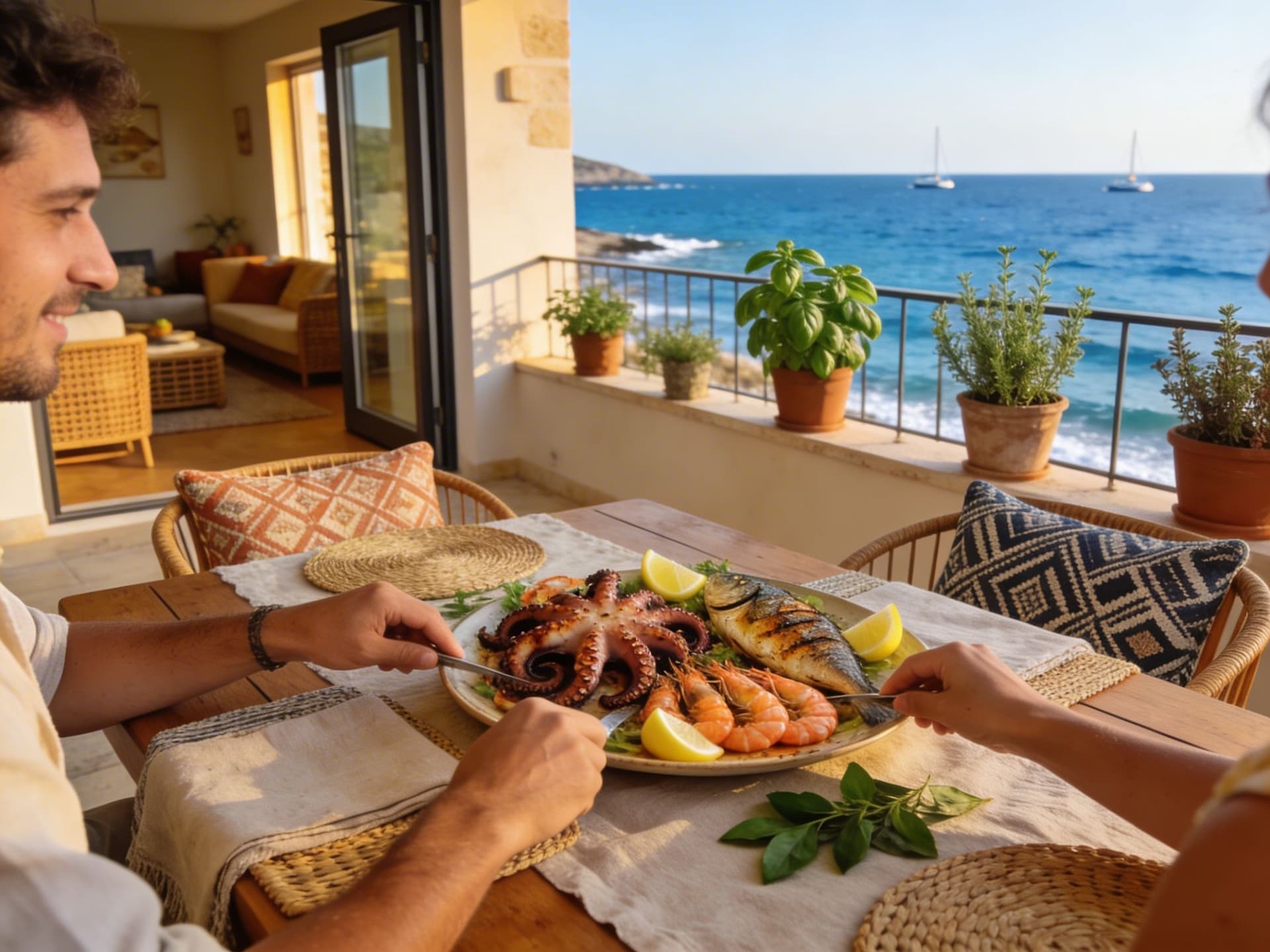
Turning a lifestyle preference into a property purchase means parsing policy, pricing and local practice. Greece has tightened investment/residency thresholds in recent years, and national price momentum—driven by tourism and limited construction—affects when and where you should focus. Your brief should start with the life you want, then map to property type, location and legal options.
Property types: how form follows life
A renovated Athens apartment gives immediate access to city life, transit and year‑round renters; a whitewashed island villa trades that convenience for outdoor living, terraces and seasonal peaks. New builds offer modern M&E and energy efficiency—valuable in a market now rewarding compliant, renovated stock—while traditional homes often need legal and structural due diligence. Match the property type to daily routines: long terraces if you dine outside; proximity to a marina if boating matters.
Work with local experts who understand life behind the listing
- 1. Ask agents for neighbourhood day-in‑the‑life videos and references from recent buyers. 2. Insist on energy and compliance certificates; Greece increasingly rewards legally compliant renovations. 3. Visit out of peak season to test daily services (shops, healthcare, public transport). 4. Compare short‑term rental rules locally—is the area friendly to Airbnb or legally constrained? 5. Get a local lawyer to check land registry (ktoy) entries and historical permits before offers.
Insider knowledge: what expats wish they’d known
Expats quickly learn that Greek friendliness has practical quirks: shops close for long lunch breaks in summer towns, bureaucratic timelines can extend, and social networks are local and powerful. Infrastructure improvements—like Thessaloniki’s metro and regional road upgrades—are reshaping value corridors, so a neighbourhood’s future trajectory can matter more than current price per square metre.
Cultural integration and daily life
Language matters less in tourist hubs but matters in daily-life towns where relationship‑based services (plumbers, local doctors, builders) are arranged person‑to‑person. Join a local cultural association, learn basic Greek phrases, and spend time in weekly markets—these open doors to reliable tradespeople and authentic experiences. Integration speeds up satisfaction and reduces hidden costs when renovating or managing properties remotely.
Long‑term lifestyle and value: what to watch
Expect moderate appreciation rather than explosive gains in many zones; regional pockets (northern cities, parts of Crete) show stronger upside due to infrastructure and lower entry prices. Energy efficiency, legalisation of older stock and proximity to transport are now the main value drivers—factors that will shape resale and rental performance over the next decade.
- Check these before you buy: a clear title deed, up‑to‑date energy performance certificate, confirmed planning permissions for terraces/annexes, reliable local property manager, and season‑tested utilities (water, waste removal).
If Greece feels right, begin with a short exploratory trip in shoulder season, meet agents who show you life—not just listings, and request real examples of running costs and rental performance. Use a local lawyer and a bilingual accountant to close confidently. The life you buy—cafes, markets, beaches, festivals—should be the compass that points you toward the right property.
Conclusion: Greece offers a spectrum of lived experiences—island calm, city verve, northern revival. Let lifestyle lead the search, then let data, local experts and careful due diligence turn that dream into a durable investment and a life well lived.
Swedish strategist who relocated to Marbella in 2018. Specializes in legal navigation and tax planning for Scandinavian buyers.