Street‑Level Value: Malta’s Under‑loved Neighbourhoods
Malta’s price growth masks street-level opportunities — choose lanes where lifestyle and durable demand meet, supported by recent PPI and market reports.
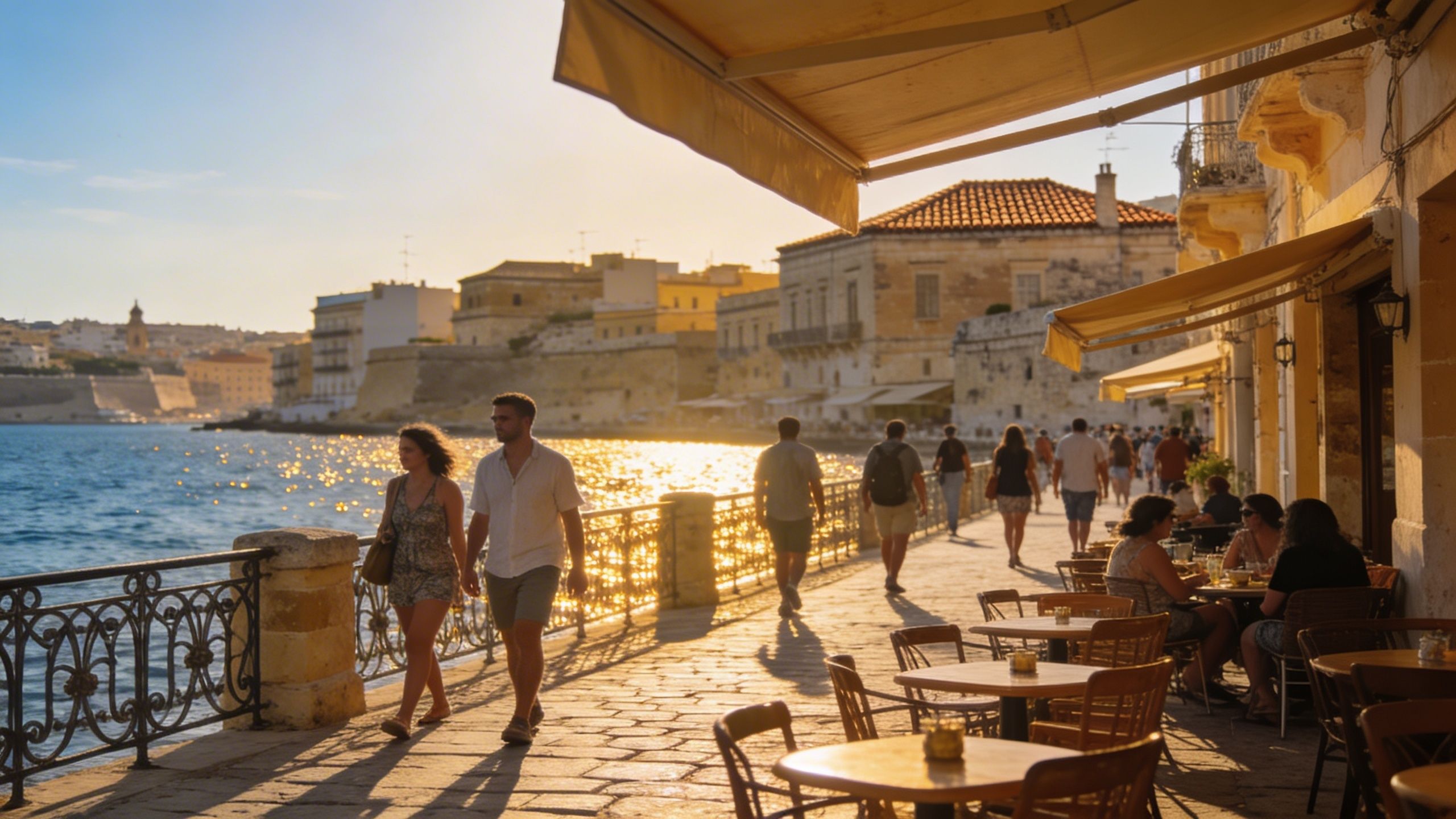
Imagine stepping off a ferry into Marsaxlokk at dawn: fishermen mending nets, cafés steaming with espresso, limestone buildings still cool. That sensory rhythm — the sea, the market, the walkable streets — is what draws buyers to Malta, not headline price charts. But the island’s compactness means neighbourhood choices change daily life more than headline averages do. That’s why I argue: look at streets, not postcodes — the quiet lanes where locals live are where lifestyle and long-term value meet.
Living the Malta lifestyle
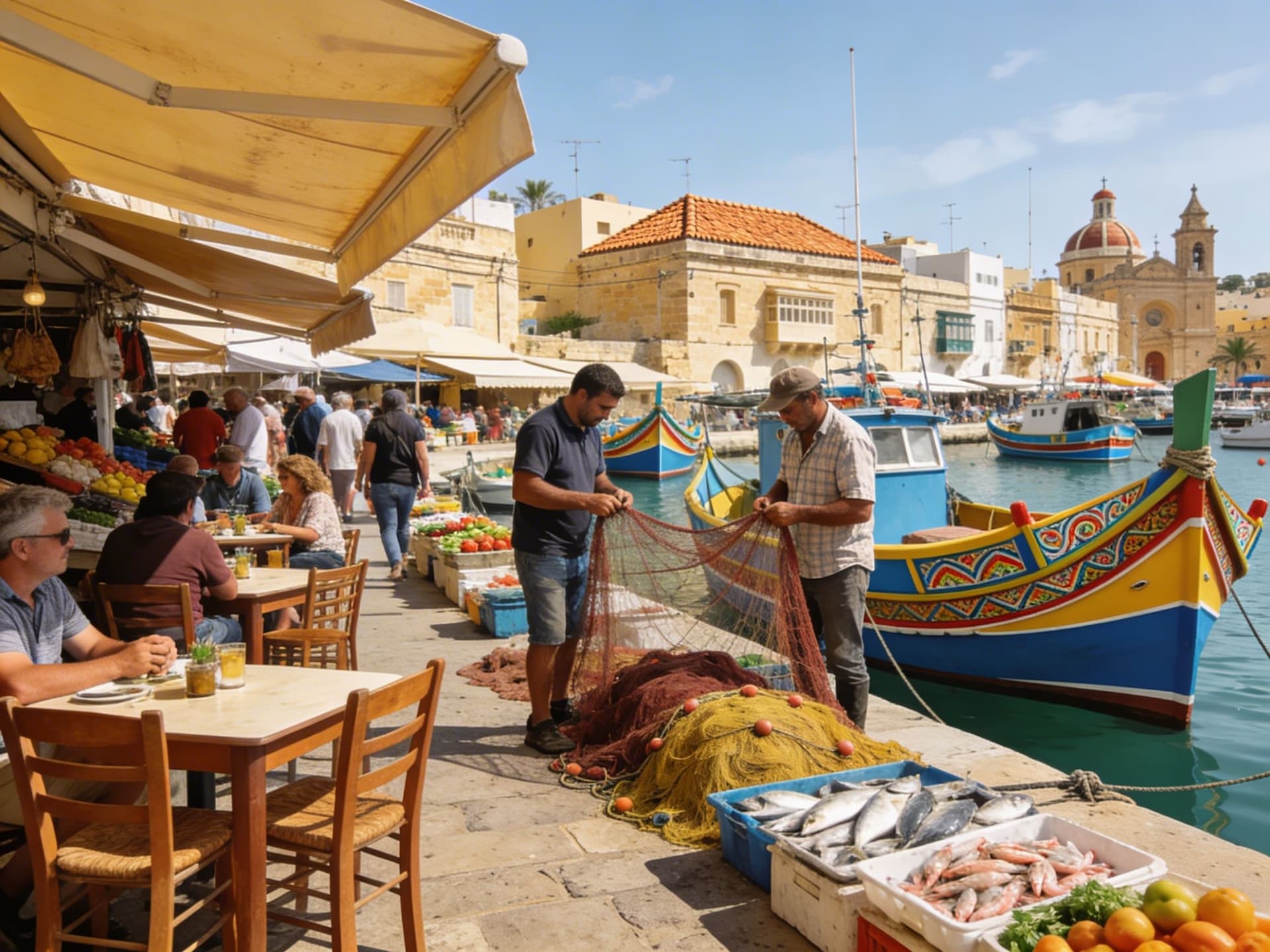
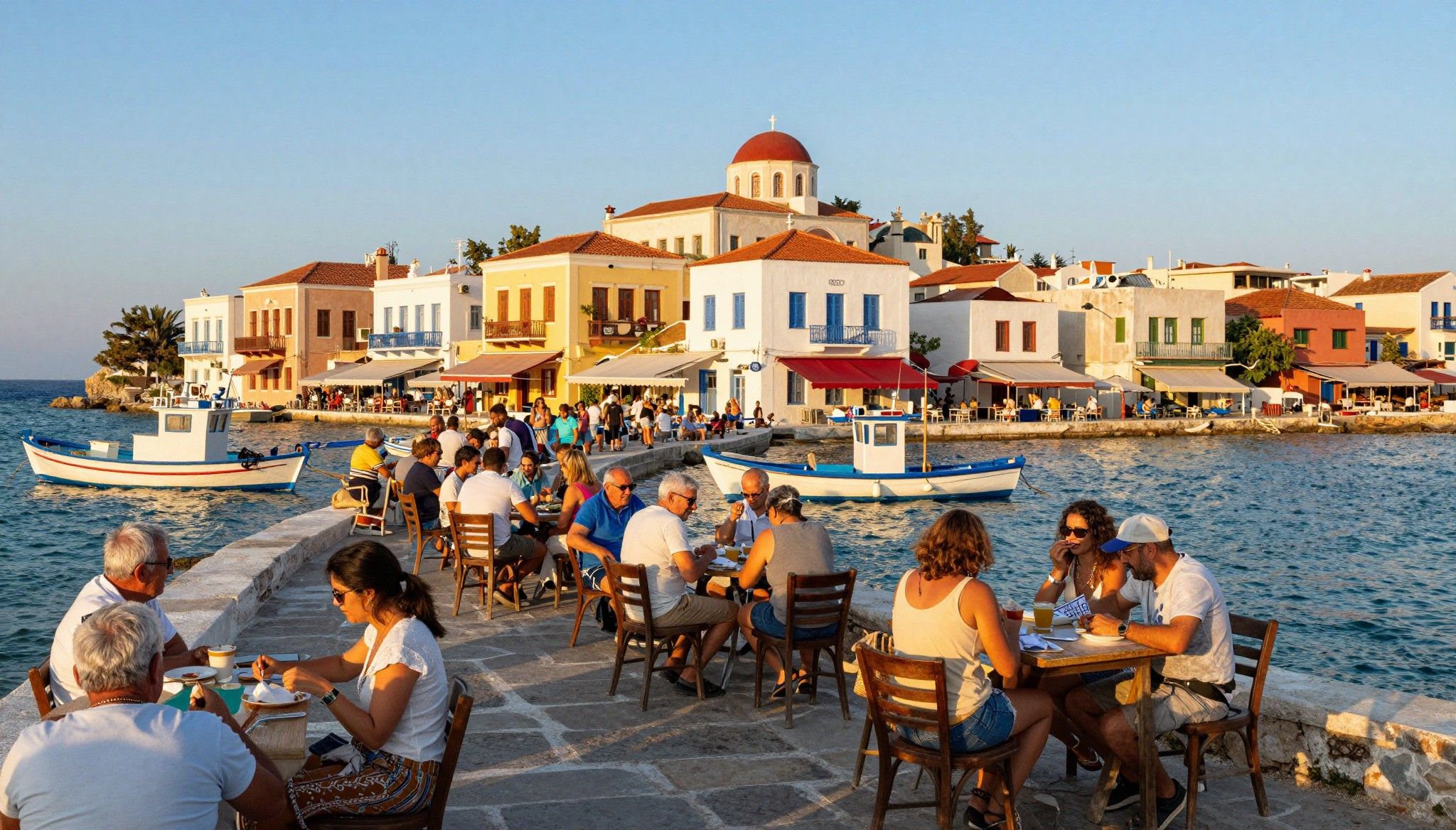
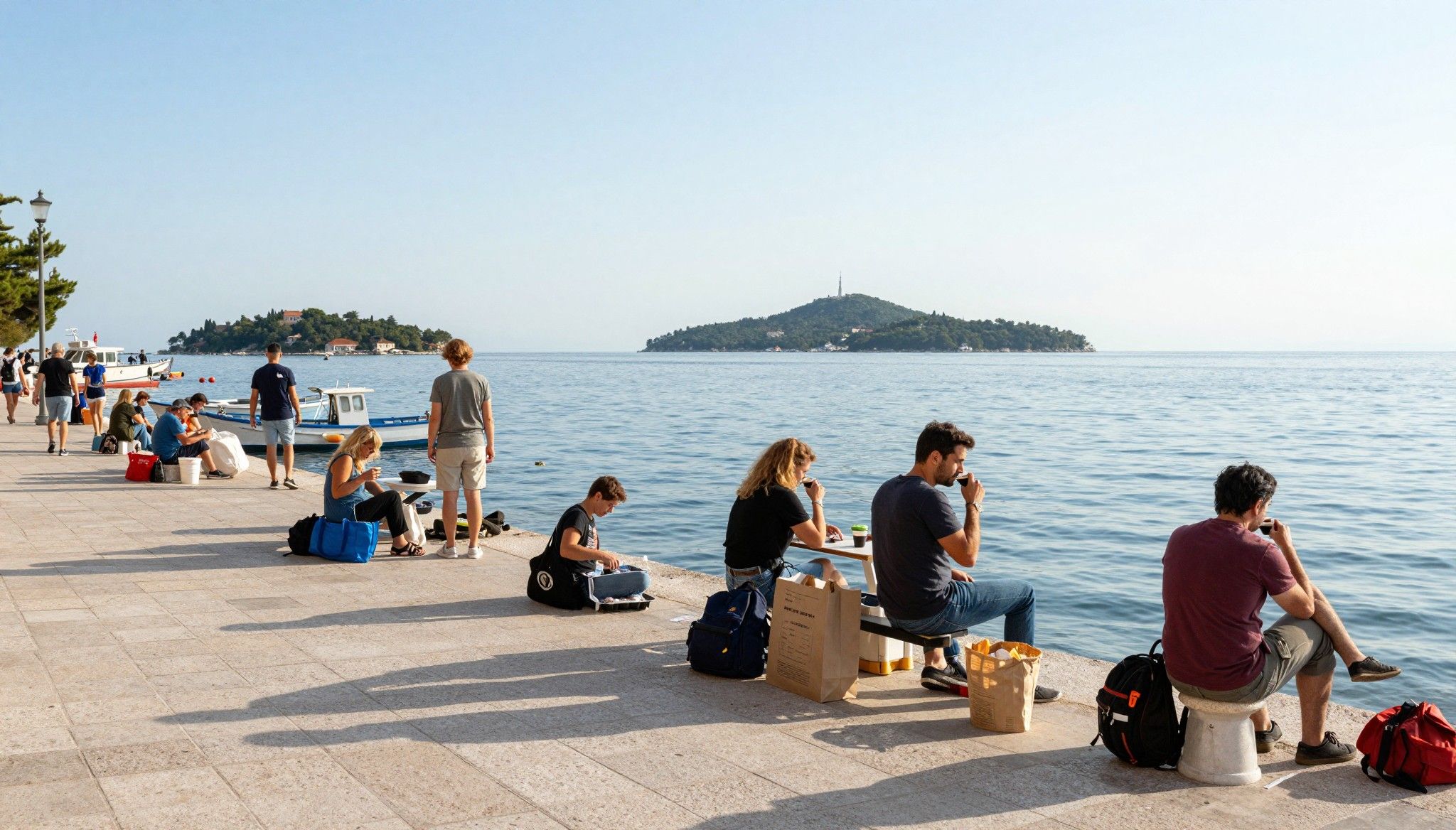
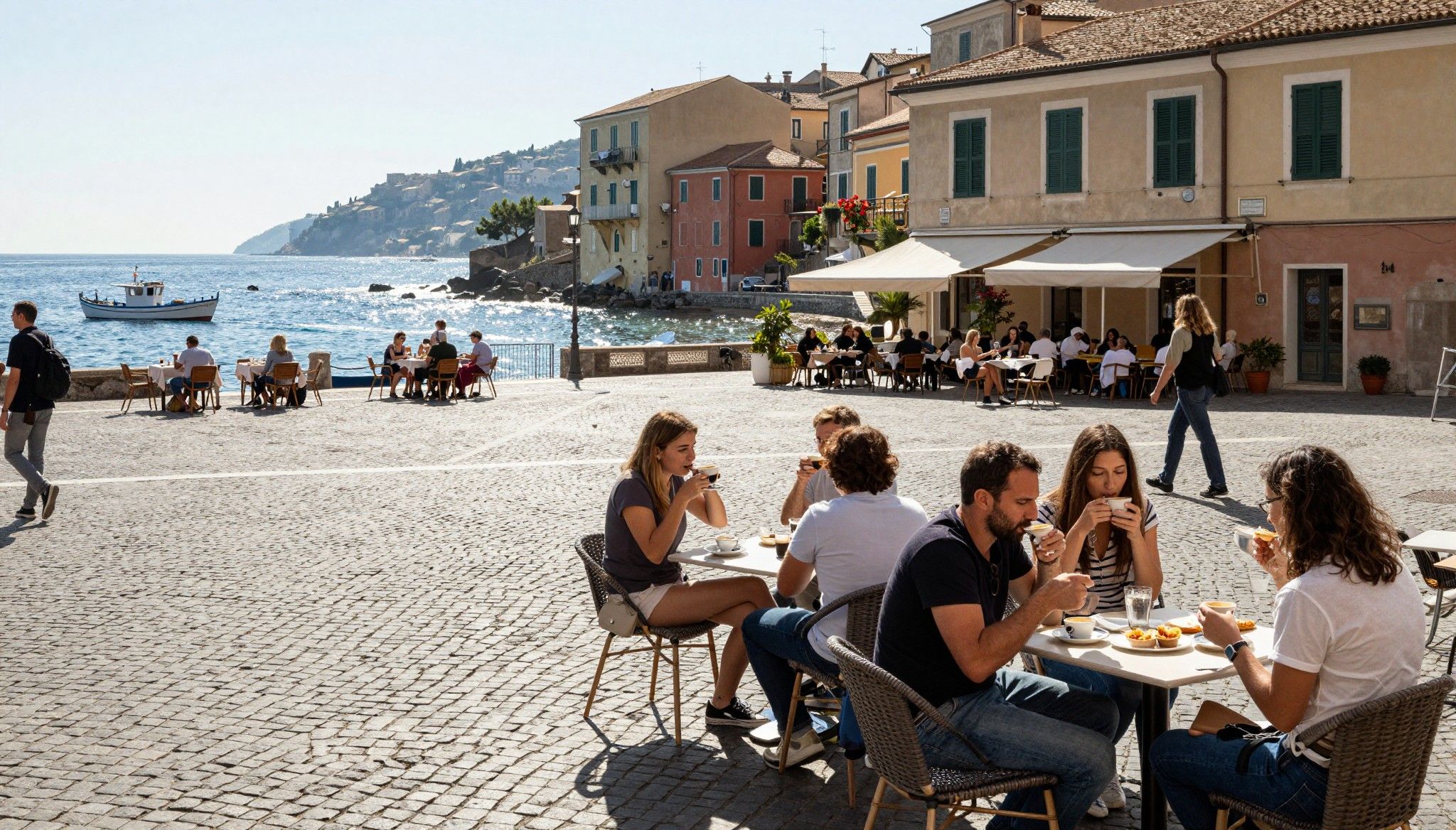
Malta feels Mediterranean in concentrated form — a working harbour and a neighbourhood piazza can sit five minutes apart. Days are structured by coffee pauses, short commutes, and late dinners; sea and limestone define the visual language. English is widely spoken, which flattens friction for international arrivals, while village festas and fish market mornings anchor local social life. For buyers, that means a tiny property can deliver outsized lifestyle returns if it sits on the right street.
Valletta & Three Cities: history-meets-commute
If you want grand façades, narrow baroque streets and a walkable urban life, Valletta and the Three Cities deliver. Valletta’s small squares host quiet cafés by day and cultural events by night, while Senglea and Vittoriosa have hidden harbour-front terraces where neighbours gather. For social life and convenience, Sliema and St Julian’s offer promenades, beach clubs and an energetic café culture — though they also attract tourists, which changes the evening tempo. Choosing a street that sits one block from the promenade but away from the main drag gives you the benefits without the perpetual footfall.
Northern Coast & Gozo: quieter rhythms
Mellieħa, Golden Bay and neighbouring villages lean toward weekend families and slower mornings; Gozo offers greener hills, larger terraces and a distinctly village feel. These areas suit buyers prioritising outdoor life — sea swims, hikes and larger gardens — but expect longer commutes to main services. For families or retirees, a house on a quiet Gozo lane can feel like an immediate lifestyle upgrade compared with a compact city apartment. If remote work matters, check broadband and travel time — the tradeoff is space for tranquillity.
- Morning market cafés in Marsaxlokk; Valletta’s evening passeggiata; Mellieħa Bay swims and snorkels; Ta' Xbiex marina walks and sunset aperitifs; hidden roof terraces in Sliema; village festas in Żurrieq.
Making the move: lifestyle — and the property that serves it
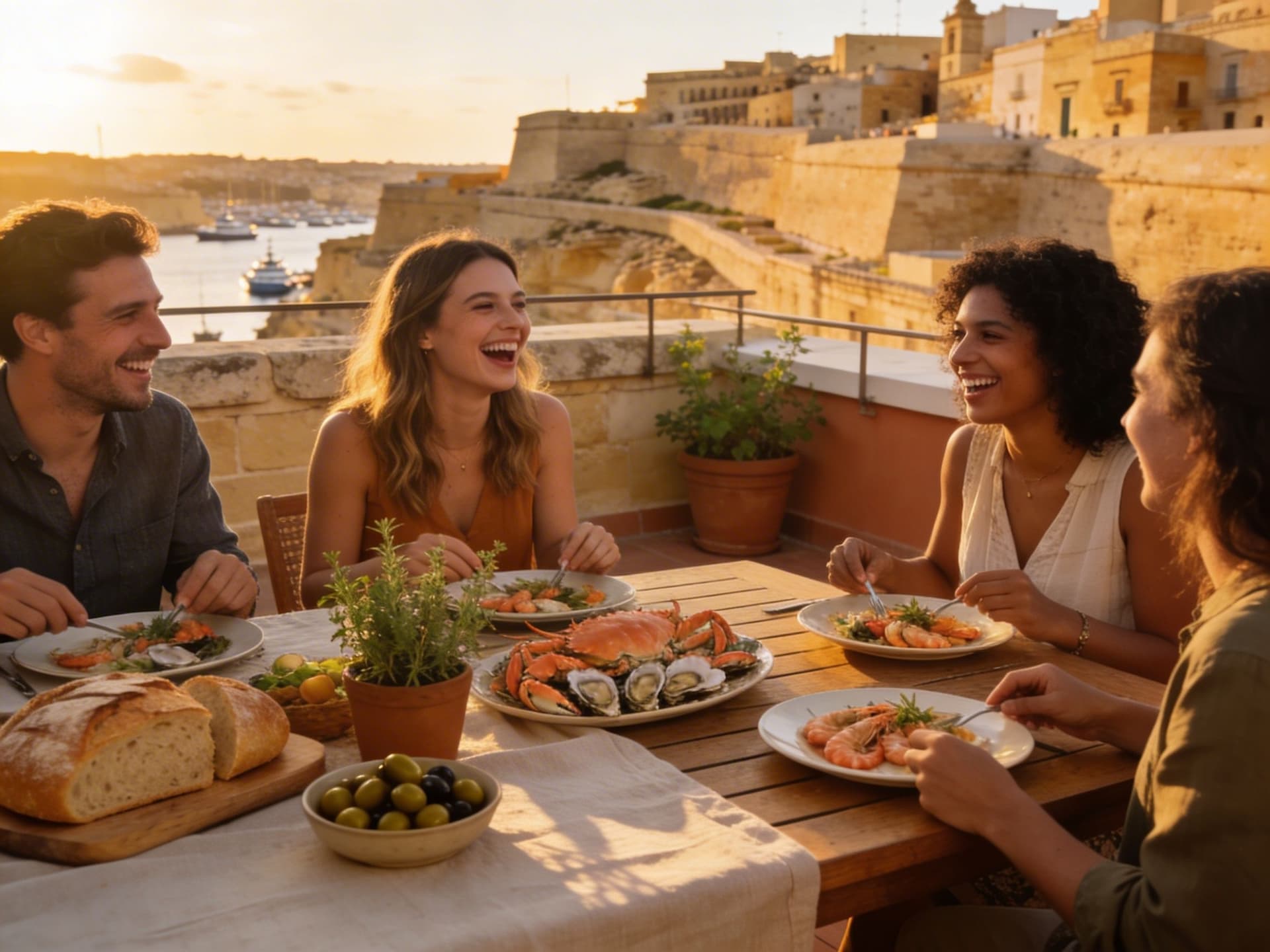
Dreams collide with data: Malta’s property market has shown steady growth in recent years, driven by limited land and rising demand. That helps explain why advertised and transaction prices have been rising, but it also means the right micro-location matters more than ever. Translate lifestyle priorities into property features — a rooftop for evening dinners, ground-floor access for mobility, or a small garden for children — and you’ll make smarter trade-offs between price and daily living.
Property styles and what they mean for living here
Apartments and maisonettes dominate Maltese stock; traditional townhouses and houses of character are rarer and command premiums. Apartment living suits buyers who want proximity to cafés, transport and services, while a maisonette or townhouse is better for outdoor living and privacy. Recent official indices show annual price rises in both apartments and maisonettes, so consider lifetime use: will you spend most days inside the neighbourhood or commuting off-island? That answer should shape whether you prioritise outdoor space or centrality.
How local experts help match life to layout
A good Malta agent is more curator than salesperson: they point to streets where morning routines, school runs and aperitivo spots align with your life. Expect them to provide walk-throughs at different times of day — showing noise levels, light in the home, and neighbour activity. They also understand micro-details that shape living: which lanes flood mildly in heavy rain, where bin collection times create street noise, and where permit parking is enforced. These are the things that make or break day-to-day contentment.
- Decide lifestyle priorities: commute time vs outdoor space; shortlist streets not postcodes; visit at breakfast, lunchtime and late evening; match property layout to routines (rooftop? ground-floor?); ask agents about local quirks: parking, festas, planning restrictions.
Insider knowledge: what expats wish they'd known
Expats often say the surprise wasn’t cost alone — it was the micro-scale of trade-offs. A street with a single excellent café can command a price premium because neighbours prize it; a two-minute longer ferry to work can flip your day from calm to rushed. Recent reporting shows Malta’s residential prices continuing to rise year-on-year, reinforcing how quickly popular streets can reprice. Knowing this, seasoned buyers focus on slightly off-centre lanes that preserve lifestyle while avoiding tourist rent spikes.
Integration, language and local customs
English as an official language flattens daily integration: paperwork, schools and healthcare are accessible, but cultural integration still benefits from learning Maltese phrases and festival rhythms. Village festas are social accelerators — take an invitation and you’ll meet neighbours. Practicalities like municipality rules, communal maintenance expectations and festa schedules shape when renovations are possible and how neighbours interact. Agents who live locally can coach you in these soft rules and smooth first-year surprises.
Long-term lifestyle and value: what to expect
Population limits and island geography mean constrained supply will likely keep pressure on prices over time, but that doesn’t guarantee uniform gains across every street. Expect steady demand for well-located apartments and stronger growth for restored houses of character. Rental demand has been resilient, with local reports noting rising rents in 2024–2025, making a lifestyle-first purchase potentially viable for part-time rental income. Still, think in decades: choose a street that supports the life you want for years, not just the view in one season.
- Check local indicators: recent PPI trends; building permit activity; advertised vs transacted prices; rental growth in your target neighbourhood; community services and seasonal visitor patterns.
Conclusion: pick the life, then the street. In Malta the day-to-day details — a bakery on the corner, an evening market, a quiet roof terrace — define value as much as euro-per-square-metre figures. Use agents as cultural guides, cross-check market data and prioritise streets that match your routines. When you do, you’ll find Malta’s compact charm delivers a lifestyle that feels larger than its footprint and an investment story written street by street.
Dutch investment strategist with a Portugal-Spain portfolio. Expert in cross-border financing, rights, and streamlined due diligence for international buyers.