Why Greece’s Price Story Hides Practical Opportunities
Greece blends urban pulse and island ease; recent price momentum and Golden Visa rule changes create nuanced opportunities. Visit in two seasons and prioritise neighbourhood rhythm over headline price.
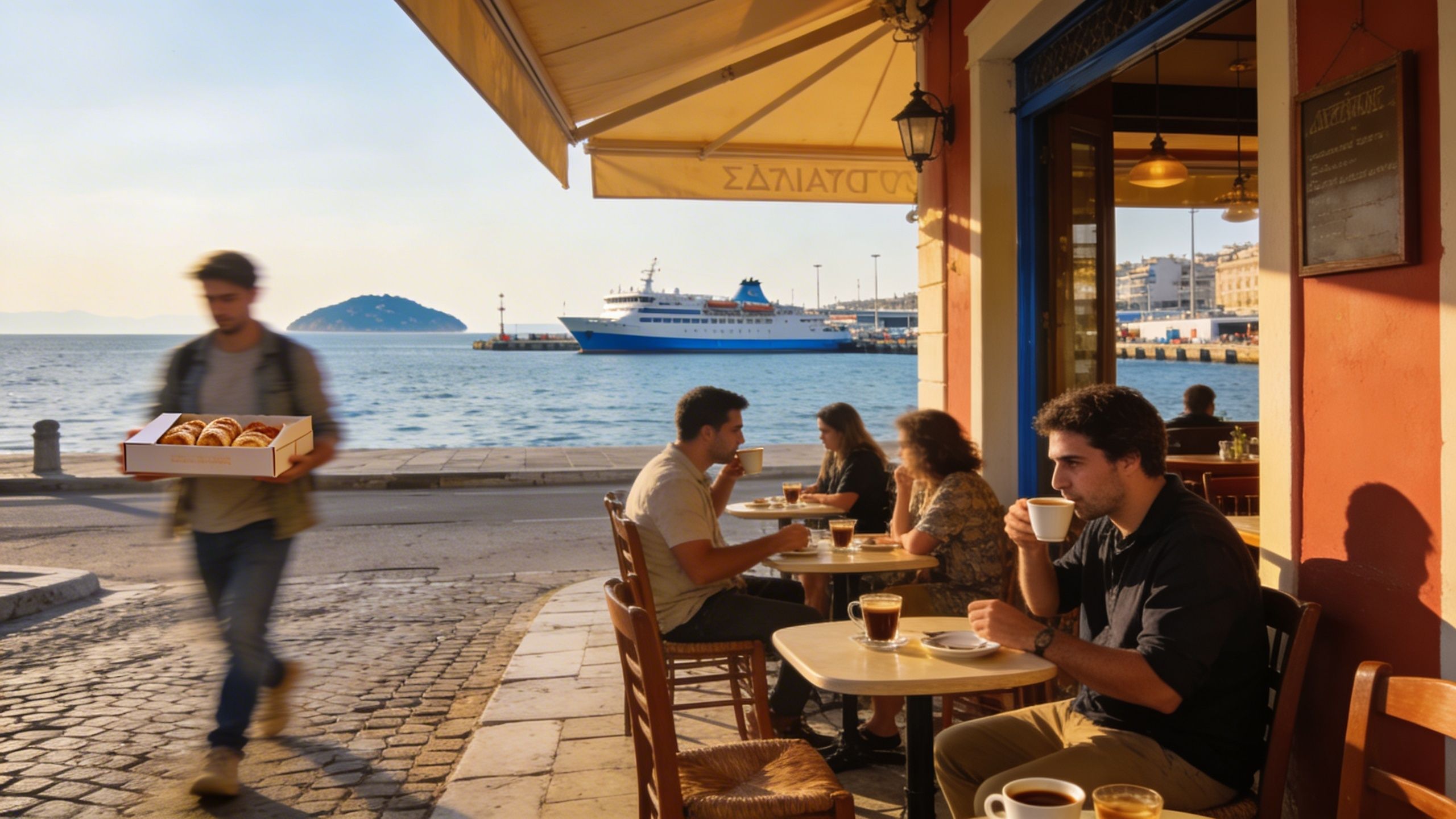
Imagine stepping out at 09:00 to buy a thimble of strong coffee, catch the fisherman’s haul at Athens’ Varvakios Market, then ferry to an island where afternoons stretch long and inconsequential. That contrast — urban momentum and island unhurriedness — is Greece’s appeal: day-to-day life shaped by morning markets, seaside tavernas and neighbourhood rhythms. Recent price momentum and policy shifts complicate the romance, yet they also open new, practical opportunities for buyers who know where to look and when to act. Here I mix sensory life-on-the-ground detail with up-to-date market signals so you can weigh the dream against the facts.
Living the Greek rhythm
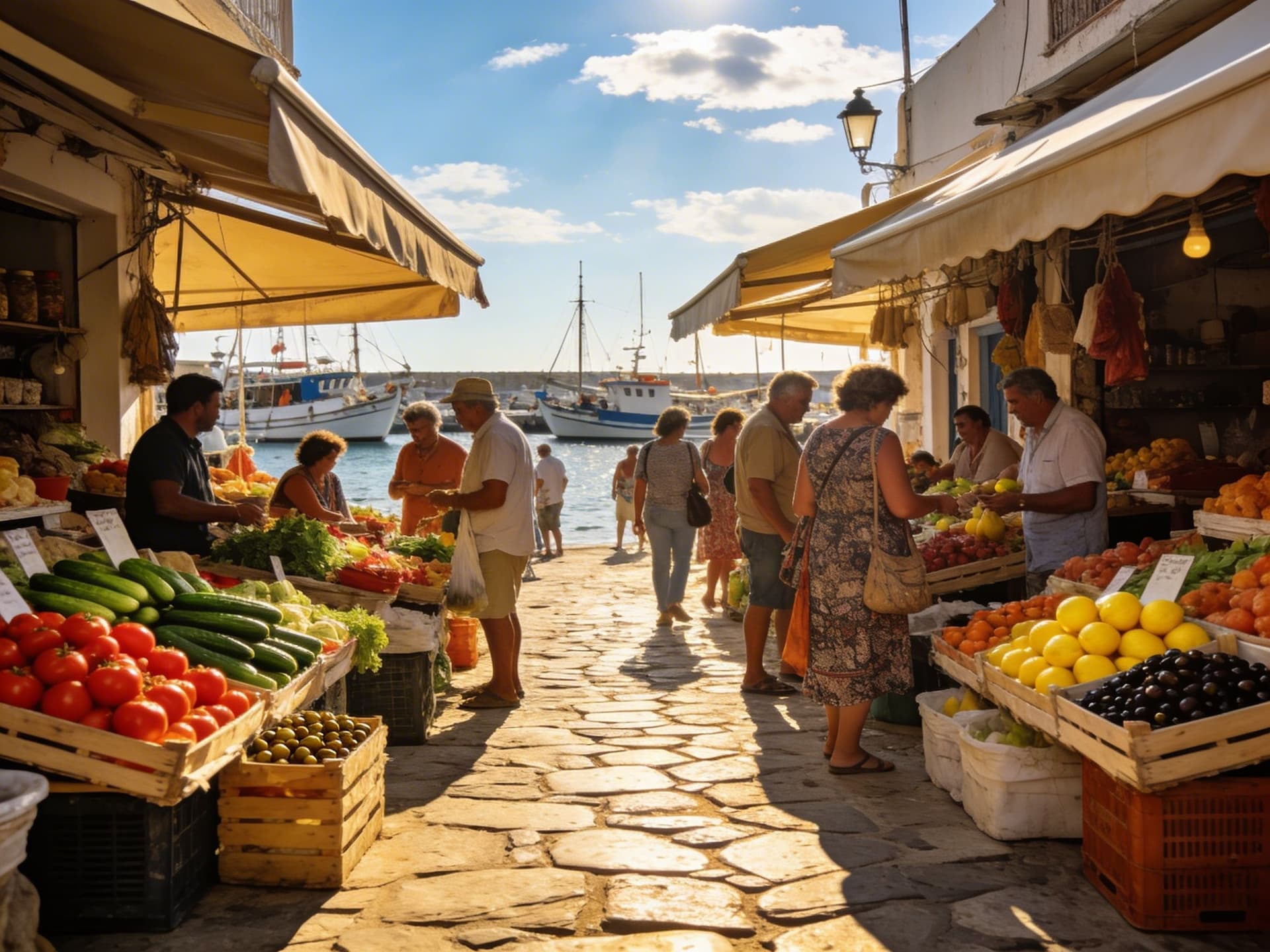
Athens and the islands are not a single market; life here is a collage of neighbourhoods. In Athens you’ll hear scooters and café chatter under neoclassical facades, while on Syros or Kefalonia mornings are defined by bread sellers and olive groves. Prices vary the same way life does: city penthouses and Mykonos villas sit at a different pace and price than a seaside house on Evia or a stone village home in Pelion. Local colour — from Psyrri’s street art to the quiet port of Nafplio — defines both where you’ll want to be and what type of property actually supports that life.
Athens neighbourhoods: morning markets to late-night plates
Picture Exarchia’s bookshops and courtyard cafes for slow weekends, Koukaki for family-friendly streets and walkable bistros, and Anafiotika tucked beneath the Acropolis for layered history. Each Athens quarter changes your daily rhythm: commute, coffee rituals, and where you’ll send guests for a proper meal. If you crave early-morning fish stalls and a lively lunch scene, central neighbourhoods deliver; if quiet tree-lined streets and local schools matter, the southern suburbs (Glyfada, Voula) offer a different tempo. That tempo should shape what you buy — small pied-à-terre for cultural immersion versus a larger apartment for year-round life.
Island life: which coast fits your mood
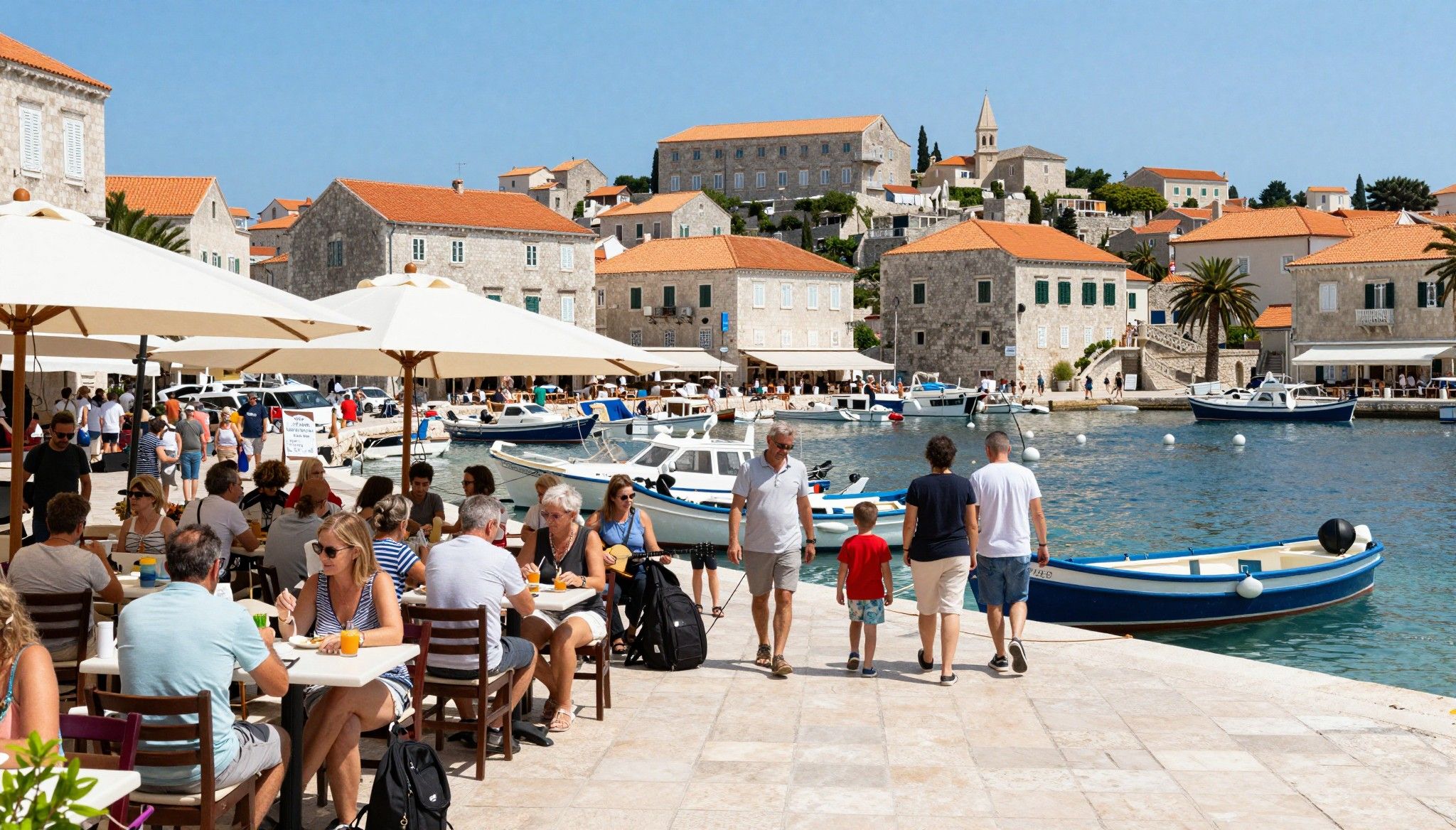
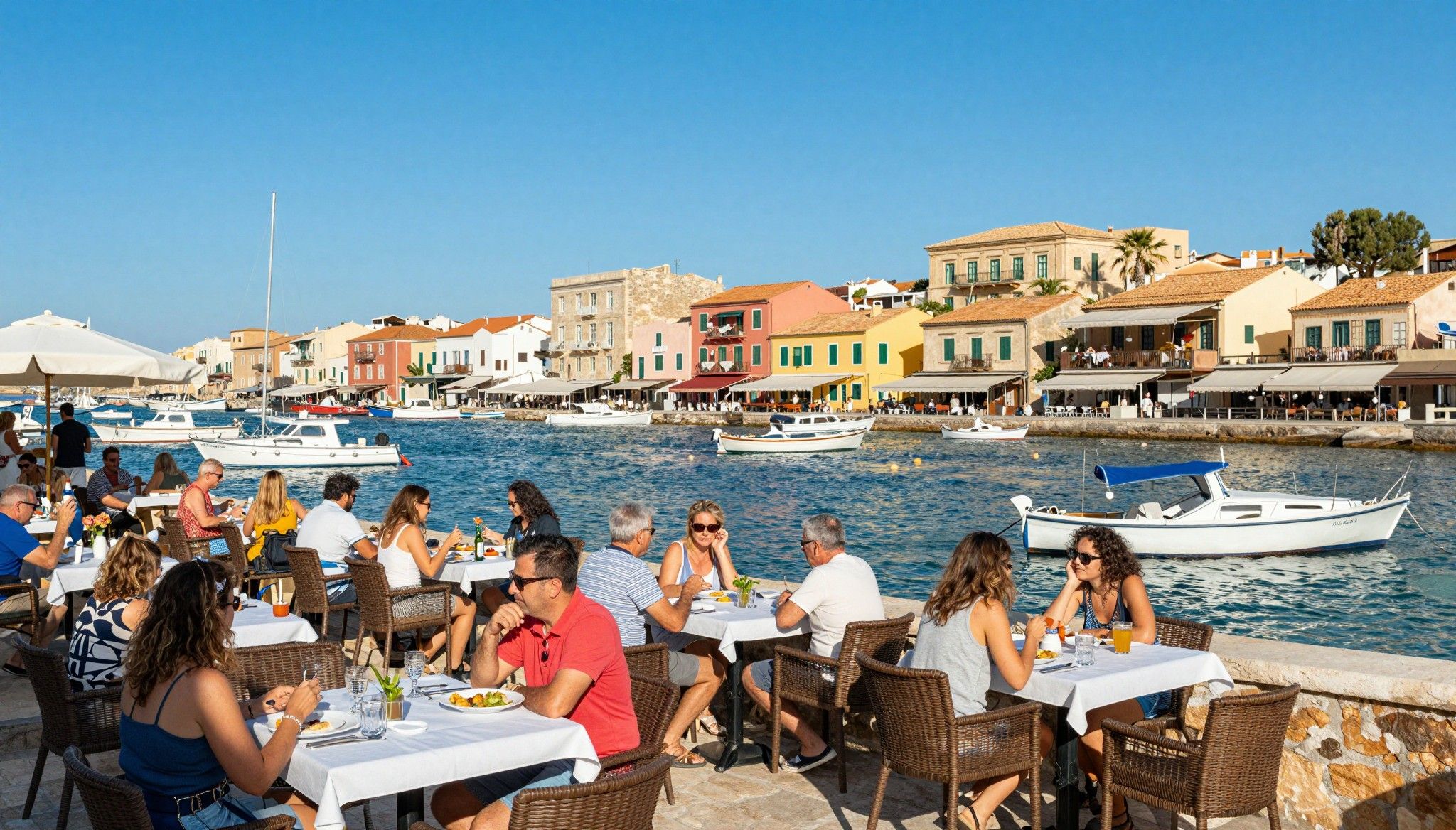
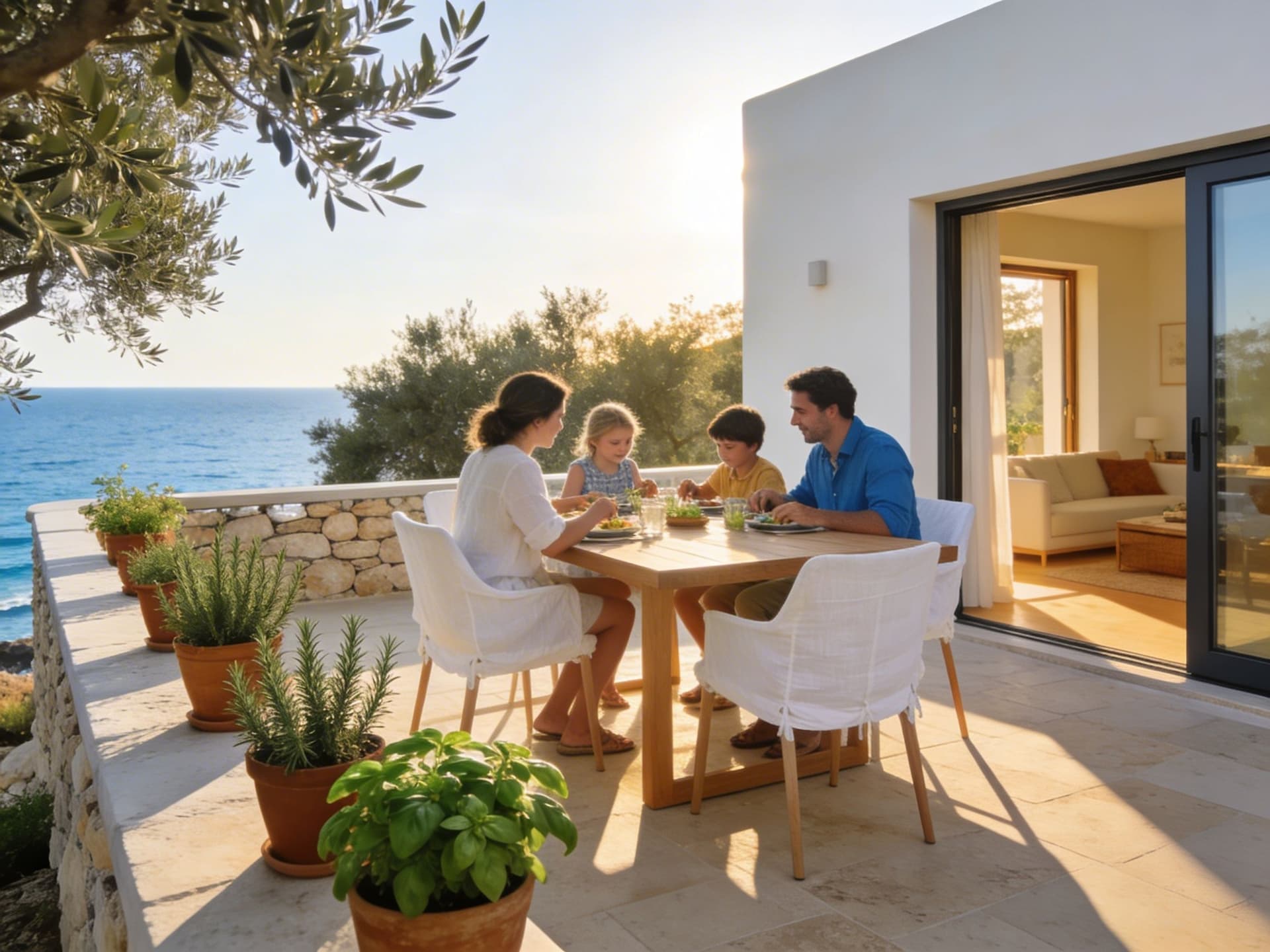
On islands the daily script is outdoors: terraces for long lunches, small harbours for afternoon swims, and bakeries that open before sunrise. Mykonos and Santorini draw a rapid, luxury seasonal life with premium pricing, while islands like Naxos, Syros and Kefalonia combine good infrastructure with calmer summers and more affordable stock. Your choice is a trade-off between connection (direct flights, good marinas) and authenticity (local markets, year-round communities). Think beyond headline prices: consider ferry schedules, winter population, and whether the island supports the lifestyle you imagine in November as much as July.
Making the move: market signals and practical choices
Recent official data shows prices rising but with clear deceleration — an important signal for international buyers who assume rapid, uniform inflation across Greece. The Bank of Greece noted slower growth in late 2024 after double-digit jumps in prior years, and regional spreads remain wide: Athens and Thessaloniki outperform many island and mainland pockets. At the same time, policy changes to residency-by-investment (the Golden Visa) have tightened thresholds and restricted short-term rentals, reshaping investor demand and local availability. That combination means opportunity exists — but context matters: which micro-market, what season, and what legal route you pursue.
Property types and how they support lifestyle
Greece’s stock ranges from neoclassical Athens apartments and seaside modern builds to converted farmhouses and luxury island villas. A restored stone house in Mani gives you gardens and privacy; an Athenian neo-classical flat puts culture, markets and restaurants on your doorstep. New-build developments near the Athenian Riviera provide contemporary amenities and easier maintenance, while island renovations offer character but often need more hands-on management. Choose the property type that supports how you want to live — daily convenience, seasonal hosting, or rental income — not the one that merely looks best in photos.
Practical steps that blend lifestyle and process
1. Visit in two seasons: experience July bustle and November quiet to test year-round fit. 2. Prioritise walkability and infrastructure: daily markets, health services, and ferry/flight links matter as much as view. 3. Confirm rental rules: new regulations curtail short-term lets in many areas, affecting yield projections. 4. Use local agents who specialise by neighbourhood and speak your language; they’re the best source for off-market leads and contractor referrals. 5. Build a two-year running budget for running costs and contingency, not just purchase price: utilities, local taxes, and restoration can surprise buyers.
Insider knowledge: what expats wish they’d known
Real expat life is not an Instagram storyboard; it’s a set of rhythms tied to seasons, bureaucracy and neighbours. Many newcomers underestimate winter island logistics, seasonal business closures, and the social step of being invited to — and attending — local kafeneia and panigyria (village festivals). Some also didn’t expect how important reliable local contractors and a deputy-in-residence can be during off-season months. Knowing these realities helps you choose a property and an agency that will protect the lifestyle you buy, not just the asset.
Cultural cues that shape where you’ll fit in
Greek social life rewards small daily rituals — regular cafés, the same fishmonger, neighbours who say hello. Learn a few phrases and respect local rhythms (long lunches, late dinners, festival days) and you’ll find doors open. For families, schools and community clubs often determine neighbourhood choice more than proximity to the city centre. For retirees, proximity to reliable health services and quieter months are paramount. Agencies that introduce you to neighbourhood relationships — not just properties — deliver the best long-term outcomes.
Red flags and practical checks before you sign
- Check legal use and licensing: some island properties are in zones where permits for rental or extension are restricted. - Confirm that the seller’s tax records and utility clearances are clean — backlog issues can delay transfer. - Verify winter access: ferry frequency, road maintenance, and seasonal closures affect livability and resale. - Don’t rely solely on headline price-per-square-metre; recent regional indices show varying growth and local micro-markets can diverge from national averages. (See Bank of Greece commentary.)
If Greece feels like a mosaic — it is. The key decision is whether you buy for daily life or for calendar-season life. Buy for the life you want from October to April and you’ll be rewarded with depth of community; buy only for July and August and you risk owning an empty asset most of the year. Start with a lifestyle map: list your non-negotiables (school, sea access, flights) and let those guide neighbourhood and property type. When you’re ready, a local agency with granular market knowledge will translate lifestyle into a viable purchase plan and a realistic budget.
Dutch investment strategist with a Portugal-Spain portfolio. Expert in cross-border financing, rights, and streamlined due diligence for international buyers.