Croatia: Read the Pipeline, Buy the Life
Croatia’s building pipeline hides both lifestyle opportunities and seasonal traps — read permits, check occupancy and visit off‑season to match life with long‑term value.
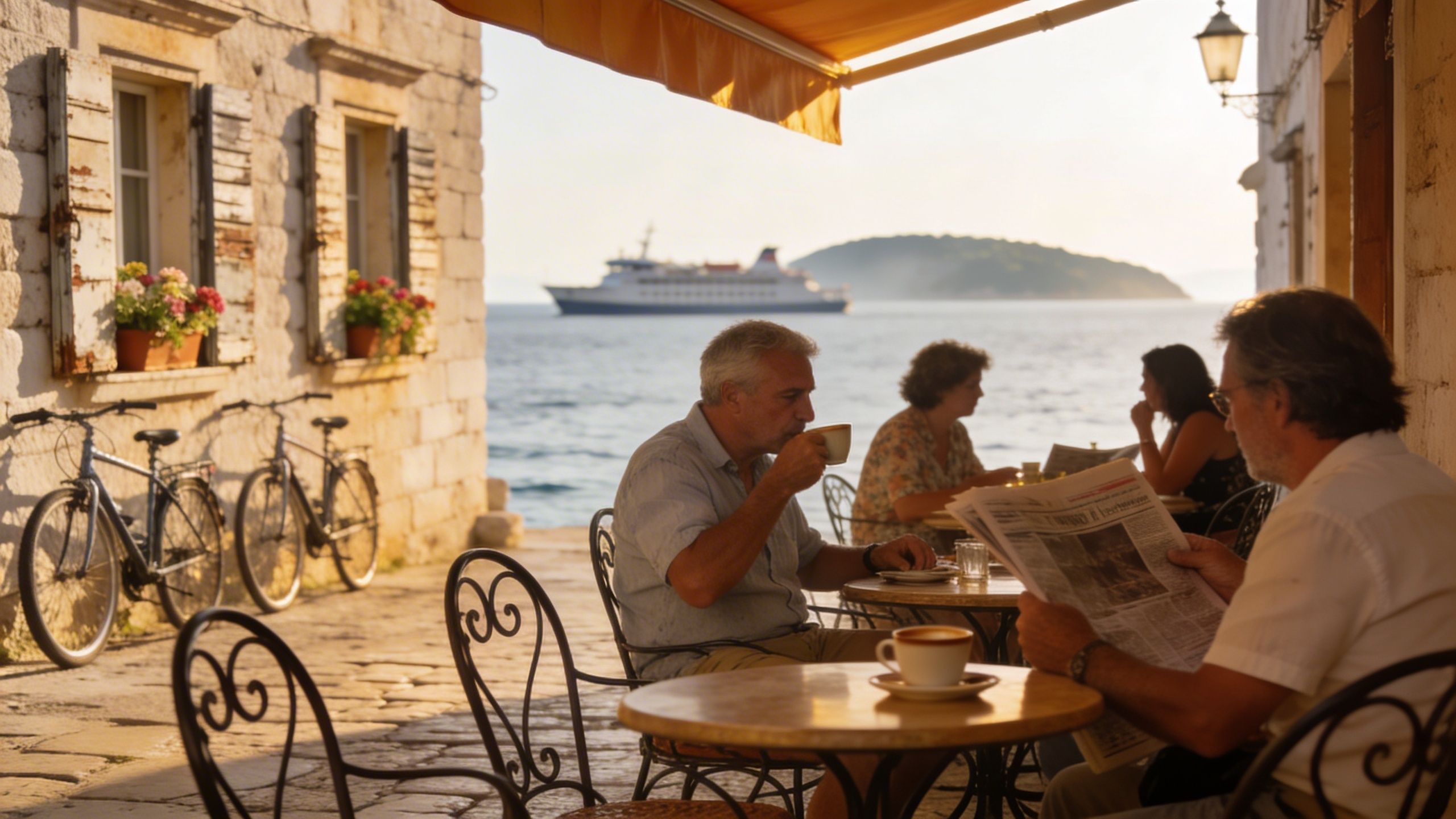
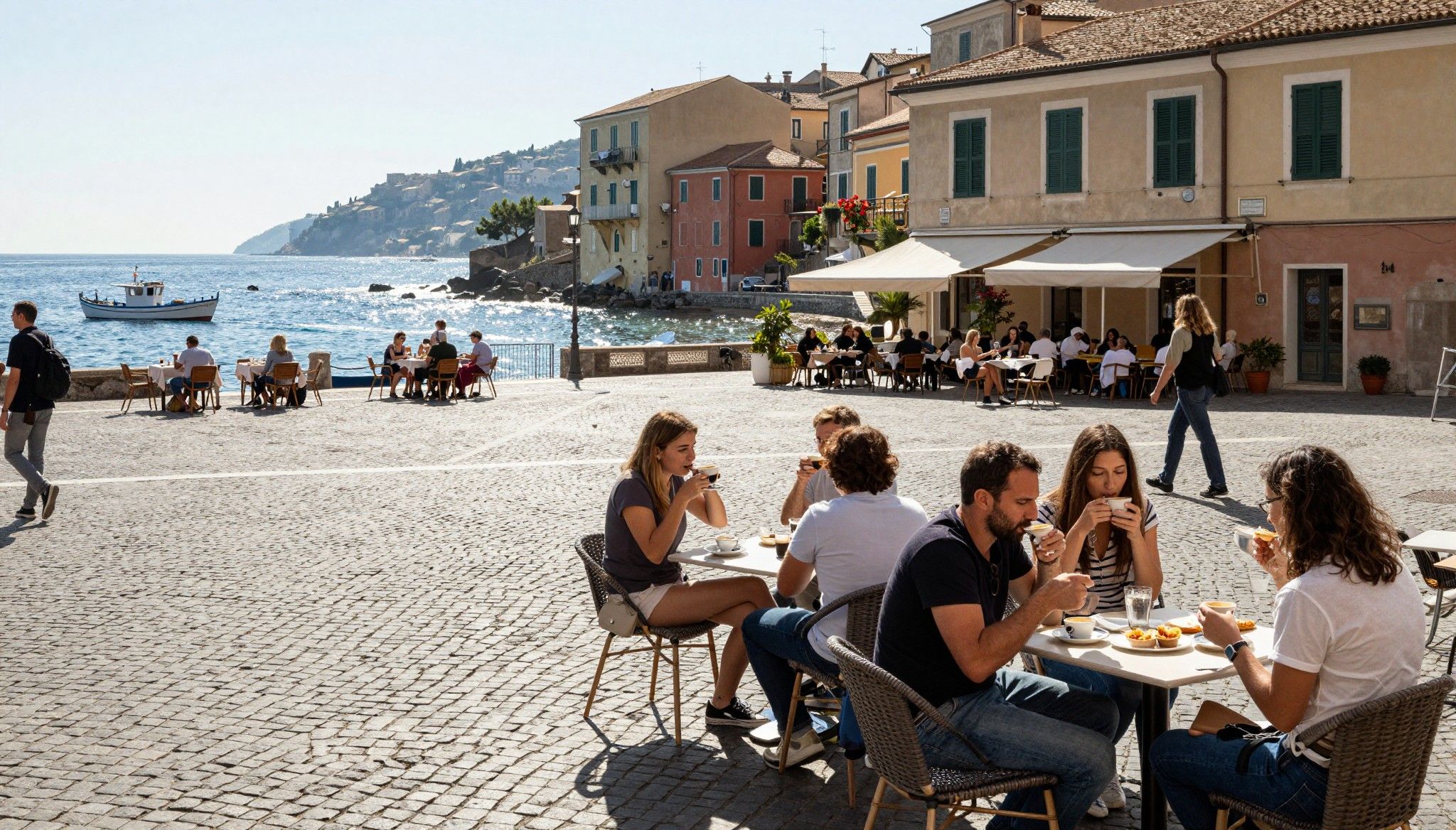
Imagine waking up to the click of espresso cups on a seafront terrace in Split, cycling past stone houses in Hvar at dusk, or choosing a weekend market table in Zagreb’s Dolac. Croatia rewards small, daily rituals — late breakfasts, long swims, and neighbourhoods that remember you — and that rhythm shapes what buyers look for. But behind the sunlit postcards there’s a fast-evolving development pipeline: more permits, targeted new-builds for tourism and residence, and a patchwork of supply that can either unlock value or sink your plans if you don’t read the signs. This guide blends life-first storytelling with concrete pipeline signals so you can fall in love deliberately and buy with confidence.
Living the Croatia life: mornings, markets and micro‑neighbourhoods
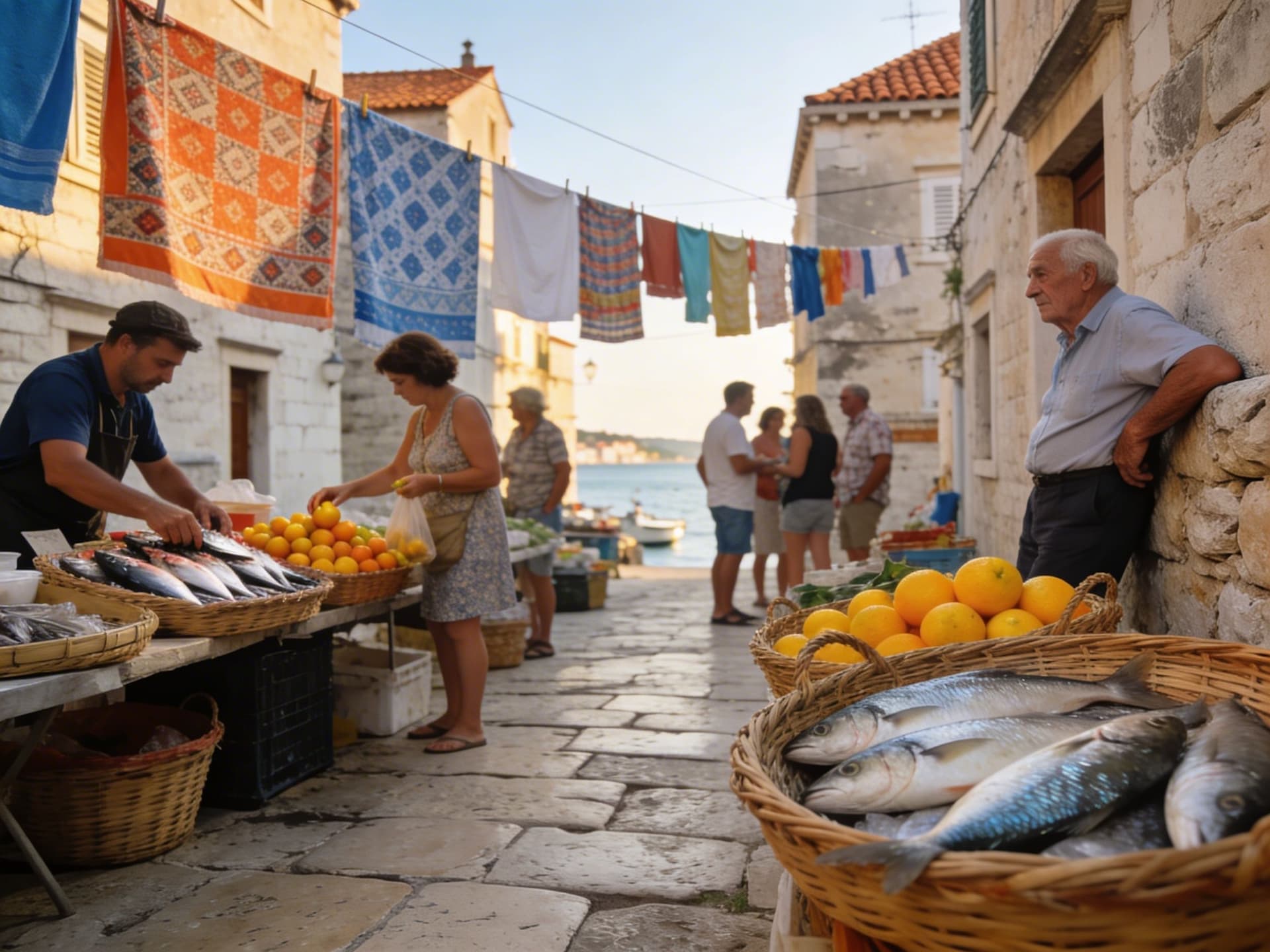
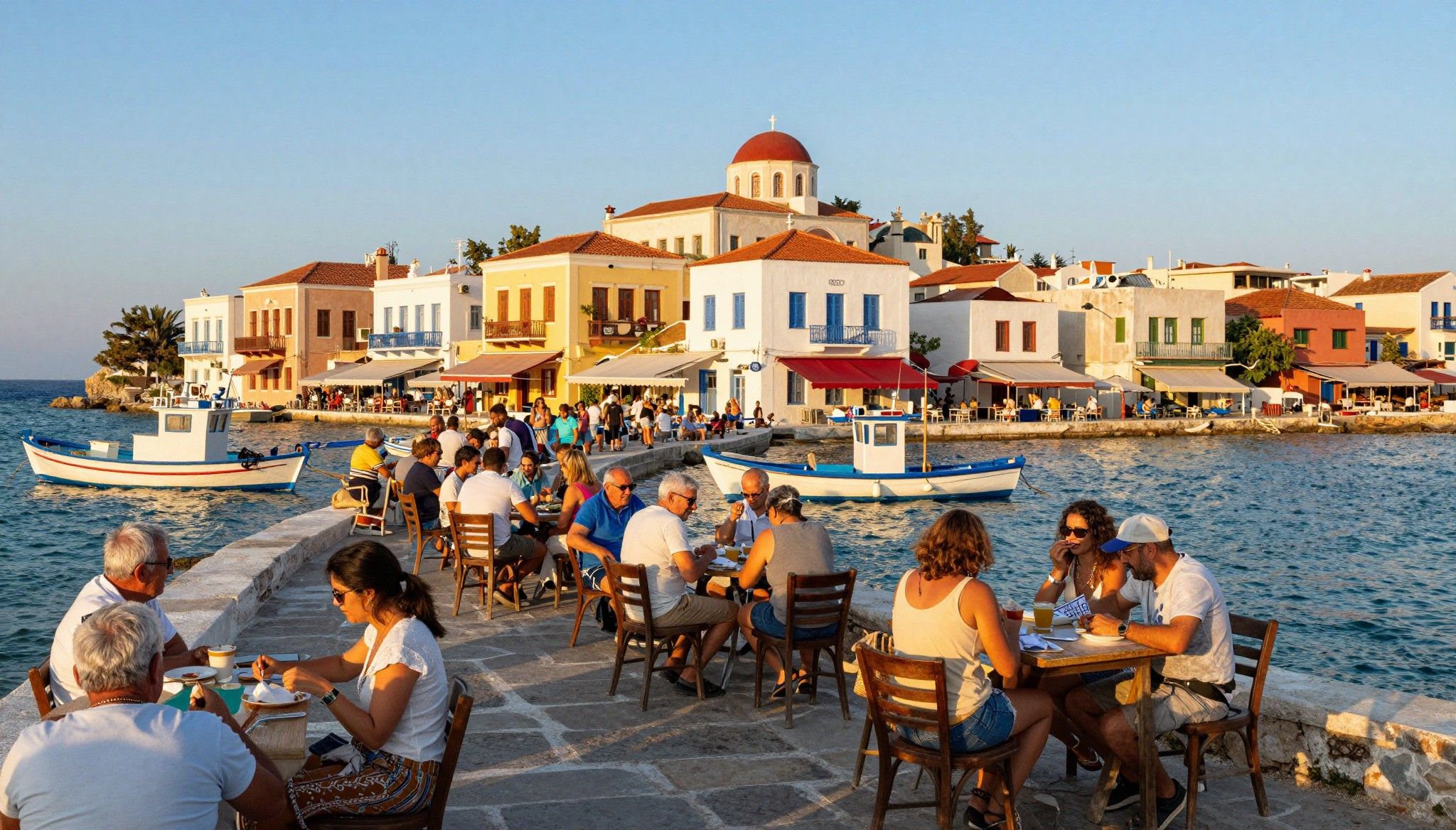
Picture a morning ritual: espresso in a tiled square, a baker who knows your name, a short ferry crossing to an island where children still fish from wooden jetties. Croatia’s cities and coasts offer sharply different rhythms — Zagreb’s weekday tempo, Dubrovnik’s tourist surge, and Istria’s slow food culture — and new developments are increasingly built to plug into those specific lifestyles rather than a one‑size template. Developers are responding to demand for compact, quality apartments and turnkey holiday homes, while planners try to balance infrastructure requirements and heritage protection. Read the pipeline with an eye for how a project will affect daily life, not just headline returns.
Zagreb, Split & Dubrovnik: three different urban personalities
Zagreb feels lived-in year round: cafes opening at 07:30, parks filled with parents and dog walkers, and a strong local rental market. Split mixes old‑town stone lanes (Diocletian’s Palace) with newly planned seafront blocks aimed at short-stay visitors, so watch how new builds position themselves — tourist rental or long-term living. Dubrovnik’s strict conservation rules mean new inventory is limited and expensive, but when permitted developments appear they aim at luxury hospitality and tight seasonal demand. These differences show why the pipeline matters: more permits don't mean uniform opportunity — they mean context-dependent choices.
Food, sea and small‑town cadence: regional lifestyle notes
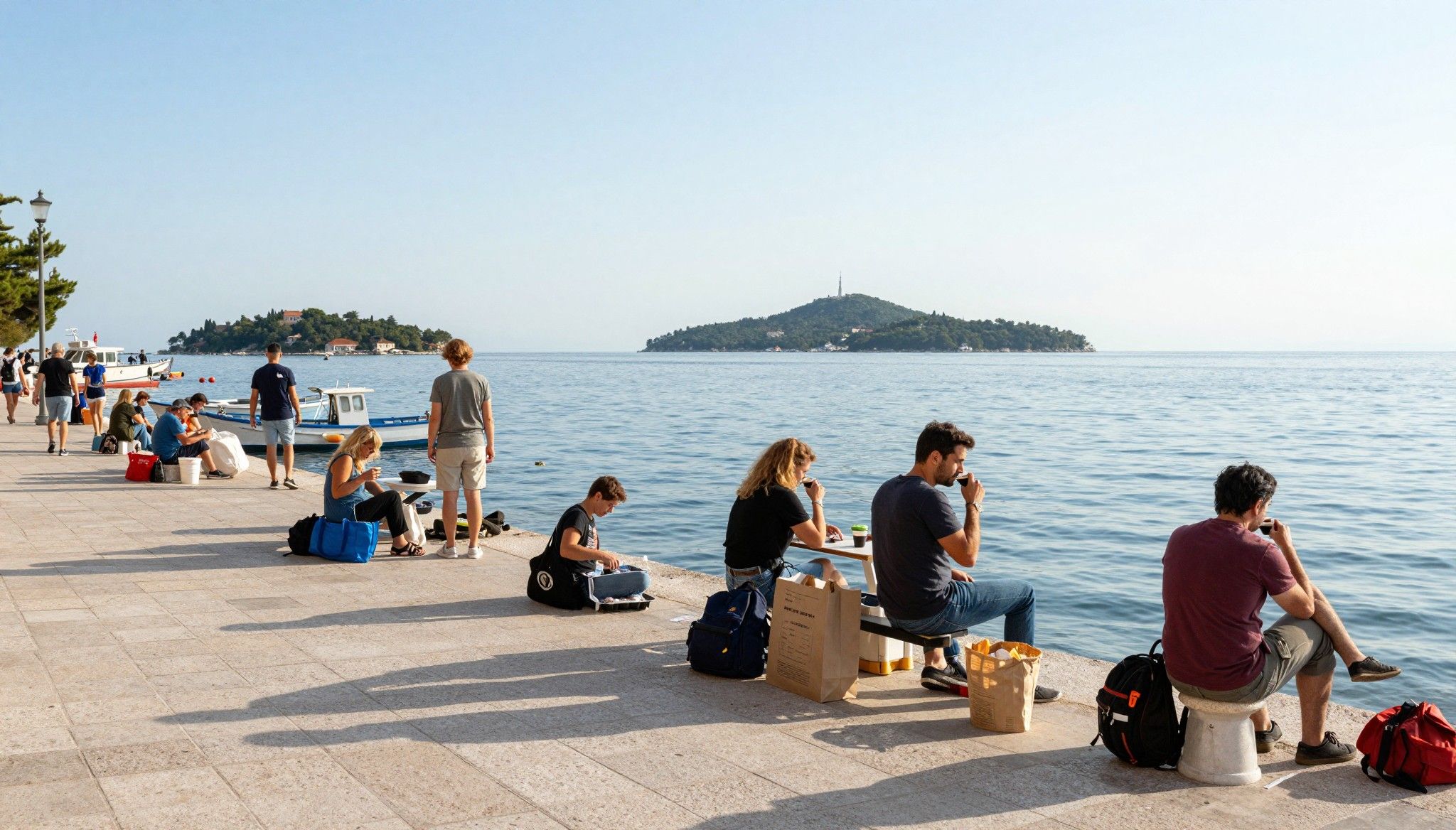
In Istria and Dalmatia, weekend life orbits markets, konobas (local taverns) and the sea; many buyers choose properties close to the fish market, a pebble beach, or a favorite trattoria. The tourism-driven supply surge — especially private rentals — has created pockets of oversupply on some islands and coastal towns, which changes both pricing dynamics and the kinds of new developments that make sense. That means buyers prioritising lifestyle should inspect a project's guest-management approach, year-round amenities and neighbour mix as carefully as finishes and floor plans.
- Lifestyle highlights to scout in person
- Morning espresso at Zrinski trg (Zagreb)
- Strolls along Riva promenade (Split)
- Fresh fish at Gruž market (Dubrovnik)
- Olive‑oil tasting and truffle trail in Istria
Making the move: how the development pipeline shapes choices
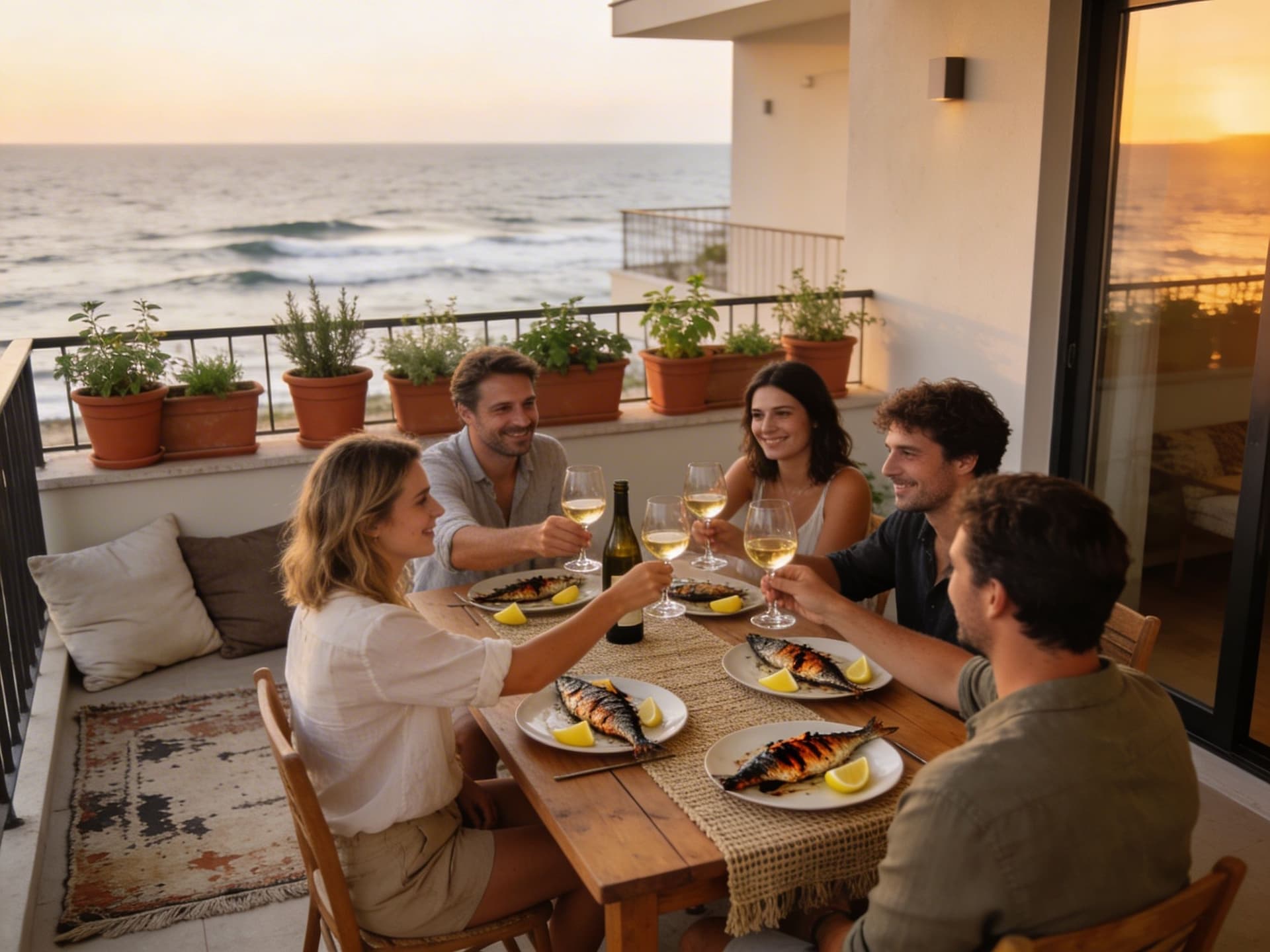
Buying in Croatia means matching a lifestyle wishlist to what the local pipeline actually delivers. Government statistics show an uptick in building permits and dwelling completions in recent years, but that growth concentrates in certain counties and often targets short‑stay accommodation. For an international buyer, the critical questions are: will this neighbourhood be dominated by holiday lets or long‑term residents, and does the new development include facilities that sustain year‑round living (playgrounds, shops, reliable utilities)? Those answers determine both liveability and long‑term value.
Property styles: what to expect from new builds
New developments range from compact urban apartments in Zagreb to boutique seaside complexes offering shared pools and concierge services. Expect modern materials, Mediterranean terraces, and smaller floorplates (1–3 bedrooms) aimed at single buyers or couples. Developers increasingly offer managed‑rental packages; treat those as optional extras and validate occupancy histories and fees before committing. If you value community life, target projects that include communal spaces — courtyards, rooftop gardens, or a nearby market — rather than isolated, high‑turnover condo blocks.
- 6 lifestyle-meets-practical checks before signing
- Read building-permit records (who applied and why) and compare planned unit mix to nearby stock.
- Confirm utility capacity (water, sewage) — coastal towns sometimes reach limits in high season.
- Ask developers for historical occupancy and seasonal rental figures if rental income matters.
- Visit the neighbourhood off‑season to judge year‑round life, not just high‑summer atmosphere.
- Check cadastre and land‑use plans for future nearby projects that could change sun, outlook or noise.
- Get an agent who can interpret local planning documents and negotiate construction milestones into contract terms.
Insider knowledge: expat realities and pipeline red flags
Expats often tell the same stories: they fell for the place, then discovered the seasonal limits, or they bought into a new complex promising high returns that evaporated outside July and August. Recent transaction slowdowns signal caution across the market; buyers must separate coastal hype from durable demand. Look for projects that appeal to residents as much as holidaymakers — ground-floor services, quality insulation, efficient heating and cooling — because resilient demand comes from people who live there year-round.
Cultural & community tips that change where you buy
Language and local customs shape everyday ease. Learning basic Croatian phrases, joining a local association, or shopping weekly at the same market table accelerates integration and reveals which neighbourhoods are stable communities. Developers who involve local artisans and create spaces for neighbours (a vendor space, a shared garden) often produce projects that age better and attract longer-term residents. For buyers, that translates into steadier prices and more genuine belonging.
- Common pipeline red flags
- Large clusters of identical units aimed solely at short-term rental operators
- Developments without on-site storage or parking in areas where public transport is limited
- Promises of guaranteed yields without audited occupancy data
- New infrastructure plans that lack published timelines or financing
When developers over‑promise lifestyle extras, treat those items as negotiable contract clauses. Insist on delivery milestones and liquidated damages for missed communal amenities. A local lawyer and an agent who reads plan‑notes are your best defence against dreamy brochures that don’t match reality.
How local agencies add lifestyle value
An agency that understands planning permissions, municipality ambitions and seasonal flows can save you months of legwork. Good agents introduce you to off‑season neighbours, set up inspections of utility capacity, and connect you with local managers who understand guest turnover laws. For international buyers who want the life and the numbers to match, that is the difference between buying a holiday prop and buying a home that sustains a life.
Ready to make the next move? Start with two simple actions: visit a shortlisted neighbourhood outside high season and request a full permit history plus recent occupancy figures for the exact block you’re considering. Those two steps expose whether a development supports the life you imagined or only the summer postcard. If you want help turning a feeling into a fact‑based shortlist, use an agent who reads pipeline maps like a local and treats lifestyle as a primary market metric.
Dutch investment strategist with a Portugal-Spain portfolio. Expert in cross-border financing, rights, and streamlined due diligence for international buyers.