When Seasonality and Tax Reveal Value in France
France’s rhythms and tax rules often hide value — learn how seasonality, departmental transfer taxes and rental regimes reveal buying windows for savvy international buyers.

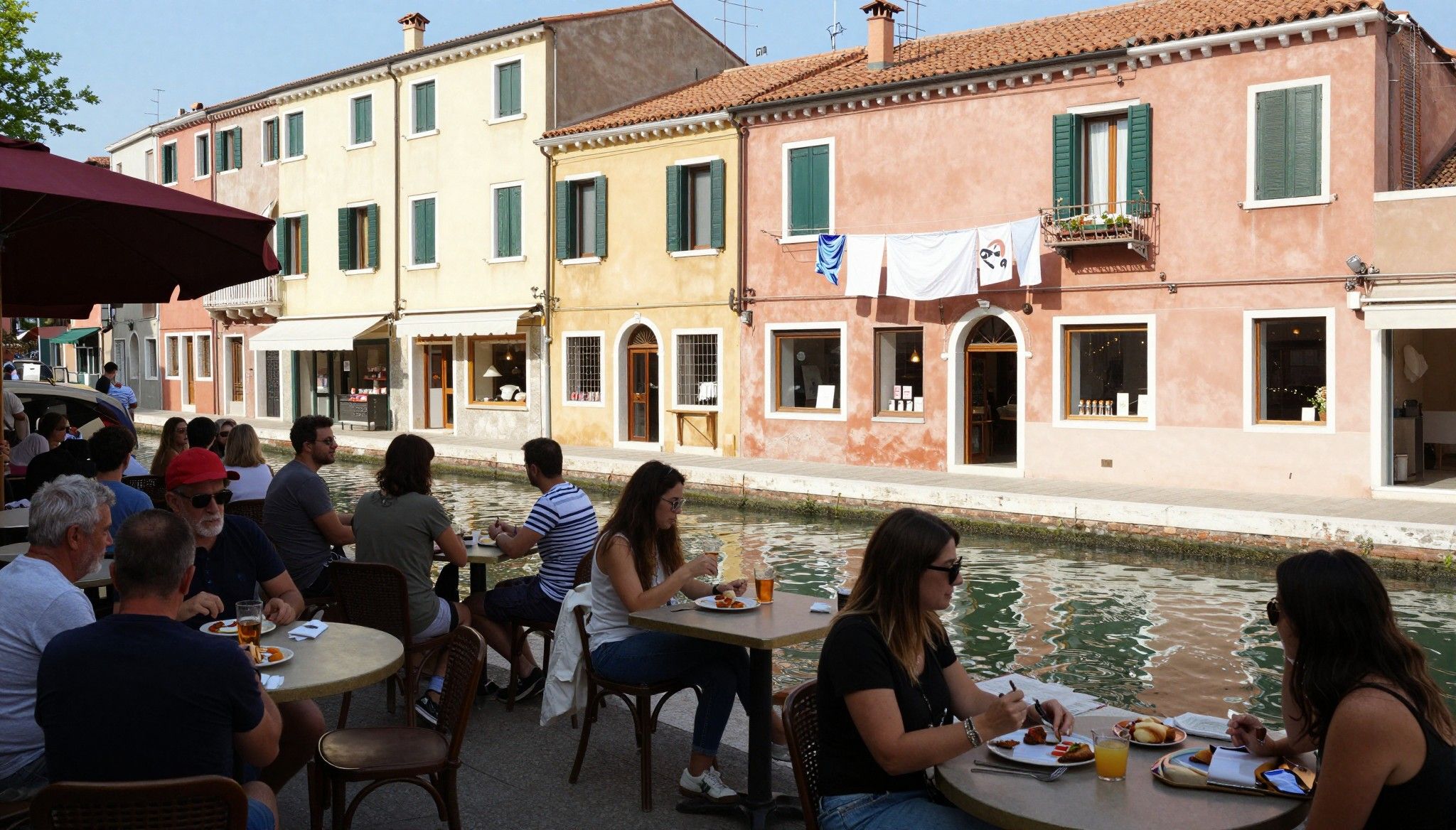
Imagine walking the Quai de la Tournelle at 09:00, grabbing espresso at Café de la Mairie, then finding a modest 19th‑century apartment with a balcony and morning sun for less than you expected — welcome to France's contradictions, where seasonal life, local taxes and market structure quietly reshape value for international buyers.
Living the French life: rhythms that change price

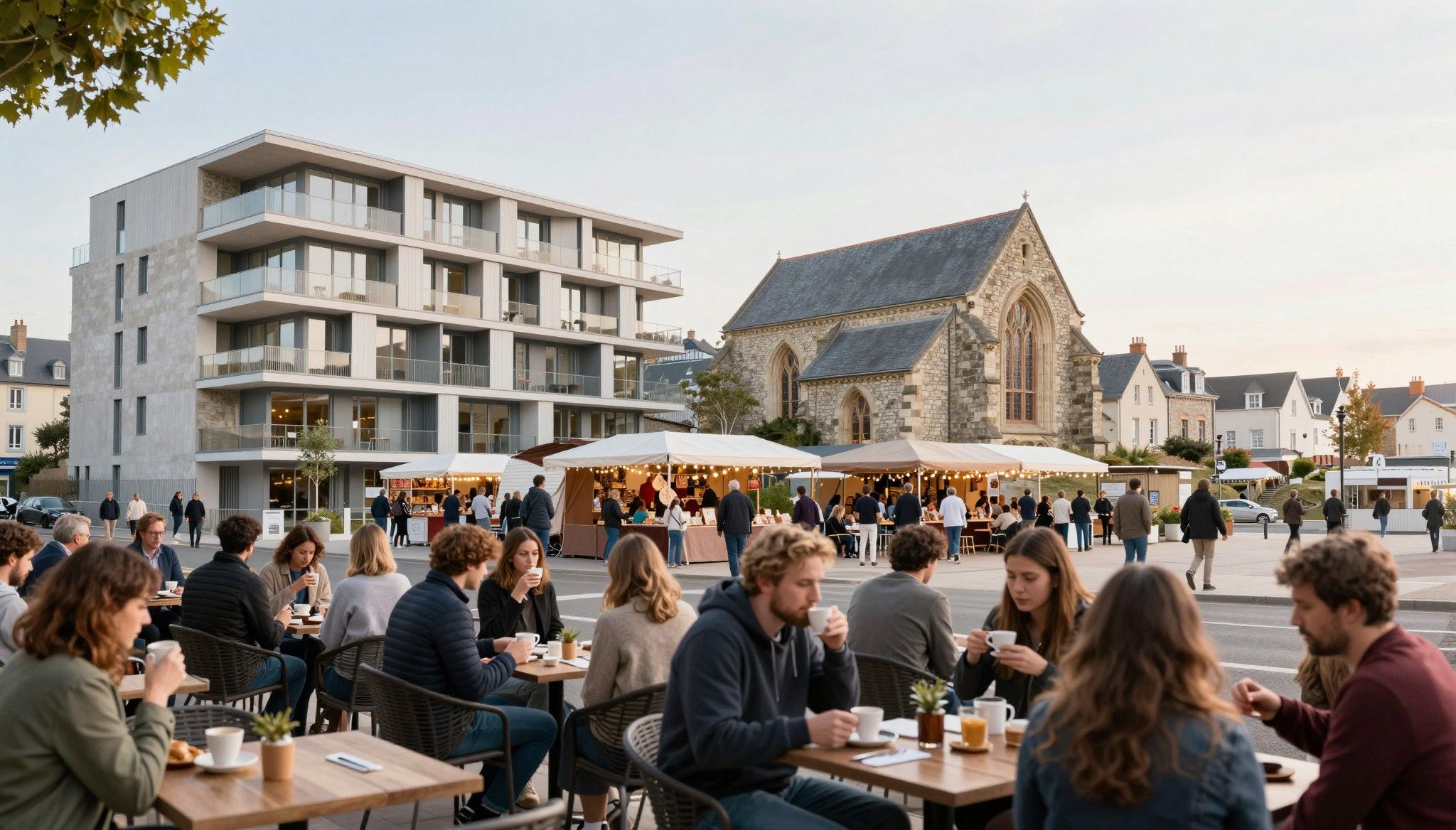
France isn't one market; it's hundreds. Paris mornings hum with métro and boulangeries, Brittany's coast smells of seaweed and cider, the Côte d'Azur trades relaxed cafés for yachts at dusk. These rhythms — commuting patterns, tourist seasons, local festivals — create price pulses buyers can read and sometimes use to their advantage.
Paris arrondissements and the weekday premium
Weekday life in Paris — office-lunch queues on Rue Montorgueil, early evening aperitifs on Canal Saint‑Martin — inflates demand for one- and two-bedroom flats that suit professionals. Outside Paris, the same budget buys larger floorplans and outdoor space. For buyers prioritising local café life, that weekday premium is a deliberate trade-off.
Coast vs inland: summer illusions and winter value
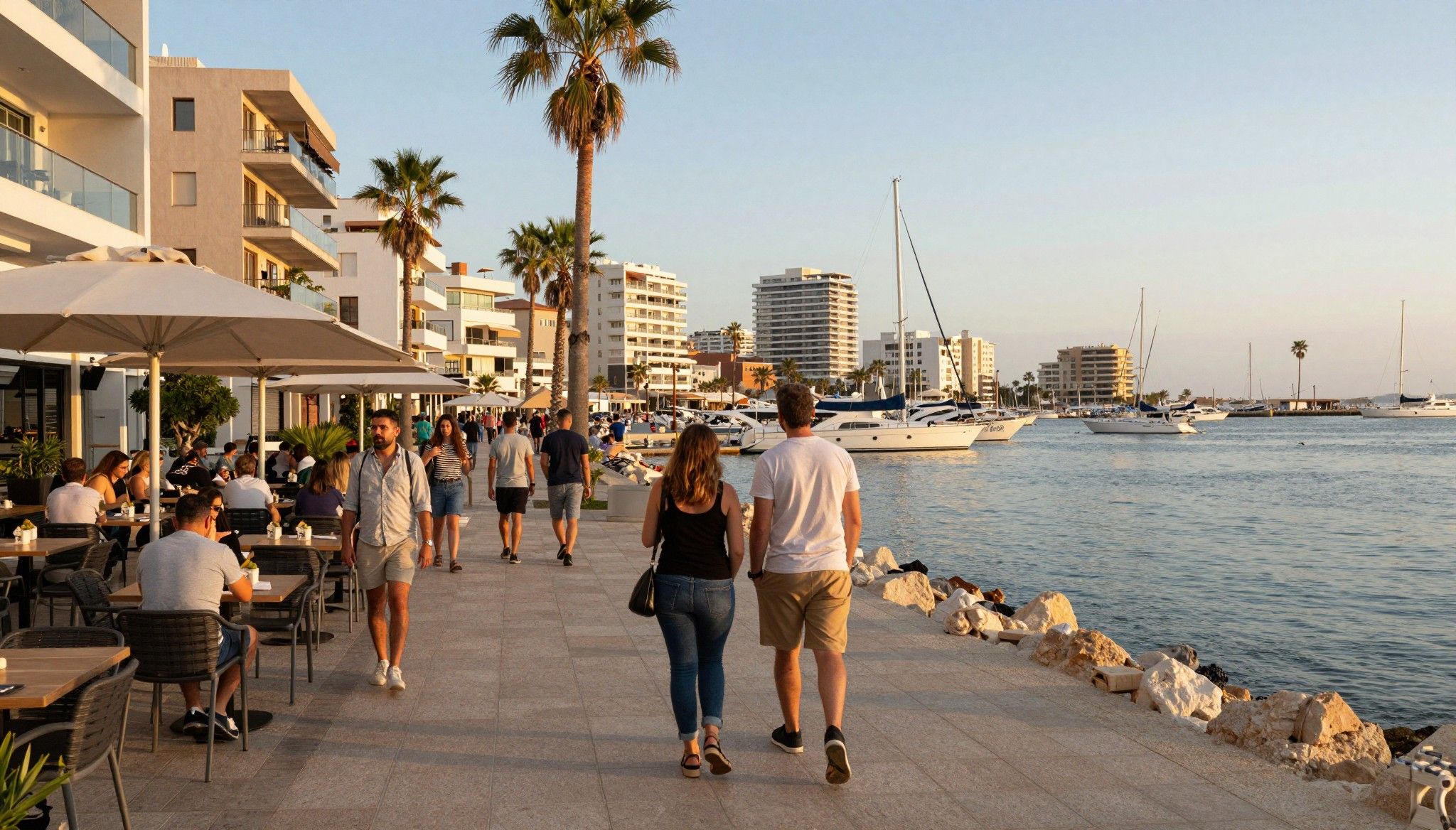
Seaside towns spike in July and August when holiday lets and seasonal demand push prices and asking behaviour. But from October to April, quieter streets and softer competition reveal properties with negotiable prices and motivated sellers — a seasonal window savvy buyers use to find value.
- Lifestyle highlights: local places that signal character - Paris: Rue Montorgueil bakeries and the Latin Quarter's evening life - Bordeaux: Marché des Capucins on Saturday and riverfront promenades - Nice: Cours Saleya market and early-morning sea swims at Promenade des Anglais - Biarritz: surf breaks at La Grande Plage and weekday calm in winter - Aix-en-Provence: Tuesday markets on Cours Mirabeau and summer festival scenes
Making the move: how tax and regulation flip assumptions
Beyond charm, the legal and tax architecture in France often explains where apparent bargains appear. Notaire fees, transfer taxes and departmental variations are not line items you can ignore — they are market signals. Recent government guidance updated how departments may set transfer rates, changing the true cost of buying in some areas.
Notaire fees and the departmental twist
‘Frais de notaire’ combine state taxes and regulated notary emoluments. From 1 April 2025, departments may raise the departmental share up to 5%, which nudges transaction costs higher in some territories. That change can turn a neighbourhood from marginal to expensive on paper — but it doesn't always erase lifestyle value.
Rental income, non‑resident rules and real yields
Rental returns are taxed in France regardless of residence; furnished lets (BIC) and unfurnished (revenus fonciers) follow different regimes. Non‑residents face minimum withholding rates and must file French returns — a structure that caps net yields in tourist hotspots and sometimes flips the math in favour of inland or longer‑let strategies.
- How to treat tax and seasonality together when targeting value 1. Prioritise autumn–winter visits: fewer competing buyers reveal seller flexibility. 2. Model net yield using French tax rates, management fees and seasonality-adjusted occupancy. 3. Check departmental transfer tax before bidding — 0.5% differences change negotiation room. 4. Choose furnished vs unfurnished based on demand seasonality and taxation regime. 5. Engage a bilingual accountant to project cross-border tax implications before offer.
Insider knowledge: what expats wish they'd known before buying
Expats often speak of small shocks: local shop opening hours, the cadastre’s quirks, or a neighbour’s succession claim. These everyday realities easily ripple into ownership costs and renovation timelines. Knowing which local rules matter can save months and euros.
Cultural and practical integration — language, mairie and neighbours
Register at the mairie for local utilities and learn basic French neighbourhood phrases — these steps make maintenance, rubbish collection and community relations smoother. In provincial towns, your ability to speak a little French directly affects how quickly you resolve administrative hiccups.
Long-term practicalities: inheritance law, IFI and resale timing
French inheritance rules (forced heirship) and wealth tax thresholds (IFI) can reshape family estate plans and the economics of holding property long-term. Sellers' timing often aligns with local tax year considerations and market seasonality — understanding both informs when to sell or hold.
- Quick red flags and local checks before signing - Departmental transfer tax: confirm current rate with the notaire. - Short‑term let registration rules in city centres: local fines can be steep. - Building co‑propriété minutes: check reserve funds and renovation plans. - Flood/zoning maps (plans de prévention): risk affects insurance and mortgage terms. - Energy performance (DPE): poor ratings reduce rental appeal and resale value.
Conclusion — fall in love deliberately. Use seasonality to see the life you want, then use precise tax and local checks to turn that feeling into a smart purchase. Local agencies, bilingual notaires and French tax advisors are not luxuries; they're the translators of lifestyle into durable ownership.
Danish relocation specialist who has lived in Barcelona since 2016. Helps families move abroad with onboarding, schooling, and local services.