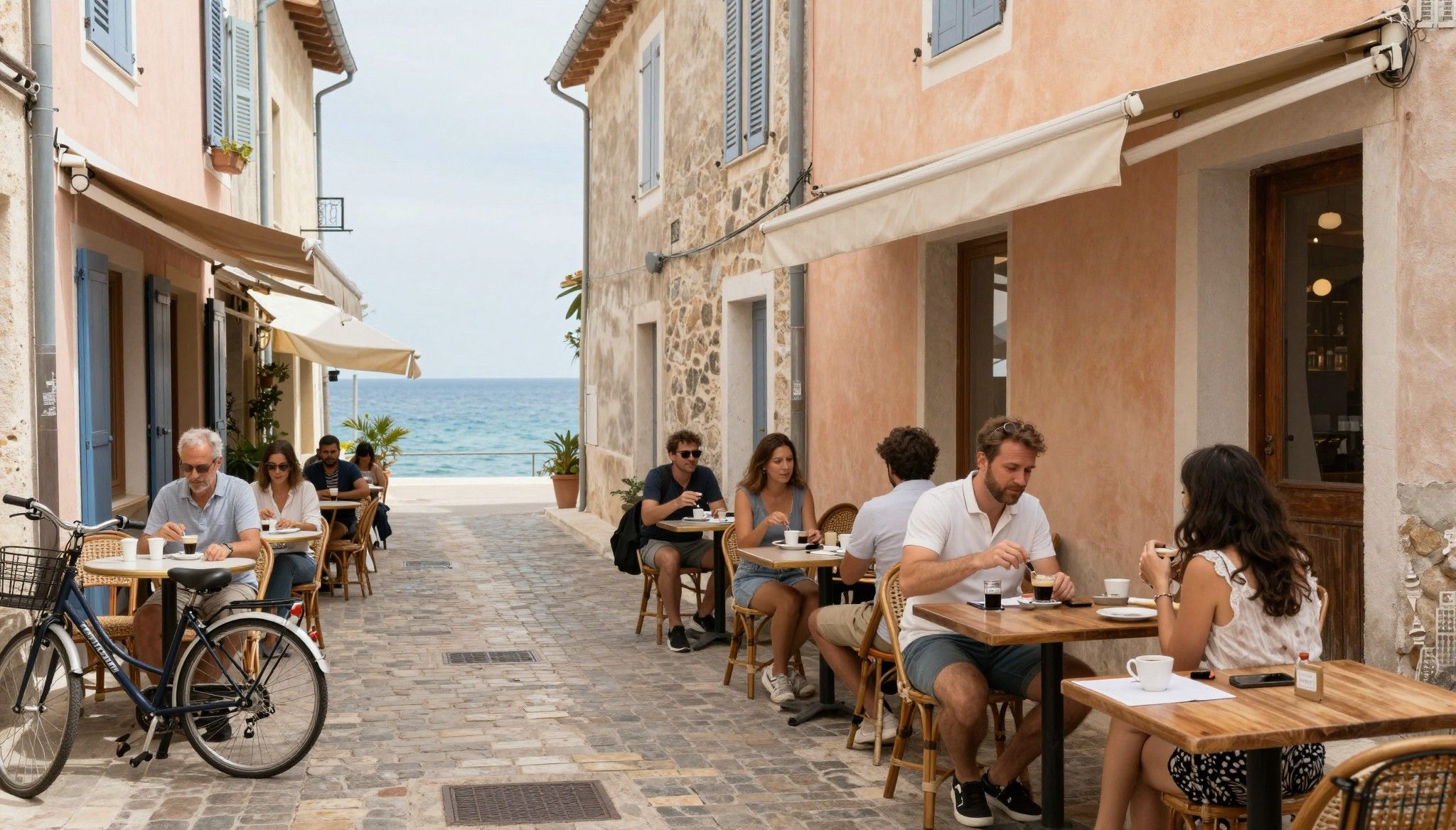
Why Autumn House‑Hunting Wins in Croatia
Visit off‑season: Croatia’s coastal price growth masks year‑round livability differences—autumn viewings reveal value, community and smarter bargains.
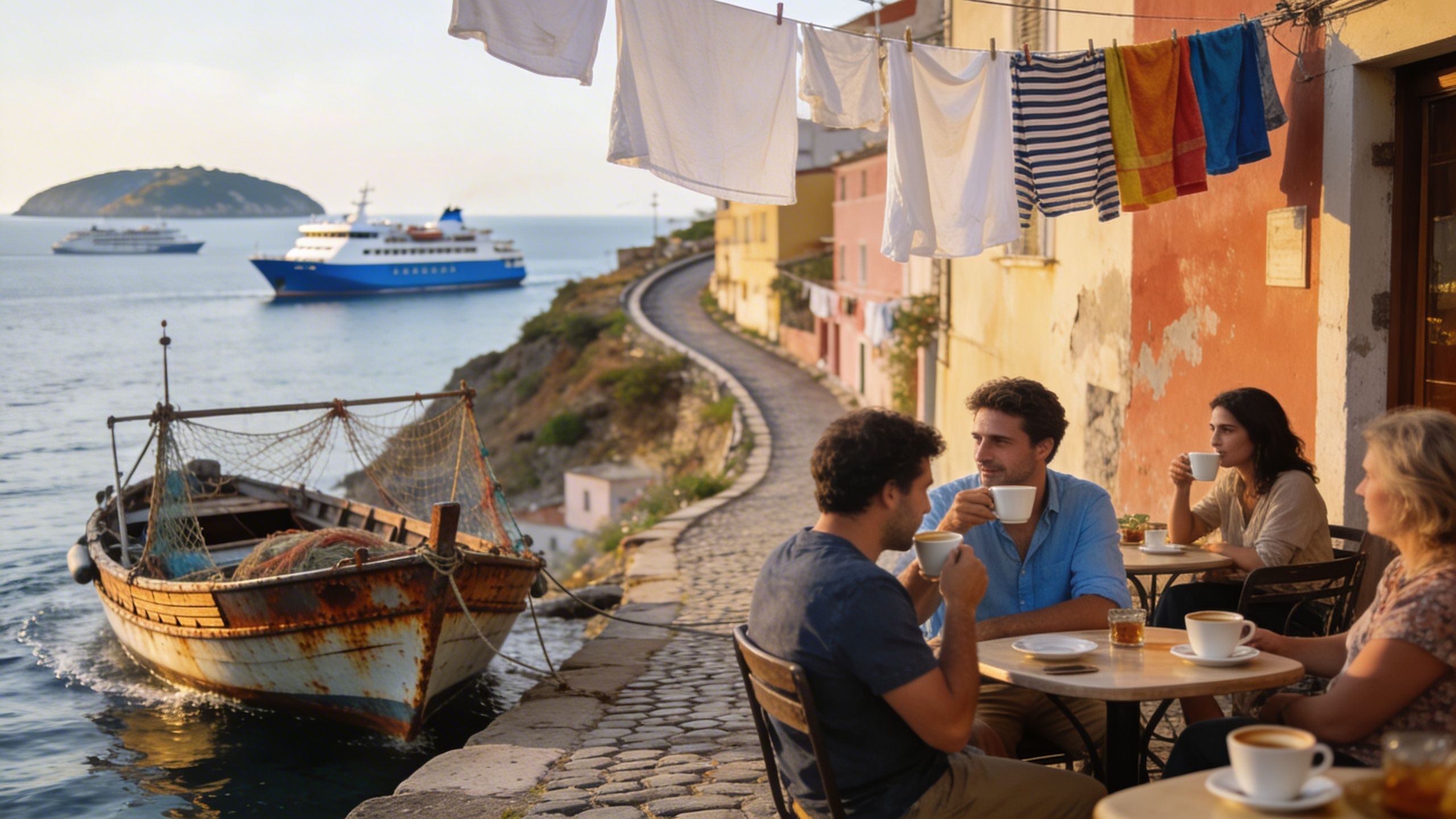
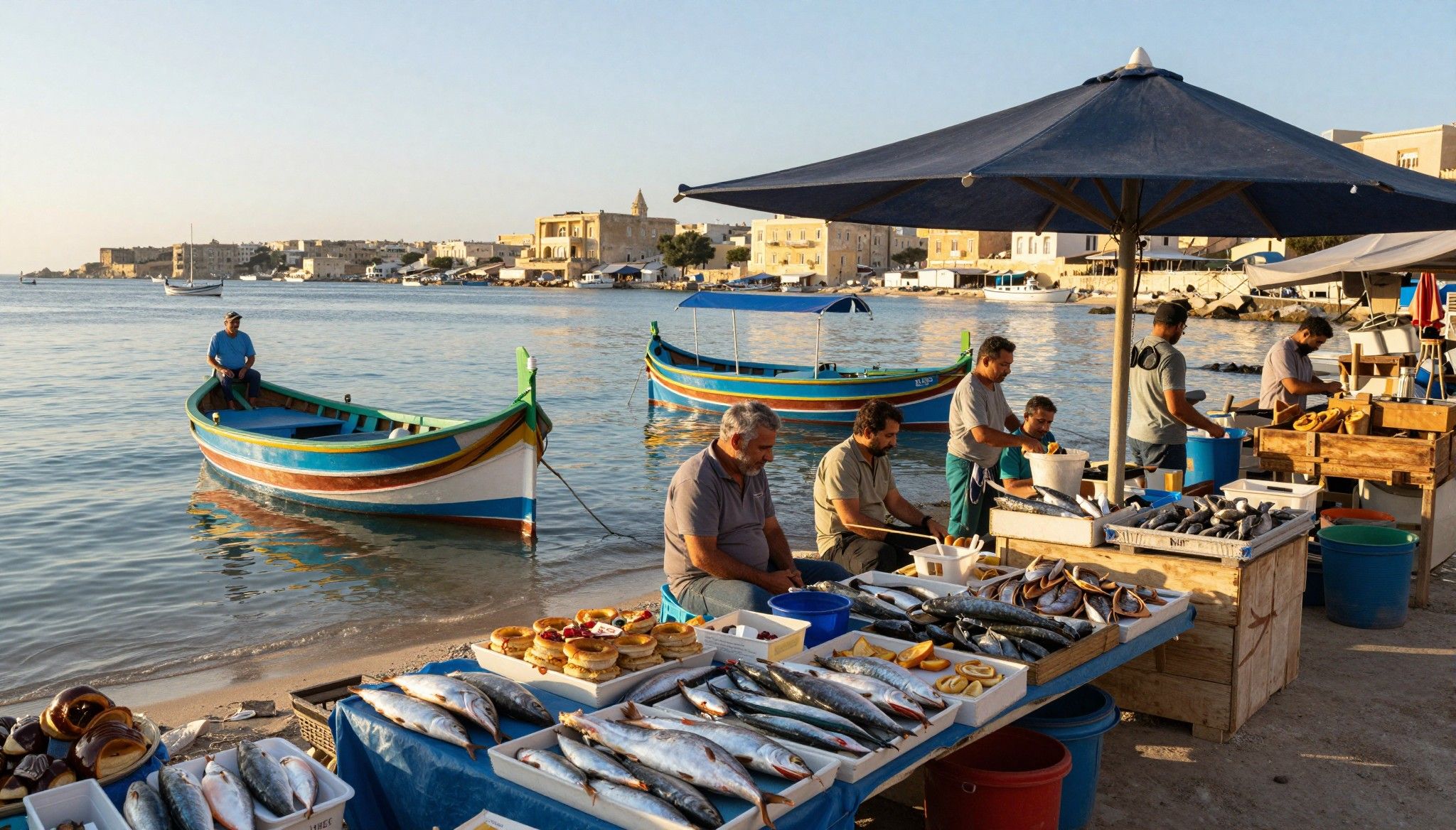
Imagine stepping out at 08:00 to buy sea-salty bread at Split’s Pazar, then walking ten minutes to a sunlit terrace where neighbours already argue about the best fishing spot. That daily rhythm—market stalls, late‑afternoon cafés, ferries docking—is why buyers fall for Croatia. But behind the romance the market is changing fast: prices on the coast have risen significantly and seasonality shapes both value and living patterns. This guide blends that lived-in charm with data and on-the-ground tips to help you make a confident, timely purchase.
Living the Croatia life: neighborhoods, markets, and mornings
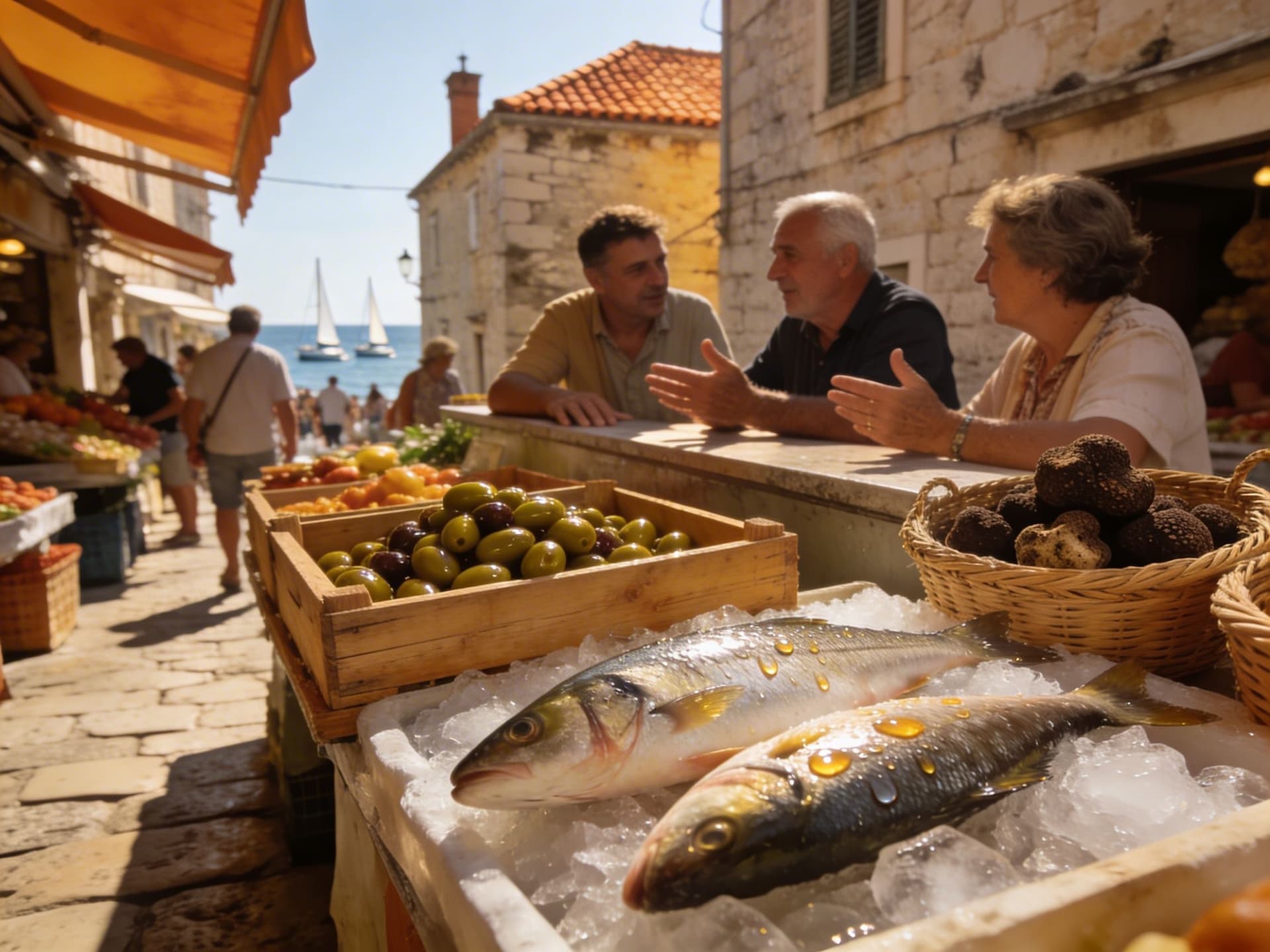
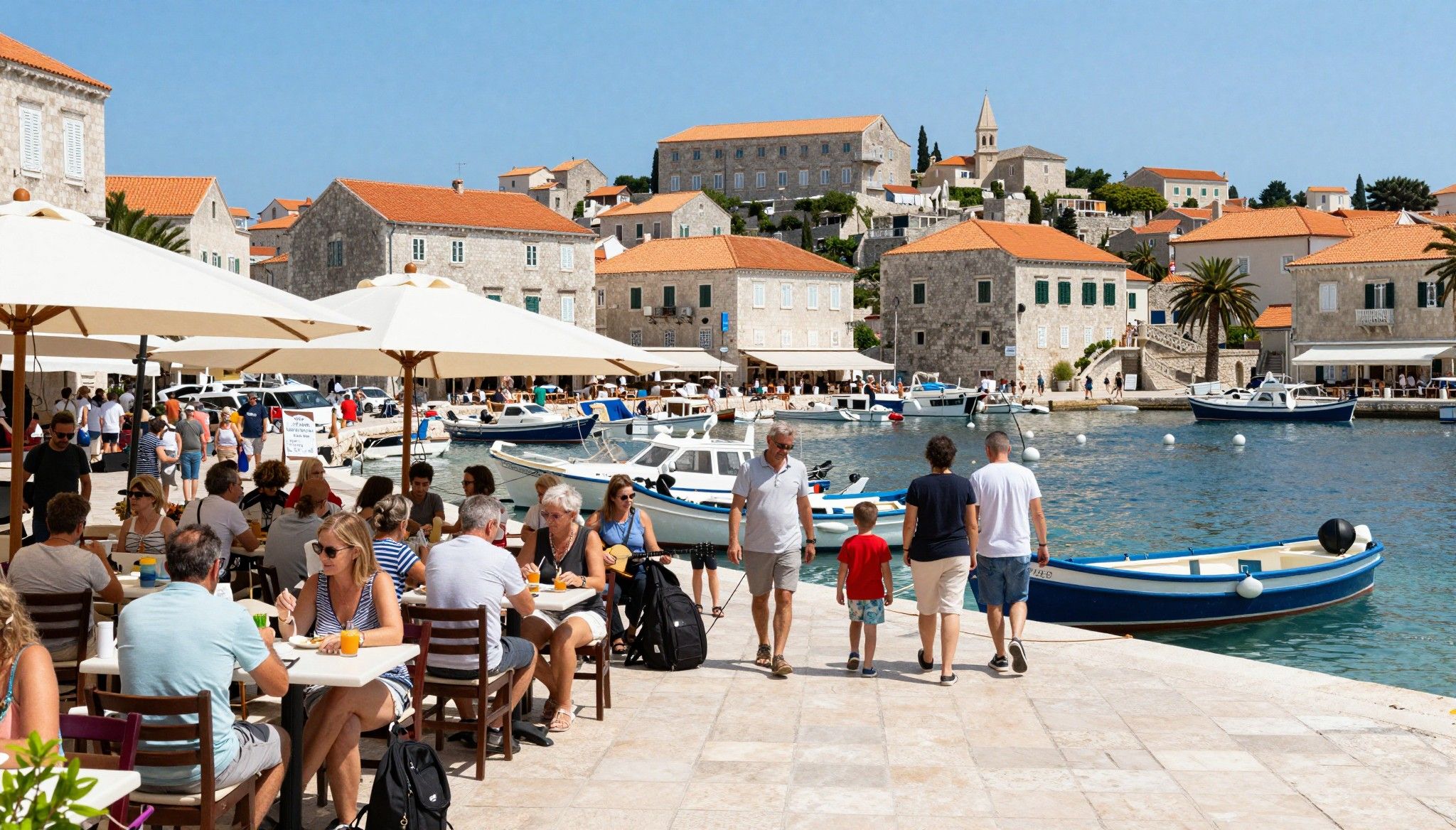
Croatia feels like discrete neighbourhoods stitched to the sea and centuries of history. In coastal towns the day starts at fish markets and ends with a slow dinner; in Zagreb mornings mean espresso at small squares and people cycling to work. The Adriatic coast—Istria, Dalmatia, Kvarner—offers an outdoor life: small coves, island-hopping, and neighbourhoods that move with the seasons. Understanding each place’s tempo is the first step to finding a property that matches how you want to live, not just where a headline says to buy.
Split’s Veli Varos and the slow‑city rhythm
Veli Varos, the stair‑lined neighbourhood below Split’s old town, is small-scale daily life: local bars, bakers, and fishermen who know your name. Streets here narrow into terraces where neighbours tend plants and children play; the feeling is personal and walkable. For buyers who want both proximity to cafés and easy access to the ferry, neighbourhoods like this trade a bit of parking for a sense of place. That trade-off matters when valuing convenience versus the authentic coastal lifestyle.
Istria inland towns: winter viability, year‑round life
Rovinj and Motovun show why inland Istria attracts buyers looking for slower, four-season living: truffle season, hilltop markets and wineries sustain year-round life. Properties here often have stone walls, cellars for olive oil and space for small gardens—features that matter if you plan to live beyond the tourist months. If your lifestyle includes cooking with local produce or hosting friends, look beyond sea views to houses that support those routines. The purchase calculus shifts when lifestyle needs extend into winter.
Market reality: what the numbers say (and why seasonality matters)
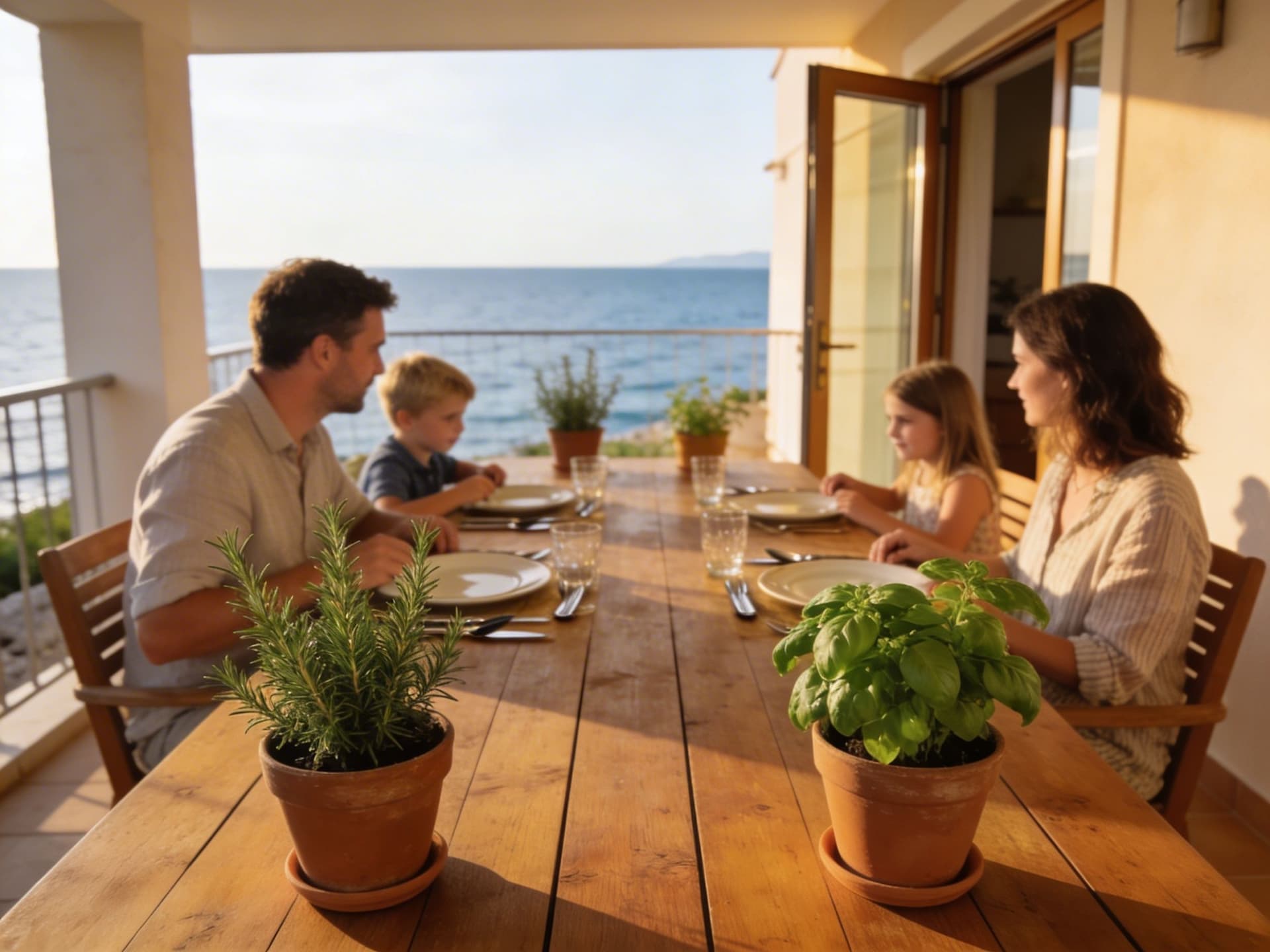
Data shows sustained price growth across Croatia, with sharper rises in coastal counties and tourist hubs. Official house‑price indices recorded annual increases in 2024, while property portals and local analyses report significant asking‑price uplifts in Istria, Split‑Dalmatia and Dubrovnik‑Neretva. At the same time, Croatia’s tourism boom—record arrivals and overnight stays—keeps demand for short‑term rental stock elevated and pressures long‑term rental supply, especially in summer hotspots. Those forces mean timing and neighborhood selection materially affect price and future income potential.
Tourism’s double‑edged sword
More than 21 million arrivals and over 100 million overnight stays in 2024 brought vibrancy—and investor pressure—to the coast. That spike increases short‑term rental returns in peak months but also reduces year‑round community cohesion and pushes long-term renters out. If you want a neighbourhood that feels lived‑in twelve months a year, target towns with local economies (university towns, ports, agricultural hubs) rather than those dependent solely on summer tourism. Investors chasing summer yields often misread long‑term livability signals.
- Lifestyle‑forward market factors to check before you buy
• Ferry frequency and harbour access (affects island livability and seasonal occupancy) • Local school and clinic openings (essential for year‑round families) • Noise and event calendar (summer festivals can be disruptive if you want quiet) • Long‑term rental vacancy versus short‑let demand (impacts rental yields and tenant mix) • Local building stock: stone houses vs new builds (maintenance and insulation implications) • Seasonal transport links (winter ferry and road accessibility matter more than you think)
Making the move: practical steps with a lifestyle lens
Romance aside, Croatian purchase rules and local practice determine what you can actually buy and when. EU citizens enjoy the same rights as Croatians; non‑EU citizens typically need state approval for certain land purchases and should budget extra time for permits. Local agencies that know municipal procedures, cadastre records and seasonal occupancy patterns will save you months of effort—and guard against offers that look great in July but empty in November. Work with lawyers and agents who can translate lifestyle signals into contract clauses (seasonal occupancy, maintenance contingencies, rental history verification).
Property types and how they'll shape daily life
A Dalmatian stone house with thick walls keeps summers cool but may need insulation upgrades for winter comfort; a modern coastal apartment offers low maintenance but often smaller outdoor space. If you imagine weekend markets and gardening, prioritise ground‑floor houses with courtyards; if cafés and a nightlife scene are essential, city apartments near squares make more sense. Align the physical property with how you want mornings, afternoons and evenings to feel—this reduces costly retrofit surprises later.
- Six steps to tasteful, season‑aware purchasing
1. Visit in autumn or spring to experience everyday life; avoid judging a place by July crowds. 2. Check official house price indices and local portal asking prices to triangulate value. 3. Ask for utility bills and winter occupancy data to estimate true running costs. 4. Meet neighbours and explore local markets to judge community strength. 5. Use a local lawyer to confirm land registry, building permits and any historic restrictions. 6. Build contingency for seasonal maintenance and management if you won’t live there year‑round.
Insider knowledge: what expats wish they'd known
Many expats say their biggest regret was visiting only in high season and mistaking buzz for everyday life. Locals cope with a housing squeeze—multi‑generational living and creative extensions are common responses—which affects neighbourhood character and supply. Learning a few Croatian phrases, shopping at a local market and attending a parish or town event will speed integration and reveal whether a place is a community or a seasonal showroom. Those small impressions often predict which streets will still feel alive in February.
Long‑term living: neighbourhood signals that matter
Watch for a few simple signs: children’s bike helmets left in doorways, local shop opening hours that don’t change with season, and regular public transport timetables. These indicate year‑round life rather than a town built for July‑to‑September occupancy. Properties adjacent to working ports, agricultural markets or schools tend to retain value and community feel. Prioritise those signals over glossy photos and beachfront proximity if your goal is a sustainable life, not a summer getaway.
Conclusion: fall in love on the ground, buy with the year in mind. Croatia sells itself in snacks: espresso at dawn, grilled fish at dusk, and islands you can reach for a weekend. To turn that romance into a resilient property decision, visit off‑season, verify local demand patterns, and work with specialists who know municipal rhythms. If you want help setting up autumn viewings, vetting seasonal occupancy data, or comparing coastal towns by year‑round livability, a local agency that lives the rhythm will keep the dream practical.
Dutch investment strategist with a Portugal-Spain portfolio. Expert in cross-border financing, rights, and streamlined due diligence for international buyers.