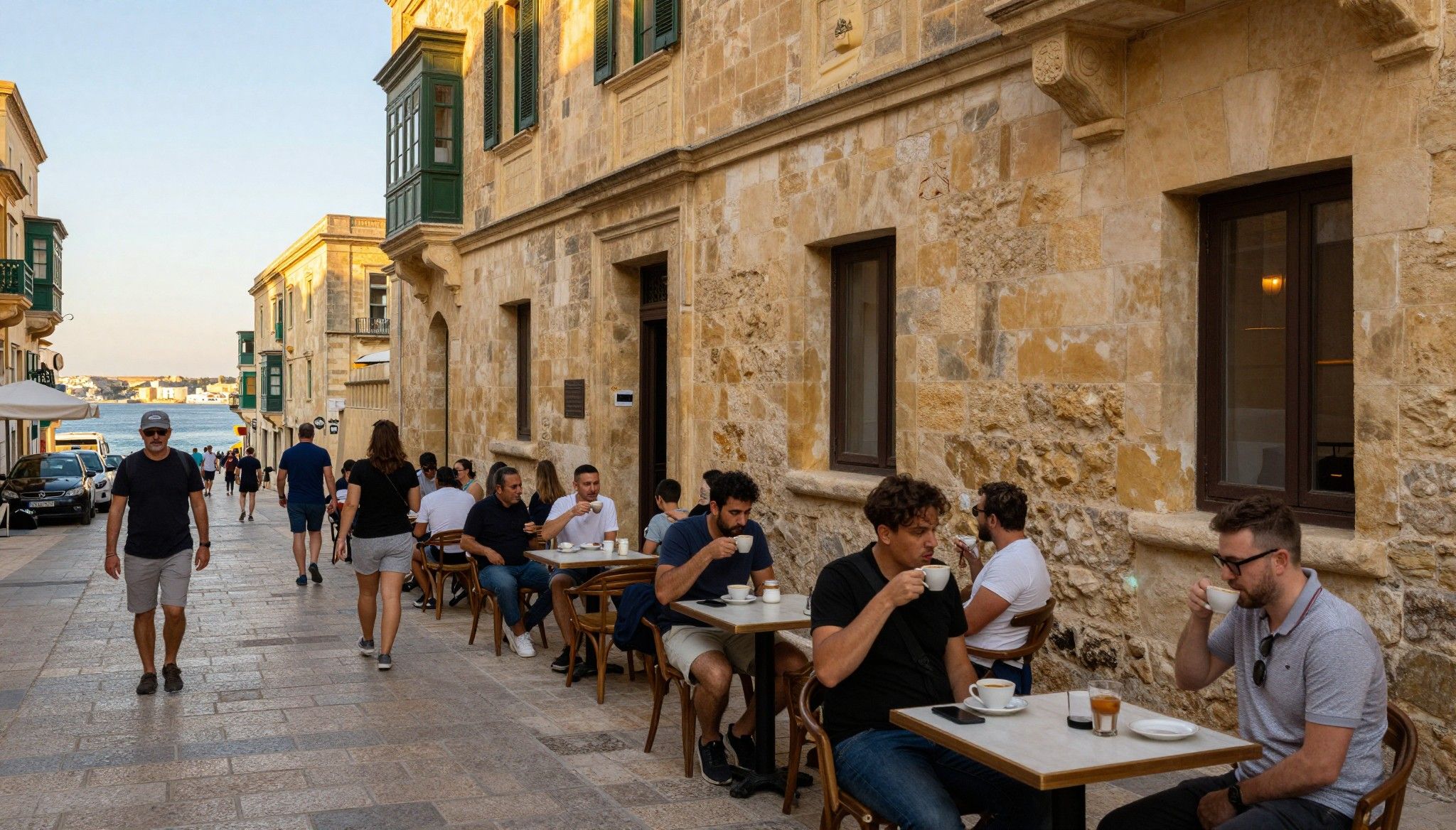
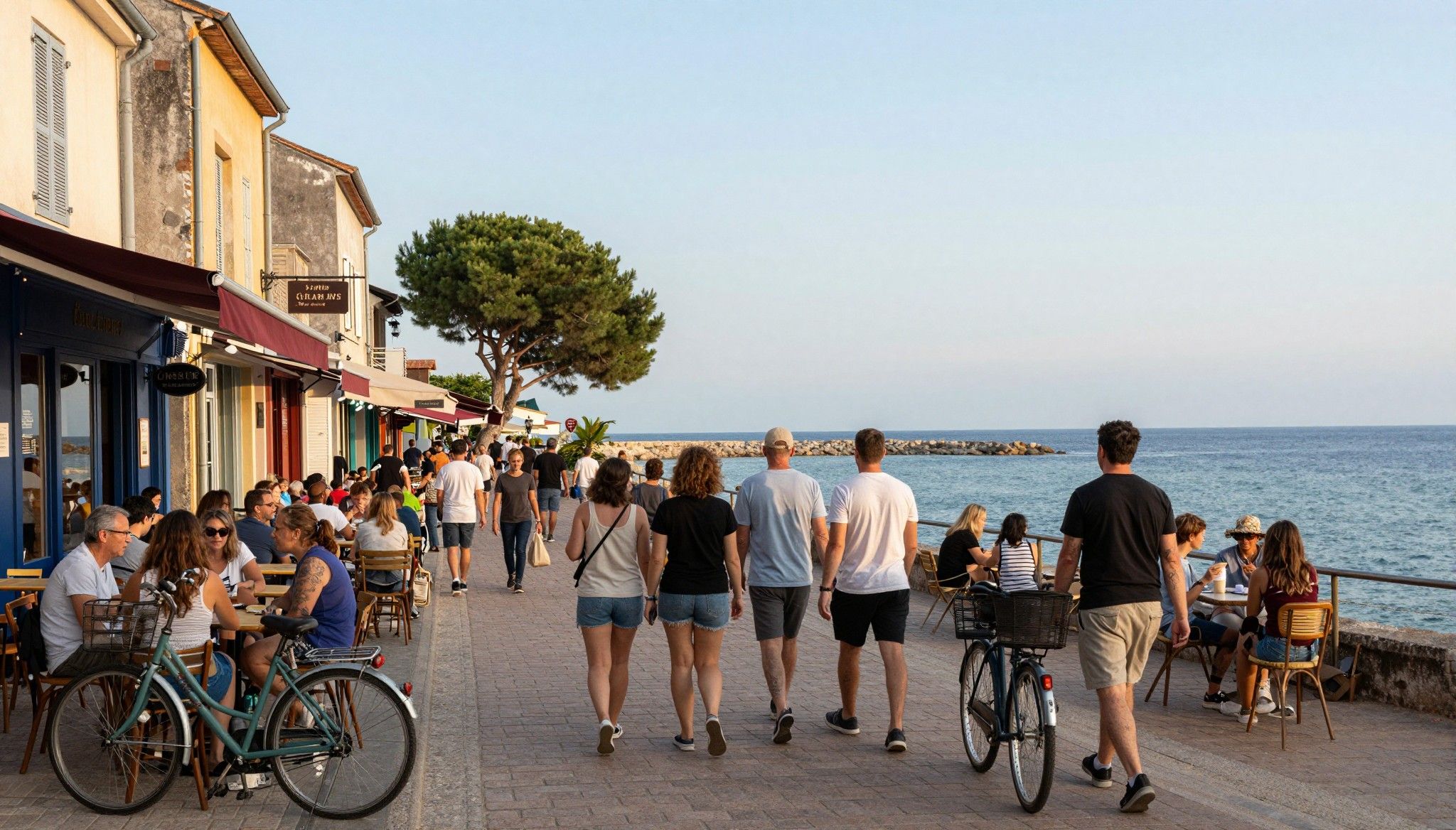
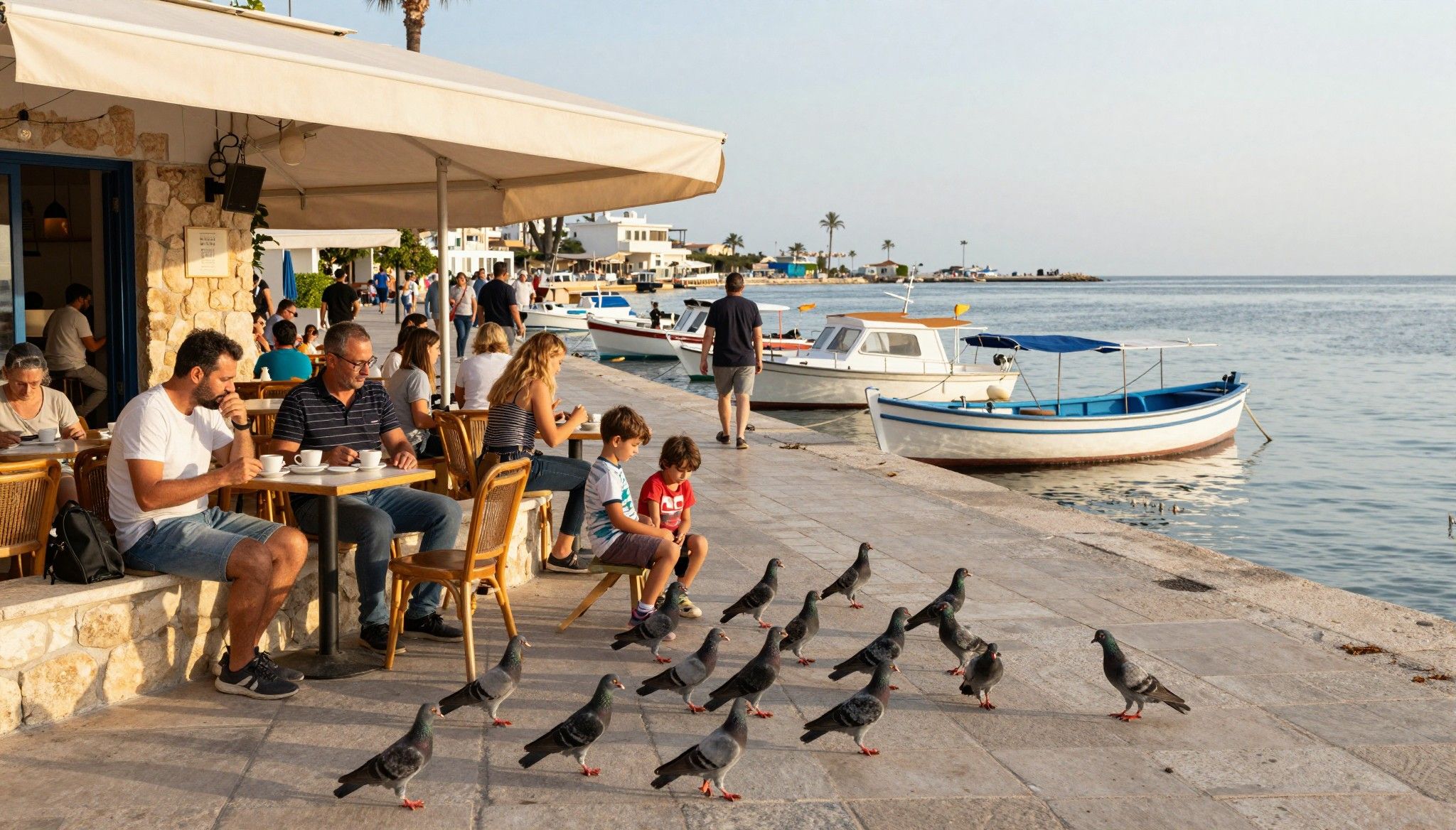
France: Coastal Life, Seasonal Truths and Where Value Hides
France’s coastal and city life mixes ritual and value — know the neighbourhood rhythms, regional price trends and local red flags before you buy.
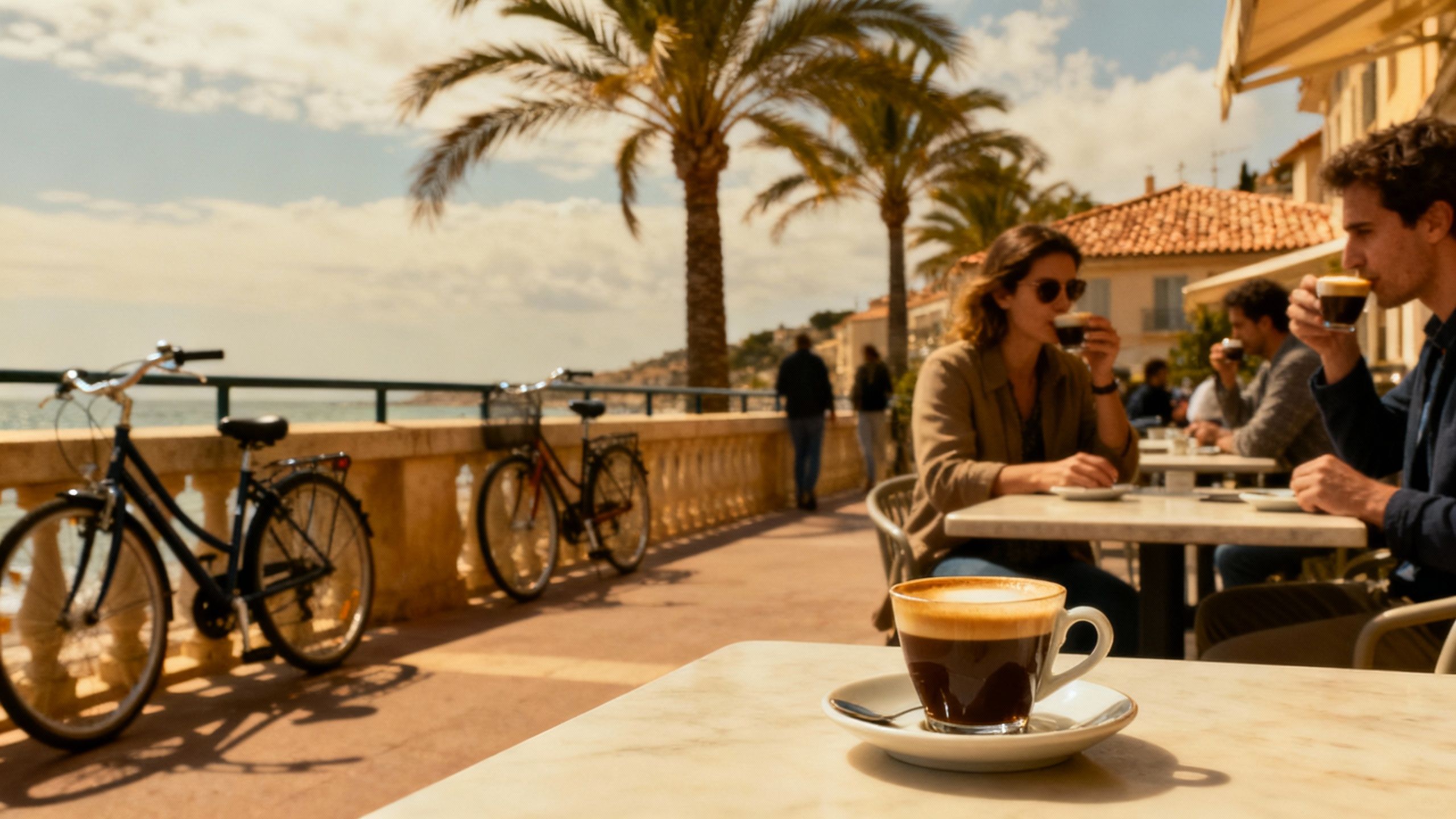
Imagine the soft clink of espresso cups on a sun-warmed terrace in Nice, the smell of frying socca on Cours Saleya and a late-afternoon walk down a boardwalk where cafés spill life onto the pavement. France trades in small public rituals — market mornings, aperitif hours, neighbourhood boulangeries — that shape where people choose to live, not just where prices sit.
Living the French coastal and city life
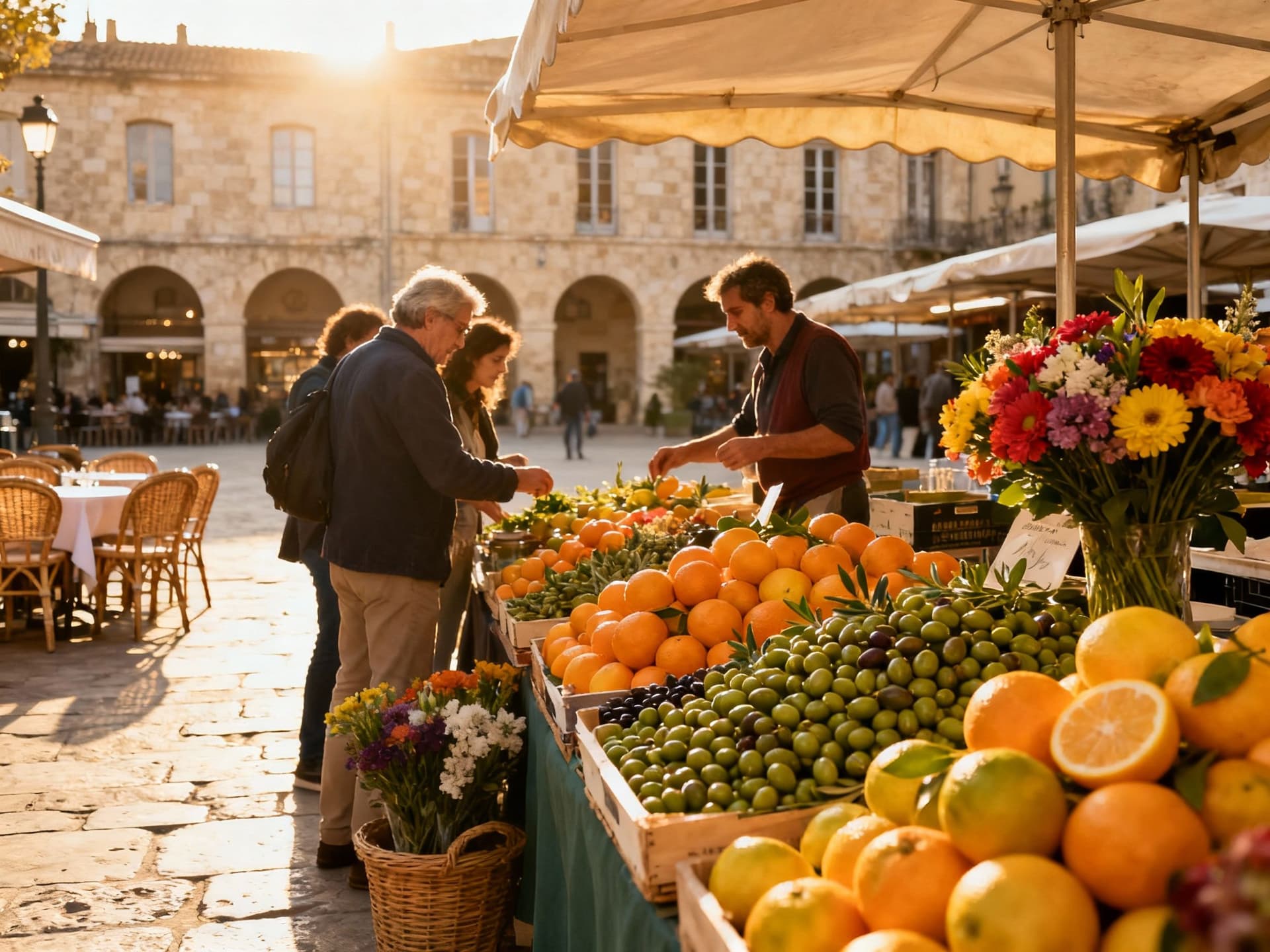
Daily life in France blends ritual and variety: coastal towns from Biarritz to Menton riff on the day’s tide, while cities — Marseille, Bordeaux, Lyon — pulse with neighbourhood cafés, weekly markets and weekday rhythms that reward local knowledge. Recent national data show the market stabilising after volatility, but lifestyle demand varies sharply by region and season. (See INSEE housing data.)
Côte d'Azur and Provence: sun, terraces and seasonal density
On the Riviera, mornings mean bakeries, afternoons mean beaches and evenings mean long dinners under plane trees. The catch: places like Nice and Antibes feel busiest between April and October. Newspapers report a market rebound in early 2025 as interest rates eased, which has translated into renewed buyer activity on the coast — meaning prime neighbourhoods increasingly behave like short‑term lifestyle markets rather than purely local housing markets.
Bordeaux, Nantes and smaller ports: city-coast hybrids
If your dream mixes surfable coastlines with cafés and a thriving cultural scene, consider mid‑sized coastal cities. Foreign buyer share remains modest nationally but concentrates in southern departments; that concentration is what gives some towns outsized liquidity and rental demand relative to their size. Read the buyer-breakdown to see who’s active where.
- Market and lifestyle highlights to taste-test
- Cours Saleya market (Nice) — morning fish stalls, produce and local life
- Vieux Port (Bordeaux) promenades and weekend oyster lunches
- Guéthary and Biarritz surf culture paired with boutique cafés
- Smaller Provençal hill villages — weekly markets and deeply local social ties
Making the move: practical considerations that preserve lifestyle

You want that terrace life — but you also want liquidity, sensible pricing and a property that works year‑round. France’s national indices show short-term regional shifts; the rocky bit of buying is matching the neighbourhood’s rhythm to your life stage. Translate daily scenes into property features before you sign.
Property styles and how they affect living
A 19th‑century apartment in Nice’s Carré d’Or offers morning life and walkability but slimmer terraces and higher maintenance rules. A modern seafront flat in La Rochelle delivers larger windows and easier rental appeal but can feel quieter in winter. Think: where will you spend most days — cafes and markets or mornings at home with sea views?
How local agents convert lifestyle into address
Good agents act like cultural translators: they show not just floorplans but ritual maps — where to buy bread at 7am, which streets clear after August, which blocks have a community of year‑round residents. Seek agencies with demonstrable local listings history and references from buyers who live the life you want.
- Practical steps to align lifestyle and investment
- 1. Map the week: visit mornings, afternoons and evenings to feel seasonality.
- 2. Compare two nearby neighbourhoods by amenities (markets, pharmacies, cafés) rather than by headline price alone.
- 3. Ask agents for rental and resale evidence for the last five years, not just recent listings.
Insider knowledge: what expats wish they'd known
Expats often arrive enchanted by markets and coastline, then discover seasonal quiet, parking rules, and municipal planning that shape daily life. National indices show periods of price correction and rebound; knowing that helps temper urgency. Local patterns — like an area’s reliance on summer visitors — will determine whether your property feels lively ten months a year or three.
Cultural fit: language, rhythm and community
French social life runs in small loops: your boulangerie clerk, café regulars, next‑door neighbour. Learning key phrases opens doors; participating in a market day or local festival accelerates integration. Expect to graft into pre‑existing networks rather than reinvent them — that’s both part of the charm and the challenge.
Longer-term lifestyle realities
Over five years, life in a small coastal town often shifts from seasonal novelty to steady routines: doctor visits, school runs, local committees. If you plan to rent the property seasonally, factor in local regulations and the difference between tourist hotspots and residential streets when estimating real yields.
- Red flags locals point out
- A neighbourhood with many “for sale” signs — often a sign of transient ownership rather than stable community.
- Properties marketed heavily for 'holiday rental' but located on streets that empty out from October to April.
- Unclear communal charges or building renovation plans that can double ownership costs.
Conclusion: live the life, respect the facts. France sells a lived-in dream — long market lunches, market‑fresh groceries and beaches a short drive away — but the practical side matters: match neighborhood rhythm to your year-round life, verify local data, and work with agents who can read lifestyle patterns the way they read comparables. When lifestyle and due diligence align, you buy more than a house: you buy days that feel like home.
Norwegian market analyst who relocated to Mallorca in 2020. Focuses on data-driven market insights and smooth relocation for international buyers.