The Neighbourhood France Locals Secretly Favor
France’s coastal life hides overlooked neighbourhoods with better liquidity and local rhythm—data shows regional rebounds; visit two seasons and prioritise walkable streets.
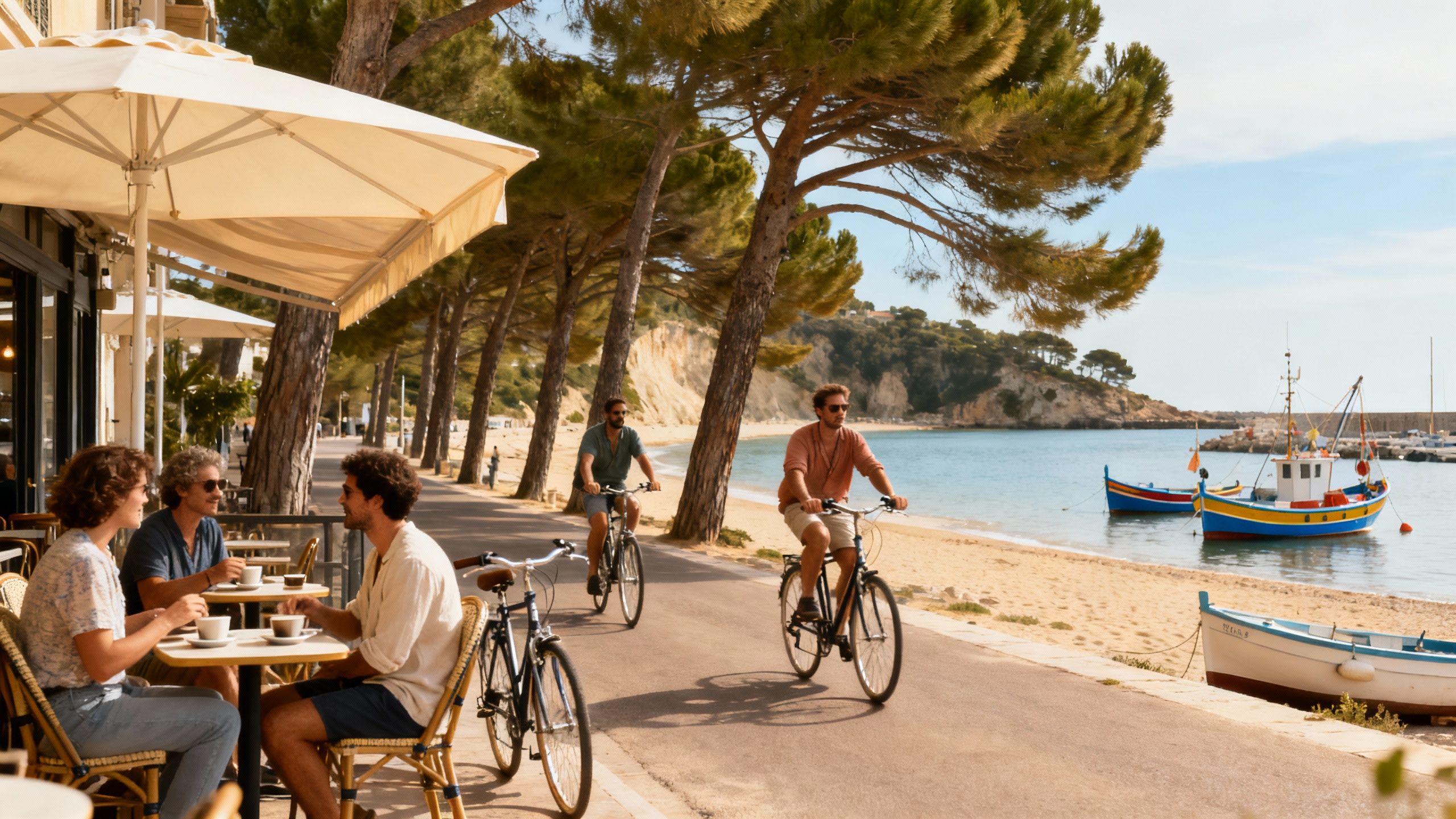
Imagine sipping an espresso at 09:00 on Rue d’Antibes, then an hour later cycling through a pine-scented avenue to a quiet cove outside Nice — that rhythm, part urban pulse, part slow coastal life, is what draws people to France. Recent market analysis shows the national market stabilising after a correction, which matters because lifestyle choices are now tightly linked to where prices plateau or rebound. For international buyers who equate France only with Riviera headlines, the real opportunity is in overlooked neighbourhoods that offer the same Mediterranean life with better liquidity and lower competition.
Living the French coastal life — more than marinas
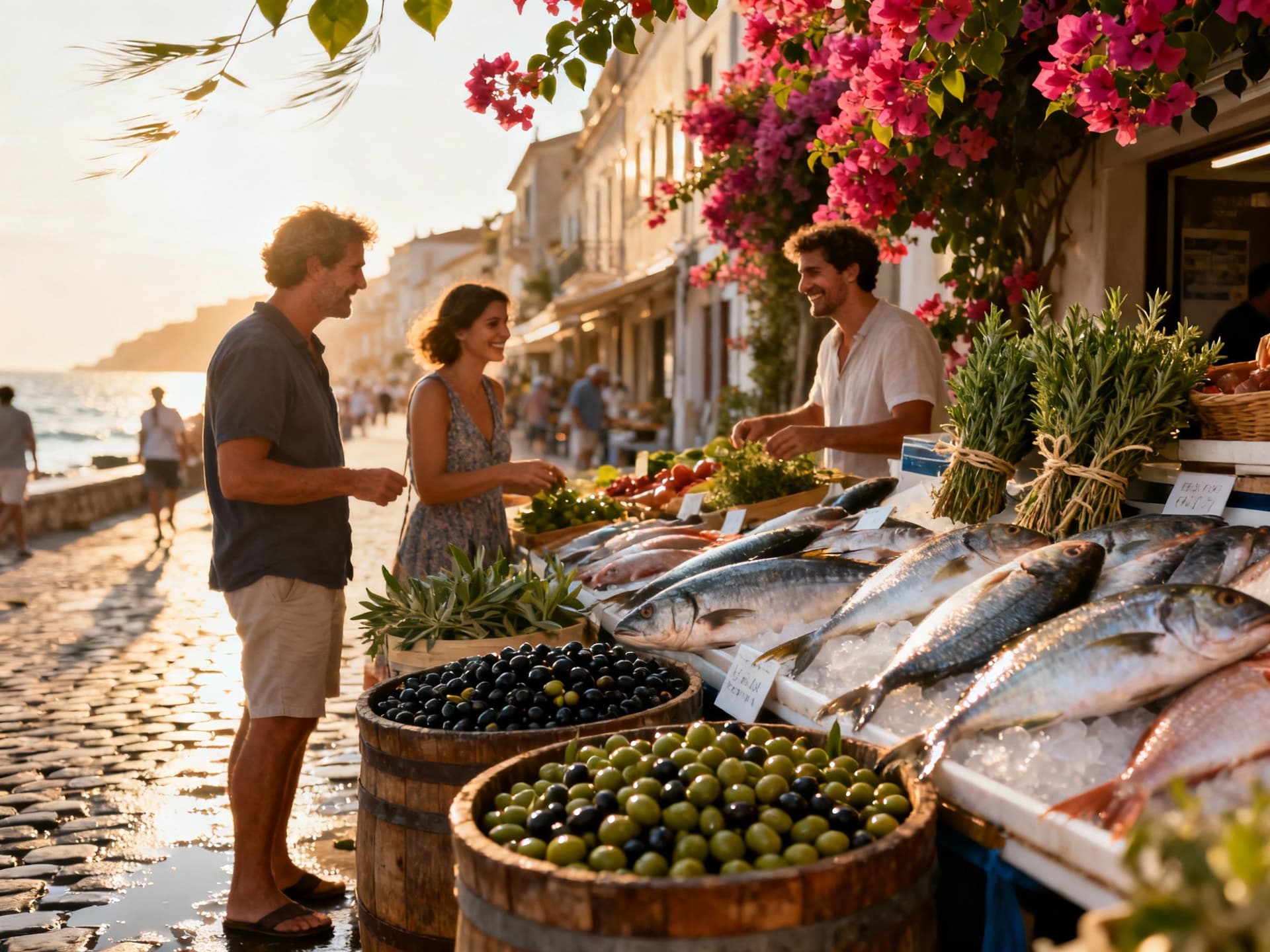
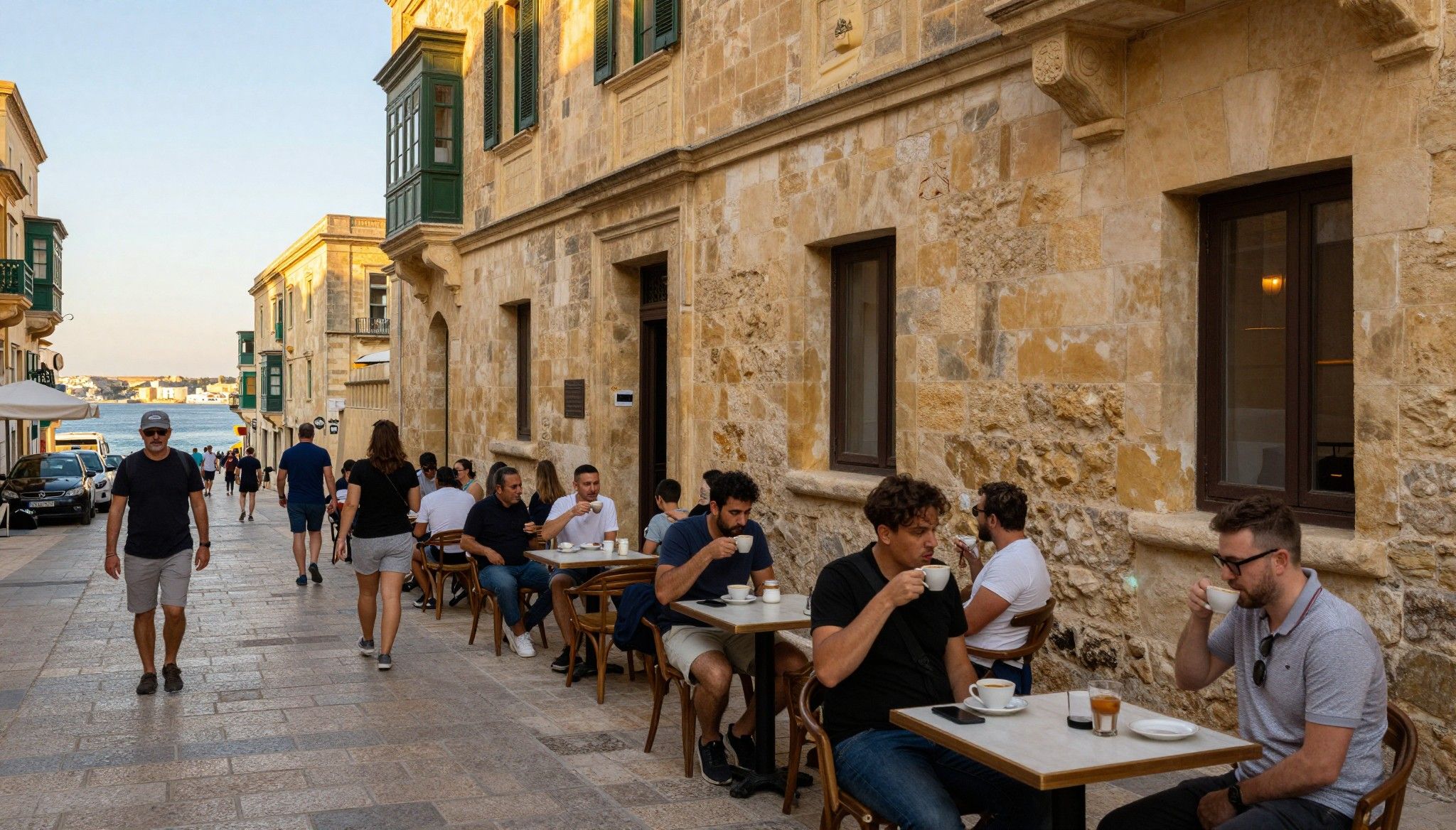
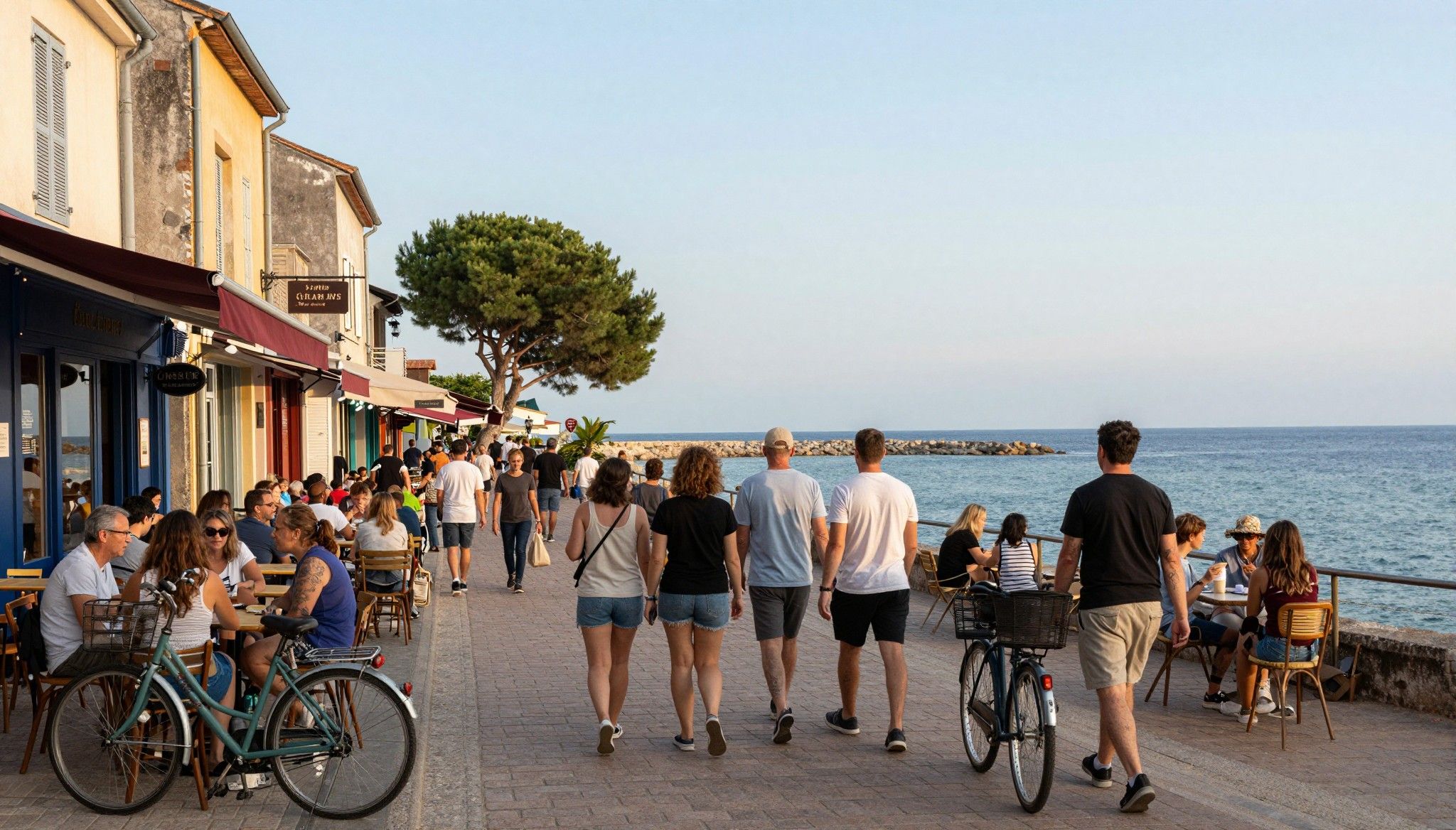
French coastal living is sensory: morning markets clatter with seafood and Provençal herbs, afternoons bend to beach walks and boulodrome games, evenings spill into terraces lit by low lamps. The Côte d'Azur may dominate postcards, but daily life is equally vivid in places like Sète, Hyères and Bandol — each with its own rhythm and property character. Choosing a neighbourhood means choosing a tempo: are you after weekday cafés and bakeries within ten minutes’ walk, or a quieter village that hums to weekend markets and vineyard festivals?
Hidden neighbourhoods that feel like the Riviera (but cost less)
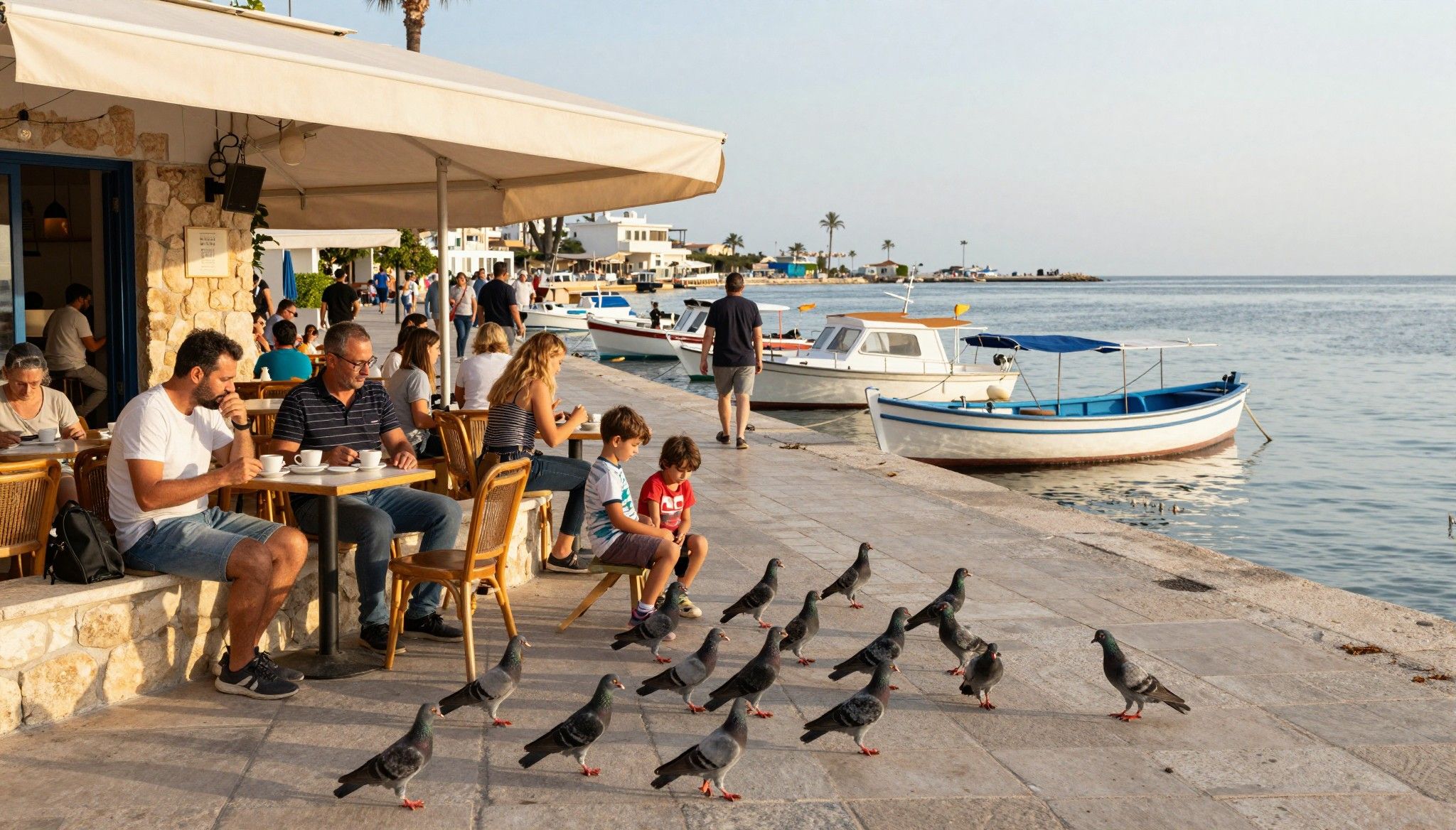
Look beyond Saint‑Tropez and central Nice to streets where locals actually live: Quai de la République in La Ciotat, Boulevard Victor Hugo in Hyères, or the old port quarter of Sète near Place Aristide Briand. These pockets combine working marinas, neighbourhood bakeries, and family-run bistros rather than luxury-brand streets; they attract buyers seeking authenticity, seasonal rental demand, and a steadier price trajectory. For internationals, the payoff is tangible — more properties available at sensible premiums, and better long‑term rental appeal from domestic French holidaymakers.
- Lifestyle highlights: authentic coastal pockets
- Sète — daily fish market at Quai d’Anselme and sunset walks on Mont Saint‑Clair
- La Ciotat — Calanque access, working shipyard culture and local cafés on Rue Joseph Brun
- Hyères (Le Port) — island ferries to Porquerolles and a lively Sunday market on Place Massillon
Making the move: translate lifestyle into property decisions
Lifestyle sells the dream, but market data grounds timing and price expectations. INSEE and notaires data from 2024–2025 point to a tentative national rebound in prices, with regional heterogeneity: some coastal towns are rising while others remain affordable. That split creates windows where lifestyle and liquidity overlap: neighbourhoods lightly known to international buyers often offer better entry prices and more negotiation room.
Property types that match the coastal lifestyle
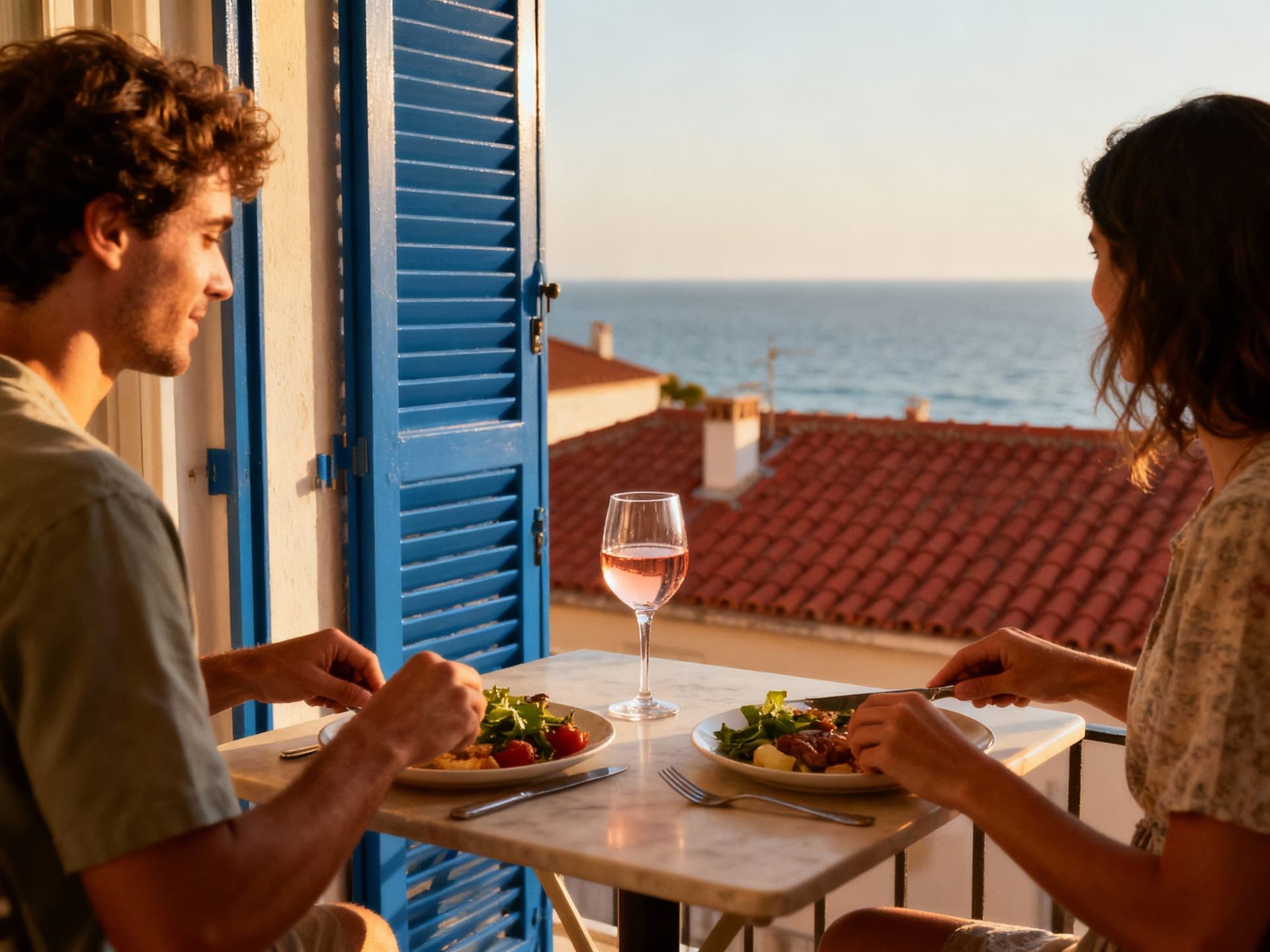
If you want terrace breakfasts and evening sea breezes, look for apartments with southwest‑facing terraces or small townhouses with a courtyard. Villas with modest plots out of season can feel empty and expensive to maintain; smaller sealed‑glass loggias and well‑insulated apartments often deliver the lived experience with lower upkeep. Newer low‑rise developments near ports provide community amenities and rental demand, while older stone buildings offer character but can hide renovation costs.
Working with local experts who know both life and law
Good local agents act like cultural translators: they point out where neighbourhood bakeries operate year‑round, which streets flood in heavy rains, and which properties attract long‑stay holiday lets. For international buyers, choose agents fluent in international transactions and local planning rules, and who can introduce a trusted notaire for notarial checks. Agencies that specialise in mid‑market coastal towns are often better at finding off‑market listings than prestige‑only brokers.
- Steps to align lifestyle and purchase
- Visit in two seasons: sample high-summer energy and quiet shoulder months to see real neighbourhood life.
- Prioritise walkability: map morning cafés, grocery options and public transport within a 15‑minute radius.
- Ask for rental history if you plan part-time letting — French domestic tourism often sustains mid-market rentals.
Insider knowledge: what expats wish they'd known
Expats often underestimate how quickly daily life replaces headline comforts: your favourite market stall becomes the centre of your week, and small civic rituals — pétanque on Tuesdays, the weeknight apéro — define social calendars. The Financial Times and other outlets note Parisians’ strong domestic second‑home buying, which shapes demand patterns in nearby regions and can drive up competition for authentically local pockets. Expect language bumps and local bureaucracy; learning basic French opens doors and leads to better local deals.
Cultural cues that change where you buy
French locals prize permanence: long‑term neighbours, family ownership and careful renovation. That means streets with many generational owners can be resistant to rapid re-sales or short‑term lets, affecting liquidity and rental yield. Conversely, districts near train stations or regional airports attract younger buyers and remote workers — look there if you want resale ease and rental demand.
Seasonality and the truth about 'off‑season' buying
Buying in winter removes the summer gloss and reveals plumbing problems, insulation issues and true community life — practical advantages if you prefer honest negotiating. However, some festival weeks or harvest seasons (like local vinification events) reveal a town's soul and can help you decide whether you’ll fit in. Balance both: do a winter audit and a summer sampling before you sign.
- Red flags locals warn about
- A single busy short‑term rental building in a quiet street (future noise and turnover risk)
- Properties with recent cosmetic-only renovations but limited structural checks
- Neighborhoods with poor year‑round public services despite high summer footfall
Longer-term lifestyle considerations
Think beyond the purchase: healthcare access, school options if relocating with family, winter utility costs, and local community life. Towns investing in rail links or harbour regeneration often see outsized capital appreciation as commuting patterns change. For buyers who split time between countries, choose properties with low maintenance footprints and local managers who can handle seasonal readiness.
Conclusion: France offers a layered coastal life — from postcard Riviera to quieter, under‑priced ports — and current data shows pockets of recovery and heterogeneity. If the dream is Mediterranean mornings and a connected everyday, start with neighbourhood rhythm, use data to time your offer, and work with agents who can pair lifestyle insight with notarial rigour. Visit in two seasons, check rental histories if income matters, and prioritise walkable streets; you’ll arrive with a life plan, not just a purchase.
Dutch investment strategist with a Portugal-Spain portfolio. Expert in cross-border financing, rights, and streamlined due diligence for international buyers.