Italy: Lifestyle-Led Property Choices, Backed by Data
Italy’s daily rhythms — markets, aperitivo, festivals — shape where to buy. Use national data (ISTAT) for context, then choose neighbourhoods that match real-life routines.
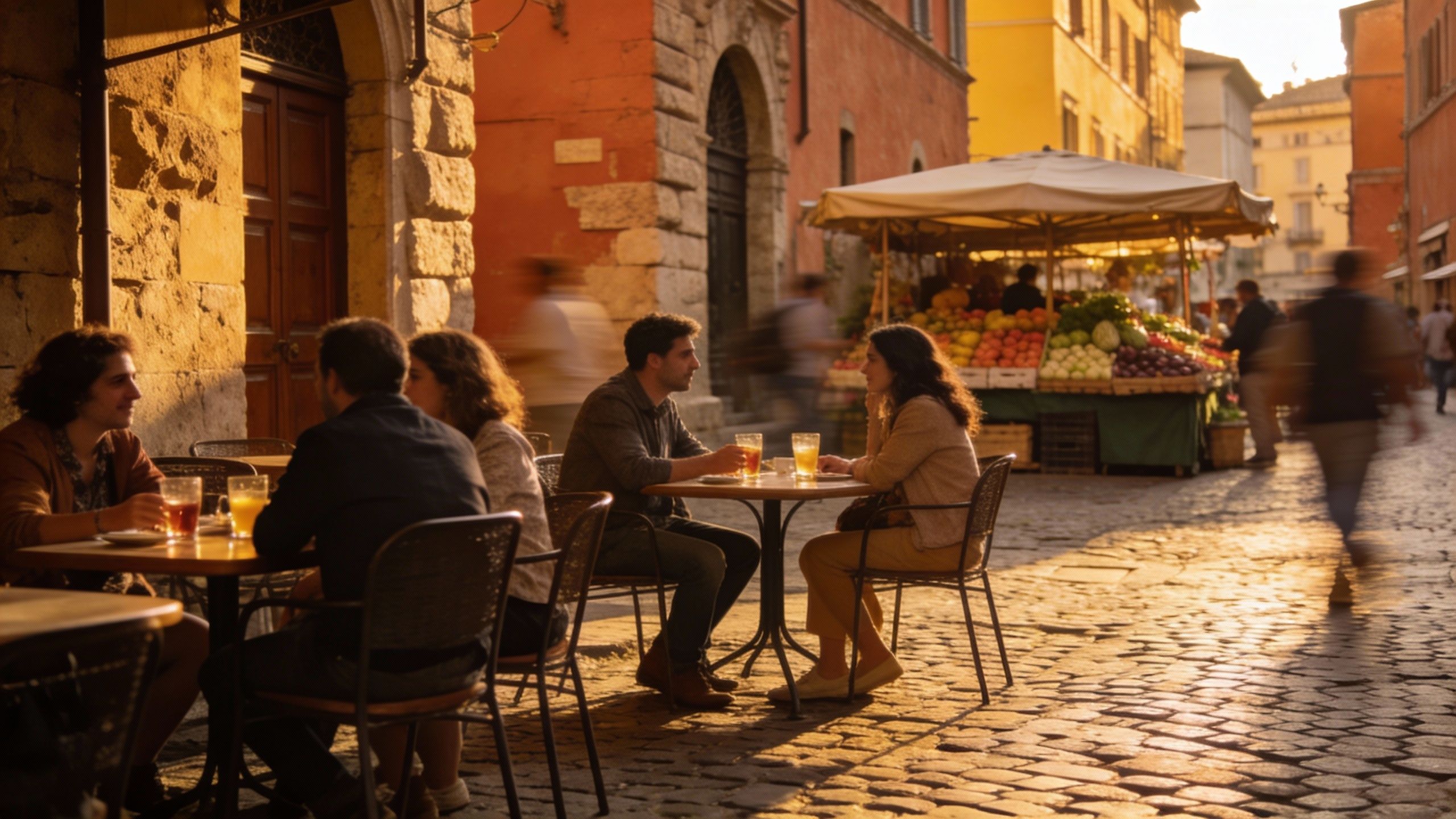
Imagine sipping espresso on Via del Governo Vecchio, then catching a late-afternoon train to the coast — Italy folds centuries of daily life into every corner. This is not a movie set but the actual rhythm: markets at dawn, aperitivo at sunset, and neighbourhoods that change mood block by block. For international buyers, that rhythm is the real asset — but it also shapes what to look for in a property and when to move.
Living the Italy lifestyle: more than views
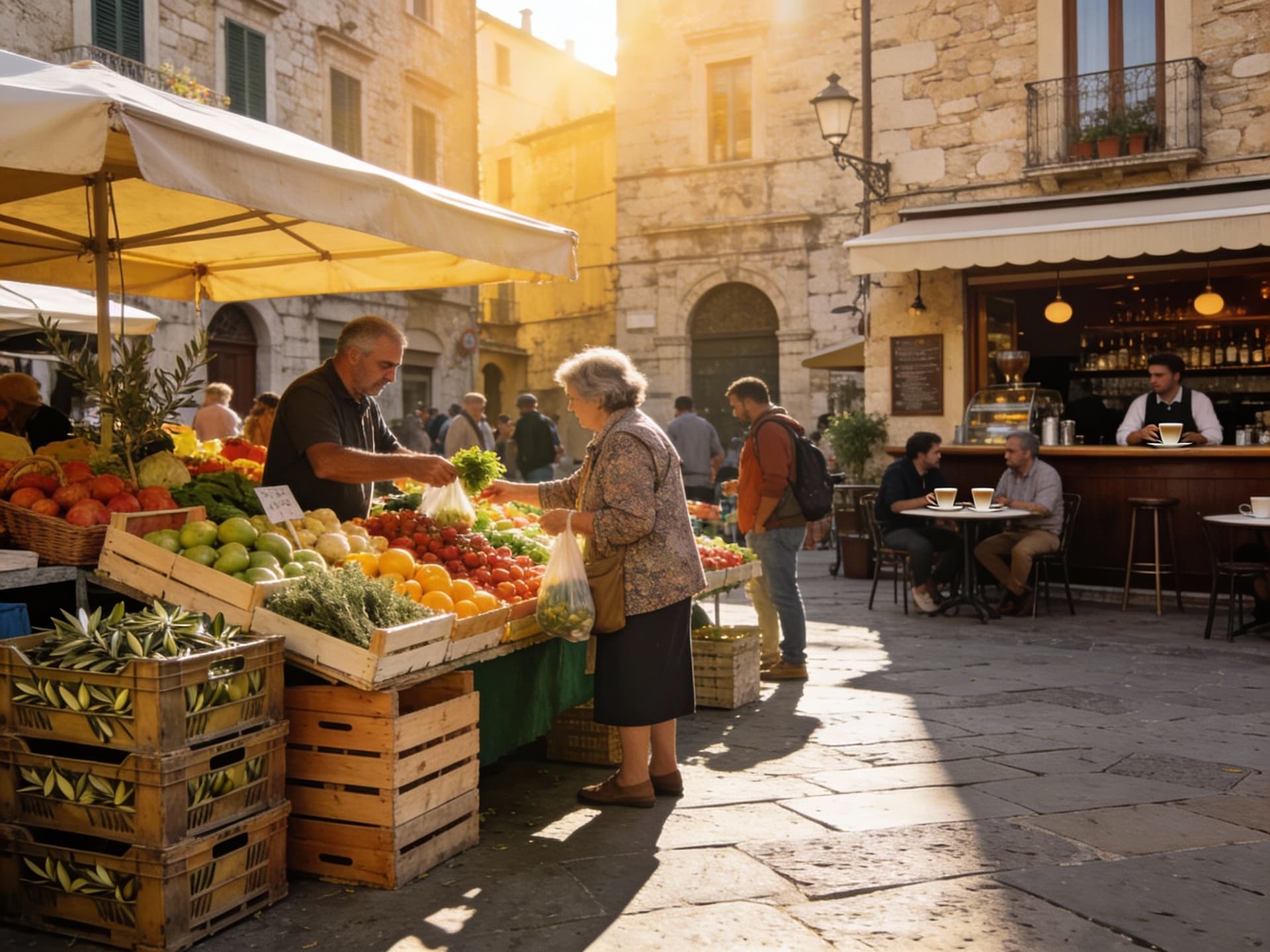
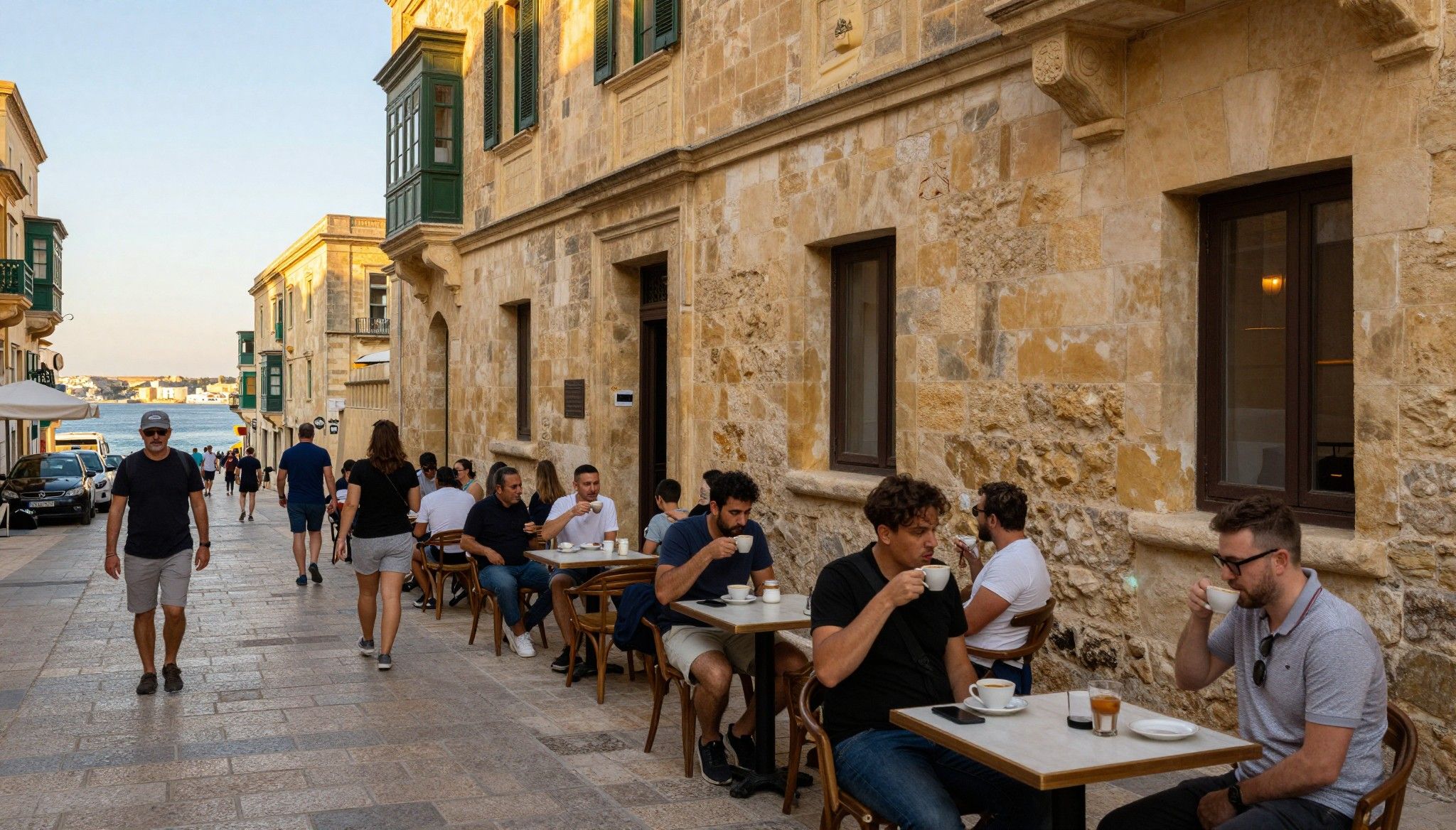
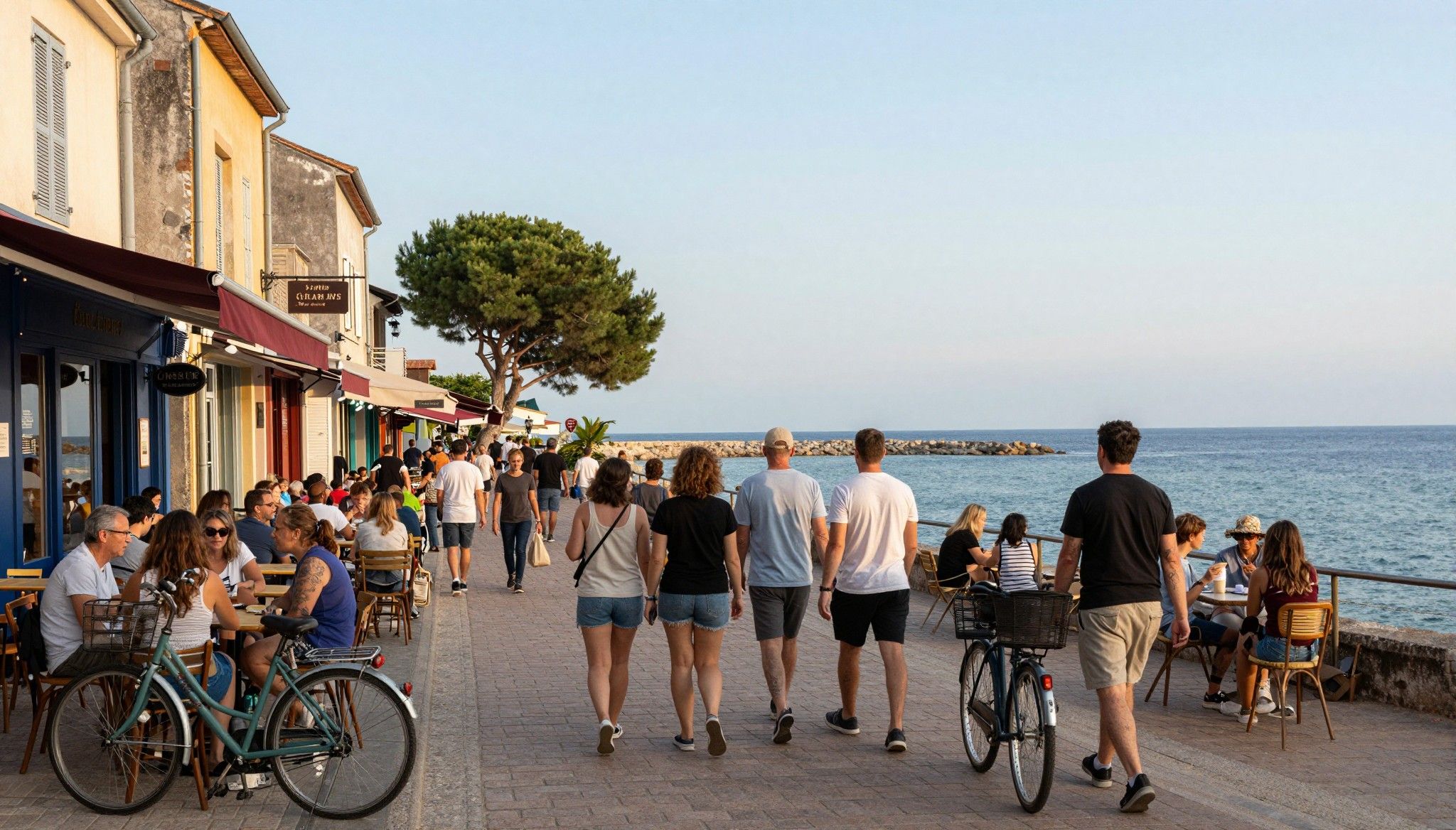
Italy’s appeal isn’t a single postcard view; it’s the layered daily life. Picture a weekday morning in central Turin with cafés filling quick, serious conversations; a Saturday in Lecce where baroque churches sit beside buzzing olive-oil markets; and a late spring evening in Positano when terraces overflow and the coastline lights up. Those textures — coffee rituals, market proximity, seasonal festivals — influence where you want to live far more than a generic ‘seafront’ label.
Neighbourhoods that give you distinct lives
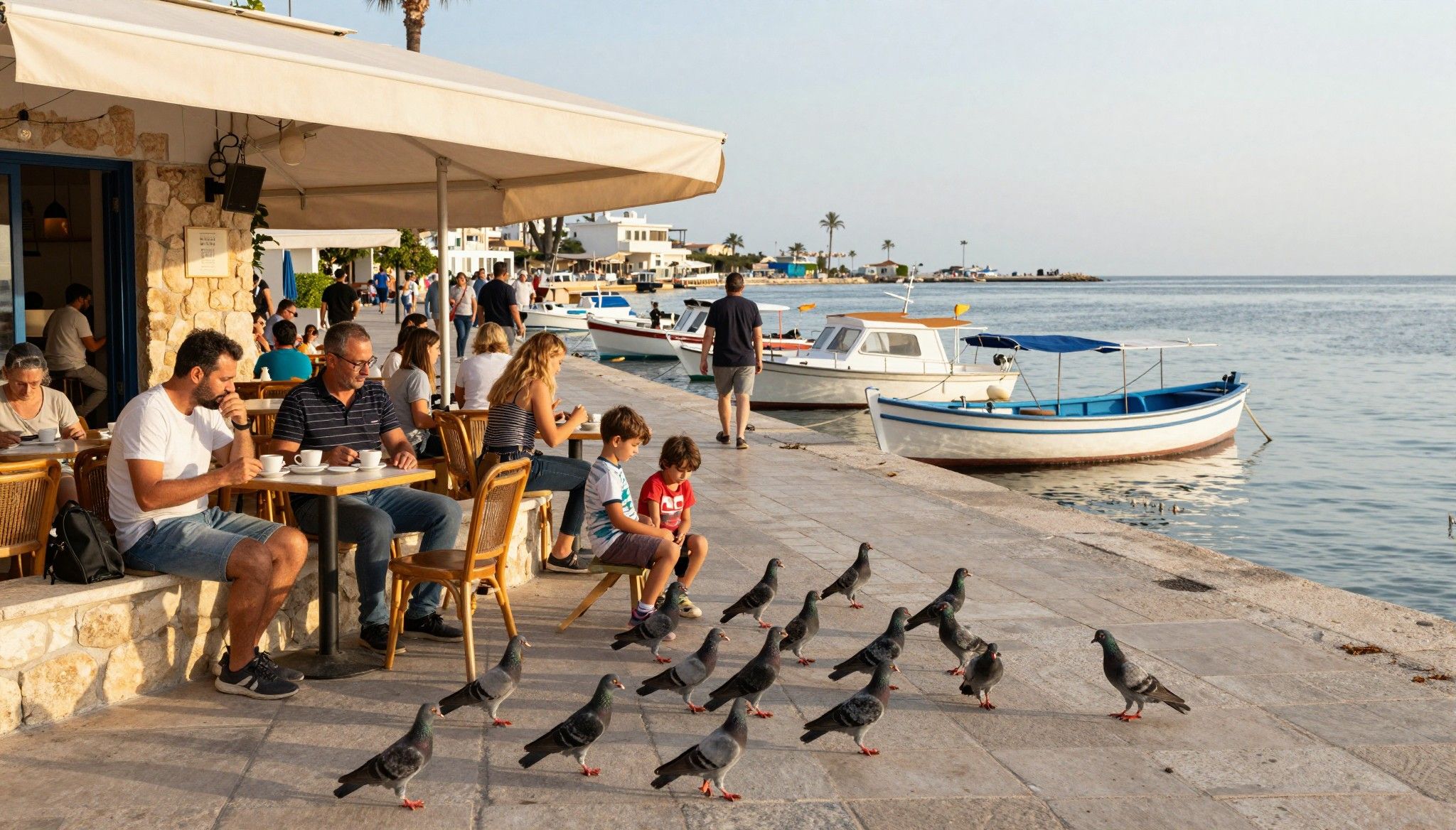
Choose Rome’s Trastevere for narrow streets, small trattorie and an easy pedestrian life; opt for Navigli in Milan for canals, aperitivo culture and late-night design crowds; or head to Florence’s Oltrarno for artisan workshops and quieter piazzas. On the coast, Liguria’s Sestri Levante offers calmer family beaches while Amalfi Coast towns are calendar-driven by tourism. Each micro-neighbourhood writes a different daily routine — check weekly market days, local ferry timetables and evening foot traffic before you bid.
Food, weekend rhythms and how seasons steer life
Food is civic life in Italy: morning market runs, aperitivo on a neighbourhood piazza, and slow Sunday lunches. Seasonal pulses matter — truffle fairs in Piedmont, grape harvests in Tuscany, and beach season on the Adriatic — and they reshape rental demand, local crowds and service availability. If you prioritize a calm winter, Southern Puglia or Sicily offer mild months; if cultural events are your draw, central cities pulse year-round.
- Lifestyle highlights to scout in person
- Weekly market within 10 minutes’ walk — fresher food and quicker social life
- A café or bar with consistent morning crowd — a neighbourhood meeting point
- Evening noise profile — pedestrianised piazzas versus late-night avenues
Making the move: lifestyle-led property choices
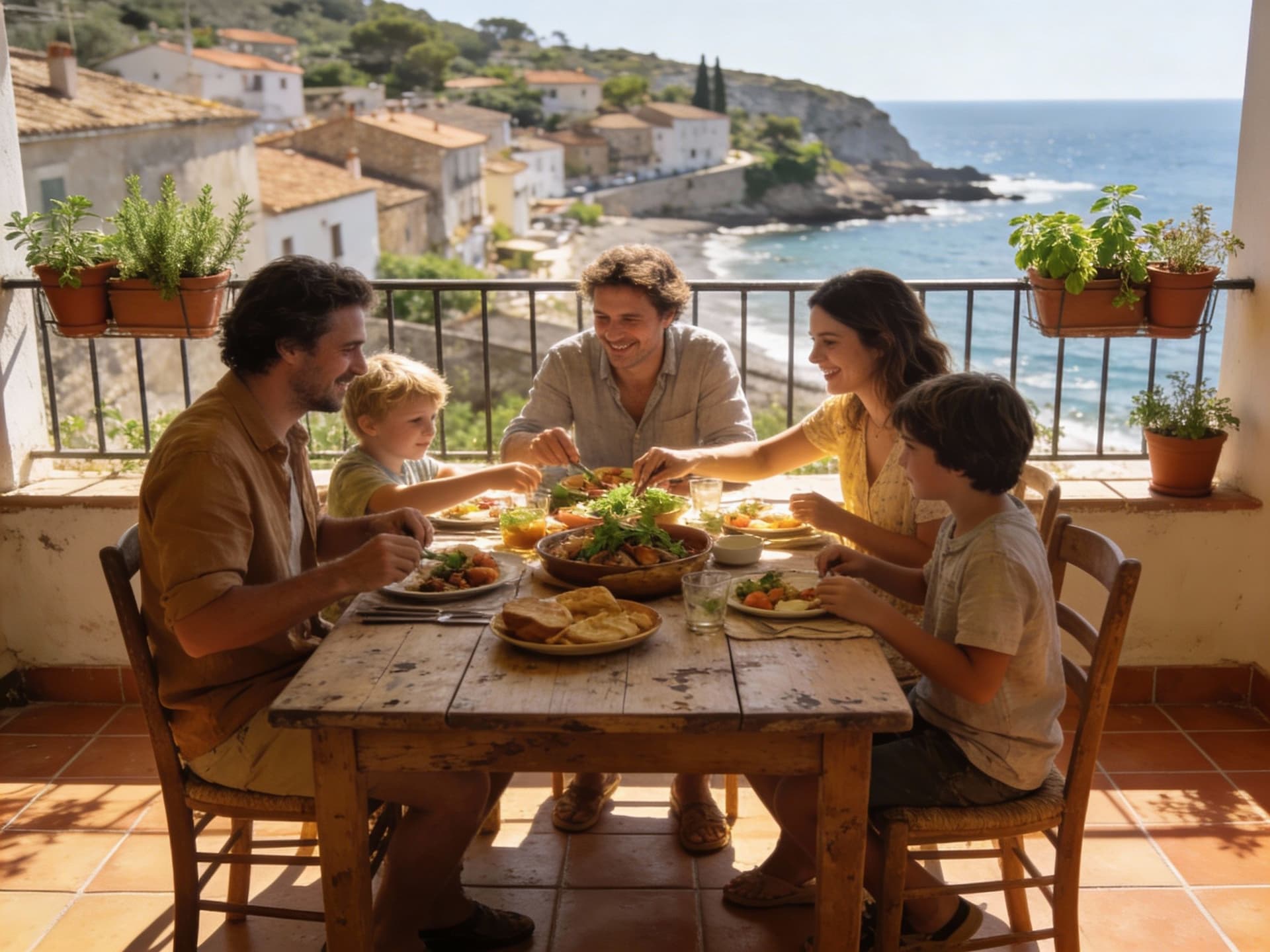
Dreams meet numbers: recent ISTAT data show Italy’s house-price index rose about 4–5% year-on-year in early 2025, with strong divergence between new-build and existing stock and sharp regional variation. That means lifestyle choices (city centre flat vs. coastal villa) come with very different liquidity and maintenance profiles. Use national data to set expectations, then let neighbourhood visits set priorities.
Property styles and how they shape daily life
Historic centre apartments deliver walkable life and immediate character but often mean higher maintenance, limited parking and stricter heritage rules. New-builds and renovated townhouses offer outdoor space, parking and energy improvements — useful if you plan year-round living or rentals. On the coast, terraced houses can trade sea views for easier access to services; inland villas offer land and privacy but come with higher running costs.
Work with experts who sell lifestyle, not just square metres
Local agents should map lifestyle features: market days, ferry timetables, heating type, and seasonal rental demand. Ask for recent comparable rentals and occupancy over the last three years — not just peak-season returns. Good lawyers and notaries clarify title and renovation permissions, while a project manager helps estimate real renovation timelines and costs where older properties are concerned.
- A lifestyle-practical checklist for viewings
- Confirm heating and insulation type — winter comfort and bills matter more than you think
- Ask neighbours about noise and seasonal crowds — tourism spikes can change daily life
- Request three-year rental and utility records if you plan to rent; compare against local yield averages
Insider knowledge: mistakes expats repeat (and how to avoid them)
Expat experience shows common traps: buying a coastal ‘deal’ without verifying seasonal access, underestimating municipality renovation permissions, or overvaluing short-term rental returns during festival months. A more subtle error is chasing a perceived ‘cheap’ region without mapping local services; price alone won’t buy the lifestyle you expect.
Cultural and practical integration — what changes after you move
Language shapes ease: even basic Italian opens doors in markets, bars and municipal offices. Community rhythms — local festa days, shop hours and family-run services — reward curiosity and patience. Expect slower administrative timelines than in many Northern countries; build that into your move and renovation calendars.
Long-term lifestyle sustainability
Think five to ten years ahead: will your chosen neighbourhood support ageing in place, or will you want closer healthcare and transport links? Coastal towns can change with tourism cycles; cities may gentrify quickly. Check planned infrastructure projects and local zoning — they often determine how a place will feel in a decade.
- Red flags to watch for
- Unclear ownership history or missing cadastral documents
- No permit records for conversions (loft to apartment etc.)
- Electric/heating systems older than 20 years without recent certification
After you’ve fallen in love with a neighbourhood, practical next steps speed you towards a confident purchase: book at least two separate viewings (different times of day), commission a technical survey, ask for three years of utility/rental records, and engage a notary before signing. Local agencies that understand lifestyle trade-offs will shorten this list and help you avoid emotional overbidding.
Italy gives you weekly markets, slow Sunday lunches and festivals that stitch strangers into neighbours. Pair that tangible lifestyle with careful local research — use ISTAT and city-level price snapshots for context, and then let neighbourhood details decide your offer. When lifestyle and data agree, you won’t just buy a property — you’ll buy a new life.
Norwegian market analyst who relocated to Mallorca in 2020. Focuses on data-driven market insights and smooth relocation for international buyers.