Italy: Live the Life, Buy for Liquidity
Italy’s lifestyle seduces — but smart buyers pair local rhythms with verified data: prioritise energy-rated, well-connected homes in year-round towns to balance life and liquidity.
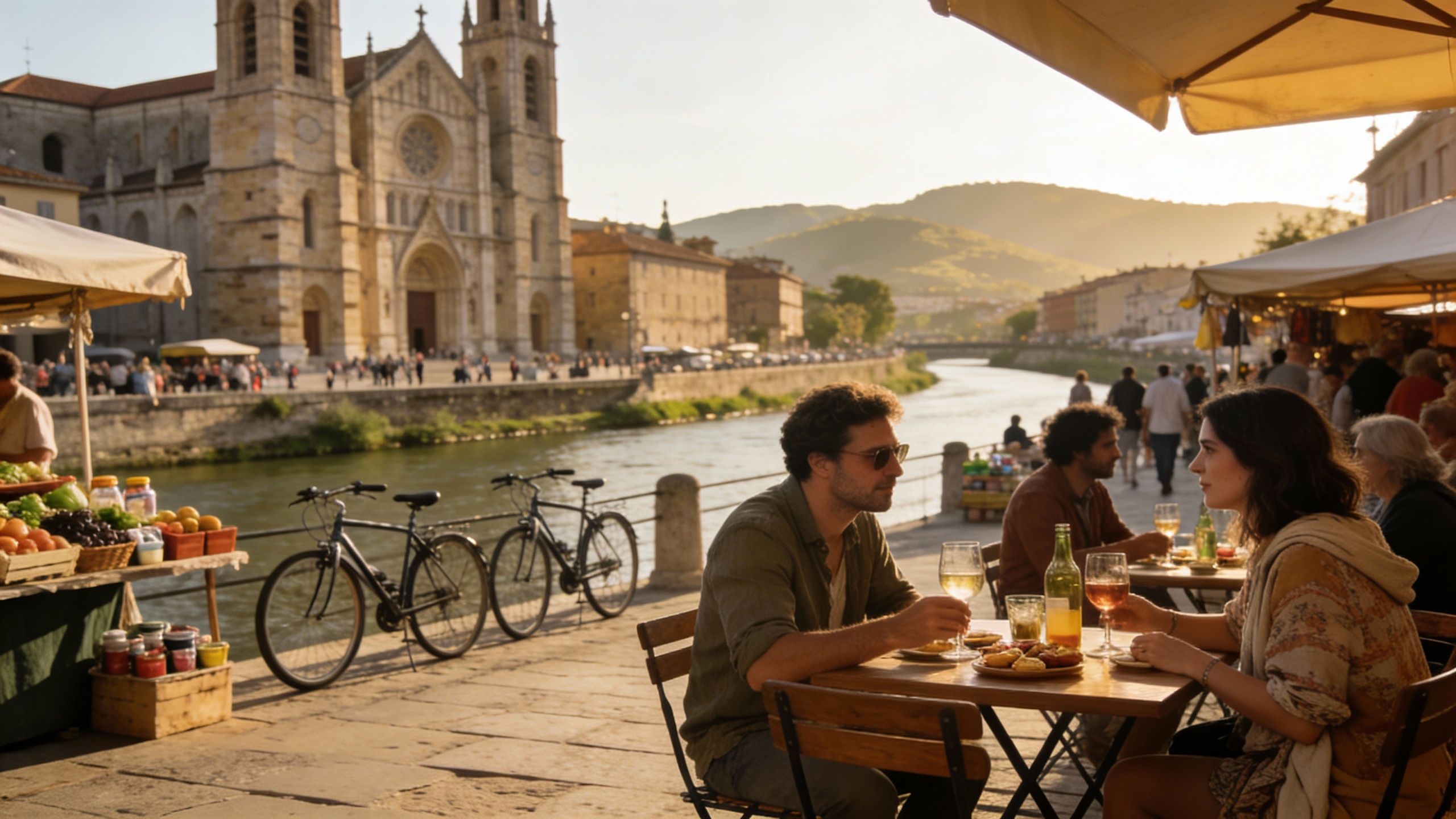
Imagine starting the day with an espresso at a piazza table in Trastevere, then commuting by vaporetto past quiet canals, or driving through olive groves to a sun-drenched villa in Puglia. Italy is a set of lives in one country: city intensity in Milan, slow coastal summers on the Amalfi Coast, hill-town routines in Umbria. For international buyers the attraction is visceral — food markets, neighbourhood rituals, architecture that layers centuries — but the practical questions about liquidity, seasonality and local rules determine whether that dream becomes a good purchase.
Living the Italy lifestyle
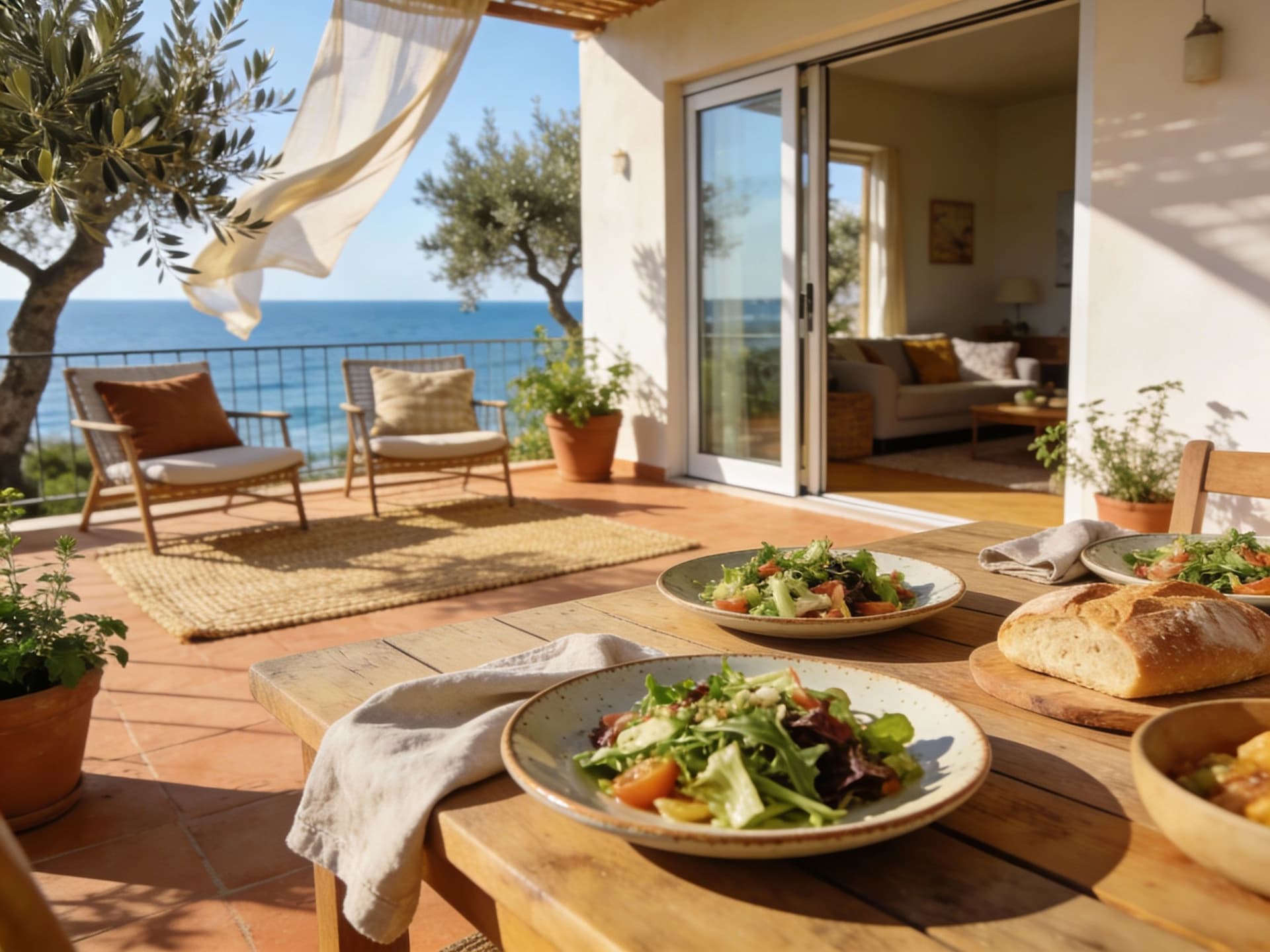
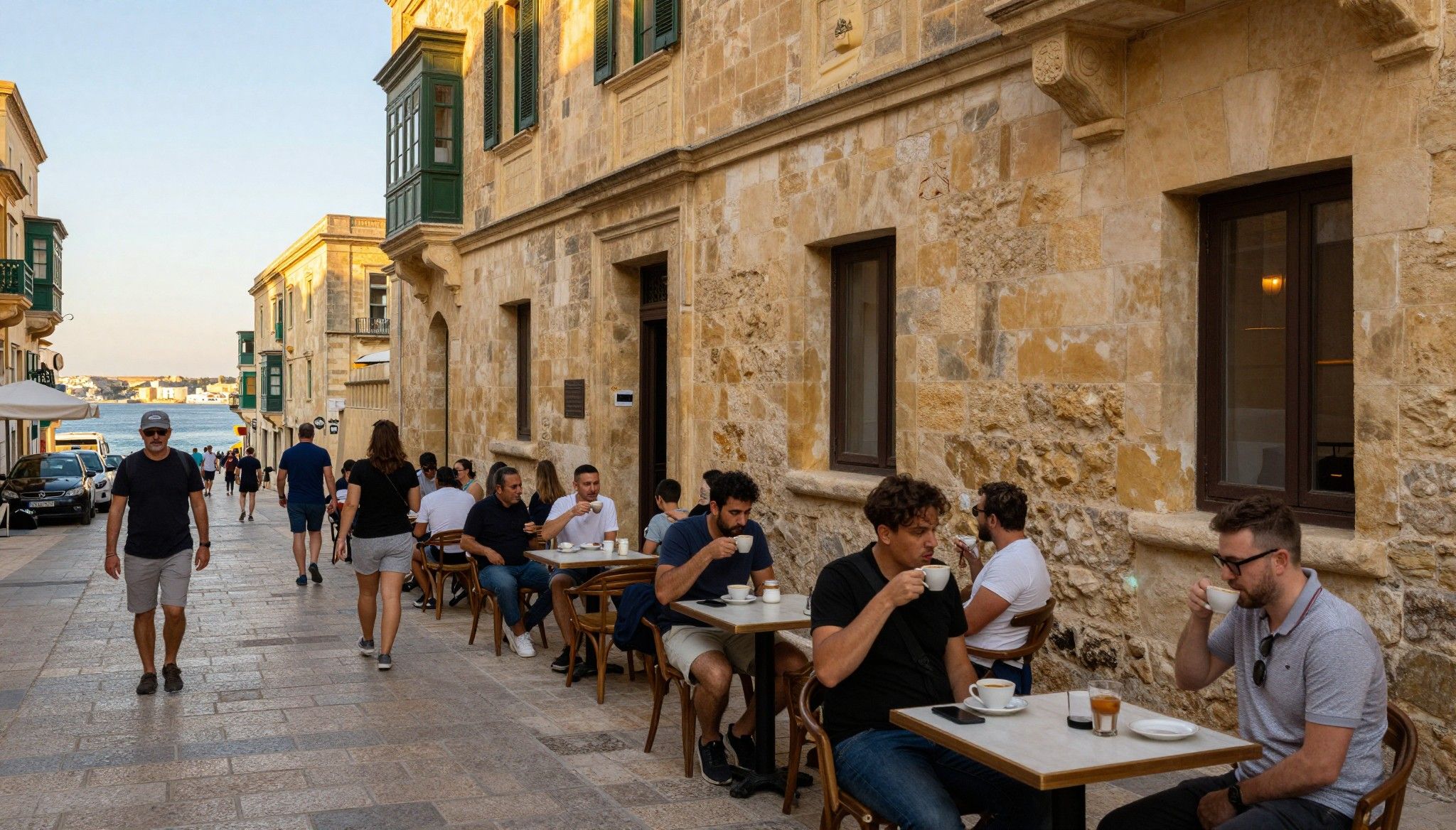
Italy’s daily rhythm varies by place and season: early-morning bar lines in Rome, market bargaining in Palermo, and late-evening passeggiata in small towns. Streets smell of espresso and baking bread; neighbourhood bakeries set schedules for locals. For buyers, this means choosing an area that matches how you want to live — lively central quarters if you want constant social life, quieter borgo lanes if you want a slower, community-focused life.
City neighbourhoods: Milan, Rome, Florence
Milan offers a compact urban life: aperitivo culture in Navigli, design shows in Brera and fast links to the Alps and Lake Como. The city commands the highest prices in Italy — think about €4,900/m² in central districts — but also delivers services, international schools and job markets that sustain demand. If you prioritise cultural events, restaurants and career opportunities, Milan neighbourhoods like Porta Nuova or Isola reward that lifestyle but require trade-offs on space and renovation complexity.
Coast and small towns: Amalfi, Puglia, Liguria
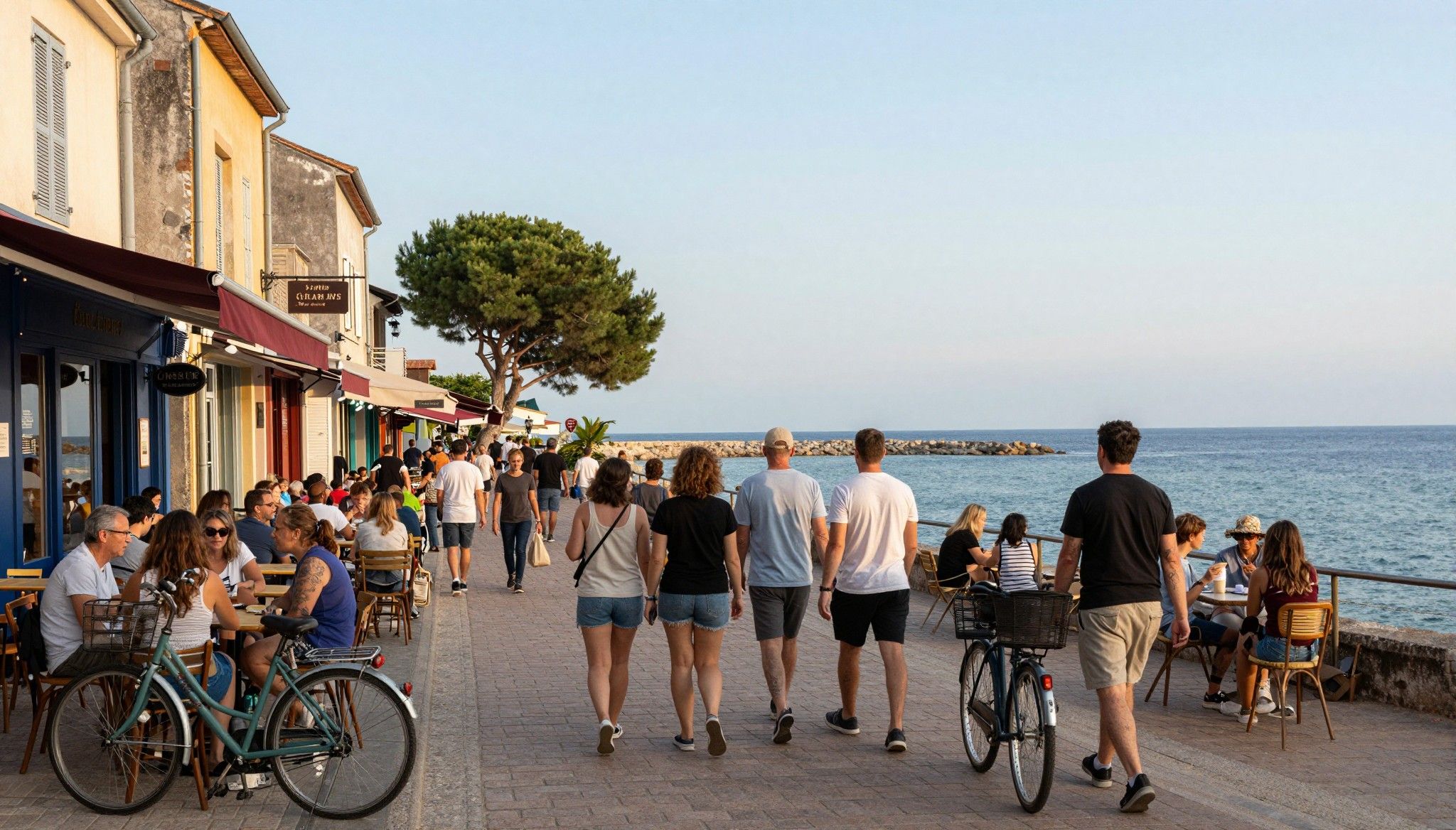
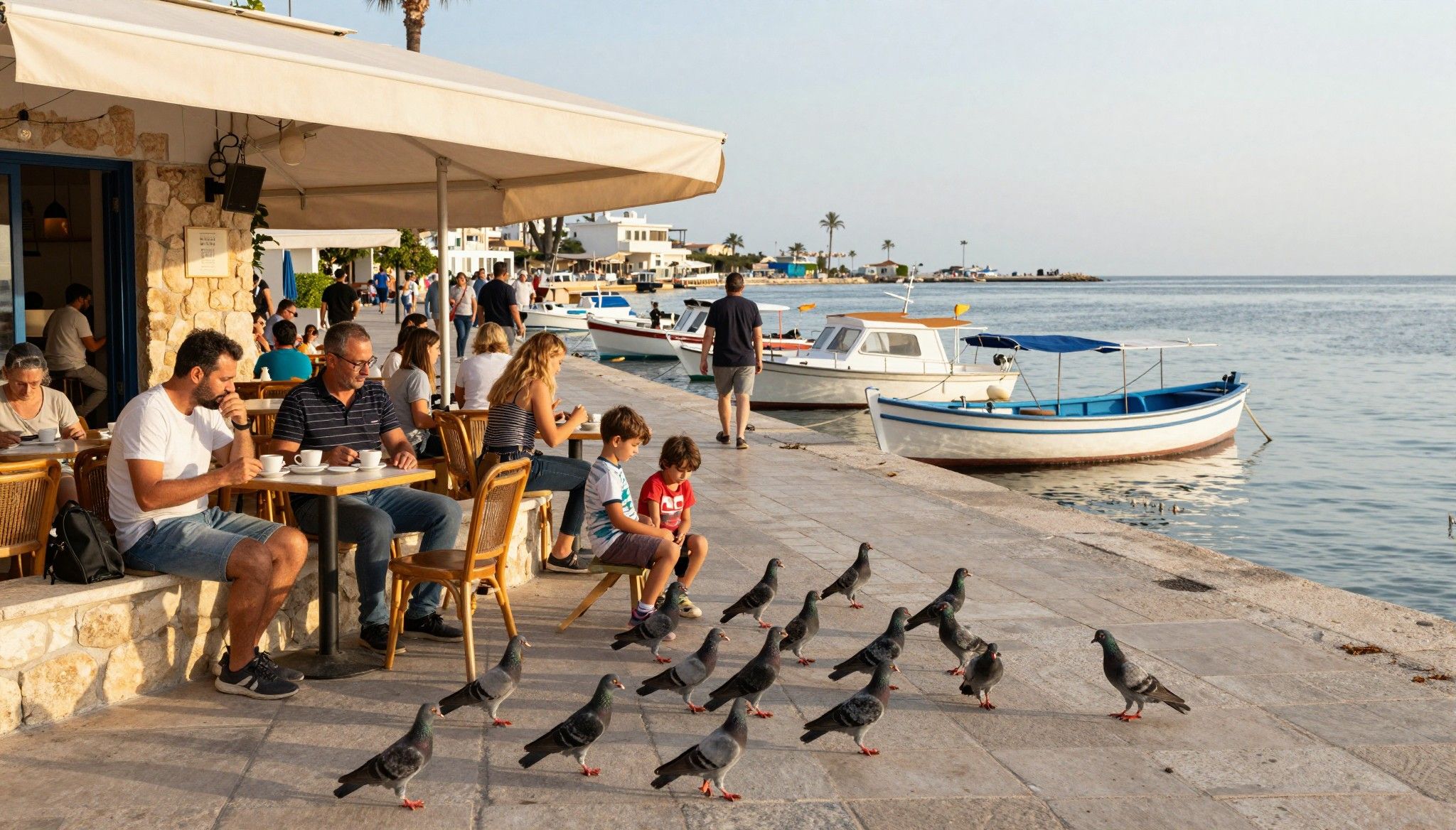
Coastal towns offer the slow, outdoors life that most people imagine: morning markets, beachside cafes and neighbors who know your name. Places such as Positano, Polignano a Mare or the Cinque Terre bring lifestyle premiums and seasonal demand that can make short-term rentals lucrative — but watch for local rules and overtourism measures that can limit nights or conversions. For long-term living, look for towns with year-round services (grocers, healthcare access, transport) rather than purely tourist strips.
- Lifestyle highlights worth living for
- Morning coffee ritual at Caffè Propaganda (Rome) or Pasticceria Marchesi (Milan)
- Saturday market at Mercato Centrale (Florence) or Mercato di Ballarò (Palermo)
- Sunset walks on Lungomare (Naples) or aperitivo along Navigli (Milan)
Making the move: practical considerations
Lifestyle sells the dream; market data defines the deal. Recent datasets show Italy’s market stabilising with moderate price growth in many cities and stronger demand for energy-efficient, well-located flats. Interest-rate improvements and tax incentives for renovation and green upgrades have already altered buyer choices, making renovated historic flats and new Class A apartments more liquid than older, poorly insulated stock.
Property types and how you’ll actually use them
Historic centro apartments deliver character and walkability but often require costly restorations and seismic upgrades. Coastal villas and trulli offer space and outdoor living but can be seasonal and require higher maintenance. New-builds or renovated apartments with high energy ratings tend to rent better and face fewer regulatory barriers for long-term lets.
Working with local experts who match lifestyle to liquidity
An experienced local agent will connect lifestyle cues (neighbourhood rhythm, market seasonality) to transaction realities (contract types, typical contingencies, renovation timelines).
A notary (notaio) is central in Italy: they formalise the deed and verify liens — budget for their fees and insist on a full due-diligence package before signing.
Inspections for seismic safety, energy class, and cadastral conformity are not optional: ask sellers for recent certificazioni and use specialists to price renovation needs into your offer.
Insider knowledge: what expats wish they’d known
Expats often tell the same truths: paperwork is slower than expected, neighbourhood calendars (feste, market days) shape social life, and summer can both energise and exhaust a town’s services. Short-term rental income is attractive but politically sensitive, and cities like Florence and Venice are tightening rules. Those who integrate — join a local club, learn some Italian, shop at the mercato — report faster friendships and smoother bureaucracy.
Cultural integration and daily life
Learning basic Italian transforms the experience: you’ll get better service, clearer renovation quotes and quicker acceptance in community networks. Understand local rhythms: businesses close for riposo in small towns midday and reopen later; municipal services often follow a different timetable to what you expect from larger northern European cities.
Long-term lifestyle and value drivers
Over the next five years, buyers who prioritise energy efficiency, proximity to transport and flexible-use spaces (guest suites, work-from-home nooks) will outpace those chasing purely romantic features. Property in well-connected provincial capitals and sustainable renovated buildings tends to hold value better than isolated holiday houses, despite the immediate allure of a sea-view villa.
- Red flags to watch for before making an offer
- Missing or inconsistent catastale records
- No recent energy certificate (APE) or seismic declaration where required
- Local bans or caps on short-term rentals in historic centres
- Steps to convert a lifestyle visit into a confident purchase
- 1. Spend two weeks living in the neighbourhood across seasons to test supply, services and noise.
- 2. Commission cadastral and seismic checks before making an offer; get fixed-cost renovation quotes.
- 3. Use a bilingual notary or lawyer to verify deeds and pre-contracts; clarify tax residency implications with a tax adviser.
Italy is a place you learn by living in it: the before-and-after of a move is tangible. Before, weekends are plans; after, they are market routes, favoured osterie and the cafe where everyone knows your name. The smartest buyers marry lifestyle with practical checks — they pick a neighbourhood that fits daily life and build local expertise into every offer.
If you love the life and want value: focus on well-connected provincial centres, energy-rated renovations, and neighbourhoods with year-round services. We pair lifestyle scouting with verified market data so you fall in love with a place you can confidently buy into.
Danish relocation specialist who has lived in Barcelona since 2016. Helps families move abroad with onboarding, schooling, and local services.