Italy’s price tag: myth, lifestyle and real liquidity
Italy’s market is diverse: lifestyle-led neighbourhoods mask pockets of liquidity. Pair three timed visits with ISTAT data and local experts to find value that fits how you want to live.
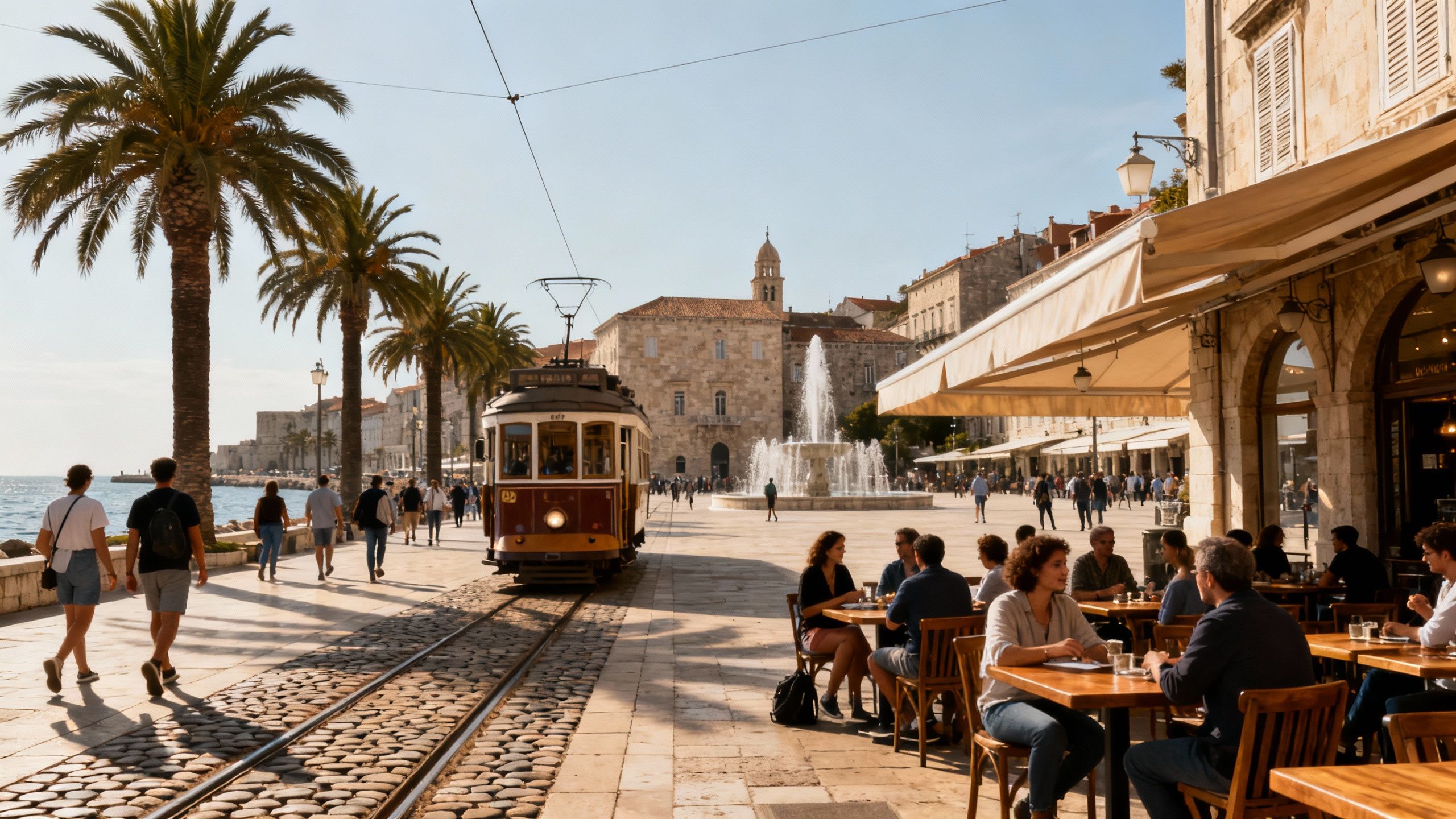
Imagine sipping an espresso on a narrow cobbled street in Trastevere, then, two hours later, skiing the Dolomites or lunching on seafood in Polignano a Mare. Italy folds centuries of daily life into easy distance: neighbourhood markets at dawn, aperitivo at dusk, and a property stock that ranges from medieval flats to sleek new builds. That cultural richness is why many assume Italy is uniformly expensive — but the market hides liquidity and opportunity if you know where to look. We start with life-first scenes, then show the practical routes that make buying here both attainable and sustainable.
Living the Italy lifestyle
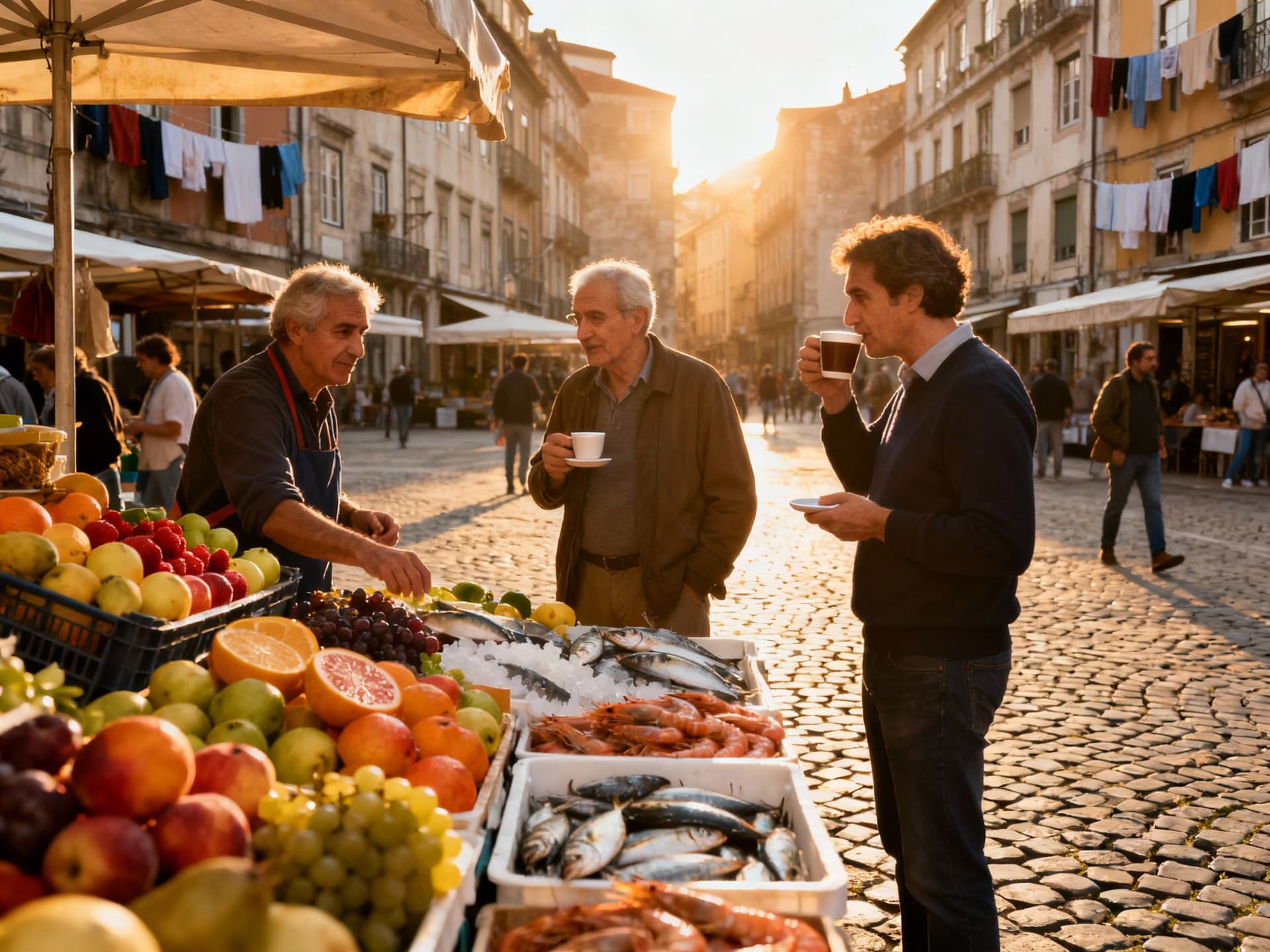
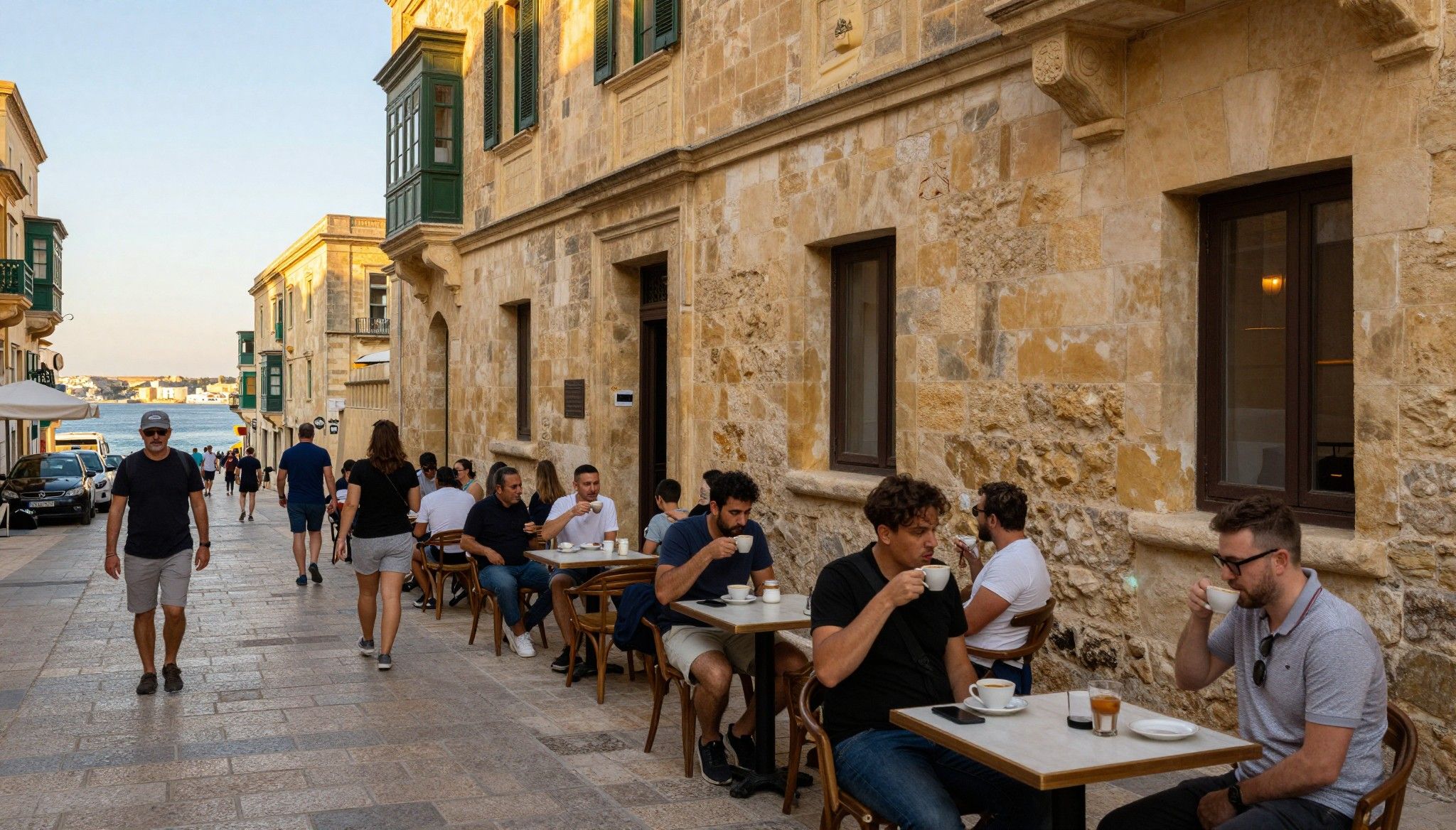
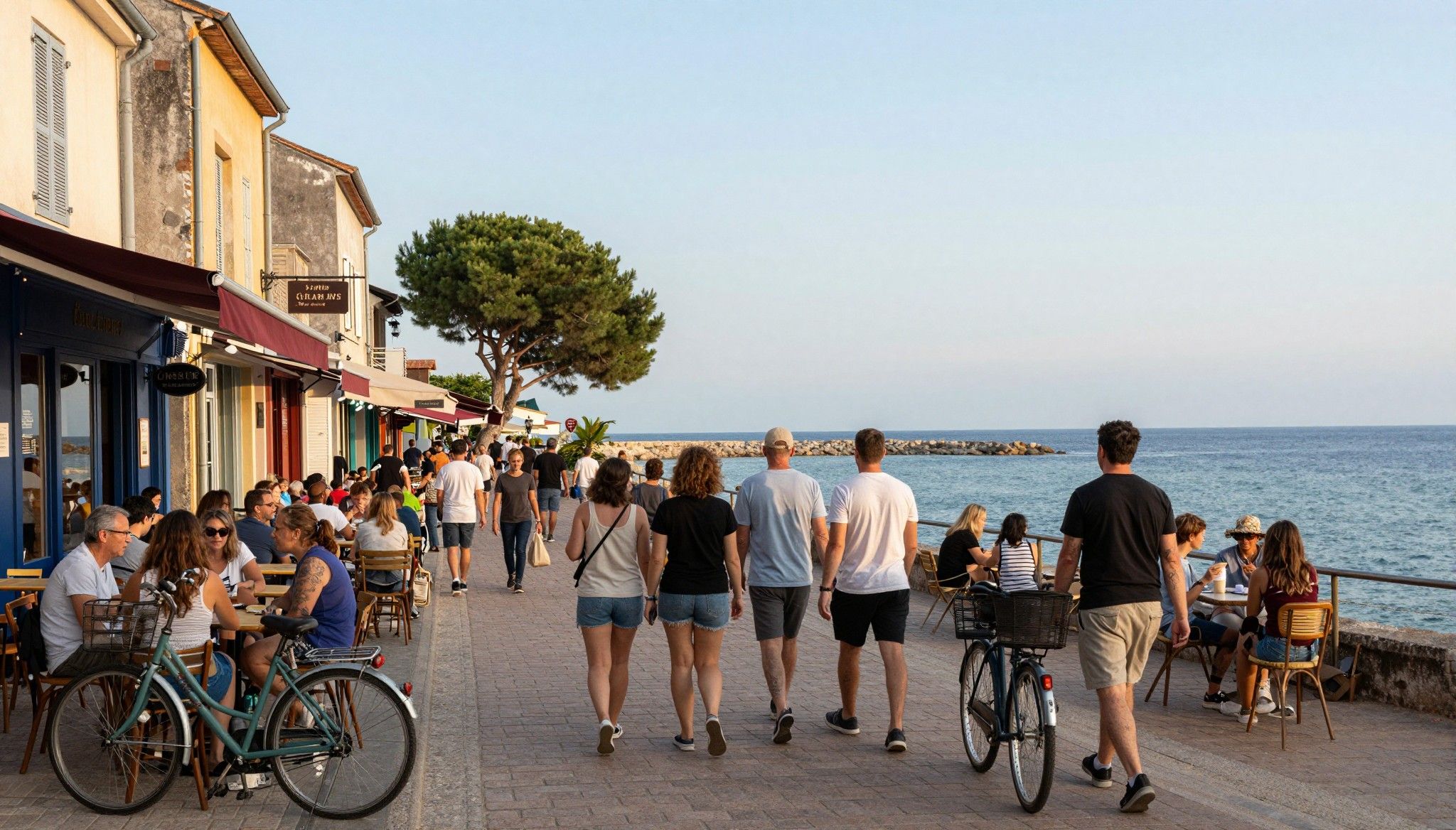
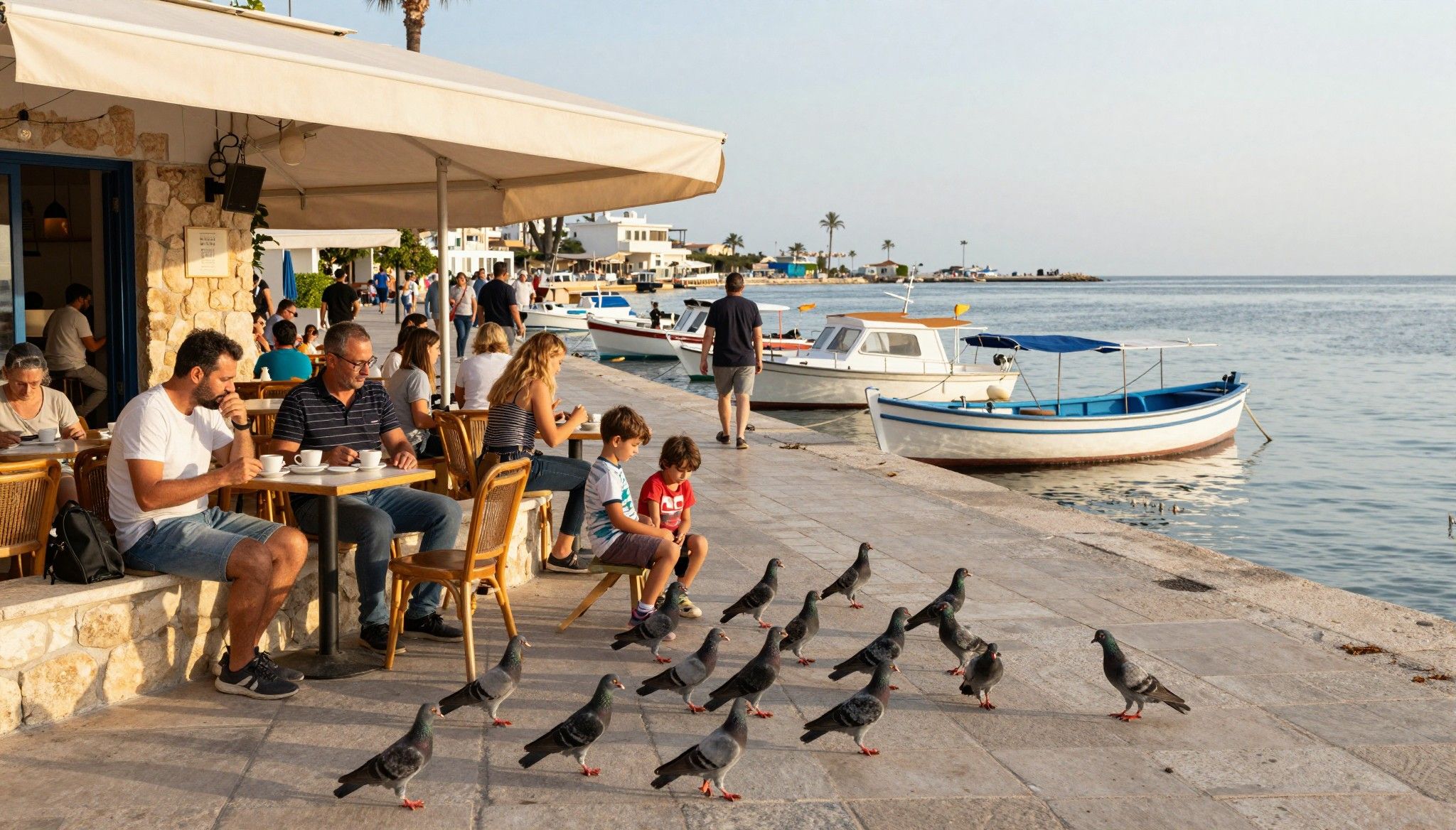
Italy is organised as a patchwork of micro-worlds. In cities, mornings mean espresso at the bar, mid-days are for market runs and siesta-style slow hours, and evenings are for communal dining on piazzas. On the coast you get a rhythm of sea, market, and passeggiata; inland offers vine-covered hills, weekly markets and community festivals. That daily cadence shapes what people buy: compact city apartments for social life, coastal terraces for outdoor seasons, and renovated farmhouses for slow weekends.
Neighbourhoods that define Italian life
Each neighbourhood in Italy carries its own tempo. In Rome, Trastevere and Testaccio pulse with trattorie and narrow lanes; Prati sits calmer near the Vatican with wider boulevards and quieter evenings. Milan’s Brera blends galleries and late-night bars while Navigli offers canalside aperitivo culture; Porta Romana and Isola are quieter residential bets with good long-term demand. Coastal towns like Amalfi, Santa Maria di Leuca and the lesser-known Vieste in Puglia offer sunny seasons and different rental dynamics — lively summers, calm winters.
Food, markets and the week that shapes life
Sunday markets, neighbourhood rosticcerias and the daily panettiere are social infrastructure as much as convenience. Visit Mercato Centrale in Florence, the Testaccio market in Rome, or Palermo’s Vucciria and you’ll see why apartments near these markets carry lifestyle premiums. But outside tourist cores, weekly markets are a community glue that also stabilises neighborhoods and supports steady rental demand from locals and longer-stay visitors.
- Life highlights (real places to visit before you buy): • Morning espresso at Bar San Calisto, Trastevere (Rome) • Mercato Centrale, Florence for fresh produce and design cafes • Canal-side aperitivo on Naviglio Grande (Milan) • Seafood lunch in Polignano a Mare, Puglia • Weekend passeggiata along Viareggio seafront • Hidden gem: Via Margutta galleries and quiet courtyards (Rome)
Making the move: practical considerations
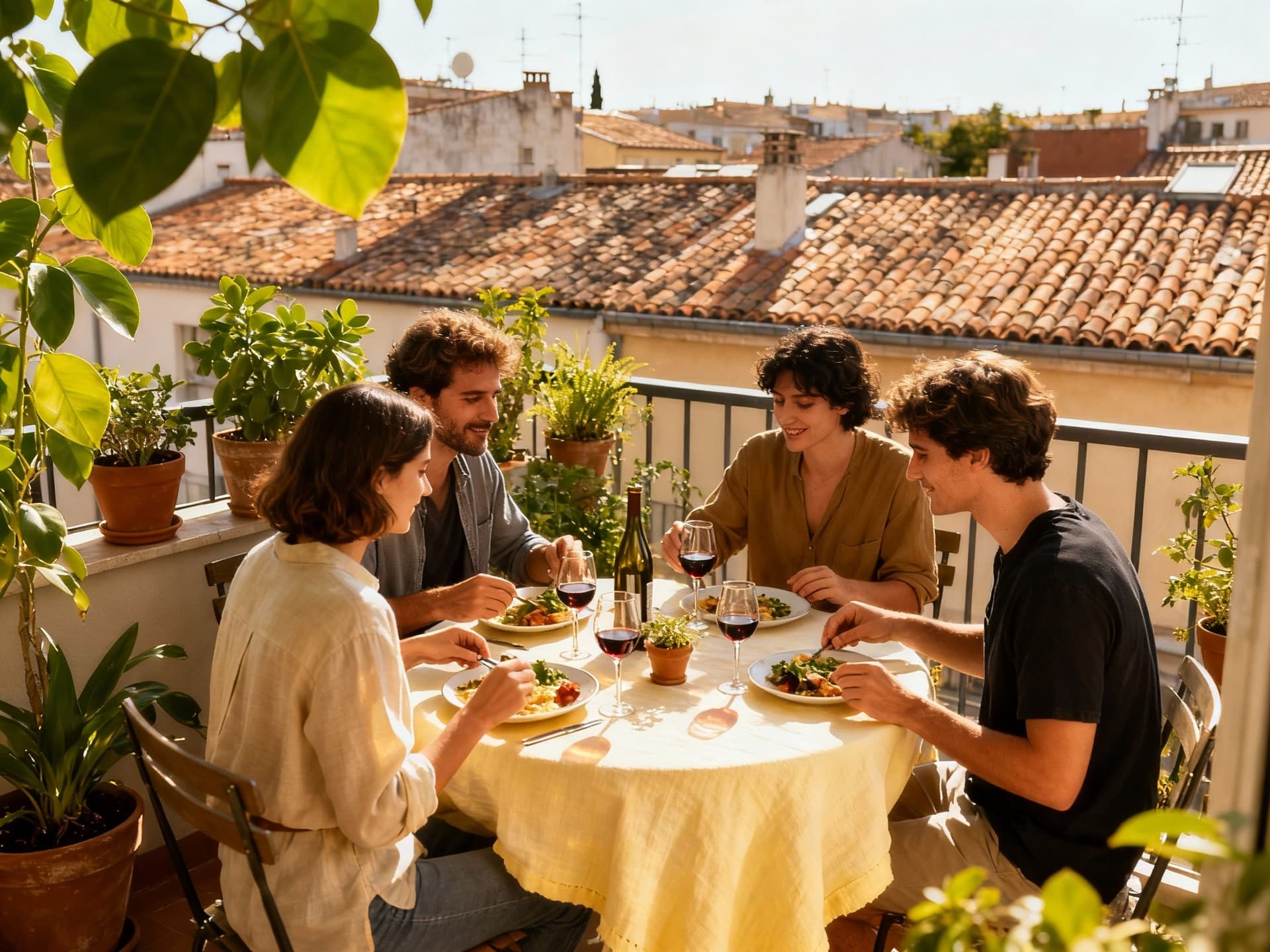
Lifestyle is the hook; the market is the mechanism. Recent ISTAT data shows house prices rose across 2025 with regional variation, and transaction volumes increased — proof that liquidity exists in many parts of Italy. Those trends mean timing, location and property type matter more than a country‑wide label of "expensive." Buyers should pair a neighbourhood visit with objective market data and a local agency that understands seasonal demand and legal pragmatics.
Property types and how you will actually live in them
A 60 m² historic flat in Florence’s Oltrarno puts you steps from artisan workshops and markets; a new-build 90 m² apartment in Milan’s Porta Romana offers elevators, underfloor heating and coworking proximity. In Puglia, a renovated trullo or masseria brings large outdoor space and seasonal rental appeal but requires different maintenance and insurance considerations. Match property fabric to lifestyle — old-town charm for immersive local life, new-build for low-maintenance, and rural for space and slower seasons.
Local experts: what to expect from agencies and lawyers
Use agencies that show you neighborhoods at different times of day, provide rental comparables and explain renovation logistics. A reputable notaio (notary) is mandatory at contract signing and impartial — your lawyer should prepare and review deeds, mortgages and tax implications beforehand. Expect agencies to source energy certificates (APE), urban planning records and recent condominium minutes; these documents reveal running costs and upcoming works that affect both lifestyle and value.
- Six practical steps that balance lifestyle and market sense: 1. Spend three separate visits: market morning, late afternoon, and a weekend night. 2. Ask for five years of neighbourhood price and rental comparables. 3. Check APE energy rating and recent condòmino meeting minutes. 4. Use a bilingual lawyer early to review preliminary offer (proposta irrevocabile). 5. Budget 8–12% additional costs for taxes, notary, and documented renovations. 6. Secure a local property manager for off-season rentals and maintenance.
Insider knowledge: what expats wish they'd known
Expats often arrive enchanted and later discover seasonal rhythms that change how properties perform. Summer coastal rentals are strong but seasonal; many buyers underestimate winter vacancy and maintenance. Conversely, inner‑city flats near universities or hospitals produce steadier demand year-round. Data from ISTAT confirms rising transactions and mortgage activity in 2025, signalling active buyer interest but uneven regional performance — so match your investment profile to local demand cycles.
Cultural quirks that affect where you buy
Italians prize home permanence and neighbourhood ties; landlords often prefer longer, stable tenancies over short-term tourist lets unless the area is a proven holiday market. Condominio rules can be strict — some historic buildings ban visible satellite dishes or external modifications — so the community’s unwritten rules can shape renovation plans. Learning basic Italian phrases and attending local market days accelerates acceptance and makes neighbourhood life easier.
Long-term lifestyle and market sustainability
Look for places with diversified demand: cities with universities, regional hospitals or transport hubs; coastal towns with authentic year-round residents; and agricultural areas connecting to food/wine tourism. Forecasts from market analysts suggest modest price growth and improving mortgage activity through 2027, so patient buyers who prioritise neighbourhood resilience and lifestyle can capture both enjoyment and appreciation over time.
Conclusion: Italy invites a life that moves at multiple speeds — energetic city days, slow coastal seasons, and rooted village routines. Start with where you want to live hour-by-hour, then map that to market data and local expertise. Book three varied visits, ask for verified comparables, and work with agencies that treat neighbourhood knowledge as a core service. If lifestyle is your compass and data your map, Italy's apparent "expensive" label often dissolves into clear, actionable opportunity.
Norwegian market analyst who relocated to Mallorca in 2020. Focuses on data-driven market insights and smooth relocation for international buyers.