Italy’s Hidden Liquidity: Lifestyle Neighbourhoods That Pay Back
Italy’s ‘expensive’ label hides micro-markets with strong rental liquidity; use ISTAT data and neighbourhood rhythms to match lifestyle with liquidity.
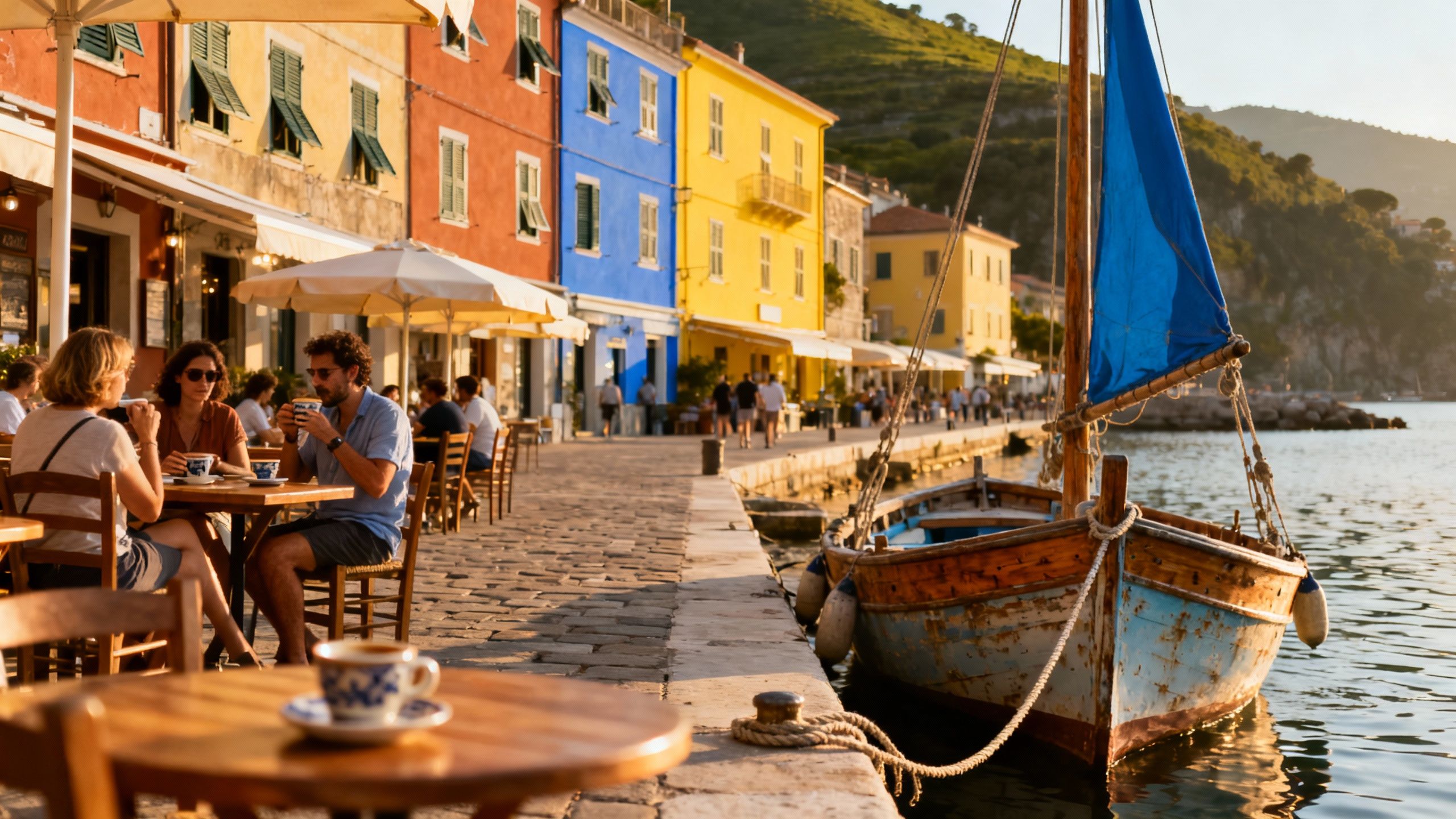
Imagine sipping a cortado at a marble-top bar in Milan’s Navigli at 09:30, then driving two hours to a sunlit farmhouse outside Lucca for an afternoon of markets and a quick aperitivo by the Arno. Italy moves at multiple tempos at once — metropolitan rhythm, coastal leisure, and slow rural Sundays — and each tempo maps directly onto property choices. This piece shows how Italy’s reputation as “expensive” often misses the real story: specific neighbourhoods and property types can deliver faster rental returns and a truer Mediterranean life than buyers expect.
Living the Italy lifestyle: city mornings, coastal afternoons
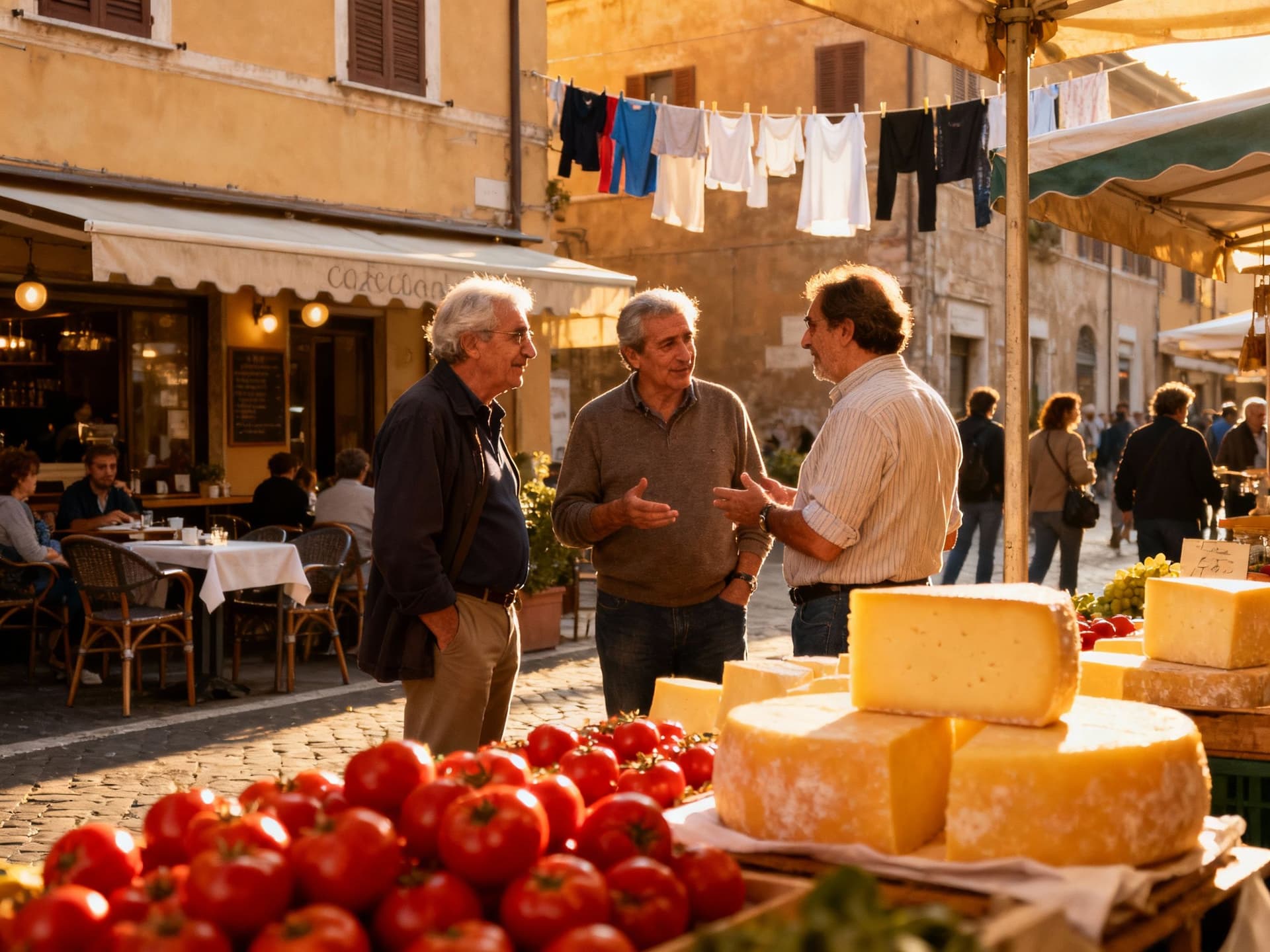
The daily life that sells Italy to buyers isn’t an abstract idea — it’s discrete street experiences. In Rome’s Trastevere you hear evening laughter spill from trattorie; in Bologna you feel market chatter on Via Pescherie Vecchie; on the Amalfi Coast you trade the morning commute for cliffside swims. These textures shape where locals and renters want to be, and where properties perform.
Neighbourhood spotlight: Milan’s Navigli vs. Porta Romana
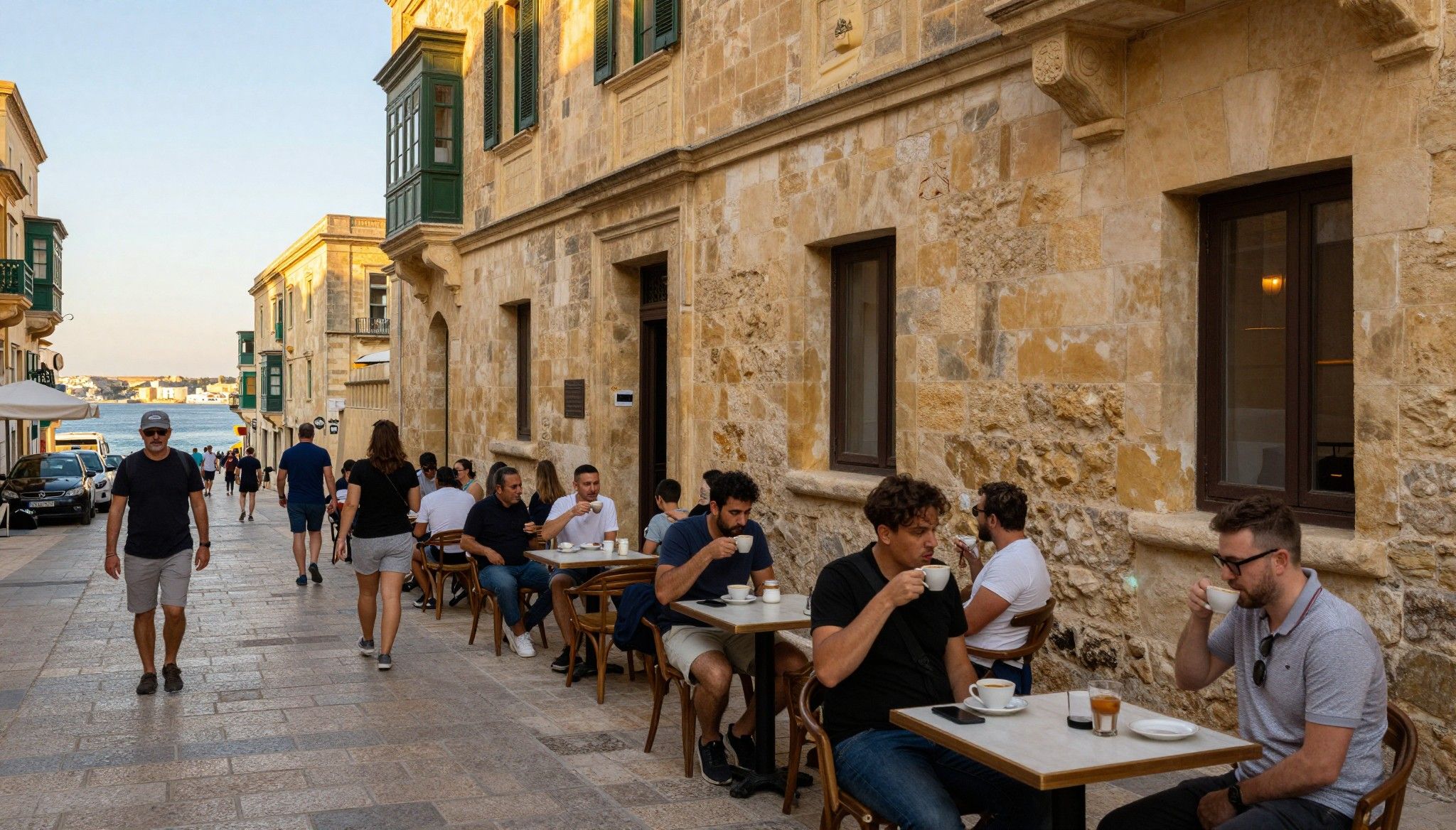
Navigli is canal-side energy: cafés, aperitivo crowds and late-night restaurants — excellent for short-term rentals and lifestyle living. Porta Romana, quieter and closer to green spaces, trades footfall for resident stability and better long-term rental profiles. Choosing between them is a lifestyle decision as much as an investment one.
Coastal rhythm: Amalfi, Liguria and Puglia’s different offers
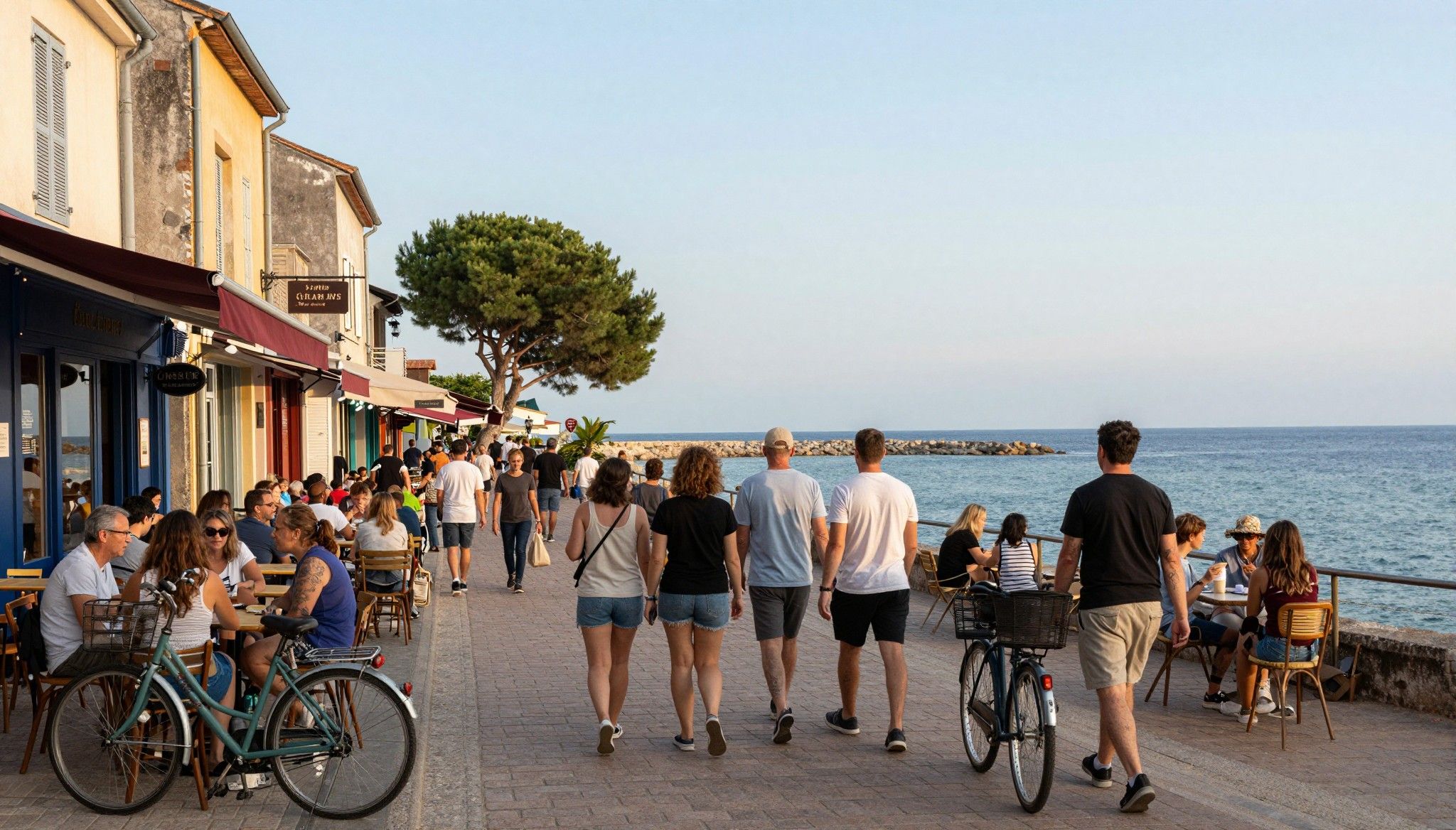
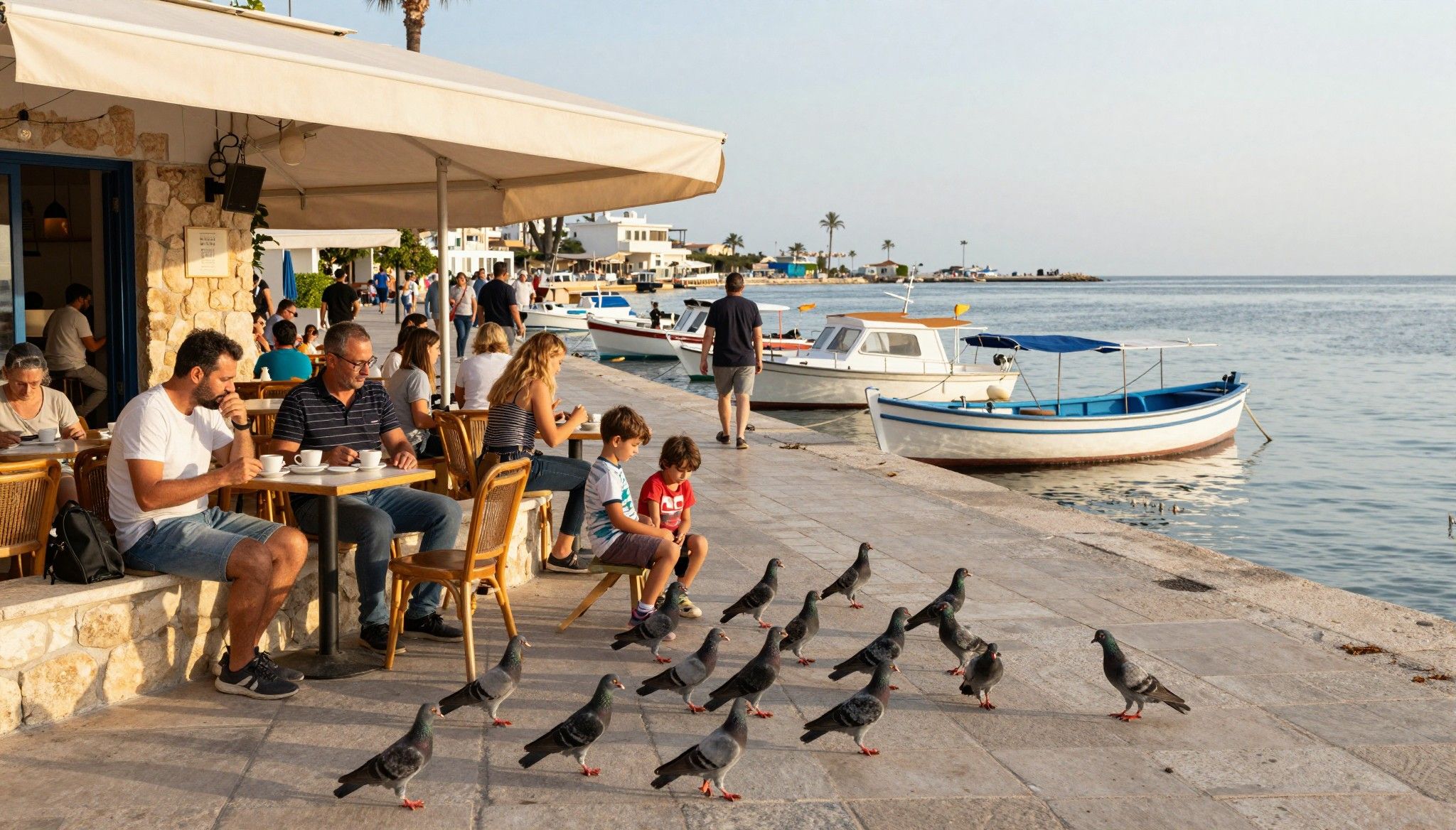
The Amalfi Coast sells a postcard life — high season demand, premium nightly rates — while Liguria’s Levante coast blends year-round village life with seasonal tourism. Puglia’s heel offers low purchase prices with rising short-term rental interest. Across these coasts, yields and occupancy vary: some locations justify high price-per-square-metre, others provide better yield per euro spent.
- Cafés, markets and small daily rituals that define Italian neighbourhoods: Mercato di Sant’Ambrogio (Florence); Piazza Vittorio (Rome); Lungo Po (Turin); Mercato del Capo (Palermo).
Making the move: lifestyle-led practicals
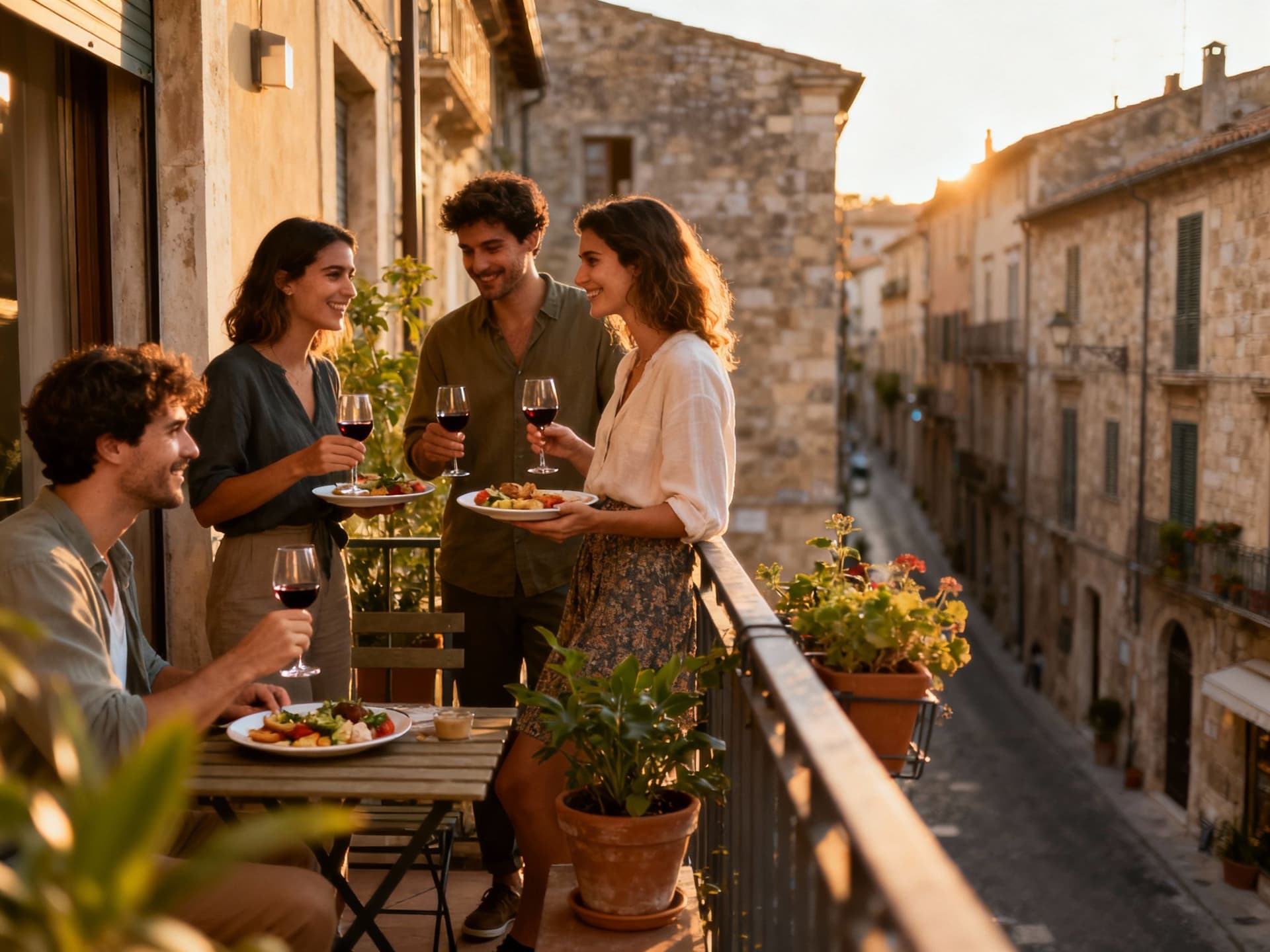
Dreams of piazzas and sea breezes meet paperwork and market cycles. Italy’s national picture is mixed: ISTAT shows house prices rose about 4–5% year-on-year in early 2025, driven by existing-dwelling demand, while new-builds showed more volatility. That means timing and property type matter more than broad country labels when you want both lifestyle and liquidity. Align the neighbourhood’s rhythm with your hold period and exit plan.
Property styles: city flat, country casale, seaside apartment
City flats (Milan, Rome, Bologna) are compact, high-demand for rentals and easier to manage remotely. A restored casale in Tuscany gives lifestyle space and capital appreciation potential but requires hands-on upkeep. Seaside apartments in Liguria or the Marche attract seasonal demand — good for short-term income but expect occupancy swings. Match the style to how you’ll live: frequent visits, full-time move, or a rental-first investment.
Working with local experts who know both life and law
- 1. Define the lifestyle outcome (full-time, seasonal, rental-first) and shortlist three neighbourhoods that match it. 2. Ask the agent for comparable asking vs. transaction prices in the last 12 months — focus on existing-dwelling data ISTAT highlights as most active. 3. Verify rental demand seasonality with local managers; coastal markets can double occupancy between June–September. 4. Include a renovation buffer (10–20%) for older properties; rustic charm often needs modern systems.
Insider knowledge: what expats wish they’d known
Expats consistently tell the same stories: the best neighbourhoods aren’t always the most touristic, renovation costs surprise those who romanticise ruins, and seasons define daily life more than maps. Learning a few phrases, registering locally and joining a market morning will accelerate belonging — and often the property decision itself.
Cultural integration, language and everyday life
Being invited to sit at the bar and sample local salumi happens because you showed up twice. Neighbourly rituals — weekly market visits, community festa, espresso at the same bar — fast-track your social life. For families, neighbourhood schools and transport rhythms matter more than grand vistas when choosing where to settle.
Long-term lifestyle and market sustainability
- Key long-term factors for buyers to weigh: - Rental yield vs. price-per-square-metre: don’t assume cities always yield less; peripheral city districts can outperform pricey central wards. - Seasonality: coastal returns spike in summer; check occupancy history. - Renovation breadth: listed rural homes often need modern heating/insulation updates to be rentable year-round. - Local services: reliable property managers and cleaning teams are critical for owner-absent strategies.
- 1. Check national and local statistics (ISTAT for prices, municipal tourist offices for occupancy) before offers. 2. Ask sellers for last three years of utility and tax bills to spot hidden operating costs. 3. Factor a 6–12 month lead in for renovation permits and contractor sourcing in provincial towns.
Italy’s charm is concrete: morning markets, late dinners, coastlines that change every town, and tiny piazzas where neighbours still meet. The practical side — price movements, rental seasonality, renovation realities — is not a spoiler but a map. Match your idea of daily life to the right micro-market, use local data (ISTAT, Nomisma, market reports) and a trusted local agency to turn the dream into a sustainable property decision.
Dutch investment strategist with a Portugal-Spain portfolio. Expert in cross-border financing, rights, and streamlined due diligence for international buyers.