Italy: The Lifestyle That Shapes Property Value
Italy’s daily life—piazzas, markets, coastal mornings—drives demand. ISTAT and market reports show modest price rises and stronger rental momentum; match lifestyle with data before you buy.
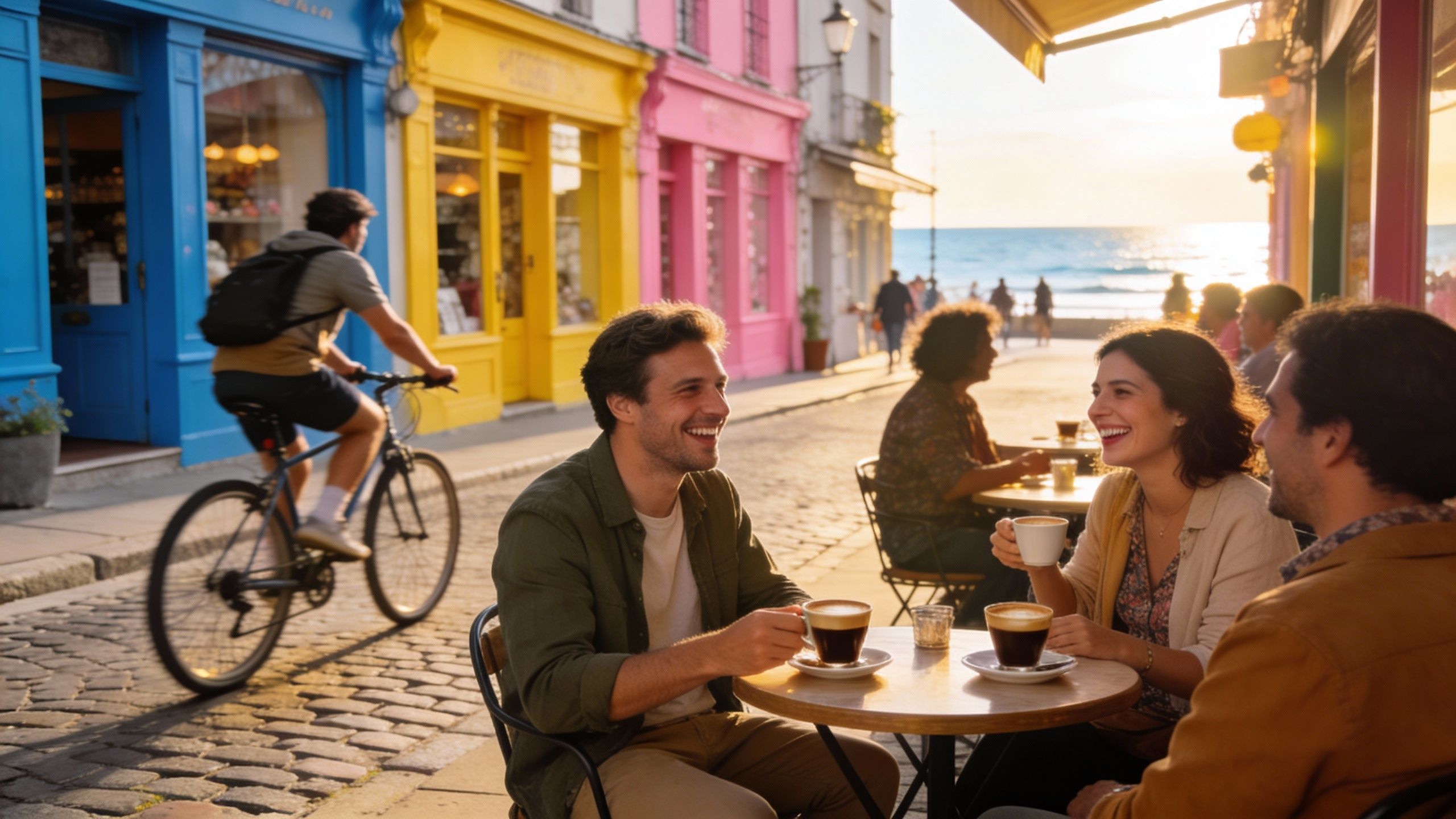
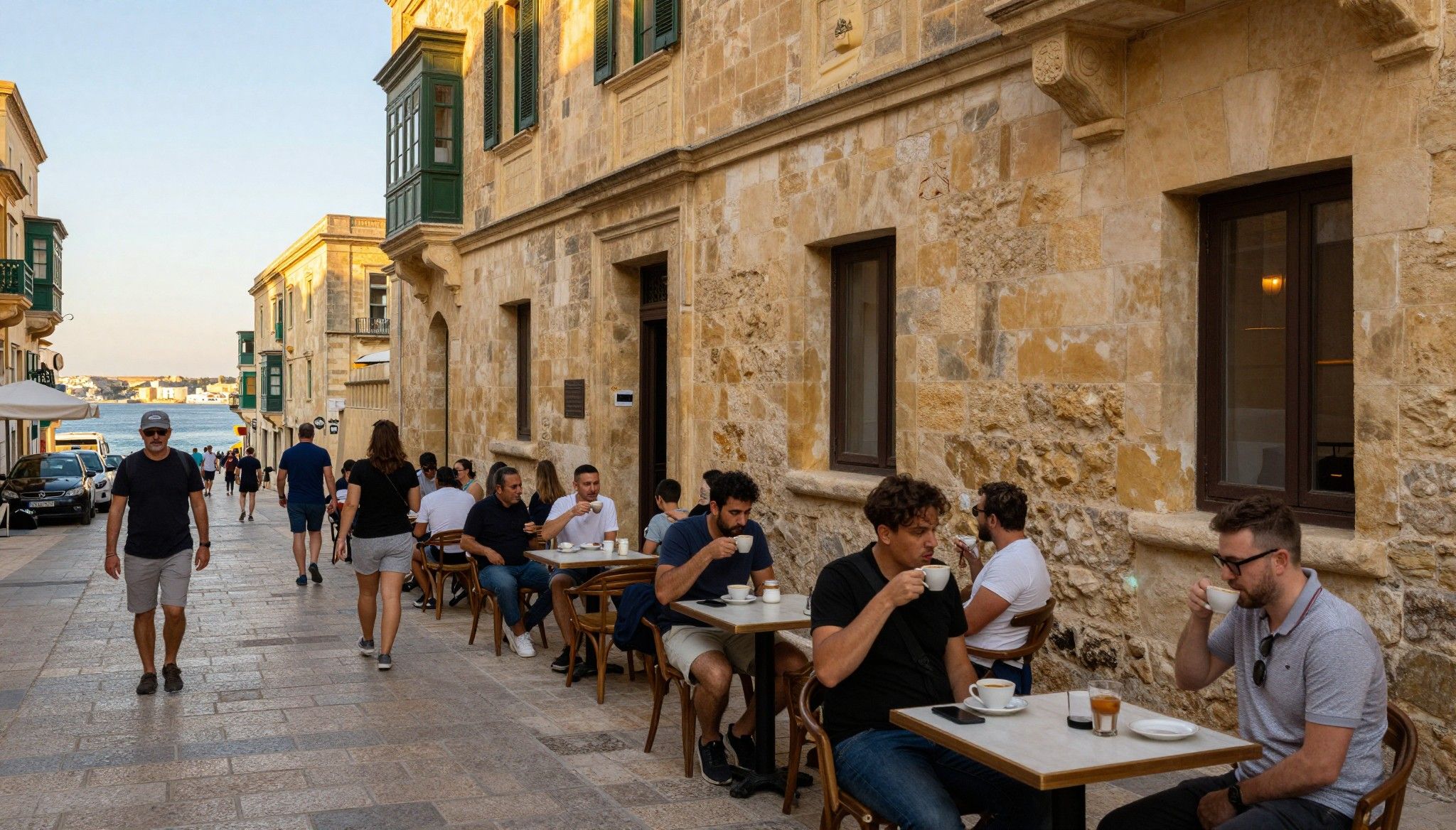
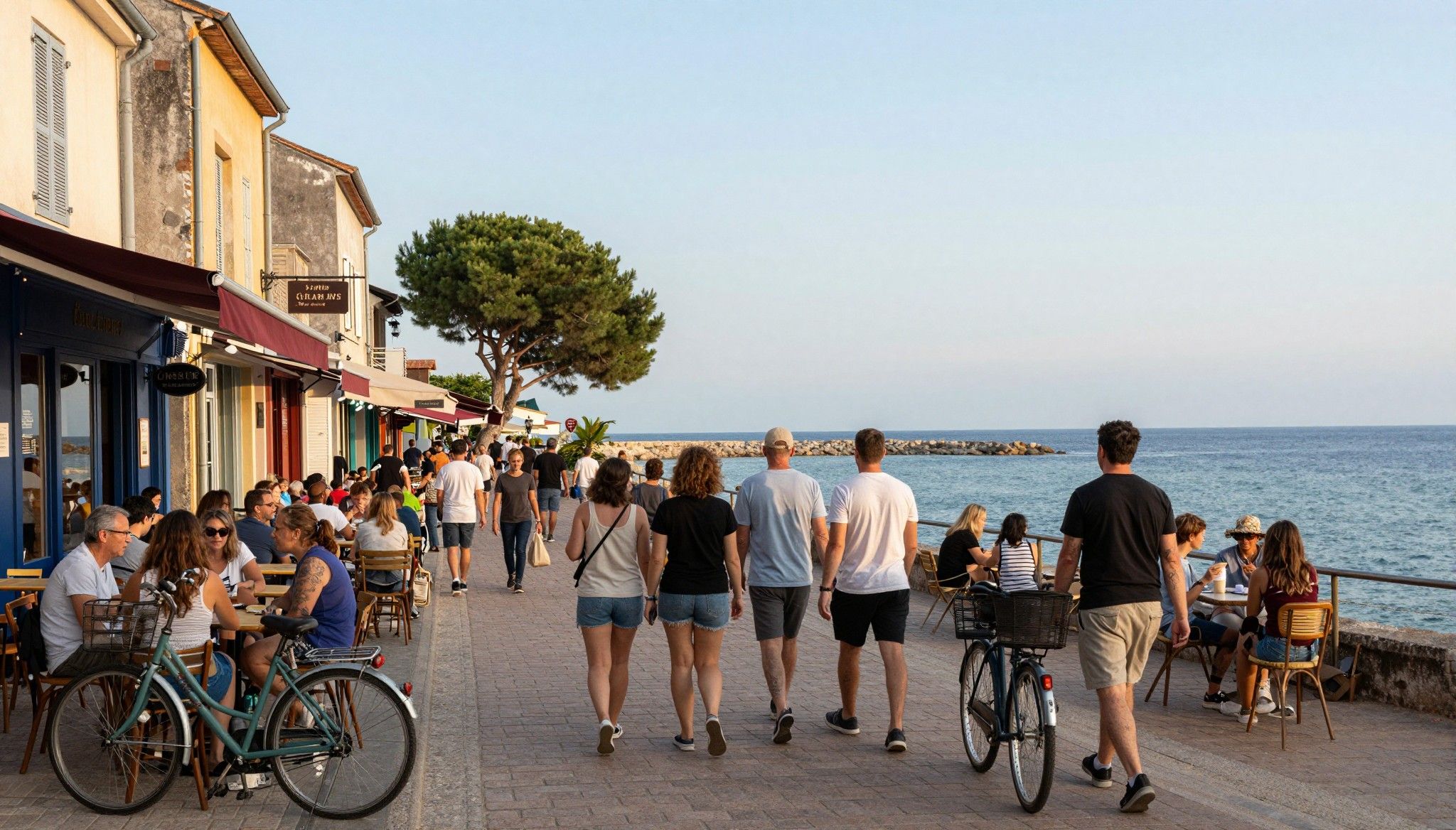
Imagine waking to an espresso in a sun-warmed piazza in Trastevere, cycling past market stalls in Bologna and trading recipes with neighbours in a Ligurian borgo. Italy feels like an invitation: the cadence of morning cafés, late-night passeggiata, and weekends built around food and family. For buyers from abroad that sensual daily life is the reason to come; the practical questions—price trends, rental potential, paperwork—are what make the dream sustainable. This piece pairs those sensory moments with current market data so you can decide where to plant roots and how to keep options open.
Living the Italy life: rhythm, streets and seasons
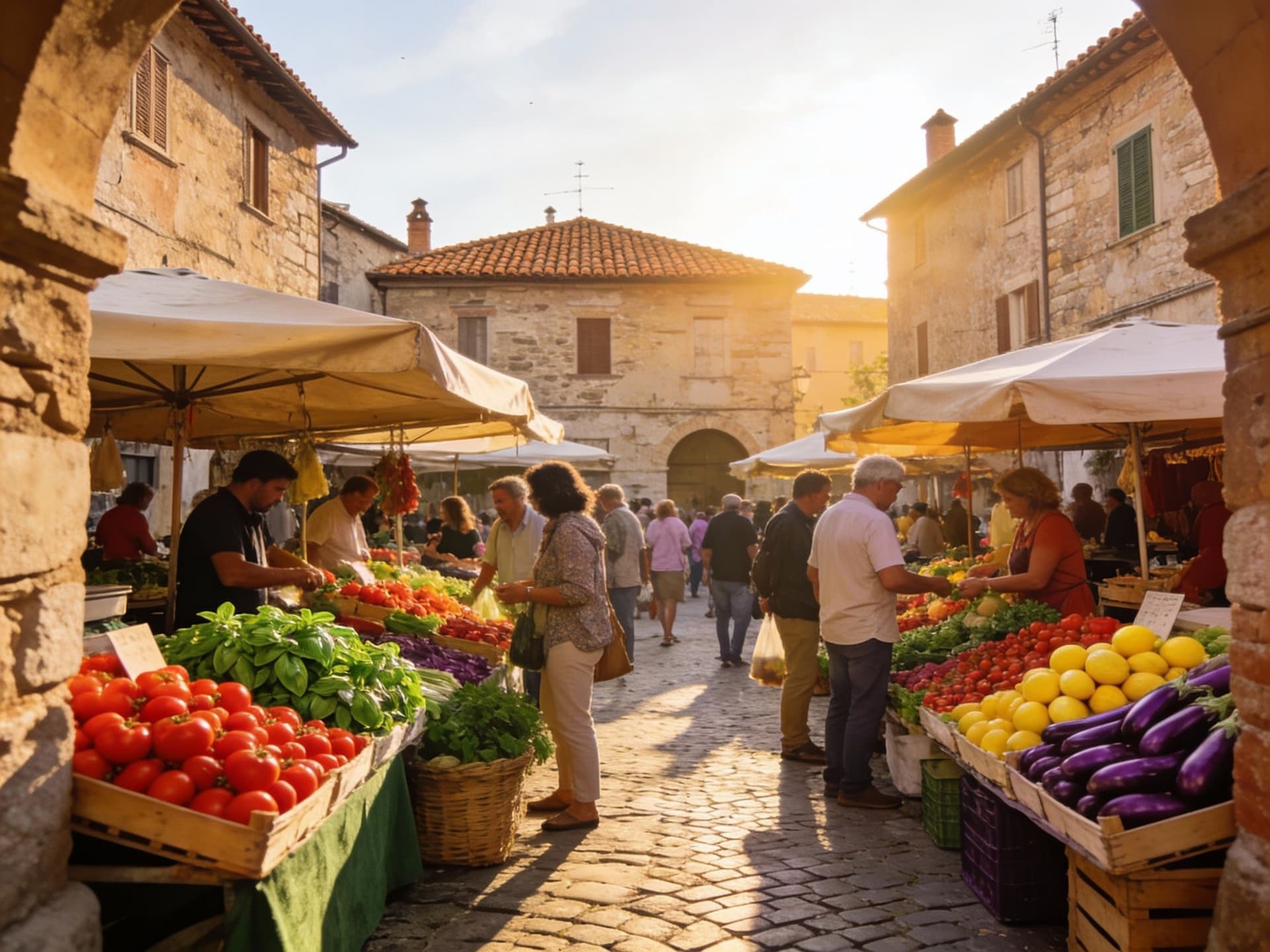
Italy is not one city or one coast but a mosaic where lifestyle changes block by block. In Milan the day begins with brisk business and aperitivo culture; in Naples it’s a noisy, food‑first life on narrow streets; along the Amalfi and Ligurian coasts mornings smell of lemons and afternoons melt into seaside lunches. Seasonal rhythms matter: summer fills tiny coastal towns with life while winter gives hilltop villages a quieter, community-first vibe. Recent market data shows a broad recovery in transactions and rising prices in many areas, which means the lifestyle you buy today often arrives with growing demand tomorrow.
Neighborhood snapshots: where to look and why
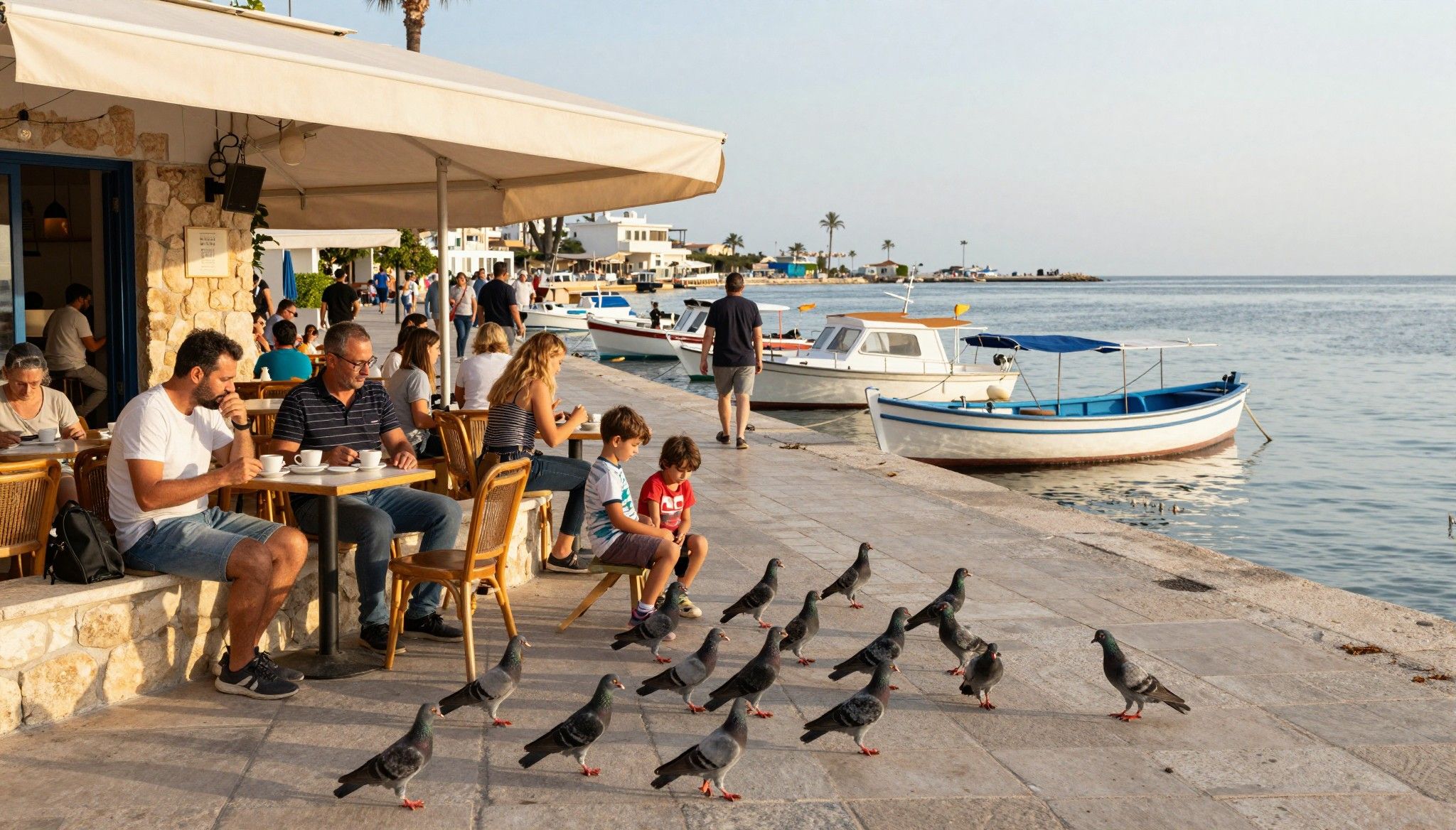
If you crave everyday ritual and people-watching, Trastevere and Testaccio in Rome deliver narrow lanes, morning markets and trattorie where owners remember your name. For design, galleries and high-end cafes, Brera in Milan and San Lorenzo in Florence combine architecture with a steady stream of international buyers and short-term rental demand. Coastal buyers who want swim-before-work mornings should investigate Levanto and Camogli in Liguria, or Otranto and Polignano a Mare in the south—places where small marinas and seasonal tourism keep a rental market active while local life remains intact.
Food, markets and the weekly ritual
Weekends in Italy orbit markets: fishermen in Naples, vegetable stalls in Turin, and Saturday morning fishmongers on Sicily’s coast. Eating locally is a built-in lifestyle benefit and also a practical advantage for owners who rent short-term—guests want authentic experiences and proximity to markets. As prices rise modestly nationwide (ISTAT reports a 4.4% annual increase in Q1 2025), neighbourhoods with strong food scenes tend to hold value better, so culinary culture is both pleasure and risk management for buyers. Energy-efficiency incentives and renovators’ bonuses are also shaping demand for upgraded historic homes, increasing appeal for buyers seeking a blend of character and modern comfort.
Lifestyle highlights to scout in person:
Stroll the Mercato Centrale in Florence for morning produce and nearby restored apartments popular with long-term renters
Coffee at Caffè Propaganda (Rome) or Pavé (Milan) to feel neighbourhood tempo and test walkability
Evening passeggiata on Via Roma (Palermo) or the Lungomare (Salerno) to assess seaside life outside peak season
Making the move: property, process and people
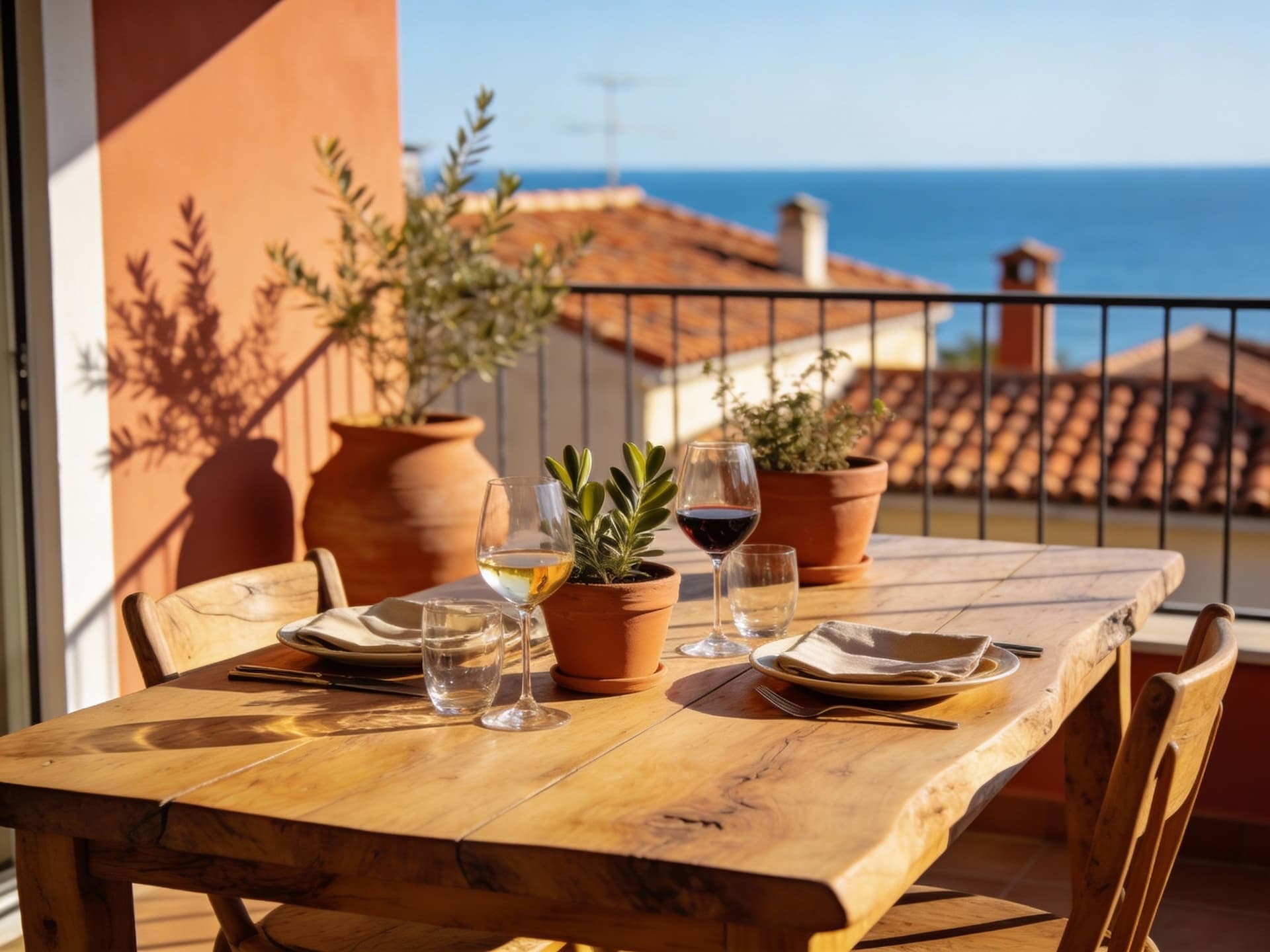
Turning the dream into an address means matching property type to lifestyle and understanding regional markets. New‑build apartments in Milan and Bologna suit buyers wanting low-maintenance city life and stable rental demand. Restored stone houses in Umbria or Puglia appeal to buyers craving space, slower rhythms and potential for agritourism income. Mortgage availability is returning, and fixed-rate loans are common, which helps buyers plan—current lending trends show increased mortgage activity that supports purchases across city and regional markets.
Property types and how you’ll live in them
An apartment in Brera feels like living inside an artistic neighbourhood—short walks to galleries and restaurants but limited outdoor space. A townhouse in Lecce gives you a square, a cafe and room to host long dinners under bougainvillea. Coastal villas on the Amalfi or Ligurian coasts trade privacy and view for higher maintenance and seasonal tourism peaks. Choose the property that mirrors how you want days to flow: coffee and city rhythm, sea swims, or slow rural weekends with produce boxes from nearby farms.
Work with local experts who know neighbourhood life
A local agency can show you not just properties but the suppliers and routines that make life work: cleaners who speak your language, a notary experienced with non‑resident buyers, a builder who understands historic masonry. Pick advisors who spend weekends in the same neighbourhoods you’re considering—those are the people who notice micro-trends like a new coworking space or a promising boutique hotel conversion. Agencies that combine market data with lifestyle matching help you balance enjoyment and liquidity.
Steps that blend lifestyle and transaction sense:
Visit the neighbourhood at different times (weekday morning, market day, evening) to test daily rhythms before making an offer.
Ask local agents for three recent comparable rentals and two sale comps within 500 metres to understand real liquidity, not just listing prices.
Factor seasonality into your cashflow: coastal properties may earn 60–80% of annual rental revenue across high-season months, so plan for off‑season vacancy.
Reserve budget for energy upgrades: incentives and market premiums for Class A/B properties mean renovations can boost value and rental appeal.
Insider knowledge: what expats wish they'd known
Expats consistently say the same things: language opens doors, local relationships flatten problems, and seasons change your expectations. The paperwork can be slower than at home but is usually straightforward if you keep an organised dossier and a recommended notary. Price trends are not uniform—ISTAT shows annual increases in many existing-dwelling prices in early 2025, so target neighbourhoods that fit both how you want to live and where demand is rising. Finally, plan for slower rhythms: waiting two weeks for a repair is common in smaller towns and part of the local pace.
Cultural cues that change where you buy
If cafes and evening buzz matter, buy near a piazza or main street; if privacy and nature matter, look to hilltop hamlets or the inland Algarve—sorry, Italy’s Maremma or parts of Puglia. Community rules—like share-of-voice in condominium boards—affect renovations and terraces, so ask how decisions are made in the building. Real neighbours, not listing photos, determine whether you’ll feel at home.
How life evolves after the purchase
Many buyers discover that owning in Italy reshapes routines: markets become social anchors, friends gather on terraces, and seasonal festivals create a calendar of connection. Over five years properties in well-chosen neighbourhoods have shown steady demand and rental upside, particularly where tourism and local services co-exist. However, affordability pressure in some cities means you should plan exit options—short-term rental platforms can supplement income but require compliant management and local permits.
Conclusion: fall for daily life, buy with clear data
Italy rewards buyers who begin with lifestyle questions—what mornings feel like, where neighbours meet—and then back those choices with local data and a trusted advisory team. Current statistics show rising prices in existing stock and stronger rental markets in many regions, but regional variation is large. A local agency that understands neighbourhood tempo, tax incentives for energy upgrades, and seasonal rental realities turns a dream into a resilient investment. Next step: visit the streets you love, collect three local comparables, and ask an adviser to model seasonal cashflow for your target property.
British investor turned advisor after buying in Costa del Sol since 2012. Specializes in cross-border compliance and data-driven investment strategies for UK buyers.