Italy: The Lifestyle You Buy — Backed by Data
Italy’s lifestyle sells the dream; local market data (ISTAT, Savills, Idealista) keeps it realistic—match seasonal life and neighbourhood rhythm to property choices.

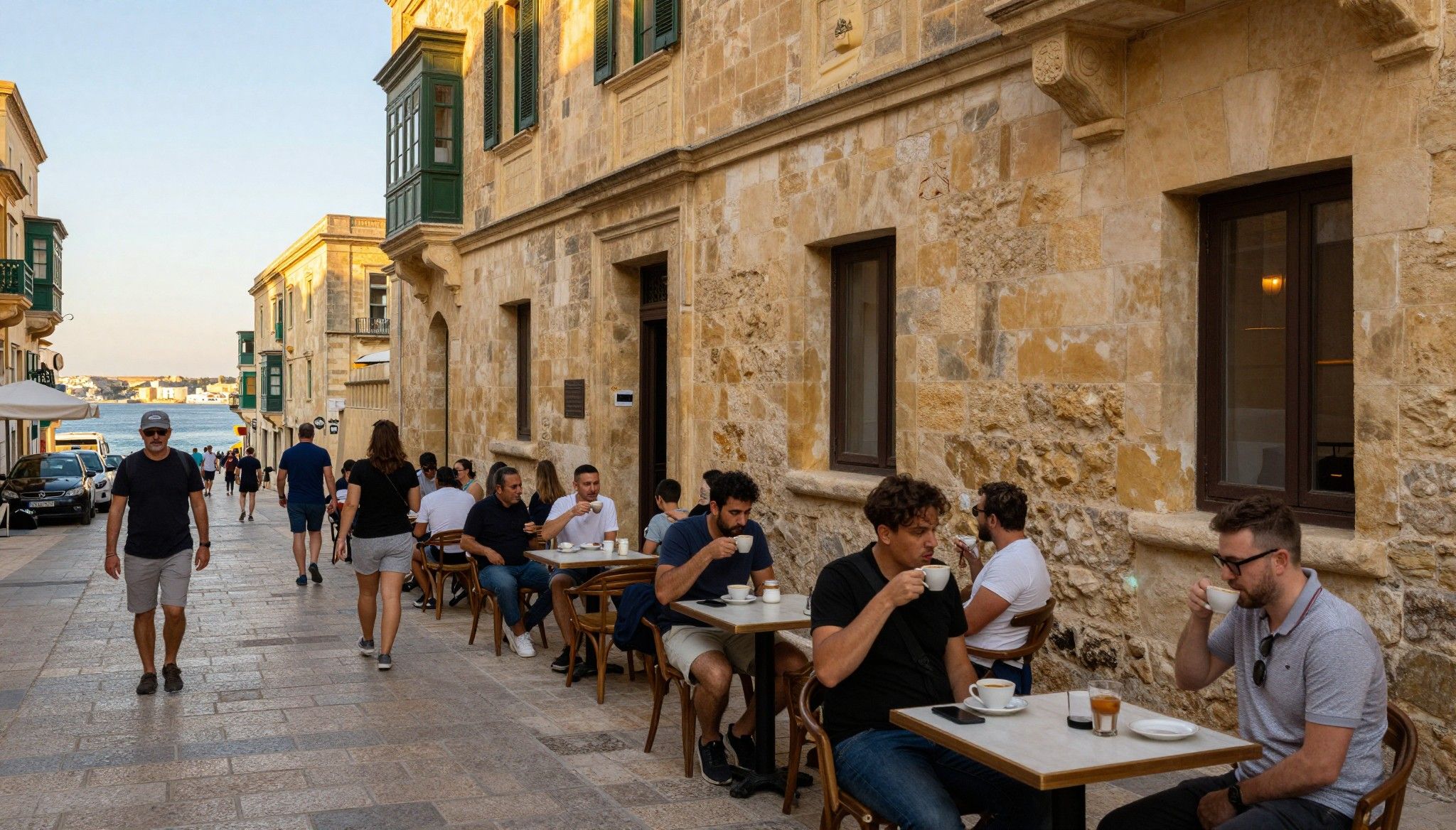
Imagine Saturday morning in Florence: the smell of fresh espresso on Via de' Tornabuoni, children cycling through a piazza, a mercato where the vendors greet regulars by name. Italy’s daily rhythms—slow lunches, late-night passeggiata, the mix of centuries-old fabric and modern life—shape where and how people buy homes here.
Living the Italy life: more than a view
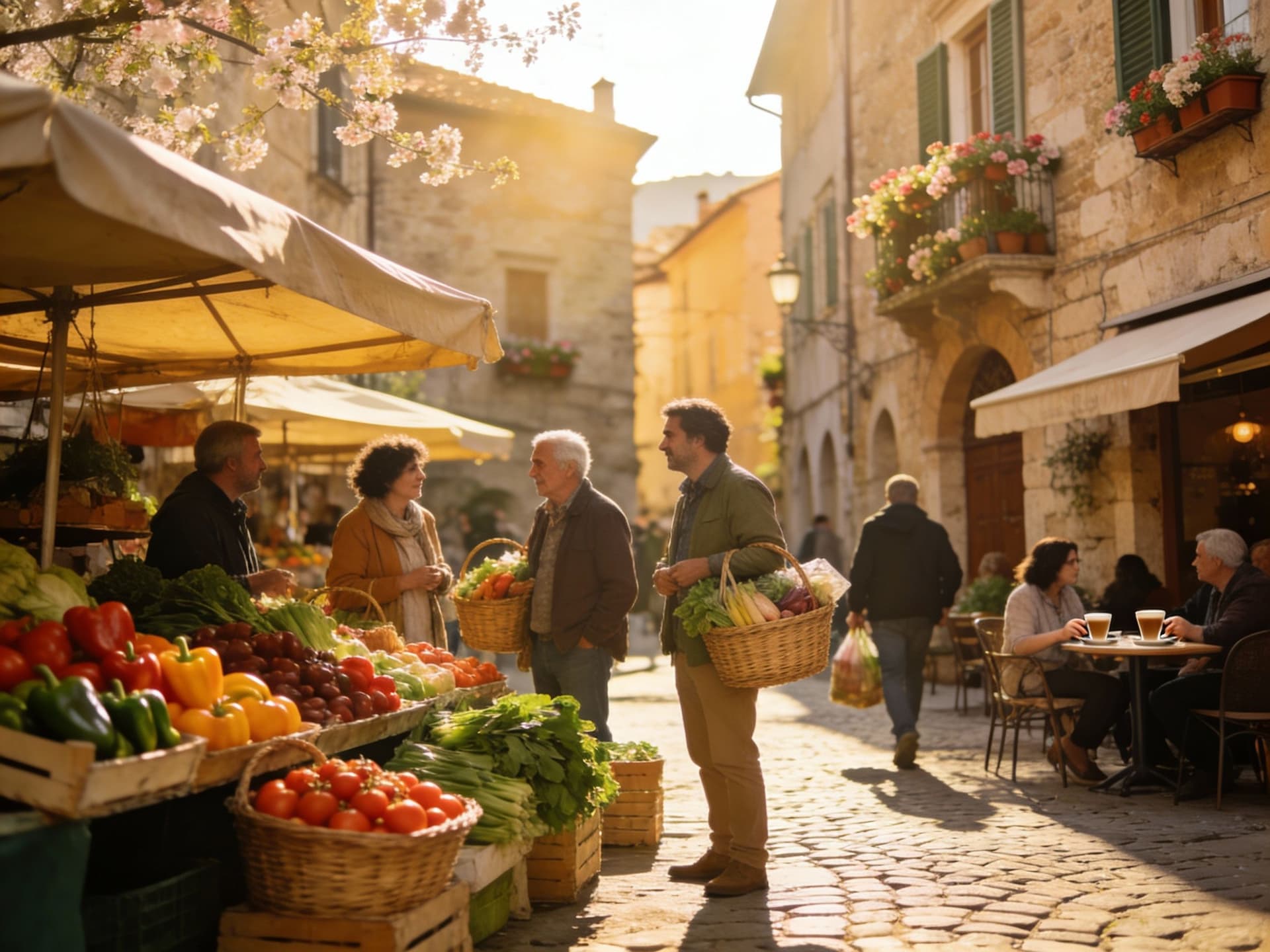
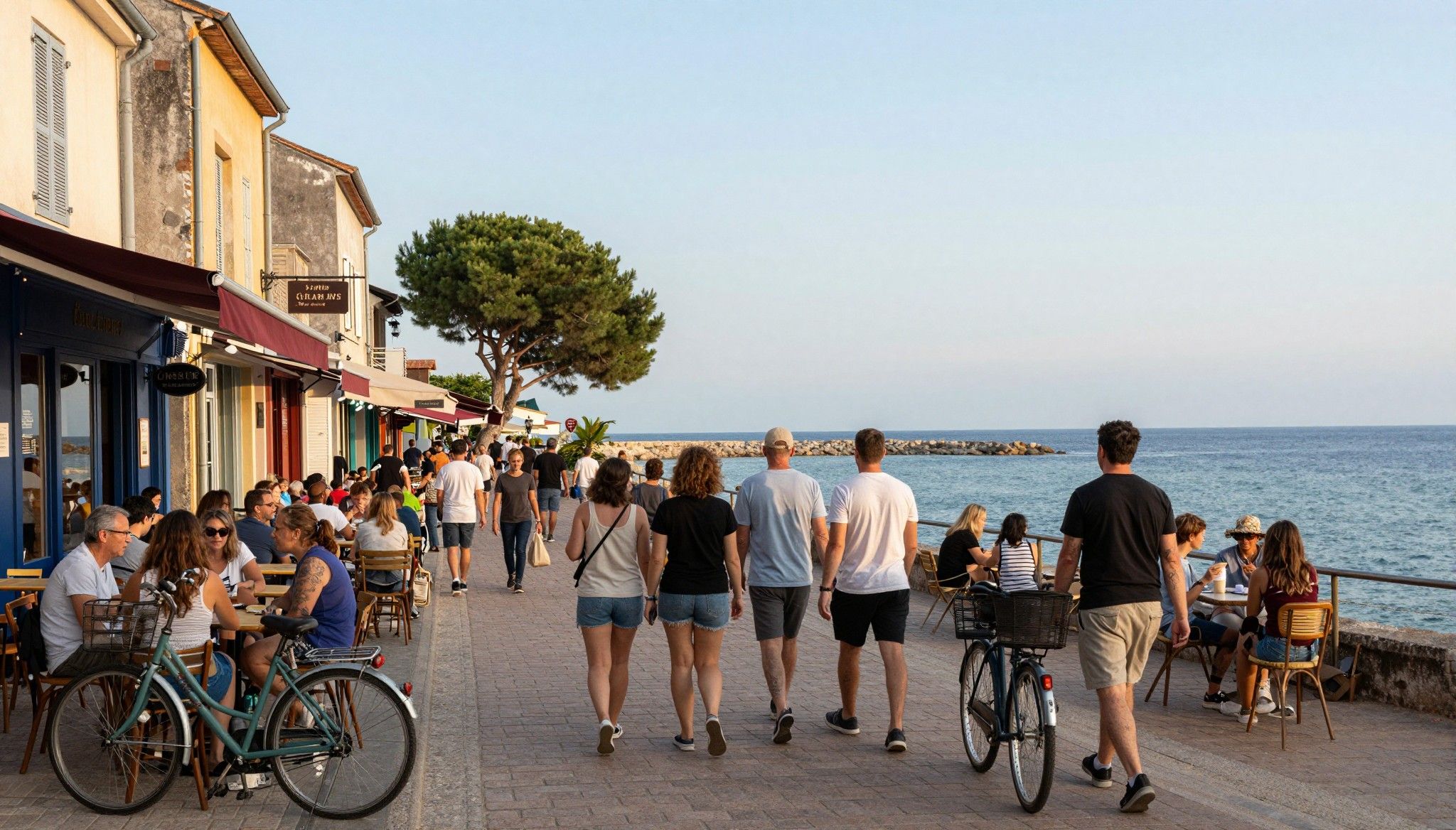
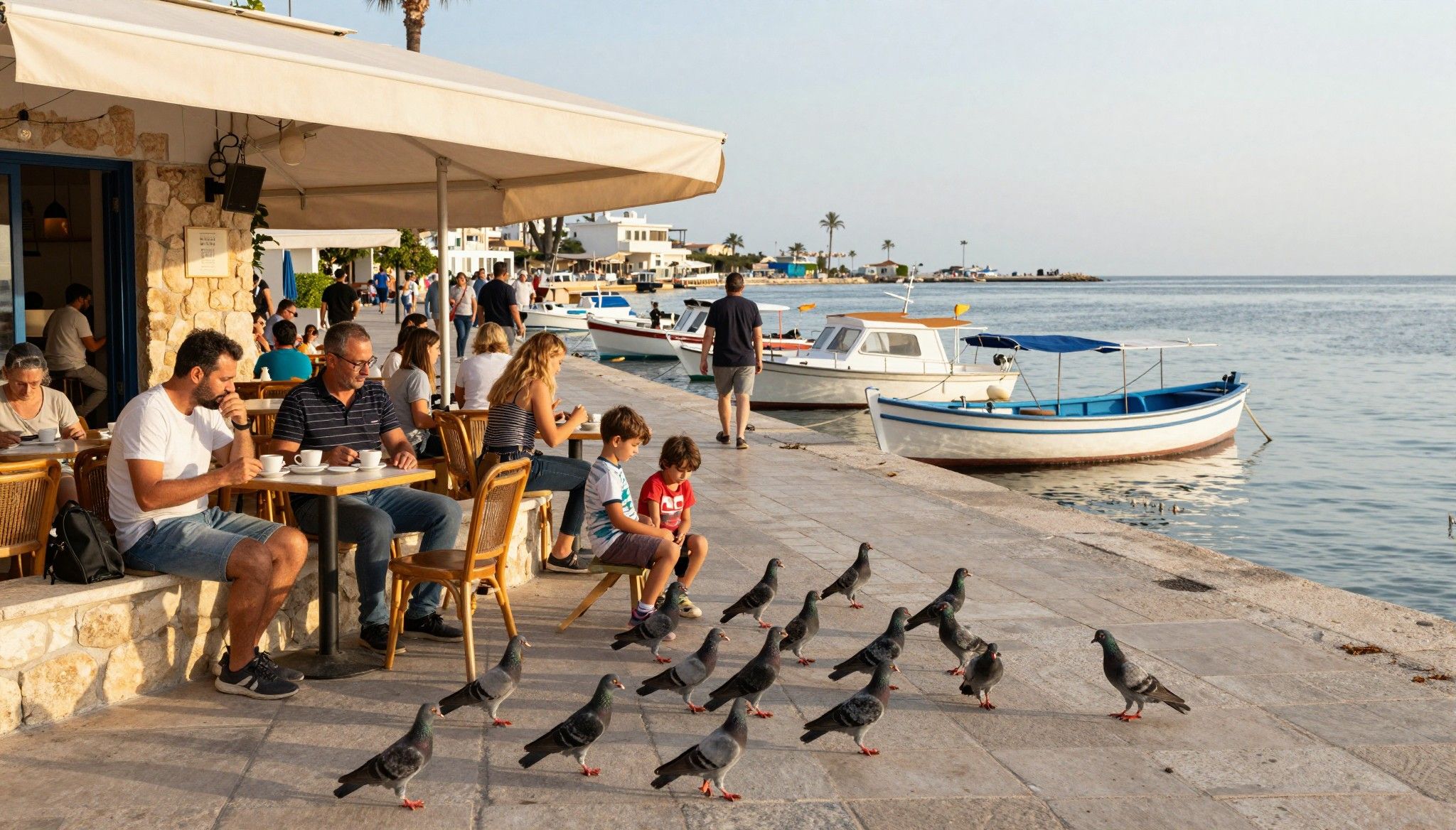
Living in Italy feels like living inside a seasonal calendar. Winters centre around neighbourhood bars and osterias; spring brings markets to life; summers are for terraces and beaches. Those everyday rituals—coffee at the bar, evening aperitivo, Sunday market—are what buyers pay for as much as square metres.
City pulse: Milan, Rome, Bologna
In Milan you’ll feel business energy and design in equal measure—small restaurants open late, boutiques clustered in Brera, canals in Navigli that still host neighbourhood life. Rome blends monumental history with local pockets like Trastevere and Monti where ancient streets meet lively nightlife. Bologna’s university quarter gives a steady stream of cafés, while the porticoes create usable outdoor rooms even in rainier months.
Coast and countryside: Liguria, Amalfi, Tuscany hills
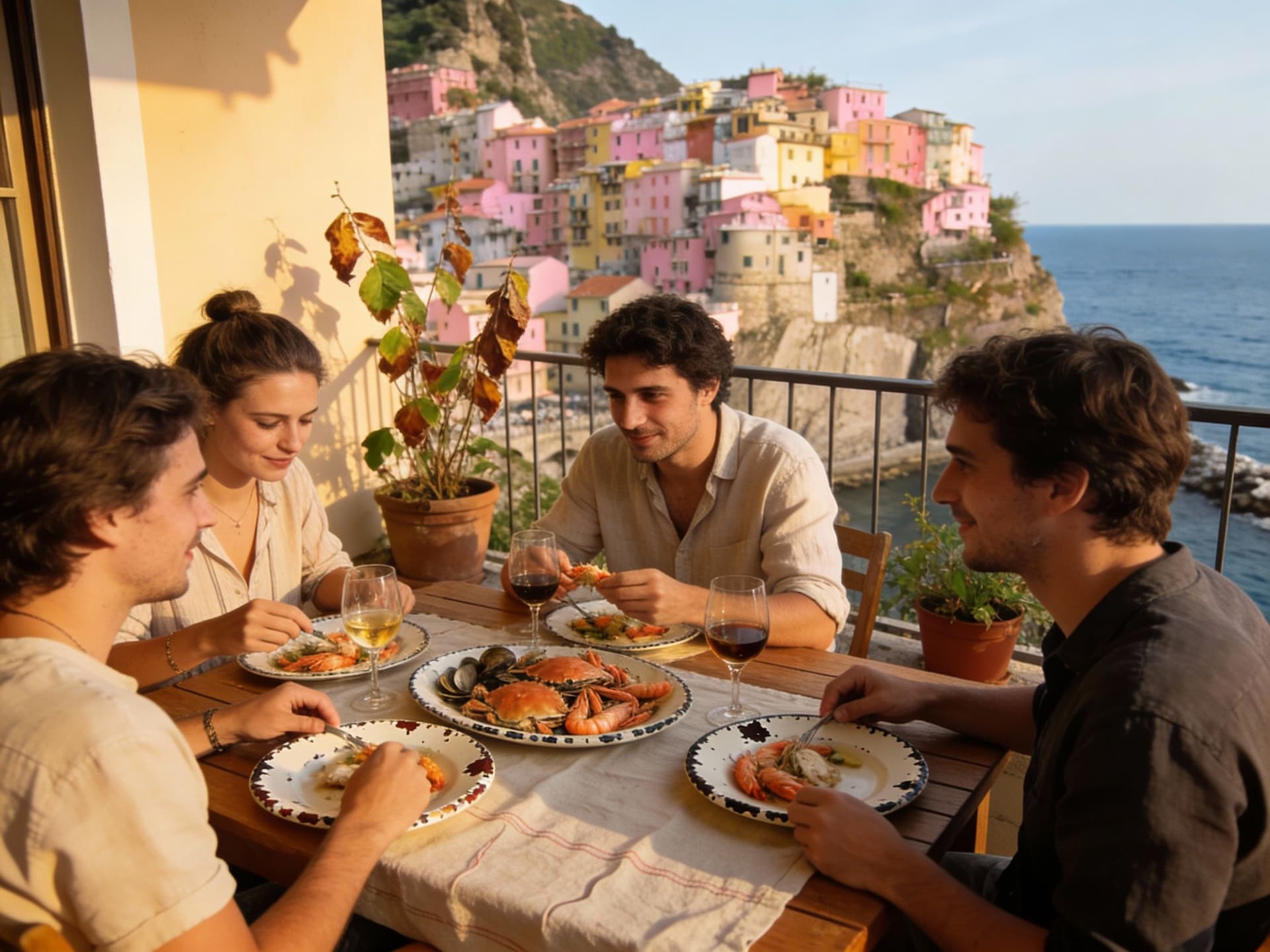
Coastal life differs by scale: Liguria’s narrow lanes and seafood-focused trattorie create intimacy (think Camogli, Levanto), the Amalfi coast is theatrical—Positano and Ravello attract seasonal crowds but reward you with dramatic light and lemon groves—while Tuscany’s hill towns (Pienza, Montalcino) trade bustle for slow mornings and cellar-door wine culture.
- Local highlights to taste the life: market mornings at Mercato Centrale (Florence); espresso at Caffè Florian in Venice (early, before crowds); evening passeggiata on Lungomare in Bari; Sunday antiques in Arezzo; a swim at Spiaggia dei Conigli (Lampedusa).
Making the move: where lifestyle meets market reality
Dreams must meet data. Nationwide, prices and transaction volumes have moved in different directions across regions: ISTAT shows house-price increases in early 2025 alongside stronger sales volumes, while market platforms report city-by-city variation. That means lifestyle choice should be cross-checked with local price trends before offers are made.
Property types and how they change life
A historic centro storico flat gives immediate immersion—stone floors, tall windows, small terraces—perfect for short walks and cafés but often limited on parking and insulation. A modern townhouse in the outskirts offers private gardens and parking, better year-round comfort, and easier remote-work setups. A country podere or seafront villa buys space and privacy but usually needs work and higher maintenance.
Work with local experts who know the life, not just listings
- 1) Ask an agent for street-level comparables and rental performance — not just headline price per m². 2) Visit at different times (market day, weekday, weekend) to gauge rhythm. 3) Commission a local surveyor who understands stone construction and seismic retrofits. 4) Factor ongoing costs: condominium fees, garden care, and seasonal utilities.
Insider knowledge: expat truths and red flags
Expat life in Italy surprises most newcomers. Language opens doors fast; neighbourhood bars are social infrastructure; and seasonal swings change occupancy and noise. The real red flags are not the tourist crowds but poor insulation, shoddy plumbing, and properties that look photogenic online but have structural or legal baggage.
Cultural tips that change where you buy
If you value daily convenience, prioritise properties near the alimentari or forno (bakery). If silence at night matters, avoid squares that host piazza concerts in summer. For long-term rental potential, focus on towns with strong transport links to airports and universities.
- Common buyer red flags: misleading floor plans; unclear condominium minutes; properties with informal extensions; absence of an aggiornata catastale (updated land registry).
Practical next steps: shortlist neighbourhoods by lifestyle, validate market data with ISTAT/market reports, book repeat visits in different seasons, and brief a bilingual lawyer early—these steps turn romance into secure ownership.
Swedish strategist who relocated to Marbella in 2018. Specializes in legal navigation and tax planning for Scandinavian buyers.