Lake Life vs Southern Sun: Lifestyle Trade-offs in Italy
Compare Lake Como and southern Puglia: lifestyle trade-offs, local demand patterns and market data show where daily life and long‑term value meet in Italy.
Imagine sipping an early-morning espresso in Lucca, then driving two hours to swim in a quiet Adriatic cove — Italy threads art-city mornings with slow-coast afternoons. For international buyers that mix of daily ritual, regional variety and clear market momentum matters as much as square metres.
Living the Italian Life: How place shapes day-to-day joy
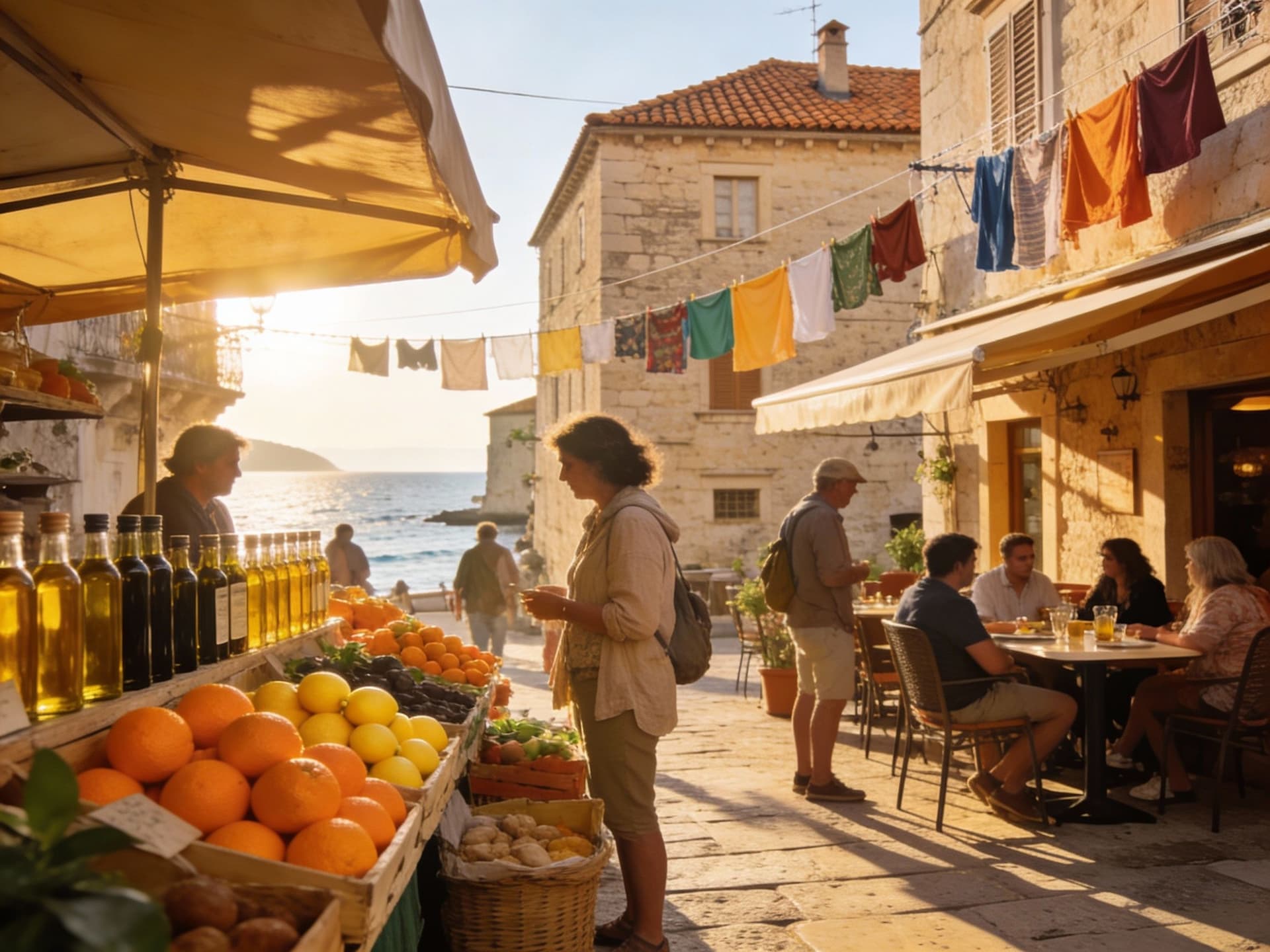
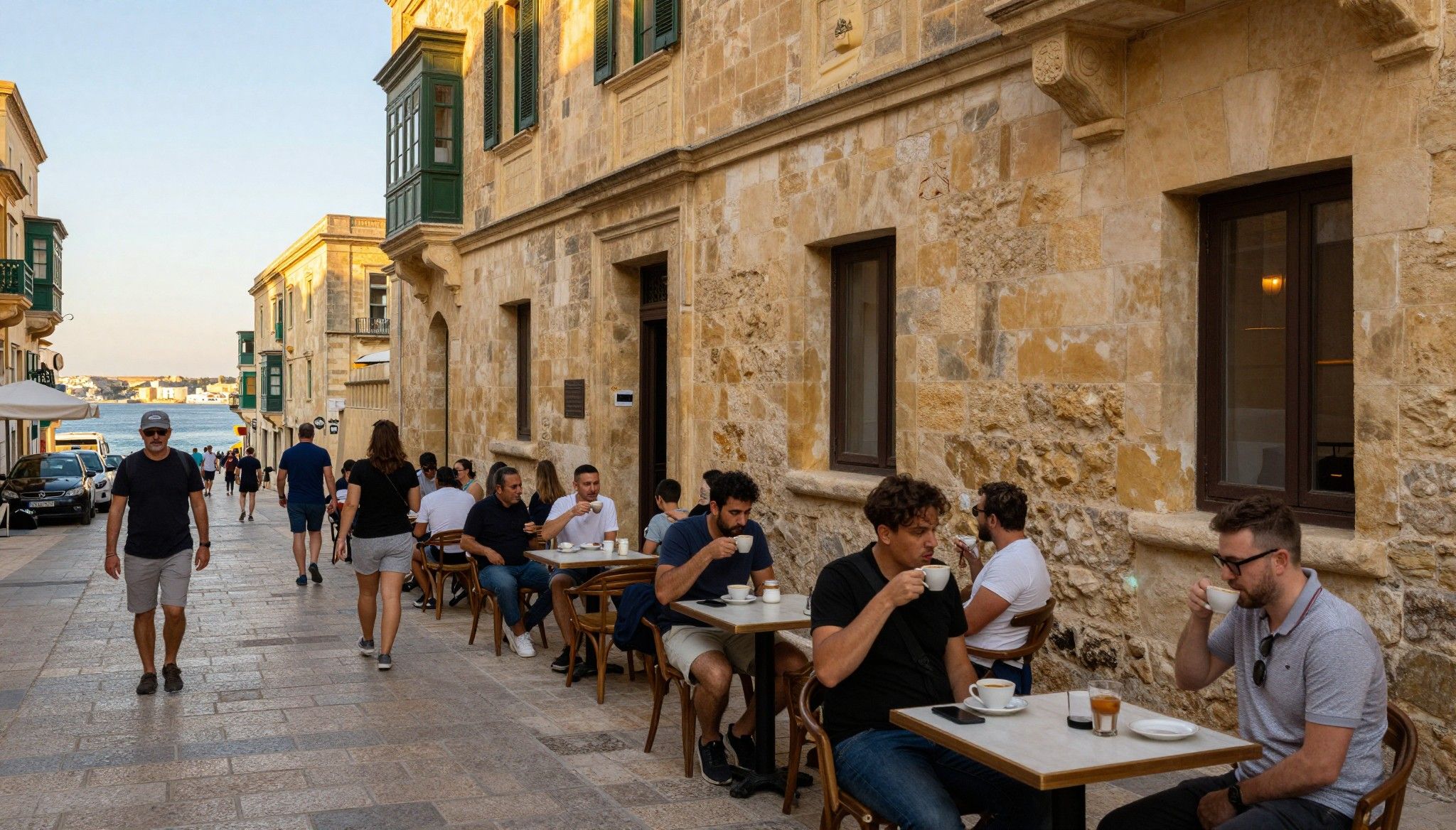
Italy is not a single rhythm but a playlist: morning coffee rituals in historic piazze, aperitivo at 18:30, markets that close for lunch, and neighbourhood bakers who know your name. Neighbourhoods range from narrow cobbled lanes in Florence’s Oltrarno to sunlit promenades in Santa Margherita Ligure — each offers a sharply different daily tempo and social calendar. Foreign demand is concentrated in lake districts and Tuscany’s hill towns, signalling the lifestyle buyers prize most.
City & historic-centre pulse: Milan, Rome, Florence
In Milan and Rome the day is fast: design shows, late dinners, short commutes if you live centrally. Apartments here suit professionals and renters — compact, renovation-ready units near tram lines or metro stations translate to steady rental demand, while neighbourhood cafés (Brera, Trastevere, Navigli) define social life.
Coast, lakes and small towns: Liguria, Lake Como, Puglia
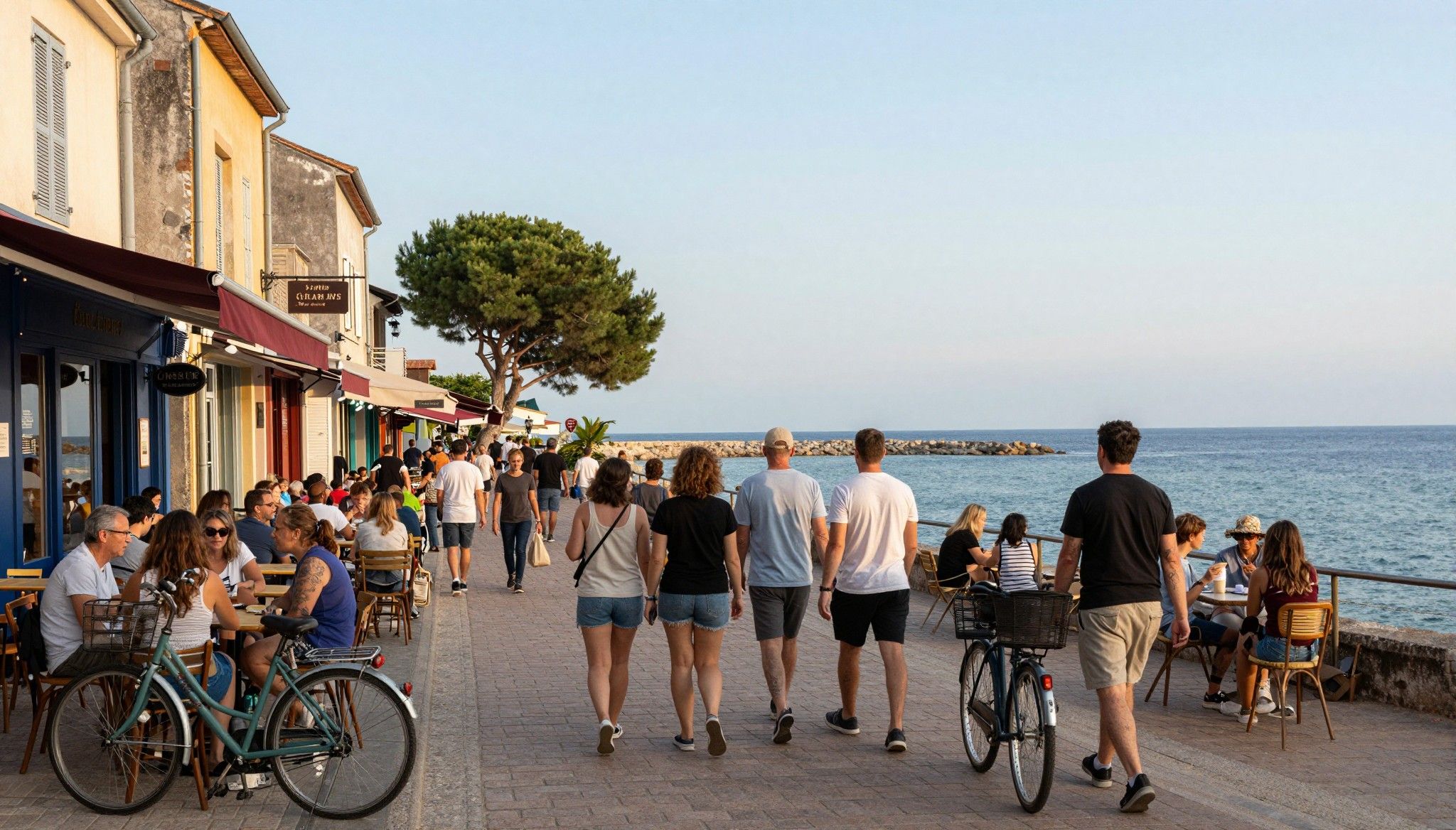
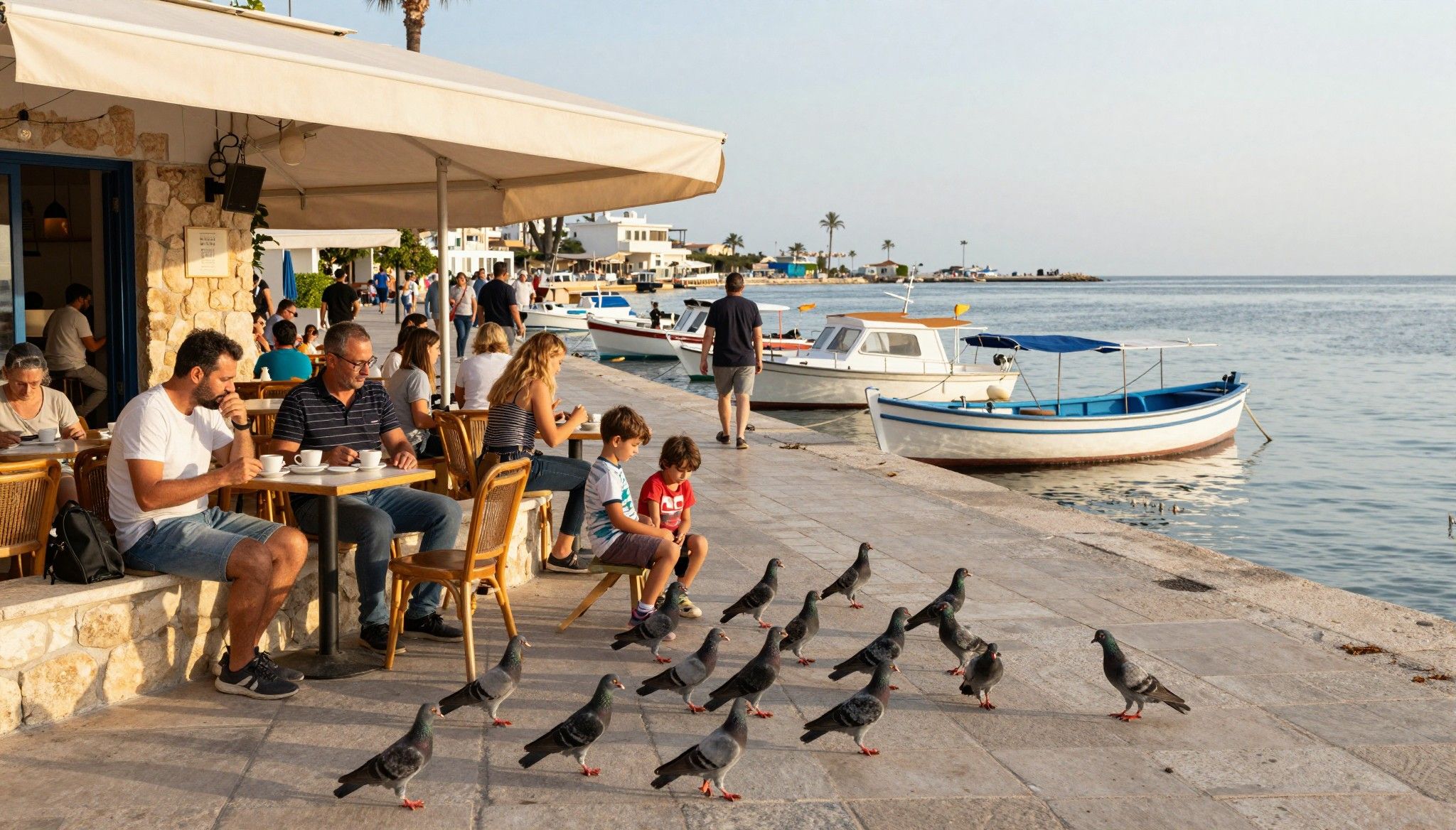
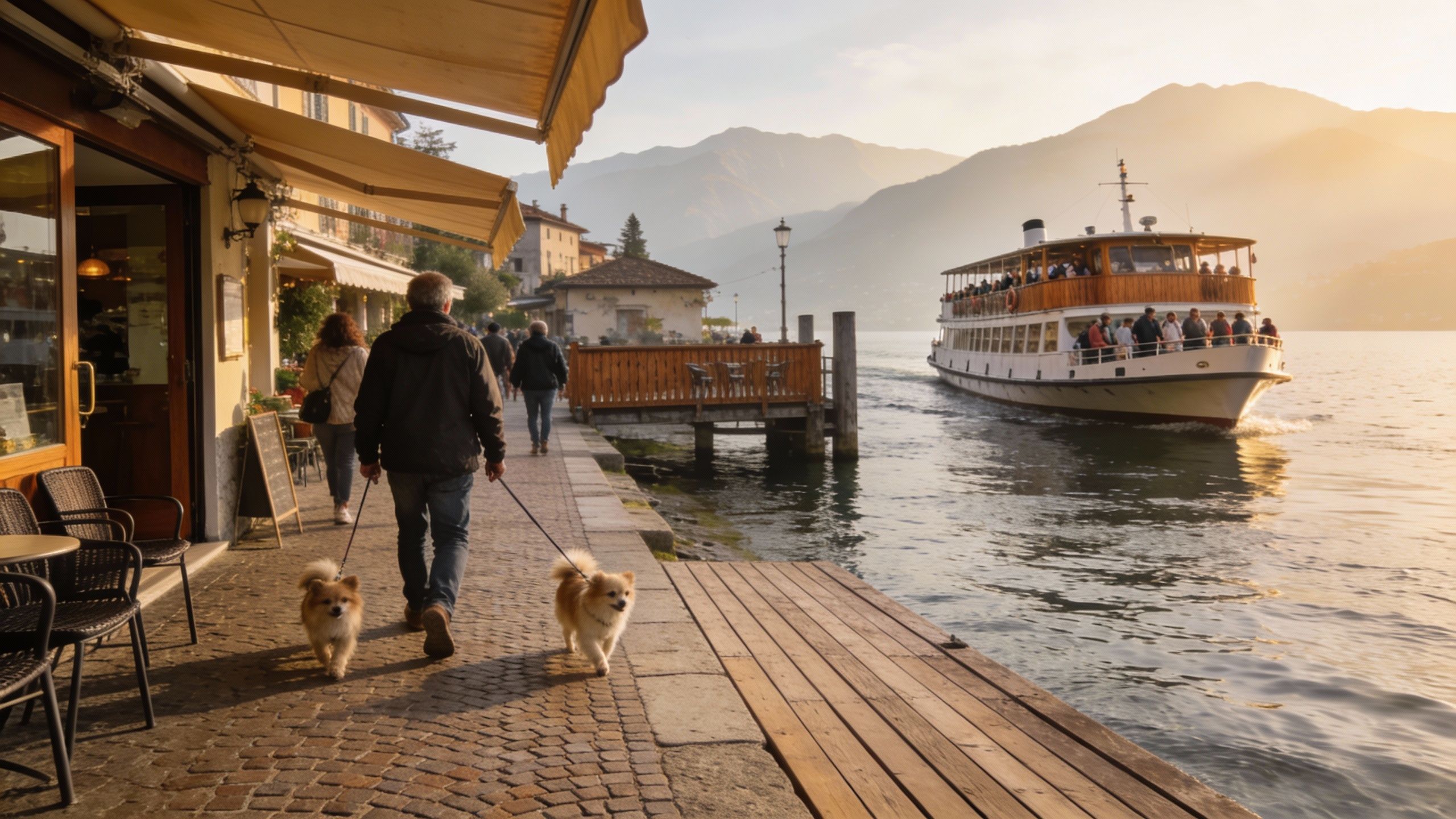
Coastal life varies: Liguria’s pebble promenades and Ligurian cafés differ from Puglia’s whitewashed trulli and slow beaches. Lake districts (Como, Garda) offer still-water leisure — boating, lakeside restaurants and morning market routines — attractive to buyers who want proximity to nature without sacrificing services.
- Lifestyle highlights buyers mention most
- Morning espresso at Caffè Pasticceria Mattei (Lucca) and a walk on the city walls
- Weekend fish market in Viareggio, followed by an afternoon on a quiet stretch of Versilia beach
- Saturday market in Como, then an evening ferry to Bellagio for lakeside dining
Making the move: practical considerations that preserve the lifestyle
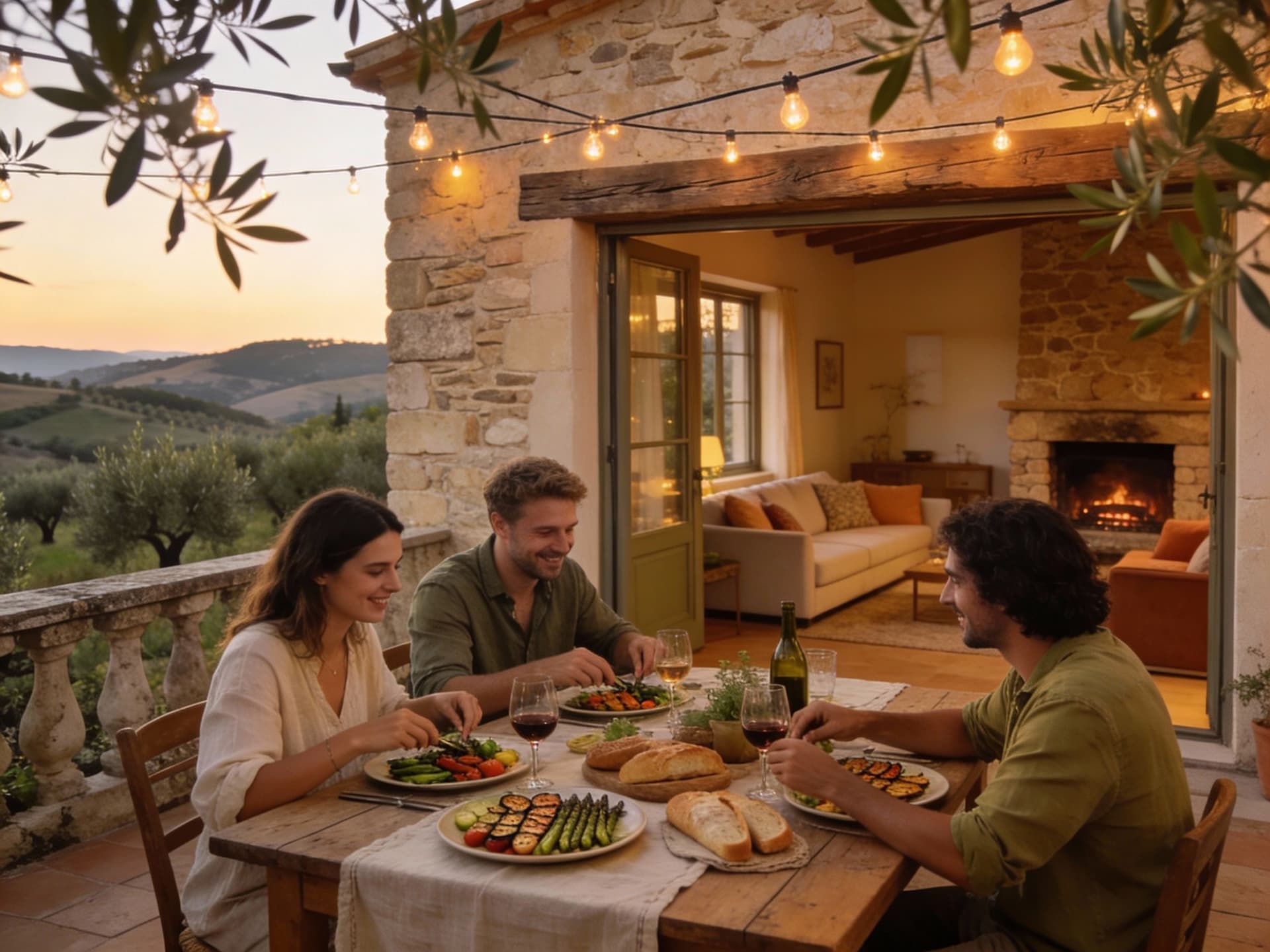
Lifestyle choices must be paired with realistic market understanding. Italy’s House Price Index shows moderate, regionally uneven growth — existing-dwelling prices outpaced new-builds in recent quarters — so where you buy (city, lake or south coast) affects both cost and liquidity. Use neighbourhood-level pricing, not country-level assumptions, when sizing budgets.
Property styles and what they mean for daily life
A medieval townhouse in Siena gives you stone-thick walls and piazza life but usually needs renovation and insulation upgrades. A renovated apartment in Milan trades rustic character for immediate rental income. In Puglia, a restored trullo offers outdoor living and low purchase prices but can demand specialist builders and permits. Match the property type to how you want to live each day — terrace breakfasts, garage for a car, or ground-floor access for gardening.
Working with local experts who preserve lifestyle value
A local agent who knows a neighbourhood’s rhythm — market days, renovation constraints, seasonal tourist peaks — is essential. They help you avoid properties that look charming in summer but face winter loneliness, or units with poor insulation that spike heating bills. Ask agents for recent comparable sales, rental performance and typical utility costs to keep the lifestyle you expect.
- Practical steps that preserve lifestyle and value
- Compare neighbourhoods by daily routine: visit at different times and seasons to test noise, market days and commuting times
- Check recent sale prices for similar properties (3–6 months) rather than advertised asking prices
- Ask for estimated running costs (heating, community fees, local taxes) tied to actual recent bills
- Confirm renovation permissions for heritage properties — enforcement is strict and can be costly
Insider knowledge: what expats wish they’d known earlier
Expats often underestimate small practical frictions: the midday siesta that closes shops, the paperwork timelines for cadastral changes, or the seasonal swings in rental demand. Those rhythms shape where you’ll feel at home — choose a place with a community whose pace matches yours.
Cultural integration and daily social life
Language matters less than local presence: shop at the same market stall, learn cafe owners’ names, and attend town festivals (sagre) — these are the social bridges that turn an address into a life. In smaller towns, community relationships influence everything from neighbourhood renovations to whether you’ll find handymen quickly.
Long-term lifestyle: what changes after five years
Expect your priorities to shift: proximity to healthcare and year-round services gains weight, tourist-season noise becomes background, and renovation projects move from urgent to aspirational. Regions such as Puglia show rising international interest and improving services — a sign that lifestyle value can convert into investment resilience over time.
Conclusion: the trade-off that defines a happy purchase is simple — choose the neighbourhood that gives you the daily life you want, then apply data and local expertise to secure value. Visit off-season, measure real costs, and work with agents who can translate local rhythm into actionable comparables. When lifestyle and diligence align, your Italian address becomes more than a property: it becomes a place you live.
Swedish strategist who relocated to Marbella in 2018. Specializes in legal navigation and tax planning for Scandinavian buyers.