Malta: Match Neighbourhood Rhythm to Market Reality
Malta’s charm is compact and social—match neighbourhood rhythms to market realities: price pressure, residency thresholds and conservation rules shape smart buys.

Imagine waking to the smell of freshly baked ftira, then walking down Republic Street past limestone facades to a café where neighbours debate football in English and Maltese. Malta is compact—you can be on a sandy beach in 20 minutes from a townhouse in Floriana or sipping aperitifs in Sliema with a harbour breeze. That intimacy—history rubbing shoulders with everyday life—is why buyers arrive enchanted, and why the property market here feels personal as much as financial.
Living Malta: the rhythms that shape choices

Daily life in Malta moves at Mediterranean speed—sunlit mornings, lively market hours and a gentle evening tempo where family dinners stretch long. Valletta hums with tourists and cultural events; Sliema and St Julian's pulse with cafés, boutiques and seaside promenades; Marsaxlokk offers fish markets and slow rhythms. These varied paces influence where you choose to live: central, historic streets are social and walkable; coastal strips offer water access and cafés; quieter villages give space and value.
Valletta & Floriana: history as a daily backdrop
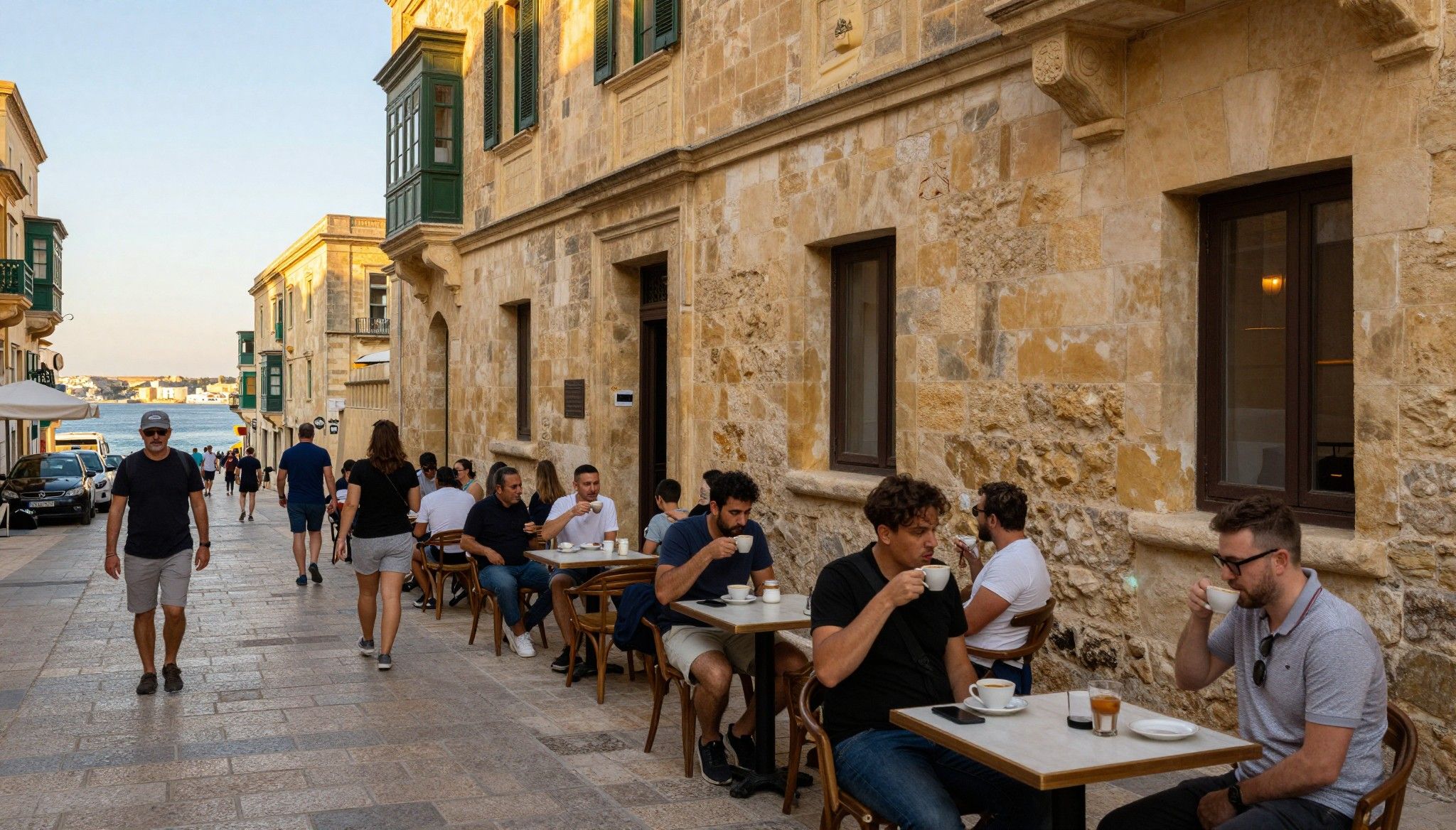
Picture morning espresso on Merchant Street, narrow lanes lined with traditional Maltese balconies, concerts at the Manoel Theatre and sunsets from the Upper Barrakka Gardens. Apartments here are often in historic blocks—smaller interiors but unmatched location. Expect cobbled streets, strict conservation rules and an urban lifestyle where cafés, galleries and government offices are steps away.
Sliema & St Julian's: promenades, expat hubs and rental demand
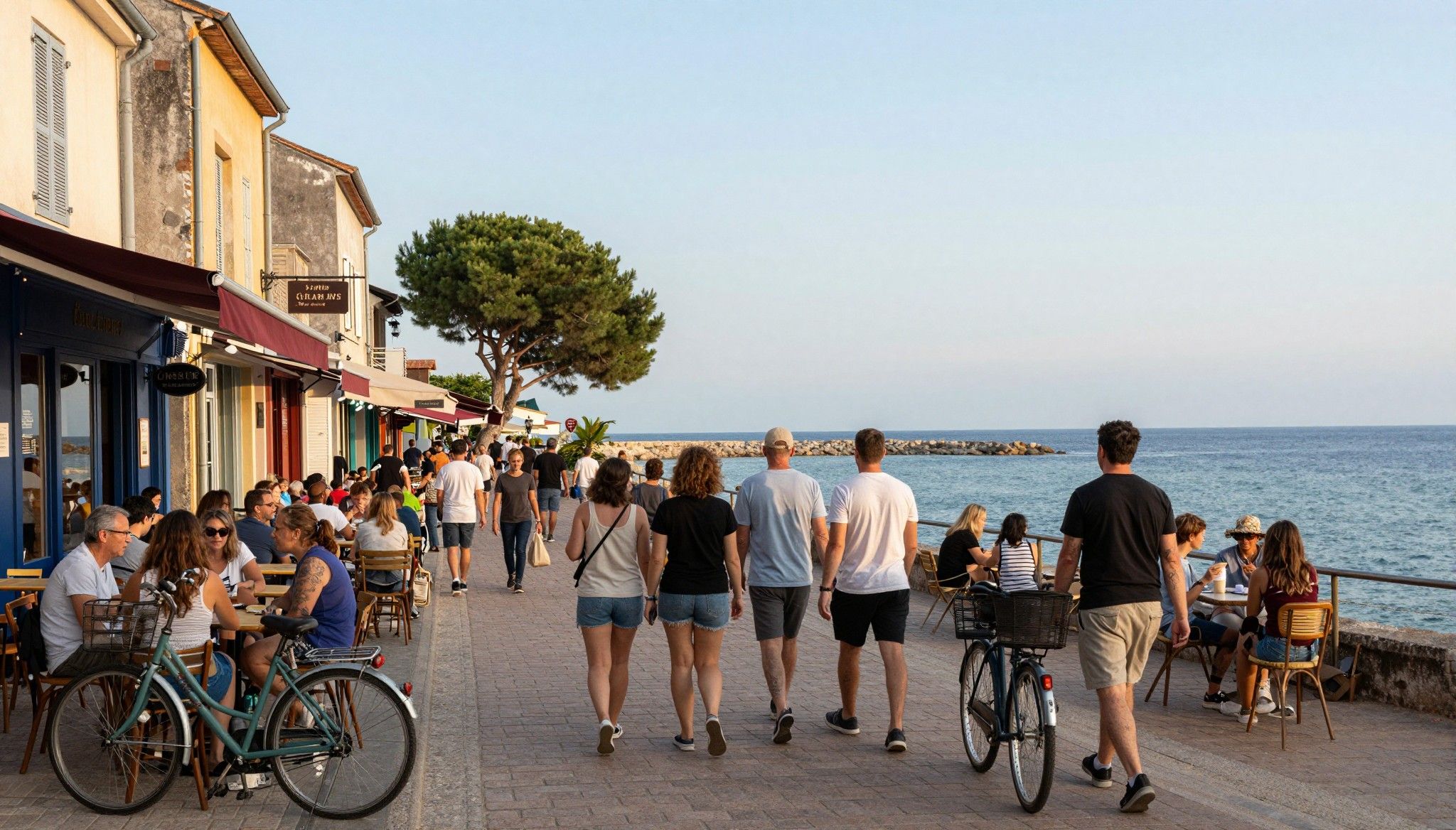
Walk the Sliema promenade at dusk and watch families, digital nomads and retirees share terraces. St Julian's (Paceville) gives nightlife and serviced-apartment stock that international renters favour. These areas combine convenience—shops, international schools nearby—and liquidity: short-term rentals and expatriate demand make resale and letting easier, albeit with seasonal occupancy swings.
- Lifestyle highlights to taste Malta
- Morning: ftira at Piadina Malta or a coffee on Tower Road in Sliema
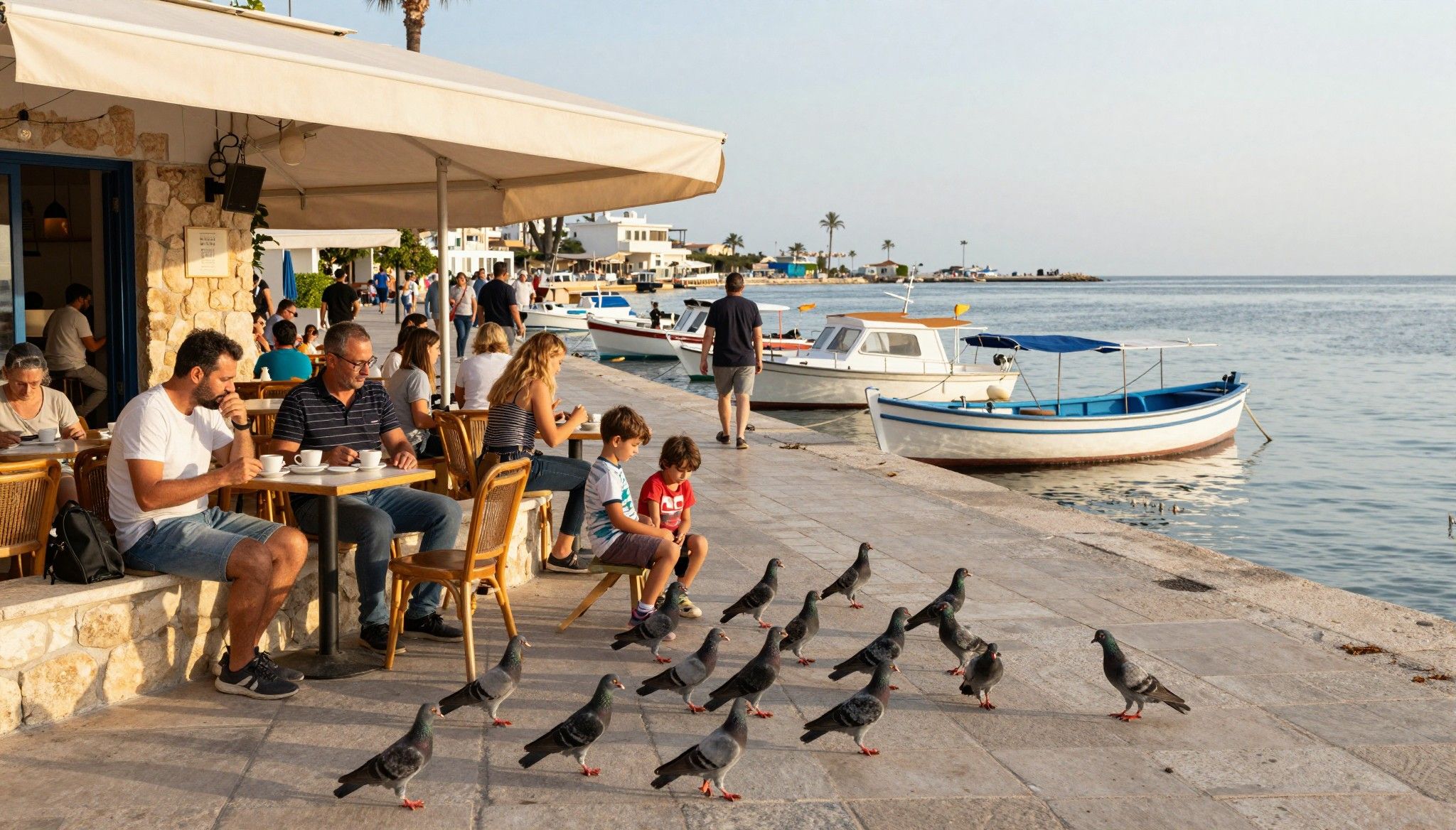
- Weekend: fish market and a seaside lunch in Marsaxlokk
- Culture: open‑air concerts in Valletta and film festivals in late summer
Making the move: lifestyle-led, data-informed steps
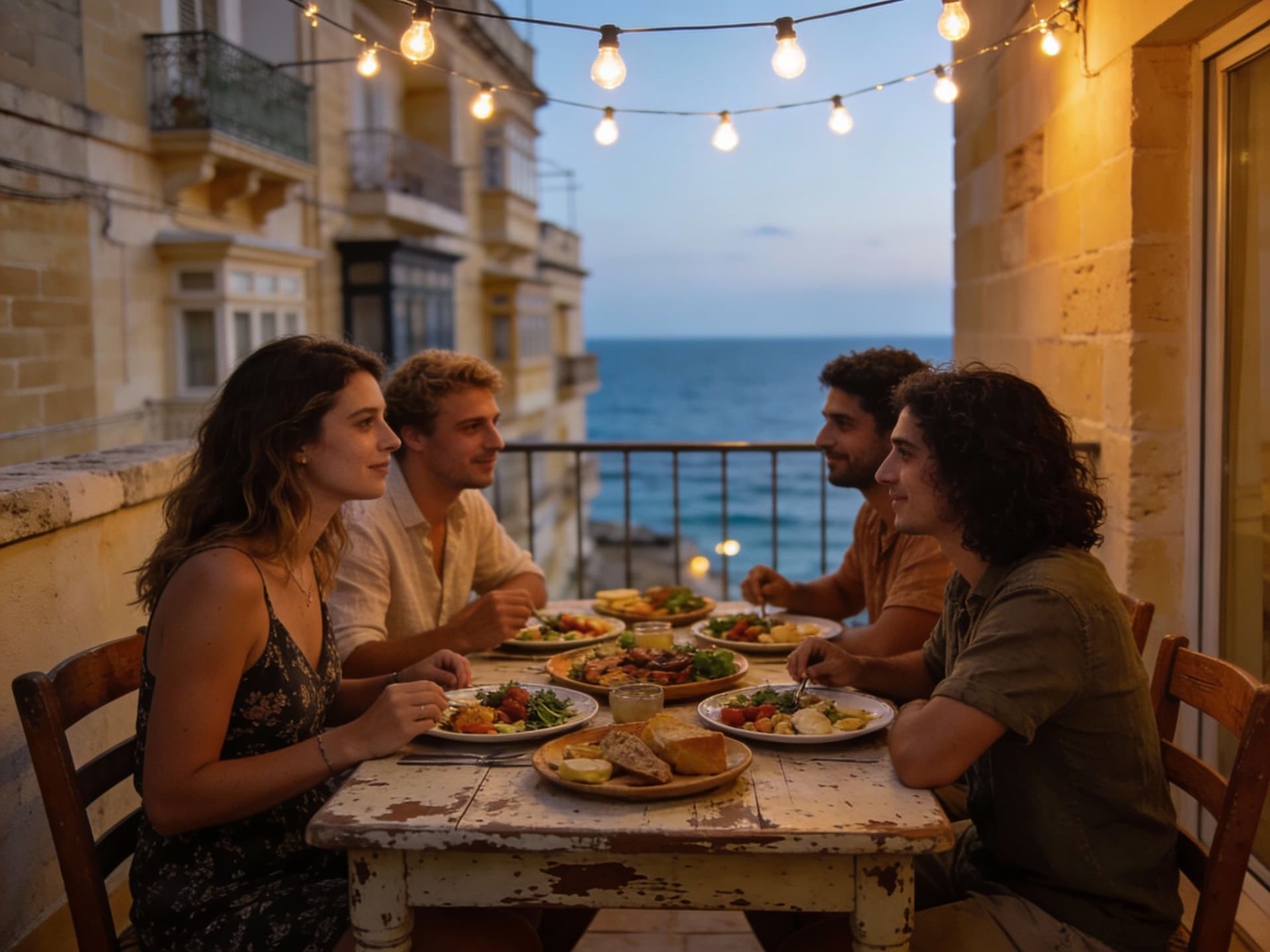
The emotion of living in narrow Valletta streets or seaside Sliema should meet market reality. Recent industry surveys show rising demand and limited supply pushing prices, especially for apartments and luxury townhouses. Use lifestyle priorities—walkability, sea access, quiet streets—to narrow neighbourhoods, then layer in market indicators so your dream sits on solid ground. For example, PwC’s 2025 survey notes growing demand for higher-value properties and continued pressure from limited land supply.
Property styles and how they fit daily life
Apartments and penthouses dominate the market—efficient for lock‑and‑leave living, with terraces that become living rooms in summer. Maisonettes and townhouses give internal courtyards and room for children or guests but require more upkeep. On Gozo, villas and farmhouses offer space and quieter pace. Match form to function: if café culture is central, choose compact central apartments; if hosting friends and family is your priority, look for maisonettes with outdoor space.
Work with agencies who translate lifestyle to listings
An agent who knows morning markets, local conservation limits and residency rules shortens the learning curve. Look for firms that demonstrate local neighbourhood knowledge, have multilingual teams (English is an official language) and can advise on residency routes that influence property choices—especially if you plan to apply for a permanent residence programme that ties to property purchase values.
- Steps to align lifestyle with buying (practical + personal)
- 1. Walk neighbourhoods at different times—mornings, market days and evenings—to check noise, light and social life.
- 2. Ask agents for advertised versus final deed prices and recent comparable sales to understand true liquidity.
- 3. Confirm conservation and renovation restrictions—historic façades and UNESCO buffers affect what you can change.
Insider knowledge: what expats regret and what delights them
Expat confessions often follow a pattern: buyers fell in love with lifestyle details—markets, terraces, neighbourhood rituals—but underestimated regulations, seasonal noise or service charges. Residency programmes are an important practical layer: the Malta Permanent Residence Programme (MPRP) and other schemes set property thresholds and contributions that materially affect which properties qualify and what budget you need.
Cultural integration, language and day-to-day life
English is widely spoken, which flattens barriers; still, learning conversational Maltese opens doors at village festas and with older neighbours. Social life revolves around family, food and church festas—join a local club, a beach cleanup or a language exchange to fast‑track friendships. Expect directness in conversation and generous hospitality: neighbours will notice when you first invite them over.
Long‑term lifestyle considerations buyers miss
Think multi-year: population growth and land scarcity drive prices—PwC notes increased demand for higher-value properties—so factor in resale potential, maintenance of traditional buildings and seasonal rental dynamics if you plan to let. Also, residency rules and minimum property values under programmes change over time, so confirm current thresholds and fees with an authorised mandatory before you budget.
- Red flags and quick checks
- Unclear chain of title or missing permits for renovations
- High service charges with limited transparency
- Properties within conservation zones needing specialized approvals
- 1. Request three years of utility and service charge statements before bidding.
- 2. Insist on a local notary and solicitor who explain deed-of-sale specifics and obligations.
- 3. Verify any residency-linked purchase thresholds with an authorised mandatory before committing.
Conclusion: Malta is compact enough to fall for quickly and complex enough to require local smarts. Start with lifestyle priorities—which morning routine, which weekend ritual—and then test those against market signals, residency rules and the practical checks above. A local agent who speaks English, knows neighbourhood quirks and can connect you to authorised residency advisers turns the romance of Malta into a confident purchase.
Danish relocation specialist who has lived in Barcelona since 2016. Helps families move abroad with onboarding, schooling, and local services.