Malta's Price Myth: Lifestyle, Liquidity, and Risks
Malta pairs a compact Mediterranean lifestyle with price growth and tourism‑driven liquidity; prioritise neighbourhood rhythm, terrace orientation and local experts before you buy.
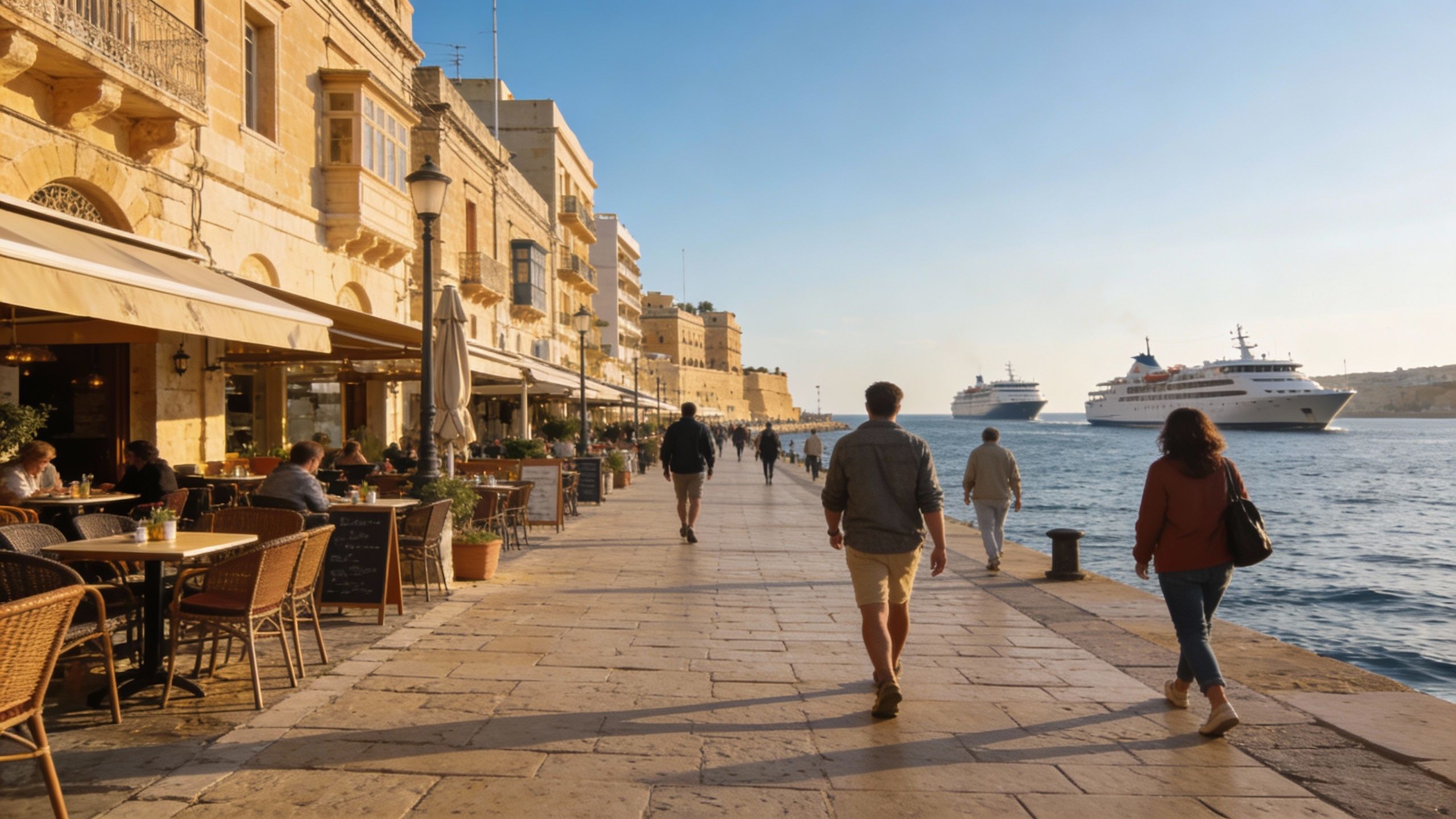
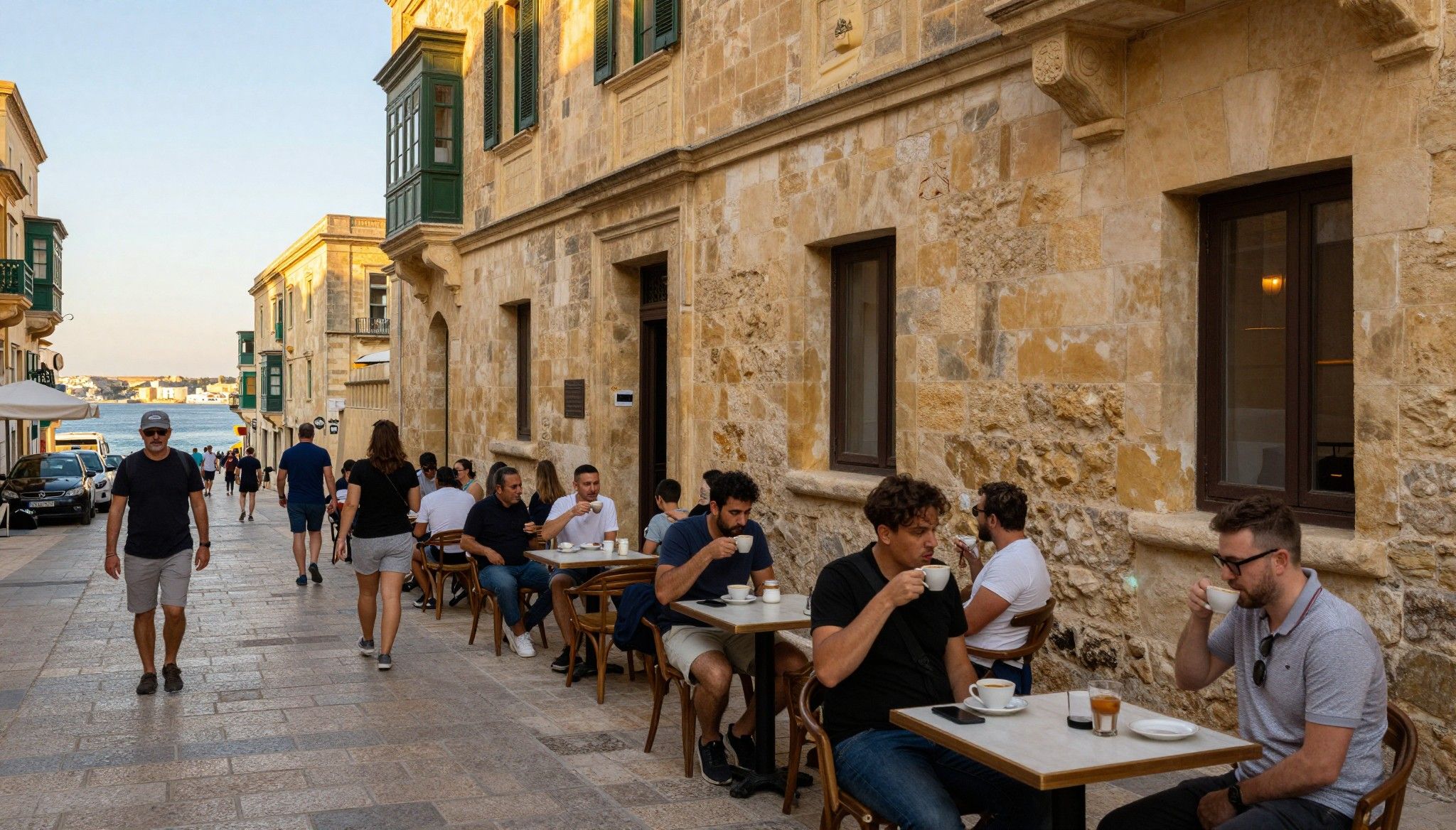
Imagine a late‑morning espresso on a narrow Valletta lane, sunlight cutting across honey‑coloured limestone, and fishermen hauling in catches at Marsaxlokk while IT freelancers sip coffee in Sliema. Malta feels compact and cinematic: a mix of baroque streets, cliffside bays and high‑energy seaside towns where every errand becomes a walkable episode. For many buyers the island’s charm — English widely spoken, Mediterranean tempo, and a dense social life — is the main attraction. But charm doesn’t equal simplicity: prices, rental dynamics and seasonal tourism all shape how your life and your investment will actually feel here.
Living the Malta lifestyle
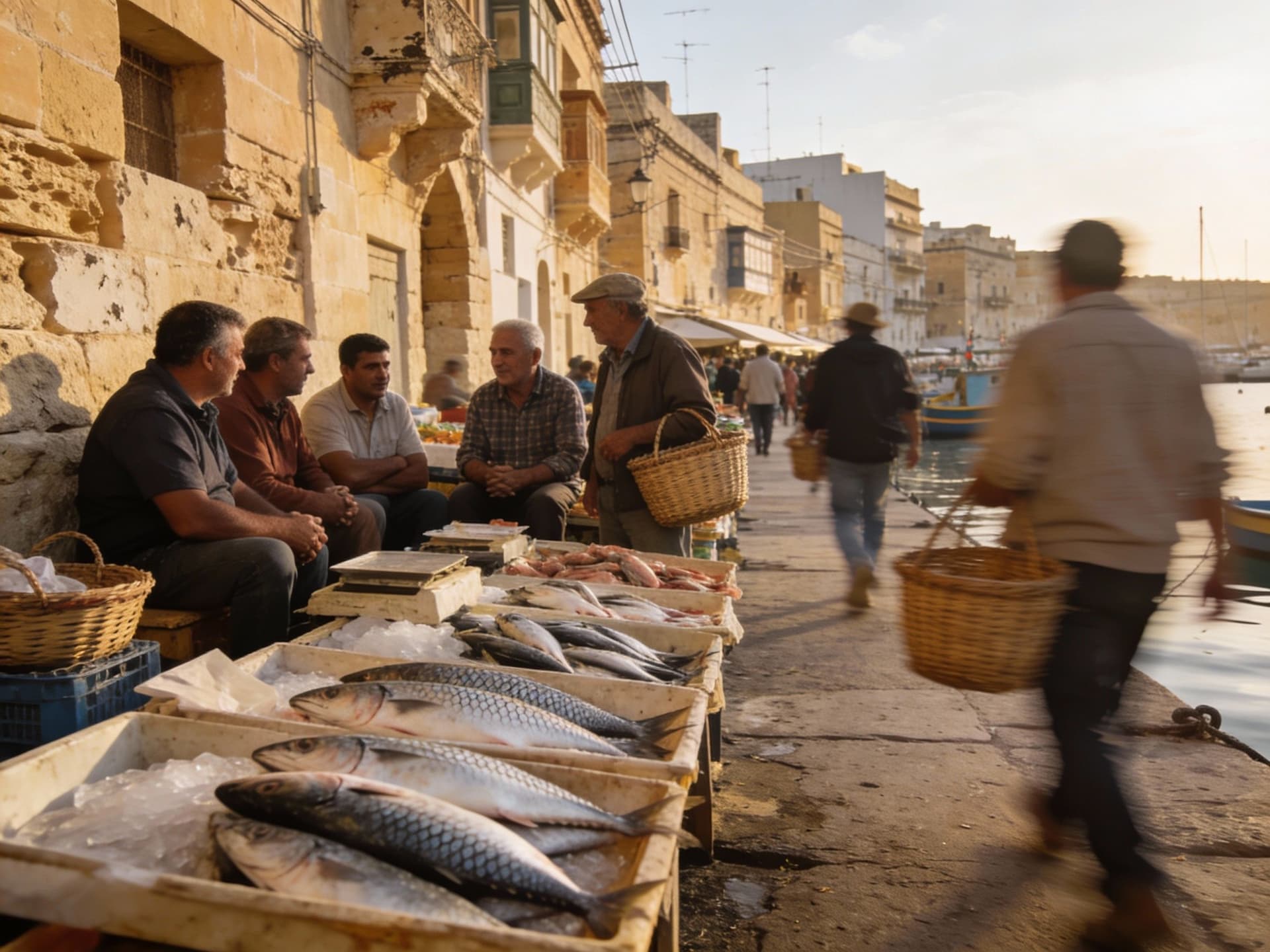
Life in Malta runs at human scale: short commutes, cafés where the barista knows your name, and weekends that orbit the sea. Sliema and St Julian’s buzz with international cafés and apartment living; Mdina and Valletta offer slow afternoons among historic squares; Gozo delivers island calm and a different pace of renovation. Weather is a daily factor — bright winters and full summers — so choices about terraces, shutters and air‑conditioning are lifestyle decisions as much as technical ones. Understanding where you want to spend mornings, not just which price band you can afford, changes what property makes sense.
Neighborhood spotlight: Sliema & St Julian’s
Sliema and St Julian’s are Malta’s contemporary hubs: promenades, rooftop bars, and apartment living close to the ferry and commerce. Expect higher price‑per‑square‑metre here — recent market observers place averages well above the national mean — but also stronger short‑let demand and better resale liquidity. If your life includes restaurants, coworking and social scenes, these towns deliver walkable density; if you prefer quiet mornings and community gardens, look elsewhere. Practical note: in prime harbour areas, internal layouts and terrace size have outsized effects on value and rentalability.
Food, markets and small rituals
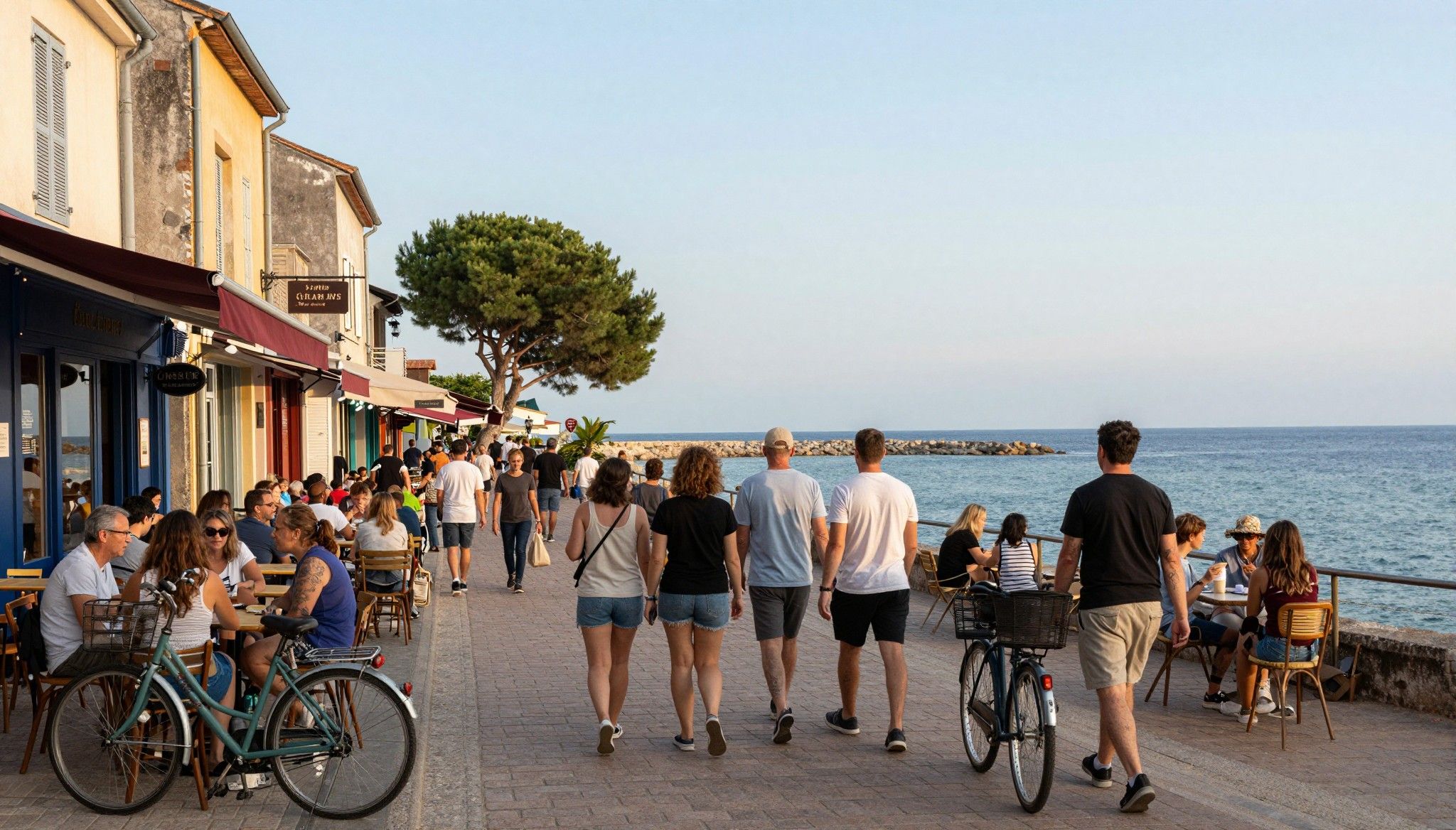
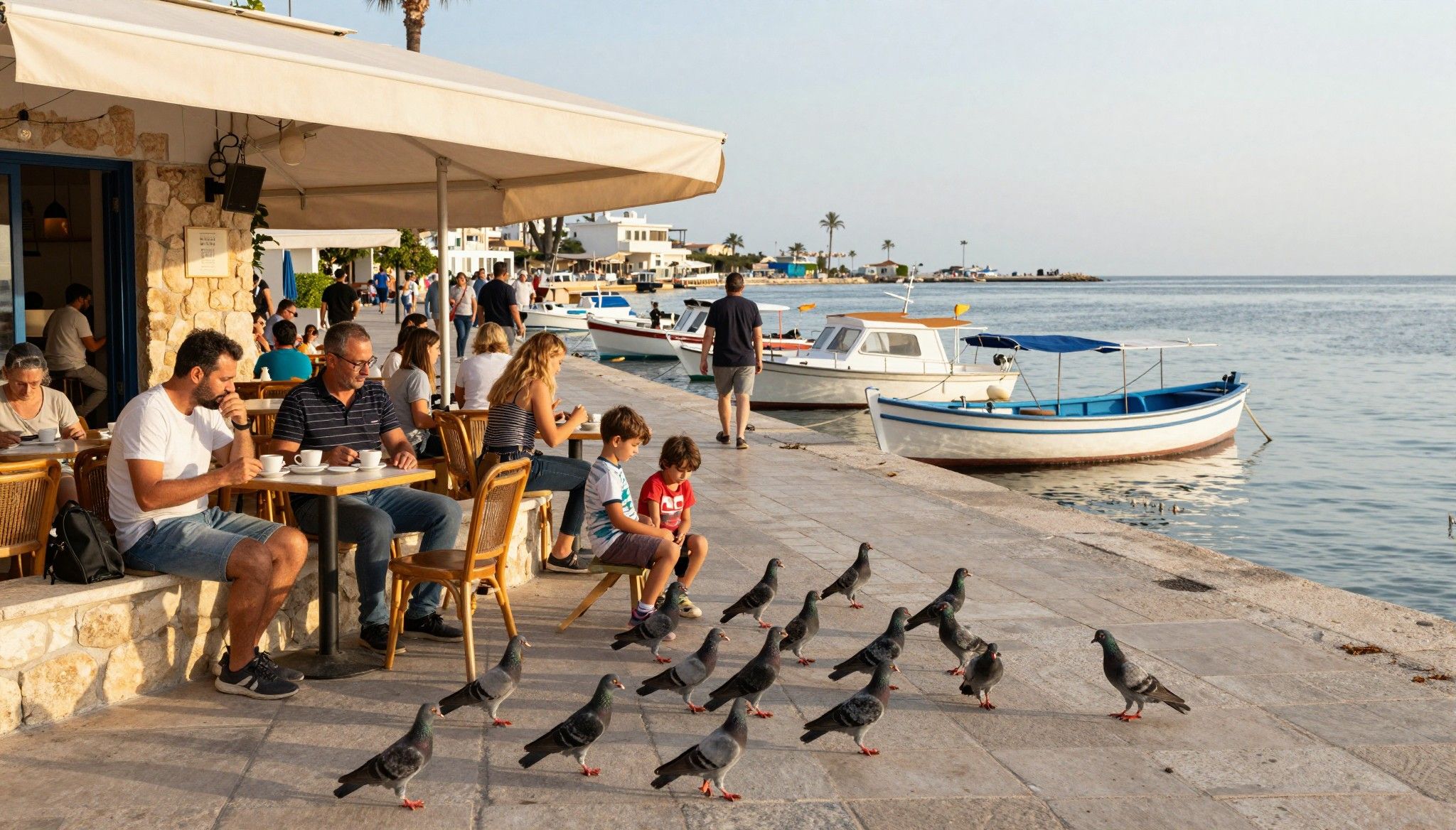
Weekends in Malta often follow a simple food rhythm: morning market visits for burrata and sun‑ripened tomatoes, a long lunch of lampuki pie by the harbour, and evening passeggiata along the waterfront. Markets in Marsaxlokk and Valletta are social stages as much as supply chains; local cafés, such as those on Spinola Bay or along Republic Street, calibrate daily life. Those rituals determine what property features matter — a compact kitchen for convivial cooking, a terrace for evening aperitivi, or storage for bicycles and water toys. When you picture daily life, translate each ritual into square metres and layout priorities.
Making the move: lifestyle meets market reality
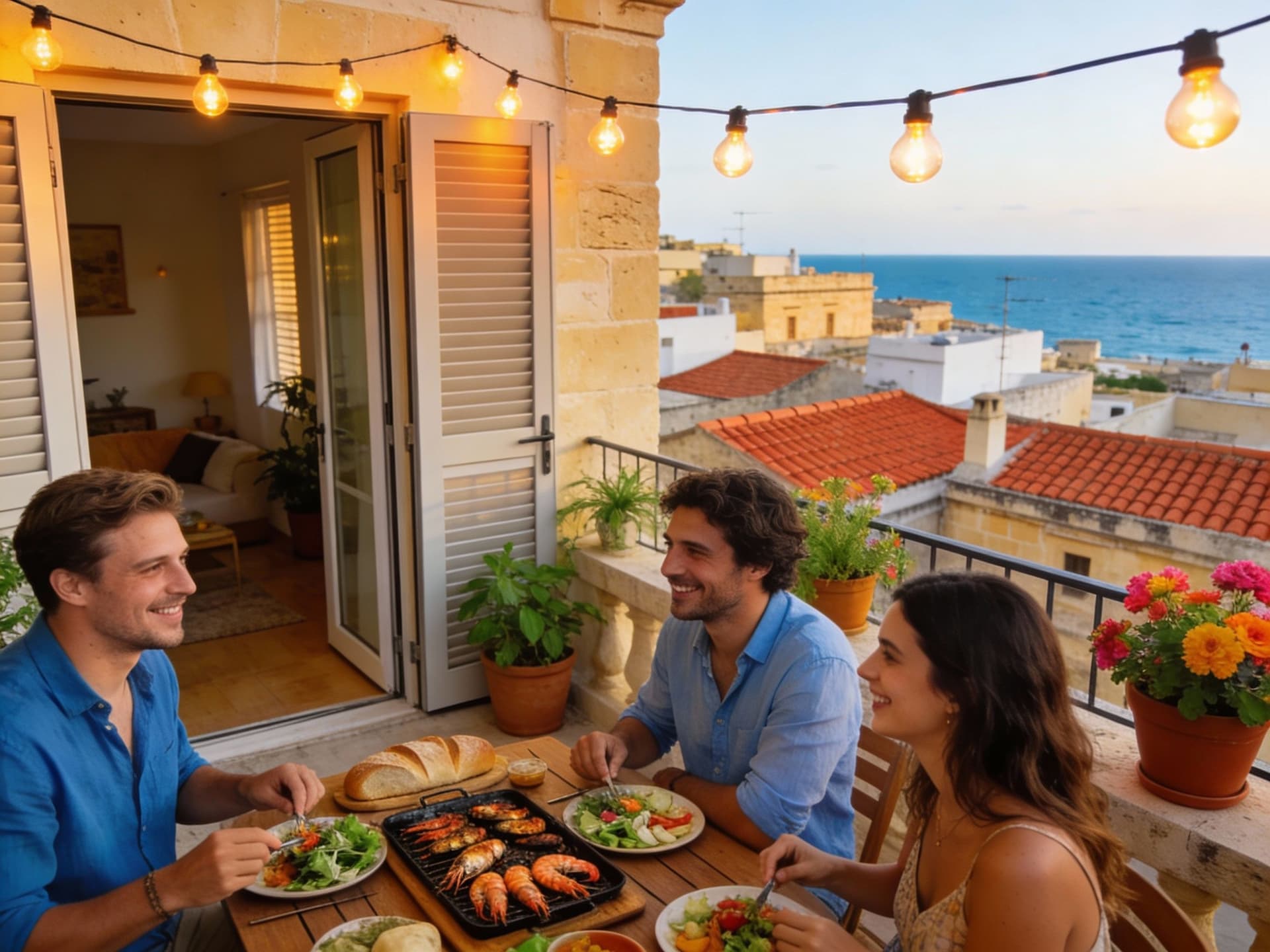
The market backdrop matters: Malta’s Residential Property Price Index rose about 5% in 2024, reflecting steady upward pressure even as the islands absorb record tourist numbers. Tourism — over 3.5 million visits in 2024 — feeds demand for holiday lets and keeps prime coastal areas liquid, but it also fuels seasonality and local affordability concerns. Translate market signals into living choices: in high‑tourism nodes, choose a layout that flexes between owner use and short‑term rental; in quieter towns, expect steadier long‑term tenancy and slower price growth. Always weigh lifestyle priorities against where prices are rising fastest.
Property styles and how you'll use them
Malta’s housing stock ranges from converted townhouses and traditional maisonettes to contemporary apartment blocks and a small selection of new‑builds. Townhouses and old‑stone units offer charm and large terraces but often need modernisation and insulation work. Newer apartments near Sliema provide easy maintenance and facilities like lifts and communal terraces, but at a premium per square metre. Ask yourself how you’ll live across seasons — will you need heating in January, shade in July, or a sheltered terrace for autumn evenings? That answer should guide whether you prioritise layout, outdoor space, or new‑build efficiency.
Working with local experts who know the life
Use agencies that can speak both lifestyle and numbers: show agents your typical week, not just your budget, so they match properties to habits. Local lawyers and notaries handle conveyancing and title checks — their role is procedural but essential in a dense market where micro‑location matters. For buyers considering short lets, a property manager with experience in Malta’s licensing and cleaning cycles will save months of friction. In short, the right team translates the dream day into a practical shortlist of homes that fit your rhythms.
Insider knowledge: what expats actually wish they'd known
Experienced expats say the surprises are small and human: driving habits, the intensity of summer, and how quickly a neighbourhood can change when a few short‑lets convert into guest houses. Many advise buying the life first — the mornings and neighbours you want — then finding the property that delivers it. They also stress seasonality: June to September is a different Malta, louder and fuller, while winter opens quieter streets and bargaining power. Those rhythms affect rental income projections, utility decisions and renovation timing.
Cultural integration and everyday practicalities
English is an official language, which flattens many integration barriers for newcomers; still, learning Maltese opens doors in local neighbourhoods and markets. Expect a social culture rooted in family and food — invitations to dinner are common and useful for building trust. Practicalities like waste collection schedules, terrace maintenance rules, and neighbour etiquette are local details you’ll encounter fast. Embrace them: community involvement is the quickest route to belonging and to discovering off‑market opportunities.
Long‑term lifestyle and investment signals
Malta shows a mix of steady price growth and outsized tourism-driven demand in key nodes — a combination that supports liquidity but raises affordability issues. The NSO recorded a c.5% RPPI increase in 2024; paired with rising visitor numbers, this suggests continued investor interest in coastal and central urban areas. That said, growth is uneven: northern harbour towns often outpace rural localities and Gozo. For long‑term living, prioritise quality of life and community over short‑term yield if you plan to live in the property for more than a few years.
- Lifestyle‑led buying checklist: what to prioritise
- Choose terrace orientation and shade solutions to extend outdoor living across seasons.
- Ask agents about short‑let performance and municipal licensing in your target town.
- Inspect older townhouses for damp and insulation; factor renovation timelines into your budget.
- Map essential daily routes (grocer, clinic, café) and visit them at different times of day.
- Steps to turn lifestyle intent into action
- 1) Spend at least one week living like a local in your preferred neighbourhoods before making offers.
- 2) Secure local legal counsel early and commission a structural survey for older properties.
- 3) Model realistic rental seasonality if you plan short‑lets; use conservative occupancy and rate assumptions.
- 4) Build a renovation buffer equal to at least 10–15% of purchase price for older homes.
Conclusion: fall for the life, plan for the details. Malta offers a compact Mediterranean life where terrace mornings and vibrant evenings are close at hand. Its market combines steady price growth with tourist-driven liquidity in specific towns — attractive for buyers who want both life and optional income. Start by choosing the life you want, then assemble local experts to translate that life into the right property, timing and financing. When you pair the island’s atmosphere with disciplined due diligence, Malta can deliver both a daily rhythm you love and a market that allows measured liquidity.
Danish relocation specialist who has lived in Barcelona since 2016. Helps families move abroad with onboarding, schooling, and local services.