Malta’s Price Myth: Lifestyle Value vs Costa Blanca Liquidity
Malta’s charm masks market realities: compact supply and steady price rises mean lifestyle gains require sharp neighbourhood selection, permit checks and local expertise.
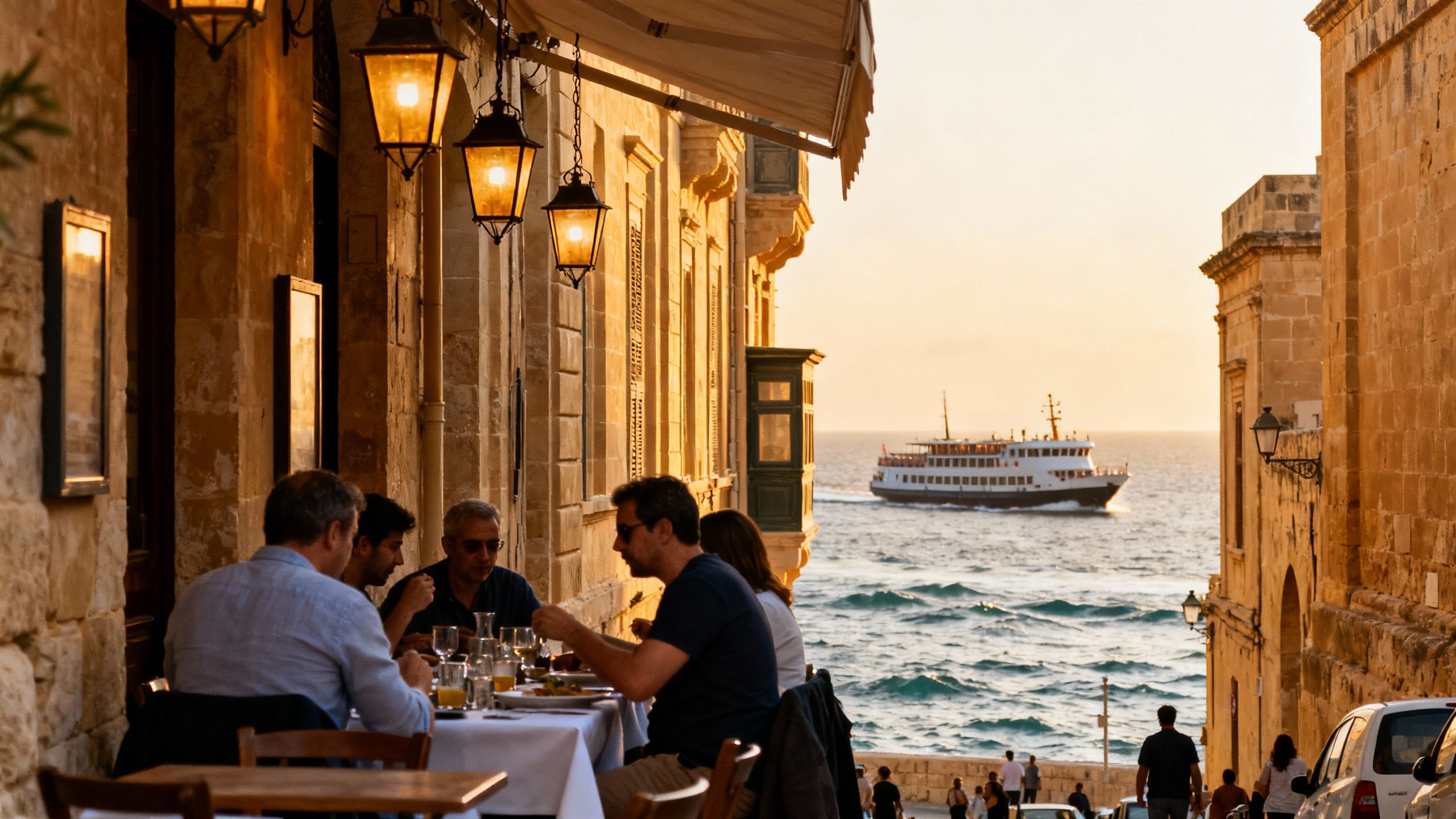
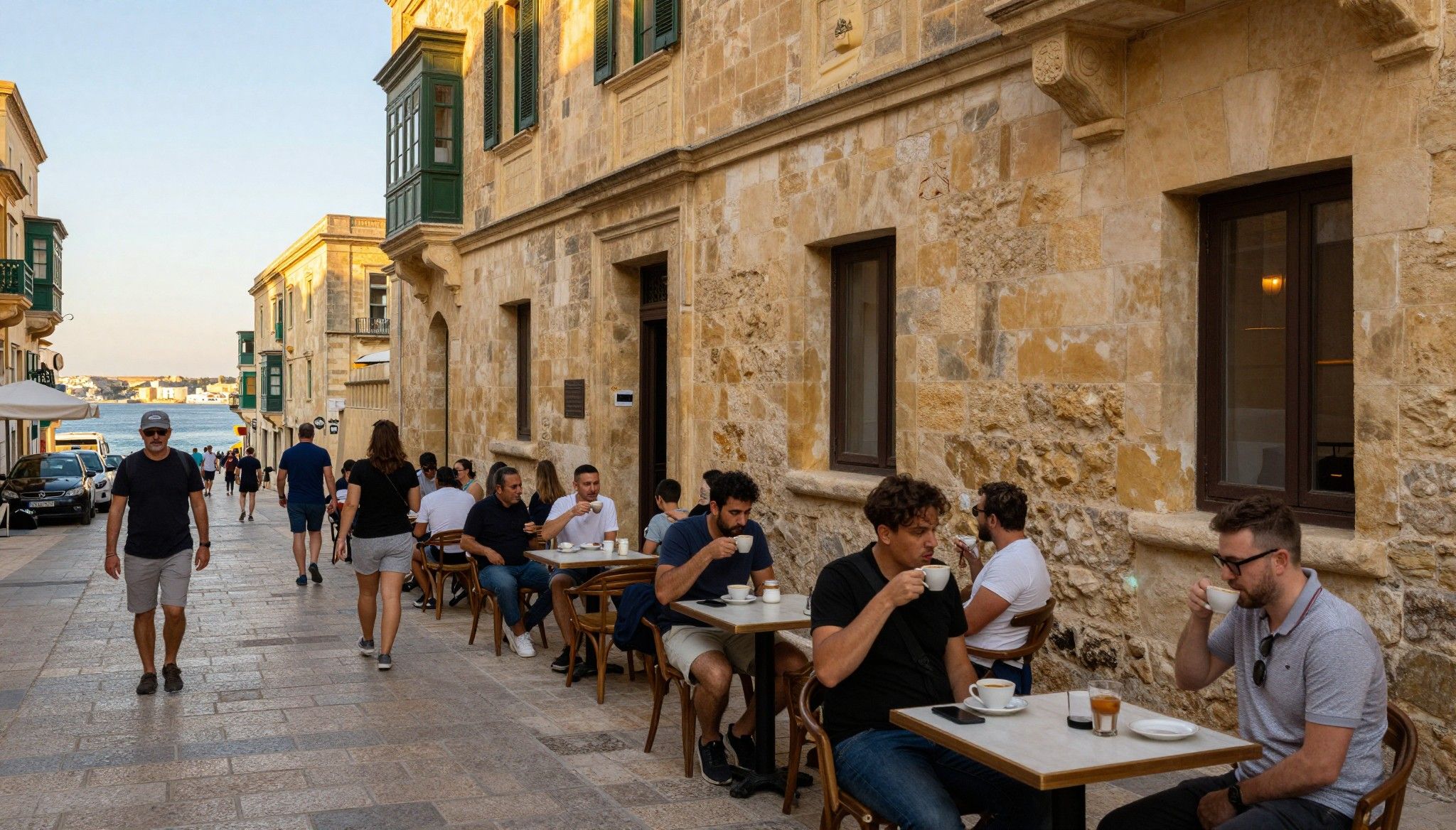
Imagine sipping an espresso on a limestone stoop in Valletta, then walking thirty minutes to a ferry that drops you at a café-lined promenade in Sliema. Malta is compact — every day folds into the sea, the bakery two doors down, and a neighbourhood you recognise. But that sense of intimacy misleads many buyers: Malta is more than a 'tiny island' premium. It is a market of distinct neighbourhood rhythms, regulatory complexity, and liquidity trade-offs that stack up differently against Costa Blanca-style coastal opportunities.
Living the Malta lifestyle — compact, social, sunlit
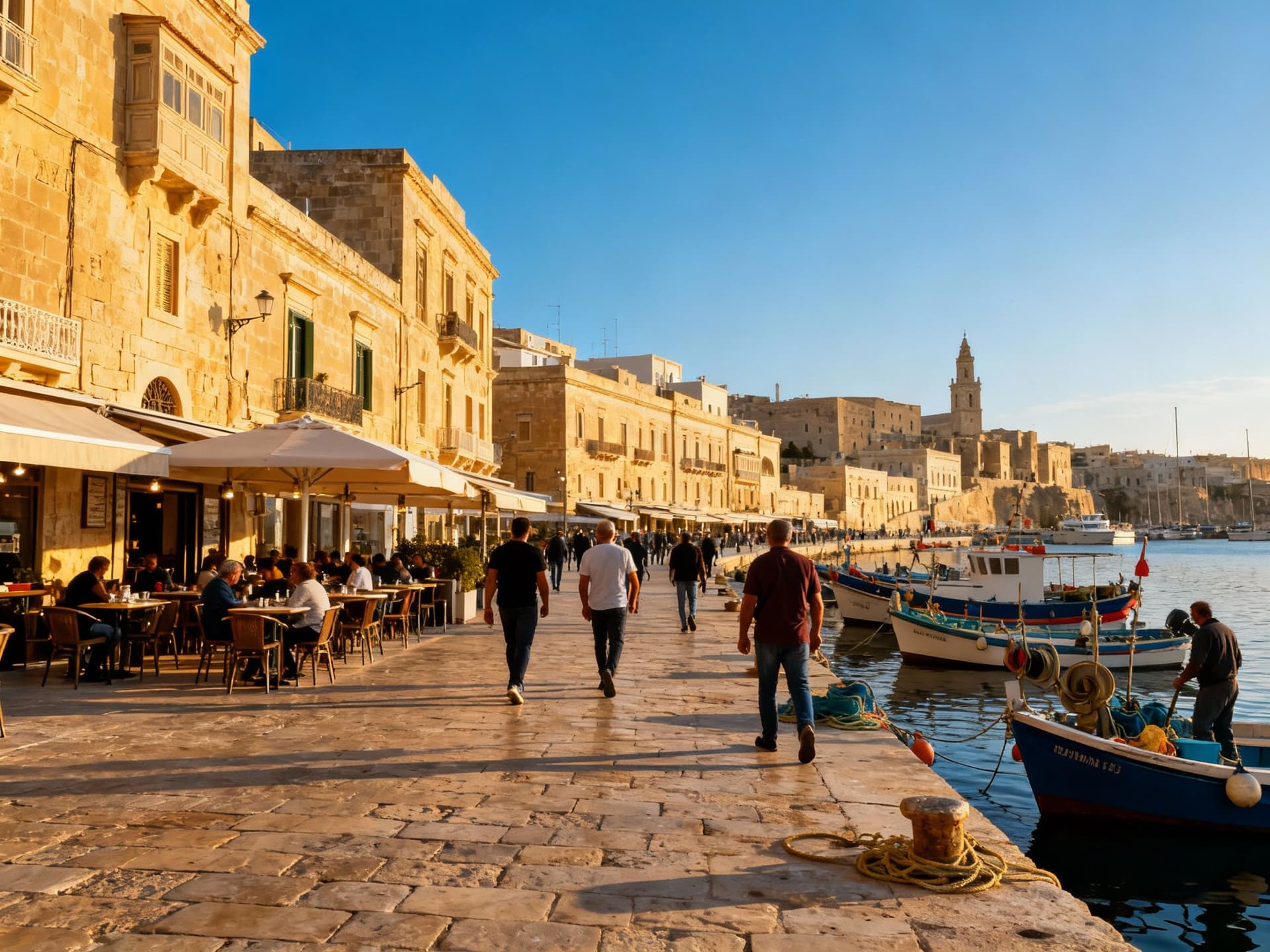
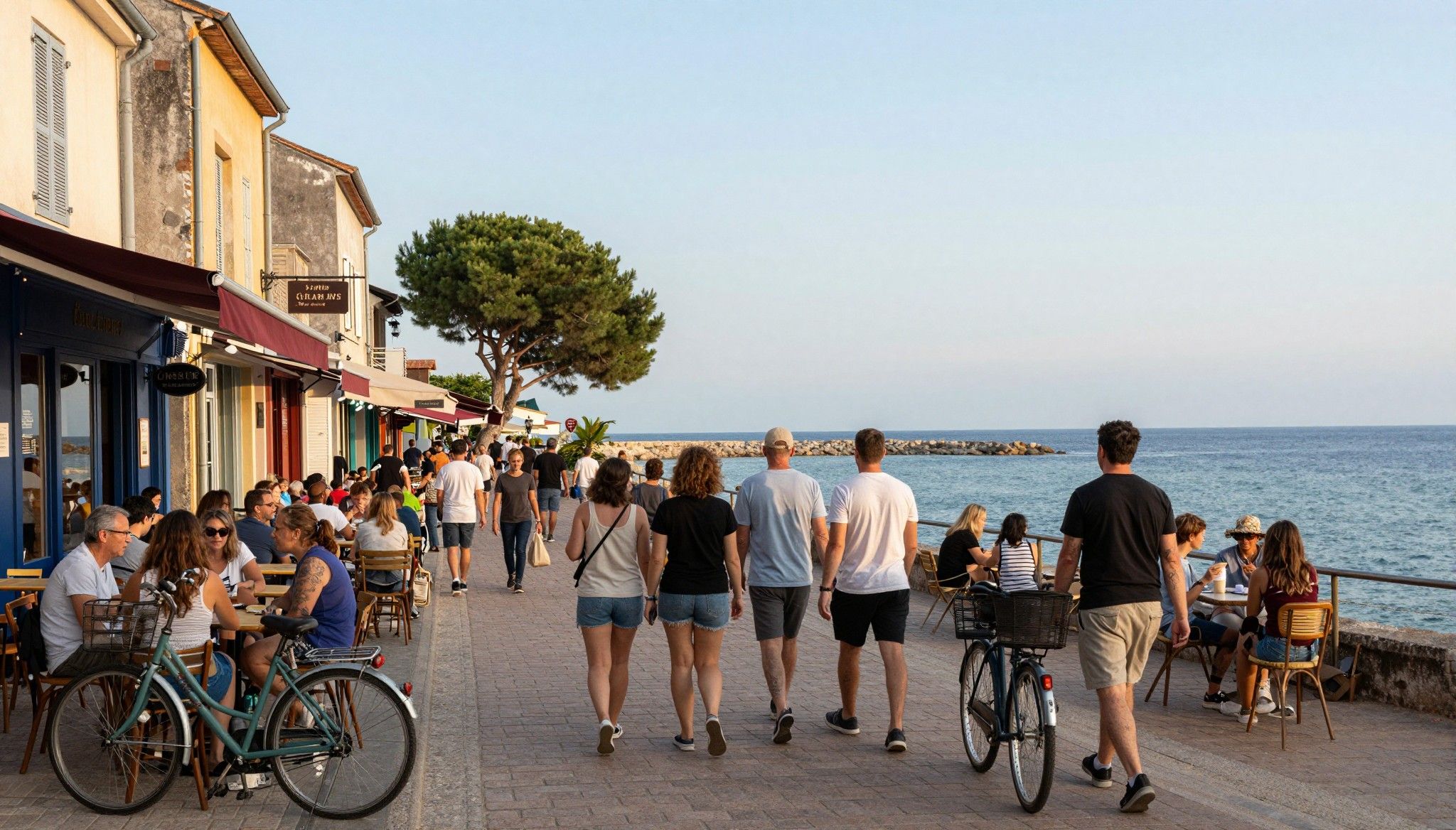
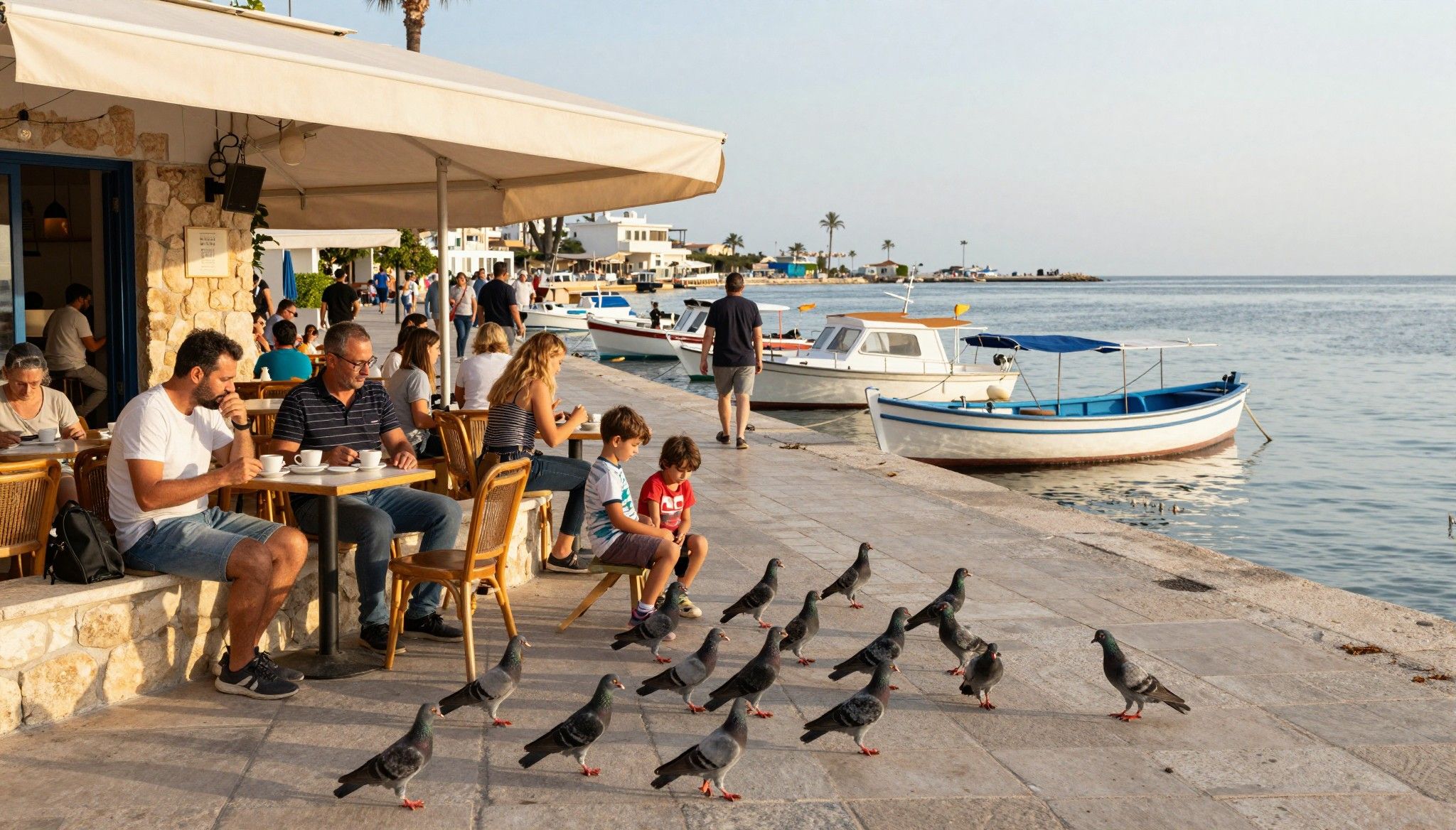
Malta feels urban and Mediterranean at once: narrow streets in Valletta and Mdina, broad seafront promenades in Sliema and St Julian’s, and quieter village life on Gozo. Days begin with cafés spilling onto pavements, markets selling fresh fish and ftira (local flatbread), and evenings that move outdoors — piazzas, harbourside bars and late-night pastizzi runs. The climate gives you an extended alfresco year; winter is mild and rain is concentrated, which shapes how houses are used and what features buyers prioritise.
Valletta, Sliema and St Julian’s: three different rhythms
Valletta is ceremonial and historic — stone courtyards, low-traffic lanes and boutique cafés — attractive to buyers who value culture and short walks. Sliema feels modern and connected, with waterfront promenades and organised retail; it’s where professionals and international families cluster. St Julian’s, especially Paceville, is livelier at night and draws younger renters and short‑let demand. Each area offers a different lived experience and different rental/return profiles.
Food, pockets of quiet and hidden terraces
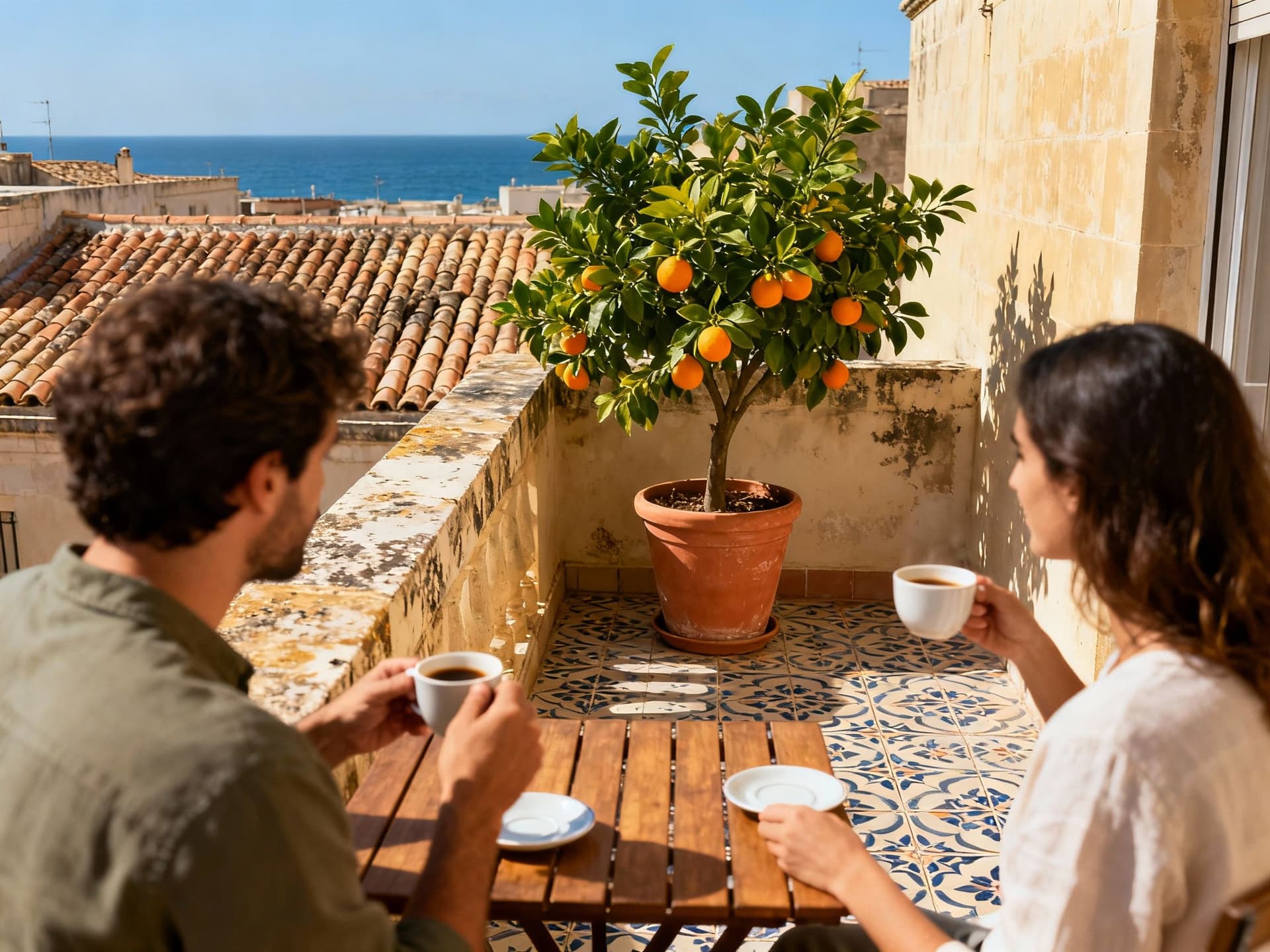
Food anchors life in Malta: morning ftira, fishermen on the Marsaxlokk market, and neighbourhood pastizzerias. Hidden terraces — small, sunlit, often with orange trees — are the daily luxury. For buyers, this means prioritising outdoor private space even in an apartment: terraces, roof decks or small gardens translate directly into lifestyle value and occupancy appeal throughout the year.
- Lifestyle highlights: Valletta’s historic courts; Sliema promenade cafés; Marsaxlokk fish market; Golden Bay and Mellieħa beaches; Gozo’s quieter pace.
Making the move: practical realities that shape choices
The dream of living among limestone streets meets specific acquisition rules. EU citizens and long-term residents have fewer barriers; non‑EU buyers typically need acquisition permits and may prefer Special Designated Areas to avoid restrictions. Understanding zoning, permit categories and SDA locations is less glamorous than a terrace dinner, but it determines whether a property can be purchased, rented or used for short lets.
Property types and how they fit daily life
Apartments dominate Malta’s market; maisonettes and terraced houses remain prized where outdoor space exists. Prices have been rising steadily — the Residential Property Price Index increased in recent quarters — so buyers must balance immediate lifestyle fit (terrace, proximity to sea) against price momentum and liquidity. Where Costa Blanca offers broader coastal supply, Malta’s compactness concentrates demand and makes micro-location crucial.
Work with local experts who understand lifestyle match
- 1. Ask agents for comparable terraces/balcony metrics: terrace size often changes price per square metre more than interior layout. 2. Confirm acquisition-permit implications with a local notary before making offers — non‑EU buyers face permit delays. 3. Prioritise walk-score and microclimate (wind, sun exposure) — Malta’s weather makes small outdoor spaces high-value. 4. Check short‑let rules in your chosen locality if you plan rental income; demand is seasonal but steady in Sliema and St Julian’s. 5. Visit at different times: weekends, weekdays, and an off-season month to feel the real rhythm.
Insider knowledge — what expats wish they’d known
Expat experience splits into two truths: you’ll rapidly feel at home because English is an official language and communities are compact; and you’ll confront affordability pressures because prices have climbed faster than incomes in recent years. That mismatch shapes realistic expectations: trading pricey central locations for slightly inland towns can deliver the same lifestyle at better value.
Cultural integration and daily social life
Malta’s social life is neighbourly: church festas, local band marches, and markets form quick social access points. English and Maltese coexist in business and daily life, easing practical integration. Still, respecting local rhythms — shops closing mid‑afternoon in smaller towns, festas that transform evenings — helps you fit in and choose the neighbourhood that matches your tempo.
Long‑term lifestyle and market foresight
Expect steady demand, especially for well‑located apartments and maisonettes. Recent RPPI figures show continued growth, though the rate moderates compared with past surges. For buyers weighing Malta against Costa Blanca, the tradeoff is liquidity and scale: Costa Blanca’s larger development pipeline can dilute supply; Malta’s scarcity concentrates demand, supporting capital preservation but requiring sharper neighbourhood selection.
- Red flags and practical checks: • Permit complexity for non‑EU buyers — confirm SDA status early. • Short‑let hotspots can mean noise and turnover — check local management options. • Construction quality variance — commission structural surveys for older stone buildings. • Terrace orientation and waterproofing — essential in coastal, wind‑exposed spots. • Local transport peaks — traffic matters more in narrow streets than distance suggests.
Conclusion: Malta is compact but not simple. The island sells a Mediterranean daily life — markets, terraces, sea access — that is genuine and sustained. But turning that lifestyle into a successful purchase depends on neighbourhood-level insight, early permit clarity, and a local agency who can match terrace size to lifestyle and rules to investment goals. If Costa Blanca represents coastal scale and liquidity, Malta offers concentrated character and a lifestyle you can feel from your doorstep. Visit in three seasons, prioritise micro-location, and work with local experts to make the island feel like home rather than a postcard.
Norwegian market analyst who relocated to Mallorca in 2020. Focuses on data-driven market insights and smooth relocation for international buyers.