Malta’s Price Paradox: Lifestyle Gains Hidden by Averages
Malta’s compact island life hides a price and lifestyle paradox: match neighbourhood rhythms to property realities and new 2025 residency thresholds shape where smart buyers look.
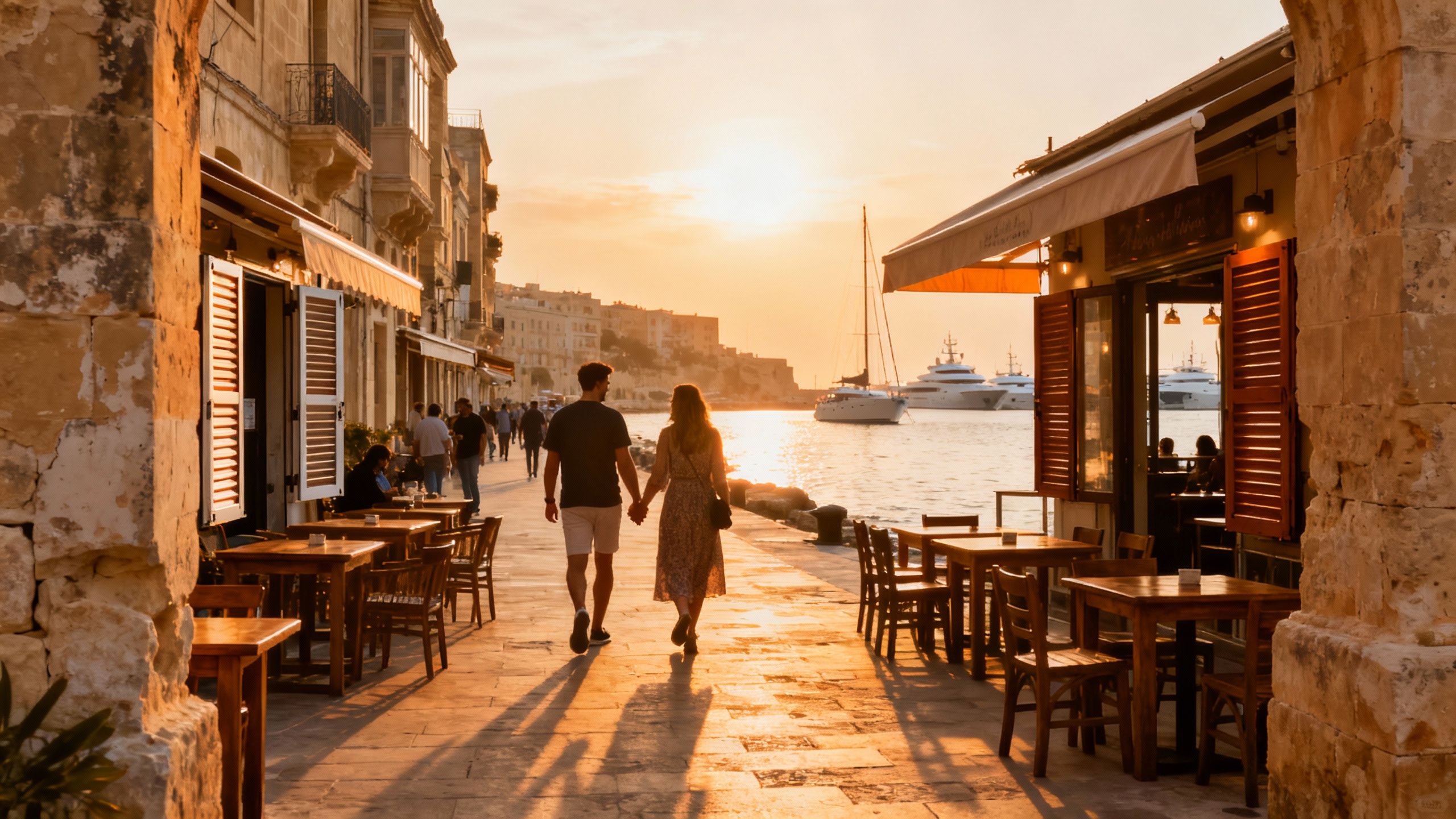
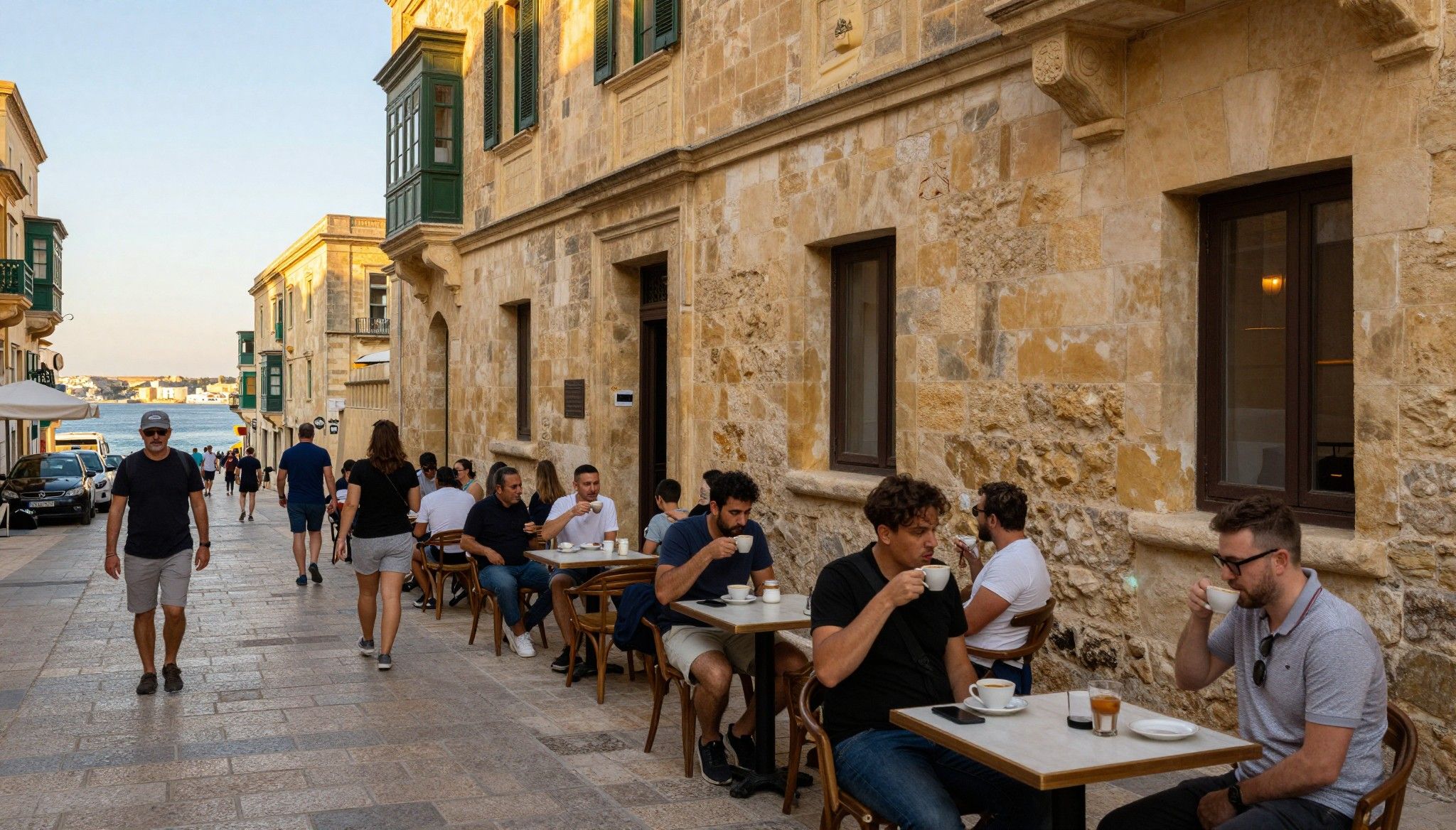
Imagine starting your morning with espresso by the Sliema promenade, then walking through limestone lanes where a butcher knows your name and a harbour-side bistro serves fresh lampuki. Malta is compact — a 20–30 minute drive can take you from a coastal terrace to a baroque square in Valletta — and that tight geography shapes both everyday life and how property value is felt. For international buyers, the island’s premium image masks variety: postage-stamp penthouses, lived-in townhouses, and countryside farmhouses each offer very different rhythms and price logic. This piece blends sensory life — cafés, festa drums, harbour light — with market facts so you can imagine living here and judge offers with local clarity.
Living the Malta lifestyle
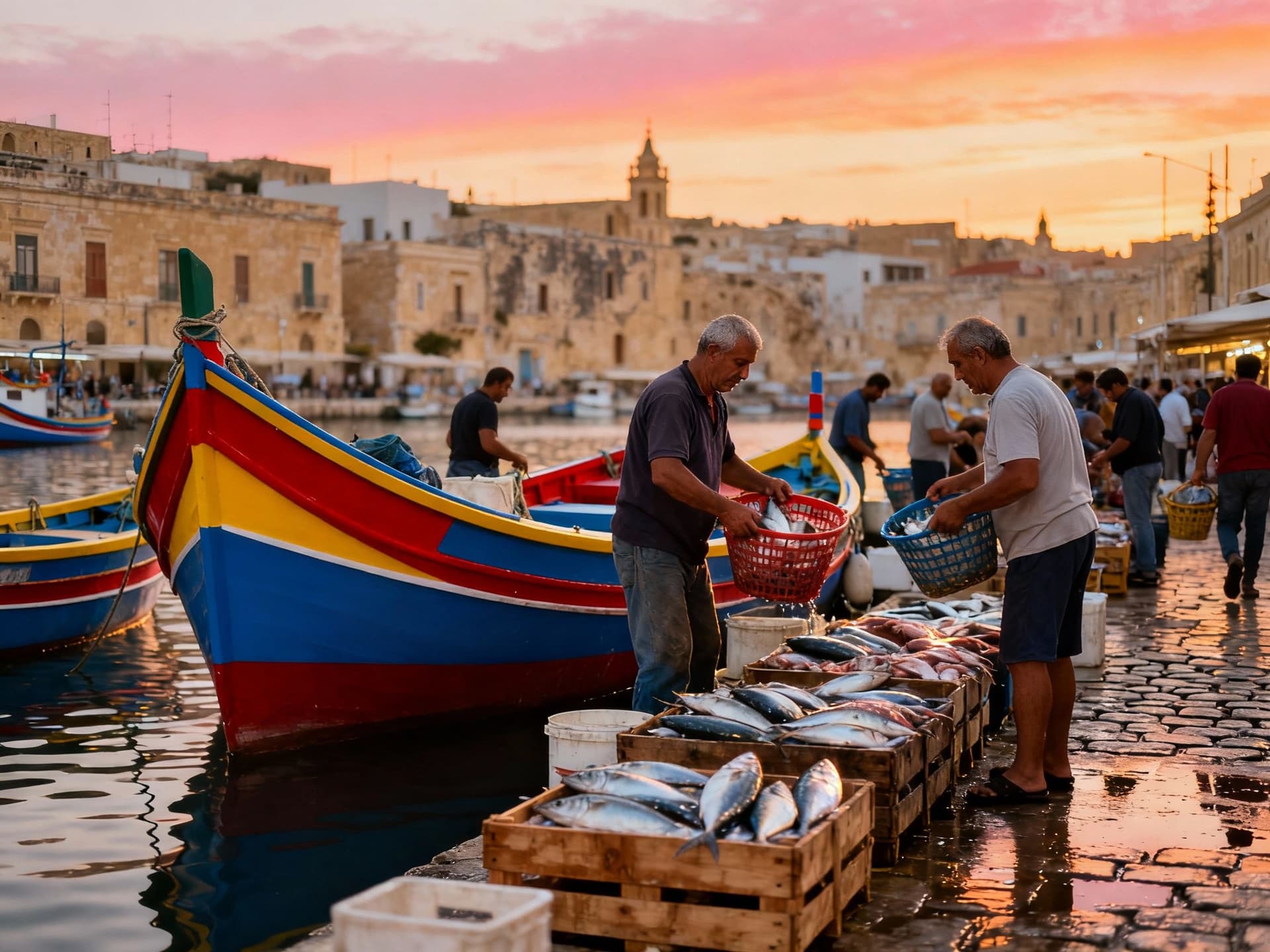
Day-to-day life in Malta feels Mediterranean but compact. Mornings mean bakeries on Triq ix-Xatt in Sliema or coffee on Republic Street in Valletta; afternoons bring swim breaks at St George’s Bay or Marsaskala’s quieter coves; evenings move toward neighbourhood festas or wine bars in Mdina’s silent streets. English is an official language, so paperwork and conversation are straightforward for many internationals, yet Maltese culture — close family ties and a love of town-centre life — gives neighbourhoods a social cohesion that quickly makes newcomers feel part of a block. Understanding these rhythms helps you match property style to how you actually want to live here.
Neighborhood pulse: Valletta, Sliema, St Julian's and beyond
Valletta is formal and theatrical: limestone facades, narrow streets and a calendar of concerts. Sliema blends seaside promenades with bustling cafés and apartments that appeal to long-stay renters. St Julian’s — especially Paceville and Spinola Bay — is lively at night and popular with short-term visitors and young expats. Southwards, Marsaxlokk offers fishing-harbour calm and traditional fish markets, while Gozo trades pace for space: stone farmhouses, country lanes and a deeply local community. Each area translates to different property types, rental demand and daily convenience.
Food, ritual and the rhythm of weeks
Weekends are market-driven: fresh fish at Marsaxlokk on Sunday, seasonal produce at Valletta’s market, and neighbourhood barbecues in Gozo’s inland fields. Maltese cuisine is coastal and celebratory — try rabbit (fenek) at a village restaurant, or the street-level pastizzi with ricotta at early morning stalls. Eating is social; choosing a home near a favoured café or market contributes as much to quality of life as square metres on a listing. When you think about buying, picture those weekly rituals — they’ll determine which streets feel like home.
- Senses of island life: real places and experiences
- Sip espresso on Sliema promenade; watch fishing boats at Marsaxlokk.
- Dine at a family-run trattoria in Rabat after an afternoon in Mdina.
- Sunday market runs and seasonal festas that transform neighbourhood streets.
Making the move: practical considerations
The lifestyle is persuasive, but Malta’s market has rules that shape price and access. From 1 January 2025 the Malta Permanent Residence Programme raised minimum qualifying property thresholds and fees, standardising a minimum purchase price of €375,000 and increased administration fees. That shift matters if residency plays into your plan: thresholds now affect where applicants look, and many buyers find it sensible to compare neighbourhoods under this new baseline. Local expertise is essential; an agent who knows registration timelines and recent fee changes saves time and cost.
Property styles and how they fit your life
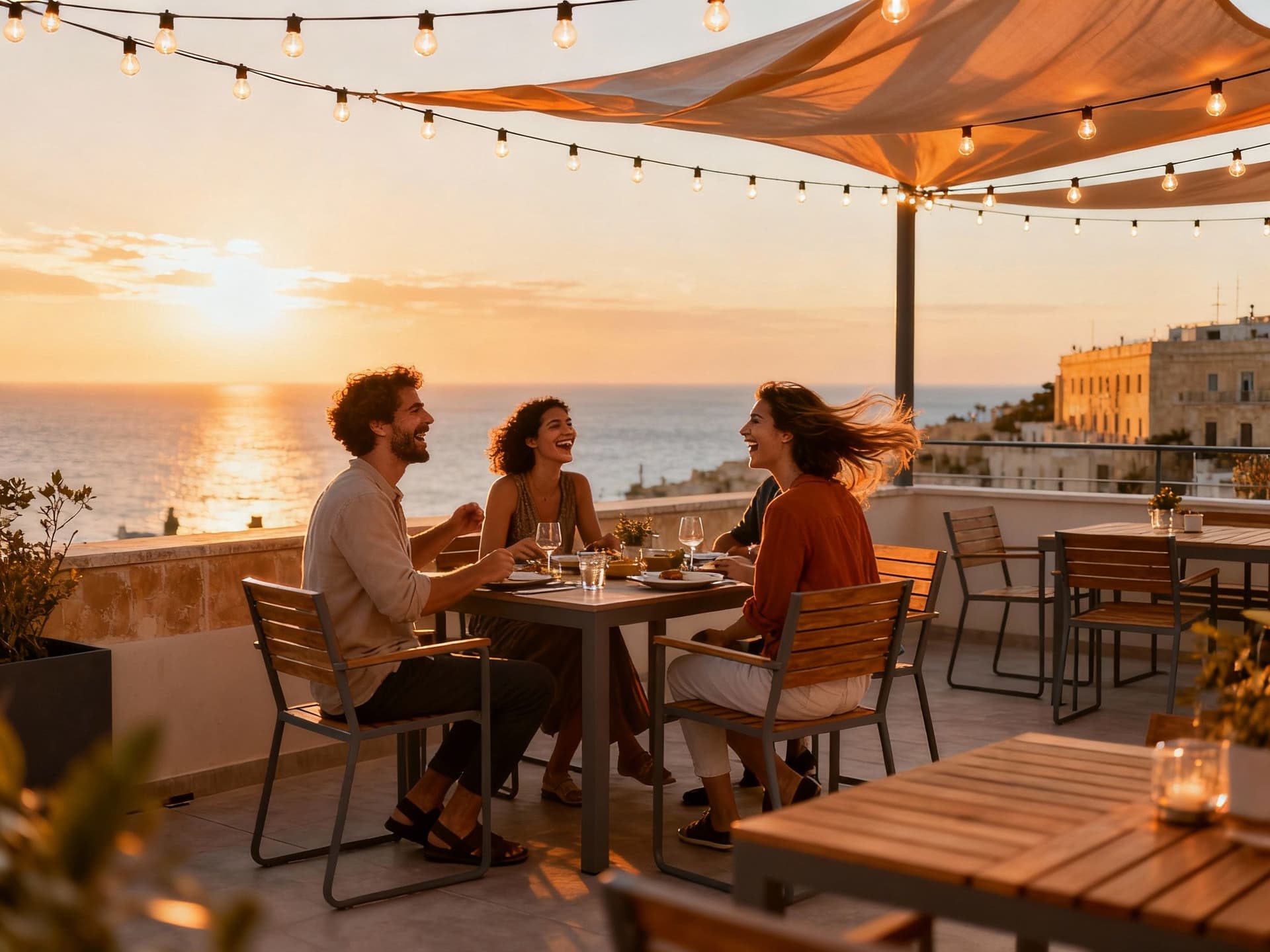
Malta’s architecture mixes restored townhouses with modern apartments and farmhouse conversions in Gozo. Average prices vary sharply by area: you’ll see prime Sliema and central Valletta asking rates several thousand euro per square metre, while southern towns and Gozo commonly offer lower per‑sqm numbers. Match property type to routine: a rooftop terrace matters if you entertain outside, a street-level townhouse suits festival lovers who want immediate access to community life, and a countryside farmhouse is ideal if you crave quiet and space. Think lifestyle first, then square metres.
Working with local experts who know the lifestyle
A good local agency is your translator — not only of language and contracts, but of neighbourhood character. Look for agents who show you morning routines (where locals buy bread), nightlife footprints (which streets sleep early), and maintenance realities (how medieval drains cope with winter rain). Expect honest tours: a seasoned agent will point out noise at festa time, parking pinch points, and whether a listed terrace is truly usable. Agencies also help navigate supply constraints: Malta’s compact market means off‑market opportunities and timing can matter as much as price.
- Steps to combine lifestyle desires with practical buying moves
- List what neighbourhood routines matter most (markets, schools, harbour access), then rank properties against those priorities.
- Check residency and programme thresholds if you plan to apply—confirm purchase minimums and contributions before making an offer.
- Ask agents for rental yield data in the exact street or block to test investment assumptions against lived reality.
- Inspect practicalities: rooftop waterproofing, insulation (Malta’s heat), and access to mains services — these matter more here than glossy finishes.
Insider knowledge: what expats wish they'd known
Expats often arrive thinking Malta is uniformly pricey and geared toward short-term high-rollers. The reality is nuanced. Recent legal and policy shifts — including the EU court decision on citizenship-by-investment — have cooled certain investor narratives and nudged demand into sustainable channels, favouring long-term rentals and authentic neighbourhood living. Seasonality also matters: summers feel full and buzzy in St Julian’s, while winters reveal which neighbourhoods maintain year-round convenience and community life.
Cultural integration and everyday social cues
Maltese people prize neighbourliness and local ritual. Show interest in festas, learn a few Maltese phrases, and you’ll be welcomed; treating the island like a short-term project creates distance. For families, local primary schools and parish networks are central to community integration; for remote workers, coworking hubs in Floriana and Sliema help build daily routines. Understanding these social patterns shapes where you want to buy more than average price-per-metre figures.
Long-term lifestyle and property considerations
Think five to ten years ahead: will you want more space, proximity to schools, or easier access to international flights? Malta’s market can shift with policy tweaks and tourist patterns; recent increases in residency thresholds make mid‑range options less available for programme applicants, which in turn supports demand in certain neighbourhoods. Choose properties with adaptable features — convertible rooms, durable terraces, and maintenance-friendly finishes — so your purchase serves changing lifestyle needs.
- Red flags and practical checks before you bid
- Unclear maintenance history for roof terraces — waterproofing is an island essential.
- Poorly documented renovations — ensure permits for structural work and balconies.
- Overlooking festa and weekend noise if the property sits by a parish church.
- Assuming seaside equals high rental yield — micro-location around transport and services matters more.
Conclusion: fall for the life, back it with local knowledge. Malta gives a concentrated Mediterranean life — days organised around sea, market and paseggiata — but that tiny scale means small differences in street, terrace, or agent can change your whole experience. Start by visiting morning markets, testing commutes at different times and asking agents to show the street, not just the apartment. When you marry lifestyle choices with verified data — recent price ranges, residency thresholds and neighbourhood realities — you buy both a home and a place you’ll actually live in.
Norwegian market analyst who relocated to Mallorca in 2020. Focuses on data-driven market insights and smooth relocation for international buyers.