Why house‑hunting in Malta’s winter wins
Winter house‑hunting in Malta reveals real neighbourhood life and market signals — RPPI shows ~5% annual rises; off‑season visits improve lifestyle and negotiation outcomes.
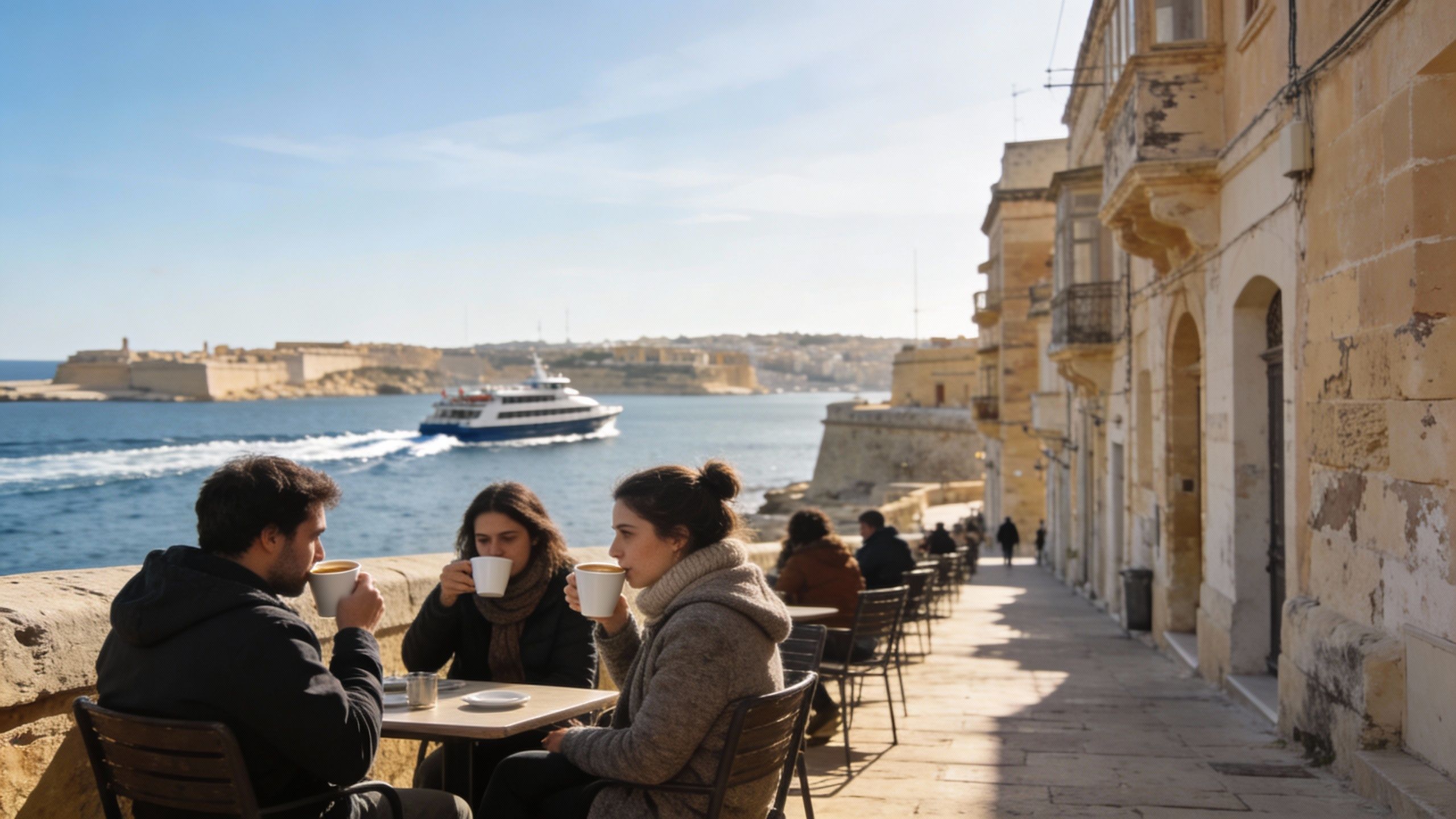
Imagine stepping out at 09:00 on a crisp January morning to buy a coffee at Café Jubilee in Sliema, then walking the quieter promenade while developers polish new façades — that precise calm, not the summer crush, often reveals the real Malta. Winter here is not bleak; it’s revealing: local rhythms reappear, negotiations take place off-season, and a clearer picture of daily life emerges. For buyers who care as much about waking up to a neighbourhood as they do about yield, timing the search outside peak tourism matters. Below I weave what life feels like across Valletta, Sliema, St. Julian’s and Gozo with up-to-date market signals so your emotional and financial choices match.
Living Malta: compact, social, sunlit
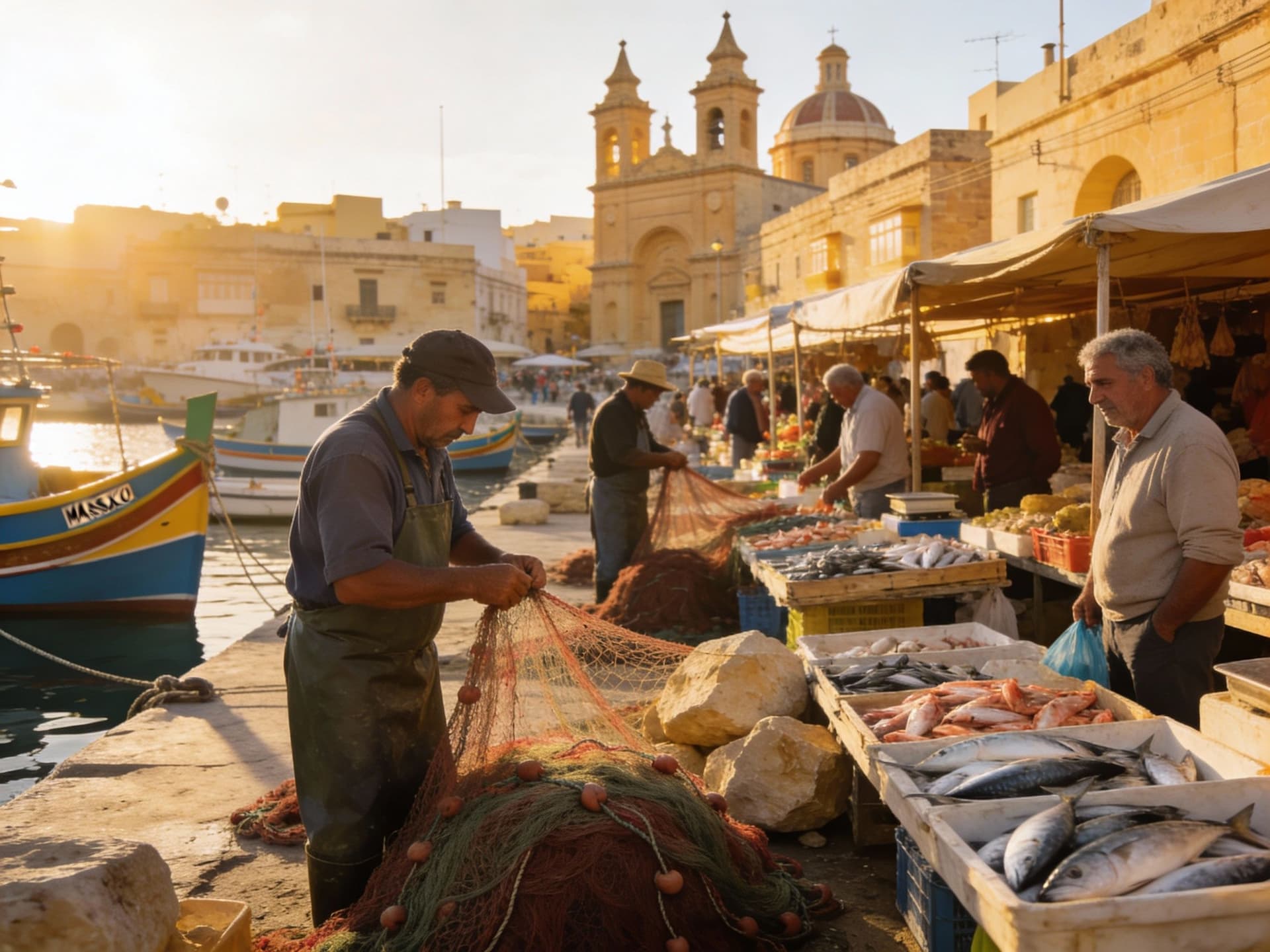
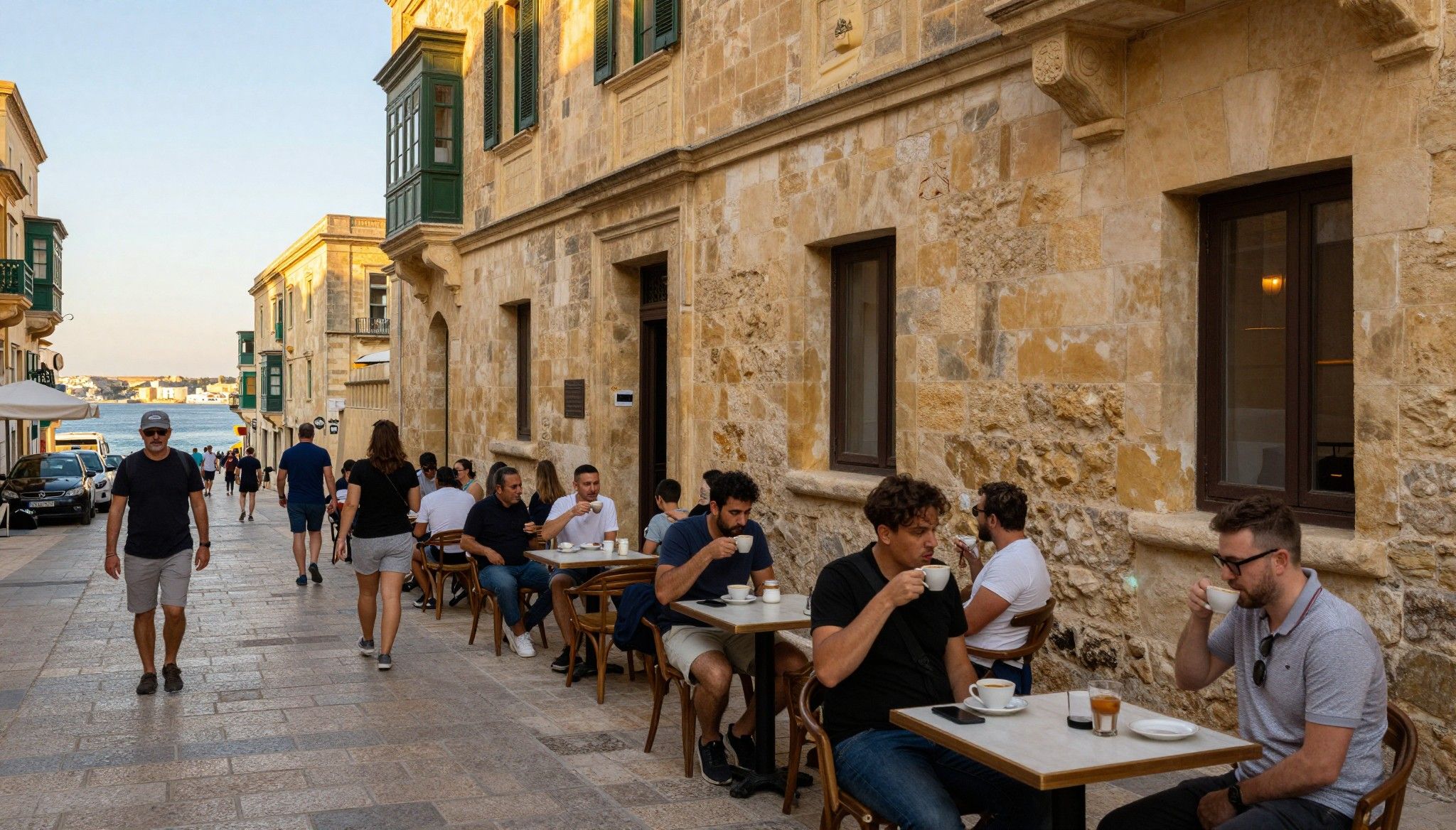
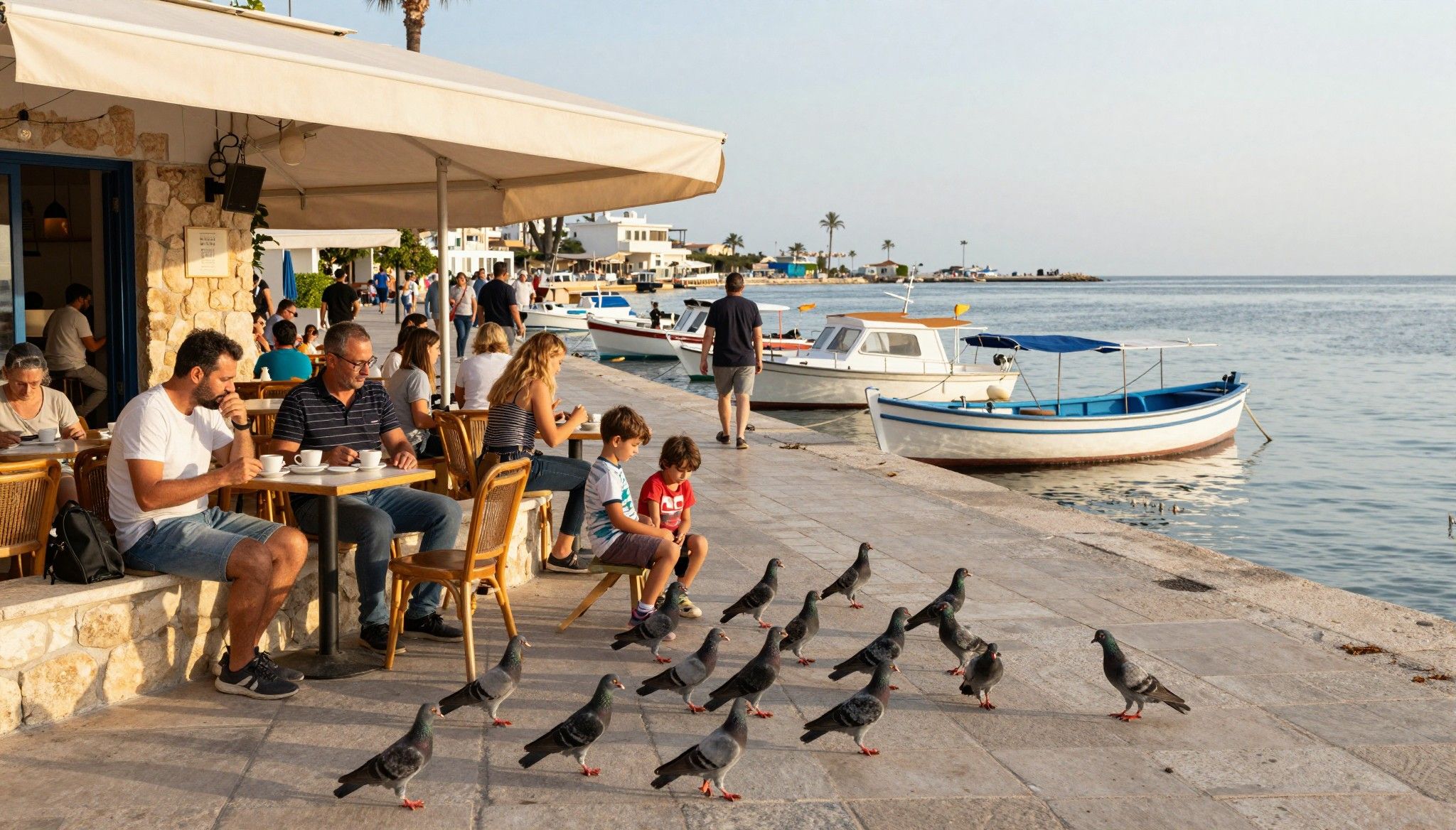
Malta’s footprint makes life intimate: neighbourhood cafés become community anchors, ferries feel like commuter trains, and narrow streets encourage walking more than driving. Mornings bring bakery scents (ftira and pastizzi) and afternoons the murmur of small squares where retirees play cards and families linger. English is widely spoken, which flattens initial friction for many internationals, but local rhythms — late lunches, festival-focused weekends and a strong parish calendar — shape how people actually use homes. Picture living with history outside your door in Valletta, then choosing a seaside terrace in Sliema for weekend entertaining.
Valletta & the Three Cities: history as daily backdrop
Valletta is compact and intense: limestone streets, boutique bars, and the National Library within a short walk. Living here feels like inhabiting a live museum with a contemporary social life — evening concerts, late cafés and fast access to ferry links. Property types range from restored townhouses with internal courtyards to contemporary apartments carved into older shells; each asks you to trade internal space for proximity to city life. If you crave morning markets and short commutes to cultural venues, Valletta rewards, but factor in limited parking and higher per-square-metre land value.
Sliema & St. Julian’s: seaside routines and expat hubs
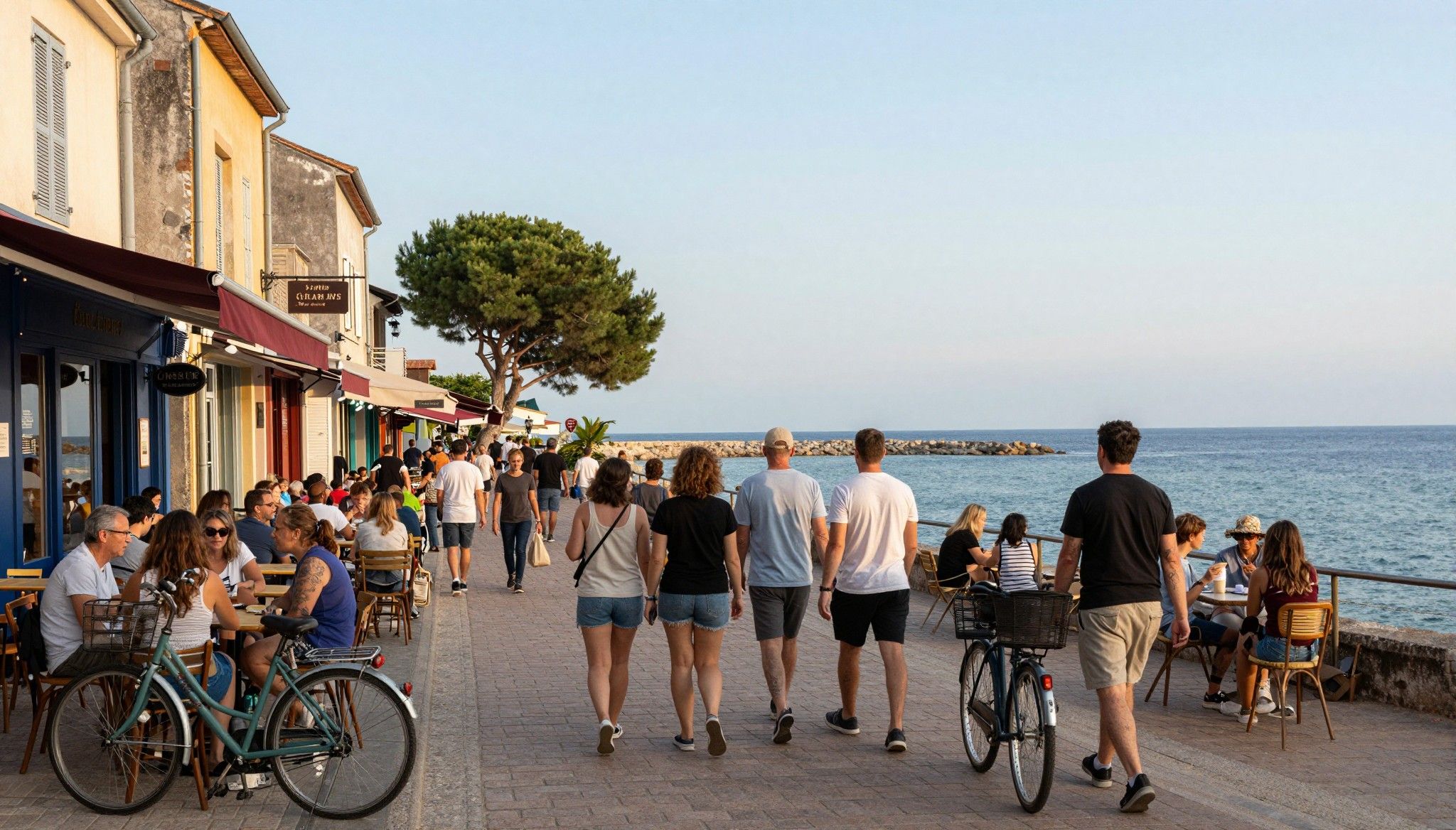
Sliema’s promenade, cafés and terraces shape daily life around sea views and relaxed social routines, while nearby St. Julian’s (Paceville) supplies nightlife and modern apartment blocks. Expat communities concentrate in these areas — international schools, service providers, and English-speaking cafés shorten the settling-in curve. Yet the quieter streets behind the seafront hold surprises: neighbourhood fruit stalls, small family-run restaurants, and courtyards that feel private despite the urban setting. Living here trades village intimacy for convenience: shops, clinics and ferries are minutes away, making these towns practical for full-time residents.
- Lifestyle highlights across Malta (specific places to try)
- Morning coffee at Caffe Berry (Sliema), ferry to Valletta for afternoon museums, sunset at Upper Barrakka Gardens, fresh fish in Marsaxlokk market, and weekend hikes along the Dingli Cliffs.
Making the move: lifestyle meets market reality
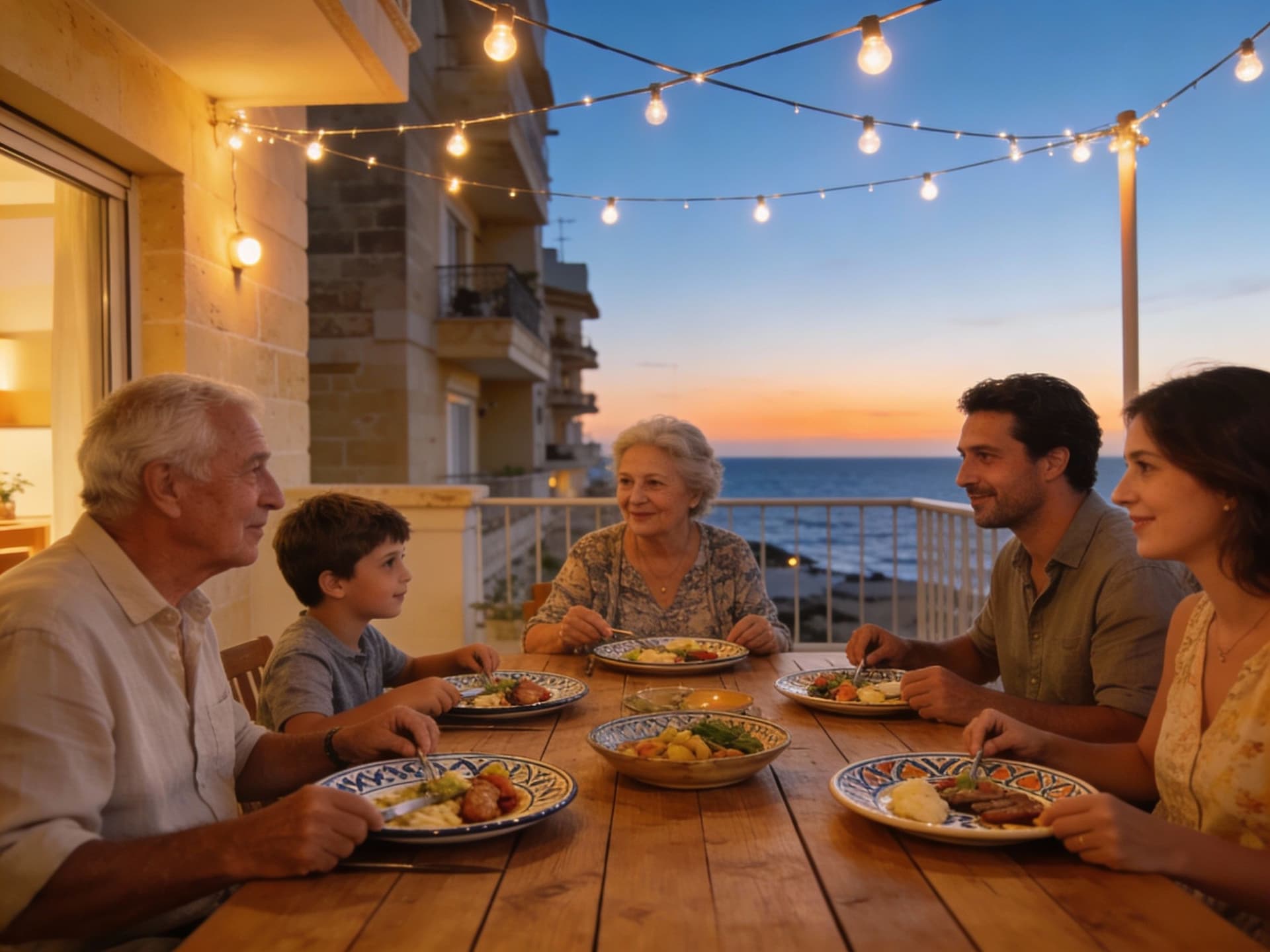
Dreams and spreadsheets must meet. Malta’s Residential Property Price Index rose roughly 5% year-on-year through 2024, a pattern consistent with broader house price indices that place Malta above many EU peers. This matters for timing and expectations: resale values have been supported by limited land and strong demand, but that same dynamic increases the premium for central, seaside addresses. For buyers, the implication is simple: prioritise location attributes you will use daily, because premiums are highest for convenience and seafront proximity.
Property styles & what they mean for living
Maisonettes and apartments dominate Maltese stock, with maisonettes offering small private outdoor spaces and apartments offering modern amenities like rooftop terraces or communal pools. Traditional townhouses in Valletta and Mdina provide thick-walled cool interiors, courtyard gardens and character but often need careful renovation. New-build blocks in Pembroke, St. Julian’s and parts of Sliema provide contemporary layouts and parking but sometimes at the cost of smaller terraces. Choose by how you’ll live: entertaining on a terrace, quiet indoor retreats, or a short walk to cafés and ferries will drive the best match.
Work with agencies that know the lifestyle
- How local expertise blends lifestyle and value:
- Ask agencies to show properties at different times of day so you feel the rhythm; request rental comparables if you plan to let; insist on sightlines and sun-path checks for terraces; and request recent service-charge and building-permit records to avoid surprises. Each step keeps lifestyle promises aligned with legal and running-cost realities.
Insider knowledge: what expats wish they’d known
People who moved here often tell the same three truths: the island feels smaller than you expect, neighbourhood identity matters more than property size, and off-season reveals the real pace of life. Language isn’t usually a barrier — official business and services operate in English — but social integration often hinges on small rituals: joining a parish event, supporting a local market stall, or learning a handful of Maltese phrases. These habits decide whether a purchase becomes a second home or a full life.
Cultural cues that change where you buy
In Malta, rooftop terraces and internal courtyards are lifestyle multipliers: they expand living space during long, mild seasons and are where neighbours meet. Expect late evening social life and festival-driven closures that affect access to services during peak feast days. For families, proximity to international and church-run schools in Pembroke and Sliema matters far more than extra bedrooms; for remote workers, look for fast fibre availability and cafés with steady daytime crowds. These local details shift the practical value of any property more than headline price-per-square-metre.
Long-term lifestyle + practical considerations
Long-term, Malta’s scarcity of developable land is a structural factor that supports capital values, but it also concentrates risk: an area overbuilt with absentee-owned units can depress day-to-day neighbourhood life. Check construction trends near your target: new developments in quiet villages can feel empty if sale units remain second homes. For sustainable lifestyle investment, prioritise properties where you can see neighbours, local commerce and transport steadily used year-round.
- Practical checklist before making an offer
- Confirm RPPI or comparable sales for the micro-neighbourhood; verify service-charge history and planned works; test mobile and fixed broadband speeds; ask for heat and sun-path orientation of terraces; review local rental demand if yield matters.
- A three-step winter house-hunt process that works in Malta:
- 1) Visit in January–March to sense day-to-day life; 2) compare asking prices with RPPI data and recent sales; 3) instruct a local agent to negotiate conditional on inspection reports and service-charge clarity.
Conclusion: buy the life more than the listing. Malta sells a compact Mediterranean life: ferry mornings, evening piazzas, and a calendar of coastal weekends. Use off-season visits to fall for the place you’ll actually live in, then match that feeling to market signals — local RPPI data, recent sales and neighbourhood health — before you sign. When you pair an honest lifestyle brief with a local agent who understands both community and market, your purchase becomes more than an investment: it becomes daily life.
British investor turned advisor after buying in Costa del Sol since 2012. Specializes in cross-border compliance and data-driven investment strategies for UK buyers.