When Malta’s Summer Buzz Misleads Buyers
Malta’s summer spectacle hides seasonal market rhythms; use off‑peak scouting and NSO data to time offers and match lifestyle with liquidity.
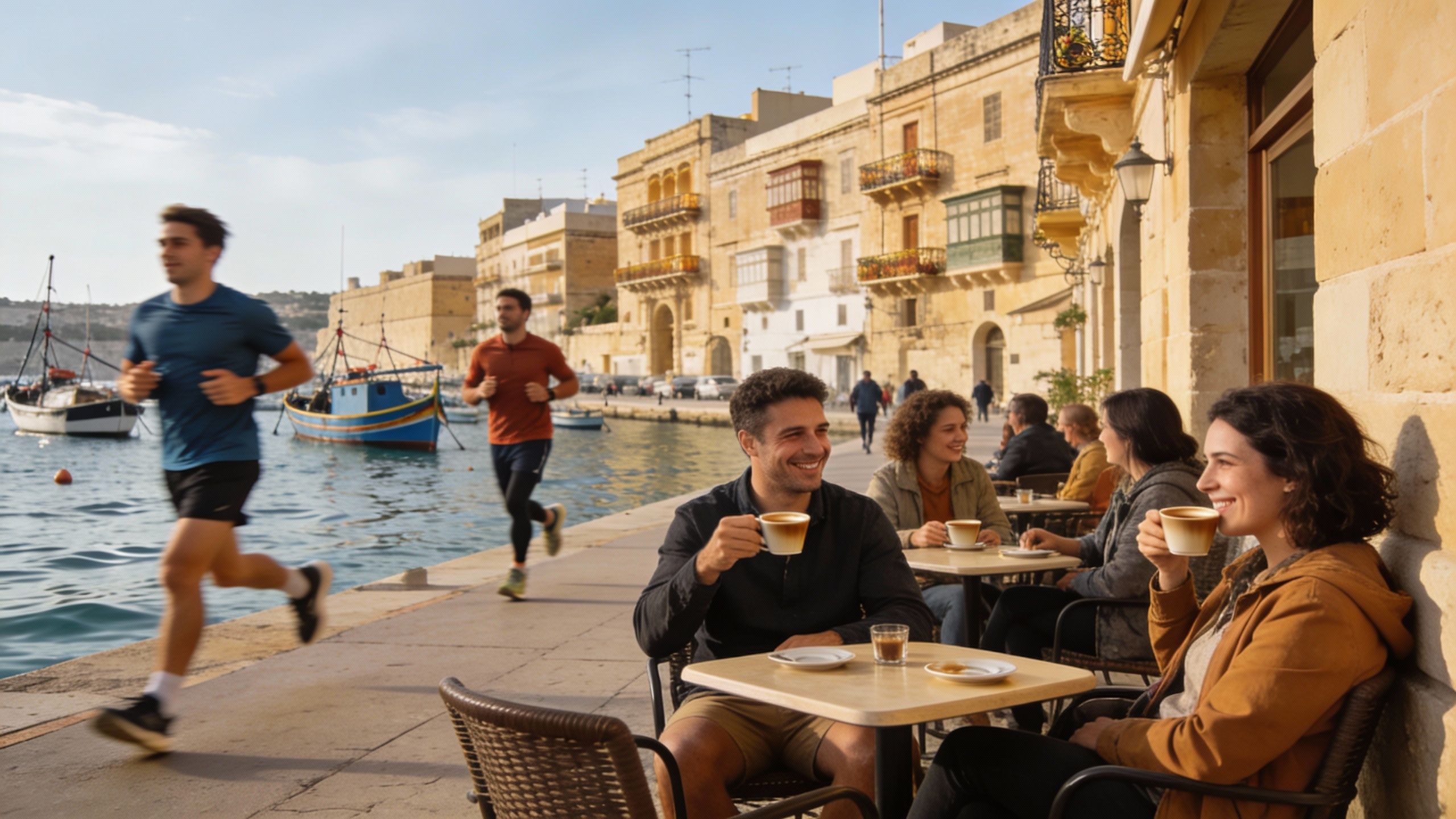
Imagine stepping out at 08:00 to a coffee on Spinola Bay, the water glassy, joggers circling the promenade and a pastry counter already warm — then fast-forward to August, when the same street pulses until midnight. Malta’s tempo flips with the seasons: concentrated summer energy, compact winter calm. That flip matters for buyers more than the oft-cited headline prices; where you look and when you visit changes what you’ll actually buy and how it feels to live here. This piece pairs sensory snapshots of Maltese life with real market signals so you can decide when the island’s rhythm matches your property plans.
Living the Malta lifestyle
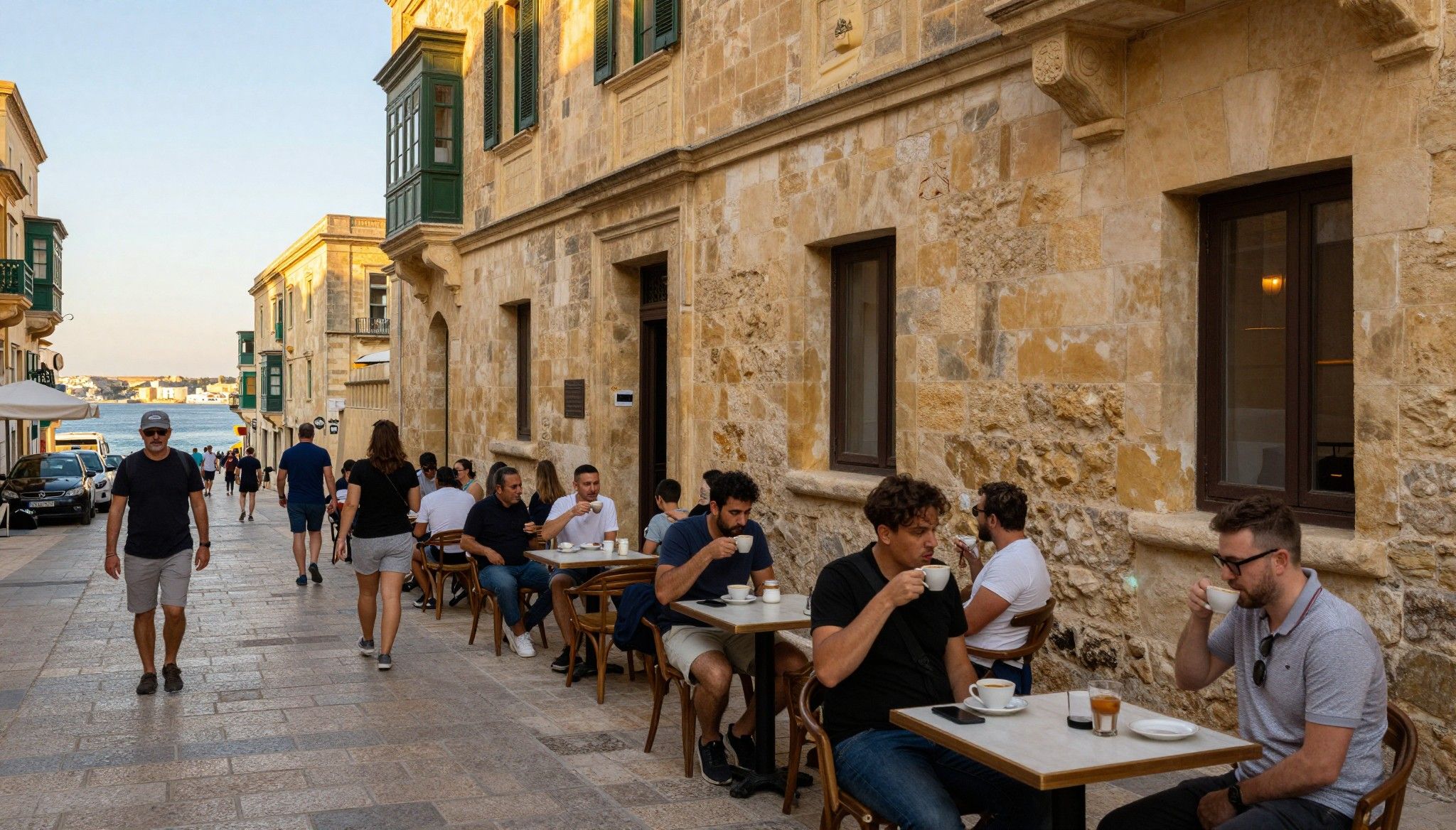
Malta is compact — 27km north to south and dense by design — which means daily life is intimate and intensely local. You will learn shopkeepers’ names, favourite seating at cafés like Caffe Berry in Sliema or Café Society in Valletta, and predictable rhythms: market mornings, church festas on summer evenings, and late-night promenades along St Julian’s. English is an official language and widely used, so practical integration is straightforward, but the island’s social fabric blends Maltese traditions with a visible expat scene. Living here feels like joining an extended neighbourhood rather than moving to an anonymous suburb.
Neighbourhood spotlight: Valletta, Sliema and St Julian’s
Valletta is theatrical — limestone streets, baroque churches and a handful of tightly packed bars and restaurants that scale up during festivals. Sliema is daytime urban living: waterfront cafés, boutique shopping on Tower Road and family apartments stacked around narrow streets. St Julian’s (Paceville aside) offers a mix of modern apartments, seafront promenades and pockets of quieter residential lanes near Spinola Bay. Each area trades off between social energy, rental demand and noise — so choose by rhythm, not just price per square metre.
Food, markets and rituals that shape neighbourhood life
Weekend market runs at Marsaxlokk and Paola anchor local routines: fresh catch, seasonal greens and convivial bargaining. Maltese cuisine — lampuki pie in autumn, rabbit stews and ftira sandwiches — is a public language, served loudly in family-run restaurants and quiet bars. Cafés double as office space for remote workers; co‑working hubs sit beside traditional barber shops, reinforcing the island’s blend of old and new. These day-to-day rituals determine where people want to live: proximity to good markets, a favourite café and a comfortable promenade often outweighs extra square metres inland.
- Spinola Bay morning coffee and seafront strolls
- Sunday fish market at Marsaxlokk — seasonal catch and community pulse
- Hidden terrace bars behind Strait Street in Valletta for evenings
- Quiet coastal walks in Mellieħa and Għajn Tuffieħa outside high season
Making the move: practical considerations
The dream of seaside breakfasts must meet market reality: Malta’s Residential Property Price Index (RPPI) has been rising — roughly 5–6% year‑on‑year in recent reports — meaning affordability and timing matter. Seasonal visits distort impressions: prices and viewings peak in summer when demand is strongest, but transaction momentum and bargaining power can shift in quieter months. Work with local market data to time offers; NSO releases and local reporting reveal when the index ticks up and which property types are leading. Treat summer trips as lifestyle research and off-season months as negotiation windows.
Property styles and how they shape daily life
Flats and luxury new builds around Sliema and St Julian’s suit buyers seeking walkable life and rental demand, while maisonettes and period townhouses in older quarters like Rabat and Mosta offer character and cooler interiors. Terraced townhouses with internal courtyards are rare and prized for privacy, whereas modern penthouses sell on outdoor space and light. Think beyond floor area: layout, thermal comfort in summer, and sea-breeze access materially affect how you live and how guests (or tenants) value the place.
Working with local experts who know the island’s rhythm
A Maltese agent who knows festa calendars, seasonal rental windows and municipal planning decisions is priceless: they’ll advise on noise schedules, permitted rooftop additions and block-specific demand. Ask agencies for transaction histories by street, not just area-level listings — in Malta, a single street change (access to a small bay, a new restaurant) can shift desirability. Use agents as lifestyle curators: have them show you a property in January and again in July, or at least show comparable footage from different seasons.
- Visit timing strategy blending lifestyle and negotiation
- 1. Research: review NSO RPPI releases and local rental data to identify momentum.
- 2. Lifestyle scouting: experience neighbourhoods at different times — weekdays, weekends and in- and off-season.
- 3. Negotiate off‑peak: submit offers during quieter months when sellers face less competition.
Insider knowledge: what expats wish they’d known
Expats often say the surprise wasn’t the limestone or the boisterous festas, but how seasonality changes daily conveniences — small shops close for August holidays, construction noise concentrates in the shoulder seasons, and parking becomes a tactical game. Social integration tends to follow routine: regular visits to the same bakery, church festa committee or gym build local ties faster than attending expat meet-ups alone. These small, repeat interactions shape not only happiness but resale prospects; properties near consistent local anchors (weekly market, reliable café, church square) retain their desirability.
Language, clinics and everyday logistics
English is an official language and widely used in healthcare, schooling and business, which flattens many administrative hurdles for anglophone buyers. That said, municipal rules, planning applications and utility issues are local affairs — expect documents in Maltese/English and get a bilingual notary or agent when needed. Combine language ease with local counsel to avoid misunderstandings over permitted uses, tenancy contracts or heritage regulations that frequently affect older properties.
Long-term lifestyle outlook: small island, steady demand
Malta’s compactness is a structural advantage: limited land supply, consistent tourism and a steady expat community sustain baseline demand. That keeps liquidity reasonable in core towns — Sliema, St Julian’s and Valletta — but also concentrates volatility by street. If you value walkability, cafe life and quick access to services, prioritise proximity to established promenades and markets; if you seek tranquillity, look to Mellieħa or Gozo where the pace differs and properties often offer more land at a lower price per square metre.
- Key red flags and practical checks
- Unpermitted rooftop additions — confirm municipal approvals
- Noise maps and festa calendars — ask about summer/event peaks
- Thermal comfort and insulation — older stone homes may heat up in summer
Malta is a place you can fall for quickly but buy cautiously. Experience Spinola Bay at dawn, the Valletta festa at dusk and a quiet Gozo morning before you sign—each scene reveals different truths about daily life and resale value. Use NSO releases and local reporting to time offers, rely on agencies that can show seasonally diverse footage and insist on bilingual legal support. When lifestyle longing meets disciplined due diligence, Malta can offer both an immediate Mediterranean life and durable market liquidity.
Norwegian market analyst who relocated to Mallorca in 2020. Focuses on data-driven market insights and smooth relocation for international buyers.