Why Buying in Italy Outside Summer Often Pays Off
Why off‑season visits and local rhythms matter: Italy’s market is regional and seasonal—visit beyond summer, prioritise neighbourhood life, and budget for energy and permit checks.
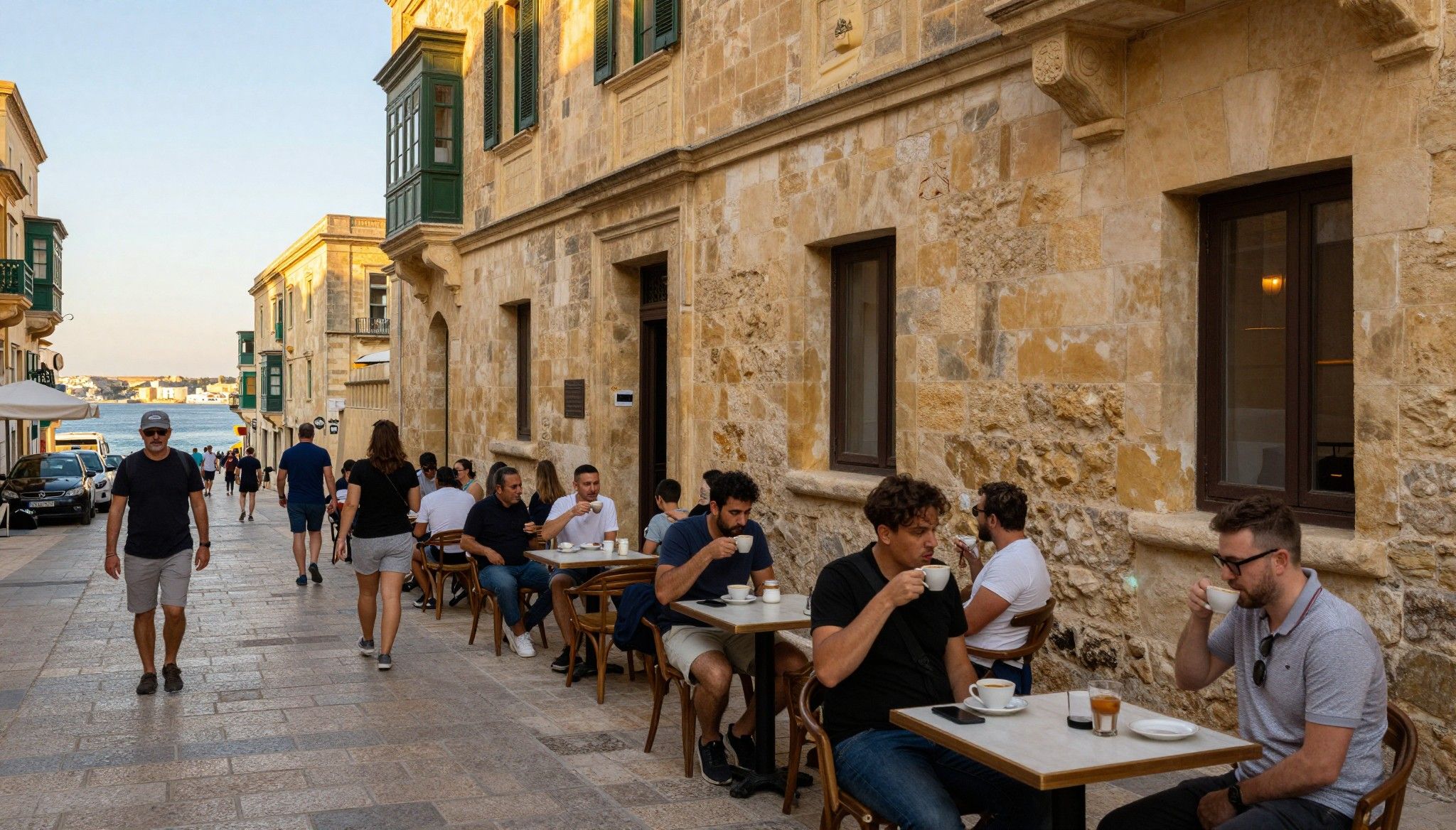
Imagine sipping an espresso on a narrow street in Lucca at 9am, then walking past a produce market to an open piazza where neighbours debate football and the baker stacks fresh focaccia. That weekday, the town feels lived-in, not staged: children on scooters, retirees at the bar, and a small flock of rental tourists who largely leave by late afternoon. For international buyers, the true Italy is this daily rhythm — layered seasons, local festivals, and neighbourhood quirks — and it changes when you visit in July versus March. Recent market analysis shows growing foreign interest, but the timing of your search can materially change what you see and what you can buy.
Living the Italian Life — beyond postcards
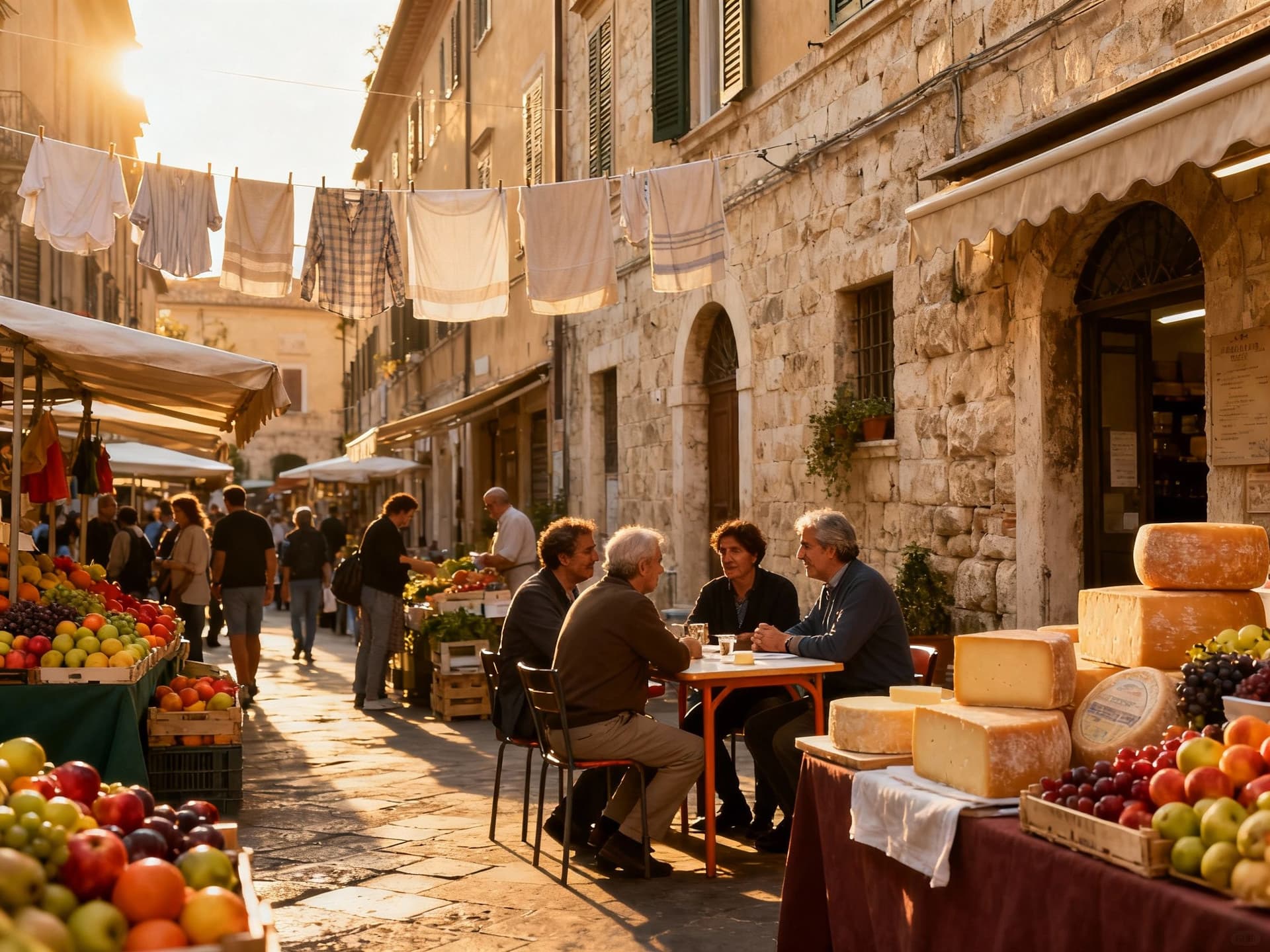
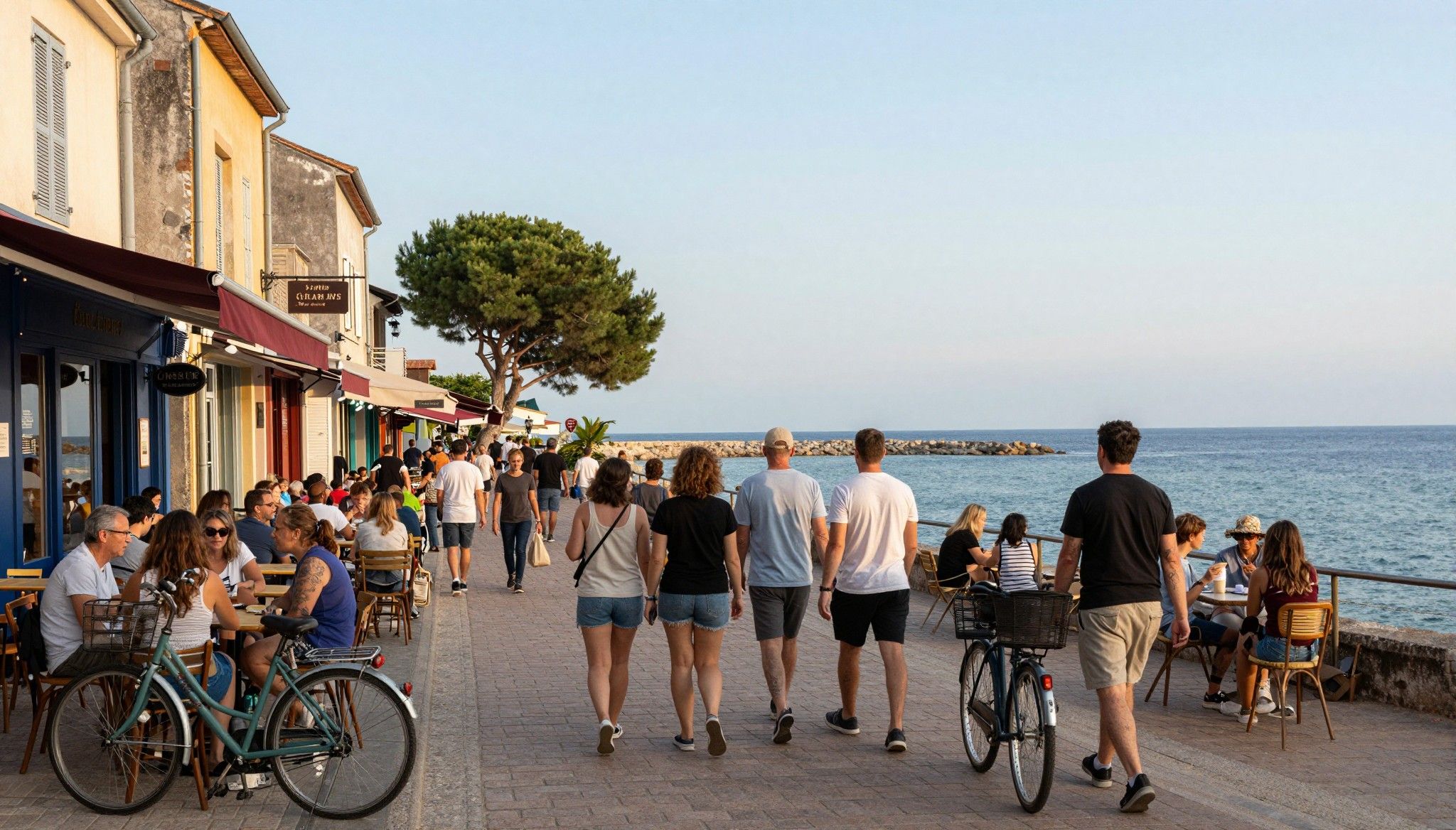
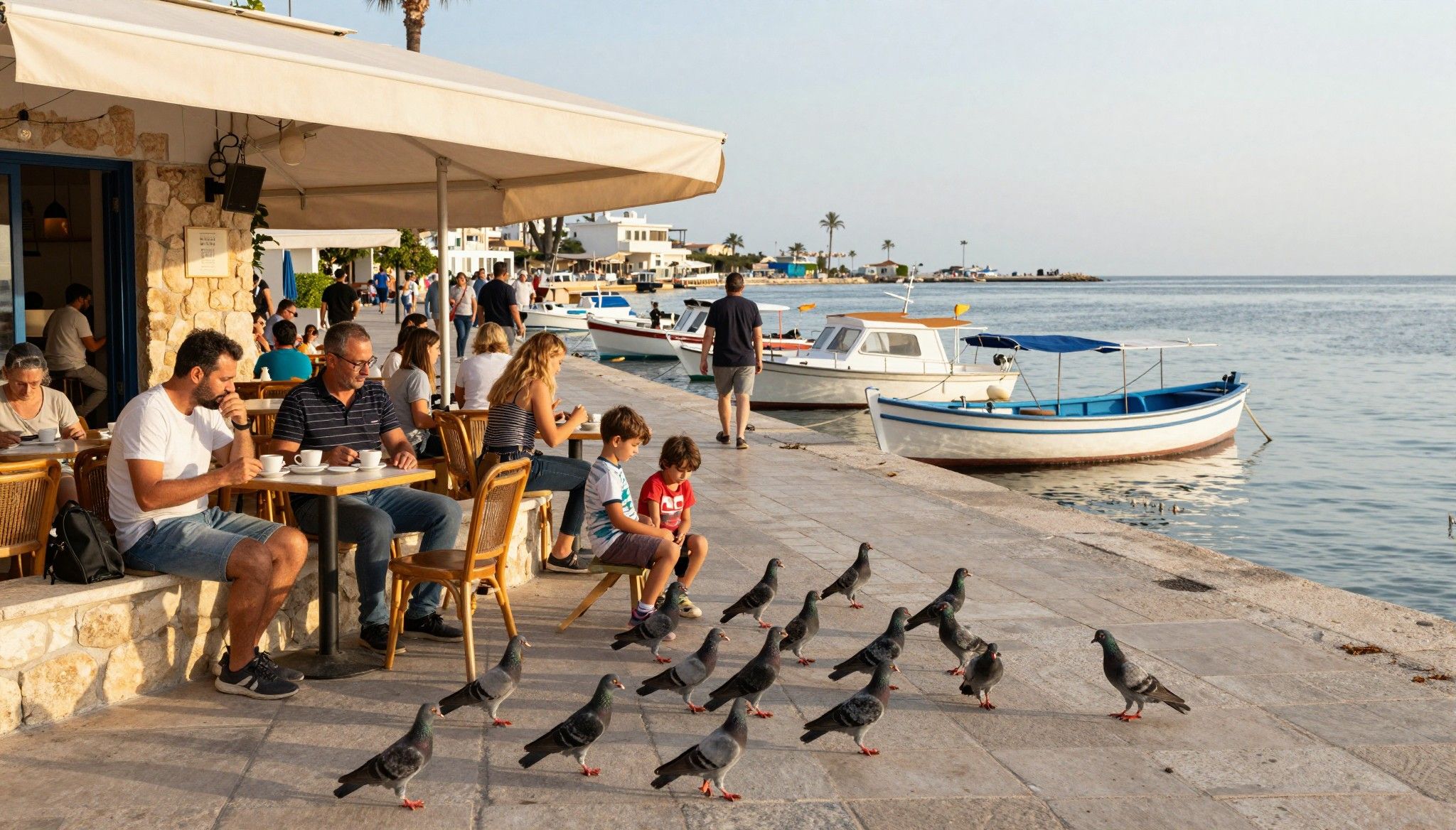
Italy’s charm lives in neighbourhood detail: Liguria’s sea-salt air and tiled staircases, Milan’s brisk morning espresso culture, Puglia’s limestone alleys and slow dinners under olive trees. Daily life is sensory — market calls, the specific hum of a tram in Turin, fishing boats returning in Amalfi — and that texture should guide where you buy, not just headline prices. Choosing a place for lifestyle means matching rhythms: do you want carnival-style summer energy, quiet olive-harvest autumns, or a year-round urban tempo? The right season to visit reveals which neighbourhoods are authentic and which are merely tourist props.
Neighbourhood spotlight: Lucca, Tuscany — walkability with an artisan pulse
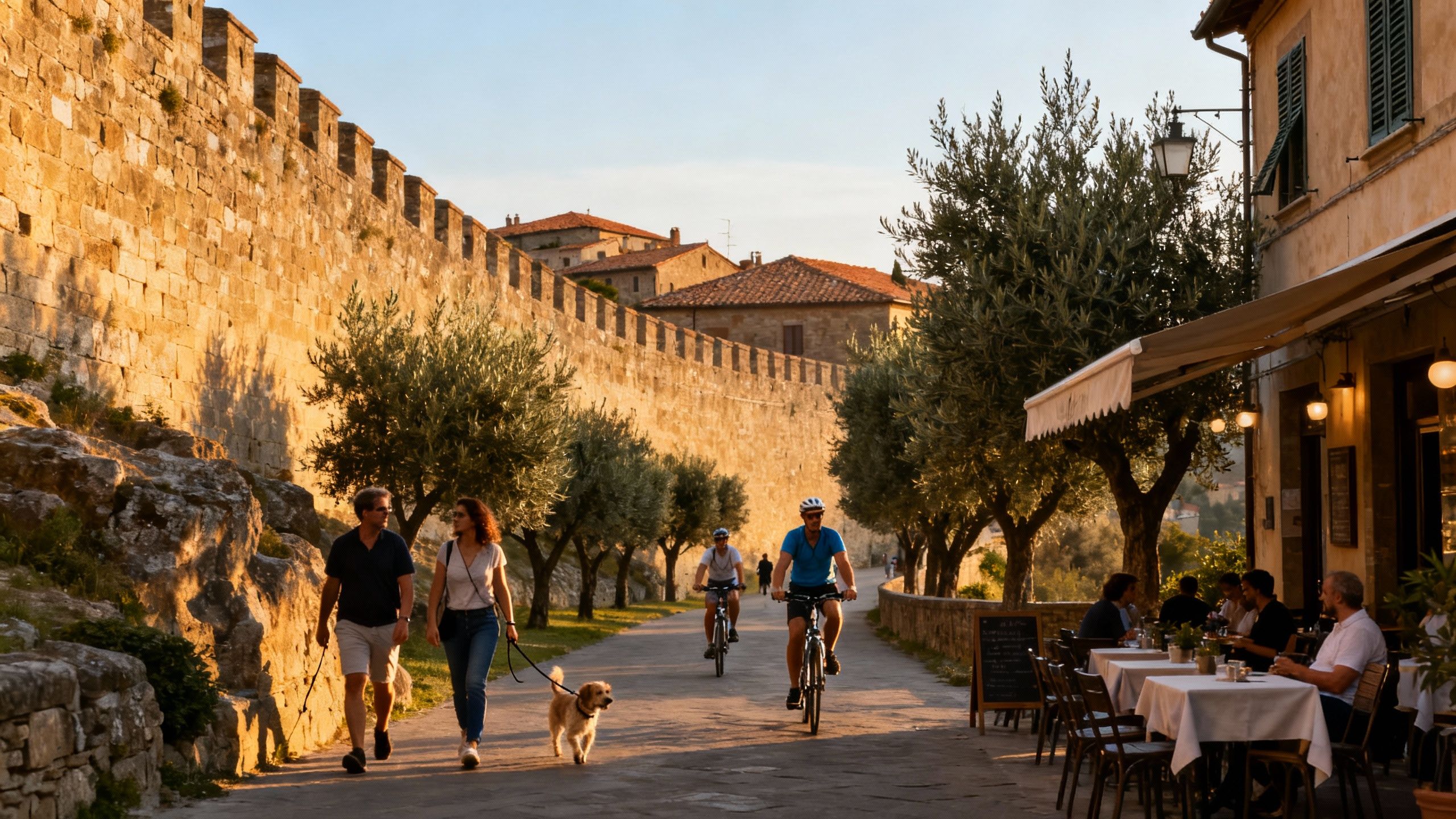
Strolling Lucca’s tree‑lined ramparts in late autumn, you meet locals buying chestnuts, students cycling to class, and restaurateurs planning winter menus. Streets like Via Fillungo and Piazza Anfiteatro are as useful for daily life as they are pretty for photos; cafés open early, and small grocery shops still source from local farms. For buyers who want a year-round community, Lucca’s blend of arts, markets and compact houses offers predictable rental demand and manageable renovation needs.
Food, festivals and the harvest calendar — timing matters
Markets and festivals are buy-signals. Truffle season in Piedmont or chestnut festivals in Tuscany bring authentic local life and sometimes short-term apartment demand for seasonal stays. Regions like Puglia are drawing new attention — press reports show buyer inquiries surging as infrastructure and international flights improve. If you want a place that feels alive outside June–August, plan visits around harvests and local events to see true community life.
- Lifestyle highlights worth scouting in person:
- Lucca: morning markets on Piazza San Michele and evening passeggiata on the ramparts
- Liguria (Sanremo/Ventimiglia): compact coastal towns with commuter links to Nice
- Puglia (Valle d’Itria): restored trulli, olive-harvest season and quieter winters
Making the move: practical realities that shape the lifestyle
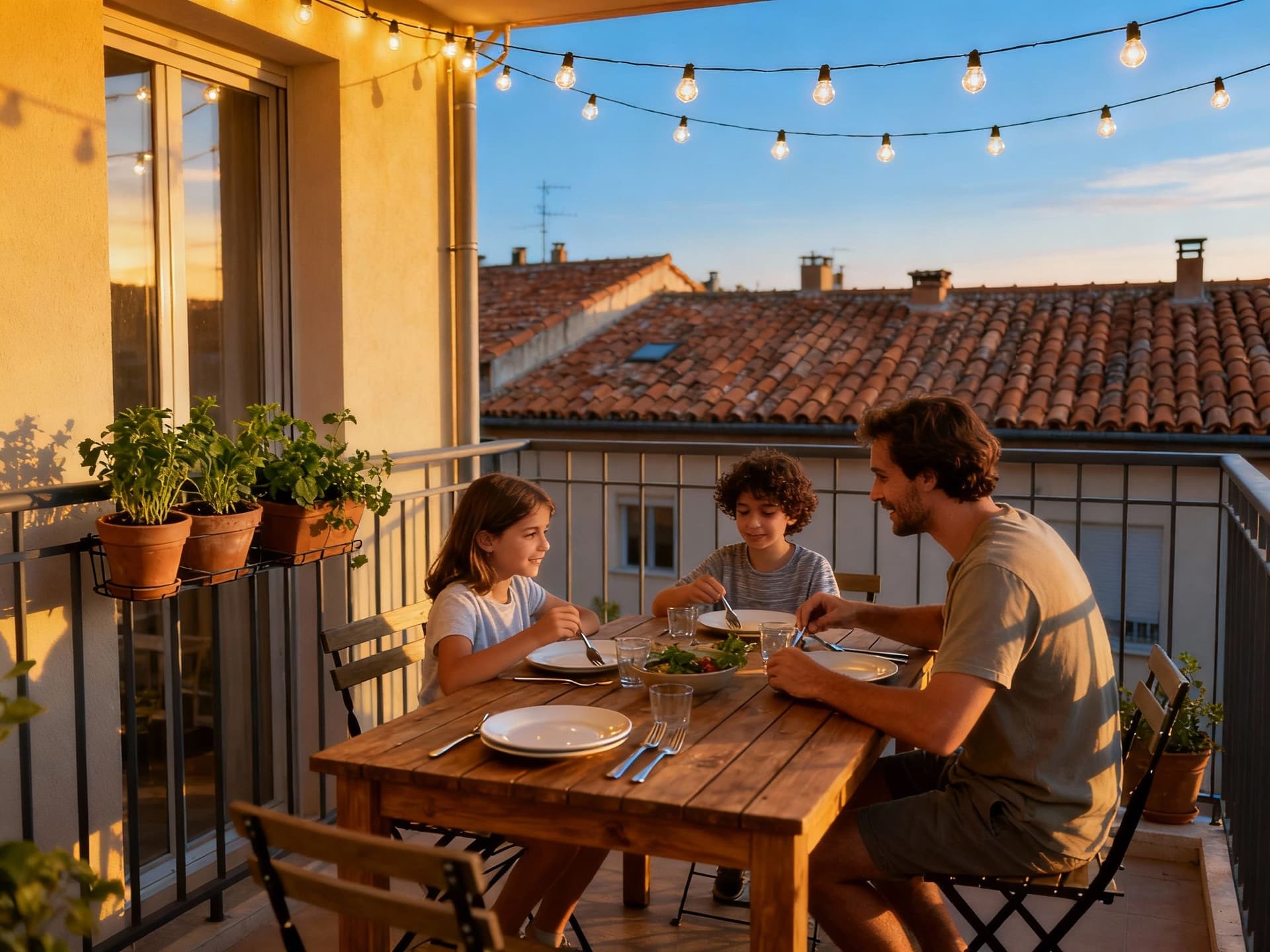
Market numbers matter: average asking prices sit around €2,100 per m² as of mid‑2025, with sharp regional variation between Sicily and Milan. What that means for lifestyle: coastal towns can offer sea‑front living at a lower absolute cost than northern cities, but transport links and year‑round services differ wildly. Mortgage pricing and green renovation incentives are shifting the calculus; buyers who value long-term comfort should factor in energy upgrades and local maintenance realities when budgeting.
Property styles and how they fit daily life
A renovated apartment in a historic centre gives immediate walkability and cafe culture but often means stairs, smaller windows and higher maintenance. A small villa or restored farmhouse offers outdoor living, olive groves, and privacy but requires local contractors and seasonal systems (heating, water). Match property type to routine: if you crave morning market runs and evening aperitivo, prioritise compact historic blocks; if you imagine garden dinners and harvesting your own produce, prioritise country plots with reliable road access.
Working with local experts who protect lifestyle value
Local agents do more than show houses: they map neighbourhood services, suggest off‑season visits, and flag red‑flag renovations where a new roof or seismic upgrade will be needed. An agent versed in municipal building codes and energy‑efficiency incentives will save months and often tens of thousands of euros. Look for agencies with track records for international clients and clear references for post‑purchase property management.
- Steps to blend lifestyle and pragmatics when buying in Italy:
- Visit off-season (autumn or late winter) to test year-round life and services
- Ask the agent for utility costs, winter heating bills, and local waste collection schedules
- Inspect recent energy ratings; budget for Class D+ improvements if needed
Insider knowledge: expat lessons and seasonal red flags
Expats tell a common story: they fell in love in summer, bought sight unseen in August, and later discovered that the neighbourhood emptied out in winter. That seasonal emptiness affects everything from grocery hours to rental revenue. Data also shows demand shifting inland and southward, so don’t assume coastal summer popularity equals year‑round liquidity.
Language, community and social life — how to integrate
Learning even basic Italian accelerates belonging: shopkeepers, neighbours and artisans respond differently to buyers who try their language. Join local associations, volunteer at festivals, or frequent the same café for months before buying to feel the social texture. Many expats find that weekly market day and the local bar are the fastest routes to community more than any property feature.
Long-term lifestyle: growth corridors and where to expect change
Cities with public investment or flight connections will evolve faster; Rome, for instance, is attracting institutional interest as Milan softens. Southern regions like Puglia and parts of Sicily are moving from discovery into demand, which can mean rising prices but also infrastructural growing pains. If your plan is long‑term residency, prioritise regions with improving transport links, health services and schools.
- Red flags seasoned expats wish they'd known:
- A property that looks great in summer but has limited winter services (no heating, closed shops)
- Unclear ownership history or irregular permits for extensions and terraces
- Reliance on seasonal rental income without verified year‑round demand
Conclusion: Italy rewards patience. Visit in an off‑peak month, prioritise neighbourhood routines over glossy listings, and work with an agent who maps both lifestyle and technical risk. Do this and you won't just buy a house — you'll choose a life that fits the seasons, markets and local rhythms. When you're ready, ask an agency to show properties that pass a simple checklist: year‑round services, confirmed permits, and clear energy ratings — the practical steps that protect the lifestyle you imagined.
Danish relocation specialist who has lived in Barcelona since 2016. Helps families move abroad with onboarding, schooling, and local services.