Coastlines Compared: Côte d'Azur vs Costa del Sol
Compare the Côte d'Azur and Costa del Sol through daily life, neighbourhoods, and market realities—balanced lifestyle insight with cited market signals on prices and demand.
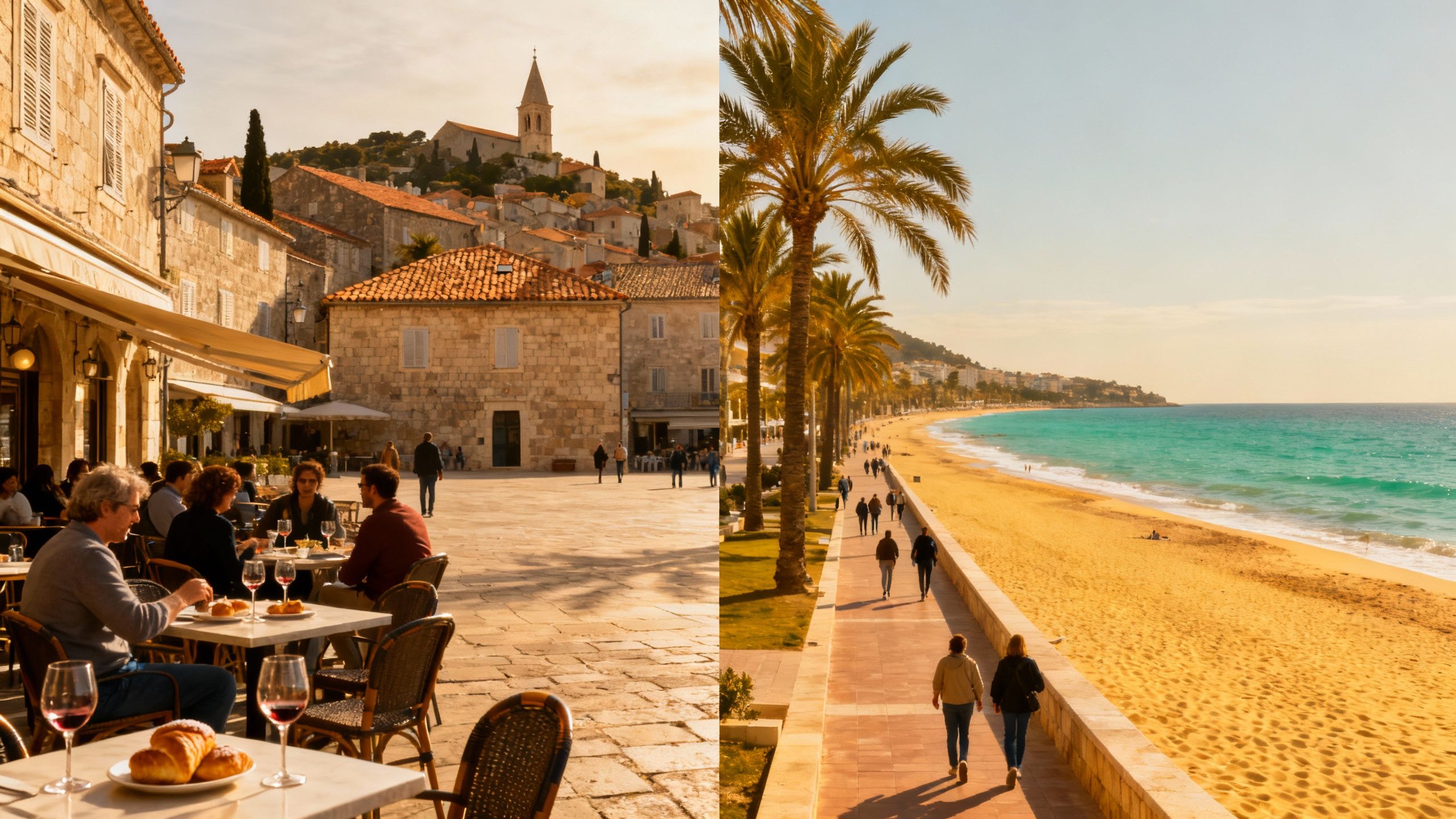
Imagine sipping espresso at a sunlit café in Valbonne at 09:30, then swapping that view for an afternoon paseo along Marbella’s beachfront promenade. Both places promise coastal life, but what you actually buy—your daily rhythm, neighbours, and long-term resale—differs more than the marketing suggests. This comparison unpacks the lived reality of France’s Mediterranean coast and Spain’s Costa del Sol so you can choose a coast that matches how you want to live, not just how it’s advertised.
Living the Côte d'Azur Life

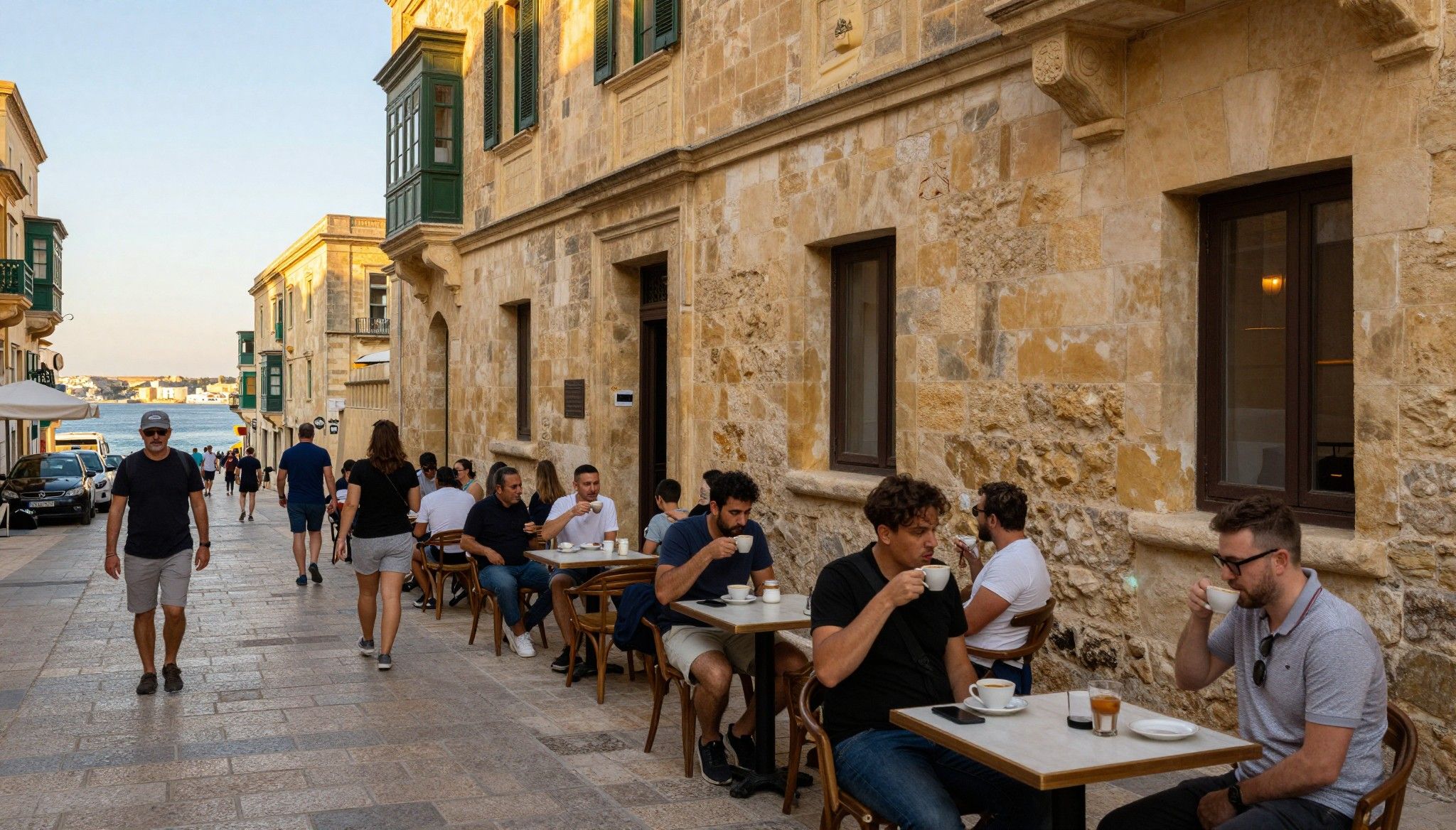
Mornings here begin with markets: Provençal vegetables, salted anchovies, and a chorus of local greetings. The Côte d'Azur folds historic hilltop villages—Saint-Paul-de-Vence, Mougins—into slick coastal towns like Antibes and Cannes. Living here feels curated: manicured promenades, Michelin destinations, and a strong local identity that shapes social life and property taste. Recent reporting shows some buyers are shifting inland to find space and value in hill towns rather than the expensive seafront strips.
Neighborhood spotlight: Saint-Paul-de-Vence & Valbonne
If you crave village rhythms—weekly markets, boulangeries you come to know by name, artists wandering the square—these hill towns deliver. Expect stone houses, narrow lanes, and community festivals that cluster neighbours together. Properties here trade sea views for larger gardens and quieter streets; they suit someone who wants Provençal authenticity with access to Nice or Cannes within 30–50 minutes.
Food, culture and seasonality
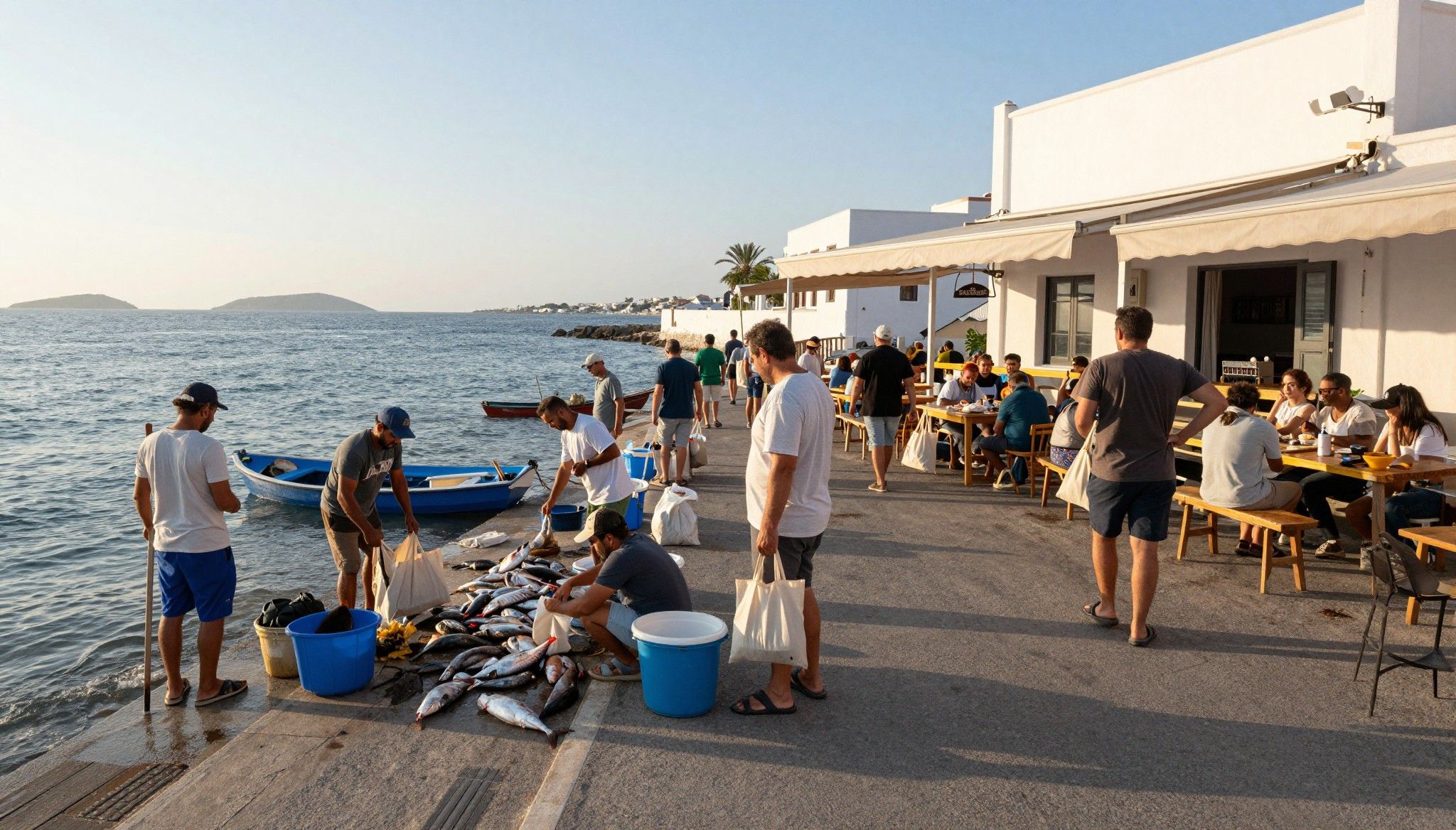
Weekends rotate around markets, small coastal festivals and dinners that start late. Winter is quieter than high-season postcards imply—museums and local cafés come into their own, and some seafront businesses close for several months. That quieter season can mean better negotiating leverage on properties away from the prime beachfront, according to national price trends that show variability across the Mediterranean corridor.
- Lifestyle highlights (Côte d'Azur): Marché de Vence, evening promenades in Antibes, hilltop fêtes in August, Provençal craft markets, short drives to Nice airport (≈25–40 minutes).
Living the Costa del Sol Life

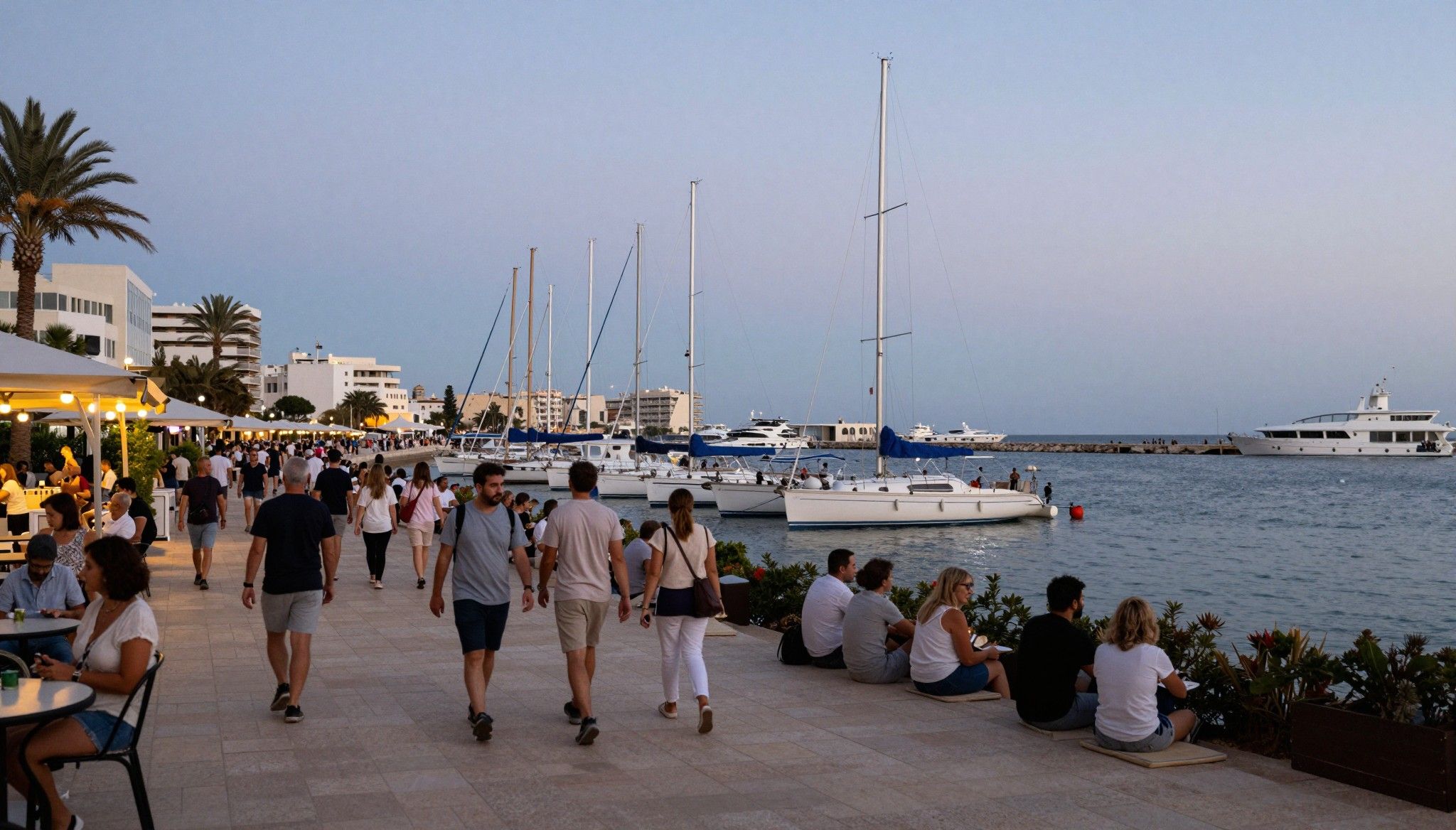
The Costa del Sol runs on sun and social movement: beach clubs, late lunches, and an international calendar that pulses through Marbella, Estepona and Málaga. It's louder than the refined Riviera script—think paella terraces, bustling marinas, and a visible global expat presence. Recent market data shows record price growth across many towns, illustrating high demand and strong resale potential on the coast.
Neighborhood spotlight: Marbella & Ojén
Marbella’s Golden Mile and Nueva Andalucía promise high-end amenities and a cosmopolitan social scene; nearby hill towns like Ojén offer quieter village life with rapidly rising prices as demand spills outward. Luxury sales rose in recent years, with international buyers accounting for the majority of high-end transactions—information that signals strong competition but also robust liquidity for sellers.
Beaches, nightlife and year-round weather
If sun and social life are priorities, the Costa del Sol delivers with a longer warm season and a culture built around outdoor dining and beaches. That said, the popularity has pushed prices into record territory in prime spots, and many buyers now look to smaller towns for value—where life is still coastal but less formal than the Riviera.
- Lifestyle highlights (Costa del Sol): Marbella promenades, Estepona tapas streets, Málaga cultural calendar, year-round golf and marinas, fast airport access (Málaga-Costa del Sol airport).
Making the Move: Practical Considerations
Dream life drives the search, but practical trade-offs determine what you can buy. Coastal prestige usually costs liquidity and higher maintenance; hill towns buy you space and calmer communities but can add commute time. Below are property and process factors to weigh with your lifestyle preference in mind.
Property styles & what they mean for living
Seafront apartments offer convenience—short walks to cafés and beaches—but smaller internal space and higher service costs (condo fees, coastal maintenance). Detached village homes trade proximity for privacy and often larger gardens. For remote workers, larger interiors and reliable fibre are often found inland or in town centres rather than on narrow seafront plots.
Working with local experts who know both life and law
A local agency that understands everyday life—where to buy for morning markets, where rentals peak during festival weeks—saves time and disappointment. Good agents translate lifestyle needs into specific property types and neighbourhoods, and they guide you on light but essential due diligence: planning constraints, community fees, and rental seasonality.
- Steps to align lifestyle with purchase: 1. List the three daily routines you cannot give up (market, beach, café); prioritize proximity. 2. Visit both a coastal strip and a nearby hill town for full-day tests. 3. Ask local agents about year-round occupancy rates and tenant profiles. 4. Factor in service costs (condo fees, garden maintenance) for coastal properties. 5. Check travel time to the nearest international airport and healthcare facilities.
Insider Knowledge: What Expats Wish They'd Known
Expat buyers often tell the same story: they fell in love with a postcard view, then discovered the local rhythm—seasonal closures, municipal rules, or community norms—shapes day-to-day happiness more than any terrace view. In France, willingness to learn local customs and join village life pays dividends; in Spain, embracing a sociable, outdoor lifestyle unlocks neighbourhood connection faster.
Cultural integration and community
Language helps. In hill towns, a few French phrases open doors to invitations and local networks; on the Costa del Sol, English often suffices in many expat pockets but learning Spanish deepens local ties and improves rental prospects. Either coast rewards modest cultural effort with social returns.
Long-term lifestyle sustainability
Think five to ten years ahead: coastal hotspots can command strong resale and rental demand but also face steeper upkeep and seasonal swings. Hill towns may show steadier community life and less turnover—appealing for buyers seeking integration and lower churn. Match property type and location to whether you plan to use it seasonally, rent it, or make it a full-time base.
- Red flags to watch for when choosing a coastal property: • High condo/community fees without transparent budgets • Properties in flood or erosion zones without mitigation plans • Overreliance on short-term rental income during peak months • Lack of reliable local healthcare/transport for year-round living
If you can picture your life—morning market, terrace lunch, or a quiet garden—choose the place that fits that routine. Work with an agency that asks about daily habits, not just square metres. They’ll help translate lifestyle into neighbourhood, then into a shortlist of properties that actually feel like home.
Next steps: visit both coasts for at least three full days, prioritise the routines that matter, and ask agents for recent seasonal occupancy and service-cost data. A short lifestyle test—renting a week in a village and a week on the seafront—often clarifies what the brochures do not. When you’re ready, local expertise will help turn that lived feeling into a confident purchase.
Dutch investment strategist with a Portugal-Spain portfolio. Expert in cross-border financing, rights, and streamlined due diligence for international buyers.