Why House‑Hunting the Côte d'Azur in High Summer Backfires
Why house‑hunting the Côte d'Azur in high summer can mislead buyers — seasonality shifts prices, noise and negotiating power; off‑season visits reveal real value.
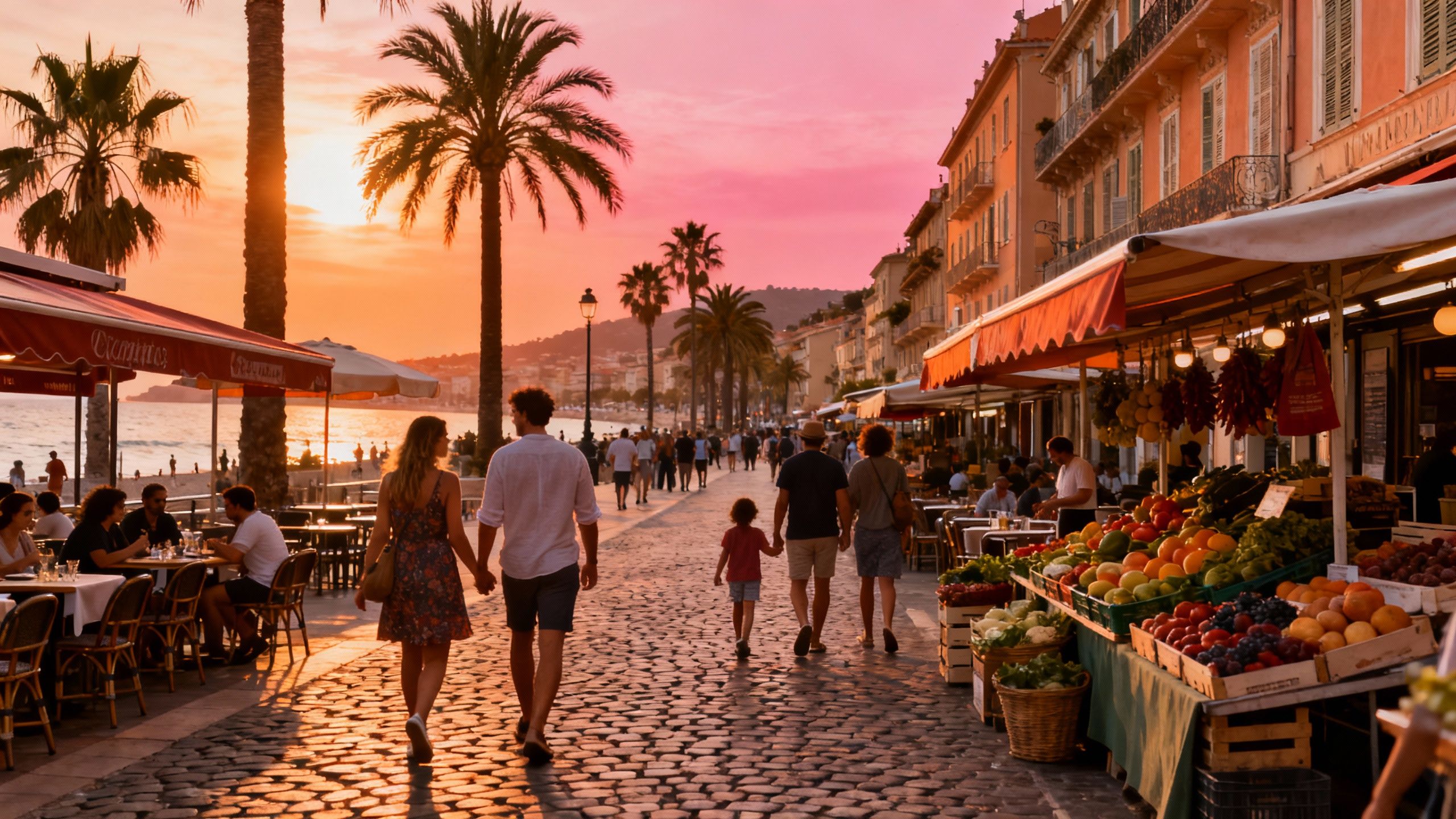
Imagine an early-morning market in Nice: traders shout over crates of citrus, a barista pulls espressos on Rue Bonaparte and bicycles thread between palm trees. That everyday rhythm — markets, seaside walks, a late lunch of socca or bouillabaisse — is the real French coast, not the postcard yacht scene. For buyers from abroad, the lived-in life often clashes with assumptions shaped by glossy listings and summer crowds. Recent market analysis shows France’s coastal markets are shifting fast; understanding seasonality and local rhythm changes both lifestyle and negotiating power.
Living the French Coast Rhythm
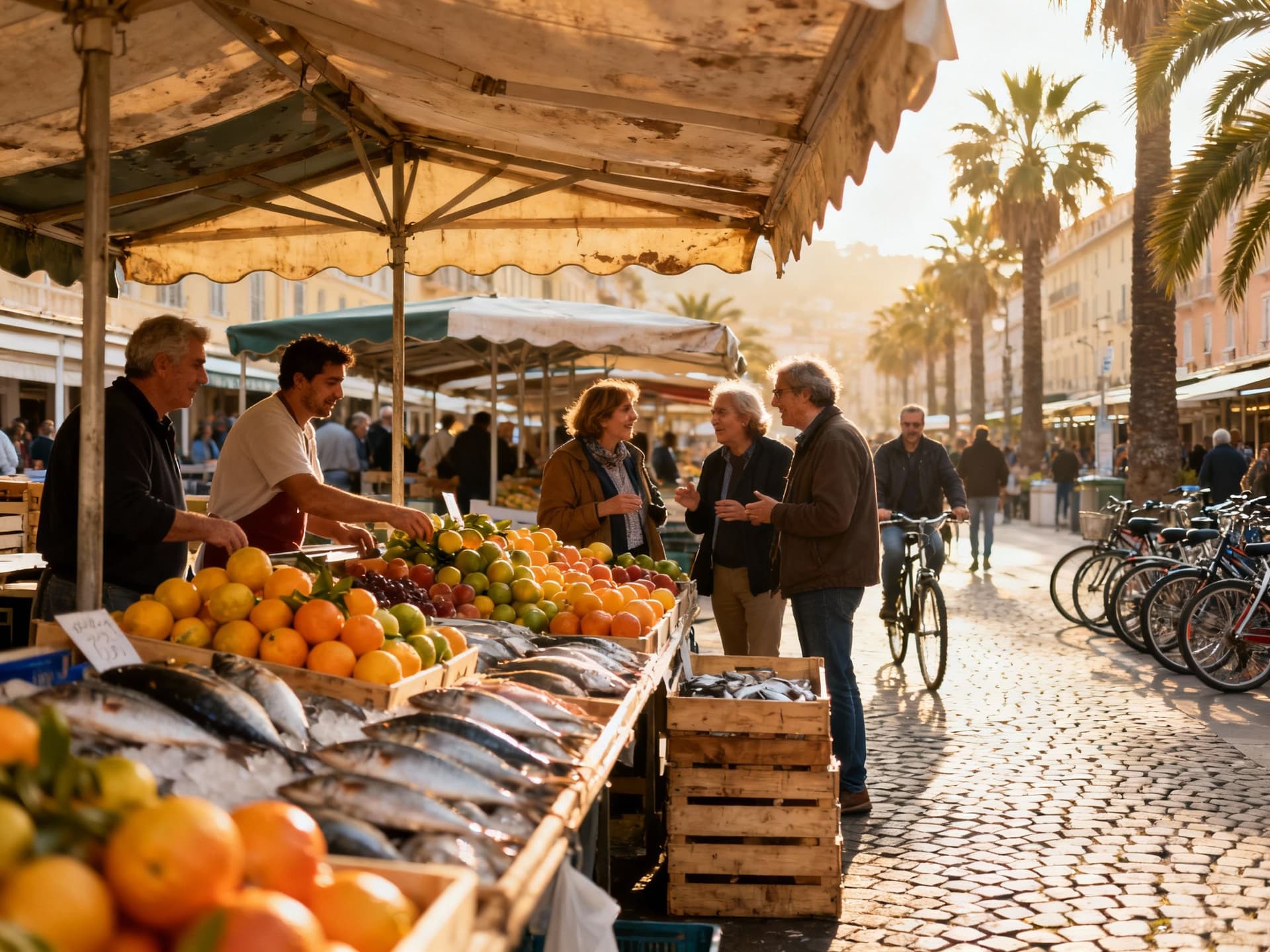
The Côte d'Azur is pulses of activity — slow mornings, busy lunch hours, and evenings that belong to locals and visitors in different measures through the year. Streets like Nice’s Rue Droite and Antibes’ Rue de la République trade between neighbourhood grocers and independent ateliers rather than endless tourist shops, and that local mix is what defines daily life. If you want to feel like a resident, choose the lanes where schools, boulangeries and small bistros cluster, not only the marina-front promenades.
Spotlight: Old Town Nice and Liberation Market
Old Town (Vieux Nice) buzzes from dawn with fishermen and florists, while the Liberation market on Avenue Malausséna is where families shop for the week. Living here means apartment life above narrow streets, morning coffee at Café Marché, and navigating scooters with practiced ease. Properties are often period flats with high ceilings, small terraces and the trade-off of limited private parking — a lifestyle gain for proximity but a practical consideration for car owners.
Food, Beaches and Seasonal Life
From beachside pebbles at Plage de la Réserve to hidden coves near Cap d’Antibes, the coast is a stage for day-to-day rituals: picnic lunches, market runs and evening apéritifs. Seasonal festivals — Nice Carnival in February, the Jazz à Juan in July — reshape demand for short-term rentals and make some neighbourhoods noisier or busier at predictable times. For buyers, that means matching the life you want (quiet year-round versus seasonal energy) to property choice and rental strategy.
- Lifestyle highlights: Liberation market (Nice), Plage de la Réserve, Cap d’Antibes coastal walks, Place Masséna people-watching, small boulangeries on Rue Bonaparte
Making the Move: Practical Considerations
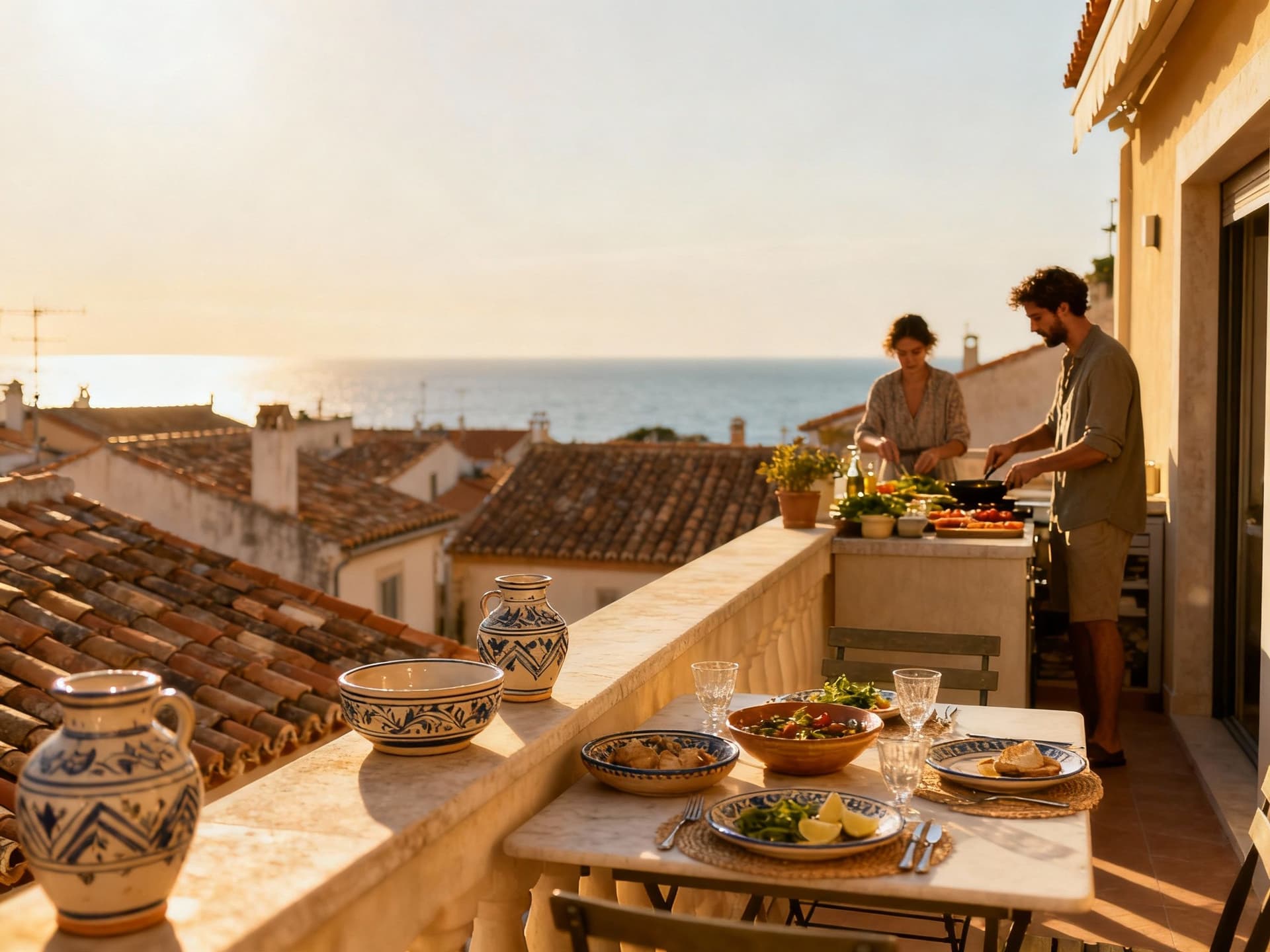
Living the coast is seductive, but turning that dream into a legally sound purchase requires timing, local advice and a clear timeline. The French sale process uses a compromis de vente and then an acte de vente, with a typical 2–3 month gap while suspensive clauses are satisfied and paperwork is lodged with the notaire. Understanding that cadence — and preparing funds, mortgage pre-approval and power-of-attorney if you won’t be present — saves stress and guardrails costly mistakes.
Property types & how they shape daily life
Period apartments deliver character: high ceilings, shutters and small terraces but often no lifts and modest storage. Contemporary new builds on the outskirts add parking, pools and insulation — better for year-round comfort and remote work — but trade some proximity to village life for more planned communities. Decide which daily routines matter most (market access, terrace for morning sun, dedicated workspace) and shortlist properties that support that life.
Working with local experts who know the rhythm
- 1. Hire a bilingual notaire or solicitor early to explain compromis clauses and local taxes. 2. Use an agent with track record in the neighbourhood you love — small agencies often know off-market flats. 3. Commission a structural or damp survey before signing; period buildings can hide repairs. 4. Plan for 7–10% in acquisition taxes and notaire fees; budget for renovation if you value specific finishes. 5. Consider an SCI (société civile immobilière) if you plan joint ownership or cross-border estate planning.
Insider Knowledge: What Expats Wish They'd Known
Many expats arrive enchanted by summer images and then discover winter’s quieter, truer character — and how prices and neighborhood feels change with the calendar. Recent reporting by national notaries highlights renewed activity and localised price rises across the Mediterranean coast, which means negotiating power varies by season and stock. The contrarian move some seasoned buyers use is to look in late autumn or winter: fewer competing buyers, clearer assessments of noise and community, and often better deals.
Cultural integration: daily rules that change where you buy
French life values local rituals: Saturday markets, long lunches and conversation at the café; being part of those rhythms makes integration easier than attempting to recreate expatriate bubbles. Learning basic French opens doors — even a few phrases at market stalls earns warmth and practical help. Neighbourhood associations and mairie events are central: choose a place where communal life aligns with how you want to spend weekends and evenings.
- Red flags visitors often miss: multiple short-term rentals on the same street, persistent damp smells, unclear copropriété (co-ownership) charges, and properties without clear renovation permits
Practical life after purchase evolves: weekend routines become local, paperwork shifts to residency and tax mixes change if you rent seasonally. Think three years ahead — will you want mortgage flexibility, rental income, or a low-maintenance pied-à-terre? Those choices determine whether to prioritise a renovated flat in the village centre or a newer build with services and parking.
If the Côte d'Azur calls you, come in the off-season, walk the streets where you might live at 09:00 and 15:00, speak to neighbours and visit municipal offices. Pair that sensory exploration with a notaire and an agent who can show recent comparable sales and explain copro charges. When lifestyle and data line up, you buy with confidence — and the coast becomes home, not just a holiday.
Norwegian market analyst who relocated to Mallorca in 2020. Focuses on data-driven market insights and smooth relocation for international buyers.