Why France’s Coast Hides Smart Value
France’s coast and cities blend everyday rituals with investment stability; match lifestyle rhythms to micro-location data and seasonal occupancy to buy with confidence.
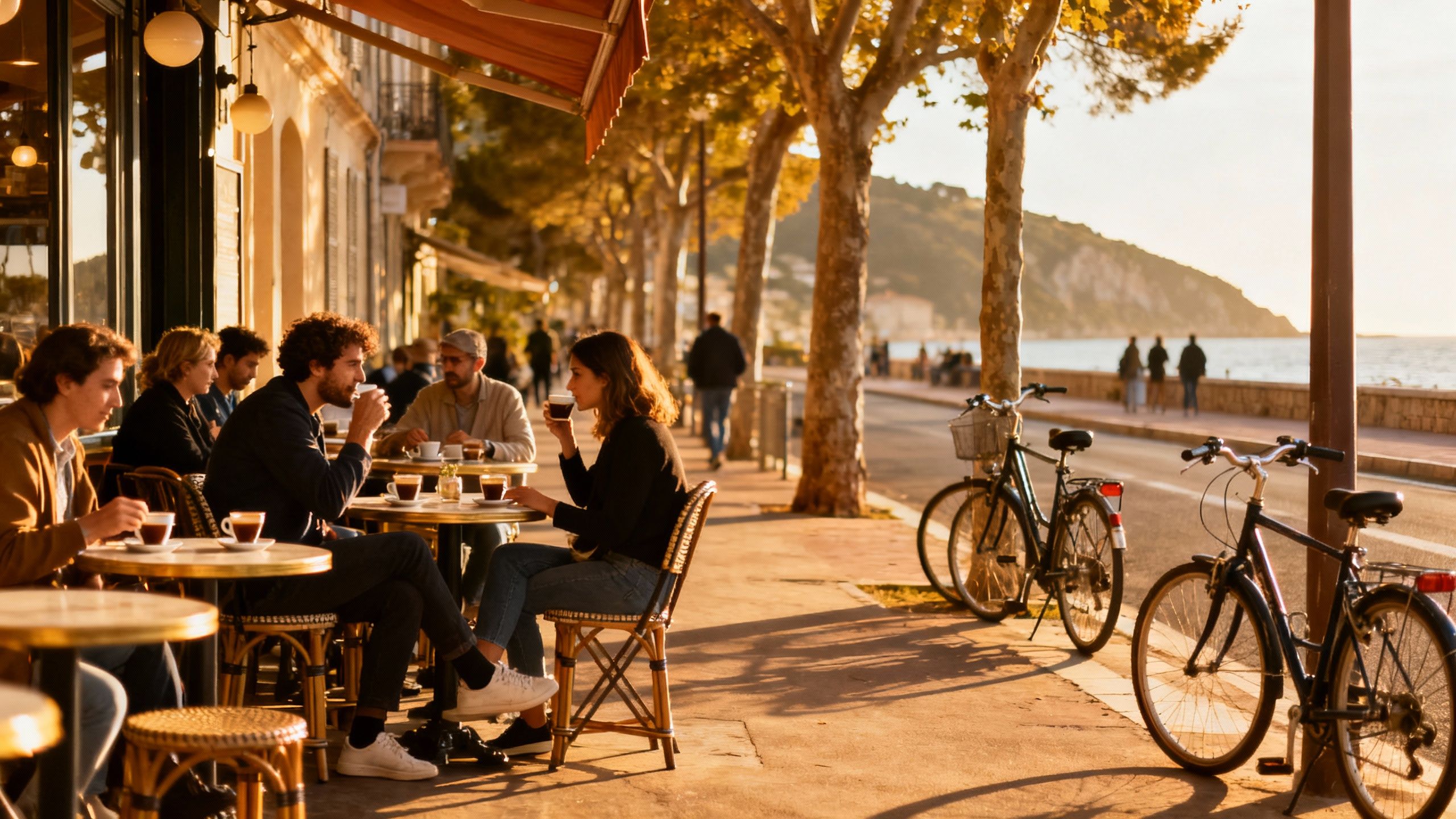
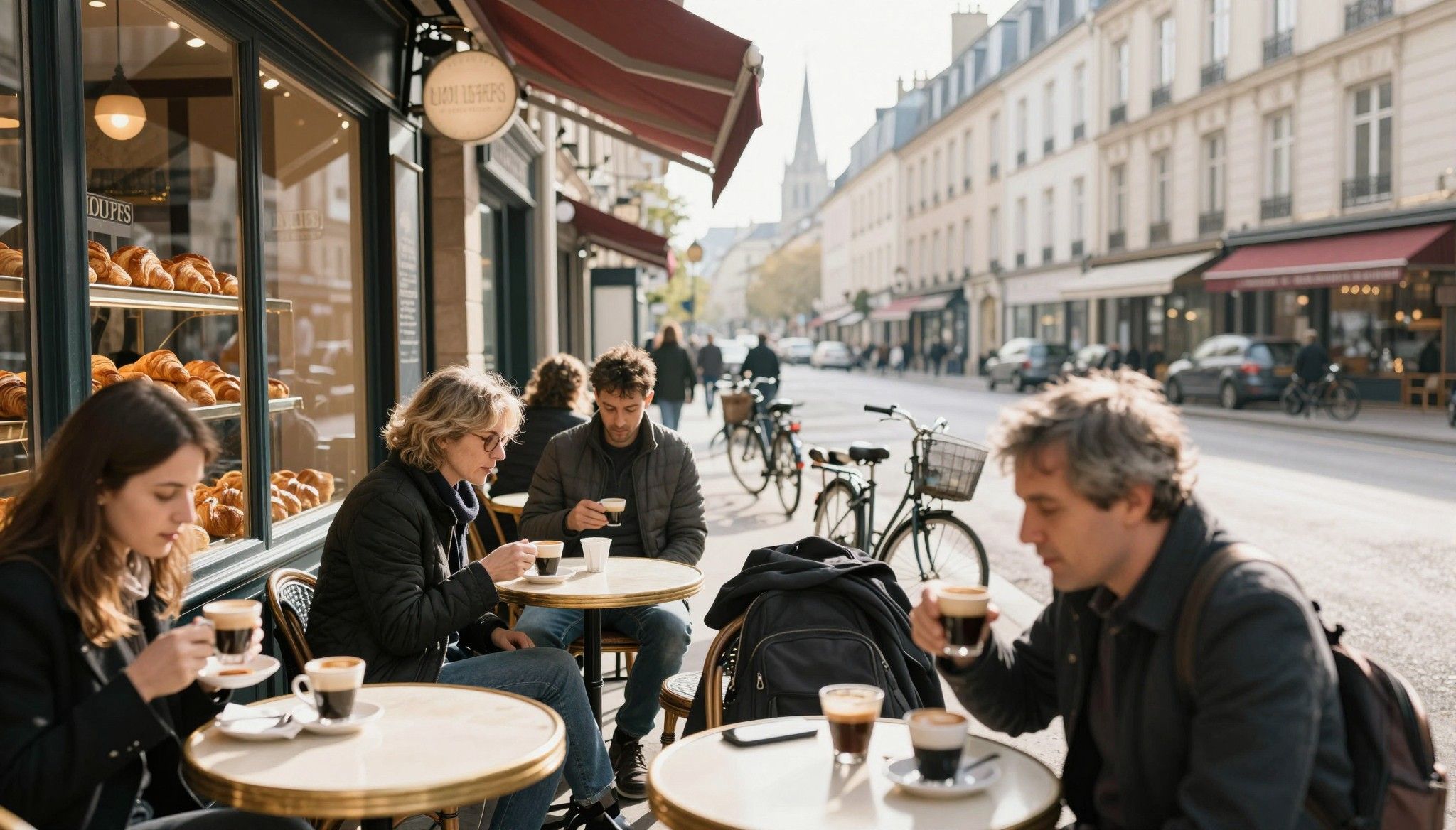
Imagine sipping espresso on Rue Cler at 09:30, then driving 40 minutes to a pebble beach where fishermen mend nets. That dual rhythm — elegant city mornings, effortless coastal afternoons — is how many internationals fall for France. But beneath the romance are practical trade-offs that shape where you buy, how you use a property, and what kind of return you should expect.
Living the French rhythm: more than Riviera postcards
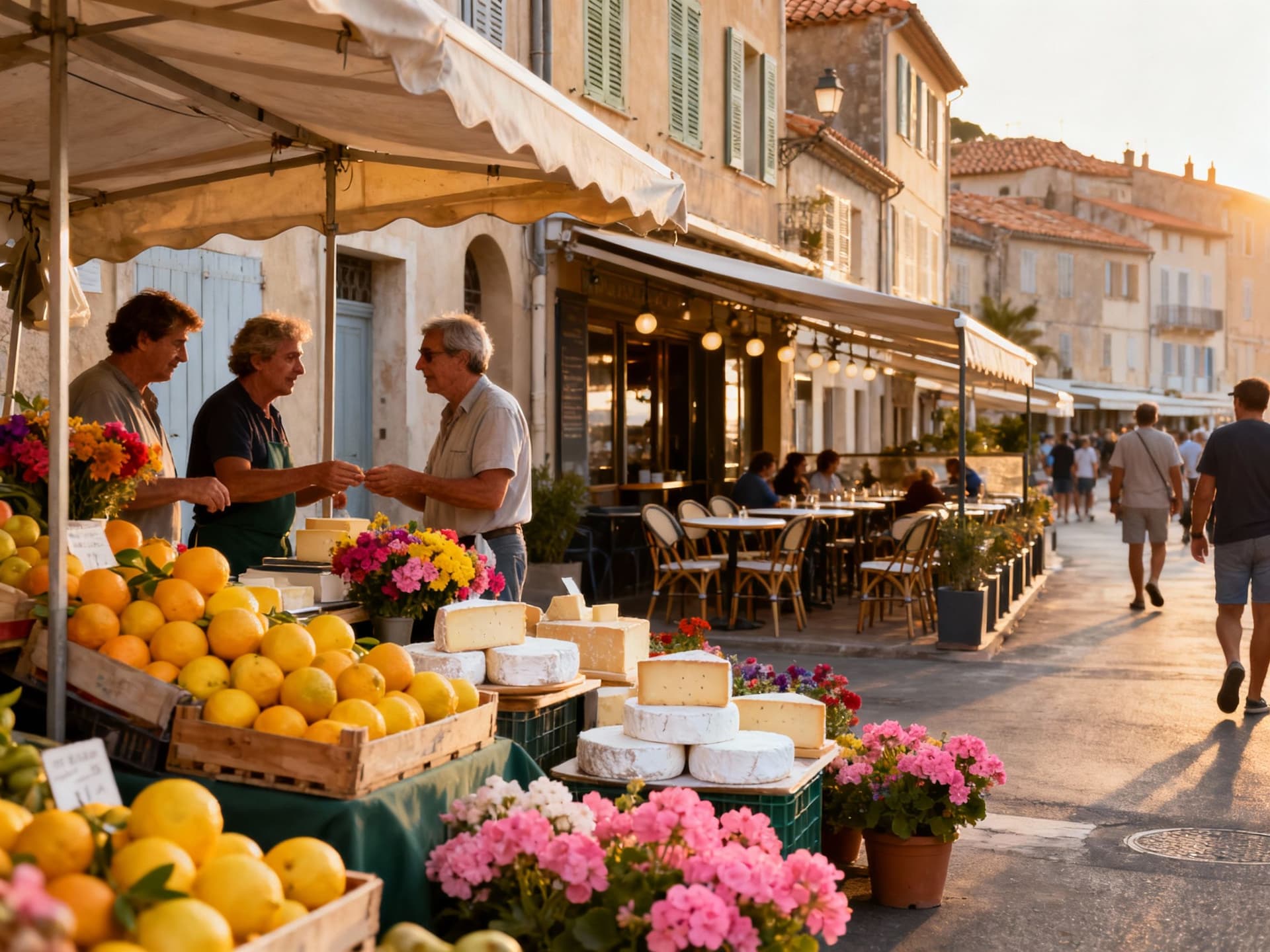
France is not a single lifestyle — it’s a collection of daily rituals. In Paris you’ll feel the curated pace of café mornings and marché runs; on the Côte d’Azur afternoons shift toward terraces and harbor promenades. Recent tourist and visitor upticks reinforce seasonal vibrancy along coasts and cities, making location choice as much about rhythm as bricks. International arrivals recovered strongly in recent years, keeping demand high for well-located short-stay properties.
Neighborhood spotlight — Nice to Cassis: coastal contrasts
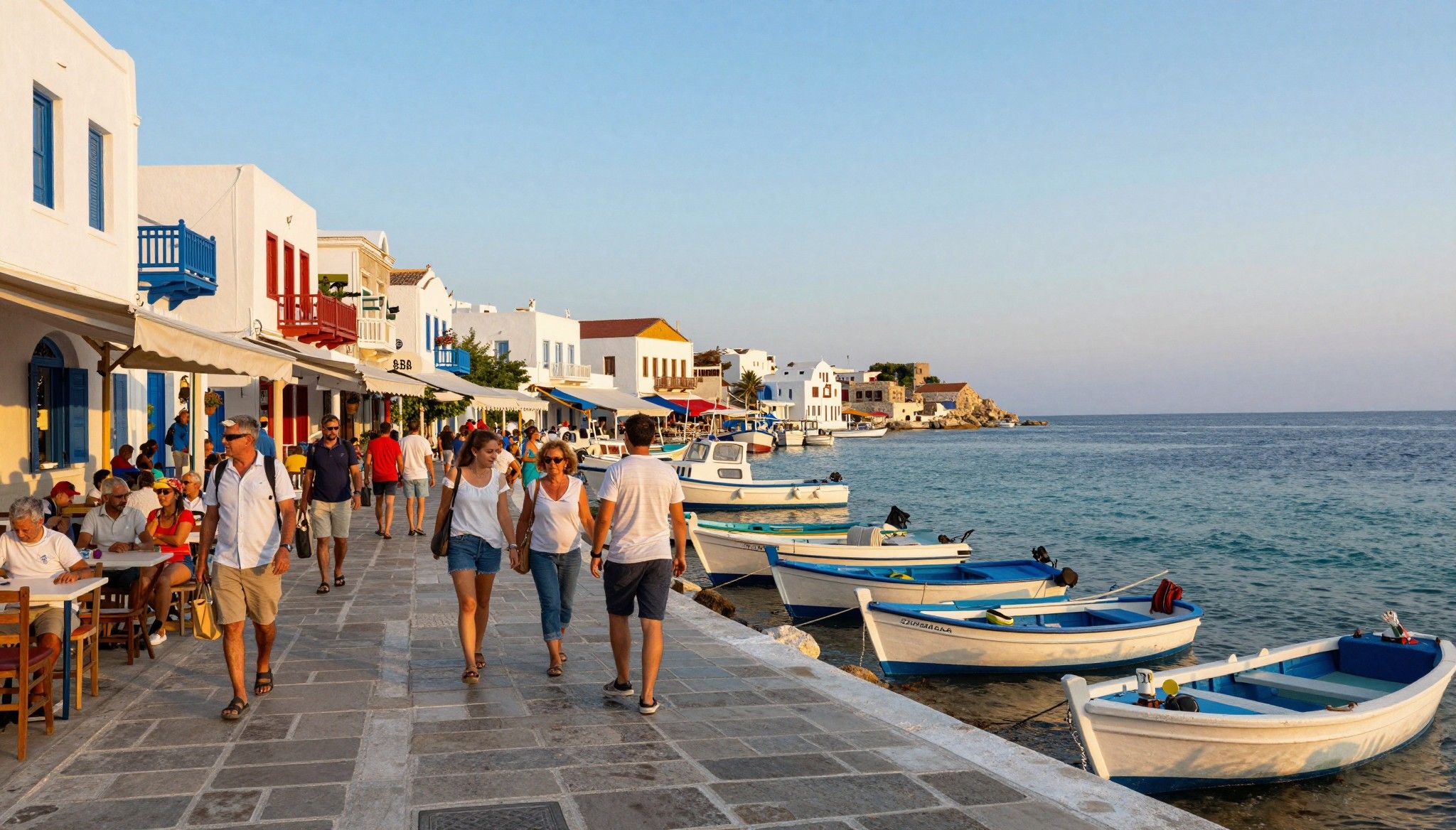
Stroll Nice’s Promenade des Anglais and the scene is international: cyclists, gelato, and outdoor markets. Head east to smaller harbors like Cassis and you get quieter streets, fishermen’s cafés, and boulangeries that know your order. For buyers this matters: high-traffic promenades support holiday rental yields; tucked-in harbors support year-round living and community ties.
Food, markets and weekday life
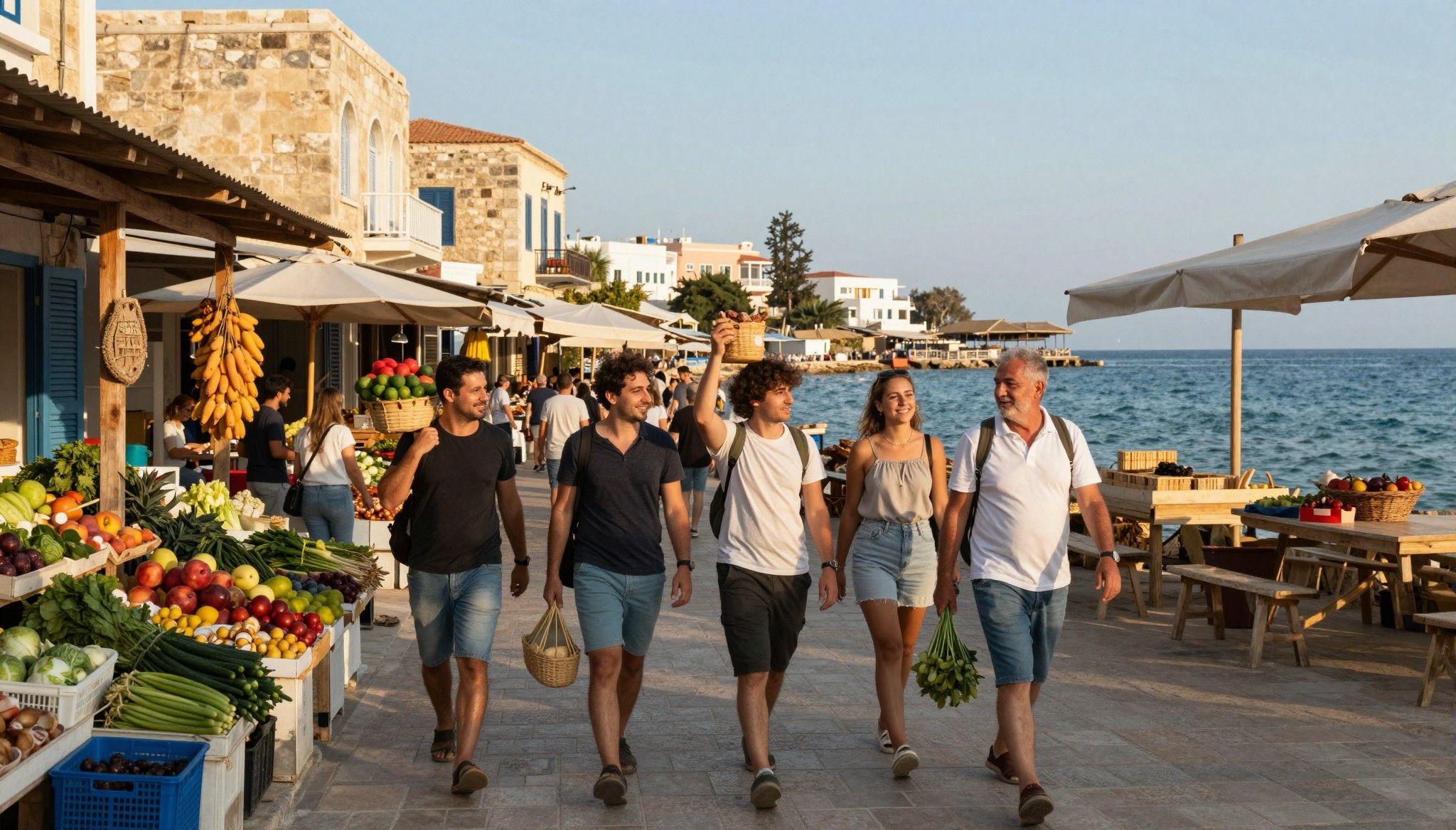
Picture a Wednesday afternoon market on Cours Saleya in Nice: crates of citrus, olive stalls, and a chorus of local vendors. Weekends bring beach volleyball and smaller art fairs; winters bring quieter, more affordable rental windows. These micro-seasons shape how properties are used — full-time homes, seasonal pied-à-terre, or mixed short-stay investments.
Lifestyle highlights
Cours Saleya market (Nice) — morning produce and people-watching
Port de Cassis — calm mooring, seafood bistros
Train to Marseille/Aix — regional rail that widens lifestyle options
Making the move: lifestyle-led practicality
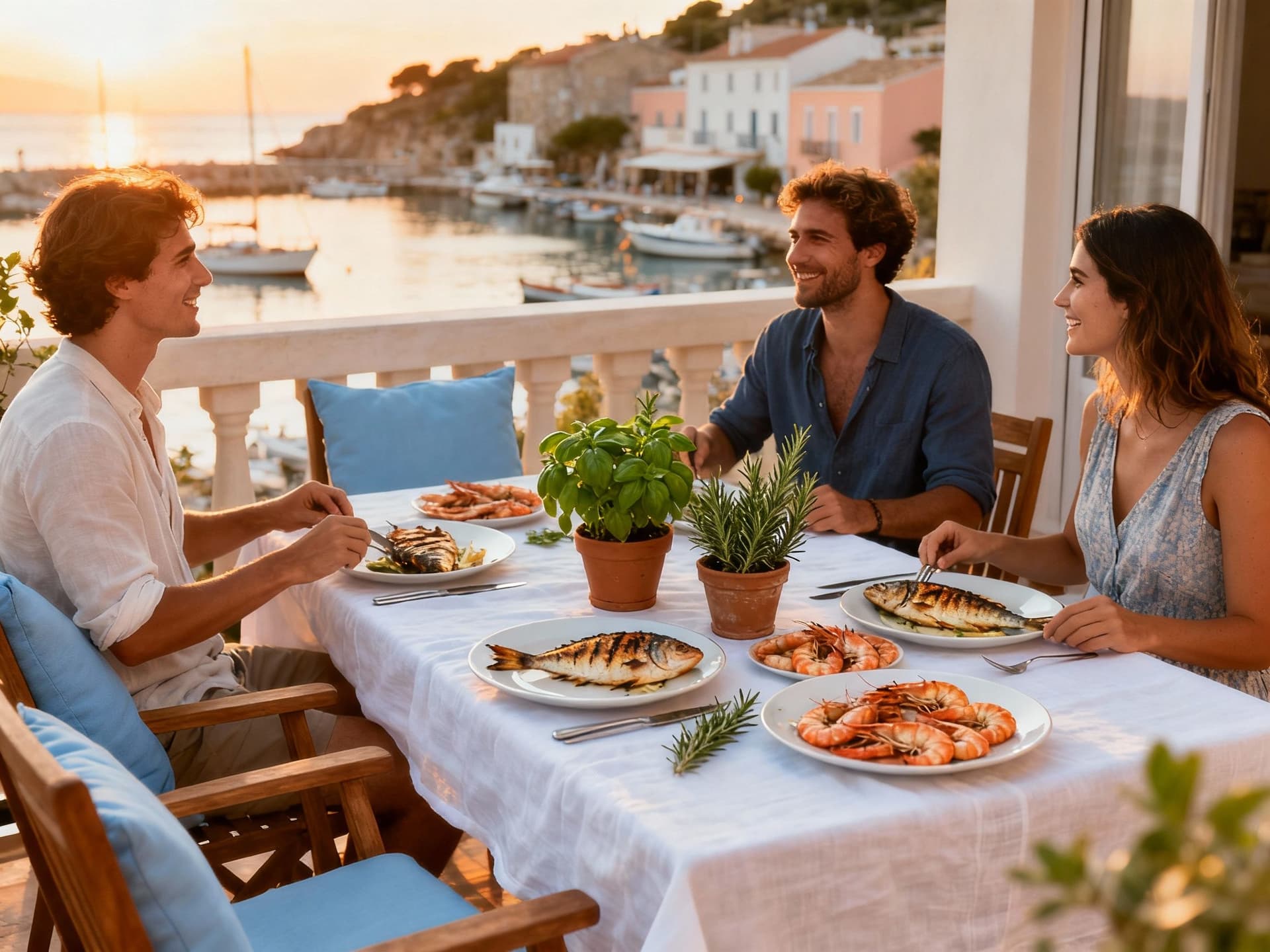
Dreams meet contracts at the estate agent’s desk. National notaries and recent reporting show prices stabilising and transaction volumes recovering in 2024–2025, but outcomes vary sharply by micro-location. That’s why the right property type — coastal apartment, village house, or city pied-à-terre — must match how you plan to live and use the asset.
Property styles: what fits the life you want
If you imagine daily beach walks and social terraces, modern apartments with outdoor space are efficient. If you want a slower rural life, look for 19th‑century village houses with gardens near local markets. Renovation potential is real in older stock, but factor in regional building regulations and the time to retrofit for insulation and comfort.
Working with local experts who know the rhythm
A local agency is your translator of rhythm — they tell you which street hums in August and which quiet lanes sustain community through January. Choose agents who show comparative bookings, seasonal occupancy, and maintenance realities rather than glossy photos alone. A good agent will also introduce you to notaries and property managers who keep the lifestyle intact when you’re away.
Steps to match lifestyle with purchase
List what a typical week looks like: commute, markets, social life, and estimate how many weeks per year you’ll use the property.
Ask agents for three real occupancy calendars from similar properties (one peak, one shoulder, one off-season).
Factor maintenance, insurance, and seasonal services in cost estimates — not just purchase price.
Insider knowledge: what expats wish they'd known
Expat owners often tell a similar story: the magic is immediate, the paperwork less so. Expect cultural rhythms to dictate service hours, neighbourhood gossip to influence where renovations are approved, and local fêtes to occasionally close streets. These are the small, human details that turn a house into a life.
Language and community integration
You don’t need to be fluent to buy, but learning basic French opens doors: local councils, builders, and neighbours respond better when you try. Join market mornings, language cafés, and the neighbourhood pétanque to accelerate integration — these everyday rituals convert a property into a social base.
Long-term lifestyle and investment signals
France’s property market shows pockets of resilience: city-centres and well-served coastal towns have rebounded faster. For long-term owners, look for towns with consistent rail links, stable year-round communities, and municipal plans that prioritise quality of life rather than high-density tourism development.
Red flags to watch for
High promotional occupancy claims without booking calendars
Municipal limits on short-term rentals in tourist towns
Properties needing major insulation work in cold months
Conclusion: fall in love deliberately
France gives you choices — coastal mornings, provincial markets, or Parisian terraces. Make the lifestyle the primary filter, then use local data, seasonal calendars, and an agent who shares neighborhood rhythms to translate that life into the right property decision. Start by visiting in a shoulder season, walk the streets at weekday pace, and request real occupancy and maintenance records before you make an offer.
Swedish strategist who relocated to Marbella in 2018. Specializes in legal navigation and tax planning for Scandinavian buyers.