Why France’s Coast Can Outvalue the Costa del Sol
Compare coastal life: France’s shoreline often delivers richer, sometimes cheaper lifestyles than the Costa del Sol once you map micro‑markets, seasonality and real price data.
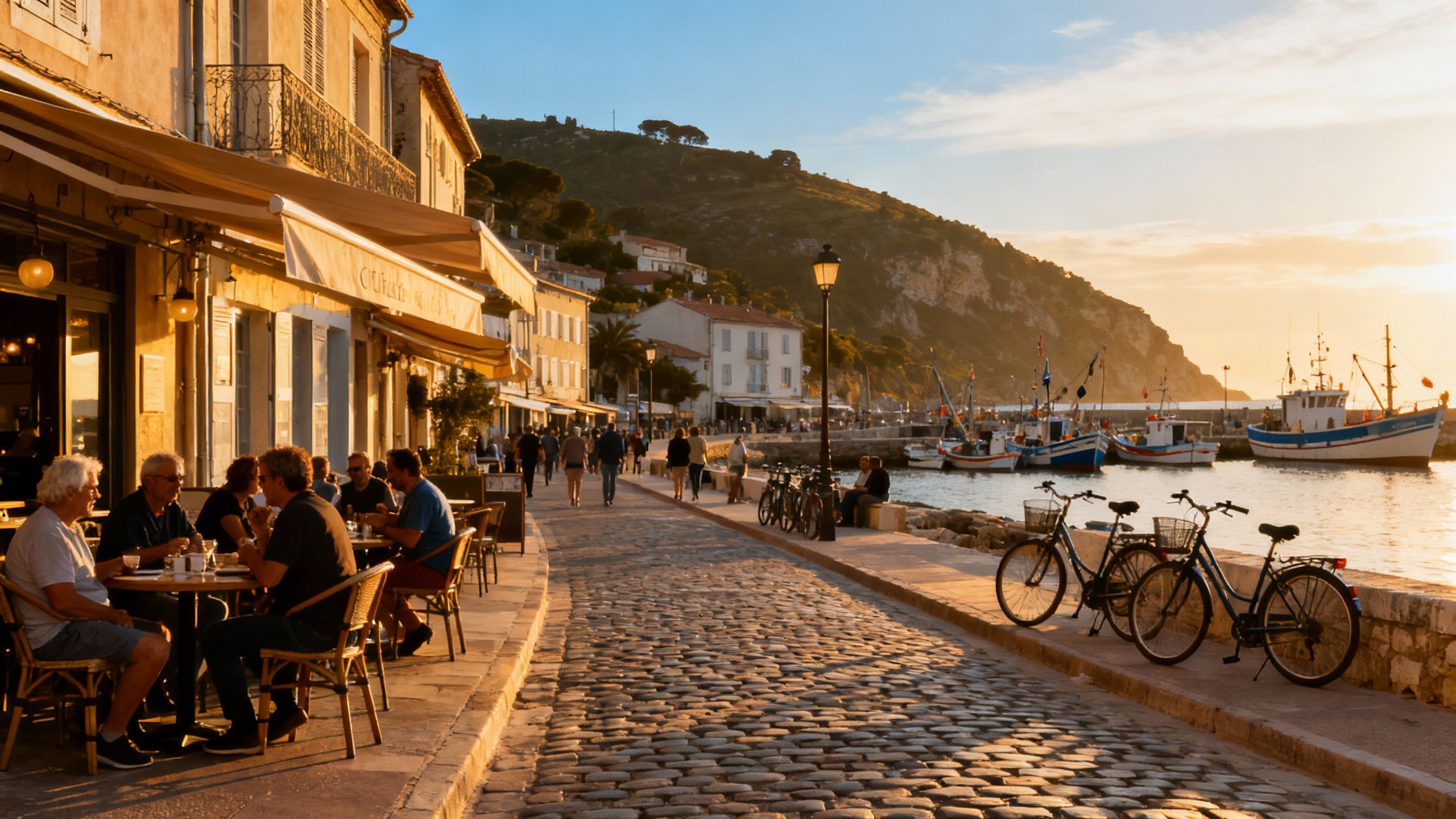
Imagine sipping café at a sunlit terrasse in Antibes, then driving 45 minutes along a palm-lined road to a quieter hilltop village where a boulangerie still opens at 7am. That contrast—coastline ease one day, village rituals the next—is what makes France’s shoreline feel like several lives in one. For buyers comparing the Costa del Sol’s seaside postcard with France’s coastal rhythm, the surprise is often this: the French Riviera and Atlantic coast offer lifestyle variety that can cost less than buyers expect once you look beyond glossy headlines. Recent French market data shows a stabilising rebound in prices, which matters for timing and negotiation as much as the lifestyle itself. (Sources below.)
Living the French Coastal Life

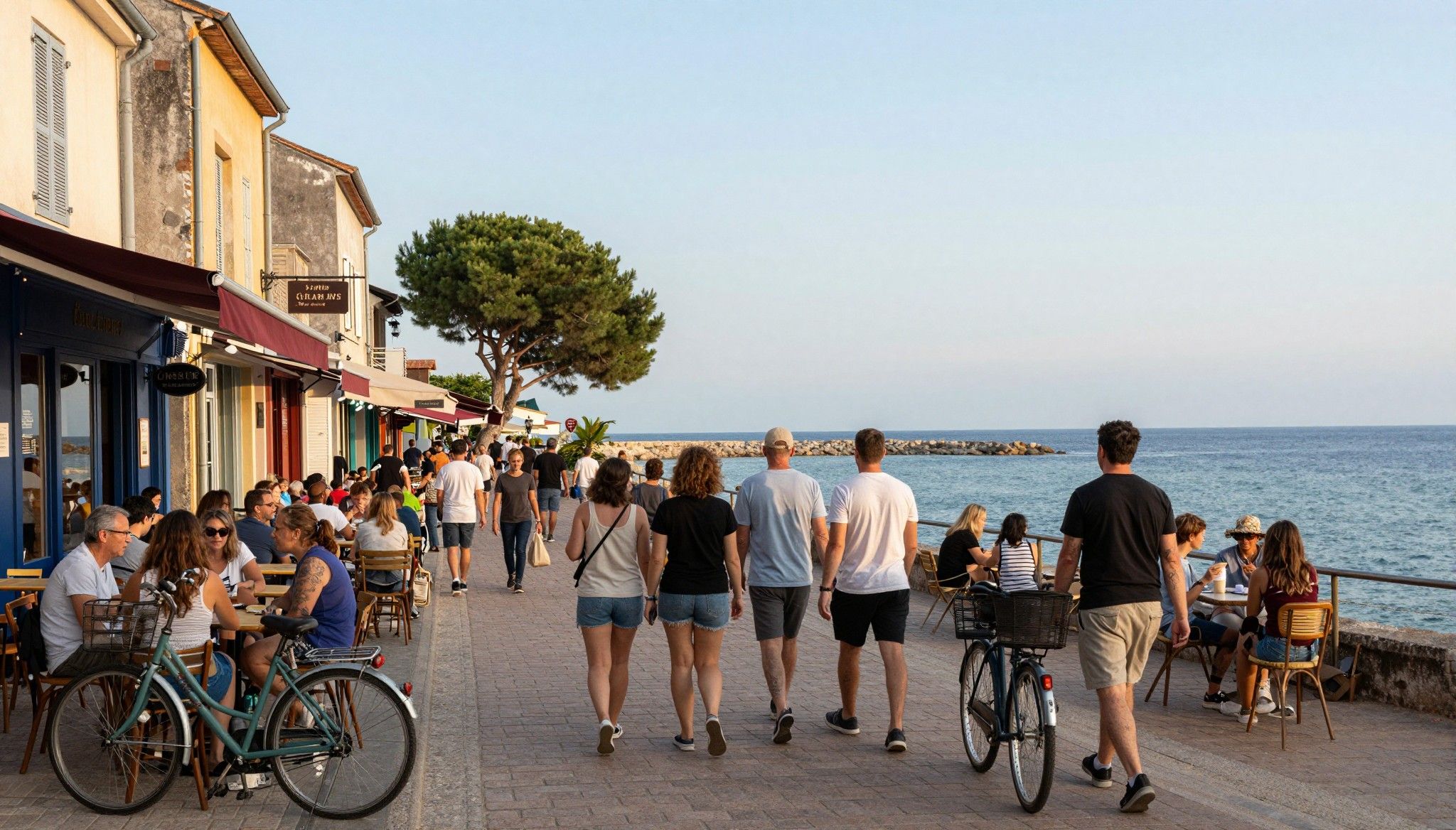
Daily life on France’s coast is sensory and slow in a good way: morning markets heavy with basil and lemons, abrupt thunderstorms that clear the heat by late afternoon, late‑night neighbourhood boulangeries and neighbourhood aperitifs by the sea. From Nice’s Promenade des Anglais to Biarritz’s surf beaches, each stretch has its own tempo and price brackets: grand boulevards and villa-lined hills sit next to working harbours and sleepy residential streets. That diversity is the tactical advantage—buyers can prioritise lifestyle (beach access, village cafés, or art scenes) and then match budgets to local micro-markets rather than buying into a single stereotype.
Riviera heartbeat: Nice, Antibes, Cannes
Walk the narrow streets of Vieux-Nice by breakfast and you’ll see why international buyers fall in love: small cafes like Café Marché and boucheries that know your order. Antibes blends a working port with quiet residential lanes (Juan-les-Pins is livelier, Cap d’Antibes quieter). Cannes is festival‑busy for a few weeks a year but otherwise retains seaside promenades and classical buildings where apartments can be surprisingly small for their price—good for pied‑à‑terre buyers who value proximity over square metres.
Atlantic character: Biarritz to La Rochelle
On the Atlantic coast you’ll find a different cadence: surf culture in Biarritz, oyster markets in Arcachon, and long seasonal swings—full summer life and markedly quieter winters. Architectural styles differ too: timber-clad villas and stone townhouses replace Mediterranean stucco. For buyers prioritising year-round affordability and a stronger local market (less reliant on international holiday rentals), towns like La Rochelle or Royan show better value per square metre than headline Riviera addresses.
- Lifestyle highlights to try before you buy
- Morning marché on Cours Saleya, Nice; local cheese stalls and Provençal herbs
- Sunset drinks on Plage de la Salis, Antibes, followed by a seafood dinner at a neighbourhood bistro
- Weekend surf and oyster tasting at Cap Ferret or Arcachon Bay
- Village markets in Mougins or Saint‑Paul‑de‑Vence for art, antiques and local ties
Making the Move: Lifestyle Meets Market Reality

Lifestyle aspirations collide with market signals. After two years of cooling, French house prices returned to modest growth in early 2025—a rebound driven by lower borrowing costs and renewed buyer activity. That means two practical things for international buyers: there are pockets of immediate momentum where swift, well-prepared offers win, and quieter micro‑markets where negotiation room remains. Use national indicators as a compass (INSEE data) but make offers based on neighbourhood-level knowledge—price per square metre can vary dramatically between a hilltop village and a central coastal street.
What property styles deliver the lifestyle you want
If mornings with coffee at a local café are non-negotiable, a small apartment in a central town (Nice, La Rochelle) wins over a distant villa that requires driving. If outdoor life is priority—terraces, garden, proximity to beaches—look for 1970s coastal blocks with private terraces or renovated townhouses with courtyard gardens. New-builds near transport nodes deliver low-maintenance convenience and better energy performance, while older Provençal houses offer character but require renovation budgets and practical adaptation to modern insulation and plumbing.
How local experts translate lifestyle into listings
Work with an agency that maps lifestyle priorities to real stock: beach distance in minutes, market flexibility for rentals, and peak‑season noise levels. Ask for walk-score-style maps, recent sales comparisons on the street level, and contractor referrals for quick estimates. Good local agents bring photos of the exact street at different times of day and introduce you to neighbours or property managers so you see both the curated and lived-in realities. These steps shorten due diligence and align your purchase to how you actually want to live.
Insider Knowledge: Expats’ Hard‑Won Lessons
We interviewed buyers who moved from Spain’s Costa del Sol to French coastal towns and one theme came through: the “expensive France” myth dissolves once you compare like for like. Small seafront apartments on the Côte d'Azur command premiums, yes—but inland or in neighbouring towns the value equation can favour France. Expats stress checking micro‑seasonality (some towns close in winter), understanding local council tax rhythms, and visiting outside high season to feel the year-round life rather than the festival calendar.
Cultural integration: cafés, language, and small‑town etiquette
Learning a few phrases—bonjour, merci, vous voulez—changes the tone of interactions in markets and shops. Neighbourhood rituals matter: many towns still observe long lunch breaks and closures on Monday mornings. For buyers, that means planning viewings carefully and building soft relationships with local artisans and notaires. Successful expats often join local associations (sports clubs, marché volunteer days) to accelerate belonging and source trusted tradespeople for post‑purchase work.
Longer-term lifestyle considerations
Think five years ahead: will you need rental income during absences, accessibility for ageing in place, or classroom options for children? Coastal towns evolve—some invest in marinas, cycle lanes and cultural venues which lift desirability and resale value, while others stagnate. Balance immediate desires (terrace, sea view) with structural features: insulation, roof condition and access to services. These influence both monthly costs and long-term value more than surface aesthetics.
- Step-by-step for a lifestyle‑aligned purchase
- 1. Spend one week living like a local: rent in your target neighbourhood during off-season to test everyday life.
- 2. Commission neighbourhood comparables from a local agent—street-level recent sales, not regional averages.
- 3. Budget for renovation and energy upgrades; older coastal houses often need modernisation.
- 4. Meet the notaire and confirm transfer costs and local tax timings before final offers.
- 5. Use a local property manager for the first year if you plan seasonal rentals—monitor occupancy rather than assume peak returns.
Conclusion: If the Costa del Sol feels like an obvious seaside choice, France’s coast offers a subtler, often more adaptable option. The key is to match the exact neighbourhood rhythm—market days, beach type, winter quiet—to how you want to spend weekdays and weekends. Use national data as a backdrop (INSEE and national press coverage), and a specialist local agent as the translator between lifestyle and listings. Visit out of season, test the daily routine, and prioritise structural checks over cinematic views: that’s how you buy a life, not just a photograph.
Swedish strategist who relocated to Marbella in 2018. Specializes in legal navigation and tax planning for Scandinavian buyers.