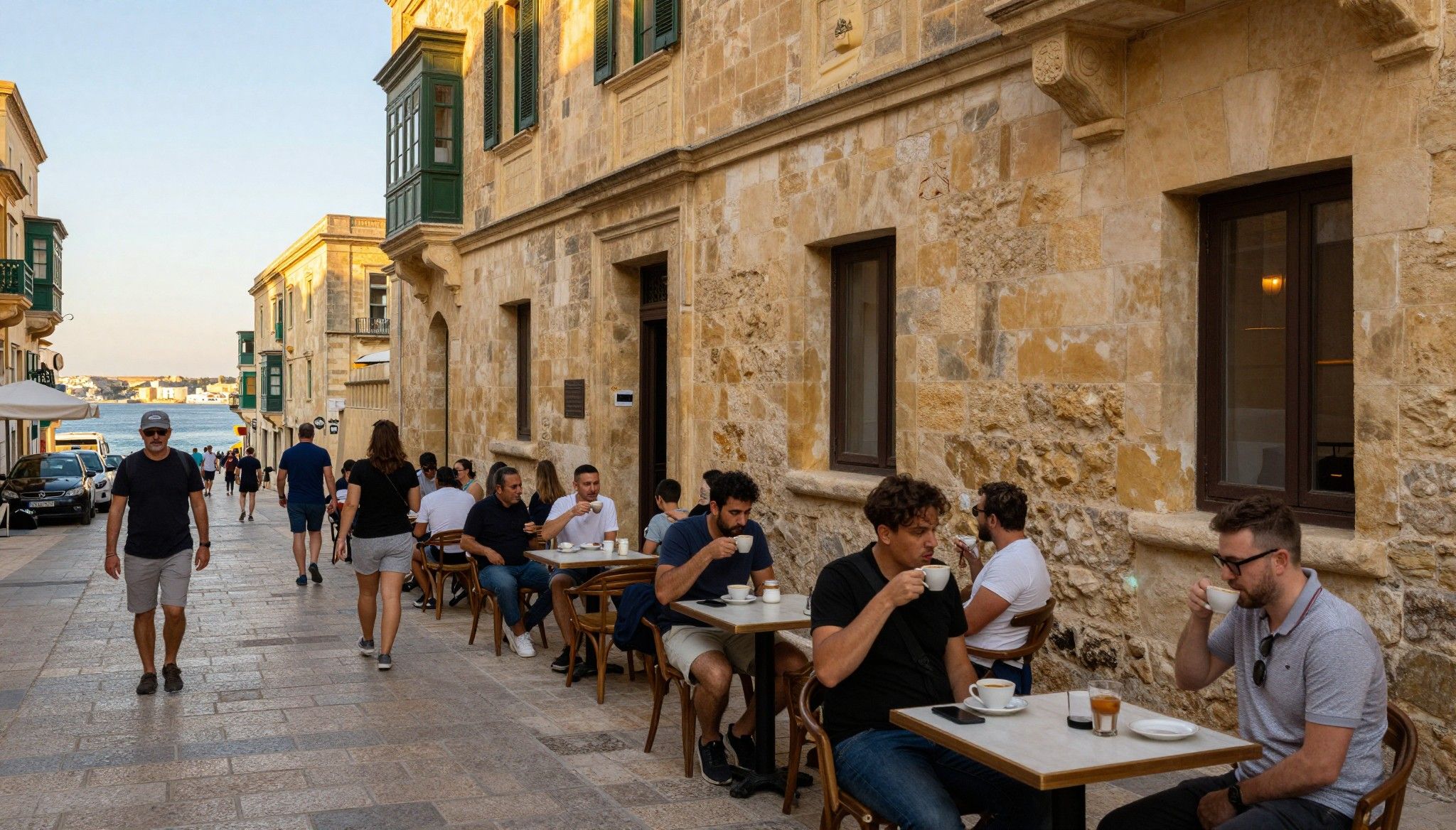
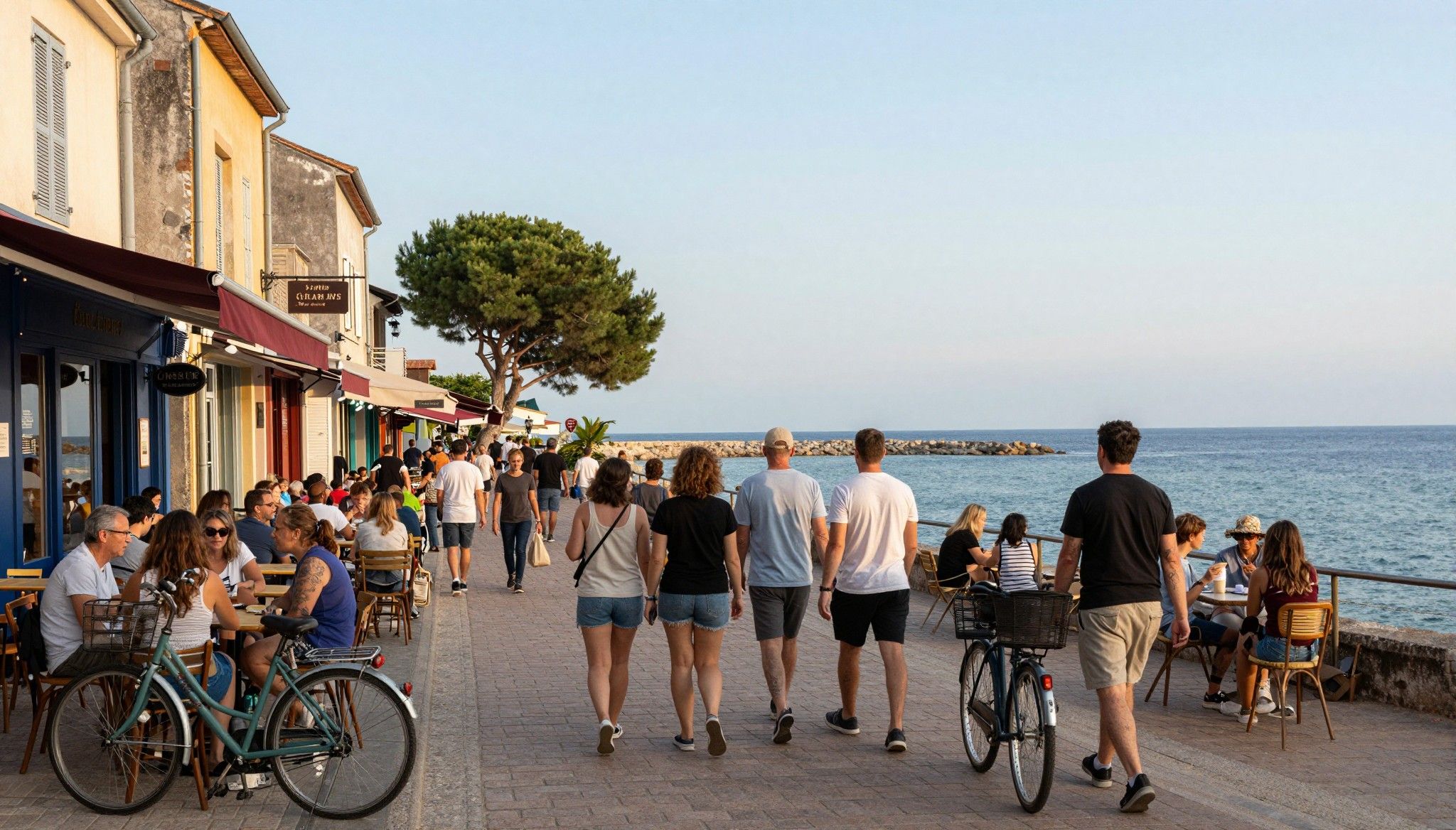
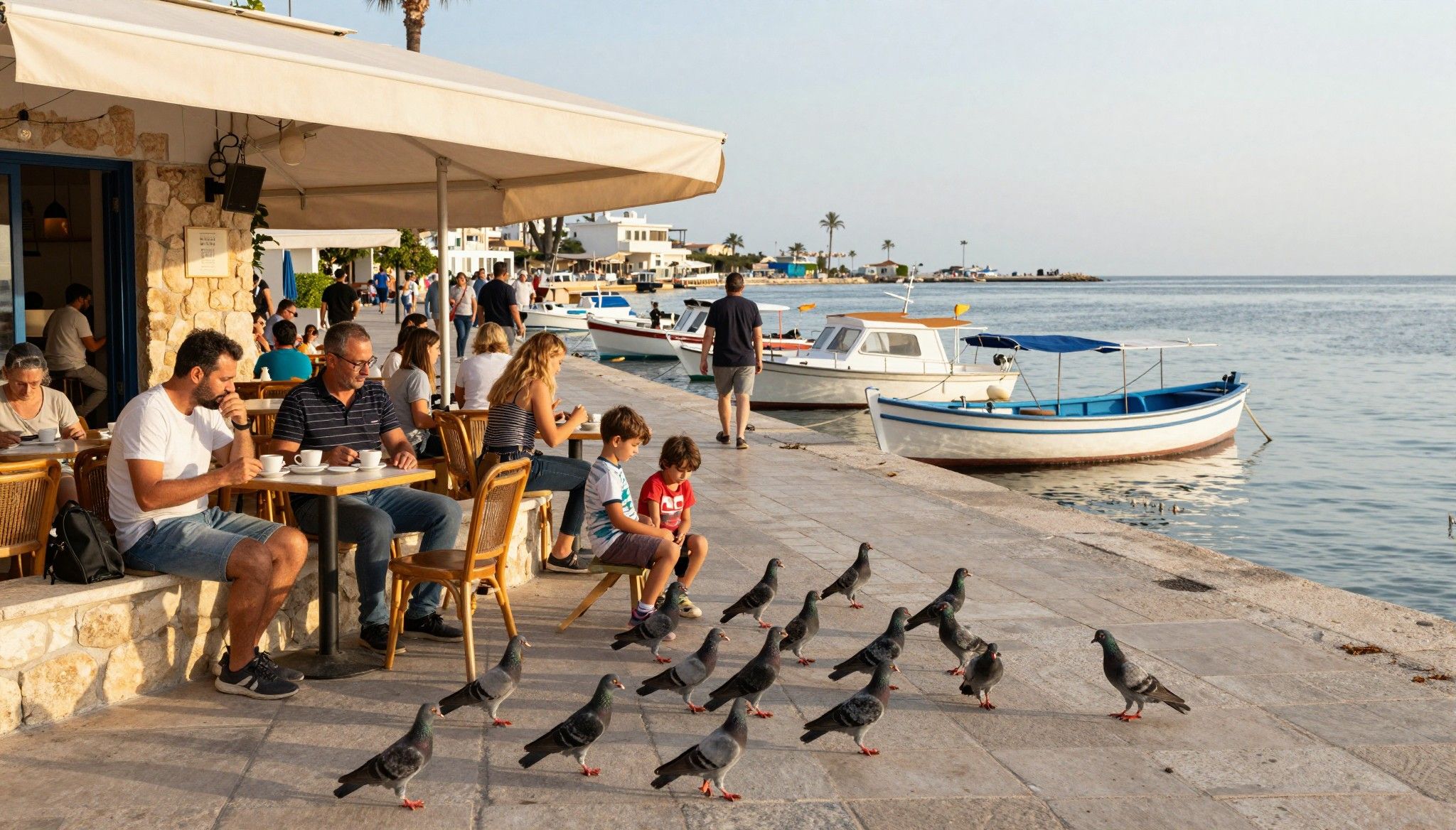
France: Seasonal Value and Neighbourhood Rhythms
France’s charm hides seasonal value and neighbourhood secrets; 2025 data shows price stabilisation—visit off‑season, prioritise rituals over views, and verify sold comparables.
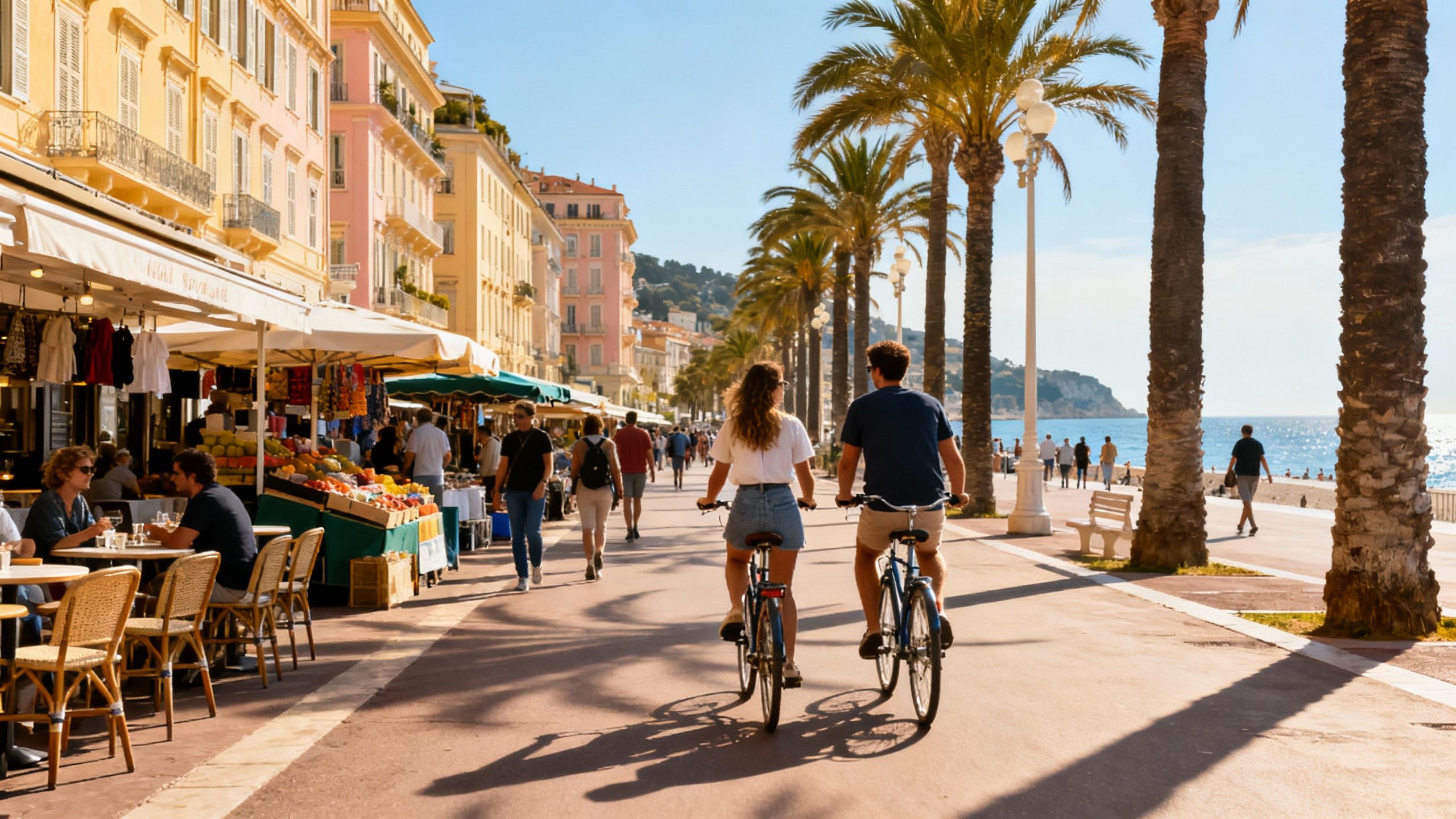
Imagine waking on a soft autumn morning in Nice, the market stalls on Cours Saleya already alive with citrus and basil, and a cafè steaming espresso at an iron-topped table. In France that scene is everywhere — from fishermen mending nets in Cassis to morning joggers along Paris's Canal Saint-Martin — and it shapes how people buy: lifestyle first, square metres second. But lifestyle myths — that France is uniformly expensive, that Riviera living is only for the ultra-rich — hide real pockets of value and seasonal timing opportunities for international buyers. Recent market analysis shows prices stabilising in 2025, making this a good moment to weigh lifestyle priorities against practical buying steps.
Living the France lifestyle
France is not one mood but a dozen: the soft morning markets of Provence, the shoreline promenades of the Côte d’Azur, the late-night bistros of Paris. These everyday rhythms — market runs, aperitifs on a terrace, weekend trips to a nearby vineyard — are what you buy into as much as the property. Economically, national indices reported a modest rebound in house prices in Q1 2025, underlining that the lifestyle you crave can also align with stabilising market conditions. Understanding that interplay helps you choose a place that feels like home all year, not a postcard sold in summer.
Provence & Aix — slow mornings and market rhythm
Picture rue Mignet in Aix-en-Provence at 09:00: boulangeries still warm, locals buying almonds and tapenade. Properties here range from compact townhouses on winding lanes to renovated mas with courtyards; buyers prize outdoor kitchens, shaded terraces and proximity to weekly markets. If you prioritise gentle pace, access to gastronomy and a short TGV ride to Marseille, this region balances investment resilience with a particular slow-living charm that many expatriates value.
Côte d’Azur & Nice — sea, sun and seasonal realities
From Old Town Nice to quieter Cap d’Antibes lanes, the Riviera is shorthand for glamour — but it’s also intensely seasonal. The Financial Times highlights how Parisians and domestic buyers shape demand for second homes, which pushes certain coastal neighbourhoods into a high-turnover, short-let dynamic. That matters for buyers who want year-round community: pick streets where locals still live (for example parts of Nice’s Gambetta or Cagnes-sur-Mer’s Provencal quarter) rather than solely touristic promenades.
- Lifestyle highlights to scout in France
- Cours Saleya market (Nice) — morning food culture and short‑walk apartments
- Rue Montorgueil (Paris) — pedestrian food streets and classic apartment living
- Vallon des Auffes (Marseille) — small harbour, fishermen’s culture, coastal maisonettes
- Aix-en-Provence markets — outdoor life, village squares and restored townhomes
Making the move: practical considerations
Lifestyle seduction should meet practical planning: property types, seasonality of sales, and the local agent’s on‑the‑ground knowledge. National reporting in 2025 notes a return to modest price growth and higher transaction activity after a period of stagnation, so timing and pricing strategies differ by region. Work with agents who show you comparable sold prices across seasons and who understand local short‑let patterns — that knowledge preserves lifestyle and protects yield if you plan to rent.
Property styles and how they shape daily life
Historic apartments in Paris or Nice mean high ceilings, less insulation and charming quirks; modern builds on the outskirts favour open plans and parking. A Provençal mas offers land, summer shade and self-sufficiency but needs upkeep; a renovated apartment by the sea gives easy living but smaller outdoor space. Match the property type to when and how you’ll live: full-time residents should prioritise insulation, laundry space and winter sun; part-timers can trade square metres for proximity to a market or beach.
Working with local experts who know the lifestyle
A skilled local agent acts as your cultural translator: they’ll flag which neighbourhoods empty in winter, where community life persists, and which buildings tolerate short lets. For foreign buyers, choose agencies that list energy performance (DPE), recent sales history and local rules on short-term lets. Practical services — from a notaire who explains inheritance implications to a gestionnaire de biens for seasonal rental management — convert the lifestyle dream into sustainable ownership.
- Steps that blend lifestyle and practical checks
- Visit across seasons: autumn market and winter calm reveal true neighbourhood life
- Request sold price comparables, not marketing prices, to benchmark value
- Check local short‑let rules and DPE energy ratings for running-cost realism
- Secure a notaire and an agent who will show on‑season and off‑season occupancy trends
Insider knowledge: what expats wish they'd known
Long-term expats tell a similar story: integrate slowly, accept local rhythms and prioritise community over headline views. INSEE reports that millions of foreigners live in France, reflecting diverse expatriate communities across regions; that density makes integration easier in many towns but also creates competition in attractive markets. Expect bureaucracy to take time, make language study part of your relocation plan, and look for neighbourhoods where locals still shop daily — that’s where you’ll feel at home.
Cultural cues that change where you buy
French social life pivots around neighbourhood rituals: aperitif hour, local market days, municipal fêtes. Properties on streets that host a weekly market or a small square maintain social life year-round, whereas properties on tourist promenades can feel deserted after high season. Prioritise proximity to a daily boulangerie or weekly market if you want neighbours, not just visitors.
Long-term outlook: how life and value evolve
Over a decade, French property tends to reward patience — renovation and location near services often outpace flashy views. Data and notaire commentary suggest urban markets are stabilising, with regional nuance: Paris behaves differently to rural Dordogne or coastal Brittany. Think of property as a life-stage anchor: choose a home that supports how you live now, but with adaptable spaces for future rental, family stays or remote work.
- Red flags local agents will warn you about
- High short‑let density on a street if you want year‑round neighbours
- Poor DPE energy rating in older homes that blow the heating budget
- Overpriced listings based on summer-only demand
Conclusion: France offers an array of lived experiences — coastal mornings, vineyard weekends, urban cultural pulses — that you can buy into with the right approach. Visit across seasons, prioritise neighbourhood rituals over postcard prestige, and partner with agents and notaires who measure value with both sold comparables and social life indicators. When lifestyle and data align, your purchase becomes both a home and a considered investment; next step, schedule an off-season visit and ask local agents for recent sold prices and energy ratings.
Dutch investment strategist with a Portugal-Spain portfolio. Expert in cross-border financing, rights, and streamlined due diligence for international buyers.