Greece: Buy for Life, Not Just Summer
Greece’s lifestyle — from Athens rooftops to Cycladic terraces — must guide buying choices; recent residency and rental rules reshuffle where value and usability live.
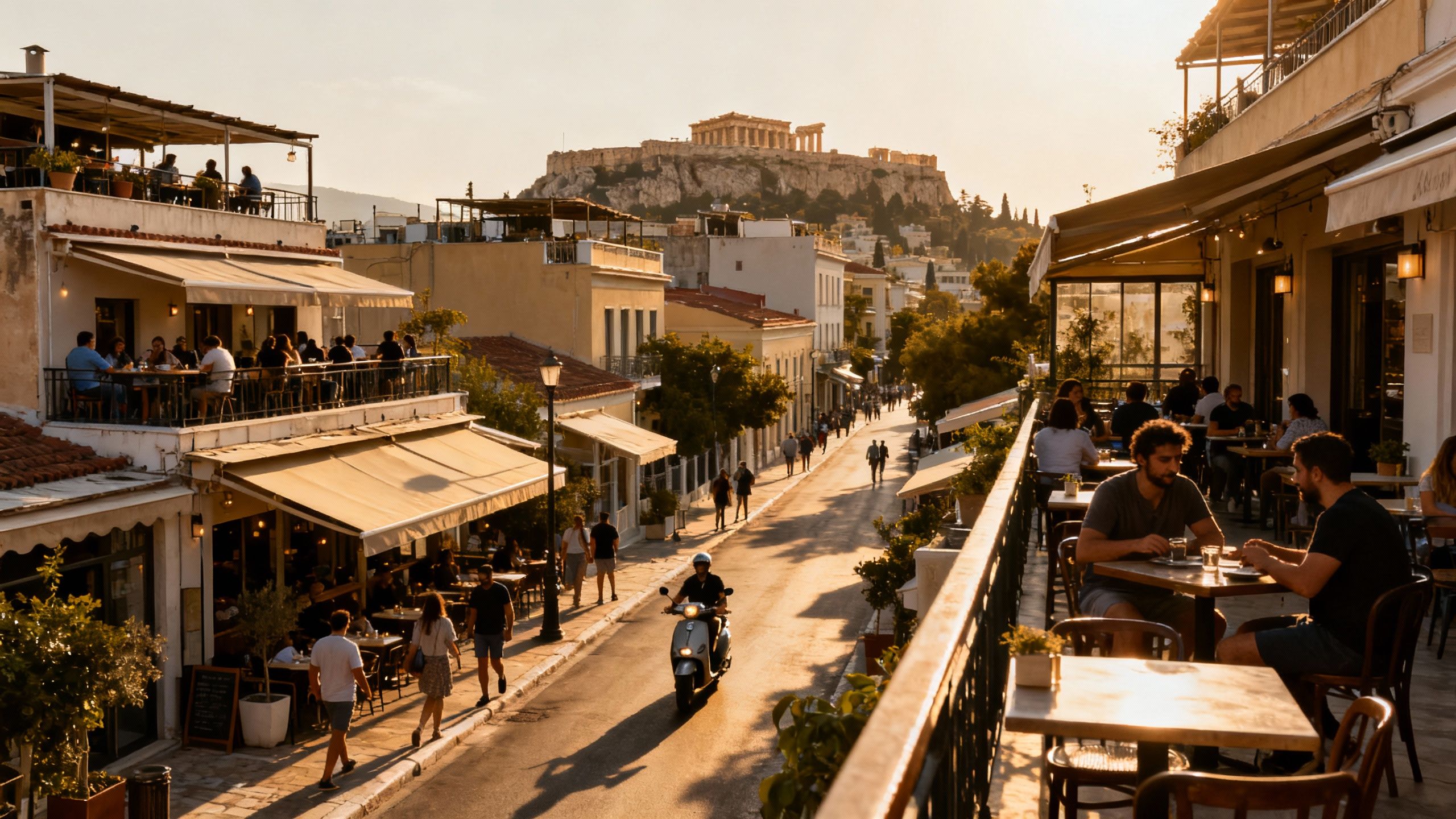
Imagine sipping an espresso on a shaded table in Plaka, then stepping five minutes to a narrow street where a fishmonger’s catch is still glistening. In Greece the day moves between light and ritual — early morning bakeries, long afternoon pauses, and evenings that belong to tavernas and neighbourhood squares. That lived rhythm is why buyers fall for Athens’ neoclassical streets, Crete’s olive-scented villages, or the Cyclades’ whitewashed terraces — and it’s also what changes how you should buy.
Living Greek: the lifestyle that shapes where you buy

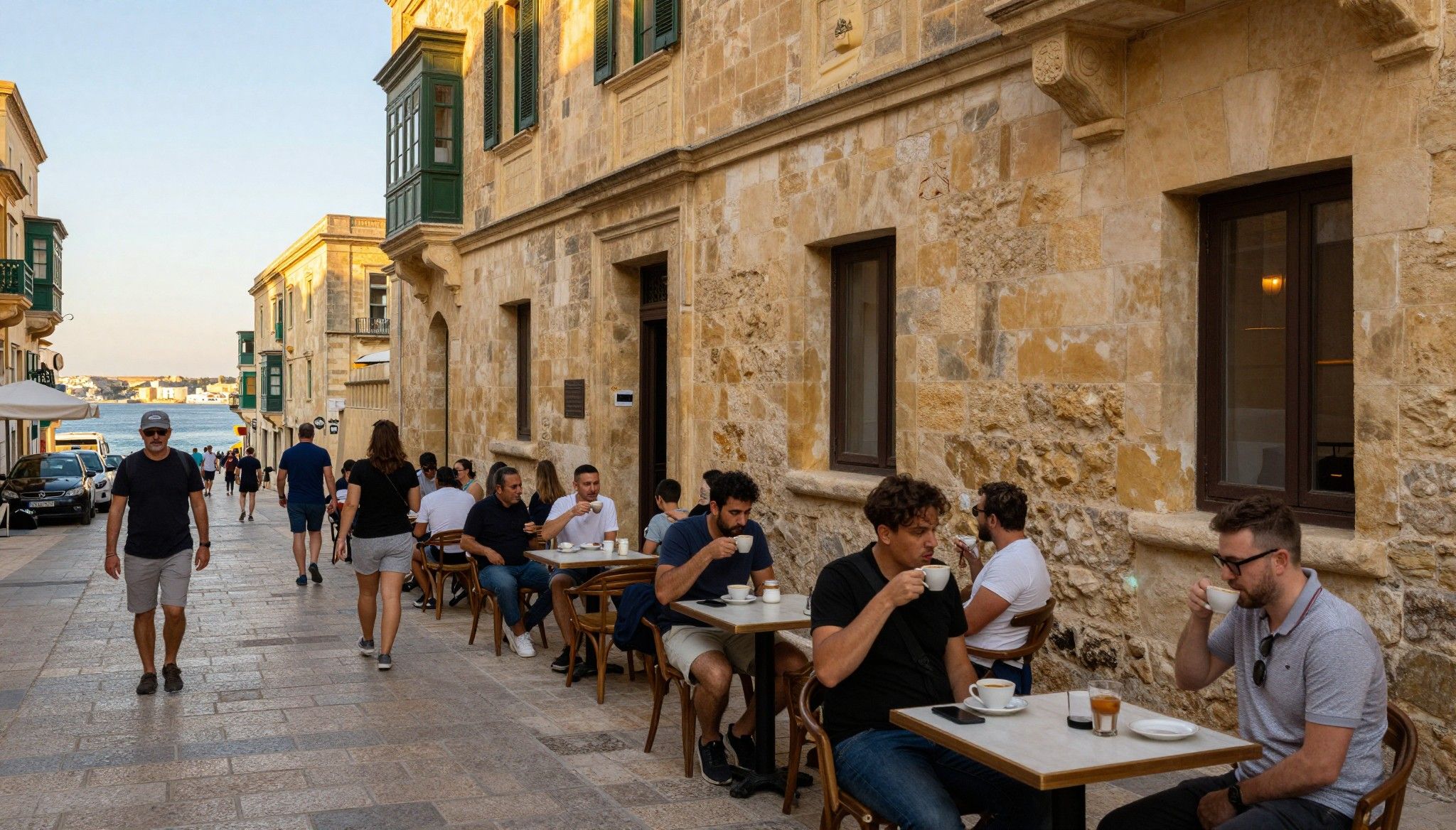
Greece isn’t a single lifestyle — it’s a collection. Athens alternates museum mornings and rooftop bars at dusk; the Athenian Riviera offers beachside cafés and yacht moorings; the Cyclades trade isolation for intense summer life; Crete and the Peloponnese keep a year‑round agrarian tempo. When you walk a neighbourhood you hear its use: markets, schools, late-night tavernas, local kiosks. Those daily patterns determine whether a property feels like a holiday home or a place you can truly belong.
Athens & the Athenian Riviera: city rhythm with coastal escapes
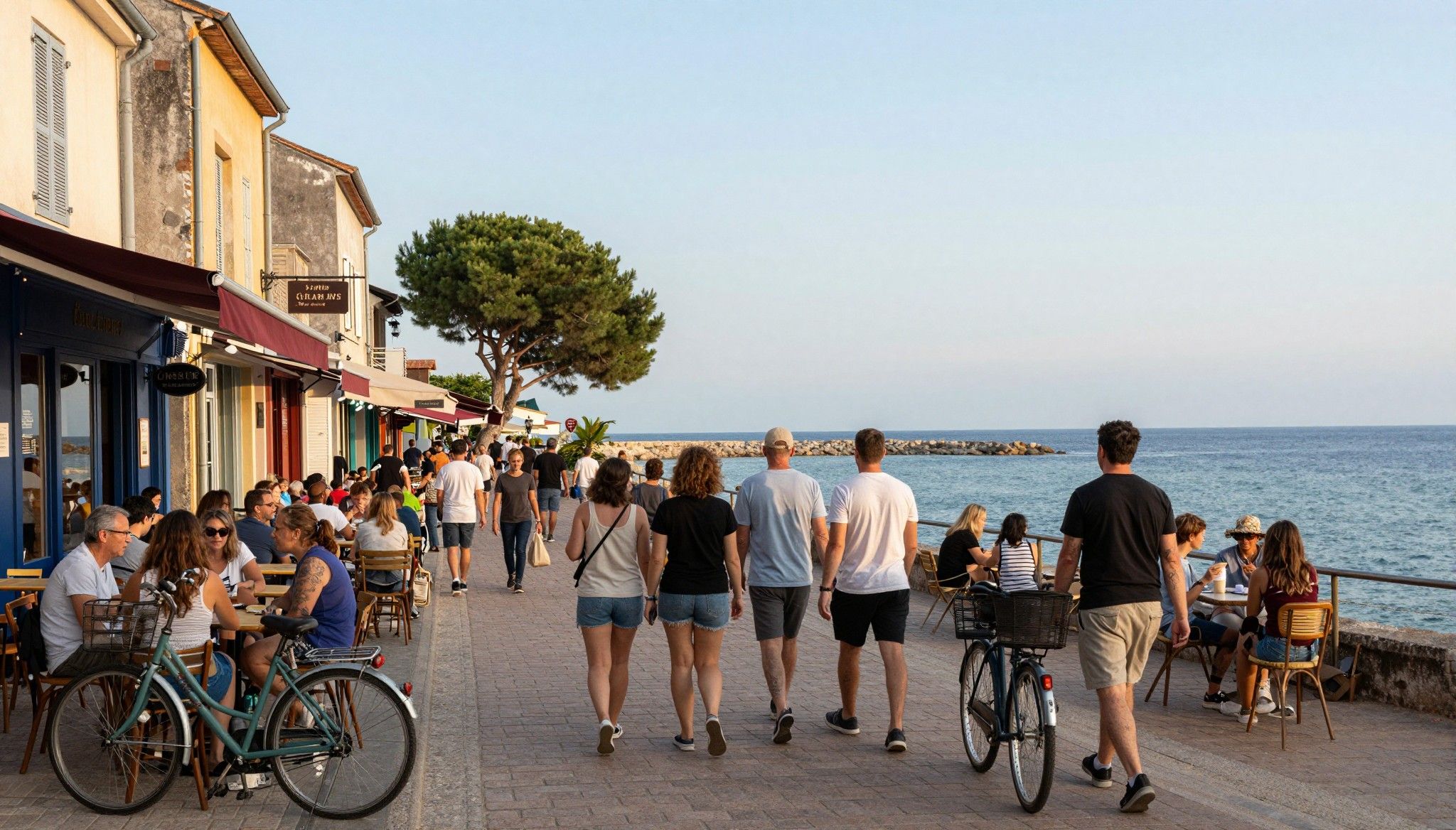
Picture Koukaki’s coffee shops at 09:00, Kolonaki’s boutique windows at 11:00 and, an hour later, the Athenian Riviera beaches filling with cyclists. Vouliagmeni and Glyfada have become day-to-day havens for families who want sea access and school choices close by. For buyers, this blend means choosing between an apartment that’s lively year‑round (central Athenian neighbourhoods) and a coastal house that blooms in summer but offers quieter winters.
Islands: intense summer markets and quiet winter life
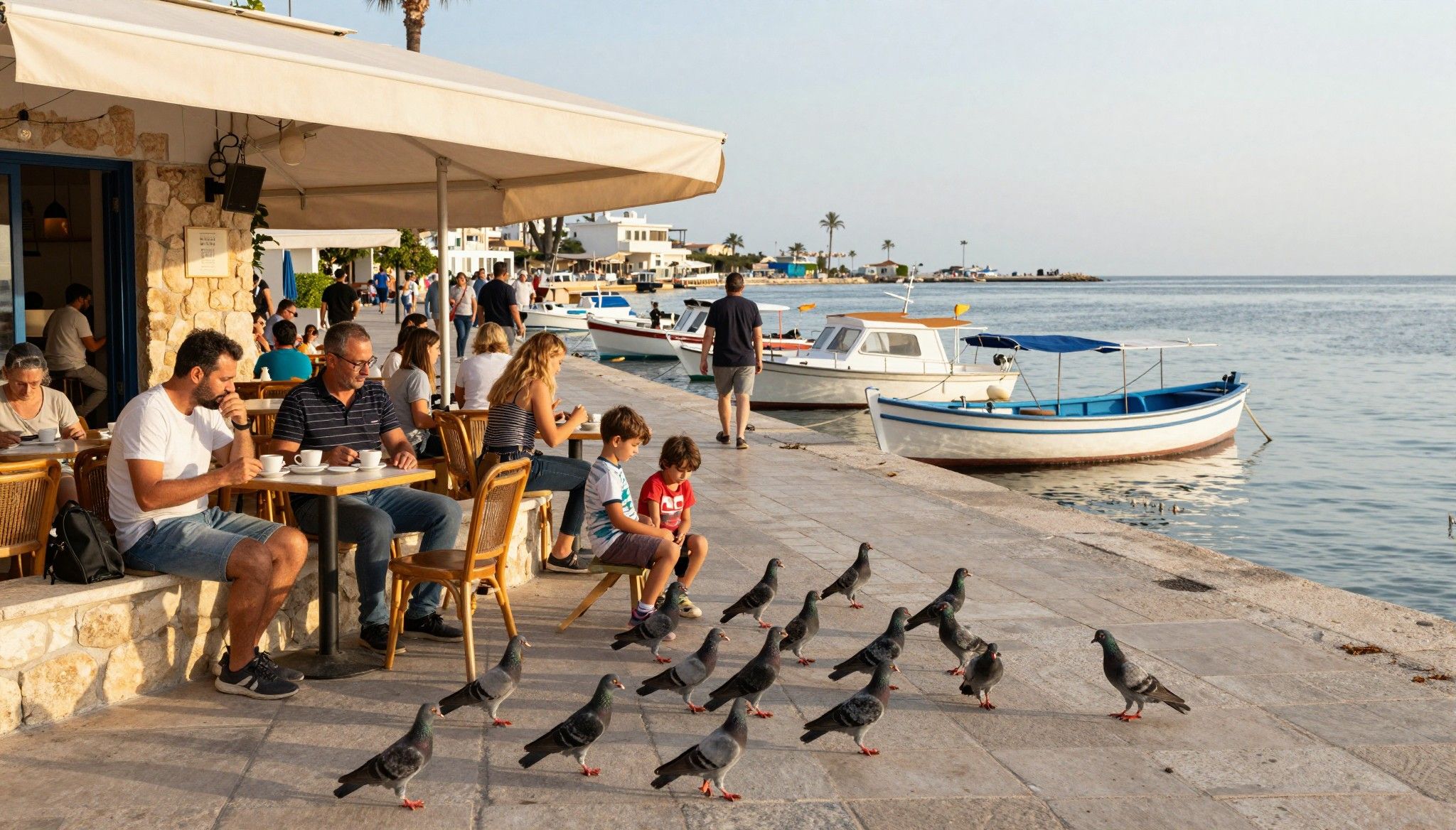
Island life is seasonal by design. Mykonos and Santorini deliver packed summers, high rental rates and fame; smaller Cycladic islands offer quieter years with strong community ties but limited services in winter. This makes islands perfect for buyers seeking short‑term rental returns or a seasonal retreat — but less suited for those who need full‑time medical or school infrastructure.
- Athens rooftop cafés (Koukaki, Psyrri), Vouliagmeni beaches, Glyfada marina, Plaka’s monastery-lined lanes, Naxos inland market, Chania’s Venetian harbour
Making the move: how lifestyle choices should shape your property search
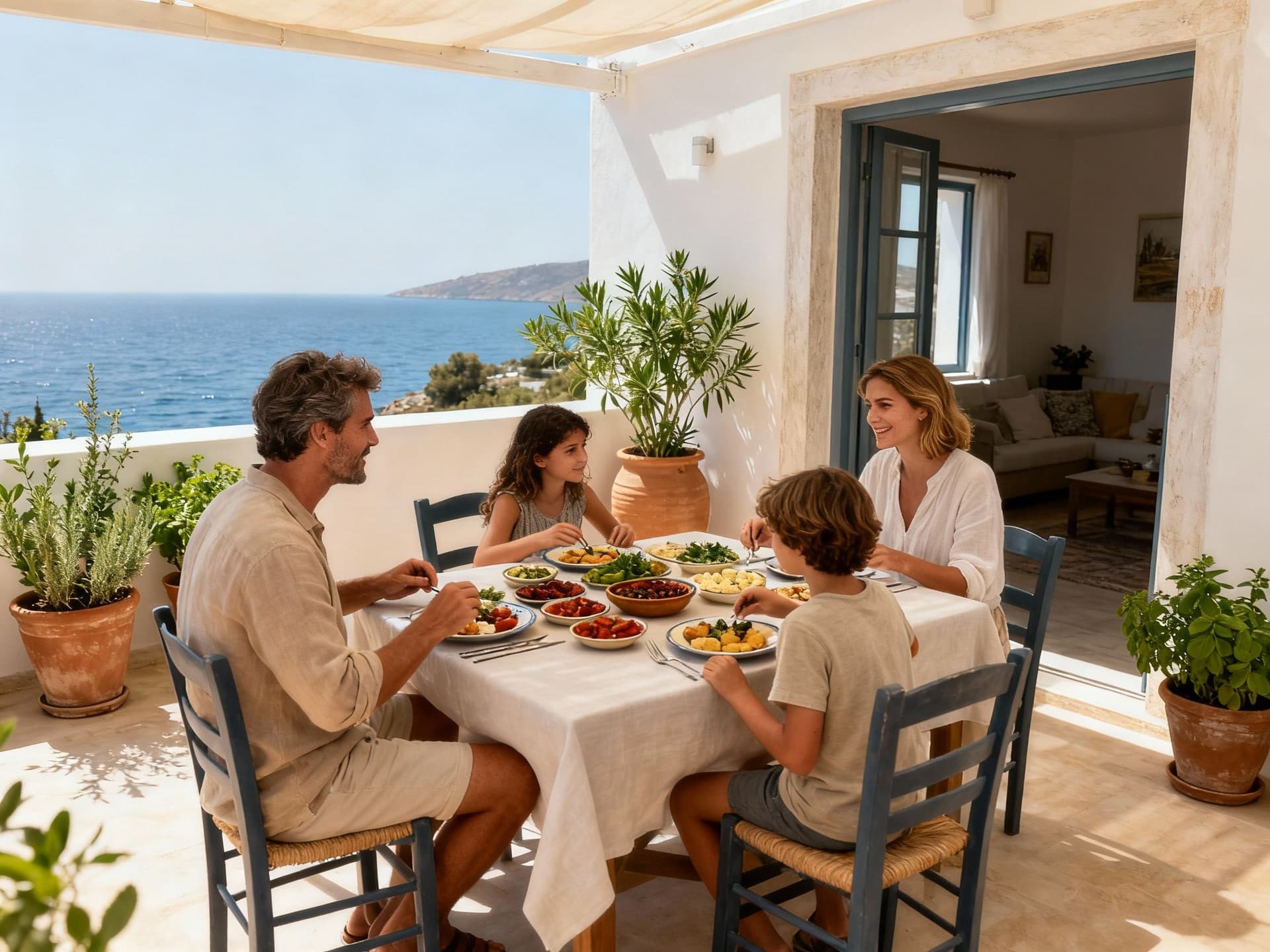
You can fall in love with a view, but the practicalities of buying in Greece are where friendships with local experts pay off. Recent regulatory shifts have altered residency-linked buying thresholds and short-term rental rules — both of which affect pricing and use. Before you make offers, match the lifestyle you want (full-time living, seasonal escape, or rental income) with how rules and market conditions will change your return and day-to-day life.
Property types and how they map to life
New-build apartments in Athens suit buyers who want urban access and easier maintenance; renovated neoclassical flats are ideal if you want character and a central social life. On islands, traditional stone houses and terraces give authentic living but may need upgrades for winter comfort. Consider heating, insulation, and access: a summer-perfect terrace can become a liability in an island winter without proper glazing and insulation.
Working with local experts who understand life, not just listings
Agents who know neighbourhood rhythms will flag seasonal service gaps, typical renovation costs, and how local councils treat short‑term lets. For example, Athens has introduced stricter short‑term rental oversight in some central districts — a factor that changes what neighbourhoods earn from holiday lets. Use local lawyers and surveyors who’ve handled title searches on island plots and understand coastal setback rules.
- Decide your primary use: full‑time home, seasonal retreat, or rental; quantify how many months/year you’ll occupy. Hire a local lawyer to check title, zoning, and any past planning violations. Order an on-site technical survey (structural, moisture, insulation). Discuss utility reliability and transport links with your agent. Model rental scenarios against realistic occupancy (seasonal peaks only) rather than summer rates.
Insider knowledge: what expats wish they’d known sooner
Expats often say the surprise isn’t the sun or the food — it’s the seasonal tempo, the way neighbour relationships run your day, and how bureaucracy moves at its own pace. Tourism growth has boosted revenues and demand, yet it also shifts neighbourhood character, sometimes faster than infrastructure catches up. Knowing how locals use space — whether a street is a morning market or an evening promenade — changes where you should buy.
Language, community and social cues
Learning a few phrases, attending a local kafeneio (coffee house) and shopping at the municipal market accelerates acceptance. Greeks value reciprocity: small favours and regular presence build trust fast. This matters when you rent your place out through local managers, hire craftsmen for renovations or simply want reliable neighbours who’ll collect post and water your plants while you’re away.
Long-term lifestyle realities to price into your decision
If residency via property matters to you, recent law changes raised minimum investment thresholds in high‑demand zones. That affects which islands and districts remain accessible under residency schemes and therefore affects buyer demand. Factor in likely future regulation — cities tightening short‑term lets, or islands restricting development — when projecting rental income or resale desirability.
- Expect seasonal utility needs (heating vs cooling), consider off‑season maintenance plans, confirm internet & telemedicine availability, check local school options, and budget for VAT or renovation permits where applicable.
You’ve pictured the life: late dinners under bougainvillea, cycling to a nearby market, a local café that knows your order. Now match that picture to facts: realistic rental income, changing residency rules, and neighbourhood seasonality. Work with an agent who visits neighbourhoods at different times of year, a lawyer familiar with recent Golden Visa reforms and a surveyor who’s comfortable with island infrastructure. Those three local allies turn the dream into a sustainable plan.
Next steps: shortlist three neighbourhoods that match your lifestyle, visit them in both high and low season (or ask an agent for time-stamped walkthroughs), then commission a legal and technical due diligence package before making an offer.
Conclusion: Greece offers a palette of daily pleasures and practical choices. Love the life you imagine, but build the purchase around how life actually plays out here — seasons, neighbours, and rules matter. When lifestyle and diligence meet, you don’t just buy a property in Greece: you join a place.
Norwegian market analyst who relocated to Mallorca in 2020. Focuses on data-driven market insights and smooth relocation for international buyers.